





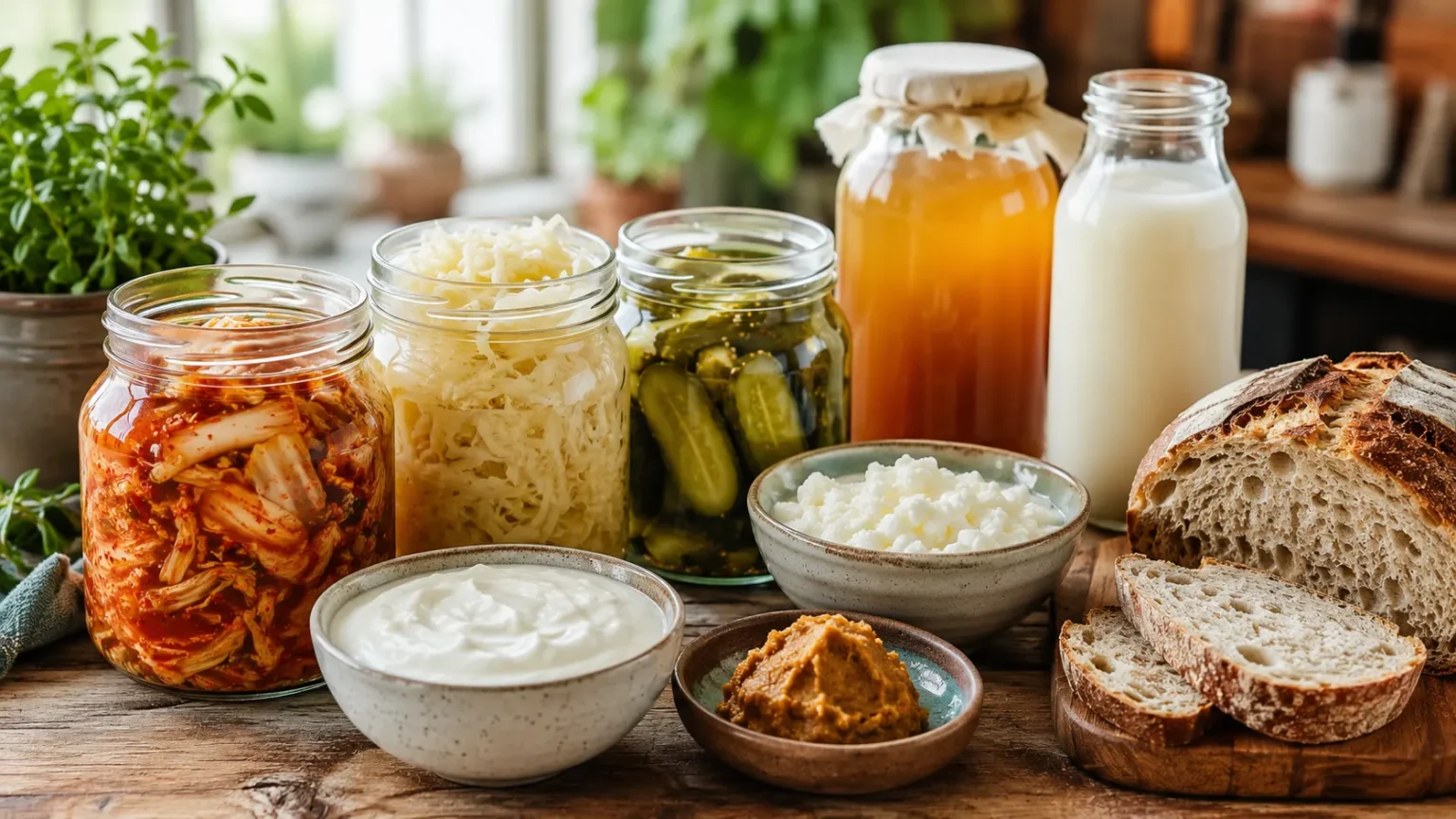
What Is a Fermented Food? A Simple Guide to How Fermentation Works
A fermented food is a food or drink that has been transformed through the controlled activity of microorganisms such as bacteria, yeast, or molds. During fermentation, these microorganisms break down components such as sugars and starches and create acids, gases, alcohol, or other compounds. This process can change a food’s flavor, texture, aroma, digestibility, and shelf life in noticeable ways.
Fermentation is far from a modern food trend. People have used it for thousands of years to preserve seasonal foods, make beverages, improve flavor, and create foods that could be stored for longer periods. Yogurt, cheese, sourdough bread, kimchi, sauerkraut, miso, tempeh, kefir, and traditional pickles are all familiar examples of foods produced through different forms of fermentation.
Today, fermented foods are receiving renewed attention because of growing interest in the gut microbiome, probiotics, digestive health, and traditional food preparation. Some fermented products contain live microorganisms when consumed, while others do not because they have been cooked, pasteurized, filtered, or otherwise processed after fermentation. This distinction is important when discussing the potential health effects of fermented foods.
Understanding what is a fermented food is therefore about more than recognizing foods with a sour taste. Fermentation is a specific biological process that changes the food itself. Once you understand how that process works, it becomes much easier to distinguish genuinely fermented foods from products that are simply pickled, flavored, aged, or marketed as being good for gut health.
What Does Fermented Food Actually Mean?
Fermented food is created when microorganisms use nutrients in food as an energy source and produce new compounds in the process. Lactic acid bacteria, certain yeasts, and beneficial molds are among the microorganisms commonly involved. Depending on the food and method, fermentation may occur naturally or through the addition of a carefully selected starter culture.
One of the most common forms is lactic acid fermentation, in which bacteria convert sugars into lactic acid. This is the process involved in many traditional foods such as yogurt, sauerkraut, kimchi, and some fermented pickles. The increasing acidity helps create the distinctive tangy flavor while also making the environment less favorable for many undesirable microorganisms.
Other fermentation processes work differently. Yeast can convert sugars into alcohol and carbon dioxide, which is important in foods and drinks such as bread, beer, and wine. Certain molds and bacteria also play key roles in producing foods such as soy sauce, miso, tempeh, and specific cheeses, creating flavors and textures that would not exist without microbial activity.
The key point is that fermented food has been meaningfully changed by microorganisms. Simply adding vinegar, lemon juice, or another acidic ingredient does not automatically make something fermented. True fermentation involves biological activity, which is why understanding the production method is often more useful than judging a food only by its taste or appearance.
How Does Food Fermentation Work?
Fermentation begins when suitable microorganisms have access to the nutrients they need under conditions that support their growth. Temperature, salt concentration, oxygen exposure, acidity, moisture, and time can all influence what happens. Traditional recipes developed over generations often control these factors surprisingly well, even before people understood the science behind microorganisms.
During the process, microbes consume carbohydrates or other components in the food and transform them into different substances. Lactic acid bacteria produce acids, while yeast may produce alcohol and carbon dioxide. These compounds alter the environment around the food and contribute to preservation, texture, aroma, and the characteristic flavors people associate with fermented products.
Salt is particularly important in many vegetable fermentations because it helps create conditions in which desirable bacteria can thrive while less desirable microorganisms are suppressed. This is one reason traditional sauerkraut and kimchi recipes rely on carefully measured salt. Temperature also matters because fermentation that happens too slowly or too quickly may produce different textures, flavors, and safety outcomes.
Commercial food producers often use controlled starter cultures to make fermentation more predictable. Home fermentation may instead depend on microorganisms naturally present on vegetables, grains, or other ingredients. Both approaches can produce excellent foods when managed properly, but consistent hygiene and appropriate fermentation techniques remain essential for maintaining quality and reducing food-safety risks.
What Are Some Common Examples of Fermented Foods?
Yogurt is one of the most recognizable fermented food examples. It is made by adding specific bacterial cultures to milk, which convert lactose into lactic acid. This gives yogurt its tart flavor and thicker consistency. Some yogurts contain live and active cultures when eaten, although ingredients, heat treatment, and processing methods vary between products.
Fermented vegetables are another major category. Sauerkraut is traditionally made by fermenting shredded cabbage with salt, while kimchi usually combines vegetables with seasonings and undergoes lactic acid fermentation. Naturally fermented pickles may also contain live cultures, but pickles preserved only with vinegar are not necessarily fermented even though they have a similar sour taste.
Soy-based fermented foods include tempeh, miso, natto, and soy sauce. Tempeh is made through mold fermentation of soybeans, while miso develops through a longer fermentation involving soybeans and a cultured ingredient known as koji. These foods demonstrate how fermentation can transform not only flavor but also texture, aroma, and the chemical composition of the original ingredients.
Other examples include kefir, sourdough bread, certain cheeses, kombucha, fermented sausages, cultured cream products, and traditional cereal beverages. However, not every fermented product contains living microorganisms by the time it reaches your plate. Bread is baked, some beverages are filtered or pasteurized, and many fermented products undergo processing that removes or destroys live microbes.
Are All Fermented Foods Probiotic Foods?
No. The terms fermented foods and probiotic foods are related, but they are not interchangeable. Fermentation describes the process used to produce a food, while probiotics are specific live microorganisms that, when consumed in adequate amounts, have demonstrated a health benefit. A food can therefore be fermented without automatically qualifying as a probiotic food.
For example, sourdough bread is created through fermentation, but the baking process exposes the dough to temperatures that kill most or all of the live microorganisms involved. Some fermented vegetables may contain living microbes if they remain unpasteurized, while pasteurization can reduce or eliminate those organisms even though the food itself is still correctly described as fermented.
Even when live cultures remain in a product, that does not automatically prove that every strain provides a specific health effect. Different microorganisms have different characteristics, and potential benefits may depend on the strain, amount consumed, food matrix, and individual person. This is why claims about probiotics should be more specific than simply saying a product contains bacteria.
When shopping for foods that provide live cultures, check the label for language such as “live cultures” or “live and active cultures” when relevant. At the same time, remember that fermented foods can still offer flavor, nutrients, and culinary value even when the microorganisms responsible for fermentation are no longer alive at the point of consumption.
What Are the Potential Benefits of Fermented Foods?
One of the most discussed benefits of fermented foods involves digestive health. Certain fermented products containing live microorganisms may interact with the gut environment, while fermentation itself can change food components before they are eaten. These changes can sometimes make certain nutrients easier to access or alter how particular carbohydrates and proteins are digested.
Fermentation may also help break down components that some people find difficult to digest. In yogurt, for example, bacterial cultures partially break down lactose during production. As a result, some people who have difficulty digesting ordinary milk find particular fermented dairy foods easier to tolerate, although individual reactions vary and lactose intolerance should still be considered personally.
Another potential advantage is increased dietary variety. Fermented vegetables, cultured dairy products, legumes, and whole-grain foods can add different flavors and textures to a diet while contributing nutrients already present in their base ingredients. Including a variety of minimally processed foods is generally more useful than treating any individual fermented food as a miracle solution.
Research interest in fermented foods and the microbiome continues to grow, but health claims should remain realistic. Eating kimchi, yogurt, or kefir cannot compensate for an otherwise poorly balanced diet, and fermented foods do not treat every digestive problem. Their strongest role is usually as one component of a varied eating pattern that also contains vegetables, fruit, whole grains, legumes, protein, and adequate fiber.
How Can Fermented Foods Support Gut Health?
The human digestive tract contains trillions of microorganisms collectively known as the gut microbiome. These microorganisms interact with digestion, metabolism, immune function, and many other biological processes. Because some fermented foods contain live bacteria or yeast, researchers are interested in how regularly consuming these foods may influence microbial diversity and digestive function.
Fermented foods can affect the digestive system in more than one way. Some provide living microorganisms, while others contain compounds created during fermentation. The underlying food may also contribute fiber, protein, vitamins, minerals, or other nutrients. These factors work together, which is why the effect of eating fermented cabbage may differ from drinking kefir or eating fermented soybeans.
However, more microorganisms are not automatically better. The gut microbiome is highly individual and influenced by diet, age, medications, lifestyle, health status, and many other factors. Someone who feels comfortable after eating yogurt may respond differently to kombucha or kimchi. Introducing new fermented foods gradually can make it easier to notice how your digestive system responds.
Fiber-rich plant foods remain especially important because many beneficial gut microorganisms rely on dietary fibers and other plant compounds. Fermented foods can complement this foundation, but they do not replace it. A gut-friendly diet is usually built around dietary variety rather than relying heavily on a single probiotic drink, supplement, or trendy fermented product.
Are Fermented Foods More Nutritious Than Regular Foods?
Fermentation can modify the nutritional characteristics of food, but that does not mean every fermented product is automatically more nutritious than its unfermented version. Microorganisms may produce certain compounds, break down others, and alter how nutrients are absorbed or digested. The exact effect depends on the food, microorganism, fermentation method, and processing conditions.
In grains and legumes, fermentation may reduce some compounds that interfere with the absorption of minerals. It can also change proteins and carbohydrates into forms that may be more digestible. In other foods, fermentation can contribute particular vitamins or bioactive compounds, although the amount varies considerably and should not be assumed to be the same across all products.
The base ingredients still matter enormously. Fermented cabbage remains nutritionally different from fermented dairy, while tempeh offers a completely different nutrient profile from kombucha. A product does not become nutritionally superior simply because the word “fermented” appears on the package. Added sugar, sodium, saturated fat, portion size, and overall ingredient quality should still be considered.
For this reason, it is better to evaluate fermented foods as part of your overall diet. Plain yogurt, fermented vegetables, kefir, or tempeh can fit easily into many nutritious eating patterns. Highly sweetened fermented drinks or heavily processed products may offer fewer nutritional advantages despite being technically fermented, so reading labels remains useful.
What Is the Difference Between Fermented and Pickled Food?
Fermented and pickled foods can look and taste similar, but they are not always produced in the same way. Traditional fermentation relies on microorganisms to create acids naturally. Pickling, on the other hand, can simply involve placing food in an acidic solution such as vinegar, which preserves the food without requiring microorganisms to generate that acidity.
Naturally fermented cucumbers are a good example. When cucumbers are placed in an appropriate salt brine, lactic acid bacteria can gradually convert sugars into acid. The flavor becomes increasingly sour as fermentation progresses. These pickles are both fermented and pickled because microbial activity creates the acidic environment responsible for preservation.
Vinegar pickles are different. Cucumbers can be placed directly into vinegar along with salt, herbs, and spices, allowing the acidity to preserve them immediately. The resulting product may taste very similar to a fermented pickle, but there may have been little or no microbial fermentation involved. Therefore, sour flavor alone does not indicate fermentation.
If your goal is specifically to find naturally fermented foods, look at the ingredient list and production description. Terms such as fermented, naturally fermented, cultured, or live cultures can provide useful clues. Refrigerated products may be more likely to retain live microorganisms, although refrigeration itself does not prove that a food contains probiotics or active cultures.
What Is the Difference Between Fermented Foods and Probiotic Supplements?
Fermented foods are complete foods made through microbial activity, whereas probiotic supplements usually contain selected microorganisms in capsules, powders, liquids, or similar formats. Their purposes can overlap, but they are not identical. Foods provide nutrients and food compounds in addition to microbes, while supplements are generally designed to deliver particular strains and amounts.
A fermented food may contain many different naturally occurring microorganisms, and their concentrations can change during production and storage. Probiotic supplements are usually formulated with specific organisms and labeled with strain names or quantities. However, quality varies between supplements, and not every product has been studied for every health condition.
For most healthy people, fermented foods can be an enjoyable way to add variety without turning eating into a medical routine. Yogurt at breakfast, kimchi with a meal, or tempeh as a protein source can contribute to a normal diet. There is generally no reason to assume that everyone who eats fermented foods also needs a probiotic supplement.
People considering probiotics for a particular medical problem should avoid assuming that all strains work the same way. A microorganism studied for one digestive issue may not have the same effects in another situation. Individual medical advice may be especially useful for people who are immunocompromised, seriously ill, pregnant, or managing chronic digestive conditions.
Are Fermented Foods Safe for Everyone?
Properly prepared fermented foods are generally enjoyed safely by many people, but individual tolerance and health circumstances still matter. Some fermented products are naturally high in salt, acids, histamine-related compounds, sugar, or alcohol. A food that fits comfortably into one person’s diet may therefore be less suitable for someone managing a specific medical or dietary condition.
People who are sensitive to high-sodium foods should pay particular attention to products such as sauerkraut, kimchi, miso, soy sauce, and some cheeses. Fermentation does not remove the sodium used during production. Portion size and total dietary sodium therefore remain relevant, especially when several salty foods are eaten during the same day.
Homemade fermentation also requires appropriate food-safety practices. Clean equipment, suitable ingredients, correct salt concentrations when required, proper temperatures, and reliable recipes help encourage desirable microorganisms while reducing the risk of spoilage. Food that smells rotten, develops unexpected growth, shows signs of contamination, or was produced using questionable methods should not be tasted simply to determine whether it is safe.
Anyone with a severely weakened immune system or specific health concerns should discuss unusual fermented or unpasteurized products with a qualified healthcare professional. Pregnant people may also need to follow food-safety guidance concerning unpasteurized dairy, certain cheeses, raw ingredients, and other higher-risk foods regardless of whether those foods have been fermented.
Can You Eat Fermented Foods Every Day?
Many people can include fermented foods in a healthy diet regularly, even daily, provided the foods are appropriate for their nutritional needs and tolerated comfortably. There is no universal number of servings that everyone needs. Dietary variety matters more than trying to consume a particular quantity simply because fermented foods have become popular.
If you currently eat very few fermented foods, introducing them gradually can be sensible. Start with a small serving of plain yogurt, kefir, fermented vegetables, or another familiar option. Rapidly increasing your intake of unfamiliar foods may contribute to temporary digestive changes such as gas or bloating, particularly if the products also contain substantial amounts of fiber.
Rotation can be useful as well. Instead of consuming the same fermented drink every day, you might alternate yogurt, tempeh, sauerkraut, kimchi, or other foods that fit your preferences. This approach naturally broadens your diet and ensures you obtain nutritional benefits from a wider range of base ingredients rather than depending on one product.
Most importantly, fermented foods should complement rather than dominate your diet. Vegetables, fruits, legumes, whole grains, nuts, seeds, protein-rich foods, and appropriate sources of healthy fats remain fundamental. Fermentation can make a diet more interesting and diverse, but it is not a shortcut that replaces the basic principles of balanced nutrition.
How to Choose Healthy Fermented Foods at the Store
Start by reading the ingredient list rather than relying entirely on packaging claims. A product labeled “fermented,” “gut-friendly,” or “probiotic” can still contain large amounts of added sugar, sodium, or other ingredients you may prefer to limit. Comparing similar products can help you identify options that better match your nutritional priorities.
For yogurt and kefir, look for products containing live cultures if live microorganisms are important to you. Plain or lower-added-sugar varieties can make it easier to control sweetness yourself with fruit. For fermented vegetables, check sodium levels and consider whether the product has been pasteurized if your main goal is to consume live cultures.
Tempeh can be a practical fermented protein source because it is made from soybeans and provides nutrients naturally found in legumes. Miso can add strong flavor in relatively small portions, while sauerkraut or kimchi can be used as a condiment rather than a large side dish. Choosing fermented foods according to how they fit into meals is usually more sustainable than buying them solely for health claims.
Also remember that price does not automatically indicate quality. Traditional, simple products can be just as useful as expensive beverages marketed around microbiome trends. Choose fermented foods that you genuinely enjoy, can afford, and are likely to eat consistently rather than treating the category as a collection of specialty wellness products.
How to Add More Fermented Foods to Your Diet
Breakfast is an easy place to start. Plain yogurt or kefir can be combined with fruit, oats, nuts, or seeds to create a balanced meal. If dairy is not suitable for you, fermented plant-based alternatives may be available, although their protein, sugar, calcium, and culture content can differ significantly between brands.
At lunch or dinner, use fermented vegetables as flavorful additions rather than forcing yourself to eat large quantities. A small serving of sauerkraut can accompany potatoes, sandwiches, grain bowls, or savory dishes, while kimchi works well with rice, eggs, noodles, and vegetables. Their strong flavors often mean only a modest portion is needed.
Tempeh can replace or complement other protein foods in stir-fries, wraps, salads, curries, and bowls. Miso can be blended into soups, dressings, marinades, or sauces. Sourdough bread provides another familiar way to enjoy a food created by fermentation, even though baking means it generally does not provide the live microbes present during the fermentation stage.
The most practical approach is to choose one or two fermented foods you actually like and incorporate them naturally into meals you already eat. You do not need kombucha at every lunch or kimchi with every dinner. Consistent dietary variety is more valuable than following a rigid fermented-food routine that becomes expensive, inconvenient, or unpleasant.
Can You Make Fermented Foods at Home?
Yes, many fermented foods can be prepared at home, and vegetable fermentation is particularly popular among beginners. Cabbage can be transformed into sauerkraut with little more than salt, clean equipment, and proper technique. Other vegetables can be fermented in brine, while sourdough, yogurt, kefir, and kombucha require their own specific cultures and preparation methods.
Home fermentation is rewarding because it allows you to control ingredients, flavor, fermentation time, and batch size. However, it should still be approached as food preparation rather than an uncontrolled experiment. Reliable recipes provide tested ingredient ratios, recommended temperatures, storage instructions, and signs that indicate whether fermentation is proceeding normally.
Do not randomly reduce salt in recipes that depend on it for safe fermentation unless you are following a method specifically designed for lower salt levels. Likewise, avoid using obviously spoiled ingredients in the belief that fermentation will make them safe. Fermentation transforms good-quality ingredients; it is not a method for rescuing food that has already deteriorated.
If you are new to homemade fermented food, begin with a well-established recipe and a simple product rather than attempting a complicated long-term fermentation. Learn what normal bubbles, aromas, acidity, and textures look like. Good technique becomes easier with practice and allows you to enjoy traditional food preparation while maintaining sensible food-safety habits.
Why Have Fermented Foods Become So Popular?
One reason is growing public interest in the connection between diet and the gut microbiome. As people hear more about beneficial bacteria, digestive health, and probiotics, traditional fermented foods have gained renewed attention. Yogurt and sauerkraut have existed for generations, but they are increasingly discussed within modern conversations about microbiome-friendly eating.
Another factor is the appeal of traditional food preparation. Fermentation offers strong flavors that cannot easily be recreated through ordinary cooking. Sour, savory, tangy, earthy, and umami notes produced during fermentation have made products such as kimchi, miso, sourdough, kefir, and kombucha attractive to cooks looking for greater complexity.
Sustainability and food preservation have also renewed interest in fermentation. Transforming vegetables during periods of abundance can extend their usefulness and reduce waste when done correctly. Home cooks often appreciate being able to preserve seasonal produce while developing new flavors without relying only on freezing or conventional canning.
However, popularity also brings exaggerated marketing. Not every fermented product dramatically improves gut health, “detoxes” the body, or strengthens immunity simply because microorganisms were involved in its production. A more useful perspective is to appreciate fermented foods for their culinary, cultural, nutritional, and potentially microbiome-related value without expecting them to function as medicine.
Final Thoughts: What Is a Fermented Food?
So, what is a fermented food? It is a food that has been transformed through the controlled activity of microorganisms such as bacteria, yeast, or molds. These organisms break down components in the food and create acids, gases, alcohol, and other compounds that influence flavor, preservation, texture, and nutritional characteristics.
Common fermented foods include yogurt, kefir, sauerkraut, kimchi, tempeh, miso, sourdough, certain cheeses, kombucha, and naturally fermented pickles. Each is produced differently, and their nutritional characteristics vary significantly. Some contain live microorganisms when eaten, while others lose those organisms during cooking, filtering, or pasteurization.
Fermented foods can be valuable additions to a balanced diet, particularly when they are made from nutritious base ingredients and eaten in sensible portions. They may provide live cultures, introduce new flavors, improve dietary variety, and change certain food components in ways that can influence digestion. However, they should not be treated as guaranteed cures for digestive or overall health problems.
The simplest approach is to enjoy fermented foods because they fit your meals, preferences, and nutritional needs. Choose products with thoughtful ingredient lists, introduce unfamiliar foods gradually, and use safe preparation practices if fermenting at home. Fermented foods are an ancient food tradition with modern relevance, but their greatest value comes from being part of a varied and balanced way of eating.
Frequently Asked Questions
What is a fermented food in simple terms?
A fermented food is a food changed by microorganisms such as bacteria or yeast. These microbes break down sugars and other components, creating new flavors, textures, acids, gases, or alcohol.
What are five examples of fermented foods?
Yogurt, kimchi, sauerkraut, tempeh, and kefir are common examples. Miso, sourdough bread, kombucha, certain cheeses, and naturally fermented pickles are also fermented foods.
Are fermented foods the same as probiotics?
No. A food can be fermented without containing live probiotic microorganisms when eaten. Some fermented foods are cooked or pasteurized after fermentation, which can destroy the live cultures.
Is it healthy to eat fermented foods every day?
Many people can safely include fermented foods regularly as part of a balanced diet. The ideal amount depends on the type of food, your health needs, sodium intake, and digestive tolerance.
What is the healthiest fermented food to eat?
There is no single healthiest option. Plain yogurt, kefir, fermented vegetables, and tempeh can all be nutritious choices depending on your dietary needs, preferences, and overall eating pattern.