





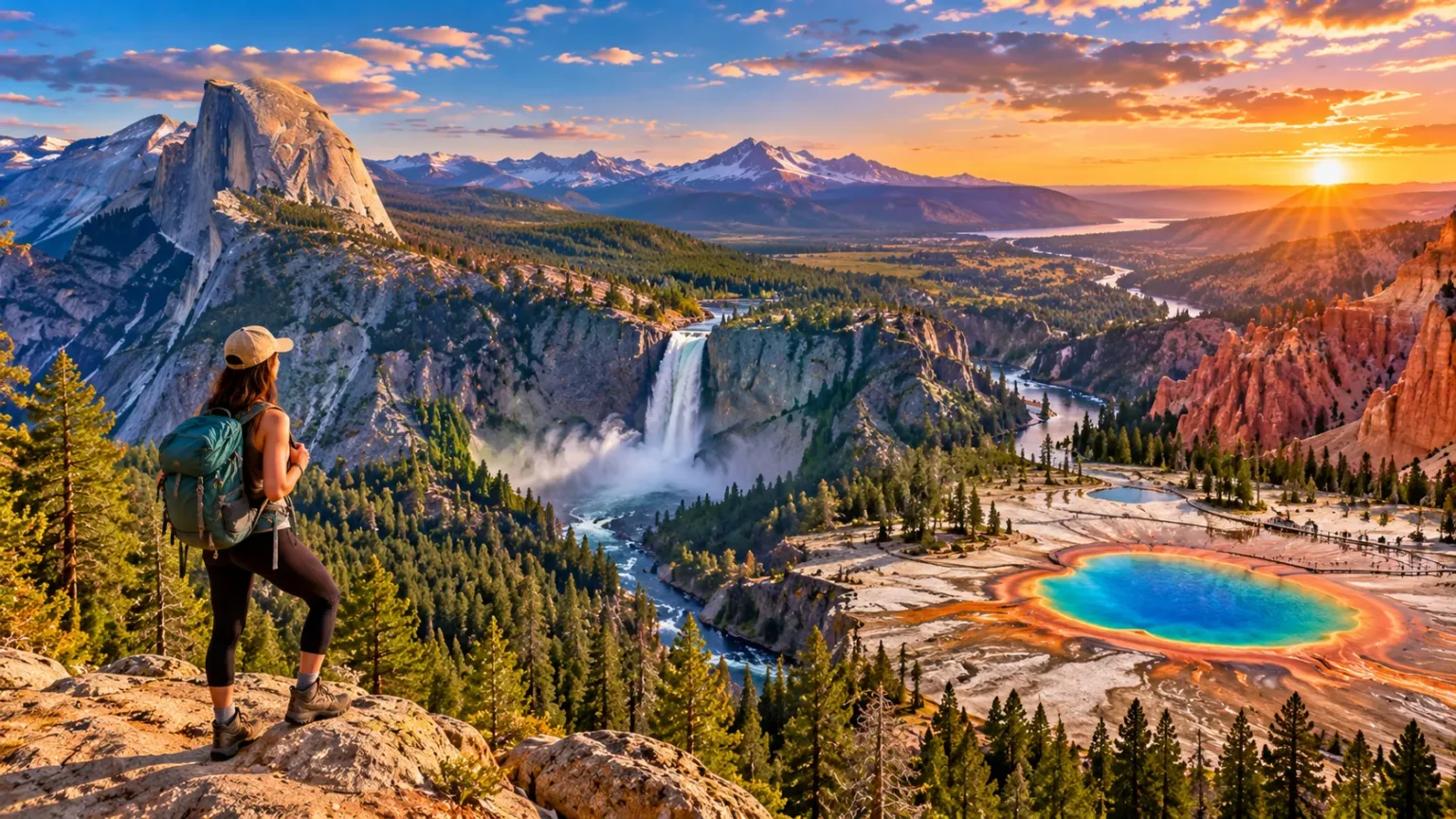
The United States is home to some of the world’s most breathtaking natural landscapes, ranging from towering mountains and dramatic canyons to powerful waterfalls and spectacular coastal formations. Its diverse geography creates remarkable scenery across deserts, forests, national parks, and remote wilderness areas. Whether you enjoy nature photography, peaceful sightseeing, or outdoor exploration, the country offers an extraordinary variety of beautiful destinations.
Some of the most famous natural wonders in the US include the Grand Canyon, Yellowstone National Park, Yosemite Valley, Niagara Falls, and the Great Smoky Mountains. Each destination features unique geological formations, ecosystems, and natural attractions. Travelers can explore colorful rock formations in the Southwest, admire glaciers in Alaska, or discover tropical scenery in Hawaii. These incredible locations showcase the country’s remarkable environmental diversity.
This guide highlights the best natural wonders in the United States and explains what makes each destination special. You will discover famous national parks, scenic viewpoints, impressive waterfalls, and beautiful natural landscapes. The guide also includes practical information about visiting different destinations and choosing the best time for a memorable nature-focused vacation.
1. Grand Canyon, Arizona: A Spectacular Natural Landmark
The Grand Canyon is one of the most famous natural wonders in the United States, attracting visitors with its enormous size and colorful rock formations. Located in northern Arizona, this remarkable canyon was shaped over millions of years by geological processes and erosion associated with the Colorado River. Its layered rock walls reveal an extraordinary record of Earth’s history. The dramatic scenery makes it a must-see destination.
Visitors can experience spectacular canyon views from established viewpoints along the South Rim. Popular locations include Mather Point, Yavapai Point, and Desert View. These viewpoints provide different perspectives of the canyon’s enormous cliffs and winding formations. Sunrise and sunset are particularly beautiful because changing sunlight highlights the colors and textures of the surrounding rocks.
The South Rim is accessible throughout the year, although seasonal weather can affect conditions and facilities. The North Rim has more limited seasonal access and may be affected by closures. Travelers should stay on designated trails and viewing areas because steep canyon terrain can be dangerous. Planning ahead allows visitors to appreciate the scenery safely and comfortably.
2. Yellowstone National Park: Geysers and Wildlife
Yellowstone National Park is one of America’s most extraordinary natural destinations, stretching across parts of Wyoming, Montana, and Idaho. Established in 1872, it is recognized as the world’s first national park. Yellowstone is especially famous for its geothermal features, including geysers, colorful hot springs, and steaming landscapes. Its extensive wilderness also supports diverse wildlife.
Old Faithful is one of the park’s most recognizable geysers, known for its relatively predictable eruptions. Grand Prismatic Spring is another major attraction, displaying remarkable colors created partly by heat-loving microorganisms. Visitors can also explore the Grand Canyon of the Yellowstone and admire its powerful waterfalls. These destinations demonstrate the park’s unusual geological activity.
Yellowstone is also home to bison, elk, bears, and other wildlife species. Animals should be observed from approved safe distances without approaching or feeding them. Visitors must remain on designated boardwalks around geothermal areas because the ground can be unstable and the water dangerously hot. Summer offers broad accessibility, while winter provides a different and beautiful landscape.
3. Yosemite National Park, California: Granite Cliffs and Waterfalls
Yosemite National Park is one of California’s most impressive natural attractions, famous for its towering granite cliffs, waterfalls, and beautiful valleys. Located in the Sierra Nevada mountains, the park protects remarkable geological formations and diverse natural ecosystems. Its dramatic scenery attracts visitors throughout the year. Yosemite Valley is particularly famous for its extraordinary mountain landscapes.
El Capitan and Half Dome are two of Yosemite’s most recognizable granite formations. Visitors can admire these landmarks from several established viewpoints throughout the valley. Yosemite Falls is another major attraction, especially during periods of strong snowmelt. The surrounding forests, meadows, and rivers create beautiful opportunities for sightseeing and photography.
Spring and early summer are often excellent times to see waterfalls flowing strongly. Summer provides access to more high-elevation areas, although crowds can become significant. Winter brings snow to parts of the park and may restrict some roads. Checking road conditions and entry requirements before traveling helps visitors plan a successful Yosemite experience.
4. Niagara Falls, New York: Powerful Waterfalls and Scenic Views
Niagara Falls is one of North America’s most famous natural attractions, located along the international border between the United States and Canada. The waterfalls consist of three main sections: Horseshoe Falls, American Falls, and Bridal Veil Falls. Their enormous water flow creates impressive scenery and powerful natural sounds. The destination attracts visitors interested in dramatic waterfalls and scenic sightseeing.
On the American side, Niagara Falls State Park provides several viewpoints and walking areas. Visitors can admire American Falls and Bridal Veil Falls from nearby observation points. Designated boat excursions offer additional perspectives of the waterfalls when operating. Mist rising from the water creates a distinctive atmosphere, particularly on clear days.
Niagara Falls is beautiful throughout the year, although visitor experiences change with the seasons. Summer offers warmer conditions and a wide range of tourist activities. Autumn brings colorful foliage, while winter can produce impressive icy scenery. Travelers should check seasonal attraction schedules because some experiences operate only during certain months.
5. Great Smoky Mountains, Tennessee and North Carolina
Great Smoky Mountains National Park is one of the most beautiful natural areas in the eastern United States. Located along the border between Tennessee and North Carolina, the park is famous for its forested mountains, diverse wildlife, and mist-covered valleys. The mountain scenery changes throughout the seasons, creating different experiences for visitors. Its extensive forests support remarkable biodiversity.
Scenic destinations include Cades Cove, Newfound Gap, and several accessible overlooks. Cades Cove is especially popular for its beautiful meadows, historic structures, and opportunities to observe wildlife from a safe distance. Forest trails also lead to attractive waterfalls and natural viewpoints. The changing mountain landscape provides excellent opportunities for photography.
Autumn is particularly popular because the forested hills display beautiful red, orange, and yellow foliage. Spring brings wildflowers and fresh greenery, while summer offers lush scenery. Weather conditions can change quickly at higher elevations, so suitable clothing is important. Visitors should respect wildlife and follow established park routes.
6. Zion National Park, Utah: Dramatic Red Rock Canyons
Zion National Park is one of Utah’s most spectacular natural destinations, known for its towering sandstone cliffs and beautiful desert scenery. The park features dramatic canyons, winding rivers, and colorful rock formations. Its landscapes have been shaped by erosion and other geological processes over vast periods. The combination of red cliffs and green vegetation creates remarkable visual contrasts.
Zion Canyon is the park’s most famous area, offering impressive scenery from established trails and shuttle-accessible viewpoints. Visitors can admire massive sandstone walls rising above the valley floor. Riverside Walk is a popular route for experiencing the canyon environment. More demanding trails also exist, but they require suitable preparation and attention to safety conditions.
Spring and autumn are generally appealing seasons because daytime temperatures are often more comfortable than during summer. Flash flooding can occur in canyon environments, particularly during storms. Travelers should review current weather and park safety information before visiting. Scenic drives and accessible viewpoints provide memorable experiences without requiring challenging outdoor activities.
7. Bryce Canyon National Park, Utah: Colorful Hoodoo Formations
Bryce Canyon National Park is famous for its unusual rock formations called hoodoos. These tall, irregular sandstone pillars create a remarkable landscape of orange, red, and pink colors. Located in southern Utah, the park protects a series of natural amphitheaters carved by weathering and erosion. Its distinctive scenery makes it one of America’s most recognizable geological attractions.
Bryce Amphitheater is the park’s main sightseeing destination, with several established viewpoints overlooking thousands of hoodoos. Sunrise Point, Sunset Point, and Inspiration Point offer different perspectives of the colorful formations. The landscape becomes particularly impressive when sunlight moves across the rock structures. Visitors can appreciate the scenery from designated overlooks.
Bryce Canyon sits at a relatively high elevation, making its climate cooler than many nearby desert destinations. Snow can occur during colder months and creates striking contrasts against the colorful rock formations. Summer offers pleasant sightseeing conditions, although weather can change unexpectedly. Travelers should check road and trail conditions before exploring the park.
8. Arches National Park, Utah: Incredible Natural Stone Arches
Arches National Park is one of the most distinctive natural wonders in the American Southwest. Located near Moab, Utah, the park contains more than 2,000 documented natural stone arches. These remarkable formations developed through geological processes involving sandstone erosion and weathering. Their unusual shapes create a dramatic desert landscape.
Delicate Arch is the park’s most famous landmark and an internationally recognized symbol of Utah. Other popular attractions include Landscape Arch, Double Arch, and the Windows Section. Scenic roads and designated viewpoints provide opportunities to admire these natural formations. The surrounding red rock scenery is especially attractive during early morning and late afternoon.
Spring and autumn are generally suitable seasons for visiting because temperatures are often more comfortable than during midsummer. The desert environment can become extremely hot, and shade is limited in many locations. Visitors should carry suitable drinking water and follow marked routes. Checking current park entry arrangements and conditions helps make the trip more enjoyable.
9. Glacier National Park, Montana: Alpine Lakes and Mountain Peaks
Glacier National Park is one of the most beautiful mountain destinations in the United States. Located in northwestern Montana, it features rugged peaks, alpine lakes, forests, and glacially shaped valleys. The park protects a remarkable section of the northern Rocky Mountains. Its impressive landscapes attract travelers interested in mountain scenery and wildlife.
Going-to-the-Sun Road is one of the park’s most famous attractions, offering spectacular views when seasonal conditions permit access. Lake McDonald is another popular destination, known for its clear water and beautiful surrounding mountains. Visitors can also admire alpine meadows and distant peaks from established viewpoints. The scenery changes dramatically with elevation and weather.
Summer is generally the most accessible period for visiting higher elevations, although snow can affect roads well into the season. Autumn provides beautiful foliage and quieter surroundings in selected areas. Wildlife should always be observed from safe distances. Checking road openings and any required vehicle reservations is essential before planning a visit.
10. Crater Lake National Park, Oregon: Deep Blue Volcanic Lake
Crater Lake National Park is famous for its extraordinary blue lake surrounded by steep volcanic cliffs. Located in southern Oregon, the lake formed within the collapsed caldera of an ancient volcano. Its remarkable depth and clear water contribute to its distinctive appearance. The surrounding mountain scenery makes it one of the most beautiful natural landmarks in the Pacific Northwest.
Visitors can admire Crater Lake from established viewpoints along Rim Drive when the road is open. Wizard Island is one of the lake’s most recognizable features, rising above the water as a volcanic formation. Scenic overlooks provide spectacular opportunities for landscape photography. The lake’s appearance changes with sunlight, cloud cover, and seasonal weather.
Summer is usually the most convenient season for exploring the park because heavy snow can restrict access during other months. Some roads and visitor facilities remain closed until snow conditions improve. Even during warmer weather, high-elevation temperatures can be cool. Checking current access information helps visitors enjoy the park safely.
11. Death Valley National Park, California and Nevada
Death Valley National Park is one of the most extraordinary desert landscapes in North America. Located primarily in California, with a portion extending into Nevada, the park contains salt flats, colorful mountains, and unusual geological formations. It is famous for extreme heat and dramatic elevation differences. Its stark scenery creates a landscape unlike many other American national parks.
Badwater Basin is one of the park’s most recognizable attractions and marks the lowest elevation in North America. Zabriskie Point offers beautiful views of colorful badlands and eroded hills. Mesquite Flat Sand Dunes provide another distinctive desert landscape. Scenic roads connect several major viewpoints, making sightseeing possible without lengthy outdoor excursions.
Late autumn through early spring generally provides more comfortable conditions for visiting Death Valley. Summer temperatures can become dangerously high, making outdoor activity unsuitable during extreme heat. Visitors should check weather forecasts, road conditions, and park guidance before traveling. Short visits to accessible viewpoints can offer memorable views of this unusual environment.
12. Monument Valley, Arizona and Utah: Iconic Desert Scenery
Monument Valley is one of the most recognizable landscapes in the American Southwest. Located along the Arizona-Utah border, it is famous for enormous sandstone buttes rising above the desert floor. The valley’s dramatic formations have appeared in countless photographs and films. Its distinctive red landscape creates an unforgettable sightseeing experience.
The destination lies within the Navajo Nation and includes the Monument Valley Navajo Tribal Park. Visitors can admire famous sandstone formations from authorized viewpoints and designated touring routes. Guided experiences offer opportunities to learn about the landscape and its cultural importance. The region’s natural beauty is closely connected with Navajo heritage.
Sunrise and sunset are particularly attractive because the changing light enhances the colors of the sandstone formations. Travel arrangements and access restrictions are managed by the Navajo Nation rather than the National Park Service. Visitors should check current rules before traveling and respect protected areas. This approach supports responsible tourism and cultural preservation.
13. Redwood National and State Parks, California
Redwood National and State Parks protect some of the tallest trees on Earth. Located along northern California’s Pacific Coast, these parks contain magnificent coast redwood forests and diverse coastal ecosystems. The enormous trees create a peaceful atmosphere beneath their towering canopies. Their size and natural surroundings make them extraordinary destinations for nature enthusiasts.
Visitors can explore scenic forest trails, admire ancient redwoods, and discover beautiful coastal landscapes. Tall Trees Grove is one of the park’s notable forest areas, although access may require special arrangements. Other established walking routes offer easier opportunities to appreciate the remarkable trees. The combination of forests, rivers, and ocean scenery adds variety.
The parks can be visited throughout much of the year, although coastal weather is often cool and damp. Fog frequently contributes to the distinctive atmosphere of the redwood forests. Visitors should remain on established trails to protect sensitive vegetation and root systems. Allowing several days provides time to appreciate both the forests and the surrounding coastline.
14. Denali National Park, Alaska: Untouched Wilderness
Denali National Park and Preserve is one of Alaska’s most remarkable natural destinations. The park protects enormous wilderness areas, tundra landscapes, mountain valleys, and diverse wildlife habitats. It is home to Denali, the highest mountain peak in North America. The region’s dramatic scenery provides a different perspective on America’s natural wonders.
Visitors may experience views of distant mountain peaks, sweeping valleys, and open tundra landscapes. Wildlife such as caribou, moose, bears, and Dall sheep can sometimes be observed from designated transportation routes. The park emphasizes preservation of its natural environment. Sightseeing experiences depend on weather, wildlife conditions, and current transportation access.
Summer is the main visiting season because temperatures are generally milder and many visitor services operate. However, mountain visibility can change quickly due to clouds and weather conditions. Road access within the park may be limited by construction or natural events. Checking current transportation options is particularly important when planning a Denali itinerary.
15. Hawaii Volcanoes National Park: Volcanic Landscapes
Hawaii Volcanoes National Park is one of the most fascinating natural destinations in the United States. Located on Hawaii’s Big Island, the park protects volcanic landscapes, native ecosystems, and important cultural sites. It includes the active volcanoes Kilauea and Mauna Loa. The region provides an extraordinary opportunity to understand how volcanic activity shapes the Earth’s surface.
Visitors can explore designated viewpoints overlooking volcanic craters, lava fields, and distinctive geological formations. Crater Rim Drive and selected walking areas offer opportunities to appreciate the landscape when conditions permit. The park also contains rainforest environments that contrast with its volcanic terrain. Active eruption viewing is never guaranteed because volcanic conditions change.
Volcanic areas require particular attention to safety guidance because eruptions, gases, and ground instability can affect access. Visitors should remain in authorized areas and follow park instructions. Weather conditions can also vary significantly across the landscape. Checking current volcanic activity and closures before visiting helps ensure a safer sightseeing experience.
Best Time to Visit Natural Wonders in the US
The best time to visit natural wonders in the US depends on location, climate, and seasonal accessibility. Spring and autumn are excellent for exploring many desert parks because temperatures are often more comfortable. Summer provides greater access to mountain destinations such as Glacier and Denali. However, popular national parks can become crowded during peak travel periods.
Waterfalls are often particularly impressive during periods of strong rainfall or snowmelt, depending on the region. Yosemite Falls commonly reaches strong seasonal flows during spring and early summer. Autumn brings beautiful foliage to destinations such as the Great Smoky Mountains. Winter creates striking snow-covered scenery in several parks, although access may be restricted.
Travelers should check weather conditions, park opening information, and accommodation availability before finalizing plans. Some destinations require timed entry, vehicle reservations, or permits for selected activities. Choosing the appropriate season can improve both comfort and sightseeing opportunities. Planning according to the specific park is more reliable than applying one travel season to every destination.
Essential Tips for Exploring America’s Natural Wonders
Visiting natural attractions requires preparation because landscapes and environmental conditions can vary considerably. National parks may contain remote roads, limited services, and rapidly changing weather. Travelers should plan routes carefully and review official visitor information before departure. Comfortable clothing and appropriate footwear can make sightseeing more enjoyable across different environments.
Respecting natural surroundings is essential for preserving these extraordinary destinations. Stay on designated routes, avoid disturbing wildlife, and follow local waste disposal regulations. Sensitive geological formations and vegetation can be damaged by careless behavior. Responsible tourism helps protect national parks and scenic areas for future visitors.
Travel planning should also account for accessibility, transportation, and available visitor facilities. Some viewpoints are conveniently accessible by vehicle, while others involve longer walking routes. Checking current conditions helps travelers select experiences suited to their needs. A flexible itinerary allows time to appreciate natural scenery without unnecessary pressure.
Conclusion
The United States offers an incredible variety of natural wonders, from the enormous Grand Canyon to Yellowstone’s geothermal landscapes and Yosemite’s granite cliffs. Each destination reveals a different part of the country’s natural beauty. Mountains, waterfalls, forests, deserts, and volcanic landscapes create extraordinary sightseeing opportunities. These remarkable places attract travelers from around the world.
The best natural wonders in the US depend on your interests and preferred travel experiences. Desert enthusiasts can explore Zion, Bryce Canyon, and Arches, while mountain lovers may prefer Glacier or Denali. Visitors interested in waterfalls can discover Niagara Falls and Yosemite. Redwood forests, volcanic landscapes, and beautiful lakes provide additional opportunities for nature exploration.
Planning your trip according to seasonal conditions, park access, and available transportation helps create a more enjoyable experience. Respect wildlife, follow established visitor routes, and choose activities suited to your abilities. Spending time in these protected landscapes offers opportunities to appreciate the country’s extraordinary geography. America’s natural wonders provide unforgettable scenery and meaningful connections with nature.
Frequently Asked Questions
What are the most famous natural wonders in the US?
The most famous natural wonders in the US include the Grand Canyon, Yellowstone National Park, Yosemite Valley, Niagara Falls, and the Great Smoky Mountains. Each features remarkable landscapes.
What is the most beautiful national park in the United States?
Beauty is subjective, but Yosemite, Glacier, Yellowstone, and Grand Canyon National Parks are particularly famous for their spectacular scenery. The best choice depends on preferred landscapes and activities.
What are the best natural wonders to visit in summer?
Glacier National Park, Denali, Yellowstone, and several mountain destinations are popular during summer. Seasonal road openings and weather conditions should be checked before planning a visit.
Are there natural wonders in the US outside national parks?
Yes, natural wonders also exist in state parks, tribal parks, protected forests, and other scenic areas. Monument Valley Navajo Tribal Park is one well-known example.
How many days do you need to explore America’s natural wonders?
The ideal duration depends on the destinations and travel distances. Individual parks may require one to several days, while a multi-state natural wonders road trip often needs considerably longer.