




Bhutan is a beautiful Himalayan destination known for its peaceful monasteries, dramatic mountain scenery, colorful festivals, and rich cultural traditions. However, choosing the best time to visit Bhutan can make a significant difference in your travel experience. Weather conditions change throughout the year, influencing trekking opportunities, sightseeing, photography, and the overall atmosphere of this remarkable kingdom.
Whether you want to explore ancient temples, admire snow-covered Himalayan peaks, or experience traditional Bhutanese festivals, every season offers something special. Spring and autumn are generally the most popular travel periods, while summer and winter appeal to visitors seeking different experiences. This Bhutan travel guide explains the country’s weather, seasons, and practical planning tips to help you choose the ideal time for your journey.
What Is the Best Time to Visit Bhutan?
The best time to visit Bhutan is generally from March to May or September to November, when the weather is favorable for sightseeing and outdoor activities. These months often bring comfortable daytime temperatures, beautiful landscapes, and opportunities to experience local festivals. However, mountain weather can change quickly, and conditions vary considerably between valleys and higher elevations.
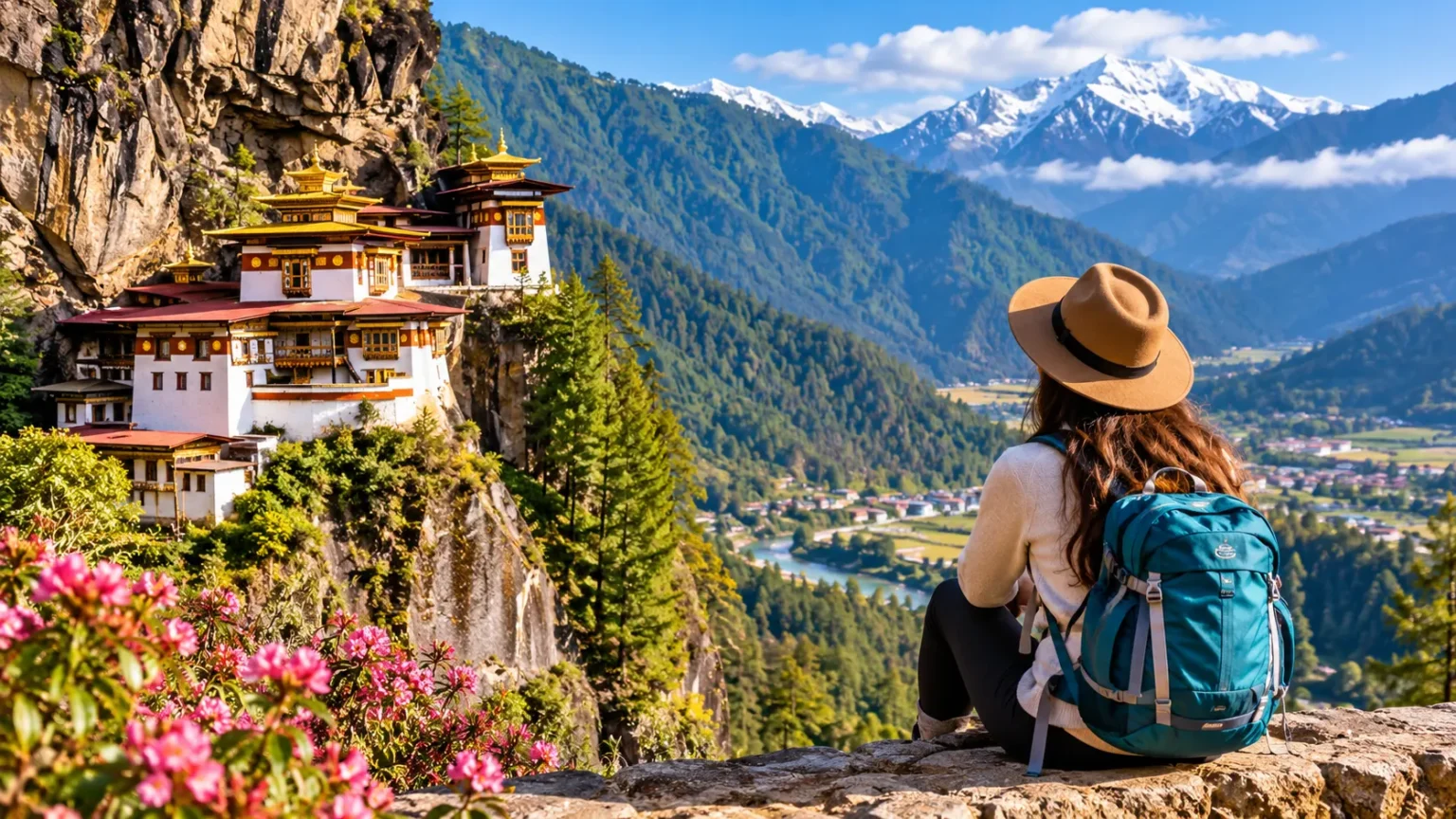
Spring is particularly appealing for travelers interested in flowering valleys, green scenery, and pleasant hiking conditions. Rhododendrons and other seasonal flowers brighten forests and hillsides, creating excellent opportunities for nature photography. Popular destinations such as Paro, Thimphu, and Punakha become especially attractive during this period, although occasional rainfall and cloudy skies are possible.
Autumn is another excellent travel season because rainfall generally decreases after the summer monsoon. Clearer skies frequently reveal impressive Himalayan mountain views, making September through November popular for trekking and landscape photography. October is often considered one of the most desirable months, but travelers should expect greater demand for accommodation and popular cultural experiences.
Understanding Bhutan’s Climate and Weather
Bhutan has a remarkably diverse climate because its landscape stretches from warm southern foothills to extremely high Himalayan mountains. Temperatures, rainfall, and seasonal conditions can differ dramatically between regions. While southern Bhutan experiences a subtropical climate, central valleys have milder conditions, and northern mountainous areas remain much colder throughout the year.
The country experiences four main seasons: spring, summer, autumn, and winter. Spring generally extends from March through May, while the summer monsoon influences much of June through September. Autumn brings relatively dry weather during October and November, followed by colder winter conditions from December through February.
Altitude plays an important role when planning a Bhutan holiday. Places such as Punakha are generally warmer than higher destinations like Thimphu, particularly during winter. Even within the same day, temperatures can change significantly between morning, afternoon, and evening, making layered clothing an important part of comfortable travel.
Visiting Bhutan in Spring: March to May
Spring is widely considered one of the most beautiful seasons in Bhutan, especially for visitors who enjoy nature and outdoor exploration. During March, temperatures begin rising after the colder winter months, making many valleys more comfortable for sightseeing. Flowering trees and emerging greenery gradually transform the surrounding landscape into colorful scenery.
April is particularly attractive because rhododendrons and other Himalayan flowers bloom across numerous forested areas. Travelers can explore traditional monasteries, scenic valleys, and cultural landmarks while enjoying generally pleasant conditions. The famous Paro Tshechu festival often takes place around spring, although its exact dates change according to the Bhutanese calendar.
May typically brings warmer temperatures and increasing chances of rainfall as the summer season approaches. Although trekking and sightseeing remain possible, some afternoons may become cloudy or wet. Travelers visiting during late spring should carry lightweight rain protection and plan flexible outdoor activities, especially when exploring mountain trails or remote valleys.
Visiting Bhutan in Summer: June to August
Summer in Bhutan coincides with the arrival of the southwest monsoon, which brings increased rainfall across much of the country. June often marks the transition toward wetter conditions, while July and August are generally among the rainiest months. Lower valleys can feel warm and humid, although higher elevations remain comparatively cooler.
Despite frequent rainfall, summer transforms Bhutan into a landscape filled with lush forests, flowing rivers, and vibrant green rice terraces. Travelers interested in peaceful cultural experiences may enjoy exploring temples, museums, and traditional towns during suitable weather windows. Popular tourist areas can also feel less crowded compared with peak spring and autumn periods.
However, the monsoon season presents challenges for outdoor adventures, particularly trekking and long mountain road journeys. Heavy rain can create slippery trails, reduced visibility, and occasional landslides that disrupt transportation. Visitors should monitor local weather conditions, allow additional travel time, and avoid attempting exposed mountain routes during unsafe conditions.
Visiting Bhutan in Autumn: September to November
Autumn is one of Bhutan’s most popular tourist seasons because the monsoon gradually retreats and skies become clearer. September can still experience lingering rainfall, especially early in the month, but conditions generally improve as the season progresses. Green valleys and fresh mountain landscapes create excellent surroundings for photography and cultural sightseeing.
October is often regarded as the best month to visit Bhutan for travelers seeking clear mountain views and comfortable daytime weather. Many popular trekking routes become more suitable as rainfall decreases, although conditions always depend on elevation. Autumn also brings important cultural celebrations, offering opportunities to experience traditional dances, religious ceremonies, and Bhutanese heritage.
November usually provides relatively dry weather with increasingly cool mornings and evenings. The Himalayan scenery can remain spectacular, particularly when visibility is good and distant peaks appear against clear skies. Although higher destinations become noticeably colder, many lower valleys continue offering pleasant opportunities for sightseeing and exploring cultural attractions.
Visiting Bhutan in Winter: December to February
Winter in Bhutan generally lasts from December through February and brings cooler temperatures, dry conditions, and crisp mountain air. The weather varies considerably by altitude, with some valleys experiencing sunny afternoons and freezing nights. Snow is more common at higher elevations, while lower destinations may remain accessible for cultural sightseeing.
December and January can be rewarding for travelers who prefer quieter surroundings and clear Himalayan scenery. Monasteries, fortresses, and traditional villages often feel peaceful outside the busiest tourist seasons. Winter also provides opportunities to observe black-necked cranes in the Phobjikha Valley, where these remarkable migratory birds spend part of the colder season.
February marks the gradual transition toward spring, although mornings and evenings can remain chilly. Certain mountain passes may experience snow or icy road conditions, occasionally affecting travel plans. Visitors should pack warm layers, check local road updates, and consider lower-altitude destinations when planning a comfortable winter holiday.
Best Time to Visit Bhutan for Trekking and Hiking
The most favorable periods for trekking in Bhutan are generally spring and autumn, particularly March through May and October through November. These seasons often provide a useful balance of comfortable temperatures, manageable rainfall, and beautiful mountain scenery. However, high-altitude routes can remain cold or snowy even during otherwise favorable travel months.
Spring trekking is especially appealing for travelers who enjoy colorful forests, blooming rhododendrons, and lively natural landscapes. Trails around popular valleys can provide impressive views of mountains, traditional villages, and Buddhist monuments. Weather may become increasingly unpredictable toward late May, making flexible scheduling and appropriate hiking equipment important.
Autumn often provides clearer visibility and relatively stable conditions for mountain exploration. Travelers planning demanding routes should account for altitude, physical preparation, and rapidly changing Himalayan weather. Experienced local guides, appropriate equipment, and careful route selection are important, particularly because remote trekking conditions can be challenging even during peak travel seasons.
Best Time to Visit Bhutan for Festivals and Culture
Bhutan’s colorful religious festivals, known as tshechus, are among the country’s most memorable cultural experiences. These celebrations commonly feature traditional masked dances, ceremonial music, elaborate costumes, and community gatherings. Many major festivals take place during spring and autumn, making these seasons especially attractive for travelers interested in Bhutanese traditions.
The Paro Tshechu is one of the country’s best-known celebrations and generally takes place during spring. The Thimphu Tshechu, another significant festival, is commonly held during autumn. Festival dates follow the Bhutanese lunar calendar and can change annually, so travelers should verify the confirmed schedule before booking transportation or accommodation.
Beyond major festivals, Bhutan offers cultural experiences throughout the year. Visitors can explore dzongs, monasteries, traditional villages, and local markets while learning about the country’s Buddhist heritage. Respectful clothing, attention to photography restrictions, and following local guidance help ensure that cultural visits remain meaningful and considerate.
Best Time to Visit Bhutan for Photography and Scenic Views
Photography enthusiasts often prefer autumn because relatively clear skies can reveal dramatic Himalayan peaks and sweeping valley landscapes. October and November are especially attractive for capturing mountain scenery, traditional architecture, and colorful prayer flags. Early mornings may provide beautiful light, although cloud cover and visibility remain dependent on daily weather conditions.
Spring offers a completely different photographic experience, with flowering trees, vibrant forests, and fresh green landscapes. Places such as Punakha can be particularly scenic when seasonal blossoms surround historical buildings and river valleys. Nature photographers may also appreciate the opportunity to capture birds, flowers, and changing mountain vegetation during this lively season.
Winter photography can be equally rewarding for visitors who enjoy crisp mountain views and quieter cultural landmarks. Clear days may create striking contrasts between snow-covered peaks and lower valleys. Summer, meanwhile, offers misty forests and deep green scenery, although frequent clouds and rainfall can limit distant mountain visibility.
Best Time to Visit Bhutan on a Budget
Traveling during less popular months may help reduce certain expenses, particularly accommodation and private travel arrangements. Summer and winter generally attract fewer visitors than the busiest spring and autumn periods. However, actual savings depend on hotel availability, airline schedules, local services, and the specific itinerary you choose.
Bhutan also applies a Sustainable Development Fee to most international tourists, which should be included when preparing a travel budget. As of 2026, the standard fee is USD 100 per adult per night for most non-Indian international visitors, while Indian nationals have a separate fee structure. Entry requirements and applicable charges should always be checked before making financial commitments.
Budget-conscious travelers should compare overall package costs rather than focusing exclusively on hotel prices. Transportation, licensed guiding requirements, meals, travel insurance, and seasonal accessibility can affect the total expense. Booking strategically and choosing a realistic itinerary may provide better value than selecting the cheapest travel month without considering weather disruptions.
Essential Travel Tips for Visiting Bhutan
Planning ahead is important when visiting Bhutan because international entry rules, transportation arrangements, and popular accommodation availability require attention. Most foreign visitors need a visa before traveling, while Indian nationals follow a different permit process. Check current official requirements, passport validity rules, and applicable tourism fees before confirming your journey.
Packing should reflect both the season and the elevations included in your itinerary. Lightweight layers, comfortable walking shoes, rain protection, and warmer clothing for chilly evenings can be useful throughout much of the year. Visitors planning mountain excursions should prepare for greater temperature changes and ensure their activities match their experience and physical abilities.
Respecting local culture is another essential part of traveling responsibly in Bhutan. Dress modestly when visiting religious sites, ask permission before photographing people, and follow instructions inside monasteries and temples. Allowing flexibility for weather changes, road conditions, and local events can make your trip more comfortable and enjoyable.
Conclusion
The best time to visit Bhutan depends on your travel interests, preferred weather, and planned activities. Spring from March to May offers beautiful flowers and pleasant opportunities for exploring nature, while autumn from September to November provides generally clearer skies and excellent mountain views. Both seasons are particularly suitable for first-time visitors seeking a balanced Bhutan experience.
Summer and winter also have distinct advantages for travelers with flexible expectations. The monsoon season creates lush scenery and quieter surroundings, while winter brings crisp landscapes, cultural experiences, and opportunities to observe seasonal wildlife. Choosing the right season involves balancing weather conditions, activities, and personal travel preferences.
Careful planning can help you enjoy Bhutan’s monasteries, traditional festivals, scenic valleys, and Himalayan landscapes in any season. Check current entry requirements, confirm festival schedules, and prepare appropriately for regional weather differences. With a thoughtful itinerary and realistic expectations, Bhutan can offer a memorable travel experience throughout the year.
Frequently Asked Questions (FAQs)
What is the best month to visit Bhutan?
October is often considered the best month to visit Bhutan because of relatively clear skies, comfortable daytime weather, and excellent sightseeing conditions. April is another attractive choice, especially for spring flowers and cultural experiences.
Is Bhutan worth visiting during the rainy season?
Yes, Bhutan can still be enjoyable during the rainy season, particularly for cultural sightseeing and lush landscapes. However, heavy rainfall may affect trekking, mountain visibility, road conditions, and outdoor travel schedules.
Which season is cheapest to visit Bhutan?
Summer and winter may offer lower accommodation prices because demand is generally reduced. However, tourism fees, transportation costs, and seasonal availability still influence the total travel budget.
Does Bhutan experience snowfall in winter?
Yes, snowfall occurs in Bhutan, particularly at higher elevations and mountain passes during winter. Lower valleys such as Punakha generally experience milder conditions, while places at greater altitudes can become significantly colder.
How many days are enough for a Bhutan trip?
A trip of five to seven days can provide time to explore major cultural destinations such as Paro, Thimphu, and Punakha. Longer stays are useful for trekking, remote valleys, and additional cultural experiences.