




Manaus is one of Brazil’s most fascinating destinations, offering a unique combination of Amazon rainforest adventures, historic architecture, and vibrant local culture. Located in the heart of the Brazilian Amazon, this bustling city serves as a gateway to the world’s largest tropical rainforest. Visitors can explore beautiful rivers, discover exotic wildlife, and experience traditions that make the region truly special.
Planning a trip to Manaus, Brazil, opens the door to unforgettable experiences, from watching two enormous rivers meet to exploring dense rainforest landscapes. The city also features impressive historic buildings, colorful markets, and delicious regional cuisine. Whether you enjoy nature, history, or cultural experiences, Manaus offers something memorable for different types of travelers.
This Manaus Brazil travel guide covers the best things to do, must-see attractions, rainforest excursions, and practical travel tips. You will also discover when to visit, where to stay, and how to explore the city comfortably. With thoughtful planning, Manaus can become one of the most rewarding destinations on your Brazil itinerary.
Why Visit Manaus, Brazil?
Manaus is the capital of Amazonas state and one of the most important cities in northern Brazil. Surrounded by the Amazon rainforest, it combines modern urban life with remarkable natural scenery. The city’s location near the Negro and Solimões rivers makes it an excellent starting point for exploring the Amazon region.
One of the main reasons travelers visit Manaus is the opportunity to experience the Amazon rainforest. Guided excursions introduce visitors to tropical vegetation, river ecosystems, and the remarkable biodiversity found throughout the region. River cruises, nature walks, and wildlife observation provide different ways to appreciate this extraordinary environment.
Manaus also has a fascinating cultural identity shaped by Indigenous heritage, regional traditions, and its history as a major rubber-trading center. Historic buildings, markets, and local restaurants reflect these influences. Visitors can enjoy both city sightseeing and nature-based adventures without treating Manaus as merely a stop before entering the rainforest.
Explore the Famous Amazon Theatre
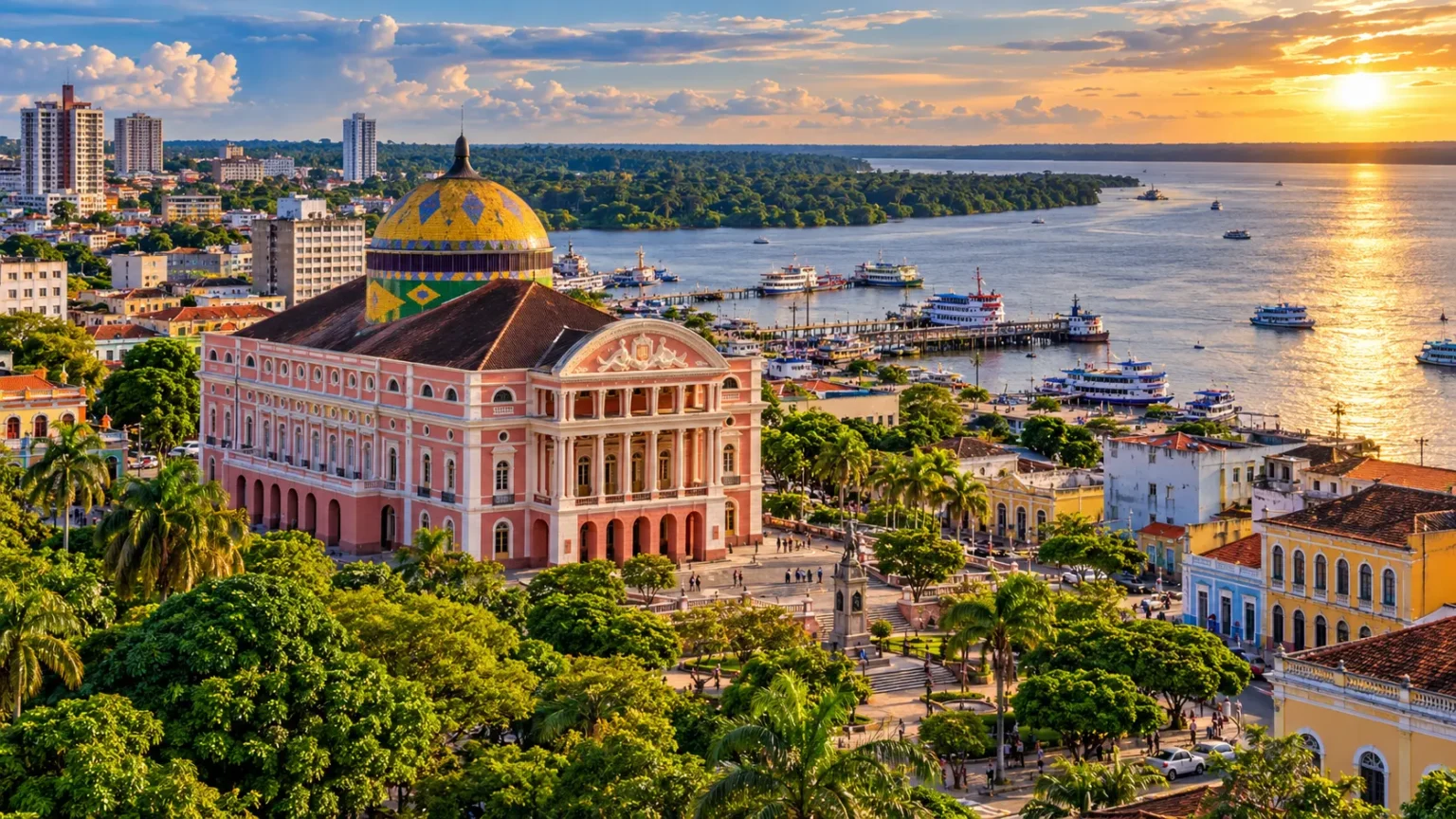
The Amazon Theatre, known locally as Teatro Amazonas, is one of the most recognizable landmarks in Manaus. Opened in 1896 during the city’s rubber boom, this magnificent opera house reflects the wealth and ambition of that period. Its colorful dome, elegant facade, and impressive interior make it a highlight of any city tour.
Inside, visitors can admire elaborate decorations, beautiful staircases, and architectural details inspired by European opera houses. The performance hall is particularly impressive, featuring richly decorated balconies and a grand ceiling. Guided visits provide interesting information about the building’s construction, cultural importance, and place in the history of Amazonas.
The theatre stands near Largo de São Sebastião, a lively square surrounded by cafes, restaurants, and historic buildings. Visitors can explore the surrounding neighborhood before or after seeing the opera house. If your schedule allows, attending a concert or cultural performance offers another memorable way to experience this remarkable landmark.
Discover the Meeting of the Waters
The Meeting of the Waters is one of the most extraordinary natural attractions near Manaus. This phenomenon occurs where the dark waters of the Rio Negro meet the lighter, sediment-rich waters of the Solimões River. Instead of mixing immediately, the two rivers flow alongside each other, creating a striking contrast.
Differences in water temperature, density, sediment content, and current speed contribute to this unusual appearance. The visible boundary can continue for several kilometers before the waters gradually mix. Viewing the phenomenon from a boat provides an excellent opportunity to appreciate the enormous scale of the Amazon River system.
Many river excursions from Manaus include a visit to the Meeting of the Waters. Some tours also explore nearby waterways, floating communities, or areas with interesting aquatic vegetation. Choose an experienced boat operator, follow safety instructions, and keep in mind that river conditions can affect the experience.
Experience the Amazon Rainforest on a Guided Tour
Exploring the Amazon rainforest is one of the best things to do in Manaus. Guided jungle excursions introduce visitors to towering trees, tropical plants, fascinating insects, and complex rainforest ecosystems. Knowledgeable local guides can explain how different species interact and how communities traditionally use certain forest resources.
Rainforest tours vary in length and difficulty, ranging from short educational walks to longer excursions involving river transportation. Some experiences focus on plants and wildlife, while others highlight conservation or traditional knowledge. Choosing an established operator helps ensure that the activities match your interests and physical abilities.
The rainforest environment requires preparation because trails may be muddy, humid, or affected by changing weather. Comfortable footwear, suitable clothing, drinking water, and insect protection can make excursions more enjoyable. Visitors should remain with their guides and avoid touching unfamiliar plants or approaching wildlife during forest walks.
Visit the Museu da Amazônia and Forest Observation Tower
The Museu da Amazônia, commonly called MUSA, offers an excellent introduction to the region’s natural environment. Located within the Adolpho Ducke Forest Reserve area, this attraction combines educational exhibits with walking trails and rainforest observation opportunities. It is particularly appealing for visitors interested in biodiversity and environmental conservation.
One of MUSA’s most popular features is its observation tower, which rises approximately 42 meters above the surrounding forest floor. From the upper viewing platforms, visitors can appreciate the rainforest canopy and its remarkable greenery. The experience provides a different perspective from walking along trails beneath the trees.
The museum grounds also contain exhibitions and areas dedicated to Amazonian plants and wildlife. Visitors can learn about the region’s ecosystems while enjoying a peaceful natural environment within Manaus. Check admission arrangements, operating hours, and tower access requirements before visiting, as activities and availability may change.
Explore the Adolpho Lisboa Municipal Market
The Adolpho Lisboa Municipal Market is one of Manaus’s most interesting cultural and shopping destinations. Located near the Rio Negro waterfront, this historic market opened in 1883 and reflects the architecture of the city’s rubber-boom era. Its ironwork and traditional market atmosphere make it an attractive stop for visitors.
Inside, travelers can discover regional fruits, fish, herbs, spices, handmade crafts, and ingredients commonly used in Amazonian cuisine. The colorful stalls provide an opportunity to experience the everyday food culture of Manaus. Local vendors may also offer traditional products that are difficult to find in other Brazilian regions.
Visiting the market is an enjoyable way to learn about local traditions while supporting regional businesses. Arriving during the morning can provide a lively experience as vendors prepare their stalls. Keep personal belongings secure, follow normal food hygiene precautions, and allow time to explore the nearby historic waterfront.
Relax at Ponta Negra Beach and Waterfront
Ponta Negra Beach is a popular recreational destination along the Rio Negro in Manaus. Unlike Brazil’s famous ocean beaches, Ponta Negra is a freshwater waterfront area with broad river views. It attracts residents and visitors who want to enjoy outdoor activities, scenery, and a relaxing atmosphere.
The surrounding promenade offers space for walking, enjoying the riverfront, and spending time outdoors. Restaurants and nearby leisure facilities make the district an appealing place for an afternoon or evening visit. Sunset can be particularly beautiful when warm colors spread across the river and surrounding landscape.
Water levels along the Rio Negro change throughout the year, affecting the amount of exposed beach and access to certain areas. Swimming should only be considered where current local conditions and official guidance permit it. Even without entering the water, Ponta Negra provides an enjoyable opportunity to experience Manaus beyond its historic center.
Discover Anavilhanas National Park and Novo Airão
Anavilhanas National Park is an impressive protected area in the Rio Negro region, known for its extensive network of river islands. Located near Novo Airão, it offers remarkable scenery and opportunities to experience Amazonian river ecosystems. The landscape changes with seasonal water levels, creating different environments throughout the year.
Visitors can explore selected areas through guided boat excursions, observing forested islands, waterways, and local wildlife. The flooded forest environment is especially interesting because it demonstrates how seasonal river changes influence the surrounding ecosystem. Birdwatching and scenic photography are enjoyable activities when conditions are suitable.
Novo Airão serves as a useful base for exploring parts of the national park and nearby communities. Some travelers visit on longer excursions from Manaus, while others arrange overnight stays in the area. Choosing responsible operators and respecting protected-area regulations help support conservation and a better visitor experience.
Experience Amazon River Cruises and Wildlife Watching
River cruises provide one of the most memorable ways to explore the natural landscapes surrounding Manaus. Traveling by boat allows visitors to observe rainforest vegetation, winding waterways, and communities located along the riverbanks. Excursions range from short sightseeing trips to multi-day experiences that include overnight accommodation.
Wildlife observation is another major attraction of Amazon river travel. Depending on the location, season, and natural conditions, visitors may encounter colorful birds, monkeys, and different aquatic species. Pink river dolphins are among the region’s best-known animals, although sightings should never be considered guaranteed.
Responsible wildlife tourism emphasizes observation without disturbing animals or damaging their natural habitats. Travelers should avoid operators that encourage unsafe contact, feeding, or stressful interactions with wildlife. Guided excursions focused on conservation and environmental education can create meaningful experiences while respecting the Amazon’s delicate ecosystems.
Discover the Culture, Museums, and Food of Manaus
Manaus offers more than rainforest adventures, with cultural attractions that reveal its rich and complex history. The historic center contains buildings associated with the rubber-trading era, including the Palácio da Justiça and other architectural landmarks. Museums and cultural spaces also introduce visitors to important aspects of Amazonian heritage.
Regional cuisine is another highlight of visiting Manaus. Popular ingredients include freshwater fish such as tambaqui, tucunaré, and pirarucu, along with distinctive Amazonian fruits. Travelers can also explore local specialties such as tacacá, a traditional soup featuring regional ingredients and flavors.
Exploring restaurants and food markets provides opportunities to experience how local communities prepare traditional dishes. Manaus also has a lively cultural atmosphere influenced by Indigenous, African, and European traditions. Respectful cultural experiences and locally operated businesses can help visitors develop a deeper appreciation for the city’s identity.
Best Time to Visit Manaus, Brazil
Manaus has a tropical rainforest climate characterized by warm temperatures, high humidity, and rainfall throughout the year. Instead of experiencing four distinct seasons, the region has wetter and relatively drier periods. Understanding these seasonal changes is important because river levels and rainforest conditions influence available activities.
The wetter period generally extends from around December to May, although rainfall patterns vary. During high-water conditions, some flooded forest areas become accessible by boat, providing a distinctive perspective on the rainforest. However, frequent rain can affect outdoor sightseeing and certain excursions.
The relatively drier months, particularly July through September, are often attractive for travelers who prefer shorter periods of rainfall. Lower water levels may reveal additional riverbanks and beaches, although conditions differ each year. There is no universally perfect season, so choose your dates according to the activities you most want to experience.
How to Plan Your Manaus Travel Itinerary
A three-day Manaus itinerary can combine historic sightseeing with a memorable Amazon River experience. Spend the first day exploring the Amazon Theatre, Largo de São Sebastião, and Adolpho Lisboa Market. This introduction allows you to appreciate the city’s architecture, culture, and regional food before planning excursions outside the center.
On the second day, consider a guided river trip that includes the Meeting of the Waters. Depending on the operator and itinerary, additional activities may include observing river landscapes or visiting community-based tourism projects. Choose an excursion with a realistic schedule rather than attempting to include too many distant attractions.
The third day can focus on MUSA, Ponta Negra, or another attraction that matches your interests. Travelers with additional days may explore Novo Airão or arrange an overnight rainforest lodge experience. Allowing flexibility in your itinerary is important because weather, river conditions, and transportation arrangements can occasionally affect activities.
Essential Travel Tips for Visiting Manaus
Manaus is served by Eduardo Gomes International Airport, which connects the city with other Brazilian destinations and selected international routes. Travelers can reach many central attractions by taxi or app-based transportation. For more remote rainforest destinations, organized transfers and boats are often necessary, making advance planning helpful.
The local currency is the Brazilian real, and Portuguese is the main language spoken in Manaus. Learning basic Portuguese expressions can make communication easier, especially outside major hotels and established tourism businesses. Carrying appropriate travel documents, arranging reliable transportation, and checking local conditions can improve overall convenience.
Before traveling, consult a qualified travel healthcare professional about recommended vaccinations and mosquito-borne disease precautions, including yellow fever considerations. Use insect repellent, choose suitable clothing, and stay hydrated in the humid climate. For rainforest excursions, book reputable guides and follow local safety instructions throughout your visit.
Conclusion
Manaus is a fascinating Brazilian destination that combines extraordinary natural beauty with rich history and vibrant cultural traditions. From the magnificent Amazon Theatre to the unforgettable Meeting of the Waters, the city offers attractions that are difficult to experience anywhere else. Its location makes it an excellent gateway to the Amazon rainforest.
Travelers can explore bustling markets, peaceful riverfront areas, protected forests, and remote waterways while learning about local communities and ecosystems. Guided excursions provide opportunities to appreciate the region’s remarkable biodiversity. Choosing responsible tourism experiences also helps protect the natural environment that makes Manaus such a special destination.
Whether you are planning a short city break or an extended Amazon adventure, this Manaus Brazil travel guide can help you organize a memorable trip. Consider the seasonal conditions, choose activities that match your interests, and leave enough time to experience the local culture. With thoughtful planning, Manaus offers an unforgettable introduction to Brazil’s Amazon region.
Frequently Asked Questions (FAQs)
Is Manaus, Brazil, worth visiting?
Yes, Manaus is worth visiting for its Amazon rainforest excursions, historic architecture, cultural attractions, and beautiful river landscapes. It is an excellent destination for travelers interested in nature, wildlife, and Brazilian history.
What are the best things to do in Manaus?
Popular activities include visiting the Amazon Theatre, exploring the Meeting of the Waters, touring the rainforest, discovering Adolpho Lisboa Market, and enjoying the Ponta Negra waterfront.
How many days do you need in Manaus?
Three to four days provide enough time to explore major city attractions and enjoy a guided river excursion. Additional days are recommended for rainforest lodges, national parks, and longer Amazon adventures.
What is the best month to visit Manaus?
July, August, and September are often good choices because rainfall is generally less intense. However, the wetter season offers different rainforest experiences, particularly when high water allows access to flooded forests.
Is Manaus safe for tourists?
Manaus can be visited with sensible precautions, including using reliable transportation, securing valuables, and choosing reputable tour operators. Travelers should also follow local safety advice and prepare for tropical weather and rainforest conditions.