





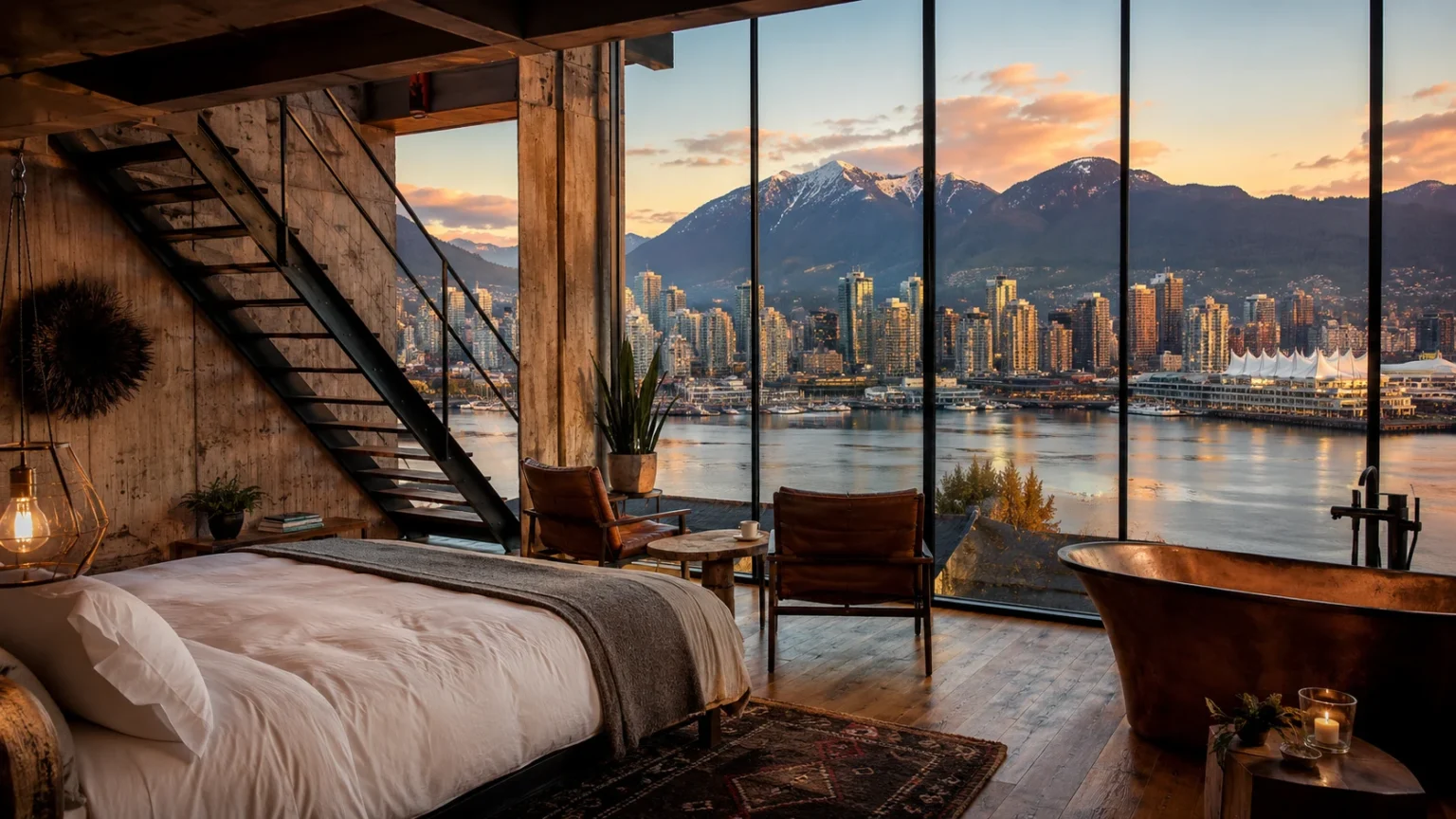
Where to Stay in Vancouver: Crazy Places to Stay
Choosing where to stay in Vancouver can completely change the feel of your trip. The city may look compact on a map, but each neighborhood offers a noticeably different experience, from glass towers beside the harbor to historic streets, beaches, markets, nightlife, and quiet residential areas. Travelers searching for the best places to stay in Vancouver can choose conventional luxury hotels, waterfront properties, colorful boutique hotels, historic buildings, and genuinely unusual accommodation with its own story. Vancouver is also easy to explore without relying heavily on a car, particularly when you stay close to downtown or rapid transit. This guide covers the best Vancouver neighborhoods, memorable hotels, unique places to stay, practical booking advice, and the kind of “crazy” stays that make a city break more interesting.
Where to Stay in Vancouver: A Quick Overview
Vancouver’s best area to stay depends less on finding one universally perfect neighborhood and more on matching your accommodation to the kind of trip you want. Downtown puts visitors close to shopping, restaurants, major attractions, entertainment venues, the waterfront, and convenient transportation. The West End works particularly well for travelers who want Stanley Park, English Bay, and a more residential atmosphere without leaving the central peninsula. Yaletown offers polished restaurants, nightlife, converted warehouse architecture, and quick access to the False Creek seawall. Gastown provides considerably more historic character, while Granville Island and Kitsilano offer alternatives for travelers who prefer markets, beaches, art, and a slightly slower rhythm.
For first-time visitors, staying somewhere on the downtown peninsula is usually the easiest option because many major sights can be reached on foot or by short transit rides. Downtown Vancouver hotels range from high-end waterfront properties to smaller boutique and more affordable options, so being central does not automatically require booking the most luxurious accommodation. Destination Vancouver describes downtown as a hub for tourism, shopping, conferences, waterfront views, and major city attractions. The area’s compact geography also makes it easy to move between Coal Harbour, Robson Street, Yaletown, Gastown, and the West End. Travelers planning only two or three nights can benefit especially from reducing daily transportation time.
Visitors who want Vancouver’s famous combination of nature and city life should look toward the West End, Coal Harbour, or areas around False Creek. The West End places you between downtown streets, English Bay, and the entrance to Stanley Park, while Coal Harbour delivers marina scenery, mountain views, and a quieter waterfront feel despite being central. Granville Island creates yet another atmosphere because the market, artist studios, theaters, independent shops, waterfront paths, and False Creek ferries are directly outside your accommodation. These locations can make the city feel dramatically more scenic than simply choosing a hotel based on price. Vancouver’s appeal often comes from how quickly urban neighborhoods transition into beaches, forests, seawalls, and ocean views.
Travelers focused on nightlife and food may prefer Yaletown, Gastown, or the broader downtown entertainment area. Yaletown was once an industrial warehouse and railway district but has become a polished neighborhood known for restaurants, patios, modern residences, and waterfront access. Gastown offers a very different setting, with brick buildings, cobbled streets, independent boutiques, cocktail bars, restaurants, galleries, and the well-known Steam Clock. Both areas allow visitors to stay within walking distance of plenty of evening activity rather than traveling across the city after dinner. The choice is largely about atmosphere: Yaletown feels contemporary and polished, whereas Gastown feels older, moodier, and more architecturally distinctive.
If the phrase crazy places to stay in Vancouver means somewhere you will actually remember afterward, do not restrict your search to conventional chain hotels. Vancouver has a converted 1950s motor hotel, an Indigenous hotel and gallery with individually designed rooms, a century-old property beside English Bay, colorful boutique accommodation in Yaletown, and a waterfront hotel surrounded by the creative energy of Granville Island. None requires sleeping in a glass bubble hanging from a mountain or sacrificing comfort for novelty. Instead, Vancouver’s most unusual stays tend to combine distinctive design, history, location, culture, or architecture with the convenience of a proper hotel. That makes them practical choices as well as conversation-worthy places to sleep.
Downtown and Coal Harbour: Best for First-Time Visitors
Downtown Vancouver is the safest all-purpose answer for visitors who want to spend more time sightseeing and less time working out transportation. The peninsula places restaurants, shopping streets, galleries, waterfront attractions, entertainment venues, and several different neighborhoods within a relatively compact area. It is particularly convenient if your itinerary includes Canada Place, Robson Street, the Vancouver Convention Centre, Gastown, Stanley Park, or events around the stadium district. Many downtown streets are easily walkable, and SkyTrain stations connect the center with other parts of Metro Vancouver. Destination Vancouver specifically highlights downtown accommodation for its proximity to tourist attractions, business facilities, shopping, and waterfront scenery.
Coal Harbour is the more scenic and generally calmer side of the downtown experience. Located along the northern waterfront, it combines high-rise buildings with marinas, the seawall, views across Burrard Inlet, and easy access toward Stanley Park. Destination Vancouver describes Coal Harbour as a neighborhood of sophisticated hotels, yacht-filled marinas, and sea-to-sky views, which captures why it appeals to couples and travelers seeking a more polished trip. The trade-off is that accommodation can lean toward the upscale end of Vancouver’s hotel market. If waking to mountains and harbor activity matters more than being surrounded by late-night bars, Coal Harbour can justify the additional expense.
For a high-end waterfront stay, Fairmont Pacific Rim puts guests near Canada Place, Coal Harbour, the convention center, and the waterfront promenade. This part of downtown is especially appealing to travelers arriving for a cruise, attending conferences, celebrating a special occasion, or wanting luxury without moving away from Vancouver’s most walkable sightseeing zone. The surrounding streets are polished rather than quirky, so this is not the neighborhood to choose if your main goal is alternative nightlife or a residential feel. What you gain is convenience, views, and a very easy starting point for exploring central Vancouver. From here, walking west toward Stanley Park or east toward Gastown creates two completely different sightseeing days without requiring a car.
Downtown also works extremely well for travelers arriving through Vancouver International Airport. Destination Vancouver notes that the Canada Line connects YVR directly with downtown stations, including Vancouver City Centre, Yaletown-Roundhouse, and Waterfront, with the trip taking roughly 25 to 30 minutes depending on the journey. This makes staying centrally attractive for visitors who do not want to rent a car immediately after landing. It is equally useful on departure day because luggage can be taken directly onto rapid transit. Vancouver’s broader public transportation network also includes buses, SkyTrain, and SeaBus services, allowing a downtown hotel to function as a base for neighborhoods well beyond the central peninsula.
The main drawbacks of downtown are price, traffic, and the possibility of paying for convenience you do not actually need. Travelers planning most of their time around beaches, UBC, neighborhood cafés, or extended stays may enjoy being outside the commercial center. Parking can also increase the real cost of a downtown hotel, making a seemingly reasonable room considerably more expensive for road-trip travelers. Before booking, compare the total price including parking and destination or facility charges rather than looking only at the advertised room rate. For travelers without a car, however, downtown’s transportation advantages are substantial. It remains one of the best places to stay in Vancouver for a first visit because the location minimizes logistical friction.
West End and English Bay: Best for Beaches and Stanley Park
The West End gives visitors something unusual for a major city: a neighborhood where high-rise apartments, tree-lined residential streets, beaches, restaurants, and a vast urban park all sit within walking distance of one another. Destination Vancouver describes it as the place where city, ocean, and forest meet, with Stanley Park, English Bay, and Davie Village among its defining features. Travelers can spend the morning cycling beside the water, return to their hotel, walk to dinner, and still be only minutes from downtown shopping. This balance makes the West End especially appealing for couples, families, runners, cyclists, and anyone who does not want an entirely concrete city-break experience.
English Bay is one of the strongest reasons to stay here. Hotels near Beach Avenue give visitors immediate access to sunsets, the seawall, waterfront walks, and the western side of the downtown peninsula. In summer, the area feels lively without being identical to the office-and-shopping environment further east. In cooler or wetter months, the waterfront can feel quieter and more atmospheric, while cafés and restaurants remain close enough that you do not need an elaborate daily plan. Staying beside English Bay also puts Stanley Park within easy reach, which is valuable if exploring the park is one of the main reasons you are visiting Vancouver.
For travelers who prefer history over polished modern design, The Sylvia Hotel is one of Vancouver’s most characterful places to stay. The property was built in 1912, is a designated heritage building, and sits beside English Bay and close to Stanley Park. Its official site describes 120 rooms and suites and emphasizes its waterfront location rather than the anonymous feel of a contemporary tower hotel. The appeal is not that it is strange for the sake of being strange; it is that staying there connects you with a piece of Vancouver’s architectural history while placing the beach just outside. For travelers searching for unusual Vancouver hotels, that combination is far more memorable than novelty décor alone.
The West End can also suit visitors who want to experience Vancouver without renting a car. Destination Vancouver notes that daily excursions within the neighborhood do not require one, while Robson Street, downtown, Stanley Park, and Davie Village remain readily accessible. Cyclists can connect directly with the seawall, and walking becomes a realistic part of the itinerary instead of simply a way to reach transit. This setup is particularly good for a slower three- to five-day visit where you want mornings and evenings near the water rather than treating the hotel only as somewhere to sleep. The neighborhood feels lived-in, which can make a trip feel less like moving through a conventional tourist district.
The main question is whether you prioritize nightlife or outdoor access. The West End has restaurants, cafés, bars, and the energy of Davie Village, but it does not feel exactly like Yaletown or Gastown after dark. Travelers whose ideal evening involves clubbing or moving between fashionable cocktail venues may prefer a different neighborhood. Those who would rather watch sunset at English Bay, walk through leafy streets, cycle the seawall, or reach Stanley Park early will probably be happier here. Families can also appreciate the easier access to outdoor space after a long sightseeing day. For many travelers, the West End is the best answer to where to stay in Vancouver near Stanley Park without giving up central-city convenience.
Yaletown: Best for Restaurants, Nightlife and a Polished City Break
Yaletown has transformed from its industrial and railway origins into one of Vancouver’s most fashionable central neighborhoods. Historic warehouse structures remain part of the streetscape, but they now sit among glass residential towers, restaurants, boutiques, bars, and busy patios. Destination Vancouver describes the area as one of the city’s most coveted neighborhoods and notes its easy connection to False Creek and the seawall. This makes Yaletown particularly attractive for travelers who want a modern city experience without losing Vancouver’s waterfront access. It also feels compact enough that you can walk from your hotel to breakfast, dinner, drinks, parks, and transit without constantly planning transportation.
Food-focused travelers have a strong reason to consider Yaletown because eating and drinking are a major part of the neighborhood’s identity. Patio dining and converted warehouse spaces help create an atmosphere that feels different from the office towers further north. Couples on short breaks often appreciate being able to spend the evening locally instead of taking transportation across town after dinner. Yaletown also works well for travelers attending events at BC Place or Rogers Arena because the stadium district is relatively close. At the same time, the False Creek seawall provides an easy escape when you want a morning walk or run. The combination produces one of Vancouver’s most balanced urban neighborhoods.
A standout accommodation choice is OPUS Vancouver, a boutique property on Davie Street in the heart of Yaletown. Its current hotel information describes 96 guest rooms and suites designed around five different lifestyle décor themes, using bright colors, pop-deco artwork, and contemporary finishes. Some rooms include balconies, fireplaces, or direct courtyard access, giving the property considerably more personality than a standardized business hotel. The location also puts guests among Yaletown restaurants and boutiques while remaining close to the neighborhood’s SkyTrain station. If your interpretation of a crazy place to stay means bold design rather than wilderness novelty, OPUS provides that experience in an extremely practical location.
Yaletown is also one of the smartest Vancouver neighborhoods for visitors arriving directly from the airport because Yaletown-Roundhouse is on the Canada Line. Destination Vancouver’s current airport guidance identifies it as one of the downtown stations served directly from YVR, making the arrival process simple even with luggage. This can matter more than travelers expect when choosing between two similarly priced hotels. A picturesque property becomes less attractive if reaching it requires several transfers after a long flight. From Yaletown, the same transit connection can also be used to reach other areas south of downtown, while walking handles many central-city trips.
The disadvantage is that Yaletown’s popularity and central location can push accommodation prices upward, particularly during summer weekends and major events. It may also feel too polished for visitors searching for old architecture, independent counterculture, or a quiet residential stay. If you enjoy sleek restaurants, attractive streets, waterfront exercise, nightlife, and a sophisticated atmosphere, those qualities are strengths rather than weaknesses. Budget travelers should compare Yaletown rates with downtown properties several blocks away because small geographic differences can produce meaningful savings. Overall, Yaletown is best for couples, food lovers, event travelers, and first-time visitors who want their Vancouver accommodation surrounded by places they will actually use at night.
Gastown: Best for History, Character and Atmospheric Streets
Gastown is the neighborhood to consider when modern glass towers are not what you imagine when choosing a memorable city stay. Destination Vancouver describes it as one of the city’s most storied districts, with cobblestone streets, handsome brick buildings, the Steam Clock, boutiques, restaurants, art, and nightlife. The neighborhood traces its beginnings to 1867 and was designated a National Historic Site of Canada in 2009. That history gives it an architectural texture that is difficult to find elsewhere in central Vancouver. For photographers, design-minded travelers, food lovers, and visitors who enjoy older urban neighborhoods, Gastown can feel considerably more interesting than staying inside a conventional commercial district.
Staying here puts you near independent shops, cocktail bars, galleries, and restaurants rather than simply major retail chains. The streets are especially atmospheric after rain, when old lamps and brick façades reflect on wet pavement, although that mood can also make the area feel busier at night. Gastown is close enough to Canada Place that Destination Vancouver describes the neighborhood as roughly a ten-minute walk from the cruise terminal area. Waterfront Station is also nearby, providing access to SkyTrain, SeaBus, and regional transportation connections. That gives Gastown a surprisingly practical side beneath its historical appearance. Travelers can enjoy distinctive surroundings without becoming isolated from the rest of Vancouver.
One of Vancouver’s most genuinely unusual accommodation concepts is Skwachàys Lodge Indigenous Hotel and Gallery. Indigenous tourism sources describe the downtown property as a boutique hotel and gallery with individually designed rooms created in collaboration with Indigenous artists, while its social-enterprise model has supported on-site artist housing. The experience therefore goes far beyond putting Indigenous-inspired decoration in an ordinary room. Art, cultural context, accommodation, and a larger community purpose are connected within the same property. Travelers looking for meaningful and unusual places to stay in Vancouver should put it much higher on the list than novelty accommodation designed only to generate social-media photographs.
Location requires slightly more thought here than in Yaletown or Coal Harbour. Gastown borders areas where the street environment can change quickly from one block to another, so visitors should research the exact hotel location and the walking routes they expect to use, particularly late at night. That does not mean eliminating Gastown from consideration; it means choosing with the same block-by-block awareness you would use in any large city. Travelers who prefer polished resort-like surroundings may feel more comfortable in Coal Harbour or the West End. Those who prioritize heritage architecture, independent restaurants, design, and urban character may consider the trade-off worthwhile. Reading recent reviews for the exact property is especially useful before booking.
Gastown works best when the neighborhood itself is part of the trip rather than merely an inexpensive place to sleep. Spend time walking Water Street, exploring independent stores, stopping at galleries, and using the area as a bridge between downtown and Vancouver’s older urban fabric. If your itinerary is dominated by Stanley Park and beach days, the West End may be more logical. If it revolves around architecture, photography, food, bars, and city atmosphere, Gastown can be one of the most memorable neighborhoods in Vancouver. It is also an excellent reminder that “best” does not always mean newest or most luxurious. Sometimes the strongest accommodation choice is the one that makes stepping outside your hotel immediately feel different.
Kitsilano and Granville Island: Best for a More Local Vancouver
Kitsilano, usually called Kits, is one of the best neighborhoods for visitors who want beaches and everyday Vancouver life rather than a hotel district. Destination Vancouver characterizes it as an easygoing beachfront community centered around Kitsilano Beach, with lingering connections to its 1960s countercultural history. Cafés, shops, residential streets, outdoor recreation, and waterfront spaces give the neighborhood a distinctly different rhythm from downtown. Staying here can make sense for repeat visitors who already know the major central attractions and want to experience a more neighborhood-focused trip. It is also appealing to travelers who would happily trade immediate access to skyscrapers for mornings near the beach and evenings in local restaurants.
The limitation is that Kitsilano does not have the same concentration of traditional hotels as downtown. Travelers may need to consider smaller accommodation options or stay closer to nearby Granville Island while spending much of their time in Kits. Transportation planning also becomes more important because you will not be stepping outside into the central SkyTrain network in the way you would from Yaletown or downtown. Buses and cycling remain practical, and the neighborhood’s appeal often outweighs the additional travel time for people who intentionally choose it. First-time visitors with a packed sightseeing schedule may still find downtown easier. For longer stays, however, Kits can make Vancouver feel more relaxed and less tourist-centered.
Granville Island offers an even more unusual base. Despite its name, the area is technically a peninsula beneath the Granville Bridge, and Destination Vancouver describes it as the city’s creative heart, combining food, shopping, performance, art, and the famous public market. Its earlier industrial landscape of factories and mills evolved into a major cultural and culinary district with hundreds of businesses and creative spaces. Staying here means the market and waterfront are not a day-trip destination; they become part of your morning and evening environment. False Creek passenger ferries also add a memorable transportation option, making the journey itself part of the Vancouver experience.
The obvious accommodation choice is Granville Island Boutique Hotel, positioned directly within the district. Its current room information emphasizes waterfront and city views, while certain suites and balcony rooms overlook False Creek and the Vancouver skyline. The location is what makes the property unusual: once daytime crowds leave the market area, guests get to experience a quieter version of a destination most visitors encounter only for a few hours. The hotel can suit couples, cultural travelers, market lovers, and repeat Vancouver visitors who want something noticeably different from another downtown tower. For a special occasion, waterfront rooms or suites strengthen the sense that the accommodation itself is part of the trip.
Choosing between Kitsilano and Granville Island comes down to how local versus convenient you want the experience to feel. Kits gives you a broader residential neighborhood and easy access to a popular beach, while Granville Island provides a concentrated arts-and-market environment directly on False Creek. Neither is as effortless for conventional downtown sightseeing as staying around Waterfront or Vancouver City Centre stations. However, that small inconvenience can be exactly what makes the trip memorable. Visitors who have already stayed downtown once may find these areas much more rewarding on a return visit. When searching for unique places to stay in Vancouver, sometimes changing the neighborhood creates a stronger experience than simply paying for a more unusual room.
Crazy and Unique Places to Stay in Vancouver
For retro style, The Burrard is one of the most fun alternatives to a generic downtown hotel. The property began as the Burrard Motor Inn in 1956 and retains the mid-century motor-hotel concept while functioning as a modern boutique stay. Its design centers around a landscaped courtyard, and current amenities include guest bikes and e-bikes, a fire-pit lounge area, umbrellas for rainy days, and playful communal spaces. The combination feels distinctly West Coast rather than themed purely for novelty. Its downtown position between the West End and Yaletown also means choosing personality does not require sacrificing convenience, which is why it works particularly well for younger couples, friends, and design-conscious travelers.
For history and waterfront character, the previously mentioned Sylvia Hotel offers a completely different type of unusual stay. Its ivy-covered heritage exterior and English Bay setting create a sense of place that modern luxury towers cannot reproduce. The building dates from 1912 and sits beside Stanley Park, making morning seawall walks and sunset beach time part of the experience rather than scheduled excursions. Some accommodations include larger suites and kitchen facilities, which can also make the property practical for families or longer stays. The Sylvia is a good example of why “crazy” does not need to mean bizarre. Sleeping inside a century-old Vancouver landmark overlooking the bay can be far more memorable than staying somewhere built around a temporary design gimmick.
For cultural depth, Skwachàys Lodge is arguably the most distinctive hotel experience in central Vancouver. Indigenous tourism material describes 18 boutique rooms with different designs created in collaboration with Indigenous artists, alongside a gallery and a social-enterprise model connected with artist housing. That gives travelers an opportunity to encounter contemporary Indigenous art within the accommodation itself rather than treating culture as something separated from the hotel experience. Visitors should approach the property respectfully as a cultural and community-focused space rather than reducing it to exotic décor. For travelers who value art, responsible tourism, and a strong story behind where they sleep, it stands out from conventional Vancouver boutique hotels for reasons that go much deeper than appearance.
For colorful urban design, OPUS Vancouver is one of the strongest choices. The hotel’s current room descriptions emphasize bright colors, individual décor themes, pop art, spa-style bathrooms, and selected rooms with balconies, fireplaces, or courtyard access. That makes it suitable for travelers who want the room itself to feel like part of their Yaletown experience. The location is equally important because restaurants, nightlife, the seawall, and rapid transit are immediately useful once you leave the hotel. A property can be visually unusual yet inconveniently isolated, but OPUS avoids that problem. It is a particularly good option for a romantic Vancouver weekend, birthday trip, or design-focused city break where you want something more energetic than traditional beige luxury.
Granville Island Hotel rounds out the list by making the location the unusual element. Guests sleep within one of Vancouver’s most recognizable cultural and food districts instead of visiting it for only an afternoon. Waterfront rooms overlook False Creek and the city skyline, while the market, independent shops, arts venues, and boardwalk environment sit close by. After the busiest visitor hours end, the surrounding area takes on a calmer character that day-trippers do not necessarily experience. For food lovers, artists, couples, and repeat visitors, that makes it a more distinctive choice than another downtown skyscraper. Among Vancouver’s crazy places to stay, it is probably the least crazy visually but one of the most unusual in terms of how it changes the rhythm of your trip.
How to Choose the Best Vancouver Neighborhood for Your Trip
First-time visitors should generally prioritize location efficiency. If you have only two or three full sightseeing days, downtown, Coal Harbour, Yaletown, or the West End minimizes the amount of time lost traveling between attractions. Consider marking five places you definitely want to visit on a map before looking at hotels. If most sit on the downtown peninsula, saving money by staying much farther away may create false economy once transportation time and inconvenience are included. Vancouver is transit-friendly, but the easiest trip is still the one where many destinations are walkable. For a first visit, a centrally located mid-range room can therefore be more valuable than a luxurious hotel requiring long daily journeys.
Couples should decide whether they want romance through luxury, nightlife, or scenery because Vancouver offers all three in different areas. Coal Harbour provides polished waterfront hotels and mountain views, Yaletown creates restaurant-and-cocktail energy, and English Bay gives sunsets, beaches, and Stanley Park. Granville Island works beautifully for couples who enjoy markets, food, art, and waterfront walking rather than high-rise luxury. A historic property such as the Sylvia can also create more personality than an expensive contemporary hotel. Instead of searching only for “best romantic hotels in Vancouver,” choose the experience you want from the hours immediately before breakfast and after dinner. Those are the times when your neighborhood matters most.
Families often benefit from outdoor access, room size, kitchen facilities, transportation convenience, and nearby casual food rather than nightlife. The West End is particularly attractive because Stanley Park, English Bay, and residential streets provide opportunities to get outside without planning a major excursion. Downtown can work equally well when children are older and the priority is reaching multiple city attractions quickly. Granville Island offers markets, waterfront activity, and an engaging atmosphere, although families should compare room configurations carefully. A cheaper small room may become frustrating after several nights with children. When comparing family hotels in Vancouver, calculate value using space, breakfast options, laundry, kitchen facilities, transit, and surrounding activities rather than room price alone.
Travelers without a car have numerous good choices because Vancouver’s central neighborhoods are walkable and connected with public transit. Destination Vancouver notes that the airport has direct Canada Line access to downtown and highlights buses, SkyTrain, SeaBus, cycling routes, and passenger ferries as ways to move around the city. Yaletown and downtown are especially straightforward for train access, while the West End is highly walkable once you arrive. Granville Island adds the possibility of traveling on False Creek passenger ferries for certain journeys. Unless your itinerary includes extensive travel outside the city, renting a car for an entire Vancouver stay may be unnecessary. Avoiding one can also eliminate downtown parking costs.
Budget travelers should broaden the definition of good location rather than automatically moving far outside Vancouver. A smaller hotel downtown, a property near rapid transit, or accommodation slightly outside the most expensive waterfront blocks can sometimes provide better overall value than the lowest room rate in a distant suburb. Destination Vancouver currently lists a range of accommodation categories including affordable hotels, bed and breakfasts, pet-friendly options, downtown hotels, waterfront hotels, and properties outside the center. Prices fluctuate considerably by season and event calendar, so comparison should be done for your exact dates. Flexibility of even one or two nights can sometimes matter more than switching neighborhoods. The goal is to reduce the total cost of the trip, not simply the nightly hotel number.
Vancouver Hotel Booking Tips Before You Reserve
Book earlier when traveling in summer because Vancouver’s warm-weather season draws visitors for beaches, hiking, festivals, cruises, and outdoor events. Destination Vancouver describes summer as the city’s most vibrant and social season, with long evenings and extensive outdoor activity. High demand does not mean every date will be equally expensive, but waiting until the final weeks can reduce your choice of neighborhoods and room types. If your priority is a specific boutique property, waterfront room, family suite, or unusual stay, early booking becomes even more valuable because those categories have fewer units than standard rooms. Flexible cancellation terms can help you reserve the location you want while retaining the ability to adjust plans later.
Always compare the total accommodation cost rather than the headline rate. Parking, taxes, pet fees, breakfast, resort or destination fees where applicable, and room-category differences can substantially change what you actually pay. This is particularly important when comparing a central hotel with suburban accommodation because transportation costs may narrow the apparent savings. Travelers driving to Vancouver should check overnight parking before confirming a downtown reservation. Visitors arriving by air may save considerably by choosing a hotel near rapid transit and avoiding a rental car altogether. A more expensive room with excellent location and included conveniences can sometimes produce a cheaper trip than a bargain property requiring daily transport and parking.
Check the exact block rather than judging an accommodation only by the neighborhood name. Downtown Vancouver contains several distinct areas, and two hotels described as “central” can offer very different surroundings. Use recent street information and guest feedback to understand nighttime noise, construction, hills, walking routes, and proximity to the transit station you expect to use. This is especially important when booking near nightlife areas or the boundaries between neighborhoods. Reviews are most useful when you filter for the type of traveler you resemble rather than relying only on the average star rating. A location criticized as noisy by a business traveler might be ideal for someone coming specifically for restaurants and nightlife.
Think about seasonal Vancouver when selecting the property itself. Summer travelers may value air conditioning, balconies, bicycle access, beach proximity, and outdoor spaces, whereas fall and winter visitors may care more about an easy walk to restaurants, indoor amenities, and straightforward transit. Destination Vancouver emphasizes that the city functions as a year-round destination, but each season produces a noticeably different experience. Rain is part of Vancouver’s climate, so a beautiful accommodation twenty minutes from everything can feel less charming after several wet walks. Conversely, a waterfront neighborhood can be spectacular when your trip centers on cycling and long summer evenings. Matching hotel features to season often improves value more than chasing an extra star rating.
Finally, decide whether you are booking a room or an experience. If accommodation is simply somewhere to sleep between packed sightseeing days, prioritize transit, cleanliness, price, and practical amenities. If the trip is a honeymoon, anniversary, creative getaway, or first visit you want to remember, a distinctive Vancouver hotel may justify spending more. The Burrard’s retro courtyard, the Sylvia’s historic English Bay setting, OPUS’s colorful Yaletown design, Skwachàys Lodge’s Indigenous art connection, and Granville Island’s waterfront atmosphere all create experiences that extend beyond the mattress. Choosing deliberately helps prevent paying luxury prices for features you will barely use or missing a memorable stay because you compared hotels on price alone.
Frequently Asked Questions About Where to Stay in Vancouver
What is the best area to stay in Vancouver for first-time visitors?
Downtown, Coal Harbour, Yaletown, and the West End are all excellent first-visit options because they place major attractions, restaurants, waterfront areas, and public transportation nearby. Downtown is the most versatile choice, while the West End is better if Stanley Park and English Bay are priorities.
Where should I stay in Vancouver without a car?
Downtown and Yaletown are particularly convenient because they are walkable and connected to the SkyTrain network, including direct Canada Line service toward Vancouver International Airport. The West End is also highly walkable, although reaching a SkyTrain station may require a longer walk or bus connection.
What are the most unique places to stay in Vancouver?
The Burrard stands out for retro motor-hotel style, Skwachàys Lodge for its Indigenous art and social-enterprise concept, the Sylvia Hotel for heritage character beside English Bay, OPUS Vancouver for colorful boutique design, and Granville Island Hotel for its unusual waterfront location inside the market and arts district.
Is it better to stay in Downtown Vancouver or near Stanley Park?
Stay downtown if sightseeing convenience, shopping, transit, and central attractions are your priorities. Choose the West End near Stanley Park if you prefer beaches, seawall walks, cycling, greener surroundings, and a more residential feeling while remaining close to the city center.
How many days should I stay in Vancouver?
Three days gives first-time visitors enough time for the downtown waterfront, Stanley Park, Granville Island, and several neighborhoods without rushing excessively. Four or five days is better if you also want beaches, museums, North Shore attractions, hiking, or slower neighborhood exploration.