





Best Weekend Getaway Ideas for a Quick Escape
A long vacation is wonderful when time and budget allow, but sometimes two or three days away are exactly what you need. A well-planned weekend getaway can replace routine with mountain air, ocean views, historic streets, great food, or simply a quiet hotel room where nobody expects anything from you. The key is choosing a destination that gives you plenty of experience without requiring most of the weekend for transportation. Recent 2026 travel coverage continues to highlight compact city breaks, coastal escapes, countryside trips, and nature-focused weekends that can be reached relatively quickly. When the destination matches your interests and travel time stays reasonable, even a short escape can feel genuinely restorative.
The best weekend getaway ideas for a quick escape depend less on finding one famous destination and more on choosing the right type of trip for your mood. A beach weekend works when you want to slow down, while a city break can satisfy travelers who want restaurants, museums, shopping, and nightlife packed into a small area. Couples may prefer a romantic countryside stay, families might want an easy lake or resort destination, and solo travelers may enjoy a walkable city with plenty to do independently. Short breaks are also becoming increasingly practical as travelers look for meaningful experiences that fit into limited schedules. This guide explores weekend getaway ideas for different travel styles and explains how to plan a short trip without turning it into a rushed mini-marathon.
1. Take a Relaxing Beach Weekend
A beach getaway is one of the simplest ways to make a short trip feel longer because the itinerary does not need to be complicated. Instead of rushing between landmarks, you can build the weekend around swimming, walking along the shore, reading, seafood, and watching the sunset. Choose a coastal destination within a manageable drive, train ride, or short flight so that you can reach the water without losing an entire day. Smaller beach towns can be especially suitable because you may not feel pressured to complete a long sightseeing list. A comfortable hotel near the coast can also reduce transportation once you arrive.
The ideal beach destination depends heavily on the season. Warm-weather weekends naturally work well for swimming and water sports, but the coast can be enjoyable outside peak summer too. Cooler months may offer quieter beaches, lower accommodation rates, long shoreline walks, dramatic weather, and uncrowded restaurants. Recent travel trends have also shown increasing interest in destinations where travelers can escape extreme summer heat and enjoy milder outdoor conditions. Instead of automatically choosing the hottest possible destination, consider what you actually want to do. Comfortable weather can matter more than high temperatures when most of the weekend will be spent outdoors.
Keep the itinerary simple once you arrive. One morning might involve breakfast overlooking the water followed by swimming or a coastal walk, while the afternoon can be left completely open. Another day could include kayaking, paddleboarding, snorkeling, a boat trip, or visiting a nearby fishing village. You do not need to schedule all of these activities to make the trip worthwhile. One planned experience per day often provides enough structure while protecting the relaxed character of the getaway. Leaving room for an unexpected seafood restaurant or a longer afternoon on the beach is part of what makes short coastal trips enjoyable.
Food can become an important part of a beach weekend without requiring expensive dining. Look for local seafood markets, casual fish restaurants, bakeries, waterfront cafés, or food stands popular with residents. A picnic with bread, fruit, cheese, and local snacks can be just as satisfying as a formal lunch when the setting is beautiful. If the destination is famous for a particular seafood preparation, prioritize that rather than booking restaurants simply because they have an ocean view. Location premiums can be significant in tourist-oriented waterfront areas. Walking a few streets inland sometimes produces better food at more reasonable prices.
A beach getaway works best when you resist the temptation to turn relaxation into another productivity exercise. You do not need to visit every nearby attraction simply because you traveled there. Take an early walk, leave your phone in the room for a while, enjoy a long meal, and allow yourself to do nothing without feeling that the trip is being wasted. A weekend provides limited hours, so spending them on experiences you actually want is more valuable than maximizing the number of activities. If you return home feeling rested rather than exhausted, the beach weekend accomplished exactly what it was supposed to do.
2. Plan a Walkable City Break
A compact city can be perfect for a weekend because restaurants, attractions, shopping streets, architecture, and nightlife may all fit within a relatively small area. The best choices allow you to reach the city quickly and move around efficiently after arrival. Train-connected destinations can be particularly convenient because stations are often closer to city centers than airports. Recent 2026 weekend travel recommendations emphasize short rail or flight connections as a practical way to make brief European breaks worthwhile. The less time you spend transferring between airports, hotels, and distant attractions, the more of the weekend actually feels like a vacation.
Choose one or two neighborhoods as the focus rather than attempting to understand an entire city in 48 hours. A historic center might provide architecture, cafés, and museums, while a nearby creative district offers restaurants, galleries, markets, and evening entertainment. Walking between these areas allows you to experience ordinary streets instead of seeing the city mainly through taxis or public transportation. You will also discover bakeries, independent shops, courtyards, and small restaurants that would never appear on a checklist. Short urban trips become much richer when some of the sightseeing happens accidentally.
A simple two-day structure can prevent the city break from becoming chaotic. Spend the first morning exploring the destination’s most important historic or cultural area, then reserve the afternoon for a market, museum, or neighborhood you genuinely care about. Use the second day for a slower experience such as a long brunch, park, waterfront walk, or local shopping area before heading home. One evening can be reserved for a memorable dinner or live entertainment. This gives each part of the weekend a purpose without filling every hour. You should still have time to sit down for coffee and watch the city move around you.
Accommodation location matters especially on a short city break. A cheaper hotel far outside the center can become expensive in another way if you spend hours commuting back and forth. Paying slightly more to stay near the neighborhoods you intend to explore may save both transportation money and valuable time. Look for accommodation near a train or metro line when central prices are too high. Before booking, map the attractions, restaurants, and neighborhoods you care about rather than relying only on the hotel’s description of its location. Ten minutes of geographic planning can improve the entire weekend.
City breaks also work across seasons. Spring and autumn often provide comfortable walking weather, while winter weekends can center around cafés, museums, restaurants, performances, markets, and seasonal celebrations. Summer works particularly well in cities with waterfronts, parks, rooftop spaces, or long evenings. The right destination does not need perfect weather if enough of its appeal survives indoors. This flexibility makes city getaways easier to plan spontaneously. When you suddenly find an open weekend on the calendar, a nearby walkable city can offer far more variety than its short distance from home might suggest.
3. Escape to the Mountains or Countryside
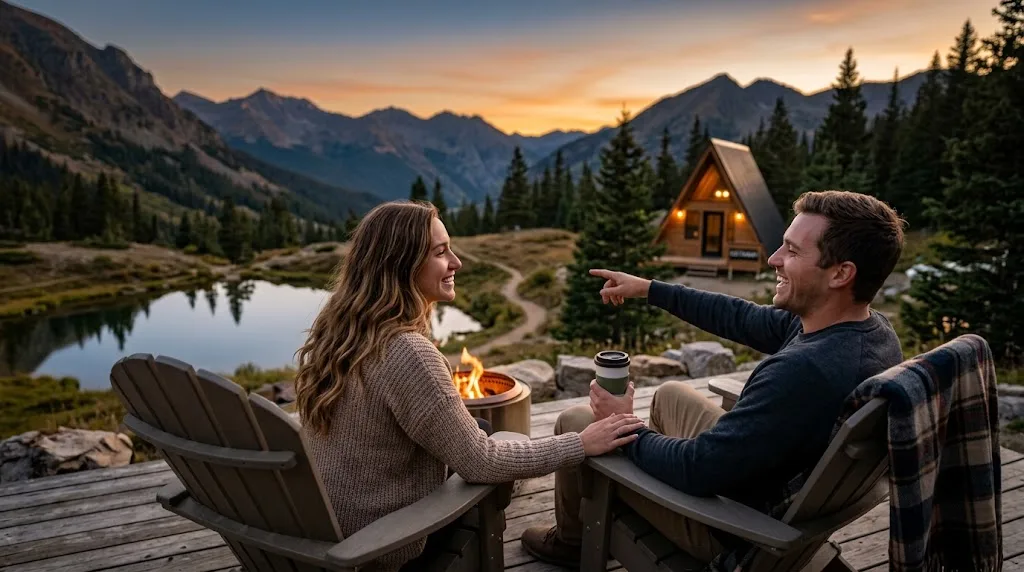
A mountain or countryside weekend can provide an immediate contrast to city life. Quiet roads, hiking trails, forests, open landscapes, and cooler air can make a destination only a few hours away feel psychologically much farther from home. Choose somewhere accessible enough that you can arrive before the first evening disappears. A scenic drive can be part of the experience, but an eight-hour journey usually defeats the purpose of a two-day escape. Mountain villages, national parks, countryside inns, and small towns surrounded by trails are especially practical. The goal is to trade noise and routine for space and slower movement.
Hiking can become the main activity without requiring an extreme adventure. A moderate trail with a viewpoint, waterfall, lake, or forest section provides a clear goal while leaving enough energy for the rest of the weekend. Research trail distance, elevation, weather, daylight hours, and access conditions before setting out. Mountain weather can change quickly, so clothing layers and basic preparation matter even on a short trip. If you rarely hike, choose a route appropriate to your actual fitness instead of selecting something difficult because the photographs look impressive. Finishing comfortably is much more enjoyable than spending Sunday exhausted or injured.
Countryside escapes do not need to involve hiking at all. You might book a farmhouse stay, read beside a fireplace, visit small villages, explore local markets, cycle quiet roads, or spend an afternoon at a spa. Food-focused travelers can build the trip around regional cheese, bakeries, farm restaurants, seasonal produce, or wineries where appropriate. Autumn can be particularly appealing because harvest traditions and changing landscapes create a distinct atmosphere. Winter countryside weekends may focus more heavily on cozy accommodation and food than outdoor exploration. The same destination can therefore offer completely different experiences throughout the year.
Accommodation can define this type of weekend more than it would on an activity-heavy city break. A cabin with a view, comfortable country hotel, mountain lodge, or guesthouse can become part of the reason for traveling. Look for features you will genuinely use, such as a fireplace, balcony, breakfast, hot tub, or nearby trail access. Do not pay heavily for resort facilities if most of your plans involve being outside the property. Conversely, if your goal is relaxation, investing in comfortable accommodation may make more sense than spending on several excursions. Match the hotel to the purpose of the weekend.
Nature weekends can also help reduce the urge to constantly check time. Sunrise, changing weather, trail conditions, and mealtimes provide enough natural structure without a complicated schedule. Put one major outdoor activity on the itinerary and let everything else remain flexible. If rain changes the plan, find a local café, scenic drive, bookstore, museum, or simply spend longer at the accommodation. Short trips become stressful when enjoyment depends on perfect conditions. A good countryside getaway offers enough space to adapt rather than feeling that one canceled activity has ruined the weekend.
4. Book a Romantic Weekend for Two
A romantic getaway works best when the destination creates time for conversation and shared experiences rather than simply providing an impressive hotel room. A historic town, coastal village, mountain retreat, countryside inn, or compact cultural city can all work depending on the couple. Choose somewhere neither person needs to spend hours coordinating complicated transportation. Arriving tired and irritated after multiple connections rarely creates the atmosphere people imagine when planning romantic travel. A place within a few hours of home can feel special when it offers different scenery, better food, and enough distance from everyday responsibilities. Convenience and romance are not opposites.
Accommodation deserves more attention on a couples’ weekend because you may spend more time there than during an activity-heavy trip. A room with a balcony, attractive view, comfortable bathtub, fireplace, or inviting common areas can add value when those features fit your plans. Boutique hotels and guesthouses may provide more character than large properties, but quality matters more than size. Read recent reviews for noise, cleanliness, breakfast, and actual room conditions rather than relying on highly edited photographs. A beautiful lobby will not compensate for poor sleep. Comfort creates more romance than an impressive hotel name.
Plan one memorable experience together instead of filling the schedule with romantic clichés. That might be a sunset boat ride, scenic train journey, spa treatment, cooking class, tasting menu, picnic, hike, or live performance. Choose something both people genuinely enjoy rather than what social media says couples should do. A shared experience provides a natural focal point for the trip and leaves the rest of the weekend open. When the getaway is short, trying to manufacture a perfect romantic moment every few hours can make everything feel staged. One great experience surrounded by relaxed time is usually enough.
Food can become the centerpiece of a romantic escape. Reserve one restaurant that feels special and keep the remaining meals casual so the dining budget stays reasonable. A bakery breakfast, market lunch, or neighborhood café can be more enjoyable than three formal meals in a row. If the destination is known for wine, seafood, regional pasta, desserts, or another specialty, build the meal around that local connection. A restaurant does not need candles and white tablecloths to feel romantic. Sometimes an outdoor table overlooking a harbor or a tiny family restaurant provides far more atmosphere.
Most importantly, avoid turning the getaway into a test of the relationship. Travel can expose differences in energy levels, budgets, food preferences, and planning styles even over two days. Discuss the basic expectations beforehand: whether the weekend should be active or restful, how much you are comfortable spending, and which experiences matter most. Leaving room for each person to choose something can make the trip feel balanced. The purpose is not to produce perfect photographs or imitate someone else’s romantic itinerary. A successful couples’ weekend simply gives you enjoyable time together somewhere that feels different from ordinary life.
5. Build a Food-Focused Weekend Getaway
Food can easily provide enough structure for an entire weekend without requiring a destination packed with traditional attractions. Choose a city or region known for one or two specialties you genuinely want to experience, then build the trip around markets, restaurants, bakeries, cafés, and local neighborhoods. Naples might appeal to pizza lovers, while another destination could be famous for seafood, noodles, barbecue, pastries, or regional breakfast dishes. The trip does not need to involve internationally famous restaurants. Everyday foods often provide a deeper connection to local life while keeping costs manageable.
Start the first morning at a market or traditional breakfast spot. This immediately introduces local ingredients and gives you ideas for what to order later. Spend lunch at a restaurant specializing in one important regional dish, then use the afternoon for walking, sightseeing, or resting before another casual food experience in the evening. The second day can include a bakery, cooking class, food tour, or neighborhood known for street food. This structure makes eating central without requiring you to consume constantly. Appetite is limited, so pacing becomes an important part of food travel.
One smart strategy is to choose lunch for the weekend’s most expensive restaurant meal. Many destinations offer midday menus or smaller set meals that provide strong cooking at lower prices than evening service. Keep breakfast inexpensive with bakery food or something included at the hotel, then use dinner for street food, markets, or casual restaurants. This creates financial space for a memorable culinary experience without turning a short trip into an expensive dining marathon. Sharing snacks and smaller dishes can also increase variety. Food lovers generally remember what they tasted more than how much they consumed.
A cooking class or food tour can be worthwhile when it provides both a meal and a cultural activity. Market tours can explain unfamiliar ingredients, while cooking classes reveal techniques you would never learn simply by ordering a dish. For a two-day getaway, however, one guided culinary activity is enough. Spending half the weekend moving between organized tours can eliminate the spontaneity that makes food exploration enjoyable. Leave time to follow recommendations from vendors, guides, or restaurant staff. Unexpected discoveries are often the highlight of food-focused travel.
Remember that culinary travel is also about neighborhoods and people. Walk between meals when possible, observe where residents eat, and explore stores selling local ingredients. A café filled with regular customers may reveal more about the destination than a restaurant designed specifically for visitors. Avoid chasing every viral food trend merely because it photographs well. Choose dishes connected to the region and experiences that genuinely interest you. A food weekend succeeds when you return home understanding something new about the destination through what you ate.
6. Enjoy a Lake, Spa or Wellness Retreat
A wellness weekend is ideal when the main reason for getting away is exhaustion rather than curiosity. Choose a quiet destination with a lake, spa, thermal baths, countryside setting, or comfortable resort where the atmosphere encourages slowing down. The strongest wellness trips minimize logistics after arrival. If you need to coordinate taxis, restaurant reservations, and multiple daily activities, the getaway may begin to resemble another project. A property with comfortable rooms, walking areas, food, and a few optional treatments can be enough. Short retreats benefit from simplicity because relaxation needs time to actually happen.
Thermal-bath destinations can combine relaxation with local culture. Some cities and regions have centuries-old bathing traditions, while others offer contemporary spa resorts based around natural springs or wellness facilities. Recent weekend-break recommendations continue to highlight destinations such as Budapest partly because thermal bathing provides an experience that fits easily into a short urban escape. You can combine a few hours at the baths with dinner and light sightseeing without feeling overscheduled. This makes spa-oriented cities particularly flexible for travelers who want both relaxation and a sense of place.
A lakeside cabin or hotel offers a more nature-focused version of the same idea. Walk near the water, rent a kayak when weather allows, read on a balcony, or simply enjoy the scenery. Lakes can be especially appealing for couples and solo travelers because they provide an activity when you want one and peaceful surroundings when you do not. Early mornings and evenings often feel particularly calm once day visitors leave. Staying overnight changes the experience from a simple outing into a genuine escape. Choose accommodation within easy walking distance of the lake when possible.
Wellness does not have to involve costly treatments. A weekend built around sleep, nutritious food, walking, swimming, reading, stretching, and reduced screen time can be restorative without a luxury-spa budget. If you do want a treatment, book one that matters to you rather than purchasing an expensive package simply because it is available. Compare accommodation packages carefully because some include spa access while others charge separately. Hidden resort fees can significantly change the actual cost of a supposedly affordable stay. Clear pricing matters when relaxation is part of the purchase.
Avoid creating unrealistic health expectations around the trip. Two quiet days cannot permanently erase months of stress or replace medical care, but they can provide a useful interruption to an exhausting routine. The experience may also remind you which habits make you feel better, such as walking more, sleeping enough, or spending less time online. Return home with one or two realistic practices rather than expecting the weekend to transform everything. A quick wellness escape works best as a pause and reset, not as a miracle solution.
7. Try an Adventure Weekend Outdoors
An adventure getaway is ideal for travelers who feel refreshed through activity rather than rest. Hiking, cycling, kayaking, rafting, climbing, surfing, skiing, or another outdoor experience can become the main reason for the weekend. Choose a destination that offers the activity within a manageable distance from home and match the difficulty to your experience. A short trip leaves little room for recovering from an overly ambitious first day. You should return pleasantly tired rather than physically wrecked. Adventure works best when challenge and enjoyment remain balanced.
Seasonality matters more for adventure trips than for many other weekend styles. Snow, water levels, trail closures, heat, wildlife, and daylight can all determine whether an activity is enjoyable or safe. Check recent local conditions rather than relying on photographs from another season. Some destinations are particularly interesting during narrow seasonal windows, such as mountain roads that open to cyclists before vehicle traffic resumes or rivers that change substantially with water levels. Local park authorities, guides, and outfitters can provide the most relevant information. Flexibility should remain part of the plan.
Guided activities can be worth the additional expense when technical knowledge, equipment, wildlife, or local conditions create meaningful safety considerations. A guided rafting trip, climbing session, backcountry excursion, or wildlife activity can provide access that independent travelers may not safely manage. For straightforward hiking or cycling routes, self-guided exploration may be completely reasonable. Spend on expertise when it materially improves safety or access. Paying for a guide merely because the activity looks adventurous on social media does not automatically improve the experience. Match assistance to the actual risk.
Pack carefully because forgetting one important item can be particularly disruptive during a short adventure weekend. Appropriate footwear, weather layers, sun protection, refillable water, basic first aid, navigation, and any specialized equipment deserve attention. Renting gear locally can reduce luggage for activities such as skiing, kayaking, or cycling. Confirm availability in advance during busy weekends because popular equipment may sell out. Avoid carrying unnecessary items that make movement harder. A compact, well-considered bag is usually better than packing for every theoretical situation.
Leave enough time before returning home to recover and travel safely. Finishing a demanding hike moments before beginning a long drive can create unnecessary fatigue. Schedule the largest activity on Saturday if possible and use Sunday for something lighter before heading home. This provides room for weather delays and reduces the pressure to complete an ambitious plan regardless of conditions. Adventure weekends should create memorable stories, not emergency stories. Good planning makes spontaneity safer because you understand where flexibility is possible.
8. Make Your Weekend Getaway Feel Longer
The most effective way to make a weekend feel longer is to reduce unnecessary transportation. Choose destinations reachable within a few hours and consider train travel when it delivers you directly into the city or town. Recent weekend travel recommendations repeatedly focus on places within relatively short rail, road, ferry, or flight connections for exactly this reason. A destination four hours away that requires no airport transfers may provide more usable vacation time than a one-hour flight surrounded by security lines and long commutes. Calculate door-to-door travel rather than comparing only headline flight times.
Leaving on Friday evening can create the psychological feeling of gaining an extra day. Even if you arrive late and simply check into the hotel, waking up somewhere different on Saturday feels better than beginning the journey that morning. Pack earlier in the week so Friday departure does not become stressful. If leaving after work creates too much exhaustion, traveling early Saturday can still work when the destination is close. The right choice depends on your schedule and energy. Avoid sacrificing so much sleep that the first full day becomes unusable.
Book activities selectively rather than filling every available hour. A useful rule for many weekend trips is one major activity each morning or afternoon, with the remaining time left flexible. This protects space for meals, rest, weather changes, and unexpected discoveries. Constantly checking the time makes a short vacation feel even shorter. Moving slowly can paradoxically make the weekend feel larger because individual experiences become easier to remember. A three-hour café, market, and neighborhood walk may create stronger memories than six rushed attractions.
Pack lightly enough that luggage does not control the trip. For two or three days, most travelers can manage with a small backpack or compact carry-on. Choose clothing that can be combined easily, one versatile pair of shoes when possible, basic toiletries, necessary medication, chargers, and destination-specific items such as swimwear or hiking layers. Carrying less makes trains, buses, hotel check-ins, and walking easier. It can also reduce baggage fees on short flights. The weekend should not require an expedition-sized suitcase unless the activity genuinely demands specialized equipment.
Finally, return with enough margin to make Monday manageable. Arriving home at midnight after several transportation connections can erase much of the benefit of the getaway. When practical, choose an earlier return that allows time for unpacking, eating, and sleeping normally. You may technically lose two hours at the destination but gain a much smoother transition back into daily life. A successful quick escape should make the following week feel better, not worse. The best weekend getaway leaves you wishing it lasted longer without making you regret going.
Final Thoughts on the Best Weekend Getaway Ideas
The best weekend getaway does not need to involve an international flight, luxury hotel, or famous bucket-list destination. It needs enough contrast from normal life to make two or three days feel meaningful. A nearby beach, mountain village, countryside hotel, compact city, lake, or food destination can provide exactly that. Current travel recommendations increasingly recognize the value of efficient short breaks that can be reached within a few hours rather than requiring lengthy journeys. Distance is therefore a poor measure of how refreshing a trip can be. A destination close to home may deliver the strongest weekend when it matches what you actually need.
Start by identifying the purpose of the escape. If you are exhausted, choose somewhere quiet rather than filling a city itinerary with attractions. If you are bored and want stimulation, a walkable cultural city may be better than sitting at a remote resort. Couples might prioritize accommodation and dining, while adventure travelers may choose the destination around one excellent trail or outdoor activity. Food lovers can build an entire weekend around markets and regional specialties. Clear priorities simplify almost every other decision.
Budget should shape the trip without eliminating enjoyment. Driving or taking a train to a nearby destination can save enough money for better accommodation or a memorable meal. Traveling outside peak weekends may also reduce hotel costs and crowds. Choose one or two areas where you are happy to spend more and save elsewhere. A picnic beside a lake can balance an expensive spa treatment, while a simple bakery breakfast can create room for a special dinner. Intentional spending usually produces better experiences than either unrestricted splurging or relentless cost cutting.
Resist the belief that a short getaway has to compensate for its length by containing more activities. Weekend travel is particularly vulnerable to overplanning because travelers feel pressure to make every hour count. In practice, rushing often makes the trip feel shorter and less memorable. Prioritize a few experiences and give them enough time. Sit through the sunset, linger over breakfast, take the scenic route, or spend an extra hour exploring a neighborhood you like. Quality of experience matters much more than the number of places checked off.
Ultimately, a quick escape works because it interrupts routine. You return with different scenery in your memory, new food you tasted, conversations you would not otherwise have had, and a small sense that the week ahead is not simply a continuation of the one before it. Keep travel times manageable, pack lightly, choose experiences that fit your interests, and leave some of the weekend unscheduled. Whether the destination is a beach, mountain, city, countryside retreat, or restaurant-filled neighborhood, the best getaway is the one that gives you the change of pace you were looking for.
Frequently Asked Questions
What is the best type of trip for a weekend getaway?
Beach towns, walkable cities, mountain retreats, countryside hotels, lakes, food destinations, and spa resorts all work well. The best option is usually somewhere you can reach quickly enough to enjoy most of your two or three days at the destination.
How far should you travel for a weekend trip?
For most weekend getaways, keeping door-to-door travel within roughly a few hours makes the trip easier to enjoy. Longer journeys can still work, but transportation should not consume a substantial part of both your arrival and departure days.
How can I plan an inexpensive weekend getaway?
Travel close to home, compare train and driving costs, avoid peak weekends, choose accommodation outside the most expensive tourist areas, and prioritize free activities such as beaches, hiking, parks, markets, and neighborhood exploration.
What should couples do on a weekend getaway?
Choose one shared experience you both genuinely enjoy, such as a memorable dinner, spa visit, hike, scenic train ride, boat trip, or cooking class. Leave plenty of unscheduled time so the weekend feels relaxed rather than overorganized.
How can I make a two-day trip feel longer?
Leave Friday evening when practical, stay close to the activities you want to do, travel light, limit long transfers, and avoid filling every hour with reservations. Fewer logistics and a slower itinerary make the available time feel much more substantial.