




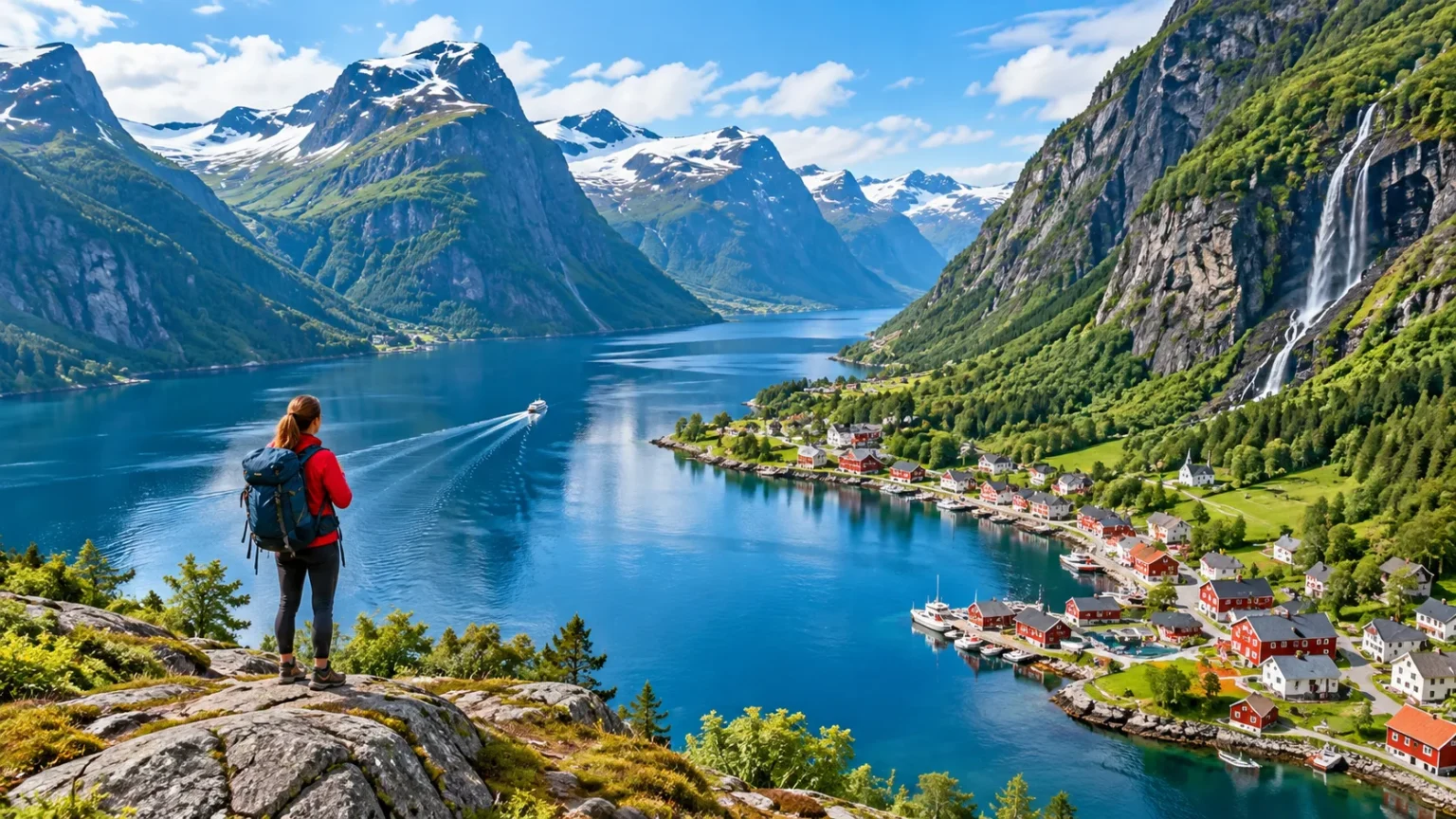
Norway is one of Europe’s most beautiful travel destinations, famous for its dramatic fjords, towering mountains, colorful coastal towns, and incredible natural landscapes. From the historic streets of Bergen to the Arctic scenery of Tromsø, the country offers a wide variety of experiences for nature lovers, adventure seekers, and cultural travelers. Whether you want to explore picturesque villages, discover Norwegian history, or enjoy peaceful surroundings, Norway has something special to offer.
Located in Northern Europe, Norway is known for its breathtaking coastline, scenic railway journeys, and distinctive seasonal experiences. Visitors can enjoy long summer days beneath the midnight sun or travel north during darker months for a chance to see the northern lights. The country’s national parks, waterfalls, traditional architecture, and modern cities make it an appealing destination throughout the year.
Planning a trip to Norway requires understanding its geography, climate, transportation options, and major attractions. This Norway travel guide covers the best places to visit, popular things to do, seasonal travel advice, and practical planning tips. It also explores Norwegian food, accommodation, budgeting, and cultural experiences to help travelers make the most of their visit.
Why Visit Norway?
Norway attracts travelers with its remarkable combination of natural beauty, cultural heritage, and modern urban life. The country features deep fjords, snow-covered mountains, clear lakes, and charming fishing villages. Its landscapes change dramatically between regions, offering different experiences throughout the year. Visitors can enjoy peaceful coastal scenery, explore historic neighborhoods, or discover impressive natural attractions.
Another reason to visit Norway is its distinctive outdoor culture. Walking trails, scenic viewpoints, coastal excursions, and winter activities are important parts of the local travel experience. Many destinations also offer opportunities to learn about traditional communities and regional history. The country’s extensive natural landscapes provide memorable experiences for visitors with different interests.
Norway is also known for well-developed infrastructure and relatively efficient public transportation in major travel corridors. Trains, ferries, buses, and domestic flights connect many destinations. However, remote areas can require additional planning because of long distances and seasonal conditions. Choosing a manageable itinerary helps travelers enjoy Norway without spending most of their vacation moving between locations.
1. Explore Oslo, the Capital of Norway
Oslo is Norway’s capital and an excellent starting point for exploring the country. The city combines modern architecture, waterfront attractions, green spaces, and cultural institutions. Visitors can explore the Oslo Opera House, admire its distinctive design, and enjoy views of the surrounding harbor. The city center also features restaurants, shopping streets, and welcoming public spaces.
One of Oslo’s most popular attractions is Vigeland Sculpture Park, which contains an extensive collection of sculptures by Gustav Vigeland. Travelers interested in Norwegian history can visit the Norwegian Folk Museum or explore exhibitions dedicated to art and culture. The MUNCH museum highlights the work of Norwegian artist Edvard Munch. These attractions provide insight into the country’s creative traditions.
Oslo is also surrounded by forests and connected to the Oslofjord, offering opportunities for outdoor recreation. Public transportation makes many major attractions relatively accessible. Travelers can spend several days exploring different neighborhoods without needing a rental car. The capital provides a comfortable introduction to Norwegian culture before visiting the country’s smaller towns and natural landscapes.
2. Visit Bergen and Its Colorful Waterfront
Bergen is one of Norway’s most recognizable cities, famous for its colorful wooden buildings and beautiful coastal setting. Located on the country’s western coast, Bergen is often called the gateway to the fjords. Its historic harbor area, Bryggen, is a UNESCO World Heritage Site. The narrow passageways and traditional buildings reflect the city’s important trading history.
Visitors can explore Bryggen, browse local shops, and experience the atmosphere of Bergen’s harbor. The Fløibanen funicular provides access to Mount Fløyen, where travelers can admire panoramic views of the city and surrounding landscape. Bergen also features interesting museums, seafood markets, and cultural attractions. Its compact center makes exploring relatively convenient.
Bergen is an excellent base for travelers interested in nearby fjord experiences. Popular excursions include boat trips, scenic drives, and journeys through the surrounding mountain regions. The city receives considerable rainfall, so weather-resistant clothing is useful throughout the year. Spending additional time in Bergen allows visitors to enjoy both its cultural attractions and beautiful natural surroundings.
3. Discover the Norwegian Fjords
The Norwegian fjords are among the country’s most famous natural attractions. These long, narrow waterways were shaped by glaciers over thousands of years and are surrounded by steep mountains. Their dramatic scenery includes waterfalls, small villages, and striking rock formations. The fjords are particularly popular with travelers seeking unforgettable landscapes and photography opportunities.
Geirangerfjord and Nærøyfjord are two especially famous destinations recognized for their exceptional natural beauty. Geirangerfjord features dramatic mountain scenery and waterfalls, while Nærøyfjord is known for its narrow passage and steep surrounding slopes. Sognefjord, Norway’s longest and deepest fjord, also offers numerous scenic experiences. Each region has its own character and attractions.
Fjord cruises provide a convenient way to appreciate these landscapes without requiring demanding outdoor activities. Travelers can also discover viewpoints, museums, and villages along the shoreline. Weather and seasonal transport schedules may affect available excursions. Planning ahead helps visitors choose suitable routes and make the most of the fjord experience.
4. Experience the Northern Lights in Tromsø
Tromsø is one of Norway’s best-known destinations for experiencing the northern lights. Located above the Arctic Circle, the city combines Arctic landscapes with museums, restaurants, and cultural attractions. During the darker months, travelers visit the region hoping to witness the colorful aurora borealis. However, sightings depend on natural conditions and are never guaranteed.
The northern lights are generally visible around Tromsø from late August to early April when skies are sufficiently dark. Cloud cover, solar activity, and light pollution influence viewing opportunities. Guided excursions are available for visitors who prefer organized transportation and local knowledge. Spending several nights in the region may provide more opportunities to experience suitable conditions.
Tromsø also offers attractions beyond northern lights viewing. Visitors can explore the Arctic Cathedral, enjoy the Fjellheisen cable car, and discover local museums. The surrounding region features impressive coastal and mountain scenery. Combining cultural activities with outdoor sightseeing creates a rewarding Arctic travel experience even when the aurora does not appear.
5. Explore the Beautiful Lofoten Islands
The Lofoten Islands are among Norway’s most photogenic destinations, featuring dramatic mountains, turquoise coastal waters, and traditional fishing villages. Located in Northern Norway, the islands offer a distinctive combination of Arctic scenery and local heritage. Small communities such as Reine and Henningsvær attract visitors with their colorful waterfront buildings and striking natural surroundings.
Travelers can explore fishing villages, enjoy coastal viewpoints, and learn about the region’s traditional fishing industry. Scenic drives reveal changing landscapes, including sheltered bays and rugged mountain peaks. Several beaches provide beautiful places to appreciate the coastline. However, cold water and rapidly changing weather require appropriate caution during outdoor activities.
Lofoten is especially appealing during summer when long daylight hours create additional sightseeing opportunities. The islands also attract winter visitors seeking snowy scenery and northern lights. Accommodation and transportation can become busy during popular travel periods. Booking early and allowing sufficient time between destinations can make the experience more enjoyable.
6. Visit Stavanger and Preikestolen
Stavanger is a coastal city in southwestern Norway known for its charming old town and access to beautiful natural attractions. The city features traditional wooden houses, modern restaurants, and interesting cultural institutions. Its historic neighborhood, Gamle Stavanger, is particularly attractive for visitors interested in architecture. Stavanger also serves as a gateway to the Lysefjord region.
One of the region’s most famous attractions is Preikestolen, also called Pulpit Rock. This dramatic cliff rises above Lysefjord and is known for its remarkable views. The associated mountain hike is physically demanding and requires suitable conditions, preparation, and experience. Travelers who prefer less strenuous sightseeing can consider organized fjord cruises.
Stavanger also offers museums, waterfront walks, and nearby coastal landscapes. Visitors can explore the city’s cultural attractions before discovering the surrounding region. Weather conditions may affect outdoor plans, especially in mountainous areas. Choosing activities that match personal abilities helps create a safer and more comfortable trip.
7. Explore Geiranger and Its Waterfalls
Geiranger is a small village surrounded by some of Norway’s most dramatic fjord landscapes. The nearby Geirangerfjord is famous for towering mountains, steep green slopes, and beautiful waterfalls. The scenery attracts travelers interested in photography and natural sightseeing. Despite its relatively small size, Geiranger is one of the country’s best-known fjord destinations.
A fjord cruise is a popular way to appreciate the landscape and observe waterfalls from the water. The Seven Sisters waterfall is among the region’s most recognized natural features. Visitors can also explore established viewpoints overlooking the fjord. These perspectives reveal the impressive scale of the surrounding mountains and waterways.
Geiranger is particularly busy during the main summer travel season. Some mountain roads and excursions may have limited accessibility outside warmer months. Weather can also change quickly in the surrounding landscape. Checking transport schedules and seasonal availability helps travelers organize a practical itinerary.
8. Take a Scenic Train Journey Through Norway
Norway’s rail network offers several memorable journeys through mountains, valleys, forests, and coastal regions. Scenic trains allow visitors to appreciate the landscape while traveling between major destinations. They are also a convenient alternative to driving on unfamiliar roads. Different railway routes reveal distinct aspects of Norway’s geography.
The Bergen Railway connects Oslo and Bergen through impressive mountain scenery. Another famous journey is the Flåm Railway, which travels between Myrdal and Flåm through a steep and scenic valley. Passengers can admire waterfalls, mountains, and changing landscapes along the route. These railway journeys are popular attractions in their own right.
Other notable routes include the Rauma Railway and the Dovre Railway. Travelers should compare schedules, journey lengths, and seasonal services before making reservations. Popular scenic trains can become busy during peak travel periods. Booking suitable connections in advance can make a multi-destination Norwegian itinerary easier to manage.
9. Discover Trondheim and Norwegian History
Trondheim is one of Norway’s most historically significant cities, known for its cultural heritage and attractive riverside setting. The city was founded during the Viking Age and served as an important center in Norwegian history. Today, it combines historic architecture with universities, museums, and modern urban life. Its manageable size makes sightseeing enjoyable.
Nidaros Cathedral is one of Trondheim’s most impressive landmarks. The cathedral is associated with Saint Olav and has been an important pilgrimage destination for centuries. Visitors can also explore the colorful warehouses along the Nidelva River and the historic Bakklandet neighborhood. These attractions provide opportunities to appreciate the city’s distinctive character.
Trondheim offers a different experience from Norway’s fjord and Arctic destinations. Its museums, cafes, and historic streets are ideal for travelers interested in culture. The city also provides access to surrounding natural areas. Including Trondheim in a longer itinerary adds historical depth to a Norway vacation.
10. Experience the Midnight Sun in Northern Norway
The midnight sun is one of Northern Norway’s most remarkable natural phenomena. During part of the summer, the sun remains above the horizon for twenty-four hours in areas north of the Arctic Circle. This creates unusual opportunities to experience daylight late at night. The exact dates vary according to latitude and location.
Destinations such as Tromsø, North Cape, and parts of the Lofoten Islands offer opportunities to experience extended summer daylight. Visitors can enjoy scenic viewpoints, coastal sightseeing, and cultural attractions during unusually long days. The changing light creates beautiful conditions for photography. However, the midnight sun does not occur throughout mainland Norway.
Travelers visiting during this season may find that continuous daylight affects their sleeping routines. Accommodation with effective curtains can improve comfort. Weather also remains variable despite the extended daylight. Planning a balanced schedule allows visitors to enjoy the experience without sacrificing necessary rest.
11. Discover Norwegian Food and Local Culture
Norwegian cuisine reflects the country’s coastal geography, agricultural traditions, and seasonal ingredients. Fish and seafood have played important roles in local food culture for generations. Salmon, cod, and other regional dishes appear in many restaurants. Traditional foods vary considerably between northern, western, and inland communities.
Visitors may also encounter dishes involving potatoes, bread, dairy products, and locally sourced meats. Brunost, a distinctive brown whey-based cheese, is a well-known Norwegian specialty. Bakeries offer pastries and breads that provide convenient options during sightseeing. Trying regional food can be an enjoyable way to understand local traditions.
Cultural experiences extend beyond food and include museums, folk traditions, architecture, and community festivals. Travelers interested in Indigenous heritage can learn about Sámi history and culture through appropriate museums and community-led experiences. Respectful cultural tourism supports a better understanding of Norway’s diversity. These experiences add meaningful context to the country’s famous natural attractions.
12. Best Time to Visit Norway
The best time to visit Norway depends on the experiences you want to enjoy. Summer, generally from June through August, is popular for fjord sightseeing, scenic drives, and exploring coastal towns. Longer daylight hours make it easier to visit several attractions. However, popular destinations can become crowded during the busiest periods.
Spring and autumn offer different scenery and potentially quieter travel experiences in some regions. Spring brings changing landscapes and longer days, while autumn features colorful forests and cooler temperatures. Some seasonal attractions may operate reduced schedules. These months can be appealing for travelers who prefer fewer crowds and flexible sightseeing plans.
Winter is especially popular for northern lights trips, snowy landscapes, and selected cold-weather activities. Northern regions experience limited daylight or polar night during part of the season. Transport and weather conditions may require additional planning. Choosing the right season helps ensure that activities align with individual interests and expectations.
13. How to Travel Around Norway
Traveling around Norway requires careful planning because the country stretches a considerable distance from south to north. Domestic flights connect many major cities and northern destinations. Trains serve important routes in southern and central Norway. Buses and ferries provide additional connections, particularly in coastal and rural regions.
Public transportation can be a practical option when visiting cities such as Oslo, Bergen, and Trondheim. Regional travel may require combining several types of transport. Some remote destinations have limited departures or seasonal schedules. Reviewing connections before booking accommodation helps avoid inconvenient travel arrangements.
Rental cars may offer flexibility in certain rural regions, but driving conditions vary with the weather and season. Winter roads can require specialized experience and appropriate equipment. Travelers should also account for ferries, tolls, and travel distances. A realistic transport plan makes it easier to explore Norway without unnecessary stress.
14. Norway Travel Budget and Money-Saving Tips
Norway is generally considered an expensive European travel destination because accommodation, dining, and transportation can involve substantial costs. However, expenses vary depending on location, season, and travel preferences. Major cities and popular tourist areas may cost more than smaller communities. Planning a realistic budget helps reduce financial surprises.
Travelers can manage expenses by comparing accommodation options, booking transportation early, and using public transit where practical. Grocery stores and casual dining establishments may provide more affordable alternatives to frequent restaurant meals. Many scenic viewpoints and public outdoor spaces are accessible without high admission fees. These choices can help control spending.
The Norwegian krone, abbreviated NOK, is the country’s currency. Electronic card payments are widely accepted, although travelers should check payment options for specific destinations. Currency conversion costs and international bank fees may affect total spending. Allowing room for unexpected expenses can make a travel budget more dependable.
15. Essential Norway Travel Tips for First-Time Visitors
First-time visitors should prioritize a manageable itinerary instead of attempting to explore the entire country in one trip. Norway’s geography and travel distances can make frequent transfers time-consuming. Selecting a few connected destinations allows more time to appreciate individual places. Travelers may prefer combining major cities with one or two scenic regions.
Packing should reflect the season and planned activities. Layered clothing, comfortable footwear, and rain protection are useful in many areas. Northern Norway and mountain regions may require additional cold-weather preparation. Weather conditions can change quickly, making flexibility important when arranging outdoor excursions.
Visitors should also check passport validity, visa requirements, travel insurance, and relevant entry procedures before departure. Norway participates in the Schengen Area, but entry requirements depend on nationality and residence status. Travelers should verify current rules with official authorities. Respecting local regulations and natural environments contributes to a smoother and more responsible travel experience.
Conclusion
Norway is an outstanding destination for travelers interested in natural beauty, cultural heritage, and memorable landscapes. Its fjords, mountains, coastal communities, and historic cities provide a wide variety of experiences. From Oslo’s museums to Bergen’s colorful waterfront and Tromsø’s Arctic scenery, each region offers something distinctive. Understanding these differences helps visitors select destinations that match their interests.
The best things to do in Norway include exploring scenic fjords, discovering traditional fishing villages, taking panoramic train journeys, and experiencing seasonal natural phenomena. Summer is particularly appealing for general sightseeing, while darker months offer opportunities to observe the northern lights. Transportation and weather conditions vary across the country. Careful planning can make these experiences more accessible and enjoyable.
A successful Norway vacation combines realistic travel distances, suitable accommodation, seasonal preparation, and a manageable budget. Exploring fewer destinations in greater depth can be more rewarding than rushing between distant attractions. Whether you are interested in peaceful nature, Norwegian history, or beautiful coastal scenery, the country offers memorable travel possibilities. With thoughtful preparation, Norway can provide an unforgettable experience.
Frequently Asked Questions
What is Norway most famous for?
Norway is famous for its dramatic fjords, northern lights, midnight sun, scenic mountains, and colorful coastal villages. Its natural landscapes and historic cities attract visitors from around the world.
What is the best month to visit Norway?
June, July, and August are popular for fjord sightseeing and long daylight hours. For northern lights viewing, September through March can offer suitable conditions in Northern Norway.
How many days do you need in Norway?
Seven to ten days can provide a good introduction to Norway, allowing time for a few major destinations. Longer trips are useful when combining southern cities with Northern Norway.
Is Norway expensive for tourists?
Norway can be relatively expensive, particularly for hotels, dining, and transportation. Travelers can manage costs by booking early, using public transport, and selecting budget-friendly accommodation and meals.
Where is the best place to see the northern lights in Norway?
Tromsø is one of the most popular northern lights destinations. Alta, Senja, and the Lofoten Islands also offer viewing opportunities, although sightings depend on darkness, weather, and auroral activity.