




Why Croatia Should Be on Your Travel List
Croatia combines historic cities, clear Adriatic waters, beautiful islands, national parks, mountain scenery, and traditional coastal towns within a relatively compact country. Travelers can spend one day exploring medieval streets and the next swimming beside rocky beaches or hiking through forested landscapes. This variety makes Croatia appealing to couples, families, solo travelers, and outdoor enthusiasts.
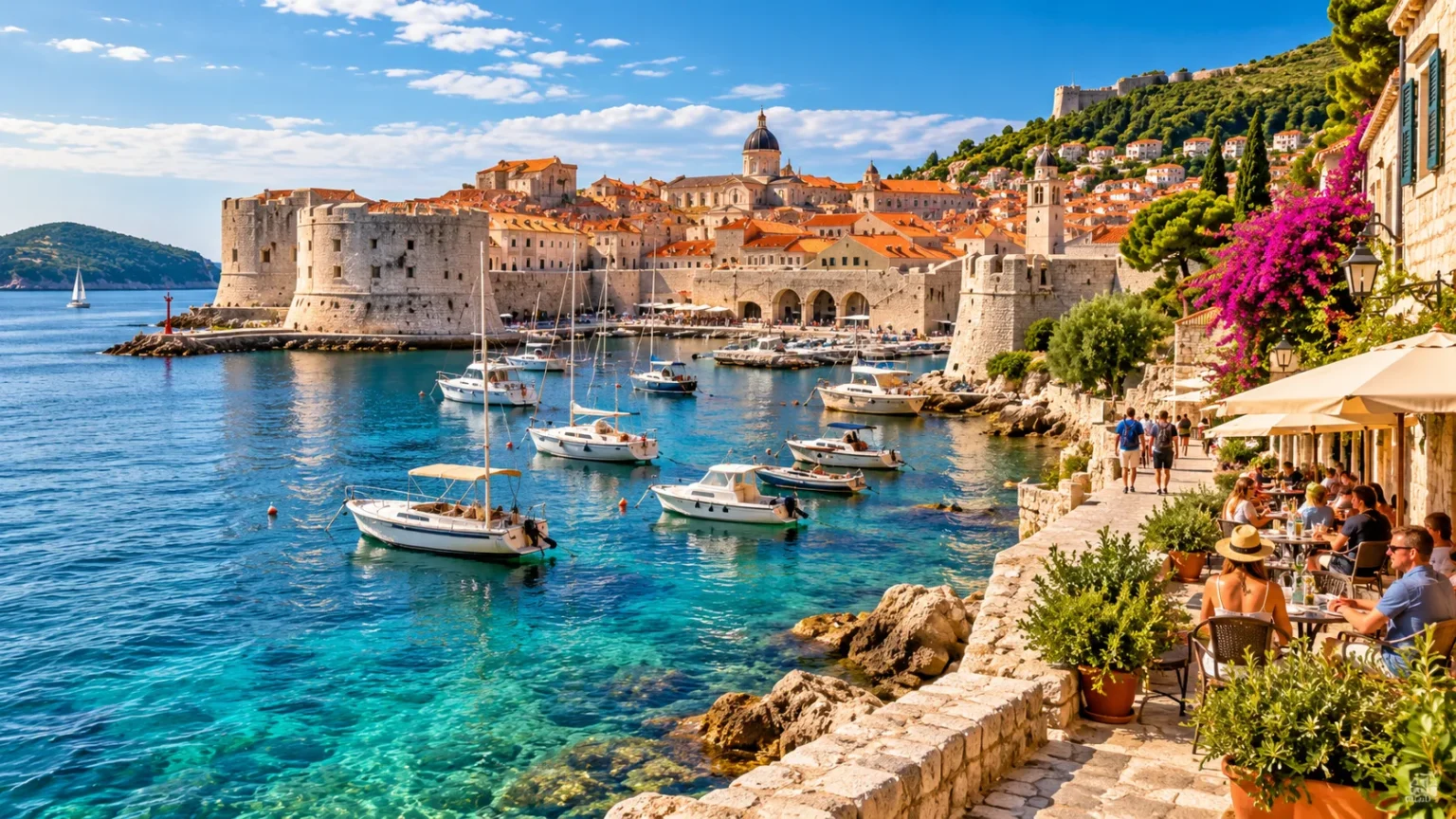
The country is particularly famous for its Adriatic coastline, where centuries-old towns sit beside harbors filled with boats and waterfront cafés. Inland Croatia offers a different experience with forests, lakes, castles, vineyards, and the energetic capital city of Zagreb. A well-planned Croatia itinerary can therefore combine history, nature, food, beaches, and relaxation without requiring enormous travel distances.
How you experience Croatia depends heavily on the length and timing of your trip. Some visitors concentrate entirely on the Dalmatian coast, while others combine Zagreb, national parks, islands, and historic cities. Rather than trying to see everything quickly, choose several destinations that match your interests and allow enough time to enjoy each location at a comfortable pace.
Explore the Historic Streets of Dubrovnik
Dubrovnik is one of Croatia’s most recognizable destinations, surrounded by impressive stone walls beside the Adriatic Sea. Walking through the historic center reveals narrow streets, elegant buildings, small squares, churches, cafés, and centuries of architectural detail. Simply wandering through the Old Town can become one of the most memorable experiences of a Croatia vacation.
Walking along Dubrovnik’s city walls offers a completely different perspective. From higher points, you can see terracotta rooftops, defensive towers, the harbor, nearby islands, and brilliant blue water stretching toward the horizon. Try visiting earlier or later in the day when conditions may feel cooler and the atmosphere around the historic center can be more relaxed.
Dubrovnik also provides opportunities for swimming, boat trips, viewpoints, and nearby island excursions. Travelers with more time can explore beyond the historic walls instead of treating the city as a short photo stop. Spending at least a couple of nights allows you to experience quieter mornings and evenings when the streets take on a different character.
Discover Split and Diocletian’s Palace
Split combines ancient history with the energy of a modern coastal city. Its historic center developed around Diocletian’s Palace, where Roman structures blend naturally with shops, homes, restaurants, and narrow pedestrian streets. Rather than functioning only as a preserved archaeological site, the palace area remains part of everyday city life, making it especially interesting to explore on foot.
Allow time to wander beyond the best-known palace landmarks. Small passageways lead to atmospheric courtyards, cafés, markets, and waterfront areas that reveal different layers of Split’s character. The Riva promenade is especially pleasant for walking, people-watching, or enjoying a relaxed break overlooking the harbor. Evening brings a lively atmosphere as locals and visitors gather around the center.
Split is also an excellent base for exploring central Dalmatia. Ferries connect the city with several popular islands, while day trips can lead to nearby historical towns and natural attractions. This combination makes Split useful for travelers who want history and urban energy without giving up easy access to beaches, islands, and other coastal experiences.
Wander Through the Beautiful Old Town of Trogir
Trogir is a compact historic town that works particularly well for travelers who enjoy architecture and slower exploration. Its stone streets, traditional buildings, small squares, churches, and waterfront create a distinctly Mediterranean atmosphere. Because the historic center is relatively manageable in size, visitors can explore its highlights without feeling pressured to follow a complicated itinerary.
Spend time walking without a strict route and pay attention to the details in old doorways, balconies, courtyards, and narrow lanes. The waterfront offers another perspective and is a pleasant place for an evening walk. Trogir’s compact layout makes it easy to combine sightseeing with relaxed meals or coffee breaks rather than spending the entire day moving between major attractions.
Its location near Split also makes Trogir convenient for a day trip or short overnight stay. Travelers who prefer quieter surroundings may even choose it as a base for part of their coastal journey. Whether you stay for several hours or longer, Trogir adds another layer of historic character to a wider Croatia travel itinerary.
Experience the Lakes and Waterfalls of Plitvice
Plitvice Lakes is one of Croatia’s most famous natural destinations, known for interconnected lakes, forest scenery, and numerous waterfalls. Wooden pathways and walking trails allow visitors to move through landscapes that feel dramatically different from the coastal cities. The combination of water, greenery, rock formations, and changing elevation makes the park especially rewarding for nature lovers and photographers.
Plan enough time to enjoy the landscape rather than rushing between viewpoints. Different walking routes vary in length, so choose one that matches your fitness level and available time. Comfortable shoes are important because a typical visit involves substantial walking. Weather can also affect trail conditions, making layers and practical clothing useful during spring, autumn, or unpredictable days.
Visiting earlier can help you experience some sections before they become busier. Each season creates a different atmosphere, from fresh spring greenery and vibrant summer landscapes to autumn colors and colder winter scenery. Plitvice can fit between Zagreb and the coast, making it a useful stop when building a road trip through different regions of Croatia.
Visit Krka National Park
Krka National Park offers another opportunity to experience Croatia’s waterfalls, rivers, vegetation, and natural scenery. The landscape includes walking areas and viewpoints that make the park attractive to visitors looking for a nature-focused break from historic coastal cities. It can be included as part of a wider Dalmatian itinerary, especially when traveling around Split, Šibenik, or nearby areas.
Allow several hours rather than treating the park as a quick stop. Slow walking gives you time to appreciate the river landscape, vegetation, and smaller details between major viewpoints. Comfortable footwear, drinking water, and sun protection can make summer visits easier. During cooler seasons, bring an additional layer because conditions may change significantly between sunny and shaded areas.
Krka works particularly well for travelers who want to combine culture and nature during the same section of their trip. You can explore a historic town one day and spend the next surrounded by rivers and waterfalls. This variety is one of Croatia’s biggest strengths and prevents a longer itinerary from feeling repetitive.
Explore Zadar and Listen to the Sea
Zadar blends historical architecture with a relaxed waterfront atmosphere and several distinctive modern attractions. The old town contains Roman remains, churches, stone streets, cafés, and public squares that can be explored comfortably on foot. Its manageable size allows visitors to experience historic landmarks without the pace sometimes associated with larger and more heavily visited coastal destinations.
The waterfront is one of Zadar’s most memorable areas, particularly around the Sea Organ. This unusual installation uses the movement of the sea to create changing sounds along the promenade. Nearby public spaces become especially popular around sunset. Arriving before evening gives you time to explore the old town before finishing the day beside the Adriatic.
Zadar is also well positioned for travelers continuing toward islands or national parks. It can function as a convenient stop on a longer coastal route or as a base for several days. Food, waterfront walks, nearby beaches, and day trips provide enough variety to reward travelers who spend more than a single afternoon in the city.
Go Island Hopping Along the Adriatic Coast
Island hopping is one of the most enjoyable ways to experience Croatia because each island has its own landscapes and atmosphere. Some attract visitors with lively towns and beaches, while others offer quieter villages, hiking opportunities, vineyards, secluded coves, or traditional coastal life. Ferries and boat services make it possible to combine several islands during a longer Adriatic itinerary.
Hvar is among the best-known islands, offering historic streets, waterfront scenery, beaches, and an energetic summer atmosphere. Brač appeals to travelers interested in beaches and outdoor activities, while Vis often attracts people searching for a slower island experience. Korčula combines coastal beauty with an appealing historic town and is another strong option for a multi-stop journey.
Avoid trying to visit too many islands in a short period. Ferry schedules and transfers consume time, and constantly moving accommodation can make the trip feel rushed. Choosing one or two islands and staying several nights on each usually provides a more relaxing experience. You will have more time for swimming, exploring villages, and discovering quieter corners beyond the main ports.
Relax on Croatia’s Beaches and Hidden Coves
Croatia’s coastline is filled with beaches, rocky swimming areas, small bays, and secluded coves. Many beaches are pebbled or rocky rather than sandy, contributing to the clear appearance of the water. Water shoes can therefore be helpful, particularly when entering the sea over stones. Beach conditions vary greatly, giving travelers plenty of options across different coastal regions.
Popular beaches can become lively during summer, especially near major resorts and island towns. Travelers looking for quieter surroundings can often find smaller coves by walking farther from main centers or exploring by boat. Arriving early also helps if you want a peaceful morning swim before beaches become more active later in the day.
Do not limit beach time to sunbathing alone. Swimming, snorkeling, kayaking, paddleboarding, and short coastal walks can make beach days more interesting. Some of Croatia’s most memorable moments come from finding a simple swimming spot below an old town or along an island road. Leaving room for spontaneous stops can improve a coastal road trip significantly.
Spend Time in Zagreb
Zagreb provides a completely different atmosphere from Croatia’s Adriatic destinations. The capital combines elegant streets, markets, parks, cafés, museums, and historic neighborhoods with everyday city life. Travelers who immediately head toward the coast sometimes overlook Zagreb, but spending a couple of days here adds valuable variety and provides a broader understanding of the country.
Explore the central areas on foot, moving between lively squares, atmospheric streets, green spaces, and traditional markets. Café culture is an important part of the city’s rhythm, so leave time for relaxed breaks instead of treating Zagreb only as a checklist of attractions. Museums and indoor cultural sites also make the city particularly useful during rainy or cooler weather.
Zagreb can serve as either the beginning or end of a Croatian road trip. From here, travelers can continue toward Plitvice Lakes, northern Croatia, or the Adriatic coast. Its transport connections and urban facilities make it practical, while its different architectural and cultural character ensures that it does not simply feel like another stop on a coastal itinerary.
Taste Croatian Food and Local Specialties
Food is an important part of traveling through Croatia because cuisine changes noticeably between regions. Coastal areas feature Mediterranean influences, seafood, grilled fish, olive oil, vegetables, and simple dishes built around fresh ingredients. Inland regions offer heartier foods and different cooking traditions. Trying regional dishes adds depth to a journey and makes moving between destinations more interesting.
Do not assume that the most visible waterfront restaurant will always provide the most memorable meal. Explore side streets, local markets, family-run restaurants, and places where regional specialties feature prominently. Asking what is seasonal or locally prepared can lead to better choices. Island and coastal destinations may also offer local wines, olive oils, cheeses, and traditional desserts worth trying.
Food experiences do not need to be expensive or formal. Fresh bakery items, market produce, simple grilled dishes, and casual local meals can be just as memorable as fine dining. Build enough flexibility into your itinerary to stop when you discover somewhere appealing. Some of the best travel memories come from unplanned meals rather than restaurants chosen weeks in advance.
Choose the Best Time to Visit Croatia
Late spring and early autumn are excellent periods for many travelers because the weather can be pleasant while major destinations may feel less intense than during the busiest summer weeks. May, June, September, and early October can work particularly well for sightseeing, coastal drives, outdoor activities, and combining cities with island experiences.
July and August bring the classic Mediterranean summer atmosphere with warm sea conditions, long days, festivals, beaches, and active coastal towns. They are also among the busiest periods in popular destinations. Accommodation and transport should be planned earlier, particularly when visiting famous islands or coastal cities. Travelers who enjoy lively surroundings may still prefer this energetic summer period.
Spring and autumn are particularly attractive for hiking and cultural trips, while winter provides a quieter experience in cities such as Zagreb and Dubrovnik. Some island businesses and seasonal services may operate differently outside summer, so itinerary planning becomes more important. Choose your season according to whether beaches, sightseeing, outdoor activities, nightlife, or lower crowds matter most.
Plan Transportation Around Croatia
Driving can be one of the most flexible ways to explore Croatia, particularly when combining national parks, smaller towns, and coastal areas. A rental car allows spontaneous stops and makes certain inland locations easier to reach. However, parking inside historic centers can be limited, so check accommodation parking arrangements before arriving in busy coastal destinations.
Buses connect many major towns and are useful for travelers who do not want to drive. Ferries are essential for reaching many islands and should be incorporated carefully into your itinerary. During busy travel periods, allow extra time around transfers. Missing a connection can affect the rest of the day when another departure is not immediately available.
Try to build your route geographically rather than repeatedly crossing the country. For example, combining Zagreb, Plitvice, Zadar, Split, islands, and Dubrovnik in a logical direction can reduce unnecessary travel. A good Croatia itinerary leaves enough time between destinations so transportation supports the experience rather than becoming the dominant part of the trip.
Practical Tips for a Better Croatia Vacation
Book popular accommodation earlier if traveling during peak summer, particularly in Dubrovnik, Split, and well-known island destinations. Keeping some flexibility is useful, but completely spontaneous travel can become expensive or inconvenient during busy periods. If you are planning island transfers, review ferry schedules while building your route rather than waiting until the day of departure.
Comfortable walking shoes are essential because many historic centers have stone streets, steps, slopes, and pedestrian-only areas. Pack water shoes if you plan to spend significant time at rocky or pebbled beaches. Sun protection is also important during warmer months. Lightweight layers remain useful because evenings, boat journeys, and changing weather can sometimes feel cooler than expected.
Most importantly, avoid overcrowding your itinerary. Croatia may look small on a map, but ferries, road journeys, sightseeing, and hotel changes require time. Staying longer in fewer places gives you room for swimming, relaxed meals, unexpected discoveries, and slower evenings. A balanced itinerary will usually feel more rewarding than attempting to collect every famous destination in a single trip.
Conclusion
Croatia offers an impressive combination of historic cities, islands, beaches, waterfalls, national parks, food, and Adriatic scenery. Dubrovnik and Split provide extraordinary cultural experiences, while Zadar, Trogir, Zagreb, and smaller destinations reveal different sides of the country. Natural attractions such as Plitvice and Krka create additional variety between days spent exploring towns and coastlines.
Island hopping and beach time are central to many Croatia vacations, but the country deserves more than a rushed coastal tour. Spending several nights in selected destinations allows you to discover quieter streets, local restaurants, hidden swimming areas, and landscapes beyond the famous attractions. Combining cultural sightseeing with relaxed outdoor experiences usually creates the most balanced itinerary.
The best Croatia travel guide is ultimately one built around your interests and available time. Choose destinations carefully, travel in a logical direction, and leave space for spontaneous experiences along the way. Whether you prefer ancient architecture, island adventures, national parks, food, or peaceful Adriatic evenings, Croatia offers enough variety to create a memorable journey.
FAQs
How many days do you need in Croatia?
Seven to ten days allows you to combine several major destinations without rushing excessively. Travelers wanting Zagreb, national parks, multiple islands, and the southern coast may prefer two weeks or longer.
What are the best places to visit in Croatia?
Popular choices include Dubrovnik, Split, Zagreb, Zadar, Trogir, Plitvice Lakes, Krka, Hvar, Brač, Vis, and Korčula. The best combination depends on your interests and available travel time.
What is the best time to visit Croatia?
Late spring and early autumn are excellent for comfortable sightseeing and coastal activities. July and August offer warm summer conditions and a lively atmosphere but are generally busier in popular destinations.
Is Croatia good for island hopping?
Yes. Croatia has numerous inhabited islands connected by ferries and boat services. Split, Dubrovnik, and other coastal ports provide useful starting points for exploring destinations such as Hvar, Brač, Vis, and Korčula.
Do you need a car to travel around Croatia?
No, major destinations can be reached using buses and ferries. However, renting a car provides greater flexibility for national parks, smaller towns, inland areas, and road trips between several regions.