





Best Family Vacation Ideas on a Budget
Family vacations can create some of the strongest shared memories, but they can also become expensive very quickly. Transportation, accommodation, meals, attraction tickets, snacks, parking, and activities all multiply when several people are traveling together. The good news is that a memorable family trip does not require a luxury resort or a long-haul international flight. Some of the best family vacation ideas on a budget involve road trips, national parks, beach towns, cabin stays, affordable cities, and destinations where many activities are free. The smartest approach is to choose a place that offers several experiences without requiring constant paid entertainment. When travel time, accommodation, and food are planned carefully, families can enjoy a meaningful vacation without creating unnecessary financial stress.
Budget-friendly family travel is also less about choosing the absolute cheapest destination and more about finding strong overall value. A slightly more expensive hotel with free breakfast, a kitchen, and a walkable location may save more money than a cheaper room far from attractions. Likewise, driving to a nearby destination can sometimes be more affordable than purchasing multiple airline tickets, especially when luggage and airport transfers are included. The best trip should match the ages, interests, and energy levels of the people traveling. Young children may enjoy beaches and pools more than complex sightseeing, while teenagers may prefer adventure activities, food destinations, or cities with more independence. This guide explores affordable family vacation ideas and practical ways to reduce costs without making the trip feel limited.
1. Take a Family Road Trip
A road trip can be one of the most budget-friendly family vacations because transportation costs are shared across everyone traveling in the vehicle. Instead of buying several airline tickets, paying baggage fees, and arranging airport transfers, families can pack the car and move at their own pace. Road trips also make it easier to bring snacks, sports equipment, strollers, and other family essentials without paying extra. The destination does not have to be extremely far away to make the trip feel different. A scenic route, interesting stop, or overnight stay can turn a familiar region into an adventure. The flexibility is especially useful when traveling with children who may need more frequent breaks.
Choose a route that provides worthwhile stops instead of making the drive itself an endurance test. Families can break the journey with parks, lakes, roadside attractions, historic towns, picnic areas, or short walks. One or two interesting stops often make children more patient because the day feels like a series of small experiences rather than several uninterrupted hours in the car. Avoid trying to cover excessive mileage simply because driving appears inexpensive. Fuel, tolls, overnight hotels, and exhaustion can eventually make a very long road trip less economical. A manageable route usually produces a better balance between cost and enjoyment.
Packing food can reduce road-trip expenses considerably. Bring reusable water bottles, sandwiches, fruit, crackers, and snacks so every break does not become a convenience-store purchase. A cooler can make it possible to carry yogurt, cheese, vegetables, or other foods safely for part of the trip. Planning one restaurant meal and handling the remaining travel-day food yourself can create significant savings for a larger family. Children also tend to become hungry at unpredictable times, so having familiar snacks available reduces stress. Food preparation is one of the simplest ways to prevent small expenses from repeatedly adding up.
Accommodation can remain flexible depending on the route. Families may choose motels, budget hotels, cabins, campgrounds, or short-term rentals according to group size and comfort preferences. Look for properties with free parking, breakfast, refrigerators, or kitchenettes because those extras can reduce other expenses. Staying slightly outside a major tourist center can also lower rates when driving makes access easy. However, compare the savings with additional fuel and parking costs before choosing a distant hotel. A cheaper room is not automatically better value when getting to attractions becomes inconvenient.
Road trips also allow families to change plans more easily than rigid flight itineraries. If the weather turns bad, you may be able to stay longer in one area or drive toward a different destination. Children can also bring favorite games, pillows, books, and other familiar items that make travel more comfortable. The key is not trying to recreate an ambitious cross-country expedition every time. Even a two- or three-night drive to a nearby region can feel like a real vacation. The combination of flexibility, shared transportation costs, and easy access to luggage makes road travel particularly useful for budget-conscious families.
2. Visit a National Park or Nature Destination
National parks and other protected natural areas can offer excellent family value because one entrance fee may provide access to hiking, wildlife viewing, lakes, scenic drives, picnic areas, and educational programs. Instead of paying for a different attraction every few hours, families can spend an entire day outdoors with relatively little additional cost. Children often enjoy the freedom to move, climb, observe animals, collect memories through photographs, and participate in simple ranger or nature activities. The experience can also feel educational without resembling a formal lesson. Nature destinations work particularly well for families who want active days without expensive entertainment complexes.
Choose trails and activities according to the youngest or least experienced family member. A short path to a waterfall, lake, viewpoint, or unusual geological feature may create more excitement than a long hike everyone struggles to finish. Check distance, elevation, shade, restroom availability, and weather before leaving. Some parks also offer accessible boardwalks or scenic roads that allow families with strollers, older relatives, or mobility limitations to experience the landscape. The goal is shared enjoyment rather than proving how ambitious the family can be. A manageable activity leaves enough energy for the rest of the day.
Bring a picnic whenever food inside or near the park is expensive. Sandwiches, fruit, snacks, and refillable water bottles can cover lunch while allowing you to eat at a scenic picnic area. Families should follow local food-storage rules, particularly in areas with bears or other wildlife. Never leave food or trash where animals can access it. Packing food also reduces the pressure to leave the park at lunchtime, helping you get more value from the travel time and entrance fee. Children may even enjoy choosing their own picnic foods before the trip.
Camping provides another way to reduce accommodation costs, although it should match the family’s comfort level and equipment. A campsite can become part of the adventure when children enjoy sleeping outdoors and participating in simple camp activities. Families who do not want traditional tent camping can look for cabins, yurts, or basic lodges nearby. Renting equipment may be more practical than buying everything for one vacation. Compare total costs carefully because campsites with gear rental and food purchases are not always dramatically cheaper than simple lodging. Budget travel works best when comfort and expense are balanced realistically.
Nature vacations also reduce pressure to buy souvenirs and paid entertainment continuously. Sunrise, animal sightings, starry skies, swimming, and scenic viewpoints become the memorable parts of the trip. Encourage children to keep a small travel journal, take photographs, or complete a nature scavenger hunt rather than spending heavily in gift shops. These activities can make the experience more engaging without adding significant cost. A family vacation does not need constant rides or screens to be memorable. Sometimes having room to explore together becomes the attraction itself.
3. Plan an Affordable Beach Vacation
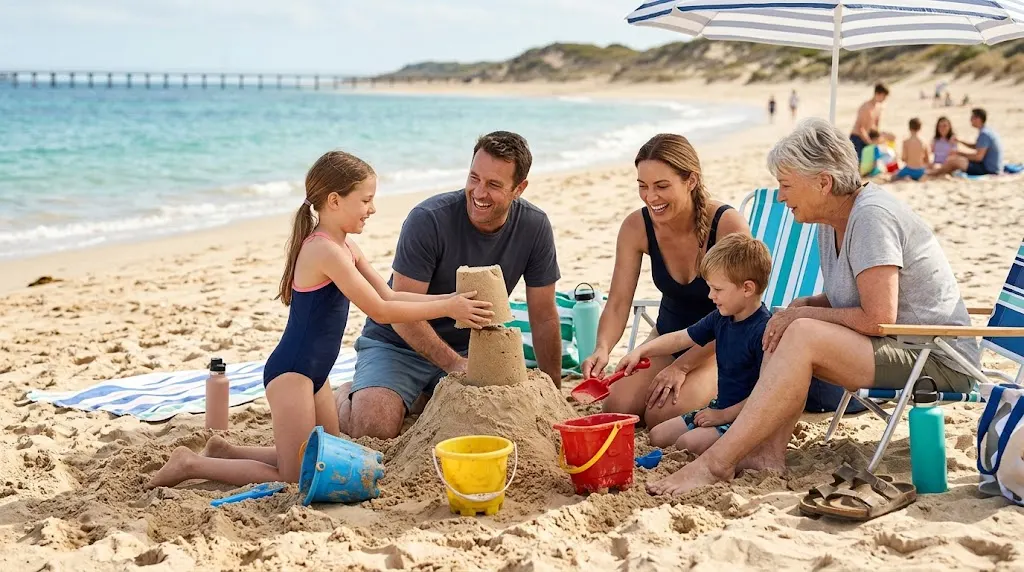
A beach vacation can be inexpensive when the destination is chosen carefully. Instead of booking a high-end oceanfront resort, families can stay in a nearby apartment, motel, campground, or rental property within walking distance or a short drive from the shore. Once you reach the beach, many of the main activities are free. Swimming, sandcastle building, beach games, shell collecting, walking, and watching the sunset can fill much of the day. This makes coastal travel especially useful for families with younger children who are often perfectly happy repeating simple activities. The beach itself becomes the entertainment.
Travel outside peak school-holiday periods when your schedule allows. Beach accommodation can become dramatically more expensive during the busiest summer weekends and major holidays. Late spring or early autumn may still provide comfortable weather in many destinations while reducing room rates and crowds. Families with older children may be limited by school calendars, but even shifting travel by a few days can sometimes make a difference. Compare weekday and weekend pricing as well. Flexible timing is one of the strongest tools for reducing vacation costs without changing the quality of the destination.
Bring basic beach equipment instead of renting everything daily. Towels, umbrellas, reusable water bottles, simple toys, and a small cooler can prevent repeated rental and concession costs. If you are flying, compare luggage fees with local rental or purchase prices before packing bulky equipment. Families driving have much more freedom to bring chairs, games, and food from home. Applying sunscreen before arriving and carrying enough for the day also avoids buying overpriced supplies beside the beach. Small preparation choices can significantly reduce what families spend once they reach a tourist area.
Choose accommodation with a kitchen or kitchenette when possible. Beach destinations can have expensive restaurants, especially near the waterfront, and feeding a family three restaurant meals every day can quickly exceed the hotel cost. Make breakfast at the accommodation, pack lunch for the beach, and choose dinner as the main meal out. This still allows the family to experience local food without paying restaurant prices constantly. Grocery shopping once at the beginning of the trip can also reduce snack and drink spending. Children often appreciate familiar breakfast foods when other meals involve new cuisine.
Avoid assuming that the hotel closest to the sand provides the best value. A property several streets inland may cost considerably less while still being easy to reach on foot. On the other hand, a distant hotel requiring expensive daily parking could eliminate the savings. Calculate the full cost, including parking, resort fees, transportation, and breakfast. Families should also look for laundry facilities because beach trips generate wet clothing and towels quickly. A well-chosen practical property can make an affordable beach holiday much easier than a luxurious room with expensive extras.
4. Book a Cabin or Countryside Stay
Cabin vacations can provide strong value for families who want privacy, space, and access to outdoor activities. A cabin near a lake, forest, mountain, or rural town can become both accommodation and part of the entertainment. Children may have outdoor space to play, while parents can cook meals and spend evenings together without needing additional attractions. Splitting the cost of a larger cabin with grandparents or another family can reduce the price per person even further. The experience also feels different from a standard hotel because everyone shares a temporary home rather than several separate rooms.
A kitchen is one of the biggest financial advantages. Families can prepare breakfast, pack lunches, and cook several dinners instead of relying on restaurants for every meal. Bring a basic meal plan so you do not purchase too much food for a short stay. Simple dishes such as pasta, sandwiches, eggs, soup, tacos, or grilled foods usually require little time and equipment. One special restaurant meal can still provide a sense of vacation. The purpose is not to spend the entire trip cooking but to avoid turning food into the largest expense.
Look for free or low-cost activities around the property. Hiking, fishing where permitted, lake swimming, board games, campfires, cycling, wildlife watching, and scenic drives can provide days of entertainment. Some cabins include kayaks, bicycles, firewood, or games, so check what is already available before renting equipment separately. Nearby small towns may offer farmers’ markets, local festivals, playgrounds, or inexpensive museums. A countryside trip works best when the destination itself encourages simple activities. If every day requires a long drive to an expensive attraction, the cabin may not deliver the savings you expected.
Cabins are particularly good for multi-generational travel because families can spend time together without requiring everyone to participate in the same activity. Younger children may play outside, teenagers can read or use shared spaces, and older relatives may enjoy the view without joining a long hike. Shared meals also create natural gathering points. Choose a property with enough bedrooms and bathrooms to prevent cramped conditions from creating tension. Saving money by placing too many people in too little space can quickly reduce the enjoyment of the trip. Value includes comfort.
Travel during quieter seasons when possible. A mountain cabin can be expensive during peak ski season but much more affordable during spring or autumn. Lakeside properties may cost less outside summer while still providing beautiful scenery and hiking. Rural areas can also become especially attractive during harvest seasons or fall foliage periods. Check seasonal road access and weather before booking because extremely cheap rates sometimes reflect limited services. A well-timed countryside stay can provide a spacious family vacation for far less than a large resort.
5. Choose a Walkable City With Free Attractions
City vacations do not have to be expensive when families choose destinations with strong public spaces and free attractions. Parks, waterfronts, historic neighborhoods, public markets, architecture, monuments, and certain museums can provide much of the itinerary at little or no cost. A walkable city also reduces the need for taxis or rental cars. Public transportation can cover longer distances when necessary. Families should research free museum days, children’s programs, local festivals, and public events before arriving. One expensive attraction can be balanced with several free experiences.
Accommodation location matters especially in urban areas. A cheaper hotel far outside the city center may increase daily transportation costs and consume valuable time. Compare properties near metro, bus, or train routes so you can reach attractions efficiently. Families with small children may value being able to return to the hotel easily for naps or breaks. A central apartment with a kitchen can sometimes provide better overall value than two budget hotel rooms. Always compare the full cost rather than the nightly rate alone. Convenience can save both money and energy.
Choose one paid attraction that the children are genuinely excited about instead of automatically purchasing every major ticket. That could be a science museum, aquarium, observation deck, theme attraction, sports event, or interactive exhibit. Fill the rest of the day with parks, neighborhoods, markets, and inexpensive food stops. Children often enjoy having one clear highlight rather than being moved through a series of museums they did not choose. Ask older children what they want to do before the trip. Involving them in decisions can make budget limits easier to accept because they understand the tradeoffs.
Food can remain affordable with local bakeries, casual lunch counters, markets, supermarkets, and food halls. Restaurant meals become expensive quickly when every family member orders a separate main course, drinks, and dessert. Share larger portions where culturally appropriate or choose places serving inexpensive local specialties. Breakfast from a bakery and a picnic lunch can create room for a nicer dinner. Carry refillable water bottles when tap water is safe. Frequent drinks and snacks purchased in tourist districts often cost more than families expect.
Walking should be balanced with realistic energy levels. Adults may enjoy covering 20 kilometers through a city, but children can become tired long before that. Build playgrounds, snacks, public transportation, and rest stops into the route. A short afternoon break at the accommodation may help everyone enjoy the evening more. Trying to maximize sightseeing simply because attractions are free can still make the trip exhausting. A budget family vacation should save money without turning every day into a physical challenge.
6. Try Camping for a Low-Cost Family Adventure
Camping can be one of the least expensive ways to create a family vacation once basic equipment is available. Campsites generally cost much less than hotel rooms, and cooking meals yourself keeps food expenses low. Children often view sleeping in a tent, cooking outdoors, and sitting around a campfire as major adventures even when the campground is close to home. This means families do not need to travel far to create a strong sense of escape. A nearby forest, lake, or park can provide an entire weekend of new experiences. The simplicity becomes part of the appeal.
New campers should avoid buying large amounts of premium equipment immediately. Borrow tents, sleeping bags, chairs, or cooking equipment from friends or family when possible, or rent gear from outdoor businesses. Start with a campground that has restrooms, potable water, and other basic facilities before attempting a remote experience. Car camping allows you to bring additional comfort items without carrying them long distances. Children often sleep better with familiar blankets or pillows. A comfortable first experience makes future camping trips more likely.
Meal planning can be fun for children when they help choose simple foods to cook outdoors. Breakfast sandwiches, grilled vegetables, pasta, hot dogs, foil meals, fruit, and snacks require relatively little equipment. Prepare ingredients at home when possible to reduce work at the campsite. Store food safely and follow local rules regarding wildlife. Never leave food inside tents in areas where animals may be attracted to it. Good food storage is both a safety measure and a way to keep the campsite organized.
Activities can remain almost entirely free. Hiking, swimming, storytelling, stargazing, nature games, fishing where allowed, and short bicycle rides can fill the day. Encourage children to notice wildlife, plants, sounds, and night skies they may rarely experience at home. Bringing cards, books, or simple games provides backup entertainment during rain. Camping helps families discover how little equipment is actually needed for children to enjoy themselves. A stick, stream, or flashlight can sometimes generate more excitement than an expensive attraction.
Weather preparation is the difference between an inexpensive adventure and a miserable weekend. Check forecasts and bring appropriate sleeping layers, rain protection, sun protection, and enough water. Avoid choosing a severe-weather weekend simply because the campsite is nonrefundable. Families with very young children may prefer cabins or glamping-style options until everyone becomes comfortable outdoors. Budget travel should never require unnecessary discomfort. Camping is valuable when the family genuinely enjoys the experience, not simply because it is cheaper than a hotel.
7. Look for All-Inclusive Deals Carefully
An all-inclusive resort can sometimes provide good family value because accommodation, meals, snacks, drinks, pools, and selected activities are bundled into one price. Parents may appreciate knowing most major costs before departure rather than repeatedly paying for every meal and activity. Resorts with children’s clubs or family entertainment can provide additional value when those services are included. However, all-inclusive does not automatically mean inexpensive. Families need to compare the total package price with what they would realistically spend on a more independent vacation.
Read exactly what is included. Airport transfers, specialty restaurants, water sports, childcare, premium drinks, excursions, and resort fees may cost extra even when the property is marketed as all-inclusive. Families should also check age requirements for children’s clubs and whether supervision is included or simply activities with a parent present. An inexpensive resort becomes less attractive when the services you actually wanted require substantial supplements. Recent reviews can reveal which included restaurants are good and whether reservations are difficult to obtain. Marketing language should always be compared with actual guest experience.
All-inclusive vacations work best for families who expect to spend most of their time at the resort. If you plan to leave every day for sightseeing and eat meals elsewhere, you may be paying for services you rarely use. Families who want pools, beach access, kids’ activities, and easy meals may get much more value. The vacation style should determine whether the package makes financial sense. A resort can also reduce decision fatigue because parents do not have to find restaurants several times each day. Convenience has value even when it is difficult to express as a direct financial saving.
Travel during promotions or shoulder seasons when possible. Family resorts often adjust rates dramatically according to school holidays and demand. Package deals that combine flights and accommodation can sometimes lower the effective cost, although families should compare them with booking separately. Watch cancellation conditions carefully because the cheapest rate may be nonrefundable. Travel insurance may also deserve consideration when the total prepaid amount is significant. A bargain is only valuable when the family can realistically use it.
Do not assume children need constant resort entertainment. A basic property with a good pool, beach, and family room may be enough, especially for younger children. Paying heavily for water parks, organized shows, and multiple activity zones only makes sense if the family plans to use them. Ask what children remember from previous vacations. Parents are sometimes surprised to discover that the hotel pool or evening ice cream mattered more than expensive excursions. Spend based on actual family behavior rather than advertising.
8. Use Theme Parks Strategically
Theme-park vacations can be expensive, but careful planning can prevent them from overwhelming the entire family budget. Instead of purchasing several consecutive park days automatically, consider whether one or two focused days would satisfy the children. Use the remaining vacation time for a hotel pool, local park, beach, free attraction, or nearby neighborhood. This creates contrast and reduces both ticket spending and physical exhaustion. Theme parks involve long days, crowds, and substantial walking, so fewer days may actually improve everyone’s enjoyment.
Accommodation outside official resort properties may offer lower rates, especially for larger families who need more space. Compare transportation and parking costs carefully before deciding. An inexpensive hotel that requires high daily parking charges may not produce meaningful savings. Some nearby properties offer shuttle service or free breakfast, which can improve overall value. Families should also consider whether returning to the hotel during the day is important. Younger children may benefit from a midday rest, making distance more significant than it would be for teenagers.
Food is another major theme-park expense. Check current rules about bringing snacks, refillable water bottles, or outside food because policies vary. Eating breakfast before entering the park and carrying approved snacks can reduce the number of expensive purchases inside. If leaving and reentering is allowed, some families may save money by having meals nearby. However, the time required should be considered. Losing two hours to save a modest amount may not be worthwhile when tickets are already expensive. The best strategy balances money with limited park time.
Souvenirs can become a source of family conflict if expectations are not discussed beforehand. Give each child a fixed amount to spend and let them choose how to use it. Older children can learn budgeting by deciding whether one large item matters more than several smaller purchases. Another strategy is buying themed items before the trip when prices are lower and bringing them along. This can be especially effective with young children. Clear limits reduce repeated negotiations inside every gift shop.
Plan the day’s priorities before entering instead of trying to experience everything. Choose several rides or attractions each person considers essential and treat the rest as bonuses. This prevents the family from racing constantly and reduces disappointment when lines become long. Use official apps and current park information to understand wait times and closures. The most expensive family vacation can still feel unsuccessful when everyone is exhausted and arguing. Value depends on enjoyment, not simply the number of attractions completed.
9. Travel With Another Family or Grandparents
Traveling with extended family or close friends can lower certain costs when accommodation and transportation are shared. A large vacation rental may cost less per person than several separate hotel rooms, especially when it includes a kitchen and common areas. Families can also divide groceries, car rental, parking, and some activity expenses. Multi-generational trips provide the additional benefit of allowing children to spend extended time with grandparents or relatives. Shared experiences can become especially meaningful when family members live far apart.
Before booking, discuss money clearly. Decide how accommodation, groceries, transportation, and activities will be divided so nobody feels surprised later. Equal splitting is not always appropriate when room sizes or family sizes differ, so agree on a system that feels reasonable to everyone. Use shared expense apps or simple records if the group prefers transparency. Financial conversations may feel awkward before the trip, but they are far easier than disagreements afterward. Budget travel works best when expectations are explicit.
Do not assume everyone needs to participate in every activity. Grandparents may want a slower morning while parents take children hiking, or one family may visit an attraction that does not interest the others. Building flexibility prevents group travel from becoming exhausting. Plan a few shared meals or experiences and allow separate time around them. This also helps families with children of different ages. A toddler and a teenager rarely have identical entertainment needs.
Shared childcare can be another practical advantage when everyone agrees comfortably. Parents may take turns supervising children so other adults can enjoy a walk, dinner, or quiet hour. This should never be assumed simply because grandparents or friends are traveling with the group. Discuss expectations respectfully beforehand. When everyone genuinely wants to participate, shared childcare can make the vacation more relaxing for parents and create special time between children and relatives. The benefit can be emotional as well as financial.
Choose accommodation with enough private space. Sharing a property saves money only when everyone can sleep comfortably and occasionally escape from the group. Too few bathrooms or bedrooms can create frustration quickly, especially with several children. Common areas are valuable, but privacy remains important. A slightly more expensive rental with appropriate space may provide better value than squeezing into the cheapest option. Families should prioritize relationships over maximizing savings.
10. Save Money on Family Meals While Traveling
Food is one of the easiest vacation expenses to control because families have more flexibility with meals than with airline tickets or hotel rates. Start by reducing the number of restaurant breakfasts. Accommodation with free breakfast can help, but a grocery-store breakfast of yogurt, fruit, cereal, bread, or eggs may cost even less when a kitchen is available. Children often prefer familiar breakfast foods anyway. Saving early in the day creates room for a special local lunch or dinner later. A simple routine also makes mornings easier.
Pack snacks before sightseeing. Children frequently ask for food between meals, and repeated tourist-area snack purchases can become expensive. Fruit, crackers, sandwiches, nuts where appropriate, and refillable water bottles can cover these moments. Snacks also prevent the entire family from becoming hungry and irritable while searching for an affordable restaurant. When children have dietary needs or strong preferences, carrying familiar food provides additional reassurance. Small preparation can prevent large convenience costs.
Make lunch the main restaurant meal when local pricing supports it. Some destinations offer set lunches or daytime specials that cost less than evening dining. Families can enjoy regional food while children still have plenty of energy, then keep dinner simple with takeaway, supermarket food, or something prepared at the accommodation. Sharing large dishes can also reduce costs where portion sizes allow. Ask about children’s menus, but do not assume they always provide the best value. Sometimes one adult-sized regional dish shared between younger children is both cheaper and more interesting.
Use markets and supermarkets as culinary experiences. Visiting a local grocery store lets children discover unfamiliar snacks, fruit, bread, drinks, and desserts while parents purchase practical meal ingredients. Markets can combine sightseeing with lunch when they offer prepared food stalls. Give older children a small budget to choose one local item for everyone to try. This turns budget control into part of the travel experience instead of making it feel restrictive. Food becomes exploration rather than merely an expense.
Limit spending on drinks whenever possible. Soft drinks, bottled water, specialty coffees, and juices can add significantly to family restaurant bills. Carry refillable water bottles where tap water is safe and let paid drinks become occasional treats. When local water is not safe, buy larger sealed containers from supermarkets rather than small tourist-area bottles whenever appropriate. Beverage spending often receives less attention than meals because individual purchases feel small. Across a full week and several people, however, the difference can be substantial.
11. How to Plan a Family Vacation Without Overspending
Begin by setting a total budget before choosing the destination. Decide how much can comfortably be spent on transportation, accommodation, food, activities, and miscellaneous purchases without creating financial stress afterward. This prevents families from falling in love with a destination before discovering that flights or hotels consume almost the entire budget. Include realistic estimates for parking, luggage, resort fees, local transportation, and tips when relevant. Hidden costs can turn an apparently affordable trip into an expensive one. A budget works best when it reflects the full journey.
Compare the total cost of several destination types. A flight to a cheap hotel may cost more overall than driving to a slightly more expensive property nearby. Similarly, a rental with a kitchen could reduce food spending enough to beat a lower-priced hotel. Families should calculate expenses together rather than choosing the cheapest item within each category separately. The destination with the lowest airfare is not necessarily the cheapest vacation. Looking at the trip as one financial package produces better decisions.
Book around school schedules as intelligently as circumstances allow. Peak school-holiday periods are naturally expensive because many families travel at the same time. If children can travel during a teacher-training day, slightly earlier break, or another approved period without educational disruption, prices may be lower. Families must follow local school attendance requirements and their own circumstances. Even when dates are fixed, booking early and comparing nearby destinations can help. Flexibility within a narrow travel window still has value.
Give children age-appropriate spending limits. Older children can have a fixed souvenir or snack budget, teaching them to make choices instead of expecting parents to approve every purchase. Younger children can choose one souvenir at the end of the trip rather than buying something at every stop. This reduces spending while also limiting clutter. Experiences often become stronger memories than objects, so emphasize photographs, journals, postcards, or small collections of approved items. Budget boundaries can be explained positively rather than as constant refusals.
Leave an emergency cushion. Travel can bring unexpected medical needs, transportation changes, weather disruptions, forgotten supplies, or replacement costs. Spending every available dollar before departure creates unnecessary anxiety when something goes wrong. A small reserve allows the family to adapt without feeling that the entire budget has collapsed. If the emergency money remains untouched, it can simply return to savings after the trip. Financial breathing room is part of what makes a budget vacation feel relaxing rather than fragile.
Final Thoughts on the Best Family Vacation Ideas on a Budget
The best family vacation ideas on a budget do not require sacrificing the experiences that make travel memorable. Road trips, beaches, national parks, cabins, camping, affordable cities, and carefully chosen resorts can all provide excellent value when they match the family’s interests. The strongest destinations offer several low-cost activities once you arrive, reducing the need to purchase entertainment constantly. Children often remember swimming, wildlife, hotel breakfasts, campfires, and shared jokes more vividly than expensive attractions. A meaningful trip is built from time together rather than the amount spent.
Transportation deserves particular attention because costs multiply quickly across several travelers. Driving or taking a train to a nearby destination can create enough savings to improve accommodation or extend the trip. When flying is necessary, compare luggage, airport transport, and local car-rental expenses in addition to ticket prices. Door-to-door cost matters more than advertised fare. A slightly closer destination may offer almost the same experience with far less travel stress. Families generally benefit from spending more of the vacation at the destination and less of it in transit.
Accommodation can become another powerful budgeting tool. Free breakfast, kitchen facilities, parking, laundry, and enough sleeping space may provide greater value than the lowest nightly rate. A vacation rental or cabin is particularly useful for larger groups who would otherwise need multiple hotel rooms. Location matters as well because long commutes can add transportation expenses and frustrate tired children. Families should choose lodging according to how it affects the entire trip rather than treating the room as an isolated purchase.
Food costs can be controlled without missing local cuisine. Prepare some breakfasts, carry snacks, use markets and supermarkets, and choose one restaurant meal as the culinary highlight of the day. Children can still try regional dishes while parents keep overall spending manageable. Free activities such as beaches, hiking, parks, historic neighborhoods, and scenic drives provide another way to balance expensive attractions. Budget travel becomes easier when the itinerary intentionally mixes paid and free experiences rather than making every hour commercial.
Ultimately, the best affordable family vacation is one everyone can enjoy without parents constantly worrying about money. Set a realistic budget, involve children in a few decisions, choose simple experiences, and leave enough unscheduled time for the family to relax together. A nearby cabin weekend can become just as meaningful as a distant resort when the atmosphere feels different from everyday life. The goal is not to produce the most impressive vacation possible. It is to return home with good memories and finances that still feel comfortable.
Frequently Asked Questions
What is the cheapest type of family vacation?
Road trips, camping, cabin stays, national parks, and nearby beach vacations are often among the most affordable options. Costs depend on transportation distance, accommodation, season, and how many paid activities the family chooses.
How can a family save money on vacation food?
Prepare some breakfasts and dinners, pack snacks, shop at supermarkets or markets, carry refillable water bottles, and make one restaurant meal the main food experience of the day. Accommodation with a kitchen can create significant savings.
Are all-inclusive resorts worth it for families?
They can be good value when meals, children’s activities, pools, and entertainment are genuinely included and the family plans to spend most of the trip at the resort. Always compare extra fees and the total package price before booking.
What are good budget vacations with kids?
Family-friendly options include national parks, beaches, lakes, camping, road trips, countryside cabins, walkable cities with free attractions, and short stays with relatives combined with local sightseeing.
How do you plan a family vacation without overspending?
Set a total budget first, compare full transportation and accommodation costs, mix free and paid activities, control meal spending, give children souvenir limits, and keep a small emergency fund for unexpected expenses.