





Best Romantic Trip Ideas for Couples
A romantic trip does not need rose petals, an overwater villa, or an extravagant honeymoon budget to feel special. The most memorable couples’ vacations usually create something everyday life often lacks: uninterrupted time together in a setting that encourages conversation, curiosity, relaxation, and shared experiences. One couple may imagine romance as watching a sunset from a quiet beach, while another would rather explore Tokyo streets, hike through mountains, or spend an entire weekend trying new restaurants. Recent 2026 travel coverage reflects that range, highlighting everything from classic destinations such as Paris and Bora Bora to food-focused San Sebastián and adventure-oriented Dominica. The right romantic getaway is therefore the one that matches how you genuinely enjoy spending time together.
Planning the best romantic trip ideas for couples begins with understanding whether you want rest, adventure, culture, food, nature, or a combination of several experiences. A beach resort can offer privacy and effortless relaxation, while a compact European city may provide museums, cafés, architecture, and atmospheric evening walks. Mountain destinations work particularly well for couples who want both scenery and outdoor activities, while food-focused trips encourage sharing dishes and exploring neighborhoods together. Budget matters too, but romance does not increase automatically with the nightly hotel rate. Thoughtful timing, comfortable accommodation, manageable transportation, and one or two meaningful experiences can make even a short trip feel memorable. This guide explores romantic getaway ideas for different couples, budgets, seasons, and travel styles.
1. Plan a Romantic Beach Escape
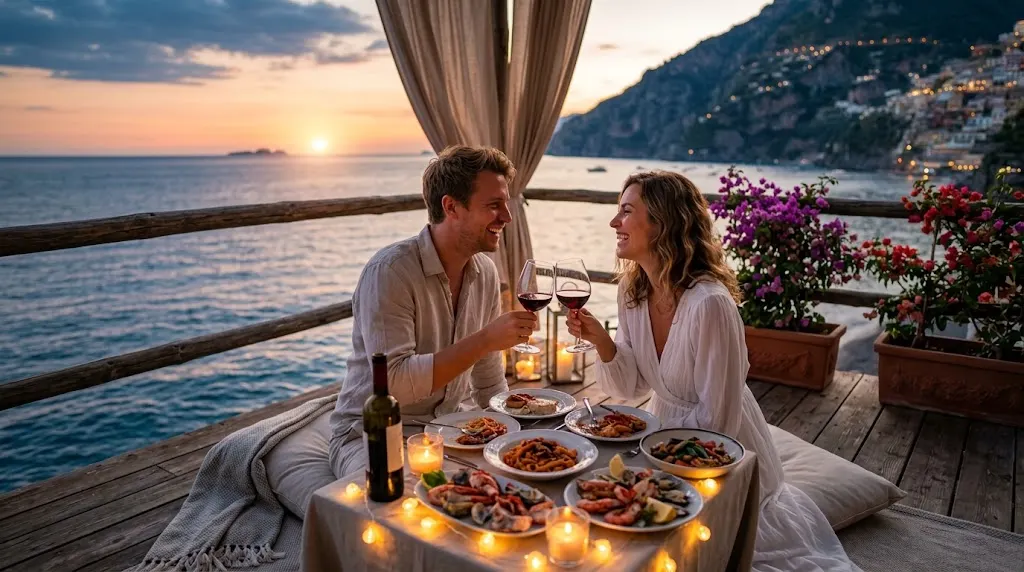
A beach trip remains one of the most popular romantic vacation ideas because it naturally encourages couples to slow down. Warm sand, open water, long sunsets, and fewer daily decisions can create an environment that feels completely different from work and household routines. Caribbean islands remain especially popular for couples because they combine secluded beaches, scenic views, water activities, and resort options across a wide range of travel styles. Bora Bora represents the classic luxury version, while countless smaller coastal destinations can provide equally meaningful experiences at lower prices. The key is choosing a beach based on the atmosphere you want rather than automatically booking the destination with the most dramatic photographs.
Couples who want privacy should look beyond the busiest resort strips and consider smaller islands, coastal villages, boutique hotels, or accommodations slightly removed from nightlife districts. A quieter property may provide direct beach access without the crowds found around major all-inclusive complexes. Before booking, read recent reviews for noise levels, construction, beach conditions, and how accurately the hotel’s photographs reflect reality. Decide whether you genuinely need features such as a private plunge pool or whether a balcony and walkable beach would provide the same romantic atmosphere. Spending selectively can preserve money for experiences outside the hotel. Sometimes a modest waterfront guesthouse creates more intimacy than a huge luxury resort filled with hundreds of other vacationers.
Build the trip around one or two shared experiences rather than scheduling every hour. A sunset cruise, snorkeling trip, paddleboarding lesson, beach picnic, couples’ massage, or dinner beside the water may provide enough structure for an entire day. Leave long periods free for swimming, reading, walking, sleeping late, and deciding spontaneously what sounds good. Couples sometimes overplan expensive beach vacations because they feel pressure to “make the most” of the destination, only to return home exhausted. The setting itself is part of what you paid to experience. Allowing time to enjoy it without another reservation approaching can make the vacation feel significantly more romantic.
Food can add considerable character to a beach escape. Instead of eating every meal inside the resort, explore local seafood restaurants, bakeries, cafés, markets, and small family-run establishments when the destination makes this practical. Ask what fish or produce is seasonal rather than ordering only familiar dishes. A simple meal at a harbor or beachfront shack may become more memorable than a formal hotel dinner because the food feels connected to the location. Balance one special evening reservation with inexpensive breakfasts and casual lunches so dining costs remain manageable. Romance comes from enjoying the experience together, not from proving that every meal was expensive.
Beach trips also work outside conventional honeymoon destinations. A lakefront beach, Mediterranean coastal town, dramatic northern coastline, or quiet domestic seaside community can provide the same combination of water and uninterrupted time. Couples traveling outside peak summer may find lower prices, fewer crowds, and beautiful conditions for coastal walks even when swimming is not practical. Weather should match the activities you actually care about. If sunsets, seafood, and peaceful scenery matter more than tanning, shoulder season can be ideal. A successful romantic beach trip is ultimately less about tropical perfection and more about creating enough space for both people to relax and enjoy one another’s company.
2. Take a Classic Romantic City Break
Cities work wonderfully for couples who become restless after a full day beside a pool. A romantic urban getaway can combine beautiful architecture, restaurants, museums, parks, shopping, nightlife, and spontaneous wandering without requiring long drives between activities. Paris remains an obvious example because river walks, gardens, cafés, historic neighborhoods, evening lights, and intimate restaurants create countless opportunities for couples. Condé Nast Traveler’s 2026 couples guide continues to highlight Paris as a classic romantic choice while also emphasizing that different couples want very different kinds of trips. The underlying lesson is useful anywhere: choose a city whose everyday atmosphere appeals to both of you, not merely one that has been labeled romantic.
Walkability can make a major difference on a short couples’ trip. Staying in or near a neighborhood filled with restaurants, cafés, parks, and interesting streets reduces transportation stress and allows spontaneous decisions. Instead of constantly coordinating taxis and arrival times, you can leave the hotel and simply start exploring together. Historic districts are particularly appealing in the evening when day visitors leave and streets become quieter. A riverfront walk after dinner or an unplanned stop at a small wine bar can become more memorable than a heavily scheduled attraction. Romantic city travel often works best when some of the itinerary is deliberately left undefined.
Choose only a few major attractions rather than trying to complete an enormous sightseeing checklist. Visit one museum you both care about, explore a historic area slowly, and reserve another block of time for a park, market, or neighborhood. Couples with different interests can alternate choices so each person gets an experience they genuinely wanted. One might select an art gallery while the other chooses a food market or live performance. Compromise becomes much easier when the schedule contains breathing room. A romantic getaway should provide opportunities for shared discovery rather than becoming a race to reach the next timed ticket.
Plan one evening that feels intentionally special. This could mean dinner at a restaurant you researched carefully, tickets to a concert, a rooftop drink, a sunset river cruise, or simply dressing up before walking through a particularly beautiful neighborhood. The experience does not have to be expensive if the setting creates atmosphere naturally. In many cities, a bakery picnic in a scenic park may feel more personal than a crowded fine-dining restaurant. Consider what the two of you actually enjoy doing together instead of reproducing someone else’s romantic checklist. Personal relevance makes an experience memorable long after the exact cost is forgotten.
Classic destinations are not the only options. Smaller cities can provide architecture, culture, and great food at lower prices and with fewer crowds than globally famous capitals. A compact historic town may actually feel more intimate because you can walk almost everywhere and recognize favorite cafés after only a few days. Traveling during spring or autumn can improve the experience further by providing pleasant walking weather and more manageable visitor numbers. City romance comes from exploring together, pausing often, and having enough time to notice the destination. The skyline matters, but the shared moments between major attractions usually become the better memories.
3. Escape to the Mountains Together
Mountain destinations are ideal for couples who associate romance with quiet landscapes, cabins, fireplaces, fresh air, and dramatic scenery rather than nightlife. Banff is one prominent example, combining turquoise lakes, mountain views, hiking, canoeing, skiing, skating, and spa experiences depending on the season. Condé Nast Traveler included Banff among its standout 2026 vacation destinations for couples because it can work equally well for active travelers and partners who simply want to slow down in nature. Similar experiences can be found in mountain regions around the world. The defining feature is not the particular country but the combination of scenery, comfortable accommodation, and enough outdoor space to make ordinary routines feel far away.
Accommodation can become a central part of a mountain getaway. A cabin, lodge, chalet, or small mountain hotel with a view may justify spending slightly more because couples often spend significant time at the property. Look for features you will actually use, such as a fireplace, balcony, breakfast, hot tub, or trail access. Avoid paying for elaborate resort amenities if your plan is to leave shortly after sunrise and hike all day. Conversely, if the purpose is relaxation, a comfortable property may matter more than proximity to ten different attractions. Decide whether the accommodation is simply somewhere to sleep or one of the experiences itself before setting the budget.
Outdoor activities provide natural opportunities for teamwork and shared achievement. A scenic hike, canoe trip, snowshoe walk, skiing lesson, or mountain-bike route can give couples something to discover together without requiring constant conversation or entertainment. Choose an activity suited to the less experienced partner so nobody spends the day frightened or physically overwhelmed. One person’s dream challenge can become another person’s miserable vacation when difficulty is ignored. Research weather, trail conditions, equipment requirements, and daylight hours beforehand. An enjoyable shared adventure generally strengthens the trip more than proving that both of you survived something unnecessarily difficult.
Mountain destinations are equally appealing when couples do very little. Wake slowly, drink coffee with a view, take a short forest walk, visit a village, eat a long lunch, and return to the accommodation before evening. Cold-weather trips can revolve around fireplaces, local food, spas, snow, and scenic drives rather than athletic activities. Autumn brings colorful landscapes, while spring may offer waterfalls and fewer visitors in some regions. Season changes the personality of the same destination dramatically. Couples can therefore revisit a favorite mountain area at different times and experience almost entirely different vacations.
Build flexibility into mountain trips because weather can change plans quickly. Do not structure the entire getaway around one outdoor activity that becomes impossible if rain, snow, wind, or trail closures appear. Identify cafés, spas, museums, scenic drives, or nearby towns that can serve as alternatives. The ability to change plans without frustration is particularly valuable when traveling as a couple because disappointment can otherwise dominate the day. A mountain escape should create calm and connection, not constant negotiations with the forecast. When the schedule remains flexible, unexpected weather can even make the trip feel cozier.
4. Make Food the Focus of Your Romantic Trip
Food-focused travel is especially well suited to couples because sharing doubles the number of dishes you can taste without doubling the number of meals. San Sebastián is one of the strongest examples: couples can move between pintxos bars, share small plates, walk along the coast, and choose between casual food culture and highly regarded fine dining. Condé Nast Traveler’s 2026 couples recommendations specifically highlight San Sebastián for food-loving partners who enjoy exploring together. Other excellent choices might include Bologna for pasta, Naples for pizza, Tokyo for sushi and ramen, Bangkok for street food, or Mexico City for tacos. The best destination is the cuisine both of you are genuinely excited to explore.
Begin by identifying several foods rather than several restaurants. Knowing that you want to try regional pasta, seafood, pastries, local breakfast, and one signature dessert gives you flexibility if restaurants close or reservations change. Build neighborhoods around food rather than spending hours crossing the city from one highly rated establishment to another. Markets are particularly good starting points because they reveal local ingredients and often contain inexpensive meals. A morning market visit can naturally lead into coffee, lunch, and nearby sightseeing. Culinary travel becomes more romantic when it feels exploratory rather than like a tightly controlled dining competition.
Plan one splurge and keep the rest flexible. A memorable tasting menu, chef’s counter, wine dinner, or celebrated local restaurant can provide a highlight, but eating formally at every meal can become financially and physically exhausting. Alternate the expensive reservation with bakery breakfasts, markets, street food, neighborhood restaurants, and shared snacks. Lunch menus may provide access to excellent restaurants at lower prices than dinner. Saving strategically does not reduce the romance of the trip; it often creates more variety. Sharing an inexpensive regional specialty while sitting in a lively market can feel every bit as memorable as a polished restaurant evening.
Cooking classes can turn food into a shared activity instead of something consumed passively. Making pasta, dumplings, curry, bread, or another regional dish gives couples a task to complete together and provides a skill that can be recreated at home. A market tour followed by cooking can be particularly rewarding because ingredients gain meaning before they reach the kitchen. Food tours offer another option for destinations where language or geography makes independent exploration more challenging. Choose one organized culinary activity rather than filling the entire trip with tours. You still want enough open meals to follow spontaneous recommendations and discoveries.
The most romantic part of a culinary trip is often the conversation surrounding the food. Compare what you liked, choose dishes for each other, debate which bakery was better, and remember the small places you discovered accidentally. These shared opinions become part of the trip’s story. Food also encourages a slower pace because meals naturally create pauses between sightseeing activities. Instead of trying to cover an entire city, you may spend half an afternoon around one market and neighboring streets. For couples who love eating and exploring equally, culinary travel provides one of the easiest ways to turn everyday pleasures into meaningful shared memories.
5. Book a Countryside or Vineyard Getaway
Countryside travel creates romance through quiet rather than spectacle. Rolling farmland, vineyards, old villages, country roads, small inns, and long meals offer a dramatic contrast to crowded cities. Wine regions such as Napa Valley remain popular with couples because they combine attractive landscapes, tasting experiences, food, and resort-style accommodation in one compact destination. Condé Nast Traveler’s 2026 couples guide specifically highlights Napa for partners interested in vineyard hopping, scenic surroundings, dining, and relaxed stays. Similar experiences can be found in European wine regions, rural valleys, orchard areas, and agricultural destinations worldwide. You do not need to drink wine for the countryside format to work; scenery and slower rhythms provide much of the appeal.
Choose a small base instead of changing hotels repeatedly. A two- or three-night stay in one village or country property allows you to unpack once and explore nearby places without turning the trip into a road journey. Visit a farm shop, have lunch in a neighboring town, take a scenic drive, and return to the same comfortable room in the evening. Short trips benefit enormously from minimizing logistics. Couples can spend their energy enjoying the destination rather than coordinating luggage and check-in times. One well-positioned base also makes spontaneous detours much easier.
If wine tasting is part of the trip, plan transportation before drinking. A designated driver, guided tour, hired transfer, train route, or walkable tasting area removes uncertainty and lets both partners enjoy the day responsibly. Do not attempt to fit a huge number of wineries into one afternoon simply because they are nearby. Two or three thoughtful visits usually provide enough tasting and conversation without palate fatigue. Some properties require reservations, particularly on busy weekends. Researching opening hours and transportation is far more romantic than discovering halfway through the day that neither person can safely drive back to the hotel.
Countryside trips can be built around seasonal experiences even when alcohol is not involved. Spring may bring flowers and mild walking weather, summer offers long evenings, autumn creates harvest activities and colorful landscapes, and winter can turn inns and restaurants into cozy retreats. Farm-to-table meals, cheese producers, bakeries, olive farms, orchards, cycling routes, and local markets provide plenty of reasons to explore. Couples can choose a region according to what it does particularly well during their travel dates. Seasonality often makes rural travel feel more authentic because the landscape and food visibly change together.
Allow the itinerary to remain intentionally light. The countryside rewards people who notice small details: an unexpected viewpoint, a roadside farm stand, a quiet church, a village café, or an afternoon spent reading outside. Trying to complete a lengthy attraction list undermines the reason for choosing a slower destination. One reservation for lunch or a tasting provides enough structure for many days. Romantic trips work well when both people feel they have time to talk without another commitment approaching. The countryside naturally encourages exactly that kind of unhurried travel.
6. Choose an Adventure Trip for Active Couples
Not every couple dreams of lying beside a pool. For some partners, the most romantic memories come from hiking to a viewpoint, learning to surf, kayaking along a coastline, diving together, cycling through countryside, or navigating an unfamiliar landscape. Dominica appears in current 2026 couples travel recommendations precisely because it offers canyoning, hiking, diving, kayaking, river experiences, thermal waters, and other nature-based activities. Adventure travel provides built-in teamwork and memorable stories, making it particularly appealing to couples who enjoy challenges. The important part is choosing adventures that excite both people instead of designing a vacation around only one partner’s hobbies.
Discuss comfort levels before booking. Someone who enjoys easy hiking may not enjoy exposed climbing, deep-water diving, or high-speed rafting, even if their partner considers those activities routine. Shared adventure should create excitement rather than pressure. Choose the difficulty based on the less experienced person and upgrade later if both partners feel comfortable. Professional guides are worthwhile when activities involve technical skills, challenging environments, specialized equipment, or meaningful safety risks. A guided first experience may also make an unfamiliar activity more enjoyable because neither partner has to become the instructor.
Balance demanding days with recovery. If Saturday involves a long hike, Sunday might be better suited to a scenic drive, thermal bath, beach afternoon, or leisurely town visit. Packing every day with physically difficult activities can turn a romantic trip into an endurance event. Sleep, hydration, food, and appropriate clothing matter just as much as enthusiasm. A destination with both adventure and relaxation options provides the best flexibility. This allows couples to adjust according to energy, weather, and how their bodies feel rather than sticking stubbornly to an itinerary created months earlier.
Adventure trips can also be surprisingly affordable when the destination itself provides the entertainment. Hiking, swimming, cycling with your own equipment, beach exploration, and scenic walks may cost little once transportation and accommodation are covered. Spend on professional instruction or equipment rental where necessary and save on activities that can safely be done independently. Packing lunches for outdoor days can also reduce restaurant costs while allowing you to eat somewhere scenic. The combination of active days and simple meals often makes these trips feel grounded rather than luxurious. Adventure provides its own atmosphere.
The emotional reward often comes from accomplishing something together. Reaching a viewpoint after several hours of hiking, seeing marine life while snorkeling, or learning a new skill produces a shared memory that feels different from observing an attraction passively. Take photographs, but allow time to experience the achievement without immediately turning it into content. Some of the strongest couple memories come from moments when both people are tired, laughing, and slightly surprised by what they managed together. Adventure travel is romantic precisely because it creates a story that belongs to both of you.
7. Slow Down With a Spa and Wellness Retreat
A wellness trip is ideal for couples whose schedules leave them feeling more exhausted than adventurous. Rather than flying somewhere and immediately filling the itinerary, choose a resort, thermal destination, countryside hotel, or spa property designed around rest. A successful wellness weekend may include massage, swimming, thermal baths, yoga, walking, long meals, and simply getting enough sleep. The goal is not to transform health in three days but to create an environment where both people can disconnect from constant demands. Comfortable surroundings matter more than an enormous activity list. Sometimes the most romantic itinerary is the one with almost nothing written on it.
Look carefully at what accommodation rates actually include. Some resorts include spa pools, saunas, fitness classes, breakfast, or thermal facilities, while others charge separately for nearly everything beyond the room. A cheaper headline price can become expensive after daily facility fees and treatments are added. Decide which amenities both of you will genuinely use before paying for packages. If only one person enjoys massage, there is no rule that both partners must book the same treatment. One person can read or swim while the other visits the spa. Romantic travel still allows individual preferences.
Nature can provide much of the wellness experience without luxury pricing. A lakeside cabin, coastal hotel, forest retreat, or mountain lodge may encourage rest simply because the surroundings are quiet. Walking together, eating slowly, reducing screen time, and sleeping well can feel remarkably restorative after a busy period. You can add one massage or thermal-bath visit rather than booking an entire resort program. This approach works particularly well for couples who want comfort without highly structured wellness schedules. Relaxation becomes something you create rather than something you purchase by the hour.
Food deserves attention on a wellness trip because restrictive menus can make a supposedly relaxing vacation frustrating. Check whether the property offers meals both partners will actually enjoy and whether nearby restaurants are available when you want alternatives. Wellness does not need to mean eating only salads, juices, or tiny portions. A long regional dinner may contribute to emotional relaxation just as meaningfully as a meditation session. Moderation generally creates a more enjoyable vacation than imposing unfamiliar rules for a weekend. Both people should return feeling restored rather than relieved to escape the wellness program.
Use the trip as an opportunity to reconnect without making constant conversation compulsory. Couples can read beside each other, take separate treatments, nap, swim, or spend an hour alone and still be sharing the getaway. Being together does not require occupying every minute with the same activity. This can be particularly valuable for partners who live and work in busy environments where quiet personal time is scarce. A wellness retreat succeeds when both people feel less mentally crowded by the end. That sense of calm can make the relationship itself feel easier.
8. Create a Romantic Trip on a Smaller Budget
Romantic travel does not require luxury accommodation or long-haul flights. A nearby city, mountain town, beach, lake, countryside area, or attractive hotel can provide enough change of scenery for a meaningful weekend. Transportation is often one of the largest travel expenses, so choosing somewhere within driving or train distance immediately creates more room for good food or better accommodation. Look at destinations you normally dismiss because they feel too close to home. Staying overnight changes how a familiar area feels, particularly when you explore neighborhoods or landscapes you usually pass through. Distance is not what makes a trip romantic.
Travel outside the busiest weekends whenever possible. Shoulder-season dates, Sunday-night stays, or trips just before major holiday periods can produce significantly better accommodation value in many destinations. Flexible couples can also compare several nearby locations rather than becoming attached to one famous resort. A beautiful lesser-known town may offer nearly the same scenery at a fraction of the cost. Check recent rates because affordability changes with events, seasons, and demand. The cheapest month mentioned in an old blog post may no longer be cheap. Budget romance requires current comparison rather than fixed assumptions.
Spend on one element that matters most and simplify everything else. If accommodation is the priority, book the room with the view and eat at cafés or markets. If food matters most, choose a modest guesthouse and reserve an exceptional dinner. Adventure-focused couples may prefer inexpensive lodging while spending on a guided activity. Creating one focal splurge makes the trip feel special without requiring premium choices from morning to night. Attempting to make every component luxurious quickly increases costs while often adding little to the emotional experience.
Free experiences can be exceptionally romantic when the destination provides the right setting. Watch sunrise, walk along the water, explore an old neighborhood, hike to a viewpoint, visit a public garden, browse a market, or pack a picnic. Photography walks and self-guided architecture routes provide another shared activity without admission fees. Couples often remember these unscheduled experiences because conversation happens naturally while moving through the environment. An expensive attraction can be wonderful, but price does not determine emotional value. The person beside you and the setting usually matter much more.
Budget discussions should happen before the trip rather than during every purchase. Decide roughly how much both partners are comfortable spending and whether expenses will be shared equally or handled another way. Financial tension can undermine romance quickly when expectations differ dramatically. Neither person should feel pressured into a luxury vacation they cannot comfortably afford. A smaller trip enjoyed without financial anxiety is far more romantic than a glamorous getaway followed by weeks of regret. Shared expectations are one of the most practical ingredients in successful couples travel.
9. How to Plan a Romantic Trip You Both Enjoy
Start by discussing what the word “romantic” means to each of you. One partner may imagine a quiet beach, while the other imagines museums, restaurants, hiking, or nightlife. Neither interpretation is more correct. Write down a few experiences each person wants and look for destinations where those interests overlap. A coastal city might satisfy someone who wants beaches and someone who wants culture, while a mountain resort can combine outdoor adventure with spa time. Destination choice becomes much easier once the goal is compatibility rather than finding the world’s most universally romantic location.
Avoid surprise trips when important preferences or practical constraints are unknown. A surprise dinner or hotel upgrade can be delightful, but an entire surprise vacation may create complications involving work schedules, passports, dietary needs, motion sickness, budgets, or personal comfort. If surprises are part of your relationship style, confirm the necessary logistics without revealing every detail. Romance works best when surprise does not become loss of control. Both partners should feel comfortable with the general length, spending level, and style of the trip. Thoughtfulness matters more than secrecy.
Divide planning responsibilities according to strengths. One person might research transportation while the other chooses restaurants or activities. This reduces the workload and gives both partners ownership of the itinerary. Share essential booking information so either person can access hotel addresses, tickets, and reservation details if phones die or plans change. Travel can introduce delays and mistakes, and teamwork becomes more important when something goes wrong. A well-planned couples trip is not one where nothing unexpected happens; it is one where unexpected problems do not turn the partners against each other.
Leave unscheduled time. Current couples travel recommendations emphasize the value of balancing activity with downtime rather than creating excessively packed itineraries. Plan one or two important experiences each day and let the remaining hours develop naturally. This creates opportunities for spontaneous cafés, shops, views, naps, or recommendations you discover after arrival. It also accommodates different energy levels without forcing either partner to keep moving. Romance often emerges in the gaps between planned attractions, when there is finally enough time to talk and pay attention to where you are.
Finally, accept that small disagreements can happen without meaning the trip failed. Travel involves tiredness, hunger, unfamiliar transportation, weather changes, delayed rooms, and decisions that sometimes turn out poorly. Build simple habits around those predictable stress points: eat before becoming exhausted, allow transportation buffers, and avoid treating every mistake as somebody’s fault. If one person needs an hour alone, that does not diminish the romantic nature of the trip. Couples travel works best when the relationship matters more than executing the itinerary perfectly. A memorable vacation can contain both beautiful moments and plans that went completely wrong.
Final Thoughts on Romantic Trip Ideas for Couples
The best romantic trip ideas for couples are ultimately defined by compatibility rather than destination prestige. Paris may be perfect for couples who love architecture and cafés, while Bora Bora fits travelers who want privacy and tropical scenery. Banff can provide mountains and outdoor adventure, San Sebastián offers extraordinary food culture, and destinations such as Dominica suit couples who prefer active exploration. Current 2026 travel recommendations reflect exactly this diversity rather than presenting romance as one specific style of vacation. Your ideal destination should therefore begin with the experiences both of you enjoy instead of a generic list of places couples are supposed to visit.
Beach escapes work beautifully when relaxation is the priority, while compact city breaks suit couples who want constant opportunities to explore. Countryside and vineyard trips slow the pace further and can create space for longer conversations and leisurely meals. Adventure travel offers shared challenges, whereas spa retreats provide recovery from demanding routines. Food-focused vacations allow couples to turn every neighborhood and market into part of the itinerary. None of these approaches is inherently more romantic than another. The strongest choice is the one that feels natural for the two people taking the trip.
Budget should support the experience instead of determining its emotional value. A nearby weekend trip can be memorable when accommodation feels comfortable, the itinerary has breathing room, and one or two experiences are thoughtfully chosen. Spend more where it matters personally and save aggressively where it does not. Couples who love food might prioritize restaurants, while others would rather pay for a room with an extraordinary view or an unforgettable guided adventure. Romance becomes expensive unnecessarily when travelers assume every component has to be premium. Selective spending usually creates a better trip and much less financial stress.
Planning together can be part of the experience itself. Discuss what each person wants, share responsibility, and avoid scheduling every minute. Leave enough flexibility for weather, changing energy levels, unexpected discoveries, and occasional time apart. Couples who travel well together do not necessarily agree about everything; they become good at navigating differences without allowing them to dominate the trip. A relaxed itinerary makes that easier because every delay does not threaten the next reservation. The journey becomes a shared experience rather than a project that has to be executed perfectly.
Ultimately, romantic travel is valuable because it changes the context in which couples spend time together. New surroundings create new conversations, shared discoveries, inside jokes, photographs, tastes, and memories that become part of the relationship’s story. The trip can involve a distant island or a town only two hours away and still accomplish that goal. Choose somewhere that makes you curious, comfortable, or excited together, and give yourselves enough time to actually experience it. The destination provides the setting, but the shared experience is what makes the trip romantic.
Frequently Asked Questions
What are the best romantic trips for couples?
Popular options include beach vacations, walkable city breaks, mountain retreats, countryside stays, food-focused trips, spa weekends, and adventure escapes. The best choice depends on whether you both prefer relaxation, exploration, food, nature, or active experiences.
What are good romantic destinations for couples in 2026?
Current couples travel recommendations include destinations such as Paris, San Sebastián, Tokyo, Banff, Bora Bora, Napa Valley, and Dominica for different travel styles. The best destination is one that fits your interests, available time, season, and budget.
How can couples plan a romantic trip on a budget?
Choose a nearby destination, travel outside peak periods, prioritize one meaningful splurge, use markets and casual restaurants for other meals, and enjoy free experiences such as beaches, hikes, public gardens, scenic walks, and sunsets.
What is a good romantic weekend getaway?
A nearby beach town, historic city, mountain cabin, countryside inn, spa hotel, or food destination can work well for a two- or three-day trip. Keep transportation manageable so most of the weekend is spent enjoying the destination rather than getting there.
How do you make a couples trip more romantic?
Choose experiences you both enjoy, leave unscheduled time, plan one memorable shared activity, stay somewhere comfortable, and reduce distractions from everyday responsibilities. Romance usually comes more from attention and shared experiences than from how much the trip costs.