




Alghero Travel Guide: Beaches, Old Town & Food
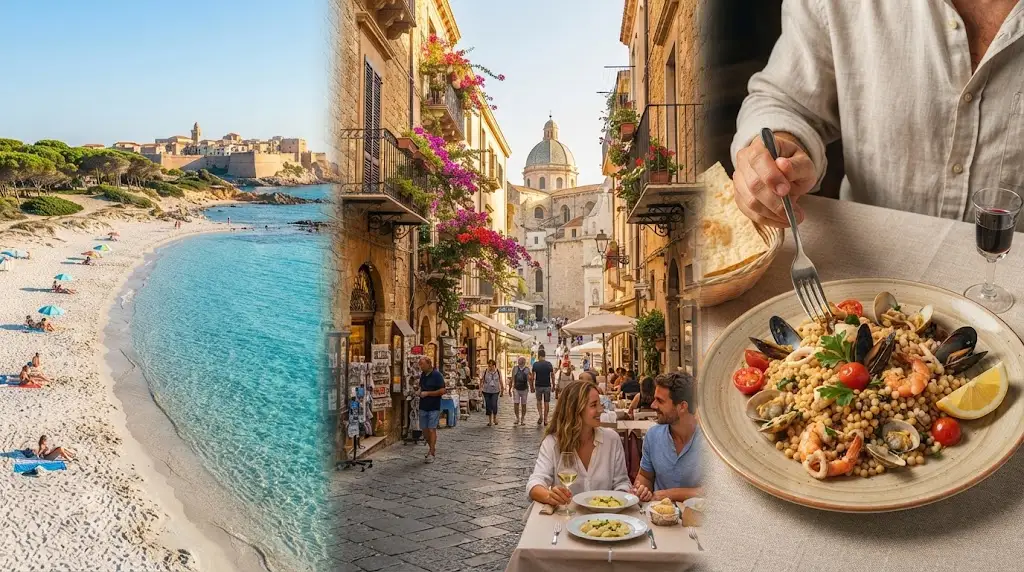
Alghero is one of those Sardinian destinations that works surprisingly well for travelers who do not want to choose between a beach holiday and a cultural city break. Set on the island’s northwest coast, the town combines turquoise Mediterranean water with honey-colored fortifications, narrow historic streets, seafood cooking, and easy access to dramatic coastal landscapes. You can spend the morning swimming beside pale sand, return to the old town for a long lunch, and finish the day walking along the sea walls at sunset. Alghero also has a distinctive Catalan influence that separates it culturally from many other Sardinian towns. That combination gives the destination enough variety for a weekend while making a longer stay feel relaxed rather than repetitive.
The best Alghero itinerary usually mixes slow exploration with a few carefully chosen excursions instead of trying to cover northern Sardinia at high speed. The historic center is compact enough to explore on foot, several attractive beaches lie close to town, and Capo Caccia adds a completely different landscape within easy day-trip range. Food is another major reason to visit, particularly if you enjoy seafood, Sardinian pasta, local wines, and meals built around simple regional ingredients. Summer delivers classic beach weather and a lively atmosphere, while late spring and early autumn can offer a more comfortable balance between swimming and sightseeing. This Alghero travel guide covers the old town, beaches, food, accommodation areas, transport, and practical planning so you can build a trip around the experiences that matter most.
Why Alghero Is One of Sardinia’s Most Rewarding Coastal Towns
Alghero appeals to travelers because the town offers more than a beautiful coastline. Sardinia has dozens of beach destinations, but not all of them provide an atmospheric historic center where you can comfortably spend evenings after leaving the sand. In Alghero, the medieval-looking walls, towers, churches, small piazzas, and narrow lanes create an actual town experience rather than a resort-only atmosphere. Cafés and restaurants remain part of everyday street life, while the waterfront gives you a clear sense that the sea has shaped the community for centuries. This balance makes Alghero particularly suitable for couples, solo travelers, families, and first-time visitors who want variety without changing hotels every night.
One of the most distinctive elements of Alghero is its Catalan heritage, which developed through centuries of historical connection with the Crown of Aragon and Catalonia. You may notice this influence in architecture, local traditions, place names, and the regional form of Catalan still associated with the city. The historical character does not make Alghero feel like an open-air museum, however, because the old streets are filled with shops, homes, bars, and restaurants used in everyday life. This creates a more authentic atmosphere than a perfectly preserved but lifeless historic district. Travelers interested in Sardinian culture therefore get something more nuanced than beaches alone. Alghero feels Mediterranean, Sardinian, and Catalan at the same time.
Another advantage is its manageable scale. You do not need a complicated transport plan simply to enjoy the main urban sights because much of central Alghero can be explored by walking. The port, old town, waterfront walls, shopping streets, and nearby urban coastline sit close enough together that a relaxed day naturally flows between them. This makes the town appealing if you prefer travel days with fewer logistics and more spontaneous stops. You can leave your accommodation without a strict schedule, wander into a church, stop for coffee, explore a small shop, and continue toward the sea. That compactness becomes especially valuable during shorter Sardinia trips when every hour spent moving between locations reduces actual vacation time.
Alghero also works well as a base for exploring the northwest corner of Sardinia. Capo Caccia offers steep cliffs and broad sea views, while beaches outside the urban center provide clearer water and more natural surroundings than you might expect so close to a town. Travelers with a car can extend their exploration toward smaller bays, countryside roads, archaeological sites, and other parts of northern or western Sardinia. Those without a car can still build a satisfying trip around the old town, nearby beaches, boats, and selected excursions. This flexibility means Alghero does not belong only to road-trippers. It can work equally well as one stop in a Sardinia itinerary or as the main destination for a simple coastal holiday.
The town’s pace is another reason many visitors enjoy staying rather than making Alghero a quick day trip. During the day, beach time and sightseeing provide plenty to do, yet evenings can be pleasantly unhurried. A typical night might involve an aperitivo, a walk along the ramparts, dinner in the old center, and gelato while the streets remain active. Sunset is particularly important to the rhythm of the town because the west-facing coastline often turns the waterfront into a natural gathering place. You do not need a major attraction scheduled every hour to enjoy Alghero. Its greatest strength is the way scenery, food, history, and ordinary Mediterranean street life fit together naturally.
Explore Alghero Old Town, Ramparts and Waterfront
Alghero’s old town is the logical place to begin because it gives the destination much of its personality. Enter the historic center and the streets quickly become narrower, with stone buildings, balconies, small shops, churches, and intimate squares replacing the wider modern roads outside the walls. Rather than following a rigid checklist, give yourself time to wander because many of the most enjoyable corners appear unexpectedly. You may pass a quiet courtyard and then emerge onto a busy pedestrian street filled with cafés and boutiques. The compact layout means getting temporarily lost is part of the experience rather than a serious navigation problem. Comfortable shoes are useful because old paving can be uneven in places.
The fortified sea walls are among the most memorable parts of an Alghero visit because they connect the town directly with the Mediterranean. Walking the ramparts gives you changing views of rooftops, defensive towers, boats, rocky shoreline, and open water while remaining close to restaurants and historic streets. The route feels especially atmospheric in the late afternoon when the temperature becomes more comfortable and the sunlight softens. Many visitors naturally return around sunset, when the walls become one of the best places in town for an evening stroll. You can combine the walk with drinks or dinner nearby rather than treating it as a separate sightseeing activity. This is one of Alghero’s simplest experiences, but also one of its most satisfying.
Churches and historic buildings add depth to the old town even if you are not traveling specifically for architecture. The cathedral and other religious buildings reveal layers of Gothic, Catalan, Renaissance, and later influences that reflect the city’s long history. Architectural details are often easier to appreciate when you slow down and look upward instead of focusing only on street-level shops. Bell towers rise above the compact roofline and help orient you while walking through the historic center. Opening hours can vary, particularly around services and seasonal schedules, so flexibility is useful if you want to enter specific buildings. Even without visiting every interior, the streets surrounding these monuments are worth exploring for their atmosphere and photographic appeal.
Shopping in the old center is more interesting when you look beyond generic souvenirs. Alghero has a long association with red coral, and coral-inspired jewelry remains strongly connected with the city’s identity, although responsible purchasing and authenticity are worth considering before buying expensive pieces. You will also encounter shops selling Sardinian food products, ceramics, textiles, jewelry, and locally themed gifts. Browsing works best as part of an evening walk rather than as a separate shopping mission. If you want edible souvenirs, look for items that travel well and check customs rules if you are flying internationally. Local wine, packaged sweets, pasta, preserved products, and Sardinian pantry ingredients can sometimes make more memorable purchases than decorative objects.
The waterfront beyond the old walls also deserves time because Alghero is not limited to its historic core. The harbor brings excursion boats, fishing activity, pleasure craft, and evening walkers together in one open space. Continuing north from the center gradually shifts the scenery toward beaches and a more residential seaside atmosphere. This transition helps explain why Alghero works so well without constant driving: a cultural morning can turn into a beach afternoon simply by continuing along the coast. Cyclists also use the flatter waterfront stretches to move between central areas and nearby beaches. If you stay outside the old town, the promenade can become part of your daily route rather than merely another attraction to visit once.
Best Beaches in Alghero for Swimming and Relaxing
Maria Pia Beach is one of the easiest choices for travelers who want beautiful sand without making a full-day excursion far from Alghero. The beach is known for pale sand, shallow-looking turquoise water, and sections backed by pine and coastal vegetation, creating a more natural feeling than a typical urban waterfront. Its accessibility makes it popular, particularly in summer, so arriving earlier can provide a calmer experience and more choice of space. Families often appreciate beaches with gradual entry into the water, although sea conditions should always be judged on the day you visit. Bring sun protection because Sardinian sunlight can feel intense even when a breeze makes the temperature seem mild. Nearby facilities vary by season.
Lido di San Giovanni is even more convenient for visitors staying near central Alghero because it stretches along the developed waterfront north of the old town. It does not feel as secluded as beaches farther out, but accessibility is its main advantage. You can walk from many accommodations, swim for a few hours, return to shower, and still have the entire afternoon or evening available for sightseeing. This makes the Lido useful on arrival or departure days when you do not want to commit to a longer excursion. The surrounding area includes hotels, apartments, cafés, and practical services, making it appealing for families and travelers who prioritize convenience. Water clarity can vary with weather and sea conditions, as on any exposed coastline.
Le Bombarde is one of the best-known beaches near Alghero and offers a more classic Sardinian beach-day atmosphere. Clear water, light sand, and surrounding Mediterranean vegetation make it visually impressive, while seasonal beach services can make it comfortable for a longer stay. Its popularity means midsummer can feel energetic rather than secluded, especially around the busiest hours. Travelers hoping for quieter conditions should consider going early or visiting outside peak summer. A car provides flexibility, although seasonal transport options may also be available depending on when you travel. Because schedules and services can change, check local information shortly before your visit instead of building a plan around an old timetable found online.
Lazzaretto Beach and the surrounding coves are another strong choice if you enjoy exploring several small stretches of coastline rather than remaining on one long beach. The landscape mixes clear water, rocky edges, Mediterranean vegetation, and sandy areas, creating appealing conditions for swimming and snorkeling when the sea is calm. Water shoes can be useful if you plan to explore rocky sections, although they are not essential for every part of the beach. As with Le Bombarde, popularity increases sharply during high season, so timing affects the experience. Bringing water and simple snacks gives you more flexibility, particularly if you choose a quieter section away from the busiest facilities. Always take rubbish with you and respect protected coastal areas.
Choosing the best Alghero beach depends less on which one receives the highest ranking and more on how you want to spend the day. Lido di San Giovanni works for maximum convenience, Maria Pia combines easy access with a more attractive natural setting, and beaches farther toward the Porto Conte area reward travelers willing to move beyond town. Wind direction and sea conditions can also transform a beach from perfect to uncomfortable, so remain flexible rather than insisting on one location regardless of the weather. If you have several days, visit different beaches instead of repeatedly returning to the same one. This provides a better sense of the coastline and prevents your Alghero holiday from feeling limited to one strip of sand.
Visit Capo Caccia and Neptune’s Grotto
Capo Caccia provides the dramatic landscape that contrasts most strongly with Alghero’s compact streets and sandy beaches. The limestone headland rises sharply above the sea and offers expansive views across the surrounding coastline, making the journey worthwhile even if you do not enter the famous cave below. The scenery feels much wilder than central Alghero, with cliffs, Mediterranean vegetation, and deep blue water dominating the landscape. Photographers often prefer morning or late-afternoon light, while midday can be harsher and hotter during summer. Wind conditions can change quickly on exposed coastal viewpoints, so bring an extra layer outside the hottest months. A visit can easily become a half-day trip when combined with nearby beaches or viewpoints.
Neptune’s Grotto, often called Grotta di Nettuno, is the best-known natural attraction in the Alghero area. Inside, limestone formations and an underground marine environment create a completely different experience from the bright coastline outside. Visitors can normally approach the cave either from the land side or through sea excursions when conditions and operations allow. Access arrangements can change with weather, safety considerations, and seasonal management, so checking current information before leaving Alghero is important. Do not treat an old travel blog timetable as guaranteed. If the cave is central to your trip, build some flexibility into your schedule so a change in sea or access conditions does not ruin the entire day.
The land approach is memorable because it involves a long staircase cut into the cliffside, known as the Escala del Cabirol. The route provides spectacular views but also requires a substantial descent followed by the climb back up, making it unsuitable for some travelers with mobility, heart, or joint limitations. Wear shoes with secure grip and carry water during warm weather. Avoid rushing simply because other visitors are moving quickly, especially in heat. The stairway itself can become a highlight if you enjoy dramatic coastal walks. Travelers who dislike steep climbs may prefer considering a boat excursion, although boat access remains dependent on marine conditions and does not eliminate every accessibility consideration.
Boat trips from Alghero provide another perspective on the coastline and can be enjoyable even when the cave is not the sole objective. Seeing the city walls and cliffs from the water helps you understand the scale and shape of the coast in a way that road travel cannot. Excursions vary in length and route, so choose based on whether you primarily want transportation, sightseeing, swimming stops, or a longer day at sea. People prone to seasickness should check conditions and consider appropriate precautions before departure. In summer, boats can become busy, making advance planning useful. Operators and schedules can change seasonally, so compare current options locally rather than assuming that every advertised route runs throughout the year.
Capo Caccia works best when you resist the temptation to treat it as a quick photo stop. Combine the headland with time in the broader Porto Conte area, where the coastline, vegetation, and quieter roads provide a different side of Alghero. If you have a rental car, you can create a relaxed loop involving viewpoints and a beach rather than driving directly to the cave and immediately returning to town. Pack enough water, particularly during hot weather, and do not underestimate exposed sun on cliffside walks. Outside summer, check the weather because strong wind or rain can significantly change conditions. Returning to Alghero for dinner afterward creates an ideal contrast between a rugged daytime excursion and an easy evening in the historic center.
What to Eat in Alghero: Sardinian and Catalan-Inspired Food
Seafood is central to eating well in Alghero because the city’s relationship with the coast shapes both traditional dishes and restaurant menus. Depending on season and availability, you may encounter grilled fish, shellfish, octopus, squid, sea urchin preparations, and pasta paired with seafood. Rather than ordering only the most familiar international dishes, ask what is local or particularly good that day. Simple preparation is often a strength because fresh seafood does not need heavy sauces to make an impression. Prices can vary greatly depending on species and restaurant location, so check menus before sitting down if you are traveling on a budget. Waterfront views are appealing, but a scenic table does not automatically guarantee the best cooking.
One dish especially associated with Alghero is Catalan-style lobster, reflecting the city’s cultural relationship with Catalonia. Preparations commonly pair lobster with ingredients such as tomato, onion, and a relatively simple dressing that allows the shellfish to remain the focus. It is typically a premium dish rather than an inexpensive everyday meal, making it something many travelers save for one special dinner. Confirm pricing carefully, particularly when seafood is sold by weight. Availability can also depend on season, sourcing, and fishing rules. If lobster is outside your budget, you can still explore Alghero’s Catalan influence through other seafood dishes and local cooking traditions. The value of the food scene is broader than one famous specialty.
Sardinian pasta deserves equal attention because seafood should not dominate every meal. Malloreddus, often described as small ridged Sardinian pasta, appears in different regional preparations and provides an excellent introduction to the island’s more rustic cooking. You may also encounter fregola, small toasted pasta-like grains that work particularly well with seafood, broth, or vegetables. Culurgiones and other stuffed pastas are associated more strongly with other parts of Sardinia but may appear on menus across the island. Ask servers about regional specialties instead of assuming every dish comes specifically from Alghero. Exploring several pasta styles gives you a better understanding of Sardinian cuisine than ordering pizza simply because you are in Italy.
Cheese, bread, cured meats, olives, and vegetable dishes add another layer to local eating. Pecorino Sardo is one of the island’s best-known cheeses and can range from relatively mild to more mature and assertive styles. Pane carasau, the thin crisp Sardinian flatbread, often appears alongside meals and is easy to recognize once you have tried it. Antipasti are useful for tasting several ingredients without committing to large portions, particularly when dining with another person. Sardinian cuisine often rewards simplicity because good cheese, olive oil, tomatoes, and bread can make a memorable meal without complicated presentation. Markets and specialty food shops can also help you understand local ingredients away from formal restaurant settings.
Do not overlook sweets and wine when planning your Alghero food experience. Seadas, a Sardinian pastry filled with cheese and typically served with honey, offers a distinctive balance of sweet and savory flavors. Other local pastries may feature almonds, citrus, or traditional festive recipes. Wine lists provide opportunities to explore Sardinian grapes, including Vermentino for fresh white wines and Cannonau for fuller reds, while wines from the Alghero area add an even more local dimension. Ask for a glass rather than a bottle if you want to taste several styles across your trip. A leisurely dinner followed by a walk along the ramparts is one of the easiest ways to combine Alghero’s food culture with its evening atmosphere.
Best Time to Visit Alghero for Beaches and Sightseeing
June through September is the main period for travelers prioritizing swimming, sunshine, beach services, and a lively holiday atmosphere. July and August generally feel the busiest and hottest, which can be perfect if you want classic Mediterranean summer energy but less appealing if you dislike crowds. Popular beaches fill earlier, accommodation prices can rise, and parking near the coast becomes more competitive. Midday sightseeing can also feel tiring under strong sun, so structure summer days around beaches and indoor breaks before exploring the old town later. Reservations become more useful for popular dinners and activities during peak season. Summer works extremely well when warmth and swimming matter more to you than quiet streets.
May and June can offer an excellent compromise for travelers who want warm conditions without the full intensity of high summer. The landscape may feel fresher earlier in the season, walking around the old town is generally more comfortable, and day trips are easier when temperatures remain moderate. Sea temperatures can still feel cool to some swimmers in spring, so your personal tolerance matters if daily swimming is a priority. By June, the destination usually feels increasingly summer-oriented while avoiding some of the pressure associated with August. Seasonal transport and tourism services should still be checked because not everything operates identically throughout the year. For many first-time visitors, this period offers a strong balance of activity and comfort.
September is another particularly attractive month because the sea often retains summer warmth while the most intense peak-season pressure begins to ease. The old town remains lively, beach days are still realistic, and evenings can be more comfortable for dining outdoors. Early September can remain busy, so do not expect deserted beaches immediately after August ends. Later in the month, conditions become more variable, making flexibility increasingly important. Travelers who enjoy both swimming and cultural exploration often find September well suited to Alghero because neither activity has to dominate the schedule. It is also a good time to combine the city with a wider Sardinia road trip without planning every outdoor activity around extreme midday heat.
October through April brings a quieter side of Alghero that can appeal to travelers interested primarily in local atmosphere, food, walking, and architecture. Beach swimming becomes less reliable or less comfortable for most visitors, and seasonal businesses may reduce hours or close temporarily. Weather can also be more changeable, with wind and rain affecting coastal excursions. The advantage is that the old town can feel significantly more relaxed and accommodation may be easier to find. Winter should not be marketed as a typical beach holiday simply because Sardinia lies in the Mediterranean. Instead, treat it as a cultural coastal break where good weather is a bonus rather than a guarantee.
Your ideal month ultimately depends on what you consider a successful trip. Choose July or August if hot weather, busy beaches, nightlife, and a full summer atmosphere are priorities and you accept higher demand. Consider June or September if you want strong beach potential combined with easier sightseeing. May and early autumn can work beautifully for active travelers more interested in walking, driving, food, and scenery than spending every day in the water. Winter suits travelers who value quiet streets and are comfortable with fewer seasonal services. Whatever month you choose, check the local forecast and current operating information shortly before departure because coastal weather and tourism schedules can vary from one year to the next.
Where to Stay in Alghero for the Best Experience
Staying in or immediately beside the old town is ideal if atmosphere, restaurants, evening walks, and historic surroundings matter most. You can step outside and quickly reach the ramparts, harbor, churches, shops, and many dining options without depending on transport. The trade-off is that historic buildings may have smaller rooms, stairs, limited parking, or less modern layouts than purpose-built hotels. Noise can also be a consideration on lively streets during high season. Travelers arriving with a rental car should confirm parking arrangements before booking rather than assuming they can drive directly to the accommodation. For a short first visit, however, the old town’s convenience and character are difficult to beat.
The Lido area is a practical alternative for travelers who want easier beach access while remaining close to central Alghero. Accommodation here often includes modern hotels and apartments, and the flatter waterfront makes walking toward the historic center relatively straightforward. Families may appreciate the proximity to sand and everyday services, particularly when carrying beach equipment or traveling with younger children. The neighborhood feels less atmospheric than staying inside the ancient walls, but many travelers find the trade-off worthwhile. You can spend the morning at the beach and walk into the old town for dinner instead of choosing between the two experiences. This is one of the strongest areas for a balanced beach-and-city holiday.
The Maria Pia area suits travelers who place beach quality ahead of nightlife and historic atmosphere. Staying nearer this stretch of coast allows you to reach the sand quickly and gives the trip a more relaxed holiday feel. The surrounding environment can feel greener and less urban than central Alghero, particularly around pine-backed sections of the coast. You will likely travel into the old town for a broader selection of restaurants and evening entertainment, so consider how comfortable you are with walking, cycling, buses, taxis, or driving. During a longer summer holiday, the extra distance may matter less because beach time dominates the schedule. For a two-night city break, central accommodation may be more efficient.
Travelers with a rental car can also consider countryside accommodation outside central Alghero. Agriturismo-style stays and rural properties can provide more space, quieter nights, and easier access to roads leading toward beaches, vineyards, Capo Caccia, and the wider region. This type of stay works especially well for travelers who see Alghero as a base for exploring rather than as the entire destination. The disadvantage is losing the ability to casually walk out for dinner and wine without thinking about transportation afterward. Parking in central Alghero can also require planning during busy periods. Rural accommodation therefore suits road-trip travelers better than visitors hoping to spend most evenings inside the old town.
When choosing a hotel or apartment, focus on location relative to your actual daily routine rather than simply selecting the property with the highest rating. A beautiful resort outside town may be inconvenient if you want to eat in the old center every night, while a historic apartment may feel impractical if your main goal is taking children to the beach each morning. Check air-conditioning if visiting in summer, and confirm whether it applies to every room rather than only shared areas. Parking, elevators, breakfast arrangements, noise, and beach equipment can also affect the experience. Booking earlier is sensible for peak summer. In shoulder season, compare flexible cancellation options because weather may influence how you structure the trip.
Getting Around Alghero and Planning a 3-Day Visit
Central Alghero is highly walkable, and most visitors should plan to explore the old town, harbor, and nearby waterfront on foot. Driving inside or near historic areas often adds more stress than convenience because narrow streets, pedestrian zones, and parking restrictions can complicate short journeys. If your accommodation is central, leave the car parked when spending the day in town. Cycling can be useful along flatter coastal areas and for reaching nearby beaches, depending on traffic confidence and weather. Local buses can connect parts of town and selected surrounding areas, but seasonal routes and frequencies can change. Check current schedules locally instead of relying on a timetable saved months before your trip.
Alghero Airport is close enough to the city that arriving travelers can normally reach central accommodation without a long onward journey. Public buses, taxis, rental cars, and private transfers are the main practical choices, although the best option depends on arrival time and luggage. Travelers staying entirely within Alghero and taking organized excursions may not need a rental car at all. A car becomes more valuable when you want to explore multiple beaches, Capo Caccia, rural areas, or other Sardinian towns independently. Book earlier during high season if you need a specific rental category. Always review parking conditions at your accommodation before accepting a car for the entire stay.
For a three-day Alghero itinerary, use the first day to understand the town rather than immediately leaving for an excursion. Spend the morning wandering the old streets, visit churches or small cultural sights that interest you, and stop for a relaxed Sardinian lunch. In the afternoon, walk along the harbor and waterfront or spend a few hours at a nearby beach if the weather is inviting. Return to the ramparts for sunset before dinner in the historic center. This gentle schedule reduces travel fatigue and helps you identify places you want to revisit. It also works particularly well on arrival day because none of the activities depends heavily on exact transport schedules.
Use the second day for beaches, choosing Maria Pia for convenience or continuing toward Le Bombarde and Lazzaretto for a wider coastal experience. A rental car provides the most flexibility if you want to compare several beaches, but a single-beach day can be just as satisfying if your goal is genuine relaxation. Arrive earlier during busy summer weeks, swim before midday crowds build, and protect yourself from strong sun. Have lunch near the coast or bring simple food, then return to town with enough time to rest before evening. Dinner can focus on seafood or one of Alghero’s Catalan-influenced specialties. Avoid overplanning because beach days are more enjoyable when you can respond to weather and sea conditions.
Dedicate the third day to Capo Caccia and Neptune’s Grotto if access and weather conditions are favorable. Confirm current cave and transport arrangements before departing, particularly if you depend on a boat or seasonal connection. Combine the excursion with viewpoints or another coastal stop instead of returning immediately after the cave visit. In the evening, choose a favorite section of Alghero for one final walk and order a dish you have not yet tried. If you have a fourth day, consider exploring farther across northwest Sardinia rather than repeating the same urban itinerary. Three days provides a satisfying introduction, while four to five days allows Alghero to function as both a destination and a relaxed regional base.
Frequently Asked Questions About Alghero
Is Alghero worth visiting?
Yes. Alghero is especially worthwhile if you want Sardinian beaches, a historic old town, seafood, sunset walks, and easy access to dramatic coastal scenery in the same trip. It offers more cultural depth than a beach-only resort while remaining relaxed enough for a coastal holiday.
How many days do you need in Alghero?
Three days is enough to explore the old town, enjoy at least one beach day, and visit the Capo Caccia area. Four or five days is better if you want slower mornings, several beaches, boat trips, and additional excursions around northwest Sardinia.
What is Alghero famous for?
Alghero is known for its fortified historic center, Catalan heritage, coral tradition, nearby beaches, seafood, and the dramatic coastline around Capo Caccia. Neptune’s Grotto is one of the best-known natural attractions in the surrounding area.
Does Alghero have good beaches?
Yes. Lido di San Giovanni and Maria Pia are convenient from town, while Le Bombarde, Lazzaretto, and other beaches farther along the coast offer attractive water and more natural surroundings.
Can you visit Alghero without a car?
Yes, particularly if you stay centrally and focus on the old town, nearby beaches, and organized excursions. Renting a car becomes more useful if you want maximum flexibility for remote beaches and wider exploration of Sardinia.
What food should I try in Alghero?
Look for fresh seafood, Catalan-style lobster when available, fregola, Sardinian pasta dishes, pecorino, pane carasau, seadas, and regional wines. Asking about seasonal or local dishes is often more rewarding than ordering only familiar Italian classics.
What is the best month to visit Alghero?
June and September are excellent choices for travelers seeking beach weather with generally easier sightseeing than peak summer. July and August suit people who want the hottest, liveliest summer experience and do not mind greater demand.
Is Alghero Old Town walkable?
Yes. The historic center is compact and best explored on foot because many of its most attractive streets, squares, walls, and waterfront sections sit close together. Comfortable shoes are useful on older paving.
Can you swim in Alghero?
Swimming is a major part of an Alghero summer trip, with beaches both in and around the town. Conditions vary by weather, wind, and season, so judge the sea on the day and follow local safety advice.
Is Alghero good for families?
Yes. Walkable areas, accessible beaches, apartments, relaxed restaurants, and short distances between many attractions can make Alghero convenient for families. Choosing accommodation near the Lido or Maria Pia can be especially practical when beach time is the main priority.