





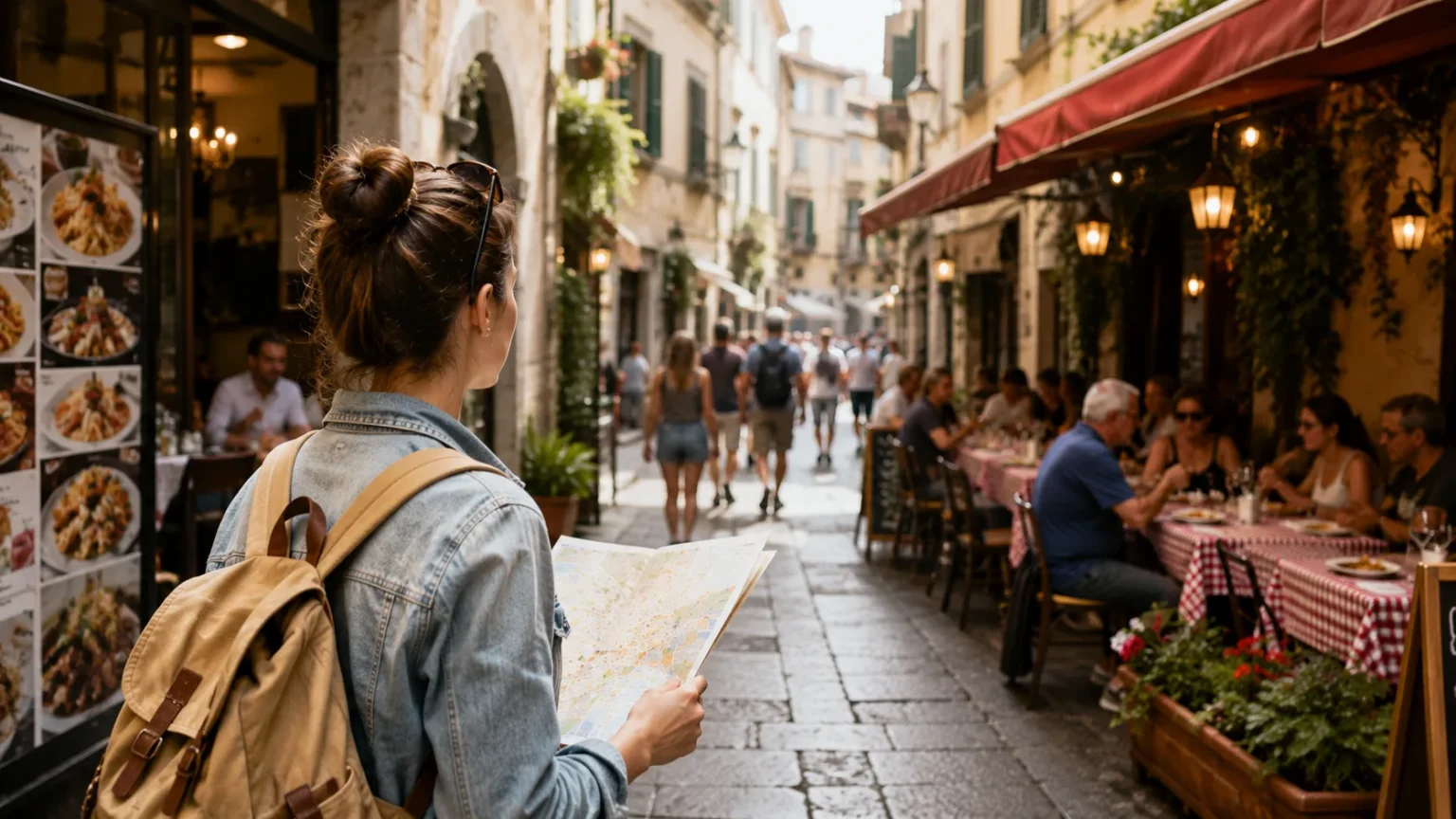
How to Find Authentic Restaurants Abroad
Eating local food can become one of the most memorable parts of traveling abroad, but finding a genuinely authentic restaurant is not always easy. Popular destinations are often filled with places designed primarily for tourists, complete with oversized menus, aggressive promoters, and familiar dishes adjusted for international tastes. Authentic local restaurants usually offer something different: food connected to regional traditions, ingredients, eating habits, and the everyday lives of people who actually live there.
Finding those places requires more than searching for the highest-rated restaurant online. Ratings can be useful, but they do not always tell you whether a restaurant represents local cuisine or simply provides an experience that tourists find comfortable. Travelers who look beyond rankings and pay attention to neighborhoods, menus, dining times, customer patterns, and local recommendations are often more likely to discover meaningful food experiences.
Authenticity also does not necessarily mean inexpensive, old-fashioned, or hidden. A modern chef can serve authentic regional cuisine just as successfully as a family-owned restaurant that has operated for generations. The important question is whether the food reflects the ingredients, techniques, flavors, and dining culture of the destination rather than offering a generic version designed mainly to satisfy visitors.
Technology can certainly help travelers discover local restaurants abroad, but it works best when combined with observation and curiosity. Maps, local food blogs, restaurant reviews, social media, and translation apps can point you in the right direction. Once you arrive, however, details such as who is eating there, what people are ordering, and how focused the menu feels can reveal much more about the experience.
If you want to know how to find authentic restaurants abroad, the best strategy is to combine online research with local knowledge and confident exploration. You do not need to understand every dish or speak the local language perfectly. With a few practical habits, you can avoid obvious tourist traps, discover traditional food, support local businesses, and experience a destination through the meals its residents genuinely enjoy.
Start Your Restaurant Search Before You Travel
A little restaurant research before departure can dramatically improve your chances of eating well abroad. Instead of creating a rigid list of every meal, research the destination’s traditional dishes, regional specialties, eating habits, and food neighborhoods. Knowing what locals commonly eat gives you a reference point when reviewing menus and helps you recognize restaurants specializing in dishes connected with the destination.
Begin by searching for specific regional foods rather than broad phrases such as “best restaurants in Paris” or “top restaurants in Rome.” Searching for where to eat a particular local specialty often produces more useful results because it reveals restaurants known for making that dish well. You may also discover that certain foods are strongly associated with particular neighborhoods, towns, markets, or seasons.
Local food publications, independent travel writers, chef interviews, culinary magazines, and destination-specific food websites can help you understand the dining scene. Look for recommendations that explain why a restaurant matters rather than articles that simply repeat a list of popular places. Detailed descriptions of ingredients, culinary history, and local dining customs usually provide stronger signals than generic rankings alone.
Save promising restaurants on a digital map before traveling so you can see where they are located relative to your accommodation and planned activities. This method also helps reveal restaurant clusters outside major tourist districts. Instead of crossing an entire city for every meal, you can keep several interesting options around different neighborhoods and choose according to where the day takes you.
Keep your research flexible because some of your best meals may come from places you never discovered online. Think of advance research as preparation rather than a fixed schedule. Learning about local cuisine gives you enough knowledge to recognize good opportunities when a market vendor, hotel employee, shopkeeper, guide, or resident recommends somewhere you had never considered.
Learn What the Destination Is Famous for Eating
Understanding local food is one of the simplest ways to identify authentic restaurants abroad. Every destination has ingredients, cooking techniques, regional dishes, and eating traditions that developed through geography, agriculture, trade, climate, and history. Learning even five or six signature foods before arriving makes restaurant menus easier to interpret and helps you recognize places that celebrate local culinary identity.
Do not assume that a country’s most famous international dish is equally common everywhere within that country. Regional cuisine can vary dramatically between cities and provinces. Northern and southern regions may use different ingredients, seasonings, grains, cooking fats, seafood, meats, or vegetables. Looking specifically for regional food allows you to experience something connected more closely with the place you are actually visiting.
Seasonality also matters when searching for authentic cuisine. Traditional restaurants often work with ingredients that are naturally available during particular times of year. If a region is famous for mushrooms in autumn, seafood during a certain season, or a particular fruit during summer, trying those ingredients at the right time can provide a more meaningful connection with local food culture.
Learning basic names for important dishes can also make ordering easier. You do not need to memorize an entire culinary vocabulary, but recognizing several specialties prevents you from automatically choosing the most familiar item on the menu. Translation tools can help with unfamiliar ingredients while still allowing you to explore dishes you might otherwise overlook.
Food research also protects you from misleading marketing. A restaurant may advertise “traditional local cuisine” while serving mostly generic international dishes. If you already know several regional specialties and none appear on the menu, that absence may tell you something. A little culinary knowledge gives you a stronger basis for evaluating authenticity than promotional signs alone.
Look Beyond the Main Tourist Attractions
Restaurants surrounding famous monuments, transportation hubs, and heavily visited squares often depend on a constant flow of tourists. Some are excellent, but others have little incentive to build long-term relationships with local customers. Walking several streets away from the busiest attractions can significantly change the type, quality, and price of food available.
Residential neighborhoods are particularly useful places to explore because restaurants there often depend on repeat customers. Residents are unlikely to return regularly to establishments offering consistently poor food or unreasonable prices. Neighborhood restaurants therefore have stronger incentives to maintain quality, value, and service that appeal to people who live nearby rather than visitors making a single appearance.
You do not necessarily need to travel to a distant suburb. In many cities, moving ten or fifteen minutes away from a major tourist corridor can introduce bakeries, cafés, lunch counters, family restaurants, and casual dining rooms serving a much more local audience. Exploring side streets around markets, universities, offices, and residential districts can be especially rewarding.
Observe how the neighborhood behaves throughout the day. Areas that appear empty during tourist lunch hours may become lively later because local residents follow different dining schedules. A restaurant that looks unusually quiet at 6:00 p.m. might be completely normal in a country where dinner commonly begins several hours later.
The goal is not to assume that every busy tourist area serves bad food. Instead, expand your search radius so you have alternatives. Travelers who spend their entire trip eating next to famous landmarks often experience only a narrow part of a destination’s food culture, while nearby neighborhoods can reveal how residents actually eat.
Follow the Locals Instead of the Crowds
One of the oldest pieces of travel advice is still useful: pay attention to where local people are eating. A restaurant filled with residents, families, office workers, or neighborhood regulars has probably earned their business for a reason. Locals understand normal prices, expected quality, and regional tastes in ways that short-term visitors usually cannot.
Watch what customers are ordering as well as who is sitting at the tables. You may notice one dish repeatedly appearing across the dining room. That pattern can reveal a house specialty that is not highlighted prominently on the menu. Asking the server what most people order can also lead to something more representative than automatically choosing the safest familiar option.
Lunch hours are particularly helpful for observing local eating patterns. Restaurants near offices, schools, markets, or workshops may offer daily menus designed for regular customers. These meals can provide excellent value while introducing travelers to straightforward local dishes that rarely receive attention in tourist-oriented restaurant guides.
Language can provide another clue, although it should never be treated as a strict rule. Menus primarily written in the local language may indicate that residents form an important part of the customer base. However, many excellent authentic restaurants provide multilingual menus simply because they welcome international visitors, so language should be considered alongside other signals.
Following locals works best when combined with common sense. A crowded restaurant might be popular because of convenience, low prices, or social media rather than exceptional food. Look at several factors together, including menu focus, customer mix, atmosphere, food preparation, and neighborhood context. Patterns are more reliable than any single authenticity test.
Ask Local People Where They Actually Eat
Personal recommendations remain one of the most effective ways to find authentic restaurants abroad. Instead of asking someone for “the best restaurant,” ask where they personally go for lunch, where their family eats on weekends, or where they would take a visiting friend who wanted traditional food. More specific questions often produce more personal and useful recommendations.
Hotel employees can provide valuable advice, but phrase your question carefully. Some accommodations naturally recommend convenient restaurants popular with guests. Asking reception staff where they themselves eat after work may reveal completely different options. Employees who live locally often know casual restaurants, bakeries, cafés, and neighborhood institutions that never appear in major tourist guides.
Taxi drivers, market vendors, shopkeepers, tour guides, bartenders, and café workers can also be excellent sources of restaurant recommendations. If several unrelated people independently mention the same place, pay attention. Repeated local recommendations are often stronger evidence than one enthusiastic online review because they suggest the restaurant has a genuine reputation within the community.
Tell people what kind of experience you want. Asking only for a restaurant may result in recommendations that are excellent but unrelated to your interests. Explain that you want traditional regional food, a casual local lunch, seafood, family cooking, street food, vegetarian dishes, or somewhere residents visit regularly. Clear questions produce better suggestions.
Do not dismiss a recommendation simply because the restaurant looks ordinary from outside. Many excellent local restaurants invest more in ingredients and cooking than elaborate interiors or online branding. A plain dining room recommended repeatedly by residents can sometimes provide a more memorable meal than a beautifully designed restaurant promoted heavily to visitors.
Read Restaurant Reviews More Strategically
Online restaurant reviews can help you discover authentic places, but the overall star rating rarely tells the complete story. Travelers have different expectations regarding service speed, portion size, atmosphere, spice levels, dining customs, and hospitality. Reading the actual comments provides much more useful information than choosing whichever restaurant has the highest numerical score.
Look specifically for reviews written by residents or people familiar with the cuisine. Their comments may discuss whether dishes resemble regional cooking, whether ingredients are fresh, or whether the restaurant maintains traditional preparation methods. A tourist may praise a restaurant because the food feels familiar, while a local reviewer may provide more insight into authenticity.
Search within reviews for the names of regional dishes you want to try. If many people consistently recommend the same specialty, it may be one of the restaurant’s strengths. Reviews can also reveal practical information such as reservation requirements, changing opening hours, cash-only payment, portion sizes, or dishes that sell out early.
Pay attention to patterns instead of isolated complaints. One negative review about slow service may simply reflect different cultural expectations or an unusually busy evening. Repeated criticism about reheated food, misleading prices, aggressive staff, or poor hygiene deserves more consideration because consistency across multiple reviews suggests a genuine issue.
Recent reviews are generally more useful than older ones because restaurants can change chefs, ownership, menus, prices, or standards. Use reviews as one piece of evidence rather than allowing them to make the entire decision. Combining digital feedback with local recommendations and your own observations gives you a much stronger picture.
Check the Menu Before Sitting Down
A restaurant menu can reveal a surprising amount about the dining experience before you order anything. Authentic restaurants often have menus that reflect a clear culinary identity. That does not necessarily mean the menu must be tiny, but the dishes generally make sense together and connect with a particular regional tradition or cooking style.
Be cautious when a menu attempts to offer every cuisine imaginable. A restaurant serving pizza, sushi, burgers, curry, tacos, steaks, pasta, and numerous regional dishes may be prioritizing broad tourist demand rather than specializing in local cooking. There are exceptions, but extremely scattered menus can make consistently fresh preparation more difficult.
Seasonal or changing menus can be a positive sign. Restaurants that adapt dishes according to available fish, produce, or regional ingredients may be more connected to local food traditions. Daily specials written separately from the permanent menu can also indicate that cooks are responding to market availability rather than relying completely on standardized dishes.
Photographs on menus are not automatically evidence of a tourist trap. In some countries they are normal even in restaurants used heavily by locals. However, enormous laminated menus filled with hundreds of photographs, translations into numerous languages, and aggressive promotional claims should encourage you to evaluate the restaurant more carefully.
Prices deserve attention as well. Compare several restaurants in the same area to understand the normal range before ordering. Authentic food is not necessarily cheap, particularly when restaurants use high-quality ingredients or skilled preparation. The objective is to find pricing that makes sense for the location, cuisine, ingredients, and dining experience rather than assuming the lowest price equals the most authentic meal.
Avoid Obvious Tourist-Trap Warning Signs
Tourist traps often share recognizable characteristics, although no single sign proves that a restaurant is poor. One common warning is aggressive solicitation. If employees stand outside repeatedly trying to persuade passing tourists to enter while neighboring restaurants are naturally attracting customers, consider exploring your alternatives before making a decision.
Location can also provide context. Restaurants occupying the most prominent spaces beside major monuments often pay premium rents and may rely heavily on convenience. That does not automatically make them bad, but you should compare menus and reviews with restaurants a few streets away before paying significantly higher prices simply for the view.
Menus designed primarily around internationally familiar dishes can indicate that the restaurant serves tourist expectations rather than local eating habits. If regional specialties receive only a tiny section while burgers, pizza, fried food, and generic “international cuisine” dominate the menu, you may find a more culturally distinctive experience elsewhere.
Promotional claims such as “best authentic food,” “traditional original cuisine,” or “number one local restaurant” are not meaningful evidence by themselves. Authenticity is demonstrated through cooking, ingredients, customers, and reputation rather than signs. Restaurants serving excellent regional food often have little need to repeatedly announce that they are authentic.
Trust your overall impression rather than obsessively applying a checklist. A restaurant beside a landmark can be excellent, and a hidden restaurant can be disappointing. Warning signs simply encourage closer evaluation. Compare the menu, prices, customer mix, reviews, and local reputation before deciding whether convenience is worth choosing.
Visit Local Food Markets
Food markets are among the best places to understand what people in a destination actually eat. Markets reveal seasonal produce, seafood, meat, spices, cheeses, breads, snacks, and prepared dishes that shape regional cuisine. Spending even an hour in a local market can teach you more about a food culture than reading dozens of restaurant menus.
Many markets contain small counters, cafés, stalls, or nearby restaurants that serve workers and regular shoppers. These establishments often prepare simple dishes using ingredients sold in the market itself. Because customers can see the surrounding food culture, market dining can provide a direct connection between regional ingredients and local cooking.
Observe which stalls attract steady local customers rather than immediately joining the longest tourist queue. A modest counter serving one or two specialties may provide an exceptional meal precisely because the vendor has spent years perfecting those dishes. Limited specialization is common among successful street-food and market businesses.
Markets can also help you discover ingredients you later recognize on restaurant menus. Seeing unusual vegetables, fish, herbs, breads, or spices gives those menu descriptions greater meaning. You can ask vendors how ingredients are normally prepared and use their answers to identify traditional dishes worth trying elsewhere.
Remember that famous food markets can become tourist attractions themselves. Some eventually shift toward premium-priced souvenir foods and social-media-friendly stalls. Explore sections where residents buy groceries, observe everyday commerce, and consider neighborhood markets beyond the most famous ones if you want a broader picture of local eating culture.
Explore Street Food With Curiosity and Care
Street food can provide some of the most distinctive and affordable culinary experiences abroad. Many famous regional dishes developed as everyday food for workers, commuters, students, and families rather than restaurant cuisine. Trying street food allows travelers to experience flavors in the environment where local people commonly enjoy them.
Look for stalls with steady customer turnover because frequent sales usually mean ingredients are being prepared continuously rather than sitting for long periods. Watching food being cooked in front of you can also provide useful information about preparation. Busy vendors often specialize in only a few dishes, which can indicate considerable experience producing those foods efficiently.
Basic food safety still matters. Choose vendors that appear to handle ingredients carefully, maintain clean preparation areas, cook foods thoroughly where appropriate, and separate raw ingredients from ready-to-eat items. Bottled beverages, freshly cooked foods, and busy stalls can sometimes be easier choices when you are unfamiliar with local conditions.
Street-food tours can provide a useful introduction at the beginning of a trip, particularly in destinations with complicated food scenes. A knowledgeable local guide can explain ingredients, ordering etiquette, regional history, and food safety considerations. Afterward, you may feel more confident exploring independently because the cuisine no longer seems unfamiliar.
Do not treat street food as automatically more authentic than restaurant dining. Both forms can represent genuine local traditions. The value of street food lies in experiencing another part of everyday food culture. Combining market stalls, neighborhood cafés, family restaurants, bakeries, and occasional higher-end meals creates a richer understanding of the destination.
Eat at the Times Local People Eat
Dining schedules differ significantly around the world, and adapting to local meal times can improve your restaurant experience. Travelers sometimes conclude that a restaurant is unpopular simply because they arrive hours before residents normally eat. Understanding local schedules helps you see restaurants when their regular customers are actually present.
Dinner may begin early in some destinations and surprisingly late in others. Lunch can also be the primary meal of the day in cultures where people eat lighter dinners. Researching these habits prevents you from arriving at an empty dining room and assuming the absence of customers means the restaurant lacks local popularity.
Local meal times can also affect menu availability. Some restaurants serve traditional lunch menus only during specific hours, while bakeries may sell their most popular items early in the morning. Street-food stalls may operate only during commuter periods or late evenings. Timing your visit correctly can therefore reveal food options that disappear at other times.
Eating alongside residents also helps you understand dining customs. You can observe whether people share dishes, order multiple courses, spend several hours at the table, eat quickly, or treat meals as social occasions. These details are part of experiencing local food culture rather than simply consuming a regional dish.
You do not need to reorganize your entire trip around unfamiliar meal schedules, particularly if you have children, health needs, or a packed itinerary. Even adapting occasionally can improve your restaurant choices. Having one lunch or dinner at the normal local time may introduce you to a completely different atmosphere.
Learn a Few Useful Food Phrases
Knowing a few phrases in the local language can make restaurant experiences significantly easier and more enjoyable. You do not need conversational fluency. Simple expressions such as “What do you recommend?”, “What is today’s special?”, “Is this spicy?”, and “What is this made from?” can create useful interactions and encourage servers to guide you toward local specialties.
Learning the names of common ingredients is particularly valuable if you have allergies, dietary restrictions, or foods you cannot eat. Translation applications can help, but carrying clearly written information about serious food allergies in the local language provides additional protection. Never depend solely on assumptions when a dietary issue could affect your health.
Even imperfect attempts to speak the local language can create warmer interactions. Restaurant staff usually recognize that visitors are trying, and that effort may make conversations about food easier. You can ask what they personally enjoy or request a dish popular with regular customers instead of selecting only what seems familiar.
Menus without translations no longer need to be intimidating because smartphone translation tools can provide useful assistance. Use them to understand unfamiliar dishes while remembering that culinary language does not always translate perfectly. Asking staff about a dish can reveal preparation methods and ingredients that automated translation misses.
Language should support curiosity rather than become a barrier. Some travelers avoid local restaurants because they worry about ordering incorrectly. Most dining mistakes are minor and often become memorable travel stories. Approaching unfamiliar menus respectfully and patiently can open the door to experiences you would never have while eating only in visitor-friendly establishments.
Ask What the Restaurant Does Best
When a menu is unfamiliar, asking what the restaurant is known for can simplify the decision immediately. Servers usually know which dishes are ordered frequently, which ingredients arrived fresh that day, and what the kitchen prepares particularly well. Their recommendations can lead you toward specialties you might overlook when reading the menu independently.
Make the question specific rather than simply asking what is “good.” You might ask which dish is most traditional, what local customers usually order, or what the chef recommends today. These questions provide useful context and make it easier for staff to understand whether you want something adventurous, regional, seasonal, or familiar.
Daily specials are worth considering because they may reflect ingredients currently available from local markets or suppliers. In seafood regions, the best choice may depend on the day’s catch. In agricultural areas, vegetables, mushrooms, game, or seasonal produce may influence what the kitchen prepares at different times of year.
Observe recommendations carefully when several options are immediately pushed toward tourists. Some restaurants naturally encourage higher-margin dishes, particularly in heavily visited areas. Asking about prices before ordering unlisted specials can prevent unpleasant surprises. Genuine curiosity and basic price awareness can exist comfortably together.
Restaurant staff can become part of the cultural experience when conversation is welcome. A short explanation about how a dish is prepared or why it matters locally can transform a meal into something more meaningful. You are not simply eating unfamiliar food; you are learning how ingredients, traditions, and people connect within the destination.
Try Regional Dishes Instead of Familiar Favorites
Travelers often choose familiar meals because ordering unknown dishes can feel risky. There is nothing wrong with wanting occasional comfort food, especially during a long trip, but always choosing familiar options limits one of travel’s easiest cultural experiences. Regional dishes can reveal history, geography, and traditions through something as ordinary as lunch.
Begin with approachable specialties if you are hesitant. You do not need to choose the most unusual item on the menu simply to prove that you are adventurous. Ask for a popular local dish containing ingredients you already enjoy. Once you become comfortable with regional flavors, you may naturally become more interested in unfamiliar options.
Traditional cuisine is often closely connected with local conditions. Coastal communities develop dishes around seafood, agricultural regions around seasonal crops, and colder areas around preserved or slow-cooked ingredients. Eating regional food can therefore help you understand why a destination’s cuisine developed the way it did rather than viewing dishes as isolated recipes.
Avoid judging unfamiliar food entirely through expectations from home. Bread may have a different texture, service portions may be smaller, meat may be prepared differently, and spice combinations may initially seem unusual. Those differences are often precisely what makes eating abroad interesting. Give yourself time to appreciate a cuisine within its own traditions.
You will not enjoy every traditional dish you try, and that is completely normal. Authentic travel does not require pretending to love everything. The value comes from being curious enough to taste something connected with the place. Even a dish you would not order twice can teach you something about local culinary culture.
Do Not Assume Cheap Always Means Authentic
Budget travelers sometimes believe the least expensive restaurant must automatically be the most local. Affordable neighborhood restaurants can certainly serve wonderful authentic food, but price alone does not measure authenticity. Ingredients, preparation time, rent, service, sourcing, and culinary skill all influence what restaurants need to charge.
Some traditional foods require expensive ingredients or lengthy preparation. A restaurant preserving regional recipes with high-quality local produce may understandably cost more than a business serving standardized convenience food. Fine-dining restaurants can also explore traditional cuisine authentically by interpreting local ingredients through contemporary techniques.
At the opposite end, inexpensive food can still be extraordinary. Bakeries, street stalls, lunch counters, noodle shops, cafés, and market kitchens often specialize in affordable everyday dishes. These establishments can provide some of the clearest insights into how local residents eat during ordinary working days.
The better question is whether the price feels appropriate for what you are receiving. Compare similar restaurants in the neighborhood, check whether prices are clearly displayed, and consider the ingredients and setting. Suspicious pricing usually becomes more obvious when you understand the local baseline instead of converting everything only into your home currency.
Authentic food exists at multiple price levels. A thoughtful travel food itinerary might include a market breakfast, neighborhood lunch, street-food snack, family-run dinner, and one special restaurant experience. Exploring different formats creates a more complete picture of local cuisine than restricting yourself to either cheap or expensive establishments.
Use Social Media as a Discovery Tool
Social media can uncover restaurants that traditional travel guides overlook, particularly new businesses and neighborhood favorites. Searching local-language food terms, neighborhood names, regional dish names, and location tags can reveal where residents are eating rather than showing only establishments optimized for international tourist searches.
Pay attention to who is posting about a restaurant. Local food creators who regularly cover one city may provide more useful recommendations than accounts publishing quick guides to dozens of countries. Creators with genuine culinary knowledge often explain dishes, ingredients, preparation methods, and neighborhood context instead of focusing only on visually attractive presentations.
Video content can be especially helpful because it allows you to see the restaurant atmosphere, portion sizes, food preparation, and customer mix. However, popularity on social media should not be confused automatically with authenticity. Viral restaurants may change dramatically once international attention produces long queues and menus designed around online trends.
Look for repeated mentions across different local accounts rather than depending on one viral video. When several independent residents recommend the same restaurant for a particular dish, the recommendation becomes more meaningful. You can then compare those observations with reviews, maps, and the restaurant’s menu.
Social media works best as a discovery engine rather than a final verdict. Save interesting places, investigate them further, and remain willing to choose somewhere else once you arrive. The goal is to use technology to expand your options without allowing algorithms to determine every meal you eat abroad.
Respect Local Dining Customs
Finding an authentic restaurant is only part of the experience. Understanding local dining etiquette helps you enjoy the meal more comfortably and shows respect for the people serving you. Customs surrounding reservations, seating, tipping, ordering, shared dishes, table manners, and payment can differ considerably between countries.
Research basic expectations before arriving. In some places, diners wait to be seated, while elsewhere they choose their own table. Water may be complimentary in one country and automatically charged in another. Tipping can be expected, optional, included in the bill, or culturally unusual depending on the destination.
Meal pacing also varies. Travelers accustomed to very fast restaurant service may interpret a slower experience as poor service when local culture intentionally allows customers to spend more time at the table. Similarly, servers may not bring the bill until requested because presenting it automatically could be considered an attempt to rush customers.
Sharing habits deserve attention too. Some cuisines are designed around communal dishes, while others provide individual courses. Observing surrounding tables can help you understand normal behavior. When uncertain, politely asking staff how dishes are usually ordered can prevent confusion and help you experience the meal as intended.
Respect does not mean you must imitate every local habit perfectly. Visitors naturally make mistakes, and most people understand that. Showing patience, curiosity, and basic courtesy matters more than flawless etiquette. These qualities often create better interactions and can make authentic dining experiences feel more welcoming.
Balance Planning With Spontaneous Discovery
Restaurant research reduces the risk of disappointing meals, but overplanning can remove some of the excitement from food-focused travel. Reserving every breakfast, lunch, and dinner leaves little room for unexpected markets, neighborhood discoveries, local recommendations, or places that simply look inviting when you walk past them.
A useful approach is to plan only meals that genuinely require preparation. Famous restaurants, limited-capacity establishments, and special occasion dinners may need advance reservations. Keep other meals flexible so you can respond to what you discover while exploring the destination.
Save several backup options in each area rather than one mandatory restaurant. If your first choice is closed, crowded, or simply does not appeal when you arrive, you will already have alternatives nearby. This creates structure without turning restaurant selection into a stressful schedule.
Some spontaneous choices can be guided purely by observation. You may smell fresh bread coming from a bakery, notice residents lining up at a tiny lunch counter, or see an interesting dish passing through an outdoor café. These small discoveries often become memorable precisely because they were unexpected.
A balanced approach also prevents food research from consuming the trip itself. Constantly comparing ratings and reading dozens of reviews before every meal can become exhausting. Learn enough to make informed choices, then allow curiosity to take over. Sometimes putting your phone away and walking around the neighborhood is the best restaurant discovery tool available.
How to Tell If You Have Found an Authentic Restaurant
Authenticity rarely comes from one obvious characteristic. Instead, several details tend to align. The restaurant may serve a focused menu, attract local customers, use seasonal ingredients, specialize in regional dishes, follow local meal times, and receive recommendations from residents. Together, these signs suggest a meaningful connection with the destination’s food culture.
The atmosphere does not need to appear rustic or traditional. A stylish contemporary restaurant can be deeply rooted in local cuisine, while an artificially decorated restaurant can perform a version of “tradition” primarily for tourists. Judge authenticity through the food, sourcing, culinary approach, and customer base rather than interior design alone.
Staff knowledge provides another clue. When servers can confidently explain ingredients, preparation, regional traditions, or seasonal dishes, it suggests a restaurant understands what it serves. Family businesses may tell you recipes have passed through generations, while modern restaurants may explain how they reinterpret those traditions.
Your own experience matters too. Does the meal feel connected with things you have seen in markets, bakeries, street stalls, and other local restaurants? Do ingredients and dishes reflect what residents told you about their cuisine? Authenticity often becomes easier to recognize once you have spent several days observing local food culture.
Ultimately, an authentic restaurant gives you more than something to eat. It offers a small window into how people in that place cook, gather, celebrate, and use local ingredients. You leave with a better understanding of the destination rather than simply another photograph of a meal.
Final Thoughts on Finding Authentic Restaurants Abroad
Learning how to find authentic restaurants abroad is largely about becoming a more observant traveler. You do not need an expensive culinary tour or a spreadsheet containing hundreds of restaurants. Understanding regional cuisine, exploring beyond major attractions, reading menus carefully, and noticing where residents eat can dramatically improve your dining experiences.
Local recommendations are especially valuable because residents understand their city’s food culture in ways that online rankings cannot completely capture. Asking hotel employees, vendors, drivers, guides, and shopkeepers where they personally eat can introduce you to places that rarely appear on international travel websites.
Digital tools still have an important role. Reviews, maps, social media, translation apps, and local food publications can help you identify possibilities quickly. The key is to use technology as one source of information rather than assuming the highest-rated or most photographed restaurant must automatically provide the most authentic experience.
Remain curious once you sit down. Ask about regional dishes, try seasonal specialties, notice what other customers are ordering, and accept that unfamiliar food may occasionally surprise you. Exploring local cuisine should feel enjoyable rather than like a test you can fail. Some experiments will become favorites, while others will simply become interesting travel memories.
The best authentic restaurant experiences usually happen when research and spontaneity work together. Prepare enough to recognize local food, but leave room for discoveries along the way. By eating where residents eat and approaching unfamiliar cuisine with respect, you can turn ordinary meals into some of the most meaningful experiences of traveling abroad.
Frequently Asked Questions
How can I find authentic restaurants while traveling abroad?
Research regional dishes, explore neighborhoods away from major attractions, ask residents where they eat, and read recent local reviews. Look for restaurants serving focused menus and attracting regular local customers.
How can I tell if a restaurant is a tourist trap?
Common warning signs include aggressive promoters, oversized multilingual menus, inflated prices near major landmarks, and menus covering many unrelated cuisines. Consider several signals rather than judging a restaurant from one feature.
Should I trust online restaurant reviews when traveling?
Online reviews are useful when you read the details instead of relying only on star ratings. Prioritize recent reviews, look for repeated patterns, and compare digital feedback with recommendations from people who live locally.
Is street food a good way to experience authentic local cuisine?
Yes, street food can provide excellent insight into everyday local eating traditions. Choose busy vendors with good food turnover and visible hygiene practices, and look for stalls specializing in a small number of dishes.
What should I ask locals when looking for restaurants?
Ask where they personally eat, where they take family or friends, and where they recommend trying a specific regional dish. These questions often produce better suggestions than simply asking for the “best restaurant.”