





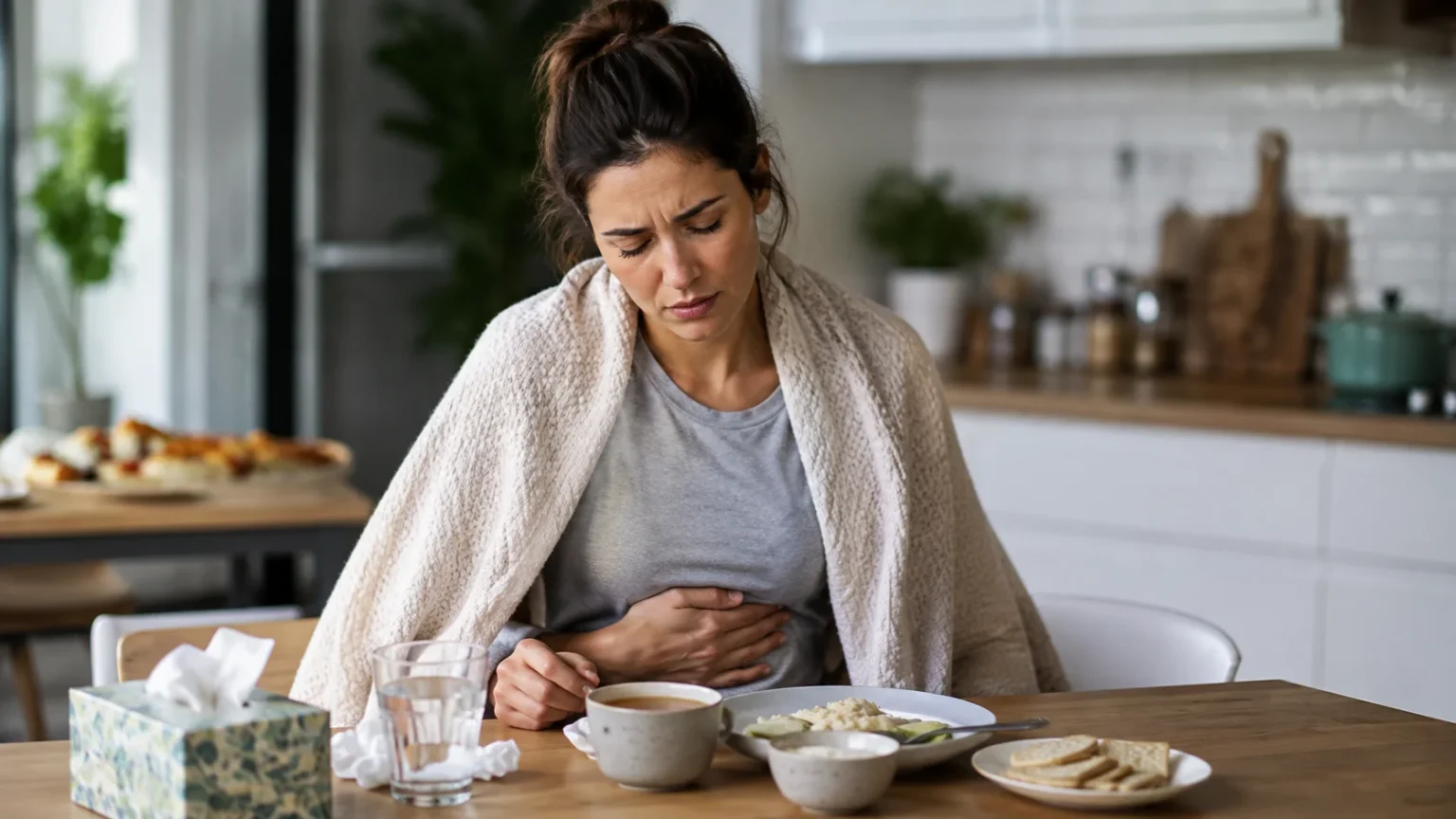
How Long Does Food Poisoning Last? Symptoms, Timeline and Recovery
Food poisoning can turn a normal meal into an uncomfortable stretch of nausea, vomiting, diarrhea, stomach cramps, and exhaustion. If you are dealing with these symptoms, one of the first questions you are likely to have is how long does food poisoning last? For many people, the worst symptoms improve within a few days, although the exact recovery time depends heavily on what caused the illness.
Food poisoning, also called foodborne illness, can develop after eating or drinking something contaminated with bacteria, viruses, parasites, or toxins. Because different germs behave differently in the body, symptoms can appear within hours in some cases but take several days to begin in others. Current guidance notes that food poisoning symptoms can range from mild digestive discomfort to more serious illness requiring medical attention.
Most uncomplicated cases improve without specific medical treatment, especially when the person can continue drinking enough fluids. The NHS notes that food poisoning usually improves within about a week, while several common causes resolve considerably sooner. Hydration is especially important because repeated vomiting and diarrhea can quickly lead to loss of water and electrolytes.
However, duration alone does not tell the entire story. Bloody diarrhea, persistent vomiting, high fever, dehydration, severe abdominal pain, or neurological symptoms deserve more attention than a straightforward mild stomach upset. Understanding the typical food poisoning recovery time can help you recognize what is normal, what may be taking longer than expected, and when professional medical care is appropriate.
How Long Does Food Poisoning Usually Last?
For many people, food poisoning lasts anywhere from several hours to several days. Some toxin-related illnesses can settle within about 24 hours, while bacterial infections may continue for four to seven days or occasionally longer. Public-health guidance therefore avoids giving one universal recovery time because the responsible germ, your overall health, and the severity of dehydration can all influence how quickly you feel normal again.
Milder cases may begin with sudden nausea, stomach cramps, vomiting, or watery diarrhea and improve noticeably after the first 24 to 48 hours. Even after vomiting stops, however, your digestive system may remain sensitive for another day or two. Appetite and energy levels can also take time to return, so feeling tired or hesitant about eating normally does not necessarily mean the infection is still actively worsening.
Other foodborne infections naturally have longer timelines. Salmonella symptoms commonly last four to seven days, Campylobacter infections generally resolve within about seven days, and many people with Shiga toxin-producing E. coli recover within five to seven days. Norovirus, which can spread through contaminated food as well as person-to-person contact, usually improves within one to three days.
So, when asking how long does food poisoning last, think of one week as a useful general window rather than a fixed deadline. Many cases are shorter, while certain infections can last longer. If your symptoms are becoming more severe rather than gradually improving, or you develop warning signs such as dehydration or blood in your stool, your individual symptoms matter more than the average recovery timeline.
The Food Poisoning Timeline: From Exposure to Recovery
Food poisoning does not always start immediately after a suspicious meal. The period between swallowing a harmful germ or toxin and developing symptoms is known as the incubation period. Depending on the cause, symptoms might begin within 30 minutes, several hours, a few days, or occasionally much later. This is why the last food you ate is not necessarily the food responsible for making you sick.
The early stage often begins with nausea, stomach discomfort, cramping, or a sudden need to use the bathroom. Vomiting and diarrhea may follow quickly, especially with illnesses caused by preformed toxins or viruses. Some infections are more likely to include fever, body aches, or bloody diarrhea. The combination and severity of food poisoning symptoms depend on the particular microorganism and how your immune system responds.
For uncomplicated food poisoning, the middle of the illness is usually focused on fluid loss and digestive irritation. Frequent loose stools and vomiting can make it difficult to replace fluids fast enough, increasing the risk of dehydration. Signs can include a dry mouth, reduced urination, excessive thirst, weakness, dizziness, or feeling lightheaded when standing. Replacing fluids and electrolytes becomes particularly important during this stage.
Recovery tends to happen gradually rather than all at once. Vomiting may disappear first, followed by a reduction in diarrhea and stomach cramps. Appetite and normal bowel habits may take longer to return. For example, most people recover from Salmonella within about a week, but changes in bowel habits can sometimes continue beyond the initial illness even after the infection itself has improved.
How Long Different Types of Food Poisoning Can Last
Staphylococcus aureus food poisoning is one of the faster forms of foodborne illness. Symptoms typically appear suddenly within 30 minutes to eight hours after eating contaminated food and commonly include nausea, vomiting, stomach cramps, and diarrhea. CDC guidance states that symptoms generally last 24 hours or less, although the experience can still feel intense while it is happening.
Norovirus usually produces vomiting, diarrhea, nausea, and stomach pain around 12 to 48 hours after exposure. Most otherwise healthy people recover within one to three days. Norovirus is extremely contagious and is not limited to contaminated food; it can also spread directly between people or from contaminated surfaces, which is one reason multiple people in a household may become sick close together.
Salmonella and Campylobacter tend to last longer. Salmonella symptoms typically begin six hours to six days after exposure and usually continue for four to seven days. Campylobacter often begins two to five days after exposure and generally resolves within seven days. Both can cause diarrhea, stomach cramps and fever, while bloody diarrhea can occur in some infections.
Shiga toxin-producing E. coli, including some strains associated with contaminated ground beef, produce, raw milk, or contaminated water, may cause severe stomach cramps, vomiting, and bloody diarrhea. Symptoms commonly begin around three to four days after exposure, and many affected people recover within five to seven days. A small proportion can develop serious kidney complications, making worsening or bloody diarrhea particularly important to evaluate medically.
What Symptoms Should You Expect While Recovering?
Diarrhea is one of the most common symptoms of foodborne illness and may range from several loose stools to frequent watery diarrhea. Some bacterial infections can cause blood or mucus in the stool. Mild diarrhea that becomes less frequent over time generally suggests improvement, but bloody diarrhea or diarrhea that persists for several days deserves medical attention rather than simply waiting for it to disappear.
Nausea and vomiting are also common, particularly during the first part of the illness. Vomiting may make hydration difficult because drinking large amounts at once can trigger further nausea. Small, frequent sips are often easier to tolerate. As vomiting settles, fluids can gradually be increased, followed by food when you feel ready rather than forcing yourself to eat before your stomach can tolerate it.
Stomach cramps and abdominal discomfort can continue even after the most intense diarrhea or vomiting has passed. Your intestines have been irritated, so digestion may remain unsettled temporarily. Some people experience gas, reduced appetite, fatigue, or changes in bowel movements during recovery. These symptoms should generally trend toward improvement rather than becoming progressively more painful or severe.
Fever may occur with certain bacterial and viral infections, but not every case of food poisoning produces a temperature. A mild fever alongside improving digestive symptoms can occur, while a high fever combined with severe diarrhea, blood in the stool, dehydration, or worsening illness should be evaluated. CDC guidance recommends seeking medical care for severe warning signs rather than relying solely on how many days you have been sick.
Why Can Food Poisoning Last Longer for Some People?
The microorganism responsible is one of the biggest factors affecting the duration of food poisoning. A toxin already present in contaminated food can trigger symptoms quickly and disappear relatively fast, while a bacterial or parasitic infection may need considerably longer to run its course. That difference explains why one person can recover within a day while another experiences symptoms for almost a week.
The amount of contaminated food consumed can also influence how sick someone becomes, although severity cannot always be predicted from the meal itself. Your immune system, age, underlying health conditions, and ability to remain hydrated can affect recovery as well. People who lose large amounts of fluid through diarrhea and vomiting may feel weak and exhausted even after the digestive symptoms start improving.
Young children, older adults, pregnant people, and people with weakened immune systems deserve additional caution because certain foodborne illnesses can become more serious in these groups. Even an infection that is usually self-limited in a healthy adult may create greater risks when dehydration develops quickly or the body’s ability to fight infection is reduced.
Occasionally, complications can also extend recovery. Campylobacter infection, for example, has been associated with uncommon post-infectious complications, while certain E. coli infections can cause hemolytic uremic syndrome involving the kidneys. These outcomes are not typical of ordinary food poisoning, but they help explain why severe, unusual, or worsening symptoms should not simply be treated as a stomach bug that needs more time.
How to Recover From Food Poisoning Safely
Hydration should be your first priority during food poisoning recovery. Vomiting and diarrhea remove water as well as important electrolytes from the body. Sip fluids regularly rather than drinking a large amount at once if nausea is strong. If diarrhea is severe, CDC clinical guidance recommends an oral rehydration solution designed to replace both fluids and electrolytes appropriately.
Food can usually be reintroduced according to your appetite. You do not necessarily need to follow an extremely restrictive diet, but simple foods may be easier to tolerate while your stomach settles. Avoid forcing yourself to eat a full meal immediately after vomiting. Instead, begin gradually and consider temporarily avoiding meals that are particularly fatty, spicy, or difficult to digest if they make your symptoms worse.
Rest is also important. Food poisoning can leave you feeling surprisingly drained because your body is managing an infection or toxin while simultaneously losing fluids and calories. Sleep, reduced physical activity, and adequate hydration can support recovery. Returning immediately to intense exercise or heavy meals while you still feel weak may make the recovery period feel more difficult.
Be cautious with anti-diarrheal medication. CDC clinical guidance notes that these medicines may provide relief in some uncomplicated cases but should be avoided when diarrhea is accompanied by high fever or blood in the stool because they may worsen certain infections. If you are unsure what caused your illness, particularly if symptoms are significant, ask a healthcare professional or pharmacist before using medication to stop diarrhea.
When Should You See a Doctor for Food Poisoning?
Seek medical advice if diarrhea is severe, contains blood, or continues longer than expected. CDC guidance specifically identifies bloody diarrhea, diarrhea lasting more than three days, frequent vomiting that prevents you from keeping liquids down, high fever, and signs of dehydration as reasons to contact a healthcare professional. Different health systems may use slightly different timing thresholds, so severity remains especially important.
Dehydration is one of the most common concerns during food poisoning. Watch for very little urination, a dry mouth or throat, pronounced thirst, weakness, dizziness, or feeling faint when standing. Babies, young children, older adults, and people with health conditions that make dehydration more dangerous may need help sooner rather than waiting for symptoms to become severe.
Get urgent medical care for severe abdominal pain, confusion, significant weakness, or neurological symptoms such as blurred vision, muscle weakness, tingling, or difficulty functioning normally. These symptoms are not typical features of simple, uncomplicated food poisoning and may point to a serious foodborne illness or another medical condition that requires prompt assessment.
You should also be more cautious when food poisoning is suspected during pregnancy or in someone who is immunocompromised, very young, or older. If the illness does not follow a normal improving pattern, professional evaluation can identify whether testing or specific treatment is necessary. Foodborne infections can sometimes resemble other digestive illnesses, so prolonged symptoms should not automatically be assumed to be harmless food poisoning.
Food Poisoning vs. Stomach Bug: How Can You Tell?
Food poisoning and viral gastroenteritis can look almost identical because both may produce diarrhea, vomiting, nausea, stomach cramps, and occasionally fever. In fact, norovirus is commonly called a stomach bug but can itself be transmitted through contaminated food. This overlap means symptoms alone cannot always reveal exactly where an infection came from.
Timing can provide clues, although it is not definitive. If several people who ate the same meal become sick around the same time, contaminated food becomes more suspicious. Very rapid symptoms after eating may also suggest certain foodborne toxins. However, many foodborne germs take several days to cause symptoms, meaning the meal immediately before you became sick may have nothing to do with the illness.
A stomach virus may be more likely when illness spreads gradually through a household, workplace, school, or other close-contact environment without everyone sharing the same meal. Norovirus, for example, spreads very easily between people as well as through contaminated surfaces and food. Because the symptoms overlap considerably, laboratory testing is sometimes required to identify the responsible organism.
Fortunately, the early home-care priorities are similar for many uncomplicated gastrointestinal illnesses: prevent dehydration, rest, eat when tolerated, and monitor your symptoms. What matters most is recognizing warning signs. Bloody diarrhea, persistent vomiting, high fever, severe pain, neurological symptoms, or dehydration warrant medical attention regardless of whether the original cause was contaminated food or another gastrointestinal infection.
How to Lower Your Risk of Food Poisoning
Good hand hygiene remains one of the simplest ways to reduce the risk of foodborne illness. Wash your hands properly before preparing food, after handling raw meat or poultry, after using the bathroom, and before eating. Kitchen utensils, countertops, cutting boards, and other food-contact surfaces should also be cleaned regularly to reduce cross-contamination.
Keep raw meat, seafood, poultry, and eggs separate from foods that are already cooked or ready to eat. Using separate cutting boards or thoroughly washing equipment between foods can prevent harmful germs from moving from raw ingredients onto salads, fruit, bread, or cooked meals. CDC food-safety guidance summarizes prevention through four core steps: Clean, Separate, Cook, and Chill.
Cooking food thoroughly and storing it at safe temperatures also matters. Perishable food should not remain at room temperature for extended periods, particularly during hot weather. Refrigerate leftovers promptly and reheat stored foods properly before eating them. Large batches of meat, poultry, and gravy held at unsafe temperatures have been associated with outbreaks of organisms such as C. perfringens.
Finally, pay attention to food recalls and unusual clusters of illness. If several people become sick after eating the same food, write down what was eaten and when symptoms began. Remember that food poisoning may not come from your most recent meal because some germs have incubation periods lasting several days. That information can be useful if a healthcare professional or public-health agency needs to investigate the illness.
The Bottom Line: How Long Should Food Poisoning Take to Go Away?
For most people, food poisoning lasts from several hours to several days, and uncomplicated cases generally improve within a week. Short toxin-related illnesses may settle in roughly 24 hours, whereas infections such as Salmonella, Campylobacter, and certain E. coli strains commonly take several days to resolve. The cause of the illness is therefore more important than any single average recovery number.
During recovery, focus less on the calendar and more on whether your symptoms are clearly improving. Vomiting should become less frequent, diarrhea should gradually decrease, and your ability to drink and eat should improve. Fatigue, a sensitive stomach, and temporarily reduced appetite can linger after the worst symptoms have passed, so returning to your normal routine gradually may feel more comfortable.
Hydration is the most important part of managing a typical case at home. Take regular fluids, use oral rehydration solutions when fluid losses are significant, rest, and begin eating again as your stomach allows. Most uncomplicated foodborne illnesses do not require antibiotics or other specific treatment, but treatment decisions depend on the organism and severity of illness.
Most importantly, do not wait simply because you have heard food poisoning is supposed to resolve on its own. Blood in the stool, high fever, inability to keep fluids down, significant dehydration, severe abdominal pain, neurological symptoms, or symptoms that continue without improvement should prompt medical evaluation. A typical recovery timeline is useful guidance, but your individual symptoms are always the better indicator of whether you need help.
Frequently Asked Questions
How long does mild food poisoning last?
Mild food poisoning may last from several hours to a few days, depending on the cause. Some toxin-related illnesses improve within 24 hours, while viral infections such as norovirus commonly resolve within one to three days.
Can food poisoning last for a week?
Yes. Some bacterial foodborne illnesses naturally last close to a week. Salmonella commonly lasts four to seven days, while Campylobacter usually resolves within about seven days.
How quickly does food poisoning start after eating?
Symptoms can begin within 30 minutes in some toxin-related cases but may take hours or several days with other germs. The contaminated food may therefore not be the last meal you ate.
What is the fastest way to recover from food poisoning?
There is no instant cure, but preventing dehydration is essential. Sip fluids regularly, use an oral rehydration solution when fluid losses are significant, rest, and gradually return to food when you can tolerate it.
When should I worry about food poisoning?
Seek medical care for bloody diarrhea, high fever, severe dehydration, frequent vomiting that prevents drinking, severe pain, or diarrhea lasting more than several days. Neurological symptoms also require prompt medical attention.