




What to Do in Reykjavik: 15 Must-Try Experiences
Reykjavik may be one of Europe’s smaller capitals, but it delivers an impressive mix of culture, food, geothermal relaxation, ocean scenery, nightlife, and easy access to Iceland’s dramatic landscapes. The city is compact enough to explore on foot, yet every neighborhood offers something different, from colorful houses and striking modern architecture to waterfront paths and cozy cafés. Travelers often use Reykjavik as a base for seeing waterfalls, volcanoes, glaciers, hot springs, and the northern lights, but the city deserves time of its own. Some of the best things to do in Reykjavik involve simply walking slowly, trying Icelandic food, visiting museums, and watching everyday life unfold. Others take you onto the Atlantic Ocean or into naturally heated water. With a smart itinerary, you can combine several experiences without making your trip feel rushed.
Deciding what to do in Reykjavik depends partly on the season, weather, daylight, and how much time you have in Iceland. Summer brings very long days that make sightseeing flexible, while winter offers darker skies and the possibility of seeing the aurora. Weather can change quickly in either season, so good planning usually includes both outdoor experiences and indoor alternatives. First-time visitors should prioritize a few iconic Reykjavik attractions while leaving space for spontaneous discoveries such as bakeries, design shops, street art, and neighborhood swimming pools. The city also works well for different travel styles, whether you prefer history, photography, food, adventure, or relaxation. The following 15 must-try experiences provide a balanced introduction to Reykjavik itself while also showing how easily the Icelandic capital connects with the extraordinary nature surrounding it.
Start With Reykjavik’s Most Iconic Landmarks
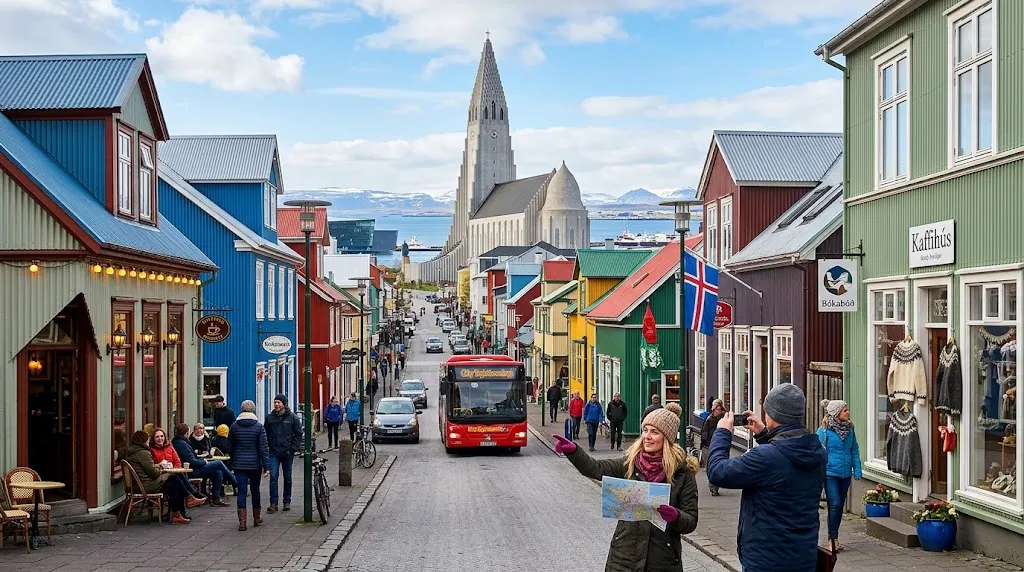
1. Visit Hallgrímskirkja and see Reykjavik from above. Hallgrímskirkja is one of the city’s most recognizable landmarks and an excellent place to begin exploring central Reykjavik. Its dramatic exterior rises above the surrounding low-rise streets, making the church visible from many parts of the city. Step inside to appreciate the surprisingly spacious and restrained interior before heading upward for panoramic views when tower access is available. From above, you can see colorful rooftops, the harbor, mountains, and the city’s compact street pattern. The view is particularly useful on your first day because it gives you a sense of how Reykjavik is laid out. Afterward, walk down Skólavörðustígur toward the center and explore its cafés, galleries, shops, and street life.
2. Walk along the waterfront to the Sun Voyager. Reykjavik’s waterfront is one of the easiest places to experience the city’s connection with the sea and surrounding mountains. The Sun Voyager sculpture, known for its ship-like shape, sits beside the water and has become one of Reykjavik’s most photographed sights. It is especially atmospheric during early morning, sunset, or dramatic weather when clouds and light transform the background. Rather than visiting only for a quick photograph, continue walking along the coastal path and take in views across Faxaflói Bay. The route feels open and peaceful despite being close to the city center. Wind can be strong near the water, so bringing a warm outer layer is sensible even when central streets feel relatively comfortable.
3. Explore Harpa Concert Hall inside and out. Harpa stands along Reykjavik’s harbor with a geometric glass façade that changes appearance depending on the weather and light. Even if you are not attending a concert, the building is worth visiting for its architecture and waterfront location. Walk through the public interior spaces and look at the patterns created as daylight passes through the glass exterior. The building works particularly well as an indoor stop when Reykjavik’s weather becomes wet, windy, or cold. If your schedule allows, check whether a concert, performance, or cultural event fits into your evening. Harpa also sits within easy walking distance of other central attractions. Combining Hallgrímskirkja, the Sun Voyager, Harpa, and the old harbor can create an excellent first-day walking route.
These three landmarks work well together because they reveal different sides of Reykjavik in a relatively small area. Hallgrímskirkja represents one of the city’s defining architectural symbols, while the waterfront highlights Iceland’s relationship with the North Atlantic. Harpa introduces the contemporary creative side of the capital and demonstrates how modern design has become part of Reykjavik’s identity. Travelers with limited time can see all three in several hours without needing a rental car. However, avoid rushing from location to location solely to collect photographs. Pause for coffee, walk down side streets, and notice the colorful houses between major attractions. Reykjavik is most enjoyable when its famous sights become anchors for broader neighborhood exploration rather than isolated stops on a checklist.
Walking is usually the easiest way to explore this part of Reykjavik, particularly if you are staying in or near the city center. Comfortable waterproof footwear can make a noticeable difference because pavement may become wet, icy, or slippery depending on the season. Layers are also more useful than relying on one heavy coat because indoor spaces can feel much warmer than outdoor streets. If mobility or severe weather makes walking difficult, local buses and taxis can shorten distances between attractions. Daylight should also influence your route in winter when sightseeing hours are more limited. During summer, the long evenings provide much greater flexibility for photographing landmarks after many day-trippers have finished. A little timing can make familiar Reykjavik attractions feel considerably more peaceful.
Discover Reykjavik’s Culture, History, and Creative Side
4. Learn Iceland’s story at a Reykjavik museum. Visiting at least one museum adds valuable context to everything you see elsewhere in Iceland. The National Museum is useful for understanding the country’s settlement, social development, and changing everyday life, while other Reykjavik museums focus on maritime history, local culture, art, and specialized subjects. Museum visits are especially worthwhile at the beginning of a longer Iceland trip because they provide background for historic sites you may encounter later. They are also excellent weather-proof activities when outdoor plans become uncomfortable. Rather than trying to visit every museum, choose the one that matches your interests most closely. Give yourself enough time to read displays without turning the visit into another rushed stop between outdoor attractions.
5. Wander through the old harbor and maritime district. Reykjavik’s old harbor combines working waterfront activity with restaurants, tour departures, museums, shops, and views across the bay. The area feels different from the shopping streets farther inland and gives visitors a stronger sense of Iceland’s maritime identity. Boats leave from this part of the city for several ocean excursions, so you may return more than once during your stay. Walk slowly around the harbor, watch vessels move in and out, and look for interesting views toward Harpa and the mountains. It is also a convenient area for lunch or an early dinner. Even travelers who are not taking a boat tour can enjoy an hour or two here without needing a detailed itinerary.
6. Search for street art and colorful Reykjavik houses. One of Reykjavik’s most enjoyable free experiences is simply exploring residential and commercial streets away from the biggest landmarks. Brightly painted corrugated-metal houses give central neighborhoods a distinctive appearance, while murals and creative details appear unexpectedly on walls and side streets. Laugavegur and surrounding areas are natural places to start, but some of the most memorable scenes appear when you wander without a strict route. Photography enthusiasts will find plenty of contrasting textures, colors, doors, signs, rooftops, and mountain backgrounds. Remember that many colorful buildings are private homes rather than attractions. Photograph respectfully, avoid blocking entrances, and appreciate residential areas without treating them as outdoor sets.
Reykjavik’s cultural character also appears in its bookstores, independent shops, music venues, galleries, and design stores. Iceland has a strong literary tradition, and browsing a bookstore can offer an enjoyable break between sightseeing stops. Design shops often feature Icelandic clothing, ceramics, prints, jewelry, and home goods that make more distinctive souvenirs than generic tourist products. Music is another important part of the city’s identity, particularly in smaller venues where local performers may appear. Travelers visiting during festivals can find even more cultural programming, although accommodation and popular events may require earlier planning. You do not need a formal cultural itinerary to experience this side of Reykjavik. Leaving an unplanned evening free can create opportunities to discover exhibitions, performances, or neighborhood events after you arrive.
A useful way to explore central Reykjavik is to alternate major attractions with slower cultural experiences. Spend an hour in a museum, then walk several streets without consulting your map constantly. Stop somewhere warm for coffee, browse a local shop, and continue toward the harbor when the weather improves. This flexible style suits Reykjavik because distances are short and conditions can shift quickly. It also prevents museum fatigue if you are visiting several cultural institutions during a longer stay. Families can choose more interactive attractions, while history-focused travelers may prefer deeper museum visits. Couples and solo travelers may enjoy spending more time in cafés or galleries. The city does not require everyone to follow the same sightseeing formula to feel rewarding.
Taste Icelandic Food and Relax Like a Local
7. Try Icelandic food in Reykjavik. Food is one of the easiest ways to experience Icelandic culture without leaving the city center. Reykjavik restaurants range from casual counters and bakeries to creative dining rooms that reinterpret traditional Icelandic ingredients in modern ways. Popular foods can include lamb, seafood, rye bread, skyr, fish dishes, pastries, soups, and hot dogs, although menus vary considerably. You do not need to order the most unusual item available for a meal to feel distinctly Icelandic. A well-prepared fish dish or bowl of lamb soup can be equally memorable after several hours outside. Dining can be expensive compared with many destinations, so combining one special restaurant meal with bakeries and casual lunches can make your budget easier to manage.
8. Make time for Reykjavik’s coffee and bakery scene. Cafés are particularly appealing in Reykjavik because weather often encourages travelers to slow down indoors for a while. Instead of treating coffee stops as wasted sightseeing time, use them as part of the experience. Order coffee, hot chocolate, or tea with a pastry and watch city life through the window before continuing your walk. Icelandic bakeries can be excellent places for breakfast or an affordable snack during a busy day. Cinnamon-style pastries, breads, sandwiches, and other baked items can help balance the cost of restaurant meals. Coffee breaks are also useful for adjusting your plans when rain or wind arrives unexpectedly. Reykjavik rewards travelers who build small pauses into their itinerary rather than remaining outdoors continuously.
9. Soak in a geothermal swimming pool. Swimming pools are an important part of everyday life in Iceland and offer a more local geothermal experience than visiting only famous destination spas. Reykjavik has public pools where people swim laps, relax in heated water, use hot tubs, and socialize throughout the year. Visiting one can be particularly satisfying after a long walking day or before dinner. Pool etiquette matters, including following posted hygiene rules before entering the water. Travelers unfamiliar with communal changing facilities should simply observe local instructions rather than skipping the experience because it feels unfamiliar. A neighborhood pool is usually more functional than luxurious, which is exactly why it provides useful insight into daily life. The warm water feels especially memorable when the surrounding air is cold.
Food travelers can also consider a guided tasting experience if they want to sample several dishes without researching every restaurant individually. A well-designed food tour can combine local flavors with neighborhood history and explanations about how Iceland’s climate and geography influenced traditional cuisine. Independent travelers can create a similar experience by ordering smaller portions at several casual places throughout the day. Avoid assuming that Icelandic cuisine revolves only around controversial or novelty foods marketed heavily toward visitors. Modern Reykjavik dining includes excellent seafood, vegetarian options, international influences, bakeries, and inventive Nordic-inspired cooking. Eating becomes more interesting when you focus on quality and context rather than trying to complete a list of unusual foods. Ask restaurant staff about seasonal dishes when you are unsure what to order.
Reservations can be worthwhile for popular Reykjavik restaurants, especially during busy travel periods or if you have one particular dinner in mind. Travelers on flexible schedules can keep breakfast and lunch spontaneous while planning important evening meals in advance. Grocery stores are useful for reducing costs if your accommodation has a kitchen or refrigerator. Buying breakfast ingredients and snacks can free more of the travel budget for experiences such as tours or geothermal bathing. Remember that restaurant hours and menus can vary seasonally, so verify practical details close to your visit. The best Reykjavik food strategy usually combines convenience with one or two meals you genuinely look forward to. Eating well does not require turning every meal into an expensive tasting menu.
Experience Reykjavik From the Ocean and Under the Sky
10. Go whale watching from Reykjavik’s harbor. Whale-watching tours offer one of the most accessible ways to experience Iceland’s marine environment without traveling far from the capital. Boats typically leave from the harbor and head into nearby waters where different whale, dolphin, and seabird sightings may be possible depending on season and conditions. Wildlife sightings can never be guaranteed because these are wild animals rather than a controlled attraction. That uncertainty is part of the experience, and a good tour should emphasize responsible observation rather than chasing animals aggressively. Dress considerably warmer than you think necessary because temperatures on open water can feel much colder than they do in central Reykjavik. Seasickness medication may also be worth discussing with a pharmacist or healthcare professional if you are sensitive to boat movement.
11. Watch for the northern lights on a clear winter night. Reykjavik can serve as a starting point for aurora viewing during the darker part of the year when solar activity and cloud conditions cooperate. Tour operators often drive away from city lights to improve visibility, although aurora displays can occasionally be seen from darker parts of the capital. The northern lights are never guaranteed on a particular evening because both space weather and local cloud cover matter. Build flexibility into your schedule rather than treating one specific night as your only opportunity. Warm clothing is essential because aurora watching can involve standing outside for extended periods. Photographs may show colors more intensely than the human eye sees, particularly during weaker displays, so appreciate the experience for what actually appears overhead.
12. Enjoy Reykjavik’s long summer evenings and coastal light. Travelers visiting around summer experience an almost opposite rhythm from winter because darkness becomes limited and evening sightseeing remains practical much later. Long daylight can make the city feel unusually energetic and gives photographers many opportunities to work with soft late-night light. Walk along the waterfront, revisit the Sun Voyager, or simply explore central streets after dinner when the atmosphere feels quieter. It is easy to stay awake too long because your body receives fewer visual signals that the day is ending. Blackout curtains or an eye mask can help if your accommodation remains bright at night. The extended daylight is not only a novelty; it can fundamentally change how much flexibility you have when organizing each day.
Weather should remain part of your planning for any outdoor Reykjavik experience. Strong winds can make otherwise reasonable temperatures feel much colder, while rain may arrive unexpectedly even when the morning looks promising. Waterproof outer layers are often more valuable than carrying a very heavy jacket that becomes uncomfortable indoors. Gloves and a warm hat can make boat tours and evening walks considerably more enjoyable outside summer. Check conditions before committing to exposed waterfront activities, particularly when operators issue weather-related changes. Tour cancellations can happen for safety reasons, so avoid building an itinerary with no alternatives. Reykjavik’s museums, cafés, pools, and indoor attractions make it relatively easy to reorganize a day when weather disrupts outdoor plans.
Photography can be rewarding throughout Reykjavik because the combination of changing light, weather, architecture, mountains, and ocean creates constant variation. A familiar viewpoint can look completely different an hour later when clouds move or sunlight breaks through. Protect camera equipment from moisture and avoid leaving batteries exposed to cold for unnecessary periods because low temperatures can reduce battery performance. Smartphone photographers can still capture excellent images without carrying professional equipment. The most useful technique is often patience rather than expensive gear. Wait for pedestrians to clear, watch how light moves across buildings, and photograph both wide scenes and smaller details. Reykjavik is visually interesting precisely because dramatic natural surroundings coexist with a compact, colorful urban environment.
Take Reykjavik Adventures Beyond the City Streets
13. Explore the Golden Circle on a day trip. Reykjavik is a convenient base for one of Iceland’s best-known sightseeing routes, which typically combines dramatic geological and natural attractions within a manageable day. The route introduces travelers to Icelandic landscapes beyond the capital without requiring a complete road trip around the country. Guided tours are convenient if you do not want to drive, while renting a vehicle provides more control over timing and stops. Winter road conditions can change quickly, so self-driving requires extra preparation and realistic expectations. Avoid squeezing too many additional stops into the same day merely because they appear close on a map. Allow enough time to walk, take photographs, use facilities, and appreciate each location rather than spending most of the day rushing between parking areas.
14. Experience a geothermal spa or lagoon. Iceland’s geothermal energy makes warm-water bathing one of the country’s signature experiences, and several options can be reached from Reykjavik. Destination lagoons tend to provide a more polished and scenic experience than neighborhood swimming pools, often with dramatic surroundings and additional wellness facilities. They can be expensive, but many travelers consider one geothermal spa visit a highlight of their trip. Advance booking is often sensible when you have a specific date or time preference. Pack according to the facility’s instructions and allow more time than you think you need so the experience does not become rushed. If your budget is limited, Reykjavik’s public pools still provide genuine geothermal bathing at a much lower cost.
15. Take a South Coast or volcanic-landscape excursion. Reykjavik is well positioned for day tours that reveal why Iceland is known for waterfalls, black-sand coastlines, lava fields, glaciers, and volcanic terrain. A South Coast trip can provide an impressive introduction to several landscapes in one day, although driving times are longer than they appear when you look only at distance. Other excursions may focus on lava fields, caves, hiking areas, geothermal landscapes, or volcanic features depending on accessibility and safety conditions. Iceland’s natural environment is dynamic, so routes and access can change. Never enter closed areas or approach hazardous terrain simply because older travel photos show people doing so. Follow current local guidance and tour-operator instructions when visiting active or recently active geological environments.
Choosing between city time and day trips is one of the main planning decisions for a Reykjavik stay. If you have only two days in Iceland, filling both with long excursions may mean barely experiencing the capital itself. With three or four days, it becomes easier to dedicate one or two days to nature while reserving substantial time for Reykjavik attractions. Longer stays allow you to keep weather-sensitive experiences flexible and move tours when conditions are poor. The ideal balance also depends on whether Reykjavik is the beginning of a larger Iceland road trip. Travelers driving around the country may not need several long excursions from the city because they will encounter similar landscapes later. In that case, spend more time enjoying Reykjavik’s culture, restaurants, pools, and harbor.
Tour selection should focus on quality and suitability rather than simply finding the itinerary with the largest number of stops. Long lists can sound impressive but may translate into brief visits and many hours on a bus. Read the practical details carefully, including total duration, walking requirements, food arrangements, clothing expectations, and pickup location. Families, older travelers, photographers, and highly active visitors may prefer very different styles of excursions. Smaller tours can offer flexibility, while larger coaches may provide better pricing and simple logistics. Self-driving gives the greatest independence but also makes you responsible for road conditions, parking, fuel, navigation, and safety. There is no universally best approach, so choose the format that matches your confidence and travel priorities.
How to Plan the Perfect Reykjavik Itinerary
If you have one day in Reykjavik, focus primarily on the city instead of attempting a long day trip. Begin around Hallgrímskirkja, walk toward central shopping streets, and continue to the waterfront and Sun Voyager. Visit Harpa before exploring the old harbor for lunch or coffee. Choose one museum in the afternoon based on your interests, then finish with an Icelandic dinner or geothermal swimming pool. This route covers architecture, history, food, waterfront scenery, and local culture without requiring complicated transportation. In summer, the extended evening light gives you extra flexibility for additional walking. During winter, prioritize outdoor sightseeing during daylight and use museums, restaurants, pools, and cultural venues once darkness arrives.
With two days, keep the first day focused on Reykjavik and use the second for one major excursion. The Golden Circle works well for first-time visitors who want an introduction to Icelandic nature, while a South Coast tour can appeal to travelers prioritizing waterfalls, glaciers, and coastal landscapes. In winter, you may also add a northern lights outing during an evening when conditions look promising. Avoid planning an extremely late aurora tour immediately before an early departure if sleep matters to you. You can also replace the day trip with whale watching and a geothermal spa if you prefer slower travel. Two days will feel busy, so make decisions based on your strongest interests instead of trying to experience every famous Iceland attraction.
A three-day Reykjavik itinerary provides significantly more flexibility. Spend one full day exploring central Reykjavik, one day on a major nature excursion, and use the third for whale watching, geothermal bathing, museums, food, shopping, or another shorter activity. This schedule also gives you some ability to rearrange plans when weather interferes. If whale watching is canceled on the first planned day, for example, you may have another opportunity before leaving. Winter visitors can treat aurora hunting similarly by keeping more than one evening available. Summer travelers can take advantage of long daylight for slower dinners and evening photography. Three days strikes a useful balance between seeing the capital and experiencing Iceland’s landscapes without spending every waking hour moving between scheduled activities.
Where you stay can affect how easy the itinerary feels. Accommodation within walking distance of central Reykjavik attractions reduces the need for taxis or complicated transportation, particularly for short visits. However, hotels in the heart of the city may cost more or experience evening noise depending on the street. Staying slightly outside the busiest center can provide better value while still offering reasonable bus connections. Travelers renting cars should pay attention to parking arrangements before booking accommodation because central parking can require additional planning. Tour pickup rules also matter because some large coaches cannot stop directly outside every central property. Knowing your designated pickup point in advance can prevent unnecessary stress on early excursion mornings.
Finally, leave some unscheduled time. Reykjavik is compact enough that you do not need to reserve every hour before arriving. Weather, daylight, energy levels, and discoveries on the ground may change what you want to do. You may find a café you want to revisit, spend longer than expected in a museum, or decide that another geothermal soak sounds better than an additional attraction. A flexible schedule can also prevent travel fatigue after a long flight or demanding day tour. Prioritize the experiences that would disappoint you most to miss, book those when necessary, and keep lower-priority activities movable. Reykjavik works particularly well when structured highlights are balanced with unhurried walking, warm indoor breaks, and spontaneous exploration.
Frequently Asked Questions About What to Do in Reykjavik
What are the best things to do in Reykjavik for first-time visitors?
First-time visitors should consider Hallgrímskirkja, the Sun Voyager, Harpa Concert Hall, the old harbor, at least one museum, Icelandic food, and a geothermal pool. If time allows, add whale watching or a day trip such as the Golden Circle for a broader introduction to Iceland.
How many days do you need in Reykjavik?
Two to three days is a useful amount of time for exploring Reykjavik while adding one or two nearby experiences. If the city is also your base for several Iceland day trips, four or more days provides greater flexibility for weather and longer excursions.
Is Reykjavik easy to explore without a car?
Yes, many of the main Reykjavik attractions are concentrated within a walkable central area. Organized tours can also provide transportation to major sights outside the city, so renting a car is not essential for many short visits.
What can you do in Reykjavik in winter?
Winter visitors can explore museums, restaurants, cafés, geothermal pools, Hallgrímskirkja, Harpa, and the old harbor while using available daylight for outdoor sightseeing. Darker nights also create opportunities for northern lights tours when weather and aurora conditions cooperate.
What can you do in Reykjavik for free?
Walking around Hallgrímskirkja, exploring colorful streets, visiting the Sun Voyager, strolling along the waterfront, viewing Harpa from public areas, and discovering street art can all be enjoyed without a major admission cost. Free walking experiences are also an excellent way to appreciate Reykjavik’s architecture, harbor views, and everyday atmosphere.