





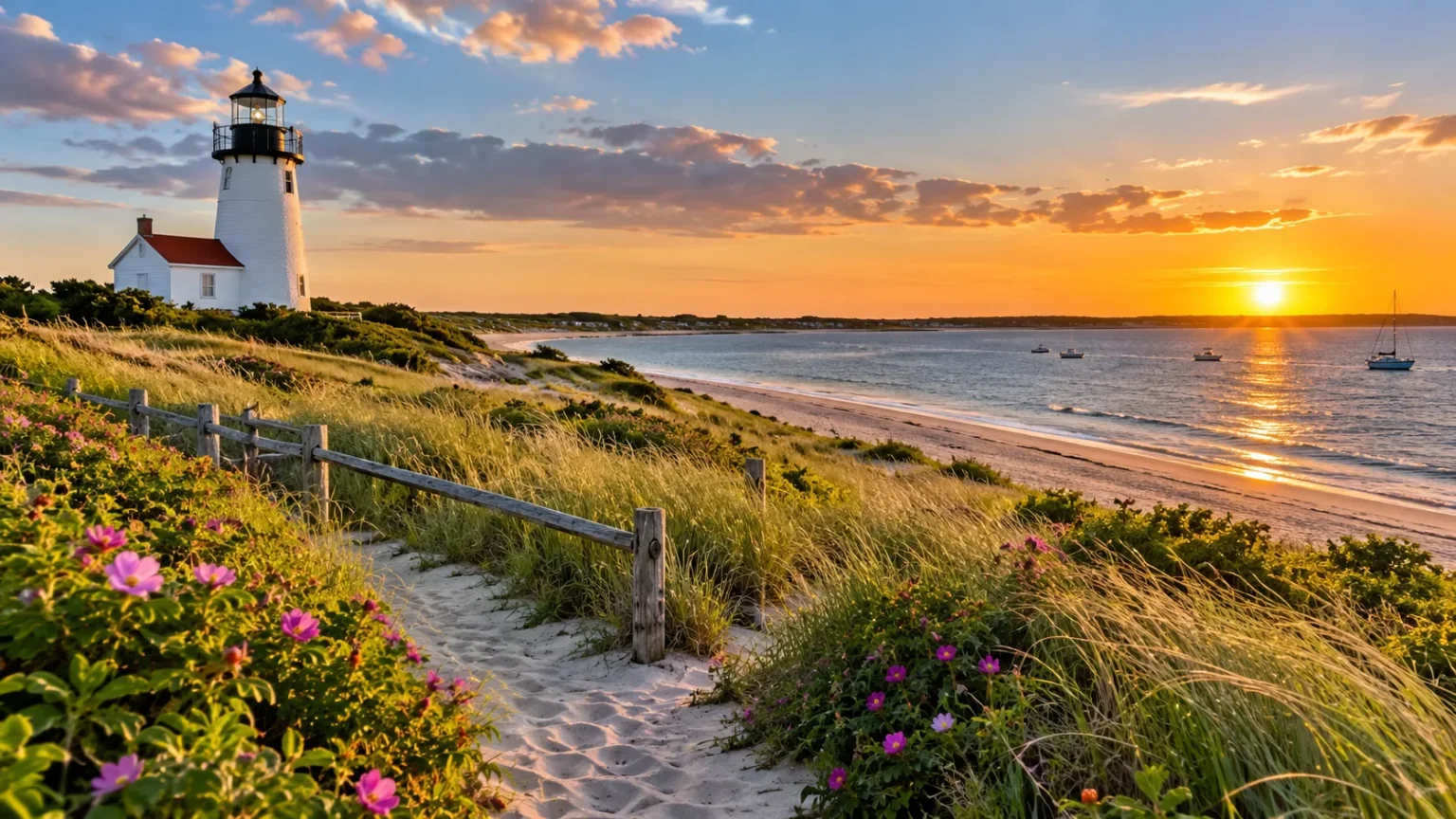
Chappaquiddick Island: Beaches, Trails & Travel Guide
Chappaquiddick Island, often called “Chappy” by locals, is a quiet, scenic part of Martha’s Vineyard known for barrier beaches, conservation land, sandy trails, salt marshes, and a slower pace than the island’s busier towns. It sits just east of Edgartown and is connected to the main part of Martha’s Vineyard by the short Chappy Ferry crossing. Visitors come for beaches such as East Beach, nature preserves like Mytoi, birdwatching, cycling, fishing, and long walks through coastal landscapes. The island has very limited commercial development, which helps preserve its peaceful character but also means travelers need to plan ahead. There are no major shopping districts or large clusters of restaurants once you cross over.
Chappaquiddick works especially well for travelers who enjoy nature, quiet beaches, and flexible outdoor itineraries. A visit can last only a few hours, but a full day gives you more time to explore Mytoi, drive or cycle through the interior, spend time near the beach, and enjoy the island without rushing. Conditions can change with weather, tides, erosion, and conservation restrictions, particularly along the shoreline. Some beach areas require permits for vehicles, and access may change seasonally to protect nesting birds. This guide covers Chappaquiddick’s beaches, trails, transportation, practical planning, best times to visit, and easy ways to build a memorable day on one of Martha’s Vineyard’s most peaceful corners.
Why Visit Chappaquiddick Island?
Chappaquiddick appeals to travelers who want a quieter version of Martha’s Vineyard. Edgartown is only a few minutes away by ferry, yet the atmosphere changes almost immediately after crossing. Roads become calmer, homes are more spread out, and much of the island is defined by woods, marshes, conservation land, and shoreline. Instead of boutiques and restaurants, the main attractions are landscapes and outdoor experiences. This makes Chappaquiddick especially appealing to walkers, birdwatchers, photographers, cyclists, and anyone looking to escape summer crowds. The lack of heavy development is one of the island’s strongest attractions.
Another reason to visit is the variety of natural environments within a relatively compact area. Chappaquiddick includes barrier beaches, ponds, forests, salt marshes, dunes, and sheltered coves. This variety means a single day can include several very different experiences without requiring long drives. You might start in a woodland garden, continue to a conservation trail, and finish beside the Atlantic Ocean. The changing landscapes also support a broad range of wildlife. Coastal birds, deer, and marine life are among the species visitors may encounter depending on the season.
The island also offers a strong sense of separation despite being easy to reach. The Chappy Ferry crossing from Edgartown is extremely short, but the experience of taking a small ferry adds to the feeling that you are entering a different place. Travelers can leave the activity of downtown Edgartown behind and reach a much more rural environment almost immediately. This contrast makes Chappaquiddick ideal for a half-day or full-day escape. It is close enough to be convenient but remote enough to feel distinct.
Chappaquiddick also works well for repeat visitors to Martha’s Vineyard who have already seen the island’s most famous towns. Many first-time visitors focus on Edgartown, Oak Bluffs, Vineyard Haven, and Aquinnah, leaving Chappy for another trip. Those who return often appreciate its understated atmosphere more deeply. There are fewer obvious “must-see” attractions and more opportunities to explore at your own pace. A day here is less about checking landmarks off a list and more about slowing down. That relaxed rhythm is part of what makes the island memorable.
The experience is particularly rewarding when expectations match the destination. Chappaquiddick is not a resort area filled with entertainment and dining options. It is better suited to picnics, beach walks, scenic drives, trail exploration, fishing, and quiet observation. Visitors who bring water, food, sun protection, and a flexible plan usually enjoy it much more than travelers expecting full tourist services. The island rewards preparation and patience. Its strongest appeal is simplicity.
How to Get to Chappaquiddick Island
Most visitors reach Chappaquiddick using the Chappy Ferry from Edgartown. The ferry crosses the narrow channel separating downtown Edgartown from Chappaquiddick and carries pedestrians, bicycles, and vehicles. The crossing itself takes only a few minutes, making it one of the shortest and most unusual ferry rides in New England. During busy summer periods, however, queues can form, particularly for vehicles. Pedestrians and cyclists may find the process easier than drivers. If you are staying in or near Edgartown, walking to the ferry can be the simplest option.
Travelers bringing a vehicle should consider whether they actually need it for their plans. A car provides flexibility, especially if you want to visit several conservation areas or reach distant beach access points. However, summer traffic and ferry lines can add waiting time. Driving also does not guarantee unrestricted access to every beach because some sandy areas require specific permits. If your goal is mainly Mytoi, nearby roads, and a relaxed outing, a bicycle can work well. The island’s low traffic makes cycling attractive, though some roads are sandy or rough.
Bicycles are particularly popular because they combine flexibility with a slower pace. The ride from the ferry toward Mytoi and other central areas is manageable for many recreational cyclists, although distances feel longer in hot weather. Carry plenty of water because there are few places to buy drinks once you leave the ferry area. A basic repair kit is also useful because services are limited. Wider tires can make sandy sections easier. Electric bikes can help with distance but should still be used carefully on unpaved surfaces.
Walking-only visits are possible but more limited because Chappaquiddick’s attractions are spread out. A pedestrian can enjoy the ferry landing area and nearby roads, but reaching major beaches on foot may require more time than many day visitors expect. If you do not have a vehicle or bicycle, consider focusing on one or two nearby destinations rather than attempting the entire island. Planning around daylight and weather is important. Summer heat can make even moderate distances tiring.
Schedules and fares can change, especially during peak season or unusual weather conditions. Because the ferry is a key piece of the visit, it is wise to check current operating information before heading over. Return lines can also become busy later in the day when many visitors leave at the same time. Avoid planning a tight mainland connection immediately after your return from Chappy. A little schedule flexibility makes the experience much less stressful.
Best Beaches on Chappaquiddick Island
East Beach is one of Chappaquiddick’s most famous coastal areas and stretches along the Atlantic-facing side of the island. It offers wide ocean views, soft sand, and a much wilder atmosphere than many of Martha’s Vineyard’s more developed beaches. The shoreline is especially popular for walking, fishing, photography, and long quiet beach days. Conditions can be rougher than on sheltered beaches because the Atlantic is directly exposed. Strong surf and currents mean swimmers should pay close attention to conditions. This is not always the best beach for small children or inexperienced swimmers.
Much of East Beach is associated with conservation land and sensitive coastal habitat. Vehicle access may require permits and can change because of erosion, nesting shorebirds, or seasonal restrictions. Travelers should never assume that a route seen on an old map or social media post remains open. Barrier beaches are dynamic landscapes that change frequently. Walking access may also be rerouted in certain areas. Respecting closures protects wildlife and helps preserve access for future visitors.
Wasque Reservation is another major coastal destination at the southeastern end of Chappaquiddick. The area includes dunes, beach, and coastal habitat with broad views over surrounding waters. It is especially popular among anglers because strong currents and productive fishing waters surround the point. The landscape can feel remote even during busy summer months. Visitors should be cautious near eroding edges and rough surf. Coastal conditions here can change quickly.
Cape Poge Wildlife Refuge occupies a large portion of the island’s northeastern side. The refuge includes barrier beaches, salt marshes, and important bird habitat. It is one of the best areas on Chappaquiddick for wildlife observation and a strong choice for visitors interested in conservation. Vehicle access to some sections may be controlled by permit, while guided tours are sometimes available through local conservation organizations. Walking the area can be rewarding, but distances are substantial. Bring water, sun protection, and insect repellent.
For families or travelers who prefer calmer conditions, sheltered shoreline areas may be more comfortable than the exposed Atlantic beaches. The eastern and northeastern coasts can experience strong wind and surf, while more protected coves may offer gentler water. However, public access varies, and not every shoreline is open to visitors. Always use designated public access points. Chappaquiddick’s beaches are beautiful precisely because much of the island remains protected and undeveloped.
Mytoi Japanese Garden
Mytoi is one of Chappaquiddick’s most distinctive attractions and provides a completely different experience from the beaches. The garden is a peaceful Japanese-inspired landscape featuring a pond, walking paths, bridges, native vegetation, and carefully designed plantings. Its calm atmosphere makes it an excellent first stop before heading toward the coast. Visitors can explore at a relaxed pace without needing several hours. The garden is especially appealing to photographers and travelers interested in landscape design. It also provides welcome shade during hot summer days.
The garden was created to blend formal Japanese design principles with the natural environment of Martha’s Vineyard. Rather than feeling like a large botanical institution, Mytoi is intimate and contemplative. Paths curve through woodland and around the pond, creating a sense of discovery. Seasonal changes give the garden a different character throughout the year. Spring offers fresh growth, summer feels lush, and autumn brings richer colors. Even a short visit can feel restorative.
Mytoi is often paired with nearby conservation land because of its location within Chappaquiddick’s broader network of protected landscapes. Visitors can combine a garden visit with trails or a drive toward East Beach. This makes it a convenient stop on a full-day itinerary. Because the island has few formal attractions, Mytoi stands out as one of the easiest places for first-time visitors to identify on a map. It also works well for travelers who want something scenic but not physically demanding.
Like other outdoor attractions on Chappaquiddick, conditions can vary with weather and maintenance. Heavy rain may make paths muddy, while mosquitoes can be active during warm months. Wearing comfortable shoes and bringing insect repellent can improve the experience. Visitors should stay on marked paths and avoid disturbing plants or wildlife. The garden’s quiet atmosphere depends partly on respectful behavior. Loud group activity can easily disrupt the experience for others.
Mytoi is especially useful as a reminder that Chappaquiddick is about more than beaches. The island’s appeal comes from the combination of coastal and inland landscapes. Spending all day on the sand can be enjoyable, but adding the garden creates more variety. It also provides an easy stop when ocean weather is windy or overcast. For many visitors, Mytoi becomes one of the most memorable places on the island because it feels unexpected.
Best Trails and Nature Walks on Chappaquiddick
Chappaquiddick’s trails are generally less about steep hiking and more about quiet walks through coastal ecosystems. Many paths cross woods, marshes, dunes, and protected conservation areas. This makes the island suitable for walkers who prefer scenery and wildlife over difficult elevation gain. However, sand can make certain routes more tiring than their distance suggests. Summer heat can also turn an easy walk into a demanding one. Carrying water is essential because there are few refill points.
Cape Poge Wildlife Refuge offers some of the island’s most expansive natural exploration. Trails and beach routes pass through barrier beach habitat where birds, dunes, and salt marshes dominate the scenery. The refuge is especially interesting during migration seasons when bird activity increases. Binoculars can add significantly to the experience. Because distances can be long, visitors should know their turnaround point before starting. Wind exposure is another factor along open beach areas.
Wasque Reservation also includes opportunities for walking through coastal terrain. The landscape combines sandy paths, dunes, vegetation, and shoreline views. It is a good option for travelers who want a more open coastal hike rather than a wooded trail. The area’s changing shoreline means routes may shift over time. Visitors should follow posted guidance rather than relying on old GPS tracks. Coastal erosion can create unstable edges that should be avoided.
Trails around inland conservation properties offer a quieter alternative to the exposed beaches. These routes may pass through oak woodland, shrubland, and wetlands where deer and birds are more noticeable than crowds. Shaded paths can be particularly pleasant during midday heat. Tick awareness is important in wooded and grassy areas, especially during warmer months. Wearing appropriate clothing and checking for ticks after outdoor activity is a sensible precaution. Insect repellent may also help.
The best approach is to combine short walks rather than trying to complete one long route unless you are specifically prepared for it. Chappaquiddick’s landscapes are varied enough that several one-hour walks can feel more rewarding than a single extended outing. Stop often for photography or wildlife observation. Many visitors find the island’s quietness more memorable than any particular trail. The goal is to experience the environment rather than chase mileage.
Cape Poge Wildlife Refuge
Cape Poge Wildlife Refuge is one of Chappaquiddick’s most important conservation areas and covers a large stretch of the island’s northeastern coastline. The refuge protects barrier beach, salt marshes, dunes, and wildlife habitat that would be vulnerable to heavy development. Its remote character makes it one of the best places on Martha’s Vineyard for travelers who want a true coastal wilderness experience. Long views over the water and sky dominate the landscape. Even during summer, parts of the refuge can feel surprisingly isolated.
Birdwatching is one of the strongest reasons to visit. Shorebirds, waterfowl, raptors, and migratory species use the refuge at different times of year. Nesting birds can cause temporary closures or access changes, which are essential for protecting vulnerable populations. Visitors should never approach nests or restricted sections. A pair of binoculars allows better viewing while maintaining distance. Early mornings can be especially rewarding for wildlife activity.
The refuge is also associated with the historic Cape Poge Lighthouse. Access to the lighthouse may depend on current tours and conservation schedules. Guided excursions can provide a more structured way to learn about the refuge’s ecology and history. Visitors interested in the lighthouse should check current offerings in advance rather than assuming independent access. This part of Chappaquiddick is managed carefully because of both environmental sensitivity and difficult terrain. Organized tours can sometimes reach areas that casual visitors cannot easily access.
Fishing is another major activity along the refuge’s beaches. Surfcasters target species that move along the Vineyard’s eastern shoreline, and the area has a long reputation among local anglers. Anyone planning to fish should understand local licensing and seasonal regulations. Conditions can be rough, and waves can change quickly. Waders and other equipment require caution in strong surf. Fishing should never come at the expense of beach closures or wildlife protections.
Because Cape Poge is exposed and remote, preparation matters more here than in central Chappaquiddick. Bring water, food, sun protection, insect repellent, and layers for changing wind. Cell service can be inconsistent in some areas. Do not rely on finding shops or restrooms nearby unless confirmed in advance. A visit feels more comfortable when you treat the refuge as a natural area rather than a conventional tourist attraction. Its remoteness is exactly what makes it special.
Wasque Reservation
Wasque Reservation occupies the southeastern edge of Chappaquiddick and offers one of the island’s most dramatic coastal landscapes. The area faces waters where currents meet around shifting sandbars and shoreline features. This creates constantly changing patterns of surf, erosion, and beach shape. The setting can feel raw and powerful compared with calmer beaches elsewhere on Martha’s Vineyard. Photographers, anglers, walkers, and nature lovers are especially drawn to the area. It is an excellent place to experience the island’s wild side.
Coastal erosion is a major consideration at Wasque. The shoreline has changed significantly over time, and certain areas may be unstable or temporarily inaccessible. Visitors should respect all posted warnings and avoid standing near collapsing dune edges. What looks solid from above may be undercut by waves. Old travel guides and maps can quickly become outdated in this part of the island. Current local guidance is much more reliable.
Fishing has long been an important activity at Wasque because of the strong water movement and productive habitat. Striped bass, bluefish, and other species have historically attracted surfcasters, although catches vary by season and regulations. Fishing from exposed shorelines requires experience and caution. Strong currents and sudden waves can create hazards even on seemingly calm days. Anglers should also remain aware of conservation restrictions and protected wildlife zones.
Walking around Wasque can be extremely scenic, but beach conditions affect difficulty. Soft sand slows walking, and wind exposure can increase fatigue. Bring more water than you think you will need, especially during summer. Sun reflection from the sand and ocean can make UV exposure stronger than expected. There is little shade in open coastal areas. A hat and sunscreen are particularly important.
Wasque works well as part of a larger Chappaquiddick day rather than the only destination. Pairing it with Mytoi or inland roads creates contrast between forest and open coast. Visitors interested in photography may prefer late afternoon light, while walkers may appreciate cooler morning temperatures. Conditions matter more than strict schedules. On windy or stormy days, inland areas may provide a more comfortable alternative.
Cycling Around Chappaquiddick
Cycling is one of the most enjoyable ways to explore Chappaquiddick because traffic is lighter than in many other parts of Martha’s Vineyard. Roads pass through wooded areas, open fields, and residential stretches, making the ride itself part of the experience. A bicycle also avoids some of the waiting associated with taking a car on the ferry. For travelers staying in Edgartown, riding directly to the Chappy Ferry can be especially convenient. The short ferry crossing makes the transition almost effortless. Once across, the island immediately feels more rural.
Distances are manageable for many recreational cyclists, but the island is not entirely effortless. Sandy shoulders, unpaved roads, heat, and wind can make rides more demanding. A standard hybrid or gravel-style bicycle may feel more comfortable than a narrow-tire road bike on rougher sections. Riders should carry water and basic repair supplies. There are few services if you develop a flat tire far from the ferry. Planning a simple loop can reduce unnecessary backtracking.
Cyclists should also avoid assuming that every beach road is open to bicycles or public access. Conservation areas have specific rules that can vary by season. Certain sandy routes may be designed primarily for permitted vehicles or pedestrians. Check signs carefully and respect private roads. Chappaquiddick contains both public conservation land and private residential property. Staying on legal routes keeps the experience safe and respectful.
Summer sun is another important consideration. Much of the island has shade, but open coastal stretches can become hot quickly. Starting earlier in the morning allows more comfortable riding and reduces the chance of encountering peak heat. Bring sunscreen and consider a lightweight layer for ferry or coastal wind. Afternoon sea breezes can feel cool after sweating during a ride. Weather changes quickly near the water.
A bicycle itinerary works particularly well when built around two or three stops. For example, ride from the ferry to Mytoi, continue toward a conservation area, then return slowly to Edgartown. Trying to cover every corner of Chappy in one ride can turn a peaceful day into an endurance challenge. Leave time to stop, walk, and enjoy the scenery. Cycling is most rewarding here when it supports slow travel rather than racing between landmarks.
Driving and Beach Vehicle Permits
Driving on Chappaquiddick gives visitors the greatest flexibility, particularly when carrying beach equipment, fishing gear, or supplies for a full day. Roads connect the ferry landing with the interior and major conservation areas. However, not every beach can be accessed by an ordinary vehicle without additional permission. Over-sand vehicle access is carefully regulated because barrier beaches are environmentally sensitive. Permits may be required, and certain sections can close temporarily. Drivers should check current rules before arriving.
Beach driving requires appropriate equipment and experience. Vehicles may need four-wheel drive, reduced tire pressure, recovery tools, and other gear depending on permit requirements. Soft sand can trap even capable vehicles when driven incorrectly. Visitors unfamiliar with over-sand driving should not treat Chappaquiddick as a place to experiment casually. Towing or recovery can be difficult and expensive. Guided options or parking and walking may be safer alternatives.
Seasonal wildlife closures can override vehicle access even when a permit has been purchased. Nesting shorebirds are especially important along barrier beaches, and managers may close sections to protect chicks and nests. These closures can change quickly as birds move or conditions change. A beach route that was open during one week may be closed the next. Flexible planning is therefore essential. Conservation protection takes priority over recreational driving.
Parking can also be limited near popular access points. Arriving earlier in the day may improve your chances during summer weekends. Never park along private roads or block emergency access. Because Chappaquiddick is lightly developed, informal-looking areas are not automatically public parking. Posted signs should be followed carefully. A little extra walking is better than creating conflict with residents or conservation managers.
For many visitors, a regular car is useful even without beach-driving privileges. It allows easy access to Mytoi, inland roads, and designated parking areas. You can then explore trails and beaches on foot. This approach reduces complexity while preserving flexibility. Travelers interested primarily in scenic driving and short walks may find it the most practical option.
What to Bring for a Chappaquiddick Day Trip
Water is the most important item to bring because Chappaquiddick has very limited commercial services. Do not assume you will find a convenience store every few miles. Fill reusable bottles before boarding the ferry and carry extra water during hot weather. If you plan to hike or spend hours on the beach, bring significantly more than you would for a short town visit. Electrolyte drinks may be useful during prolonged heat and activity. Dehydration can develop quickly in exposed coastal environments.
Food is another priority. A picnic is one of the easiest ways to structure a Chappy day because dining options are limited once you cross from Edgartown. Sandwiches, fruit, snacks, and foods that handle warm weather well are practical choices. Use insulated storage when carrying perishable items. Pack out all trash rather than leaving it near beaches or trails. Conservation areas remain attractive because visitors help keep them clean.
Sun protection should include sunscreen, sunglasses, and a hat. Coastal wind can make the temperature feel cooler than the actual level of sun exposure. Reapply sunscreen after swimming or sweating. Long sleeves can provide additional protection during extended beach or cycling days. Shade may be limited along the eastern shoreline. An umbrella or lightweight beach shelter can make longer stays more comfortable where permitted.
Insect protection can also improve the experience. Mosquitoes and biting insects may be active around wetlands, wooded trails, and calm areas. Ticks are another concern in grassy and wooded environments. Wear appropriate footwear and consider long pants for certain hikes. Check your body and clothing after spending time in vegetation. Repellent can reduce nuisance bites but should be used according to product directions.
Finally, bring a map, charged phone, portable battery, and any permits needed for your activities. Cell service may not be equally reliable across the island. A printed or offline map can help if navigation stops working. Cyclists should add a repair kit, while drivers using sand access need appropriate recovery equipment. Beach visitors may want water shoes because shoreline surfaces vary. Good preparation lets you enjoy the island rather than spend the day searching for supplies that are not readily available.
Best Time to Visit Chappaquiddick
Late spring is a beautiful time to visit because vegetation is fresh, temperatures are comfortable, and summer crowds have not yet peaked. May and early June can be excellent for hiking, cycling, birdwatching, and photography. Ocean water may still feel cold for swimming, but beach walks are pleasant. Insects may begin increasing as temperatures rise. Weather can also change quickly, so a light jacket is useful. This season works particularly well for travelers prioritizing nature over swimming.
Summer is the busiest period and provides the warmest beach weather. July and August bring long daylight hours, active ferry demand, and ideal conditions for many water-based activities. However, vehicle lines at the ferry can be longer, and conservation areas may experience more visitors. Beach closures can also occur during nesting season, depending on wildlife activity. Early starts help avoid some congestion. Bring extra water because exposed areas can become very hot.
September is one of the most enjoyable months for Chappaquiddick. The ocean often remains relatively warm while crowds begin to decline after peak summer. Days can still be sunny enough for beaches and cycling. Bird migration may add interest for wildlife watchers. Some seasonal services may begin reducing hours later in the month, so check current schedules. Weather becomes less predictable as autumn approaches.
Autumn offers excellent walking and photography conditions when skies are clear. Cooler temperatures make longer hikes more comfortable, and inland vegetation begins changing color. Swimming becomes less appealing for most visitors, but the island feels particularly peaceful. Wind can become stronger along the coast. Ferry service continues, though seasonal patterns and weather disruptions should be considered. Layers are essential.
Winter is the quietest period and provides a very different experience. Chappaquiddick can feel almost completely removed from the busy summer image of Martha’s Vineyard. Outdoor activities depend heavily on weather, and coastal wind can be intense. Some visitor facilities or tours may not operate. Still, travelers who enjoy solitude and winter landscapes may appreciate the atmosphere. A winter visit should be approached as a nature outing rather than a conventional beach day.
Sample One-Day Chappaquiddick Itinerary
Begin the day early in Edgartown and cross on the Chappy Ferry before peak traffic builds. Bring breakfast or pick something up before boarding because food options are limited once you arrive. If cycling, make sure your tires and water supply are ready before crossing. Drivers should confirm any permits needed for planned beach access. The ferry ride itself is short but helps create a clear beginning to the day. Once across, head inland rather than lingering near the landing.
Make Mytoi your first major stop. Spend around 30 to 60 minutes walking through the garden and enjoying its shaded paths. Morning light can be especially attractive around the pond and trees. The peaceful setting creates a gentle start before more exposed outdoor activities. If insects are active, apply repellent before continuing. From Mytoi, move toward one of Chappaquiddick’s conservation areas.
Late morning is a good time for a trail or wildlife-focused stop. Cape Poge can be excellent for birdwatching and coastal scenery when access conditions permit. Alternatively, choose a shorter inland walk if wind is strong. Keep the pace relaxed and stop frequently for views. This is also a good time to assess weather before committing to a beach afternoon. Conditions on the Atlantic-facing side can feel very different from the island interior.
Spend the afternoon near East Beach or Wasque, depending on current access and your interests. Eat a packed lunch, walk the shoreline, swim only where conditions feel safe, and leave enough time to relax. Anglers can use this portion of the day for fishing where regulations allow. Photographers may want to remain closer to late afternoon for warmer light. Always respect protected areas and posted closures.
Return toward the ferry before sunset or before queues become inconvenient. If you have extra time, make one final short stop along a quiet road or conservation area rather than trying to add another major attraction. Cross back to Edgartown and have dinner there, where restaurant choices are much broader. This itinerary provides variety without turning the day into a race. Chappaquiddick is best experienced slowly.
Frequently Asked Questions
Is Chappaquiddick Island worth visiting?
Yes. Chappaquiddick is worth visiting if you enjoy quiet beaches, conservation land, birdwatching, scenic drives, cycling, and nature-focused travel. It offers a much calmer experience than the busier towns of Martha’s Vineyard.
How do you get to Chappaquiddick Island?
Most visitors take the short Chappy Ferry from Edgartown. The ferry carries pedestrians, bicycles, and vehicles, although vehicle lines can become longer during busy summer periods.
What are the best beaches on Chappaquiddick?
East Beach, Cape Poge, and Wasque are among the island’s best-known coastal areas. Access can change because of erosion, nesting birds, weather, and conservation rules, so visitors should check current conditions before heading out.
Can you visit Chappaquiddick without a car?
Yes, especially if you bring a bicycle and focus on a smaller number of destinations. Walking-only visits are possible but more limited because major attractions are spread across the island.
How much time do you need on Chappaquiddick Island?
A half day is enough for one or two highlights, but a full day is better if you want to visit Mytoi, explore a trail, spend time at the beach, and travel at a relaxed pace.