




Albania Travel Guide: Best Places, Costs & Travel Tips
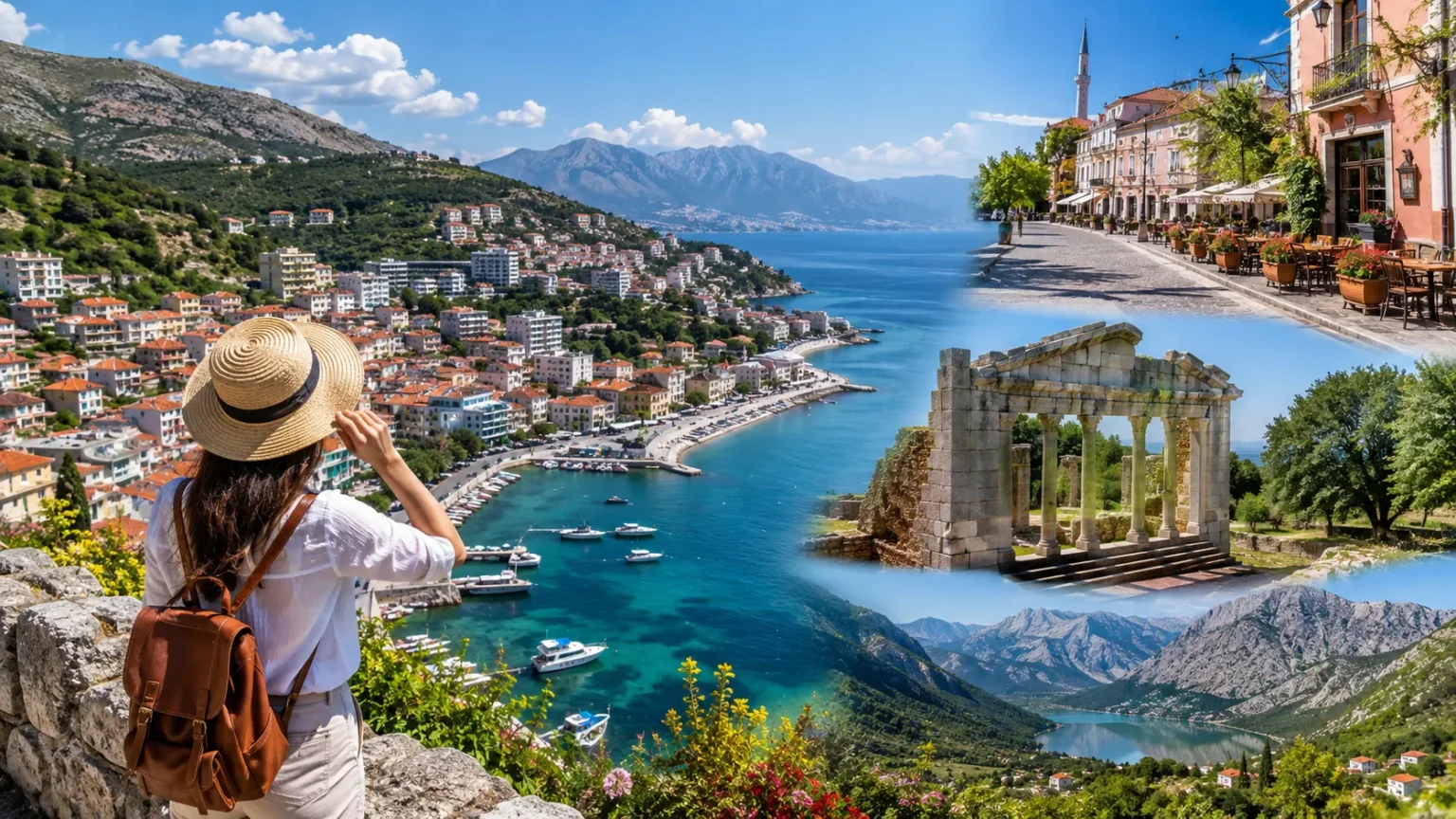
Albania has quickly become one of the most appealing destinations in southeastern Europe, combining dramatic mountains, clear Mediterranean beaches, Ottoman-era towns, lively cities, and traditional villages within a relatively compact country. Travelers can spend one morning wandering through a centuries-old stone town and be swimming beside the Albanian Riviera later in the trip. The country appeals equally to beach lovers, hikers, history enthusiasts, road-trippers, and travelers interested in local food and culture. Albania also offers a different atmosphere from many heavily visited European destinations because parts of the country still feel pleasantly independent and locally driven. Tourism infrastructure has expanded considerably, yet many places retain their traditional character. This balance makes Albania particularly rewarding for travelers who enjoy variety.
One of Albania’s biggest advantages is how much diversity can fit into a relatively short itinerary. Tirana provides cafés, museums, nightlife, and modern urban energy, while Berat and Gjirokastër offer atmospheric historic streets and distinctive architecture. Northern Albania brings travelers into the Albanian Alps around Theth and Valbona, where hiking trails pass beneath steep mountain peaks. Farther south, places such as Himarë, Dhërmi, Ksamil, and Sarandë provide access to the Ionian coast. Inland destinations add archaeological sites, lakes, rivers, castles, and traditional villages to the experience. You can therefore create a trip focused entirely on beaches or combine nature, history, food, and city life.
Albania can still be reasonably affordable compared with many popular European destinations, although prices vary considerably according to season and location. Coastal accommodation in July and August can cost far more than comparable rooms during spring or autumn, particularly around highly demanded beaches. Recent traveler-spending data places a typical mid-range daily budget around $120 per person, while budget travelers may manage closer to $49 per day depending on accommodation, transport, and activities. Travelers using guesthouses, local restaurants, buses, and free attractions can often spend considerably less than visitors choosing resorts, private transfers, and organized excursions. Planning around your travel style is therefore more useful than assuming Albania has one fixed daily cost. Booking important coastal stays early can also make budgeting easier.
Travel around Albania requires slightly more planning than moving through countries with extensive railway systems. Buses, minibuses, rental cars, private transfers, and taxis are commonly used to connect destinations. Journey times may look short on a map but can take longer because of mountainous roads, seasonal congestion, or local transport schedules. This is particularly important when planning routes through northern Albania or along busy coastal areas during summer. Travelers who allow some flexibility generally have a more enjoyable experience than those trying to cover several cities every day. Albania rewards slower travel because many of its best moments come from exploring neighborhoods, beaches, viewpoints, cafés, and villages without rushing.
This Albania travel guide covers the best places to visit, expected travel costs, transportation, accommodation, food, beaches, mountains, safety considerations, and practical planning advice. It is designed for first-time visitors who want to understand both the highlights and the practical realities of traveling around the country. You will learn where to go according to your interests, when to travel, and how to build a realistic budget. The guide also explains how many days you may want, what to expect from local transportation, and how to avoid common planning mistakes. Whether you are organizing a short city-and-coast escape or a longer Albania road trip, the goal is to help you create an itinerary that feels balanced. With thoughtful planning, Albania can provide an unusually varied European trip without requiring enormous distances between experiences.
1. Start Your Trip in Tirana
Tirana is Albania’s capital and usually the most practical starting point for an international trip. The city has transformed considerably over recent decades and now combines colorful buildings, busy boulevards, cafés, public squares, museums, restaurants, and an increasingly creative cultural scene. Skanderbeg Square forms the symbolic center and provides an easy orientation point for first-time visitors. From there, many central attractions can be explored on foot, including historic religious buildings and museums related to Albania’s complicated twentieth-century history. Tirana feels more energetic than picturesque, which is part of its appeal. Spending at least a full day allows you to understand modern Albania before exploring the country’s older towns and natural landscapes.
One of the most interesting aspects of Tirana is the contrast between its historical layers. Ottoman influences, Italian-era architecture, communist structures, and contemporary developments sit surprisingly close together. Museums and preserved bunkers provide insight into Albania’s period of isolation under communist rule, while redesigned public spaces show how rapidly the city has changed since then. Travelers interested in history can spend hours exploring these stories rather than treating Tirana simply as an arrival point. The city also provides useful cultural context for the rest of the country. Understanding Albania’s recent history makes many conversations, monuments, and architectural details elsewhere more meaningful.
Food and café culture are major parts of the Tirana experience. Neighborhoods such as Blloku are filled with coffee shops, restaurants, cocktail bars, and evening activity. The district was once associated with Albania’s communist leadership but has evolved into one of the city’s most popular social areas. You can begin the morning with strong coffee, eat traditional Albanian dishes at lunch, and choose from increasingly international restaurants in the evening. Prices can vary considerably depending on how fashionable the venue is. Exploring several neighborhoods rather than staying only around the main square gives you a better sense of everyday city life.
Tirana also works well as a transportation hub for trips elsewhere in Albania. Buses and other road-based connections leave for major destinations throughout the country, while rental cars are readily available for travelers planning independent road trips. Day trips can take visitors to nearby mountains, castles, or smaller towns, although using Tirana as a base for the entire trip can lead to unnecessary backtracking. It is usually better to move onward after one or two nights if you plan to explore several regions. The compact size of central Tirana makes that short stay surprisingly productive. You can see major sights without feeling that you have spent your whole trip in the capital.
Do not expect Tirana to resemble the grand historical capitals found elsewhere in Europe. Its appeal comes from contemporary energy, contrasts, café culture, and the opportunity to understand a country still changing quickly. Travelers who arrive expecting monumental old-world architecture sometimes leave too quickly, while those interested in local life often enjoy the city considerably more. Give yourself enough time to explore beyond the main square and sit in at least a few neighborhood cafés. Tirana is particularly enjoyable at night when public spaces and restaurants become lively. It provides an energetic opening before the slower rhythm of Albania’s historic towns, beaches, and mountains.
2. Explore Berat and Its Historic Neighborhoods
Berat is one of Albania’s most recognizable historic destinations and an essential stop for travelers interested in architecture and cultural heritage. The town is known for white Ottoman-era houses climbing the slopes above the Osum River, creating the layered appearance that has helped make Berat famous. Historic neighborhoods such as Mangalem and Gorica are ideal for slow exploration on foot. Narrow streets, traditional homes, stone paths, religious buildings, and hillside viewpoints create a completely different atmosphere from Tirana. The historic character becomes especially attractive in the early morning and around sunset. One or two nights usually provide enough time to experience the town without rushing.
Berat Castle stands above the city and is unusual because parts of the fortified area remain integrated with everyday life. Walking within the castle walls reveals houses, churches, ruins, viewpoints, and small businesses rather than a single preserved monument. The elevated location provides broad views across the town and surrounding landscape. Comfortable footwear is useful because the stone surfaces and uphill approach can be tiring during hot weather. Visiting earlier or later in the day can make the climb more pleasant in summer. The experience rewards travelers who wander rather than following only the shortest route through the site.
The river divides two of Berat’s most photogenic historic neighborhoods, and crossing between them gives visitors different perspectives of the famous hillside houses. Gorica tends to feel quieter, while Mangalem places you closer to the central promenade and castle approach. Evening walks beside the river are particularly enjoyable once daytime temperatures begin to fall. Local restaurants often serve traditional dishes that make Berat a good place to explore Albanian cuisine. Guesthouses inside or near the historic neighborhoods can add considerably to the atmosphere. Staying overnight also allows you to experience the town after day-trippers leave.
Berat works well as part of a route connecting Tirana with southern Albania. Travelers continuing toward Gjirokastër, Vlorë, or the Riviera can include it without creating an extreme detour. The exact transportation experience depends on whether you are driving or using buses, but the town is sufficiently established as a tourism destination that it fits naturally into many itineraries. Avoid trying to see the castle and historic neighborhoods in only an hour or two. Much of Berat’s appeal comes from details rather than a checklist of major attractions. A relaxed pace allows time for viewpoints, cafés, museums, and conversations with local hosts.
Berat is particularly valuable because it adds historical depth to an Albania trip that might otherwise focus heavily on beaches. The architecture and landscape create a strong visual identity, yet the destination remains compact and manageable. Travelers interested in photography will find numerous perspectives across the river and from the elevated castle area. Couples often appreciate the evening atmosphere, while independent travelers benefit from affordable guesthouse options and a walkable center. Combining Berat with Gjirokastër creates an excellent introduction to Albania’s preserved historic towns. Both destinations are distinctive enough that visiting one does not make the other unnecessary.
3. Discover Gjirokastër, the City of Stone
Gjirokastër is one of southern Albania’s most atmospheric destinations and feels dramatically different from the country’s coastal resorts. Traditional stone-roofed houses rise along steep hills beneath a large fortress overlooking the valley. The old bazaar area contains cobbled streets lined with cafés, restaurants, craft shops, and historic buildings. Wandering these streets is one of the main pleasures because the town reveals itself gradually as you climb. Gjirokastër is sometimes described as the City of Stone because of its distinctive architecture and extensive use of local stone. Spending at least one night allows you to enjoy the historic center after the busiest visiting hours.
The fortress dominates the skyline and should be one of your priorities while visiting. Its elevated position provides broad views across the Drino Valley and surrounding mountains, making the climb worthwhile even for travelers who are less interested in military history. Within and around the old town, traditional houses provide further insight into the lifestyle and architecture of prosperous families from earlier periods. Some properties can be visited internally, revealing elaborate rooms and defensive features not obvious from the street. These buildings help turn the town from a photogenic backdrop into a deeper cultural experience. Allow enough time to explore slowly because the steep streets can make walking more tiring than distances suggest.
Gjirokastër also has strong connections with Albania’s modern political and literary history. Travelers who enjoy understanding the personalities behind destinations can explore museums and houses associated with significant Albanian figures. Even without visiting every museum, simply walking through the preserved town makes the country’s historical continuity easier to understand. Traditional architecture sits beside modern cafés and guesthouses, showing how heritage tourism has become part of local economic life. This blend prevents the center from feeling like an entirely frozen museum. The best experience comes from combining major attractions with unstructured wandering through quieter streets.
The town is also a useful base for exploring nearby attractions in southern Albania. Depending on your route and transportation, you may combine Gjirokastër with natural springs, archaeological areas, villages, or onward travel toward the coast. This makes it a practical transition between inland cultural travel and the Albanian Riviera. Renting a car provides greater flexibility for surrounding sights, but organized excursions and private transfers can also fill transportation gaps. If you are relying completely on buses, confirm departure details locally because schedules and departure points can occasionally be less intuitive than in larger European transport networks. Flexibility helps reduce unnecessary stress.
Gjirokastër deserves more than a rushed photo stop because much of its atmosphere develops after you begin exploring beyond the main bazaar. Stay overnight if your schedule allows, watch the light change across the stone roofs, and enjoy dinner in the historic center. The destination pairs particularly well with Berat because the two towns showcase different versions of Albania’s architectural heritage. It also breaks up a journey toward Sarandë or other southern coastal locations. For travelers interested in history, traditional streets, mountain views, and distinctive accommodation, Gjirokastër is often one of the most memorable stops in Albania. Its combination of visual character and cultural depth gives it broad appeal.
4. Relax on the Albanian Riviera
The Albanian Riviera stretches along the country’s southern coastline and has become one of the main reasons international travelers visit Albania. Mountain slopes descend toward clear blue water, while beaches vary from developed resort areas to smaller coves reached by winding roads or walking paths. Popular bases include Himarë, Dhërmi, Sarandë, and smaller coastal settlements between them. The Riviera is not one single beach destination, so choosing where to stay should depend on whether you prefer nightlife, convenience, scenery, quieter surroundings, or access to multiple beaches. A road trip offers the greatest flexibility for exploring several areas. Travelers using buses can still enjoy the coast but should plan movements more carefully.
Himarë is often a good choice for travelers who want a manageable coastal base with restaurants, accommodation, and access to several nearby beaches. The town feels more relaxed than larger Sarandë while still providing enough services for multiple nights. You can divide your time between swimming, short excursions, waterfront meals, and exploring nearby villages or viewpoints. Travelers with a vehicle can easily investigate different stretches of coastline each day. Those without a car may prefer staying near the center and using local transportation or boat excursions where available. Himarë works particularly well for travelers seeking a balance between convenience and a slower beach atmosphere.
Dhërmi attracts visitors with dramatic coastal scenery and a more fashionable summer atmosphere. Beach clubs, stylish accommodation, and seasonal nightlife have expanded alongside more traditional elements of the surrounding area. Prices can rise sharply during peak summer, making early booking particularly important. Travelers seeking quiet evenings may want to check the exact location and style of their accommodation before reserving. The wider area includes attractive beaches and mountainous scenery, so it is not only a nightlife destination. Visiting during June or September can provide a more relaxed experience while still allowing plenty of beach time.
The coastal drive itself is one of the memorable parts of visiting the Riviera. Mountain roads provide viewpoints over the Ionian Sea before descending toward settlements and beaches. Distances may appear short, but curves, traffic, stops, and elevation changes can increase driving time. Do not plan too many beach stops within a single day because parking and access can take longer than expected during busy periods. Allow room in the itinerary for spontaneous viewpoints and swimming stops. Road travel along the coast becomes much more enjoyable when treated as part of the experience rather than simply transportation between hotels.
The Riviera is increasingly popular, so travelers expecting completely empty beaches in midsummer may be disappointed at the best-known locations. July and August bring high demand, hotter weather, fuller accommodations, and increased traffic. Shoulder-season travel can provide a better balance between swimming conditions and manageable crowds. Smaller beaches may also offer a calmer atmosphere than famous social-media locations. Albania’s coast remains highly rewarding, but planning expectations realistically is important. Choose beaches according to your preferred travel style rather than assuming the most photographed location will automatically be the best one for you.
5. Visit Ksamil and Sarandë
Sarandë is one of southern Albania’s most established coastal destinations and provides a convenient base for beaches, restaurants, nightlife, and day trips. The town stretches around a bay facing toward the Greek island of Corfu, giving it a particularly international summer atmosphere. Its waterfront promenade becomes lively in the evenings when visitors move between restaurants, bars, and cafés. Sarandë is generally more developed and urban than smaller Riviera towns such as Himarë. This makes it attractive to travelers who prefer convenience and plenty of accommodation choices. Those seeking a quiet village atmosphere may prefer staying elsewhere and visiting Sarandë briefly.
Ksamil lies south of Sarandë and has become famous for clear water, small islands, and photogenic beaches. Its popularity has also changed the experience considerably during high season. Beach clubs, restaurants, umbrellas, and accommodation fill the area, and the most famous stretches can become crowded in July and August. Travelers who imagine discovering an empty hidden beach should adjust their expectations. Ksamil is better understood as a highly popular Mediterranean resort area with exceptionally attractive water. Visiting early in the day or outside the busiest summer weeks can make the experience considerably more comfortable.
Beach costs in Ksamil vary according to location, season, and the facilities provided. Some beach areas operate around organized loungers and umbrellas rather than unrestricted open sand. Prices can increase during peak demand, so budget travelers should not assume every coastal day will be nearly free. Exploring different beaches around the region can help you find an atmosphere and price point that suits you. Carrying some flexibility in your beach plan is useful because one location may be much busier than another. Boat trips can also provide access to different swimming areas and coastal perspectives.
Sarandë and Ksamil are particularly convenient for visiting Butrint, one of Albania’s most significant archaeological destinations. Combining archaeological exploration with beach time creates greater variety than spending every day beside the water. Travelers interested in history should allow enough time to walk through the site without rushing in the strongest midday heat. Visiting earlier in the morning can make both archaeological exploration and later beach time more comfortable. This combination is one reason southern Albania works well for mixed-interest itineraries. History, coastline, nightlife, and day trips can all be reached from a relatively small geographical area.
Deciding whether to stay in Sarandë or Ksamil depends largely on your priorities. Sarandë offers a larger town environment, broader restaurant selection, transport connections, and a livelier promenade. Ksamil provides easier immediate access to its famous beaches but can become intensely tourism-focused in summer. Some travelers divide their stay between the two, while others use Sarandë as a base and visit Ksamil during the day. Either option can work, but booking early is advisable during high season. Understanding the character of each place prevents disappointment and helps you choose accommodation that matches the type of coastal trip you actually want.
6. Head North to Theth and the Albanian Alps
Northern Albania provides a completely different experience from the Riviera. Around Theth and the broader Albanian Alps, steep mountains, traditional houses, hiking routes, waterfalls, valleys, and small settlements dominate the landscape. Travelers who associate Albania primarily with beaches are often surprised by how dramatic the northern scenery can be. Shkodër commonly serves as the gateway for trips into this region and is worth considering as an overnight base. Mountain travel requires more planning than visiting larger cities because weather, road conditions, and seasonal transportation influence accessibility. The reward is one of the country’s most impressive natural environments.
Theth has become the best-known mountain village for many first-time visitors. The village provides guesthouses, traditional landscapes, and access to popular hiking routes and natural sights. Travelers may visit the church, explore nearby waterfalls, walk toward viewpoints, or use Theth as part of a longer trekking itinerary. Improved road access has made reaching the village easier than it once was, which has also increased visitor numbers. Even so, the landscape remains the primary attraction. Staying overnight allows you to experience quieter mornings and evenings rather than visiting only as part of a rushed day trip.
The hike between Theth and Valbona is one of Albania’s most famous outdoor experiences, although conditions and logistics should be checked carefully before attempting it. The route involves substantial elevation and should be treated as a real mountain hike rather than a casual urban walk. Weather can change quickly, and appropriate footwear, water, sun protection, and route knowledge are important. Travelers should evaluate their fitness honestly and obtain current local information about trail conditions. Transport planning matters because the hike connects two different valleys rather than returning directly to the starting point. Many travelers arrange luggage transfers or coordinated transportation as part of the experience.
Lake Koman and the surrounding river-and-mountain landscape can form part of a northern Albania itinerary, especially for travelers connecting toward Valbona. The journey is appreciated as much for the scenery as for transportation itself. Narrow waterways surrounded by steep slopes create one of the most distinctive travel experiences in the region. However, connections can involve multiple stages and early departures, so careful planning is useful. Travelers who prefer completely spontaneous schedules may find northern routes more demanding than coastal travel. Booking key transfers or accommodation in advance can make the journey smoother during popular hiking months.
The best time for northern mountain travel generally differs from the best time for quiet city sightseeing. Warmer months provide greater accessibility for hiking, although midsummer can bring strong sun and larger visitor numbers. Spring conditions can remain unpredictable at elevation, while autumn can become cooler quickly. Always check current weather and local guidance before serious hikes. Travel insurance should also cover the outdoor activities you plan to undertake. Albania’s mountains can be one of the highlights of the entire trip, but they deserve the same preparation you would give mountainous destinations elsewhere in Europe.
7. Understand How Much Albania Costs
The cost of traveling in Albania depends heavily on the season, destination, and level of comfort you choose. Recent traveler-spending data suggests budget travelers average about $49 per person per day, while a typical mid-range traveler spends around $120 and higher-end travel can approach $291 per person daily. These figures include categories such as accommodation, food, transportation, and sightseeing rather than airfare to Albania. They should be treated as planning benchmarks rather than fixed requirements. A backpacker using hostels and buses can spend dramatically less than a traveler booking coastal hotels, private transfers, and boat tours during August.
Accommodation usually creates one of the largest variations in an Albania travel budget. Inland guesthouses and smaller city hotels can be reasonably affordable, while fashionable coastal properties become considerably more expensive during peak summer. Recent hotel data summarized by Budget Your Trip indicates meaningful differences between low-season and peak-season room prices. Booking earlier can therefore matter more for the Riviera than for less seasonal inland destinations. Couples may find private rooms especially good value because accommodation costs can be shared. Solo travelers should compare hostel beds, guesthouses, and small hotels rather than assuming one category is always cheapest.
Food costs can remain manageable when you eat where local residents do and choose traditional restaurants rather than exclusively dining at beachfront venues. Albanian cuisine includes grilled meats, vegetables, cheeses, pastries, seafood in coastal regions, and regional dishes influenced by Mediterranean and Balkan traditions. Bakeries and casual restaurants can reduce daily spending substantially. Beach clubs, fashionable restaurants, imported drinks, and seafood-focused dinners increase the budget more quickly. Recent traveler data estimates average food spending at roughly Lek 4,206 per person per day, although budget travelers reported much less. Your actual spending can vary widely depending on dining habits.
Transportation costs depend strongly on whether you use public transport or rent a car. Buses and minibuses can keep costs relatively low, particularly for solo travelers connecting major destinations. Rental cars become more attractive for couples or small groups because the expense is shared and flexibility increases. Fuel, parking, insurance, and possible one-way fees should be included when comparing options. Private transfers are convenient but can quickly become one of the most expensive parts of a multi-city itinerary. Travelers trying to stay on a lower budget should avoid unnecessary backtracking because repeated long-distance transfers add both time and cost.
A practical way to budget is to divide your expected spending into accommodation, food, transportation, activities, and a flexible daily allowance. Add additional room for beach facilities, boat trips, nightlife, souvenirs, or unexpected transportation. Travelers visiting in July or August should allow more for accommodation than those traveling during the shoulder seasons. A moderate budget can still provide a very comfortable trip when you combine local meals with mid-range guesthouses and selective paid activities. Albania can offer good value, but describing the entire country as universally “cheap” is increasingly inaccurate in highly popular coastal areas. Smart planning matters more than relying on outdated assumptions about prices.
8. Getting Around Albania
Road transportation dominates travel within Albania because the country does not offer the same extensive passenger rail network tourists may expect elsewhere in Europe. Buses and minibuses connect Tirana with many cities and tourist destinations, although departure stations and schedules sometimes require local confirmation. Asking your hotel or guesthouse for current information can save considerable time. Popular routes are generally easier to navigate than remote connections. Travelers should avoid planning extremely tight transfers when buses are involved. Leaving flexibility between connections reduces stress if schedules change or journeys take longer than expected.
Rental cars provide the greatest freedom for travelers wanting to explore the Riviera, smaller villages, archaeological sites, and mountain areas. Driving allows you to stop at viewpoints and beaches that would otherwise be difficult to reach efficiently. However, road conditions and driving behavior can vary, so confident defensive driving is important. Urban traffic and coastal congestion can become frustrating during busy periods. Parking should also be considered when choosing accommodation in compact historic centers. A vehicle is most valuable when your itinerary genuinely includes places that are inconvenient by public transport.
For travelers who prefer not to drive, combining buses with occasional taxis or private transfers can work well. A private transfer may make sense on a difficult route while public transportation covers straightforward connections. This hybrid approach can provide convenience without the cost of relying on drivers throughout the entire journey. Guesthouses often know reliable local transportation options and can help explain pickup locations. Always confirm prices before beginning longer taxi journeys when fares are not clearly metered. Having destination names saved on your phone can also simplify communication.
Travel times should be planned conservatively. Mountain roads, city congestion, construction, summer traffic, and multiple stops can turn apparently short distances into longer journeys. This is particularly relevant if you are trying to catch a flight, ferry, or another time-sensitive connection. Spending an extra night near your departure point can be worthwhile instead of risking a complicated same-day journey across the country. Road trips should also include realistic breaks. Trying to cover Tirana, Berat, Gjirokastër, Sarandë, Himarë, and Theth within a few days creates more driving than enjoyment.
Navigation applications are useful, but local information remains valuable in rural areas or when road conditions change. Check the route before leaving rather than automatically following the shortest suggested road. Some mountainous routes may be easier with an appropriate vehicle or during favorable weather. Fuel stations are common around populated areas, but filling the tank before remote drives is sensible. Travelers using rental vehicles should understand insurance coverage and roadside procedures. Getting around Albania can become part of the adventure when the itinerary includes enough time rather than treating every transfer as something to rush through.
9. Try Traditional Albanian Food
Food is one of the easiest ways to experience Albania beyond its landscapes. Albanian cooking reflects Mediterranean, Balkan, Ottoman, and local regional influences, with ingredients such as vegetables, herbs, cheese, yogurt, meat, olive oil, and fresh bread appearing frequently. Dishes vary between coastal, mountainous, and agricultural regions, so eating the same meal everywhere misses some of the country’s variety. Traditional restaurants are often described as serving homemade or regional cuisine rather than standardized national menus. Asking hosts for their local specialties can produce some of the best meals of the trip. Food experiences are often memorable precisely because they remain closely connected with family traditions.
Byrek is one of the easiest foods for travelers to encounter. This flaky pastry can contain cheese, spinach, meat, or other fillings and is commonly available from bakeries and casual shops. It works well as an inexpensive breakfast, snack, or quick lunch during travel days. Tavë kosi, a baked dish commonly associated with lamb and yogurt, provides a more substantial introduction to traditional Albanian cooking. Stuffed vegetables, grilled meats, soups, and cheese-based dishes are also widely available. Trying several smaller local dishes can be more rewarding than ordering only familiar international food.
Coastal areas naturally offer greater opportunities for seafood. Fish, calamari, prawns, mussels, and other seafood appear regularly on menus, especially around the Riviera and southern cities. Prices can vary significantly depending on location and type of seafood, so ask about market-price items before ordering if cost matters. Waterfront restaurants may charge more for the setting than smaller establishments farther inland. That difference does not necessarily mean one experience is better. Travelers can mix simple local lunches with a more atmospheric seaside dinner to keep overall food spending balanced.
Coffee culture is another visible part of everyday life in Albania. Cafés are everywhere in Tirana and common throughout towns, often serving as social gathering places rather than quick takeaway stops. Sitting over coffee provides a simple opportunity to experience the slower rhythm of local social life. Albania also has regional wines and traditional spirits that interested adult travelers may encounter in restaurants or guesthouses. Food tours and tastings are available in more tourism-oriented destinations. These experiences can provide explanations that are difficult to gain simply by reading a menu.
Travelers with dietary restrictions should learn a few useful phrases and communicate clearly, particularly outside major tourism centers. Vegetarian travelers can usually find vegetable, cheese, salad, bean, and pastry options, although understanding ingredients remains important. People with severe allergies should carry translated information explaining exactly what must be avoided. Markets and grocery shops can supplement restaurant meals and help keep budgets under control. Albania’s food scene works best when approached with curiosity rather than a checklist. Local recommendations from hosts frequently lead to more memorable meals than choosing restaurants only through highly ranked tourist listings.
10. Choose the Best Time to Visit Albania
The best time to visit Albania depends on whether your priority is beaches, hiking, sightseeing, nightlife, or lower costs. July and August bring the hottest weather and busiest coastal conditions, making them attractive for travelers focused on swimming and summer atmosphere. They also bring stronger demand for hotels, beach facilities, and transportation around famous Riviera destinations. Travelers seeking quiet historic towns may find midsummer heat tiring, particularly during afternoon sightseeing. Peak season is not necessarily bad, but it requires earlier planning. Expect coastal areas to feel lively rather than undiscovered.
June can be an excellent month for travelers who want warm weather without reaching the absolute peak of summer demand. Beach conditions can already be appealing, while some destinations remain easier to navigate than in late July. Mountain trips also become more practical as warmer conditions improve access, although current weather should always be checked before hiking. Days are long, allowing more time for road trips and outdoor activities. Accommodation availability is generally better when booked ahead rather than at the last moment. June works particularly well for itineraries mixing coast and mountains.
September is another strong choice because the sea can remain inviting while some summer crowds begin to decrease. Days are still suitable for sightseeing and beach activities, especially earlier in the month. Travelers can combine the Riviera with Berat, Gjirokastër, Tirana, and other inland destinations without the intensity of peak summer. Accommodation may also become better value as demand softens, although popular weekends and resorts can still be busy. September is especially attractive to couples and independent travelers who prefer a calmer atmosphere. It provides many of summer’s advantages without requiring the same tolerance for crowds.
Spring can be rewarding for city exploration, countryside landscapes, and cultural trips. Temperatures are generally more comfortable for walking than during the hottest part of summer, and vegetation can make rural areas particularly attractive. Beach-focused travelers may find the water and weather less predictable, depending on the month and specific conditions. Mountain routes can still face snow or difficult conditions at elevation. Spring therefore works best for flexible itineraries rather than trips built entirely around swimming or high-altitude hiking. Lower visitor numbers can provide a more relaxed experience at major cultural sites.
Autumn beyond September and winter appeal to travelers interested primarily in cities, culture, food, and lower-season atmosphere. Some coastal tourism businesses may reduce operations outside the main season, and mountain conditions require additional planning. Tirana and other year-round cities continue functioning normally, making them possible destinations beyond summer. Budget-conscious travelers may find better accommodation value during quieter periods. Weather becomes less predictable, so flexible daily planning is useful. Choosing the right season should begin with your desired activities rather than simply looking for the warmest month.
How to Plan a 7 to 10-Day Albania Itinerary
A seven-day Albania itinerary should focus on a limited number of regions rather than attempting to see the entire country. One practical route begins in Tirana, continues to Berat and Gjirokastër, and then finishes with several days on the southern coast. This gives travelers a balanced introduction to urban life, historic architecture, and beaches. Trying to add the northern mountains within the same week can create excessive transfer time. Albania may look small on a map, but travel between mountain and coastal regions can consume significant portions of the day. A focused itinerary usually produces a more enjoyable first visit.
With around ten days, you can begin adding greater variety. One approach is to spend one or two nights in Tirana, one night in Berat, one or two in Gjirokastër, and several nights divided between Himarë and Sarandë or Ksamil. Another option replaces part of the southern coast with Shkodër and Theth for travelers who prefer hiking. You still should not feel obligated to include every famous destination. Choosing either deeper mountain exploration or several coastal bases can prevent the itinerary from becoming rushed. Travel quality generally improves when you stay at least two nights in major bases.
Road-trip travelers have greater flexibility because they can connect smaller destinations and viewpoints between overnight stops. However, having a car does not mean you should constantly move. Packing every morning, finding parking, checking into new accommodation, and driving several hours can quickly become tiring. Use the car to expand what you can see around each base rather than simply increasing the number of hotels. For example, spend multiple nights around Himarë while exploring several nearby beaches. This creates independence without turning the vacation into a transportation exercise.
Travelers relying on buses should design the itinerary around straightforward connections. Tirana, Berat, Gjirokastër, Sarandë, and other major destinations are generally more practical than attempting multiple remote villages. Confirm transportation locally, especially before an important travel day. Booking accommodation near convenient arrival areas can also reduce the need for additional taxis. If one route looks complicated, a private transfer may be worthwhile rather than sacrificing an entire day. Mixing transport methods can produce a smoother trip than insisting on using only the cheapest option.
Leave some unscheduled time in your itinerary. Albania is a destination where a recommended restaurant, unexpected beach, café conversation, weather change, or mountain viewpoint can easily alter your plans. A rigid schedule removes much of that flexibility. It is useful to reserve important accommodation during busy seasons while keeping daily sightseeing reasonably open. You may discover that you want another afternoon in Berat or an additional beach day in Himarë. The most satisfying Albania itineraries usually balance planning with enough freedom to enjoy what you find along the way.
Essential Albania Travel Tips for First-Time Visitors
Carry access to more than one payment method while traveling. Cards are increasingly accepted in larger hotels, restaurants, and urban businesses, but cash remains useful for guesthouses, smaller restaurants, local transportation, markets, and remote areas. Albania uses the lek, and having smaller denominations can simplify everyday purchases. Avoid relying entirely on one card or one ATM network during a multi-city trip. Keep emergency cash stored separately from your main wallet. A flexible payment strategy prevents minor financial inconveniences from becoming travel problems.
Check entry requirements according to your own nationality before booking because visa rules are not identical for every traveler. For example, current UK guidance states that British citizens can visit Albania visa-free for up to 90 days in a 180-day period and require sufficient passport validity, but travelers of other nationalities should verify the rules that specifically apply to them. Entry policies can change, so old travel blogs should not be your final source for immigration decisions. Travelers should also verify requirements for countries they pass through while reaching Albania. This becomes particularly relevant when combining Albania with neighboring Balkan or Schengen destinations.
Travel insurance is a sensible part of planning, especially if your itinerary includes hiking, driving, boating, or other outdoor activities. Coverage should match the activities you actually intend to undertake rather than only basic urban travel. Current government travel guidance also recommends researching destinations and carrying appropriate insurance for planned activities and emergency expenses. Mountain rescues, medical treatment, damaged rental cars, or canceled travel can become expensive even in an otherwise affordable destination. Read exclusions carefully before purchasing a policy. Adventure activities sometimes require additional coverage.
Internet access is generally easy to arrange through local SIM cards, roaming plans, or compatible eSIM services. Having mobile data is particularly useful for navigation, accommodation communication, translation, and checking transportation information. Downloading offline maps provides an additional backup when traveling through mountainous or rural regions. Save hotel addresses and important confirmations before moving between destinations. A portable power bank can also be useful on long travel or hiking days. These small preparations make independent travel considerably easier.
Most importantly, avoid judging Albania according to expectations created entirely by social media. Famous turquoise beaches can be crowded, roads can take longer than expected, and rapidly growing tourism means some destinations are changing quickly. At the same time, the country offers far more than its most photographed beaches. Historic towns, mountain villages, local food, cafés, archaeological sites, and ordinary neighborhoods often become equally memorable. Arrive with curiosity and enough flexibility to explore beyond the biggest attractions. Albania rewards travelers who treat it as a complete country rather than merely an inexpensive beach alternative.
Final Thoughts on Planning a Trip to Albania
Albania offers an impressive combination of coastlines, historic towns, mountains, cities, and local culture within a relatively small part of Europe. Few itineraries require choosing between such different experiences over similarly manageable distances. You can explore Tirana’s modern energy, sleep inside atmospheric historic neighborhoods, hike in the Albanian Alps, and relax beside the Ionian Sea during one trip. That variety makes Albania particularly suitable for independent travelers and road trips. It also allows returning visitors to design completely different experiences each time. The country deserves more than being viewed solely as a beach destination.
The best places to visit depend on what you want from the journey. Tirana is valuable for modern culture and history, Berat and Gjirokastër provide architectural character, and the Riviera offers Albania’s most famous coastal landscapes. Sarandë and Ksamil provide busy southern resort experiences, while Himarë can offer a more relaxed coastal base. Theth and the northern Alps appeal to hikers and nature lovers. Trying to visit all of them on a very short trip can reduce the quality of the experience. Select destinations that fit your interests and travel pace.
Budgeting should be based on current expectations rather than older assumptions that Albania is uniformly inexpensive. Inland travel and local restaurants can still provide strong value, while popular summer beach destinations increasingly command higher prices. Recent traveler data shows significant differences between budget, mid-range, and luxury travel styles, reinforcing how much personal choices affect total spending. Traveling during June or September, booking accommodation early, and mixing local meals with selective experiences can help control costs. A thoughtful budget makes it easier to enjoy Albania without constantly monitoring every purchase.
Transportation is usually the part of an Albania itinerary that deserves the most attention. Buses can be economical, rental cars provide flexibility, and private transfers help solve difficult connections. Whichever method you choose, avoid creating a schedule that assumes every journey will happen as quickly as the map suggests. Extra time creates room for traffic, mountain roads, scenic stops, and occasional logistical changes. Slower travel also allows you to appreciate destinations rather than simply collect them. Two relaxed nights in a place often create better memories than two rushed towns in one day.
For a first trip, Albania works best when you combine several distinct experiences without trying to see everything. Spend time in a city, include at least one historic town, explore either the mountains or countryside, and allow several days for the coast if you are traveling in warm weather. Eat local food, ask hosts for recommendations, and keep some space in your schedule for unexpected discoveries. Albania’s appeal comes from contrasts as much as individual landmarks. With realistic planning and an open itinerary, it can deliver one of the most varied and rewarding travel experiences in the Balkans.
Frequently Asked Questions About Albania Travel
Is Albania expensive to visit?
Albania can still offer good value, particularly for travelers using guesthouses, local restaurants, and buses. Costs rise considerably in famous coastal destinations during July and August, so your season and travel style have a major effect on the total budget.
How many days do you need in Albania?
Seven days is enough for a focused trip covering a few major destinations, while 10 to 14 days allows a more balanced combination of cities, historic towns, beaches, and mountains. Trying to cover both the far north and southern coast in less than a week can feel rushed.
What are the best places to visit in Albania?
Popular first-trip destinations include Tirana, Berat, Gjirokastër, Himarë, Sarandë, Ksamil, Shkodër, and Theth. The best combination depends on whether you prioritize beaches, hiking, history, nightlife, or road-trip scenery.
What is the best month to travel to Albania?
June and September are excellent choices for many travelers because they can provide warm coastal conditions with less peak-season pressure than July and August. Mountain travelers should always consider current weather and trail conditions when planning hiking trips.
Is it better to rent a car in Albania?
A rental car is especially useful for exploring the Riviera, small villages, viewpoints, and places with limited public transportation. Travelers visiting only major cities can often manage with buses and occasional taxis or private transfers.