





Best Time to Visit New York for Weather, Deals & Events
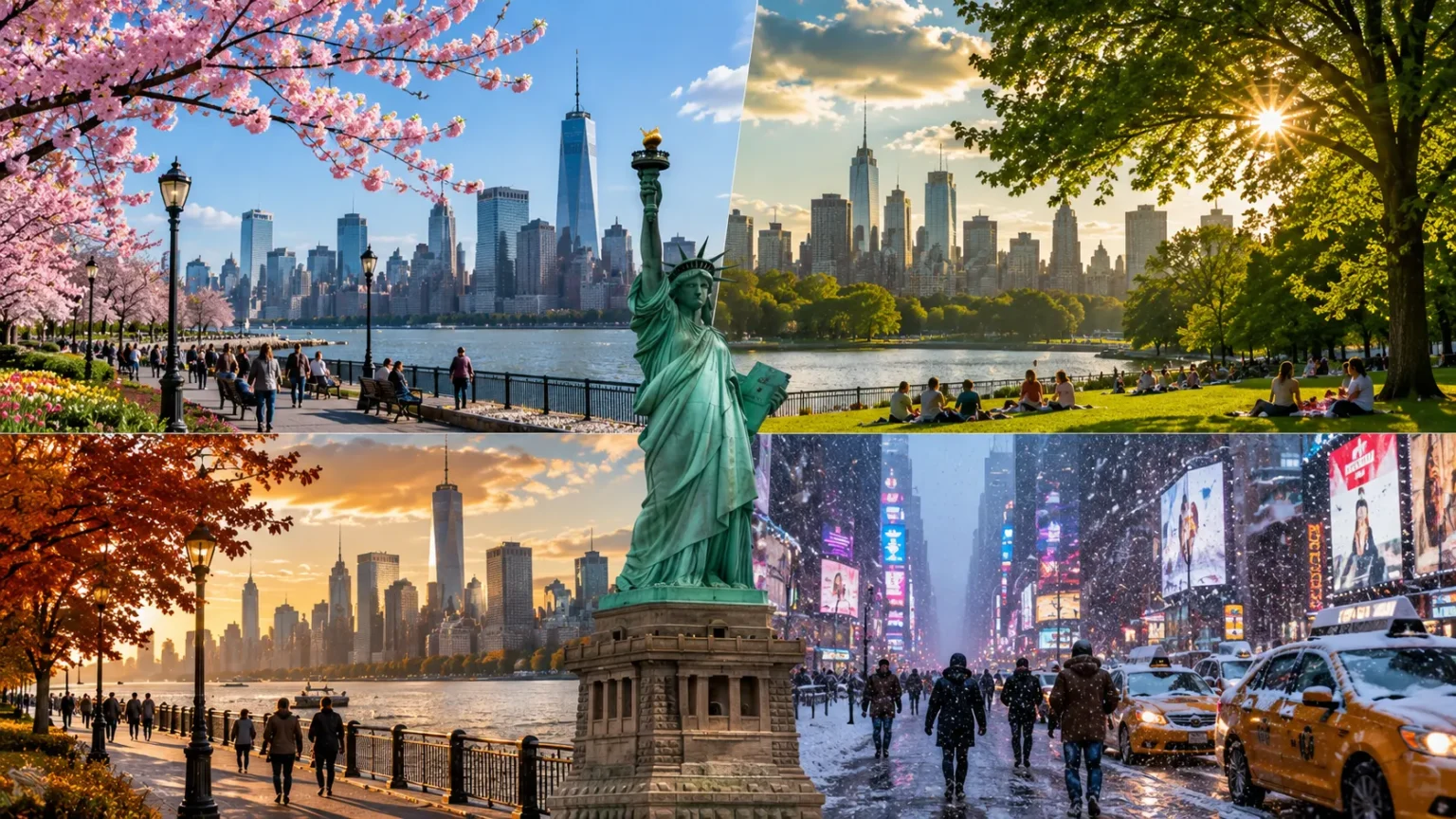
New York City is a year-round destination, but the experience can feel completely different depending on when you visit. Spring brings blooming parks and comfortable sightseeing weather, summer fills the city with outdoor events, fall delivers crisp days and colorful foliage, while winter creates a festive atmosphere followed by quieter travel periods. Choosing the best time to visit New York therefore depends on what matters most to you. Some travelers want pleasant temperatures for walking, while others care more about affordable hotels, fewer crowds, or major events. Understanding NYC weather, seasonal prices, and the annual event calendar can help you choose a travel window that matches your priorities.
For many visitors, late spring and early fall offer the most balanced New York City experience. Temperatures are generally more comfortable for exploring neighborhoods on foot, spending time in Central Park, walking across the Brooklyn Bridge, and visiting outdoor viewpoints. These pleasant periods can also be popular, however, which means accommodation prices and attraction demand may rise. Budget-conscious travelers often find better value during parts of winter, especially after the holiday season. Summer can offer festivals, rooftop experiences, and long daylight hours, although heat and humidity may make intensive sightseeing less comfortable. There is no single perfect month for every traveler.
Events can also significantly influence when you should plan a New York trip. Tennis fans may prefer the period surrounding the US Open, runners and spectators may be drawn to marathon season, and holiday travelers may want the atmosphere around Thanksgiving and December. Food lovers can watch for seasonal dining promotions, while theater fans may find selected periods with special Broadway offers. These events can make a visit memorable, but they can also increase demand in certain neighborhoods and dates. Planning around your main interests allows you to enjoy New York at its best without accidentally choosing a season that conflicts with your travel style.
What Is the Best Time to Visit New York Overall?
For a combination of enjoyable weather, walkability, and a lively city atmosphere, May and September through October are among the strongest periods to consider. These months generally avoid the coldest part of winter and the most intense summer heat. Visitors can comfortably spend longer periods outdoors while exploring parks, neighborhoods, waterfronts, observation decks, and markets. Restaurants often offer outdoor seating, and the city maintains an energetic calendar of activities. Because New York is best experienced partly on foot, comfortable weather can make a noticeable difference. The trade-off is that these desirable travel periods can attract significant visitor demand.
Late April through May is particularly appealing for travelers who enjoy spring scenery. Trees begin filling out, flowers appear throughout city parks, and outdoor spaces become much more inviting after winter. Central Park, the Brooklyn Botanic Garden area, Hudson River Park, and neighborhood streets can all feel especially pleasant during this period. Spring temperatures can fluctuate, so layers and a light rain jacket are useful. Rainy days remain possible, but New York has enough museums, restaurants, shops, theaters, and indoor attractions to keep a trip enjoyable. Spring works particularly well for first-time visitors planning a sightseeing-heavy itinerary.
September and October create another highly attractive travel window because summer heat begins fading while outdoor activities remain enjoyable. September can still feel warm, particularly earlier in the month, while October usually brings cooler conditions and a stronger autumn atmosphere. As foliage develops, parks and tree-lined neighborhoods become increasingly photogenic. Fall also has a busy cultural and entertainment calendar, giving travelers plenty to do beyond traditional sightseeing. Walking tours, outdoor dining, ferry rides, and neighborhood exploration are generally comfortable during this season. For many visitors, autumn offers one of the best combinations of weather and city energy.
Travelers who care primarily about saving money may reach a different conclusion about the best time to visit NYC. January and February, particularly after New Year’s celebrations and outside holiday weekends, can provide opportunities for better accommodation value than peak periods. Cold temperatures discourage some leisure travelers, which can reduce demand compared with the holiday season or mild-weather months. New York’s museums, theaters, restaurants, shopping areas, and indoor attractions remain active throughout winter. Visitors willing to wear proper cold-weather clothing can still build a full itinerary. The financial savings can make winter particularly attractive for travelers prioritizing hotels and entertainment over outdoor comfort.
The best time ultimately depends on the type of New York experience you want. Choose May or early autumn if pleasant walking weather is the main priority, consider January or February if lower costs matter more, and look toward late November through December if holiday atmosphere is the goal. Summer works well for travelers interested in outdoor festivals, parks, concerts, and long days despite warmer conditions. Event-focused visitors should plan around the specific event rather than season alone. By identifying your biggest priority before booking flights and accommodation, you can choose a period that delivers greater value from your trip.
New York Weather by Season
Spring in New York typically develops gradually, with March often feeling cool before noticeably milder conditions arrive during April and May. The season can be unpredictable, which means visitors may encounter sunshine, rain, chilly mornings, or unexpectedly warm afternoons within the same trip. Layered clothing is therefore more practical than packing for only one temperature range. By late spring, outdoor sightseeing becomes increasingly comfortable and parks become much greener. Travelers can spend more time walking without dealing with midsummer heat or deep-winter cold. This versatility makes spring one of the most popular times for sightseeing.
Summer generally brings the warmest temperatures of the year, with July typically sitting near the seasonal peak. Humidity can make conditions feel warmer than the temperature alone suggests, especially when walking through densely built areas of Manhattan. Air-conditioned museums, shops, restaurants, and indoor attractions provide convenient breaks during hot afternoons. Early mornings and evenings can be better for longer walks, while midday hours can be reserved for indoor activities. Summer also brings long daylight hours, making it possible to fit more sightseeing into a single day. Travelers comfortable with heat may enjoy the enormous range of outdoor experiences available.
Autumn begins relatively warm in September before temperatures gradually cool through October and November. Early fall can still feel almost summer-like on some days, while late autumn requires warmer clothing and more substantial layers. October is particularly popular because it often combines comfortable daytime conditions with classic seasonal scenery. Trees throughout parks and residential neighborhoods gradually shift toward autumn colors, creating a different visual character across the city. The cooler air also makes long walks more comfortable than during humid summer afternoons. Visitors should still check conditions shortly before traveling because seasonal transitions can vary from year to year.
Winter is cold, with January and February generally representing the chilliest portion of the New York calendar. Freezing conditions, strong winds, rain, sleet, or snow can occasionally make outdoor sightseeing challenging. Snow is possible, but visitors should not assume the city will always have a picturesque white landscape during their stay. Proper footwear, a warm coat, gloves, and layered clothing can significantly improve the experience. The advantage is that winter travelers can concentrate on museums, Broadway shows, food, shopping, and indoor landmarks. The city continues operating energetically even when outdoor temperatures are uncomfortable.
Weather should be considered in relation to your itinerary rather than treated as an isolated factor. Someone planning hours of neighborhood walking and park exploration may be more affected by extreme heat or cold than a visitor focused on museums and restaurants. Families with young children may also prefer moderate spring or fall temperatures because constant clothing adjustments can become tiring. Photographers may value changing foliage or dramatic winter conditions despite less predictable weather. Travelers attending indoor conferences or shows might care much less about season. Matching weather expectations to planned activities is more useful than simply searching for the warmest month.
Best Time to Visit New York for Good Weather
May is one of the strongest months for travelers who want comfortable weather without midsummer heat. By this stage of spring, daytime conditions are often pleasant enough for extended outdoor sightseeing, although cool evenings and occasional rain remain possible. Central Park becomes vibrant, outdoor dining expands, and waterfront areas are enjoyable without the heavier humidity associated with summer. Visitors can comfortably combine indoor landmarks with long neighborhood walks. A flexible jacket and layers usually handle changing conditions better than heavy seasonal clothing. For first-time travelers planning to see as much as possible, May offers an especially practical balance.
September is another excellent choice because summer activities continue while temperatures gradually become more manageable. Early September can remain hot, but conditions often become increasingly comfortable as the month progresses. Visitors can enjoy parks, rooftops, boat rides, walking tours, outdoor dining, and evening activities without losing the long, energetic feel of summer completely. Major events can increase demand during parts of the month, so booking early is useful if your dates overlap with something important. September is especially attractive for travelers who prefer warm weather but want to reduce the chance of encountering peak midsummer heat.
October may be even more appealing for people who like cooler temperatures and autumn scenery. Crisp conditions make it easier to spend hours exploring neighborhoods such as Greenwich Village, the Upper West Side, Brooklyn Heights, or areas around Central Park. Seasonal decorations begin appearing, parks gradually change color, and fall foods and events contribute to the atmosphere. Evening temperatures can drop noticeably, so a jacket becomes important. Rain can occur at any time of year, meaning travelers should still maintain some itinerary flexibility. For comfortable walking combined with distinctly New York autumn scenery, October is difficult to beat.
Late April can provide a useful alternative for travelers who want spring conditions while potentially avoiding some of the demand associated with May. Weather becomes increasingly mild, although cooler spells remain possible. This is a strong period for travelers who do not mind packing layers and adjusting plans around occasional rain. Spring flowers and fresh greenery make outdoor attractions more visually appealing than they are during late winter. Popular tourist sites can still become busy, particularly during weekends and school breaks. Booking timed-entry attractions in advance helps reduce unnecessary waiting even outside the traditional summer peak.
People who dislike either heat or cold should generally approach July, August, January, and February more carefully. These months can still deliver excellent trips, but they require greater adaptation to seasonal weather. Summer visitors may need midday indoor breaks, frequent hydration, and lighter clothing, while winter travelers require warm layers and weather-resistant footwear. New York’s enormous range of indoor experiences means uncomfortable weather rarely ruins an entire trip. However, moderate-weather months make spontaneous exploration much easier. If you want to leave your hotel each morning and comfortably wander for hours, late spring and early fall offer the strongest overall conditions.
Cheapest Time to Visit New York
January through parts of February can be among the most appealing periods for travelers searching for New York deals. Demand often drops after the intense Christmas and New Year travel season, creating a quieter period for some hotels and tourism businesses. The weather is considerably colder, but travelers willing to accept that trade-off may stretch their accommodation budget further. Winter also suits visitors whose itineraries emphasize museums, restaurants, shopping, entertainment, and Broadway rather than parks and long outdoor walks. Flexible dates can improve your ability to compare rates. Avoid assuming every winter night is cheap, because weekends, conferences, and holidays can still raise prices.
Winter value can extend beyond hotel rooms. New York’s tourism industry periodically runs seasonal programs involving discounts or special offers for hotels, attractions, theater, and restaurants. The exact dates, participating businesses, and promotions change, so travelers should check official program information when planning a trip. These campaigns can make a cold-weather visit significantly more attractive for people who would already spend money on dining and entertainment. Combining a favorable hotel rate with promotional attraction or theater pricing can create meaningful overall savings. The strongest budget strategy considers the entire trip rather than focusing exclusively on airfare.
Late winter and very early spring can sometimes provide another practical value window before peak spring demand develops. March weather is variable, and the city may alternate between winter-like conditions and milder days. That unpredictability can discourage travelers who want guaranteed comfortable sightseeing temperatures. However, visitors with flexible expectations can benefit from a city that is gradually transitioning into spring. Packing layers becomes essential because temperatures can change noticeably. Accommodation rates vary significantly by date and location, so comparing several neighborhoods rather than automatically choosing Midtown can uncover additional savings.
Summer pricing is more complicated than simply being either expensive or inexpensive. Leisure demand remains strong, but business travel patterns, major events, and neighborhood differences can create varying hotel rates. Families often visit during school vacations, while international tourism and festivals keep popular areas active. Travelers considering summer should compare dates rather than assume the entire season carries identical pricing. Staying in neighborhoods with convenient subway access outside the most tourist-heavy blocks can sometimes provide better value. The key is calculating transportation convenience alongside accommodation cost so that saving money does not create excessive daily travel.
Booking strategy matters almost as much as season when searching for New York deals. Compare multiple date combinations, monitor hotel rates, and understand cancellation conditions before committing to a reservation. Flights can also fluctuate significantly based on departure city, weekday, holiday periods, and how early you book. Visiting from Sunday through Thursday may sometimes produce different accommodation pricing than a weekend-centered itinerary. Travelers should also budget for taxes, transportation, attraction tickets, meals, and optional resort or destination-style fees where applicable. A cheaper hotel alone does not necessarily make one travel period the cheapest overall.
Best Time to Visit New York for Events
Late August into September is an exciting period for sports fans because New York hosts the US Open tennis tournament in Queens around this time each year. The event attracts visitors from around the world and creates a particularly energetic atmosphere for tennis enthusiasts. Even travelers without stadium tickets may find related activities or watch matches in bars and public spaces. September also overlaps with the transition from summer into fall, making it attractive beyond the tournament itself. Because major sporting events increase demand, travelers attending should arrange accommodation and tickets well in advance. Staying near subway lines serving Queens can make transportation easier.
Autumn continues with a wide variety of cultural activities, seasonal festivals, Halloween celebrations, and major sporting events. The New York City Marathon traditionally brings runners and spectators into all five boroughs in November, creating an impressive citywide atmosphere. Even people who are not participating can enjoy watching runners pass through neighborhoods and experiencing the excitement surrounding the race. Road closures and transportation changes can affect travel plans, however, so visitors should allow extra time that weekend. November also introduces colder conditions, especially later in the month. Travelers gain the energy of major events while watching the city transition toward the holiday season.
Thanksgiving marks one of the most famous periods on New York’s annual calendar. The Macy’s Thanksgiving Day Parade draws enormous attention with giant balloons, performers, floats, and crowds along its Manhattan route. Visiting around Thanksgiving can feel iconic, particularly for travelers who have grown up seeing the parade in films or television. However, accommodation demand, restaurant reservations, and viewing locations require planning. Streets and transportation can also become unusually busy around the parade. Travelers who value holiday atmosphere may consider these inconveniences part of the experience, while budget-focused visitors may prefer quieter dates.
December turns much of Manhattan into a major holiday destination with decorated storefronts, illuminated streets, seasonal markets, skating rinks, performances, and the famous Rockefeller Center Christmas tree. Visitors often come specifically to experience this festive atmosphere, making parts of Midtown extremely busy. Popular holiday attractions can become crowded during evenings and weekends, so early mornings may provide a calmer experience. Hotel rates can also reflect strong seasonal demand, particularly during desirable December dates. Despite the crowds, the visual atmosphere is difficult to reproduce during other seasons. For travelers dreaming of a classic Christmas trip to New York, December remains a standout choice.
New York’s event calendar extends throughout the year rather than concentrating only in autumn and winter. Spring brings arts, cultural activities, sports, and outdoor programming as the weather improves, while summer delivers concerts, festivals, film screenings, Pride events, and activities in parks across the boroughs. Theater and dining promotions may also appear during selected periods. Before choosing dates, identify one or two events that genuinely matter to you instead of trying to plan around everything happening in the city. Event schedules can change each year. Checking official calendars before booking ensures that your travel dates actually match the experience you want.
Visiting New York in Spring
Spring can be one of the most rewarding seasons for New York sightseeing because the city gradually moves from winter gray into brighter outdoor life. March is transitional and can still feel cold, but April typically introduces noticeably milder periods. By May, parks, restaurant patios, waterfront areas, and neighborhood streets become major parts of the visitor experience. Travelers can create itineraries that move naturally between indoor and outdoor attractions. The season also offers longer daylight than winter, giving visitors more flexibility for sightseeing. For people who enjoy walking, these changes can make a significant difference.
Central Park becomes an obvious spring destination, but visitors should look beyond its most famous paths. Riverside Park, Hudson River Park, Prospect Park, Brooklyn Bridge Park, and smaller neighborhood green spaces also become increasingly enjoyable. Flowering trees and seasonal plants provide excellent photography opportunities throughout the city. A sunny afternoon can be spent almost entirely outdoors without needing a rigid attraction schedule. Spring therefore rewards travelers who leave room for spontaneous exploration. Comfortable shoes are particularly important because pleasant temperatures can encourage much more walking than originally planned.
Rain is one of the main considerations when planning a spring trip. Instead of treating rainy weather as a problem, prepare several indoor alternatives that can be moved around your schedule. Museums, observation decks, food halls, shopping areas, historic interiors, Broadway shows, and galleries offer plenty of options. Some outdoor viewpoints can also look dramatic after rain when skies begin clearing. A compact umbrella and water-resistant outer layer make unexpected showers easier to handle. Building flexibility into each day keeps changing conditions from creating unnecessary frustration.
Spring travel can become busier around school vacations, long weekends, and other popular travel periods. Accommodation pricing may rise as the weather improves and more visitors return to the city. Travelers seeking value should compare multiple April and May dates rather than assuming rates remain consistent throughout the season. Midweek stays can sometimes feel different from weekends, particularly in business-heavy or entertainment districts. Booking popular observation decks, tours, and performances ahead of time can also prevent disappointment. Good planning preserves the spontaneity of spring without requiring every hour to be scheduled.
For a first New York visit, May is often the strongest spring month because it combines greenery, outdoor energy, and generally comfortable sightseeing conditions. April is a good alternative for travelers comfortable with greater weather variability, while March works better for those prioritizing lower crowds or potentially better value over warmth. Pack versatile layers rather than one heavy outfit because mornings, afternoons, and evenings may feel different. Include at least one park, one neighborhood walk, and one waterfront experience in your itinerary. Spring shows how much of New York’s character exists outside its famous buildings.
Visiting New York in Summer
Summer gives New York a lively outdoor personality that extends well beyond its traditional tourist attractions. Parks host performances, neighborhoods organize festivals, rooftop venues stay busy, and waterfront spaces become especially popular. Longer daylight allows travelers to start early and continue sightseeing well into the evening. Visitors can combine museums and landmarks during the day with outdoor activities after temperatures begin dropping. The season works particularly well for people who enjoy active itineraries and late nights. Families may also find summer convenient because school schedules provide greater travel flexibility.
Heat and humidity are the biggest disadvantages of a summer visit, especially during July and August. Walking several miles through Manhattan can feel much more tiring on a hot afternoon than the same route would in May or October. Schedule demanding outdoor activities earlier in the morning whenever possible, then move indoors during the hottest part of the day. Museums, shopping, lunch, and matinee performances provide natural afternoon breaks. Carry water and wear breathable clothing and comfortable footwear. An itinerary designed around the weather feels much easier than trying to ignore seasonal conditions.
Summer is an excellent season for experiencing New York from the water. Ferries can provide skyline views while connecting different parts of the city, and waterfront parks offer breezes that can feel refreshing on warm days. Visitors may also consider sightseeing cruises, kayaking opportunities, or simply spending an evening near the Hudson or East River. Sunset occurs later than during winter, creating more time for outdoor photography. Brooklyn Bridge Park and other waterfront areas can be particularly atmospheric near evening. Building these experiences into a summer itinerary helps take advantage of the season rather than simply tolerating its heat.
Events are another major reason to consider summer. Outdoor concerts, movies, food events, neighborhood celebrations, sporting events, and cultural festivals take place across the boroughs. Travelers who only remain around Times Square and Midtown may miss much of this seasonal activity. Exploring Brooklyn, Queens, the Bronx, and Staten Island can reveal a different side of the city. Many community and public-space events are inexpensive or free, helping offset the cost of major attractions. Checking local event calendars shortly before traveling can uncover activities that were not available when the trip was originally booked.
Summer is best for travelers who prioritize energy, outdoor entertainment, and long days over perfectly comfortable temperatures. June can provide a particularly attractive transition between late spring and peak summer heat, although warm conditions are still possible. July and August require greater heat planning but offer a full seasonal calendar. If you dislike humidity or intend to walk extensively every day, spring or fall may be more suitable. If you enjoy rooftops, festivals, parks, waterfront evenings, and a busy atmosphere, however, summer provides experiences that colder months cannot fully replicate.
Visiting New York in Fall
Fall is frequently considered one of the best seasons to visit New York because cooler weather makes the city highly walkable. September begins the season with lingering summer warmth, while October usually introduces more noticeably crisp conditions. November gradually becomes colder and begins shifting toward the holiday atmosphere. This range allows travelers to select the type of autumn experience they prefer. Early fall suits people who still enjoy warmer evenings, while mid-autumn appeals to visitors seeking foliage and sweater weather. Late fall combines seasonal scenery with the beginning of major holiday traditions.
Central Park becomes a major attraction as leaves begin changing, but autumn colors can also be seen throughout other parks and residential neighborhoods. The exact timing and intensity of foliage varies with weather conditions each year, so visitors should avoid assuming one particular date guarantees peak color. Even before full foliage develops, cooler temperatures make long walks highly enjoyable. The Upper West Side, Greenwich Village, West Village, Brooklyn Heights, and brownstone neighborhoods can be especially attractive in fall. Seasonal light can also create excellent conditions for photography. The city itself becomes part of the attraction.
September travelers receive a particularly strong mix of summer and autumn experiences. Outdoor dining, parks, and rooftops are still active, while major sporting and cultural events add energy to the calendar. Early September may remain hot, so travelers should not pack exclusively for cool weather. As the month progresses, evenings generally become easier for walking and outdoor activities. Because this is such an appealing season, hotels and popular attractions can experience strong demand. Booking early becomes more important when traveling around major events.
October is ideal for travelers who want a classic fall city break. Halloween decorations, seasonal menus, changing trees, and cooler evenings contribute to a distinctive atmosphere. Walking tours become more comfortable, and spending several hours outdoors is generally easier than in midsummer. Visitors can also pair city sightseeing with seasonal excursions outside Manhattan if time allows. A jacket and layers become increasingly important as the month progresses. October’s popularity means it should not automatically be considered a low-cost shoulder season, particularly around busy weekends.
November offers two very different experiences depending on when you travel. Earlier in the month retains more of the traditional fall feeling and includes major events such as the New York City Marathon. Later November shifts strongly toward Thanksgiving and the beginning of the holiday season. Decorations become increasingly prominent, and visitor demand can rise around Thanksgiving. Temperatures also become colder, making heavier clothing necessary. Travelers who want fall without peak holiday crowds may prefer earlier November, while those interested in famous seasonal traditions can intentionally choose the latter part of the month.
Visiting New York in Winter
Winter transforms New York into two noticeably different travel experiences. December is festive, busy, visually dramatic, and highly sought after, particularly around Midtown’s holiday attractions. January and February are generally quieter and can be better suited to budget-conscious travelers. This contrast means describing winter as either expensive or inexpensive is too simplistic. The exact week matters considerably. Travelers should decide whether they value holiday atmosphere or lower post-holiday demand before choosing dates.
December visitors come for experiences such as holiday windows, seasonal markets, skating, decorated streets, festive shows, and Rockefeller Center. These attractions create the classic New York holiday image seen around the world. The downside is crowding, especially in Midtown around evenings and weekends. Walking only a few blocks can take longer when major viewing areas are packed. Restaurant and entertainment reservations may also require advance planning. Travelers who accept these challenges can experience one of New York’s most distinctive seasonal atmospheres.
January becomes significantly different once New Year’s travel subsides. Temperatures remain cold, but visitor demand can become less intense than during December. This is a good period for museum-focused itineraries, Broadway, food, shopping, and indoor attractions. Seasonal tourism promotions can also add value during parts of winter, although exact programs change from year to year. Shorter daylight and colder evenings mean travelers may naturally spend more time indoors. For people comfortable with winter weather, the reduced pressure can make the city surprisingly enjoyable.
February shares many of January’s advantages while gradually moving closer to spring. Cold weather can persist, and snow or icy conditions remain possible, so appropriate footwear matters. Couples may create trips around Valentine’s Day, while holiday weekends can temporarily affect pricing and demand. The rest of the month can still work well for value-oriented travelers. Indoor cultural attractions make New York unusually suitable for winter city breaks compared with destinations that rely heavily on outdoor sightseeing. A flexible itinerary helps visitors adapt quickly to storms or unusually cold days.
Winter travelers should build weather resilience into their plans. Keep one or two outdoor experiences each day rather than scheduling an entire itinerary around long walks. Use the subway strategically, warm up in cafés or museums, and allow extra travel time during poor weather. Pack a warm coat, gloves, layers, and shoes that can handle wet streets. Travelers who prepare properly may find winter far more manageable than expected. The combination of indoor attractions, seasonal atmosphere, and potential post-holiday savings gives winter a genuine place among the best times to visit New York.
How to Choose the Right Month for Your New York Trip
Start by deciding whether weather, budget, or events matter most because optimizing for all three simultaneously is difficult. Travelers focused on comfort should look first at May, September, and October. People prioritizing lower accommodation costs may prefer January, February, or selected transitional periods. Holiday travelers should intentionally choose late November or December despite potentially higher demand. Sports fans may build their dates around major tournaments or races. Ranking your priorities before comparing flights simplifies the decision considerably.
Next, consider how much of your itinerary will take place outdoors. New York rewards walking, and some travelers easily cover many miles each day between neighborhoods and attractions. If your plans include Central Park, walking tours, bridges, waterfronts, and extensive street exploration, moderate weather deserves greater weight. Visitors focused on Broadway, museums, shopping, restaurants, and indoor entertainment have more freedom to travel in winter or midsummer. Families should also consider how weather affects children and older relatives. The ideal month depends partly on how physically demanding your schedule will be.
Your tolerance for crowds should also influence timing. Holiday periods, mild-weather weekends, major events, and school vacation dates can create intense visitor demand in popular areas. Travelers who enjoy excitement may find these periods part of New York’s appeal. Others may prefer quieter months when restaurants, museums, and public spaces can feel easier to navigate. Remember that New York never becomes truly empty, and local activity continues year-round. The objective is not to find a deserted city but to choose a level of tourism intensity that suits your preferences.
Budget should be evaluated across accommodation, flights, dining, attractions, and transportation rather than hotel rates alone. A winter trip may provide a cheaper room but require more paid indoor activities, while pleasant weather can make free parks, neighborhood walks, and public spaces a larger part of your itinerary. Seasonal promotions may also influence entertainment and dining costs. Compare the complete estimated trip budget for two or three potential date ranges. This approach provides a more realistic picture of value. A slightly more expensive hotel period may still produce a better overall experience for your priorities.
Finally, leave some flexibility because New York rewards spontaneous decisions. Weather forecasts change, interesting events appear, restaurants become available, and neighborhoods may take longer to explore than expected. Schedule attractions that require tickets, but avoid booking every hour of every day. Build time for walking, cafés, parks, unexpected shops, and simply experiencing the streets. The best New York trips often combine famous landmarks with unplanned discoveries. Choosing the right season creates good conditions, but leaving room to enjoy the city naturally is what turns those conditions into a memorable trip.
FAQs About the Best Time to Visit New York
What is the best month to visit New York?
May, September, and October are among the strongest months for pleasant sightseeing weather and outdoor exploration. The best choice depends on whether you prefer spring greenery, warmer early-fall conditions, or cooler autumn scenery.
What is the cheapest month to visit New York?
January and February can offer some of the better opportunities for budget travel after the busy holiday season, although prices vary by specific dates and events. Comparing several hotel and flight combinations is more reliable than assuming one entire month will always be cheapest.
When is the best weather in New York City?
Late spring and early fall generally provide the most comfortable conditions for walking and sightseeing. May, September, and October are especially appealing because they often avoid both deep-winter cold and peak summer heat.
Is December a good time to visit New York?
Yes, December is excellent if you want holiday decorations, seasonal markets, skating, festive entertainment, and the classic Christmas atmosphere. It can also be crowded and expensive, particularly around the most popular holiday dates and Midtown attractions.
How many days do you need in New York?
Four to five days gives many first-time visitors enough time to experience major landmarks, several neighborhoods, museums, Central Park, and at least one evening activity without rushing constantly. A week provides more flexibility for exploring outer-borough neighborhoods, food experiences, and less tourist-focused parts of the city.