




Lago de Atitlan Guide: Towns, Views & Things to Do
Lago de Atitlán is one of Guatemala’s most unforgettable destinations, combining dramatic volcanoes, deep blue water, Maya culture, colorful villages, mountain viewpoints, and a relaxed atmosphere that encourages travelers to stay longer than planned. The lake sits in the Guatemalan Highlands and is surrounded by communities with noticeably different personalities, making the destination far more varied than a typical lakeside escape. Some towns are known for nightlife and backpacker energy, while others appeal to wellness travelers, families, photographers, or visitors looking for traditional culture. Boats connect many of the main villages, turning transportation itself into part of the experience. Choosing the right base can therefore shape almost every aspect of your Lago de Atitlán trip.
One of the most important things to understand before visiting Lake Atitlán is that there is no single town that represents the entire destination. Panajachel is the main transportation hub and one of the easiest places for first-time visitors to arrive, while San Pedro La Laguna attracts younger travelers with affordable accommodation and nightlife. San Marcos La Laguna has developed a reputation for yoga, wellness, meditation, and alternative communities. Santa Cruz La Laguna offers spectacular lake views and a peaceful setting, while Santiago Atitlán provides stronger opportunities to experience Tz’utujil Maya culture. Smaller communities such as San Juan La Laguna add art, weaving cooperatives, murals, and community-based tourism to the overall experience.
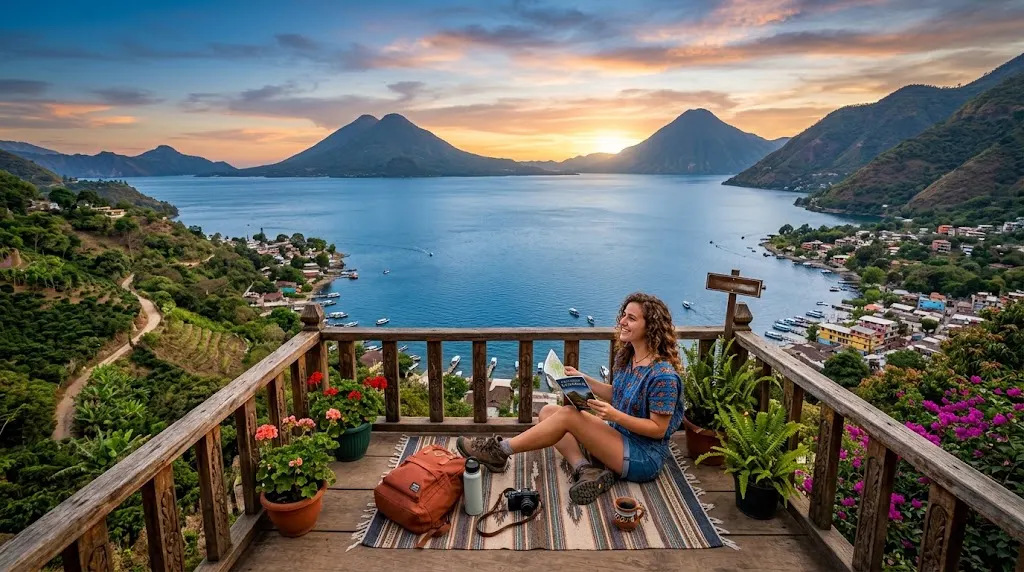
The surrounding landscape is a major reason Lago de Atitlán feels so distinctive. Volcanoes rise around the water, creating constantly changing scenery as light moves across the mountains throughout the day. Early morning often provides the calmest lake conditions and clearest reflections, while sunsets can transform the volcanoes into dramatic silhouettes. Travelers can experience these views from waterfront cafés, hillside hotels, hiking trails, boats, terraces, and villages scattered around the lake. Because the terrain is steep in many areas, accommodation located higher above the water may offer incredible panoramas but require significant climbing. Understanding this trade-off is particularly important when traveling with heavy luggage, young children, or limited mobility.
There are enough things to do at Lake Atitlán to fill several days without turning the visit into an exhausting sightseeing schedule. Travelers can hike to sunrise viewpoints, paddle across quiet sections of the lake, visit Maya villages, join weaving demonstrations, explore local markets, take Spanish lessons, practice yoga, enjoy coffee experiences, or simply spend an afternoon reading beside the water. Boat trips make it easy to combine several communities, although rushing through too many towns in a single day can make the destination feel less rewarding. Lake Atitlán is best experienced at a slower pace. Spending time observing daily life, talking with local guides, and enjoying the changing scenery often becomes as memorable as any scheduled activity.
This Lago de Atitlán guide covers the best towns to visit, where to stay, memorable viewpoints, transportation, activities, food, safety considerations, and practical planning tips. It is designed for first-time travelers as well as visitors returning to explore more deeply beyond Panajachel and San Pedro. Whether you want backpacker nightlife, romantic accommodation, cultural experiences, hiking, wellness retreats, or quiet mountain scenery, there is likely a lakeside community that matches your travel style. The key is understanding how the towns differ before booking accommodation. With thoughtful planning and enough time to slow down, Lake Atitlán can easily become one of the highlights of a Guatemala itinerary.
Best Towns Around Lago de Atitlán
Panajachel is the most practical starting point for many Lake Atitlán trips because it functions as the region’s main transportation and commercial hub. Travelers arriving from Guatemala City, Antigua, or other parts of the country frequently reach the lake through Panajachel before continuing by boat to smaller villages. The town offers a broad selection of hotels, restaurants, cafés, shops, tour agencies, ATMs, and everyday services, making it convenient for first-time visitors. Calle Santander is the busiest tourist street, filled with handicrafts, textiles, souvenirs, restaurants, and travel services. Panajachel feels more developed and energetic than many surrounding communities. Travelers who prioritize convenience and easy logistics often find it the simplest place to stay.
San Pedro La Laguna has long been one of the most popular towns for backpackers and budget travelers. The village combines affordable guesthouses, hostels, restaurants, bars, Spanish schools, cafés, and access to nearby hiking opportunities. Lower sections near the boat docks are especially oriented toward visitors, while walking farther into town reveals a more local atmosphere. San Pedro is a good choice for travelers who want to meet other people and enjoy evening entertainment without paying high accommodation prices. It can become noisy around popular nightlife areas, so light sleepers should choose accommodation carefully. Hikers also appreciate the village as a base for excursions toward surrounding mountains and viewpoints.
San Marcos La Laguna attracts travelers interested in yoga, meditation, massage, holistic therapies, healthy food, retreats, and slower travel. Narrow pedestrian paths lead between gardens, small cafés, guesthouses, wellness centers, and lake access points, giving parts of the village an intimate and peaceful feeling. The atmosphere is noticeably different from the nightlife-focused sections of San Pedro or the commercial energy of Panajachel. Travelers interested in swimming and cliffside lake views also enjoy visiting the nature reserve near the village. San Marcos can feel highly international in its visitor-oriented areas, so travelers seeking deeper cultural immersion may want to combine it with other communities. For wellness-focused trips, however, it remains one of the lake’s strongest options.
San Juan La Laguna is one of the best towns around Lago de Atitlán for travelers interested in local art, textiles, community tourism, and Maya cultural traditions. Colorful murals decorate streets throughout the village, while weaving cooperatives and artisan workshops provide opportunities to learn about natural dyes, traditional techniques, and locally produced crafts. Coffee experiences and small galleries add further reasons to spend several hours exploring. San Juan tends to feel calmer than neighboring San Pedro, making it attractive to visitors who want cultural activities without significant nightlife. Walking uphill through the village can be physically demanding, especially in warm weather. The elevated sections, however, often provide beautiful perspectives over rooftops and the lake.
Santiago Atitlán is one of the largest and most culturally significant communities around the lake and deserves time from travelers interested in local history and Tz’utujil Maya traditions. The town has a very different rhythm from visitor-focused villages such as San Marcos, with busy markets, churches, local businesses, and community life extending well beyond tourism. Visitors often come to explore traditional textiles, learn about local spiritual practices, and better understand the region’s complicated history. Hiring a knowledgeable local guide can make the visit more meaningful because cultural traditions are best approached with context and respect. Santiago is also surrounded by dramatic volcano scenery. For travelers seeking more than postcard viewpoints, it provides essential depth to a Lake Atitlán itinerary.
Best Views and Scenic Spots at Lake Atitlán
Indian Nose, commonly known locally as Rostro Maya, is one of the most famous sunrise viewpoints around Lago de Atitlán. The hike leads to elevated perspectives where travelers can watch morning light spread across the lake, surrounding volcanoes, and highland landscape. On clear mornings, the panoramic view can be extraordinary, particularly as mist begins lifting from valleys below. Many travelers join guided departures during the very early hours because navigation, transportation, and local access arrangements are easier with knowledgeable guides. Temperatures can feel surprisingly cool before sunrise, so bringing a warm layer is worthwhile. The combination of darkness, mountain terrain, and local route conditions makes organized guidance a sensible choice for most visitors.
Santa Cruz La Laguna offers some of the most consistently impressive accommodation views around the lake. The village rises steeply from the water, and many hotels, guesthouses, and terraces face directly toward the volcanoes on the opposite shoreline. Morning light can create striking reflections across the water before winds increase later in the day. Because Santa Cruz has relatively little road access compared with Panajachel, arriving by boat contributes to its peaceful and somewhat secluded atmosphere. Travelers do not necessarily need to complete a difficult hike to enjoy spectacular scenery here. Simply sitting at a waterfront restaurant, hotel terrace, or dock can provide one of the most memorable Lake Atitlán views.
The lake itself often provides the best viewpoint, which is one reason boat transportation feels like an experience rather than merely a practical necessity. Traveling between villages reveals steep mountainsides, terraced agriculture, waterfront homes, volcanic peaks, and communities that look completely different from the water. Morning crossings are particularly beautiful when the surface is calmer and visibility is clearer. Sitting near the side of the boat can provide excellent photography opportunities, although travelers should protect cameras and phones from occasional spray. Afternoon journeys can become bumpier when winds pick up across the lake. Planning longer boat rides earlier in the day can therefore improve both comfort and scenery.
San Juan La Laguna also provides rewarding elevated viewpoints for travelers willing to climb above the central village. Colorful stairways, painted streets, murals, and hillside paths gradually reveal broader views over the lake and surrounding mountains. The Mirador Kaqasiiwaan area is particularly popular for panoramic perspectives and visually distinctive viewing structures. Climbing can feel demanding because of the altitude and incline, so taking breaks is completely reasonable. Starting earlier in the morning can help travelers avoid stronger midday heat. Combining the viewpoint with artisan cooperatives, coffee experiences, and local galleries creates a full day that balances scenery with cultural exploration rather than focusing exclusively on photography.
Some of the most beautiful Lake Atitlán views are not famous attractions at all but ordinary moments seen from the right place. A quiet dock at sunrise, a hotel balcony above Santa Cruz, a café terrace in San Marcos, or a boat approaching Santiago can become more memorable than a formal viewpoint. Travelers should therefore avoid scheduling every hour of the trip. Weather and clouds constantly change how the volcanoes look, and a completely hidden peak can appear dramatically only an hour later. Staying several days increases the likelihood of experiencing clear conditions. The lake rewards patience, making slow mornings and unplanned sunset stops an important part of any well-designed itinerary.
Best Things to Do at Lago de Atitlán
Village hopping by boat is one of the easiest and most rewarding things to do at Lago de Atitlán because each community offers a different atmosphere. A single day can combine the colorful art and weaving traditions of San Juan with the cafés and wellness scene of San Marcos or the lively streets of San Pedro. However, visiting too many towns in one day can quickly turn the experience into a transportation challenge. Two or three communities are usually enough for a relaxed day. Morning departures provide calmer boat conditions and more time for exploration. Travelers staying several nights can divide the lake into different day trips rather than attempting to see every major village immediately.
Kayaking and paddleboarding provide a completely different perspective on Lake Atitlán, particularly during calm morning conditions. Paddling close to the shoreline allows visitors to observe villages, gardens, mountains, and volcanic scenery at a much slower pace than traveling by motorboat. Beginners should remain mindful of wind because conditions can change rapidly later in the day. Renting equipment from established local operators and asking about safe routes is advisable. Wearing a life jacket is important even when the lake appears calm. Travelers staying in peaceful waterfront locations such as Santa Cruz or San Marcos may find early morning paddling especially memorable, when the water is smooth and boat traffic remains relatively limited.
Learning about traditional weaving and textile production is another activity that adds cultural depth to a Lago de Atitlán trip. San Juan La Laguna is particularly well known for cooperatives where visitors can learn how artisans create textiles using locally practiced techniques and natural dyes. Responsible experiences focus on the knowledge and work of local producers rather than treating textiles simply as souvenirs. Purchasing directly from artisan organizations can also provide a more meaningful connection to the objects travelers bring home. Visitors should ask before photographing people or production processes. Taking time to understand symbolism, materials, and labor makes the experience far more valuable than quickly browsing stalls without context.
Spanish lessons are popular around Lake Atitlán, especially in San Pedro, where numerous language schools have historically served international visitors. Studying for several days or weeks allows travelers to combine structured learning with real-world conversation in markets, restaurants, transportation, and daily interactions. Private lessons can be particularly useful because teachers can adjust the pace to individual ability. Homestay arrangements may provide additional cultural immersion for travelers comfortable with that style of experience. Even visitors staying only a few days can benefit from a short introductory class. Learning basic Spanish phrases improves communication and often makes travel around Guatemala more comfortable, especially when visiting communities where tourism infrastructure is less concentrated.
Simply slowing down is also one of the best things to do at Lago de Atitlán. Many travelers arrive with packed itineraries and gradually realize that the destination works better when there is space for long breakfasts, swimming, reading, cafés, conversations, and spontaneous boat trips. Wellness centers in San Marcos offer yoga and meditation, while quieter hotels around Santa Cruz provide excellent environments for resting beside the water. Coffee lovers can visit local producers, hikers can explore mountain routes, and food-focused travelers can try regional dishes across several villages. The lake supports many travel styles without requiring constant activity. Building one unscheduled half-day into your itinerary can make the entire trip feel more relaxed and memorable.
Hiking and Outdoor Adventures Around Lake Atitlán
Hiking is one of the best ways to appreciate the scale of the Lake Atitlán landscape because trails climb high above villages and reveal views that are impossible to see from the shoreline. Routes vary from relatively short viewpoint walks to strenuous volcano ascents requiring much more preparation. Altitude, steep terrain, strong sun, and uneven surfaces can make even moderate distances feel harder than expected. Travelers should assess fitness realistically rather than choosing hikes based only on photographs. Carrying water, sun protection, sturdy footwear, and an additional layer is advisable. Local guides can improve both safety and cultural understanding, particularly on routes that pass through areas unfamiliar to visitors.
The sunrise hike to Rostro Maya is among the most popular outdoor experiences in the region because it combines manageable hiking with one of the lake’s most impressive panoramic views. Departures usually happen very early, allowing hikers to reach the viewpoint before daylight begins transforming the surrounding mountains. Clear mornings can reveal volcanoes, villages, distant ridges, and layers of cloud below the viewpoint. Because transportation and local trail access can be complicated before dawn, most visitors benefit from arranging the excursion with a reputable local guide. Bringing a flashlight or headlamp is useful even when the guide provides lighting. Warm clothing also helps during the coldest pre-sunrise portion of the trip.
More challenging hikers may be interested in volcano routes around the lake, including excursions associated with San Pedro Volcano and other surrounding peaks. These hikes can involve substantial elevation gain, long hours, humid vegetation, and changing weather conditions. The difficulty should not be underestimated simply because the mountains appear close to lakeside villages. Travelers should confirm current access, safety conditions, guide recommendations, and trail status shortly before hiking. Starting early reduces heat exposure and provides extra time if conditions slow progress. Anyone experiencing difficulty with altitude or intense physical activity should consider lower-elevation alternatives. There are many rewarding viewpoints around Lago de Atitlán that do not require committing to a full volcano ascent.
Walking between selected villages can also be appealing, but travelers should seek current local advice before choosing routes independently. Distances around the lake can look simple on maps while involving steep climbs, isolated sections, or local conditions that visitors may not understand. Guided walks can provide a safer and more informative experience, particularly when combining scenery with agricultural or cultural interpretation. Some routes reveal coffee farms, cornfields, small communities, and terraced landscapes that are easy to overlook from boats. Travelers should avoid assuming that every visible footpath is designed for tourism. Respecting private land, local communities, and current safety guidance is essential when exploring rural sections around the lake.
Outdoor adventure does not always require climbing mountains. Swimming, kayaking, paddleboarding, nature reserves, birdwatching, and waterfront walking can provide equally satisfying ways to spend time outside. San Marcos has accessible nature areas where travelers can enjoy lake views and swimming spots, while waterfront accommodation around Santa Cruz provides convenient access to calm morning activities. The most enjoyable outdoor experiences often combine movement with unhurried scenery rather than maximizing difficulty. Travelers should also remember that weather changes quickly in mountain environments. Planning demanding activities early and leaving afternoons flexible provides room for changing wind, rain, or cloud conditions. Lake Atitlán rewards adaptability as much as ambitious itineraries.
Where to Stay at Lago de Atitlán
Panajachel is the best place to stay for travelers who value convenience, transportation connections, restaurant variety, shopping, and easy access to services. It is particularly practical for the first or last night of a Lake Atitlán visit because ground transportation to Antigua, Guatemala City, and other destinations is easier to organize here. Travelers arriving late may prefer Panajachel rather than immediately transferring onto boats toward smaller communities. Accommodation ranges from inexpensive rooms to boutique properties and larger hotels, providing more variety than many villages. The downside is that Panajachel feels busier and more commercial. Travelers seeking a secluded lakeside atmosphere may therefore use it as an arrival point before moving elsewhere.
San Pedro La Laguna works well for backpackers, solo travelers, language students, and visitors seeking inexpensive accommodation with social energy. Hostels, guesthouses, apartments, cafés, bars, and restaurants are plentiful, making it easy to stay for several days without spending heavily. Travelers can also arrange hikes, Spanish lessons, and boat trips directly from town. The visitor-oriented waterfront area can become lively at night, so accommodation location matters for anyone prioritizing sleep. Staying slightly away from nightlife streets can provide a better balance. San Pedro is especially useful for longer stays because food and accommodation options cover a broad range of budgets, allowing travelers to settle into a comfortable routine.
San Marcos La Laguna is one of the strongest choices for wellness travelers and couples seeking a relaxed environment. Guesthouses, retreat centers, boutique accommodations, and hillside properties often emphasize gardens, yoga spaces, lake views, and quiet surroundings. Walking paths through the village create an atmosphere that feels removed from conventional urban travel. However, certain accommodation can involve steep paths or significant stairs, making detailed property research important before booking. Travelers should also understand that San Marcos has a distinctive international wellness scene that may not represent traditional village life across the wider lake. Combining a stay here with cultural visits to San Juan or Santiago can create a more balanced experience.
Santa Cruz La Laguna is ideal for travelers who want spectacular scenery and peaceful waterfront accommodation. Many properties are accessible primarily by boat and are positioned along the shore or on steep hillsides overlooking volcanoes. This creates extraordinary views but makes spontaneous road trips and certain everyday errands less convenient than in Panajachel. Couples, honeymooners, and travelers planning several days of reading, swimming, kayaking, or relaxing often appreciate the isolation. Restaurants may be concentrated within individual hotels or nearby waterfront areas, so visitors should understand meal options before booking remote properties. Santa Cruz works best when travelers embrace the idea of staying close to the lake rather than constantly moving around.
San Juan and Santiago are excellent alternatives for visitors who prioritize culture, local communities, artisan traditions, and a less nightlife-focused atmosphere. San Juan provides a manageable combination of tourism services and community-based experiences, while Santiago feels larger and more deeply rooted in everyday regional life. Accommodation selection may be smaller than in Panajachel or San Pedro, but staying overnight provides opportunities to experience towns beyond day-trip hours. Travelers should approach cultural experiences respectfully and remember that these communities are homes rather than open-air attractions. Choosing locally owned accommodation, guides, restaurants, and cooperatives can make the stay more meaningful. For repeat visitors, basing several nights in these communities can reveal a much richer side of Lake Atitlán.
Getting Around Lago de Atitlán
Public boats, often called lanchas, are the main transportation method between many Lake Atitlán villages. Boats connect major communities such as Panajachel, Santa Cruz, San Marcos, San Juan, and San Pedro, making it possible to explore without renting a vehicle. Departures can operate frequently during daytime hours, although exact schedules and routes may vary. Travelers should confirm the destination and fare before boarding when uncertain. Boats typically stop at multiple villages depending on the route, creating a shared public transportation experience rather than a private tour. Sitting closer to the middle of the boat can feel more comfortable when water becomes rough. Keeping valuables protected from splashes is also sensible.
Morning is usually the most comfortable time for longer lake crossings because winds often become stronger later in the day. Afternoon boat rides can be considerably bumpier, particularly across exposed sections of the lake. Travelers prone to motion sickness may want to plan major transfers early and avoid eating extremely heavy meals immediately beforehand. Weather can also affect travel times and comfort, so rigid schedules are not ideal. If you have an important onward shuttle or flight connection, leaving extra time provides useful protection against delays. The lake is beautiful but remains a natural environment where conditions can change quickly. Flexible planning makes transportation much less stressful.
Road transportation is useful for reaching Panajachel and certain villages connected by mountain roads, although driving around the entire lake is not necessarily the easiest way to travel between communities. Roads can be winding, steep, slow, and affected by local conditions. Tourist shuttles are widely used for journeys between destinations such as Antigua and Panajachel because they simplify logistics for international visitors. Private drivers provide greater flexibility for groups or travelers with specific schedules. Chicken buses offer a more local and inexpensive transport experience but can require greater familiarity with routes and transfers. First-time visitors generally find shuttles and boats the simplest combination for navigating a short Guatemala itinerary.
Tuk-tuks are useful for short journeys within several lakeside towns, particularly when accommodation sits uphill from the boat dock. Fares are usually modest, but confirming the price before departing can prevent misunderstandings. In steep communities, taking a tuk-tuk can save substantial effort when carrying backpacks or suitcases. Walking remains the best way to explore many central village areas, where streets are narrow and distances relatively short. Comfortable footwear is essential because cobblestones, hills, stairs, and uneven paths are common. Travelers should not assume that a hotel described as five minutes from the dock will involve a flat five-minute walk. Elevation can make short distances surprisingly demanding.
Private boats are another option for travelers prioritizing convenience, flexible schedules, or direct transportation between specific locations. They cost more than public lanchas but can be worthwhile for families, groups, early departures, or travelers carrying substantial luggage. Private trips can also be arranged for customized village tours, although travelers should avoid rushing between too many stops. Before accepting a trip, confirm the total price, destinations, waiting time, and whether the quote applies to the whole boat or each passenger. Reputable hotels can often help arrange reliable transportation. Combining public boats for ordinary travel with occasional private transport creates a flexible approach that balances cost and convenience.
Best Time to Visit Lago de Atitlán
The dry season is generally the most popular period for visiting Lago de Atitlán because clearer skies and lower rainfall improve conditions for hiking, boating, sightseeing, and photography. Days can feel pleasantly warm around the lake while mornings and evenings become cooler, particularly at higher elevations. Clear mornings often provide excellent volcano views before clouds develop later in the day. This period is particularly attractive for travelers planning sunrise hikes or outdoor-heavy itineraries. Popular travel weeks can bring higher accommodation demand, so advance booking is helpful when specific hotels or lake-view rooms matter. Even during dry months, mountain weather can shift unexpectedly, making a light rain layer useful.
The rainy season should not automatically be dismissed because Lago de Atitlán remains beautiful when the surrounding mountains become intensely green. Rain often arrives later in the day rather than continuing without interruption from morning to night, although patterns vary. Travelers who start activities early can still enjoy hiking, markets, village visits, and relatively calm boat rides before afternoon weather develops. Accommodation availability may also be more flexible outside peak travel periods. The trade-off is reduced predictability, with cloud cover sometimes hiding volcano views and heavy rain occasionally affecting roads or outdoor plans. Visitors should build flexibility into their itinerary rather than scheduling every major activity for a single specific afternoon.
Temperature at Lake Atitlán is influenced by elevation, so the climate can feel milder than travelers expect when imagining Guatemala. Sunny afternoons can become warm, especially when walking steep streets, but early mornings and evenings may require a sweater or light jacket. Travelers hiking to sunrise viewpoints should pack noticeably warmer layers because exposed mountain areas can feel cold before dawn. Sun protection is important year-round because highland sunlight can be intense even when temperatures remain comfortable. Bringing sunscreen, a hat, sunglasses, and a reusable water bottle makes daytime exploration easier. Layered clothing works better than packing exclusively for tropical heat.
Crowd levels can also influence the best time to visit. Holidays, weekends, and popular international travel periods can bring more visitors to towns such as Panajachel, San Pedro, and San Marcos. Accommodation with exceptional views may book early, particularly around major celebrations. Travelers wanting quieter experiences can schedule activities early in the morning and spend afternoons in less visited communities rather than the busiest waterfront areas. Staying overnight in San Juan, Santa Cruz, or other smaller locations can also provide more peaceful surroundings. Lake Atitlán is large enough that even busy periods do not feel identical everywhere. Choosing the right base remains one of the most effective strategies for managing crowds.
For many visitors, spending at least three full days at Lago de Atitlán provides a good introduction regardless of season. Four or five days allow more flexibility for weather, hiking, cultural visits, and relaxed lake time. Travelers studying Spanish, attending retreats, or seeking a slower vacation can easily remain for one or several weeks. The lake has a tendency to reward longer stays because different villages reveal themselves gradually rather than through headline attractions alone. Weather changes also mean that a cloudy first day does not define the entire experience. Providing extra time increases your chances of seeing clear volcano views, calm mornings, dramatic sunsets, and everyday village life without rushing.
Food, Culture and Responsible Travel at Lake Atitlán
Food around Lake Atitlán reflects a mixture of Guatemalan traditions, Maya culinary practices, regional ingredients, and international influences introduced through tourism. Local markets and simple eateries can provide traditional meals built around corn, beans, vegetables, eggs, chicken, soups, tortillas, and seasonal produce. Visitor-oriented towns also offer pizza, vegetarian food, international breakfasts, coffee shops, bakeries, and modern restaurants. San Pedro and San Marcos provide particularly broad international selections, while larger communities such as Santiago offer opportunities to explore more locally focused dining. Travelers should try regional foods rather than eating exclusively in international cafés. Exploring different towns through food can add important context to the trip.
Coffee is another important part of the Lake Atitlán experience because the surrounding highlands support coffee cultivation. Visitors can join tours or community experiences that explain growing, harvesting, processing, roasting, and preparation. These activities are particularly meaningful when operated by local farmers or cooperatives that directly benefit from tourism. Coffee experiences also provide insight into agricultural life beyond the waterfront areas most visitors see. Travelers who enjoy specialty coffee may be surprised by the quality available in small local cafés. Purchasing beans directly from producers can make a useful souvenir. Asking questions about origin and processing creates a deeper connection between the drink and the landscape surrounding the lake.
Textiles are central to the cultural identity of many communities around Lago de Atitlán. Traditional clothing, weaving patterns, colors, embroidery, and techniques can vary between towns and communities, carrying meanings that go far beyond decorative design. Visitors should approach these traditions with curiosity and respect rather than treating people wearing traditional clothing as photo opportunities. Always ask permission before photographing individuals, especially in markets, ceremonies, or community settings. Artisan cooperatives provide a more appropriate environment for learning about textile production and purchasing handmade pieces. Paying fair prices recognizes the significant labor involved. Bargaining aggressively over handcrafted items can undermine the very communities travelers claim to want to support.
Responsible tourism also means recognizing that Lake Atitlán is home to functioning communities facing environmental and economic pressures. Travelers can reduce waste by carrying reusable water bottles where safe refill systems are available, minimizing single-use plastics, and disposing of rubbish responsibly. Choosing locally owned hotels, restaurants, guides, transport providers, and cooperatives helps keep tourism income within communities. Water use should be thoughtful, particularly in accommodations promoting sustainability. Visitors should avoid activities that disturb wildlife or treat cultural practices as entertainment without context. Small decisions repeated across thousands of visitors can have meaningful consequences. Respectful behavior makes travel more beneficial for both residents and future visitors.
Learning a few words of Spanish can also improve cultural interaction considerably, even when travelers are not confident speakers. Simple greetings, thanks, requests, and numbers make everyday communication smoother in boats, markets, restaurants, and shops. Some Maya languages, including Kaqchikel and Tz’utujil, are widely spoken in communities around the lake, reflecting cultural identities that long predate tourism. Visitors should recognize that Spanish itself may not be everyone’s first language. Listening carefully and approaching interactions patiently creates better experiences than expecting every conversation to operate around tourist convenience. Lake Atitlán becomes far more meaningful when travelers see its villages as living cultural communities rather than merely colorful backgrounds for photographs.
Practical Tips for Visiting Lago de Atitlán
Packing lightly is one of the smartest decisions travelers can make before visiting Lake Atitlán. Boats, tuk-tuks, stairs, steep paths, and small guesthouses can make oversized luggage surprisingly inconvenient. A backpack or manageable suitcase is much easier to transfer between docks and hillside accommodations. Clothing should include comfortable walking shoes, light daytime layers, a warmer piece for evenings, sun protection, and a compact rain jacket. Travelers planning hikes should bring suitable footwear rather than relying solely on sandals. Waterproof or water-resistant protection for phones, passports, and electronics is also useful during boat crossings. A small daypack helps keep essentials organized while exploring villages.
Money planning matters because access to ATMs and card payment varies between communities. Panajachel and larger towns generally provide the easiest access to financial services, while smaller villages may have fewer options. Carrying some Guatemalan quetzales is useful for boats, tuk-tuks, markets, small restaurants, tips, and businesses that do not accept cards. Travelers should avoid carrying unnecessarily large amounts of cash and divide money between secure locations. ATM availability or functionality can change, so withdrawing funds before moving into a more remote lakeside area can reduce inconvenience. Small denominations are particularly practical for everyday transportation. Asking hotels about nearby cash access before arrival can also prevent unnecessary trips.
Health and comfort should be considered because Lake Atitlán sits at elevation and many towns involve steep walking. Travelers arriving from lower elevations may notice increased breathlessness when climbing long streets or staircases. Moving slowly and staying hydrated can make adjustment easier. Drinking water should come from a trusted purified source rather than directly from taps unless accommodation clearly provides safe filtration. Sun exposure can become intense during midday even when air temperatures feel mild. Mosquito presence varies by location and season, so repellent can be useful. Travelers with specific health concerns should carry necessary medication because pharmacies and medical resources vary around the lake.
Internet access is available at many hotels, cafés, hostels, and coworking-friendly properties, which has helped Lake Atitlán attract remote workers and longer-term travelers. However, connection quality can vary considerably according to village, weather, provider, and individual accommodation. Anyone depending on reliable internet for important meetings should ask a property for recent speed information rather than assuming scenic accommodation has strong connectivity. Mobile data can provide a useful backup in some areas. Power interruptions may occasionally happen, making portable batteries valuable. Remote workers should also consider noise and workspace quality. San Pedro, Panajachel, and selected properties around other villages tend to offer the broadest range of work-friendly options.
Finally, leave flexibility in your schedule. Boats can become uncomfortable during strong afternoon winds, weather may obscure mountain views, hikes can take longer than expected, and a village you planned to visit for two hours may unexpectedly become your favorite place. Overplanning removes much of what makes Lake Atitlán enjoyable. Reserve essential accommodation and major transportation, but leave room for spontaneous decisions after arriving. Local advice can also help you adjust activities based on current conditions. Travelers who slow down often discover that sunrise from a dock or an unplanned conversation at a café becomes more memorable than a tightly scheduled tour. Lago de Atitlán is a destination where flexibility genuinely improves the experience.
Conclusion
Lago de Atitlán deserves its reputation as one of Guatemala’s most beautiful destinations because it combines extraordinary natural scenery with culturally distinct lakeside communities. Volcanoes rise around deep blue water, creating a landscape that changes constantly with weather, light, and viewpoint. Yet the lake offers much more than scenery. Markets, textiles, coffee production, Maya traditions, hiking routes, wellness centers, restaurants, and local communities give visitors numerous ways to experience the region. The destination works equally well for backpackers, couples, families, photographers, hikers, wellness travelers, and long-term visitors. What makes a successful trip is not attempting everything but choosing experiences that match your interests and pace.
Selecting the right Lake Atitlán town makes planning significantly easier. Panajachel offers convenience and transportation, San Pedro delivers backpacker energy and affordable travel, San Marcos specializes in wellness and relaxation, and San Juan provides excellent artisan and community tourism experiences. Santa Cruz is particularly attractive for peaceful scenery and romantic lakefront accommodation, while Santiago allows travelers to engage more deeply with Tz’utujil Maya culture and local history. No single village is objectively best for everyone. Travelers with enough time should stay in one or two locations and visit the others by boat. Experiencing several communities reveals how diverse the lake really is.
Outdoor experiences add another layer to any Lago de Atitlán itinerary. Sunrise hikes provide extraordinary elevated views, while kayaking allows travelers to experience the lake from water level in peaceful morning conditions. Mountain routes can challenge experienced hikers, but easier viewpoints and nature areas make outdoor exploration accessible to a broader range of visitors. Boat journeys themselves become scenic experiences as villages and volcanoes appear from constantly shifting angles. Weather and terrain require flexibility, preparation, and realistic expectations. Travelers who plan demanding activities early and allow afternoons to remain adaptable will generally have a more comfortable trip.
Cultural respect should remain central throughout the visit because the communities surrounding Lake Atitlán are not simply tourism destinations. They are homes with languages, traditions, religious practices, family histories, and economic challenges that deserve thoughtful engagement. Supporting local businesses, buying directly from artisans, asking before taking photographs, minimizing waste, and choosing responsible guides are simple ways to travel more respectfully. Learning about textiles, coffee, agriculture, and Maya traditions can transform the trip from sightseeing into genuine education. Visitors should remain curious without treating cultural difference as entertainment. Responsible travel strengthens the experience while helping tourism provide greater local value.
The most rewarding Lago de Atitlán trips usually include enough time to slow down. Three days can provide an introduction, while four or five days allow travelers to balance towns, hiking, culture, food, and relaxation more comfortably. Longer stays open opportunities for Spanish study, wellness retreats, remote work, or deeper exploration of smaller communities. Wherever you stay, make time for a quiet sunrise, a boat ride across the lake, local food, and at least one town different from your home base. The destination does not need to be rushed to feel impressive. With thoughtful planning and an open schedule, Lake Atitlán can become one of the most memorable stops in Guatemala.
FAQs About Lago de Atitlán
How many days do you need at Lago de Atitlán?
Three full days provide enough time for a good introduction to Lake Atitlán, including several villages and one or two activities. Four to five days are better if you want hiking, cultural experiences, swimming, kayaking, or relaxed time without rushing.
Which town is best to stay in at Lake Atitlán?
Panajachel is best for convenience, San Pedro suits backpackers and budget travelers, San Marcos is ideal for wellness, and Santa Cruz is excellent for peaceful views. San Juan is particularly good for art and community experiences, while the best choice ultimately depends on your travel style.
Is Lago de Atitlán worth visiting?
Yes, Lake Atitlán is worth visiting for its volcanic scenery, Maya communities, outdoor activities, colorful villages, local culture, and relaxed atmosphere. It offers considerably more variety than a simple sightseeing stop and can easily support several days of travel.
What is the best thing to do at Lake Atitlán?
Village hopping by boat is one of the best ways to experience Lake Atitlán because it reveals how different the communities are. Sunrise hiking, kayaking, visiting textile cooperatives, exploring San Juan, and spending time in Santiago are also highly rewarding.
What is the best time to visit Lago de Atitlán?
The dry season is generally the easiest period for hiking, boating, clear volcano views, and outdoor activities. The rainy season can still be beautiful and greener, but travelers should expect more variable weather and build flexibility into their daily plans.