



Why Is Travelling Important for Learning?
Learning does not only happen inside classrooms, libraries or online courses. Some of the most valuable lessons come from exploring unfamiliar places, meeting different people and dealing with real-life situations. Travelling turns ordinary experiences into meaningful learning opportunities that can improve knowledge, awareness and personal development.
Understanding why travelling is important for learning begins with recognising the difference between reading about something and experiencing it personally. A student may study history, geography or culture in a textbook, but visiting a historical site or local community creates a stronger emotional and intellectual connection with the subject.
Educational travel also encourages curiosity. New languages, foods, customs, landscapes and social behaviours inspire travellers to ask questions and seek explanations. This natural curiosity makes learning feel less like an obligation and more like an exciting process of discovery that continues throughout the journey.
Whether someone travels internationally or visits a nearby town, every trip can support experiential learning. Travel teaches people how the world works beyond their familiar environment while developing practical abilities, cultural awareness, emotional maturity and a broader understanding of life.
Travel Turns Knowledge Into Real-World Experience
One reason travelling is important for learning is that it connects theoretical knowledge with real-world situations. Reading about mountains, oceans, architecture or ancient civilisations provides useful information, but seeing these things personally helps travellers understand their scale, purpose and cultural significance more clearly.
Real-world learning engages several senses at the same time. Travellers can see landmarks, hear local languages, taste traditional foods and observe daily routines. These sensory experiences create stronger memories because the learner actively participates in the situation instead of simply receiving information.
Educational travel can also make complicated subjects easier to understand. Visiting a museum may explain historical events through objects and visual displays, while exploring a nature reserve can make environmental science more practical. The surrounding context gives meaning to facts that may otherwise feel distant or abstract.
Learning through experience also allows people to make connections between different subjects. A single trip may involve geography, history, economics, language, art and social studies. This interconnected learning helps travellers understand that knowledge is not divided into isolated categories in everyday life.
Travelling Builds Cultural Awareness
Travelling introduces people to cultures that may be different from their own. By observing local traditions, communication styles, family structures and social customs, travellers begin to understand that communities can approach everyday life in many different ways.
Cultural awareness develops when people move beyond assumptions and interact with real individuals. A culture that appears unfamiliar from a distance often becomes understandable when travellers learn about its history, environment and values. These experiences can replace stereotypes with informed perspectives.
Travel education also teaches respect for cultural differences. Visitors learn that their normal habits may not be appropriate everywhere. They may need to adjust their clothing, greetings, eating behaviour or communication style to show consideration for local expectations and social norms.
This ability to appreciate diversity is valuable in education, employment and personal relationships. Modern workplaces and communities increasingly involve people from different backgrounds. Someone who has developed cultural intelligence through travel may communicate more respectfully and work more effectively with others.
Travel Broadens the Mind
The phrase “travel broadens the mind” describes how new environments can challenge existing beliefs. People often develop opinions based on their family, community and local experiences. Travelling exposes them to alternative viewpoints that may encourage deeper thinking and greater open-mindedness.
Seeing how other societies manage education, transportation, healthcare, business or public spaces can inspire travellers to question familiar systems. They may discover that certain problems can be solved in several ways rather than through one universally correct approach.
A broader perspective does not require travellers to reject their own culture. Instead, it helps them understand its strengths and limitations more clearly. Comparing different lifestyles can create greater appreciation for home while also revealing opportunities for improvement and positive change.
This global perspective is especially important for students and young adults. It helps them understand international issues as connected human experiences rather than distant news stories. Environmental challenges, migration, trade and cultural change become easier to understand when viewed through personal encounters.
Travelling Improves Communication Skills
Travelling regularly places people in situations where they must communicate clearly. They may need to ask for directions, order food, explain a problem or understand transportation instructions. These practical interactions improve the ability to express ideas in a simple and effective way.
When travellers visit places where another language is spoken, they learn to use basic phrases, gestures and context. Even limited communication can increase confidence and create interest in language learning. Hearing native speakers also improves pronunciation, listening skills and vocabulary recognition.
Communication during travel is not limited to spoken language. Travellers learn to notice facial expressions, tone of voice, body language and social distance. Understanding these non-verbal signals helps them respond appropriately when words are unavailable or cultural expectations are different.
These skills remain useful after the journey ends. Better listeners and adaptable communicators often perform more effectively in classrooms, interviews, teamwork and professional environments. Travel teaches people to focus on understanding others instead of expecting everyone to communicate in the same way.
Travel Develops Problem-Solving Skills
Not every journey goes exactly as planned. Flights may be delayed, directions may be confusing, accommodation may change and language barriers may create misunderstandings. These challenges require travellers to remain calm, assess their options and find practical solutions.
Problem-solving during travel involves making decisions with limited information. A traveller may need to compare transportation routes, manage unexpected costs or ask unfamiliar people for assistance. Each successful solution strengthens confidence and prepares the person for future difficulties.
Travel also teaches flexibility. People who follow extremely rigid plans can become frustrated when circumstances change. Learning to adjust schedules, expectations and priorities helps travellers understand that an alternative plan can still produce a positive and rewarding experience.
These problem-solving abilities support academic and professional success. Students must manage assignments, deadlines and group projects, while employees regularly face changing demands. The resourcefulness developed through travel can help people respond to pressure with greater patience and creativity.
Travelling Builds Independence and Confidence
Travel often requires people to take greater responsibility for their choices. They must manage money, organise documents, follow schedules and protect personal belongings. Completing these tasks successfully creates a strong sense of independence and personal capability.
Young travellers may discover that they can handle more responsibility than they previously believed. Navigating an unfamiliar transport system or managing a day without help can become an important confidence-building experience. Small achievements gradually reduce fear of unfamiliar situations.
Confidence developed through travel is based on real action rather than positive thinking alone. Travellers learn that they can communicate, adapt and make decisions when conditions are uncertain. This evidence gives them greater trust in their ability to manage future challenges.
Independent travel does not mean refusing support from others. It involves knowing when to make a decision and when to request help. This balanced form of independence teaches good judgement, responsibility and self-awareness rather than unnecessary risk-taking.
Travel Encourages Personal Growth
Personal growth through travel often begins when people leave their comfort zones. Familiar routines provide security, but they can also limit new experiences. Travel creates manageable uncertainty that encourages individuals to become more adaptable, patient and emotionally resilient.
Unfamiliar environments can reveal personal habits that are difficult to notice at home. Travellers may discover how they react to stress, inconvenience, loneliness or disagreement. This self-awareness provides an opportunity to improve emotional control and develop healthier responses.
Travel can also help people identify their values and interests. Exposure to new careers, lifestyles, communities and environments may influence future educational or professional goals. Someone may develop an interest in languages, conservation, international business, history or community development.
The reflective part of travel is equally important. Keeping a journal, reviewing photographs or discussing the experience can help travellers recognise what they learned. Reflection transforms a collection of activities into meaningful lessons that can guide future choices.
Travel Makes History and Geography Meaningful
History becomes more engaging when travellers stand in the locations where important events occurred. Ancient buildings, monuments, battlefields and archaeological sites provide physical evidence of the past. These places can make historical stories feel more human and memorable.
Visiting historical locations also helps travellers understand that history has several perspectives. Local guides, community museums and cultural centres may present experiences that receive limited attention in general textbooks. This encourages learners to examine sources and consider different interpretations.
Geography also becomes easier to understand through travel. Climate, landscapes, natural resources and settlement patterns can be observed directly. Travellers see how rivers support cities, how mountains affect transportation and how weather influences architecture, clothing and local industries.
These observations help people understand the relationship between humans and their environment. Instead of memorising isolated facts, they recognise how physical geography influences culture, economics and everyday decisions. This creates a deeper and more practical understanding of the world.
Educational Travel Inspires Curiosity
New environments naturally create questions. Travellers may wonder why a building was designed in a particular way, how a local tradition began or why certain foods are common in one region. These questions encourage active learning and independent research.
Curiosity improves when learners feel personally connected to a topic. A person who visits a coastal community may become interested in marine life, fishing industries or climate change. Direct experience provides a reason to continue learning after the trip has ended.
Travel also shows learners how much they do not yet know. This awareness can create intellectual humility rather than embarrassment. Curious travellers become more comfortable asking questions, listening to knowledgeable people and changing their opinions when they receive better information.
Teachers and parents can strengthen this benefit by encouraging discussion before, during and after a journey. Researching the destination, recording observations and comparing expectations with reality can turn an ordinary holiday into a valuable educational experience.
Travelling Teaches Practical Life Skills
Travel requires several practical skills that are rarely learned through lectures alone. Travellers must plan routes, estimate costs, compare accommodation, organise documents and manage time. These responsibilities offer useful lessons in preparation and decision-making.
Budget management is one of the most valuable travel skills. People learn to separate essential expenses from optional purchases and prepare for unexpected costs. These habits can improve financial responsibility in other areas of life, including education and household management.
Time management also becomes important during a journey. Missing a bus, tour or check-in time can affect the entire schedule. Travellers gradually learn to estimate travel time, set priorities and prepare early instead of depending on last-minute decisions.
Travel can also improve personal safety awareness. People learn to research destinations, protect important documents, identify reliable transportation and remain alert in unfamiliar surroundings. These habits support responsible independence without preventing travellers from enjoying new experiences.
Travel Supports Social and Emotional Learning
Travelling with family, friends, classmates or colleagues requires cooperation. Group members may have different budgets, interests, energy levels and expectations. Managing these differences teaches patience, negotiation and respect for the needs of others.
Shared travel experiences can strengthen relationships because people solve problems and create memories together. However, constant time together may also cause tension. Learning to communicate concerns respectfully and allow personal space supports emotional intelligence.
Solo travel provides a different type of emotional learning. Spending time alone can increase self-reliance and reflection, but it may also create moments of uncertainty. Managing these emotions helps individuals understand their needs and develop greater emotional resilience.
Travel also creates opportunities for empathy. Conversations with local residents can reveal challenges, hopes and experiences that differ from the traveller’s own life. These human connections encourage compassion and a more thoughtful understanding of social issues.
Travel Can Improve Academic Learning
Travel can complement classroom education by providing direct examples of academic concepts. School trips, museum visits, field studies and study-abroad programmes allow students to apply their knowledge in practical environments and observe how different subjects connect.
Experiential learning may also increase motivation. Students who struggle to remain interested in textbook material can become more engaged when they see how knowledge applies outside school. A science centre, historical site or working business can make academic topics feel relevant.
Travelling can support research and critical thinking as well. Students can compare sources, interview people, record observations and evaluate different explanations. These activities require active participation rather than simple memorisation of information.
However, travel becomes educational when learners engage thoughtfully with the experience. Simply visiting a destination does not guarantee meaningful learning. Preparation, observation, respectful interaction and reflection are necessary to turn a trip into a genuine learning opportunity.
Learning Through Travel Does Not Require Going Abroad
Many people assume educational travel must involve an expensive international journey. In reality, nearby towns, historical buildings, parks, farms, museums and cultural centres can provide valuable learning experiences without requiring a large budget.
Local travel can help people understand the history and diversity of their own region. Residents often overlook attractions close to home because they seem familiar. Exploring these places with curiosity can reveal stories, communities and natural features that were previously unnoticed.
Short trips may also be easier to connect with formal education. Students can visit a local government office, business, environmental project or heritage site. These experiences show how classroom concepts operate within their own community.
The educational value of travel depends more on attention than distance. A thoughtful traveller can learn from a nearby market, while a distracted visitor may learn very little from an international destination. Curiosity, respect and reflection determine the depth of the experience.
How to Make Travel More Educational
Learning should begin before reaching the destination. Travellers can research local history, basic language phrases, social customs, transportation systems and important landmarks. This preparation helps them understand what they observe and reduces avoidable confusion.
During the trip, travellers should look beyond popular attractions. Visiting local museums, neighbourhoods, markets and cultural centres can provide a more complete picture of the destination. Respectful conversations with residents may offer insights that guidebooks cannot provide.
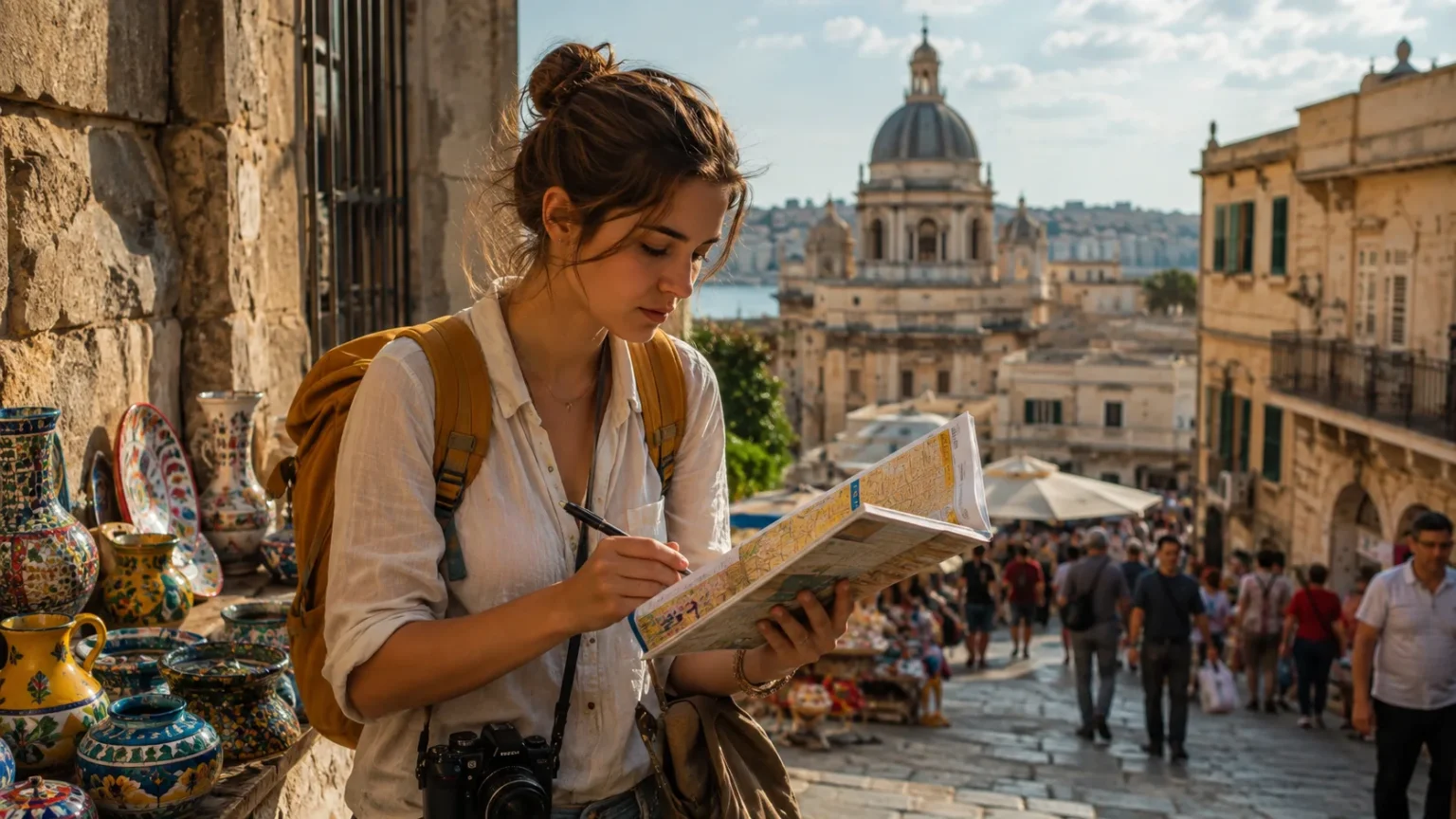
Recording observations can improve memory and understanding. A travel journal can include questions, new words, cultural differences, personal reactions and unexpected discoveries. Photographs can also support learning when they are accompanied by notes about their context and significance.
After returning home, travellers should reflect on how the experience affected their knowledge and opinions. They can research unanswered questions, share lessons with others or apply useful ideas to daily life. This final step helps the educational benefits continue beyond the journey.
Why Travelling Is Important for Lifelong Learning
Travel supports lifelong learning because every journey presents unfamiliar information. Adults may learn about art, food, politics, religion, technology, nature or business simply by observing how people live and work in another location.
Unlike formal education, lifelong learning does not depend on grades or examinations. Travellers learn because they are curious and personally involved in the experience. This internal motivation can make the knowledge more enjoyable and easier to remember.
Regular exposure to unfamiliar environments also prevents thinking from becoming too rigid. Travellers are reminded that societies, technologies and lifestyles continue to change. Remaining open to new information helps people adapt throughout their personal and professional lives.
The strongest travellers are not those who have visited the most countries. They are those who continue asking questions, treating people respectfully and reflecting on what each experience can teach them. This mindset turns travel into an ongoing source of education.
Conclusion: Why Is Travelling Important for Learning?
Travelling is important for learning because it transforms ideas into direct experiences. It allows people to see how history, geography, culture, language and social systems operate in real communities rather than existing only in books or digital resources.
The benefits of travel education extend beyond academic knowledge. Travellers develop communication, decision-making, budgeting, time management and problem-solving skills. They also become more independent and confident as they successfully manage unfamiliar situations.
Travel can build cultural awareness, empathy and open-mindedness by introducing people to different perspectives. These qualities are essential in a connected world where individuals regularly study, work and communicate with people from diverse backgrounds.
A meaningful learning journey does not need to be distant or expensive. What matters is travelling with curiosity, preparation and respect. When people observe carefully and reflect on their experiences, almost any destination can become a valuable classroom.
Frequently Asked Questions
How does travelling improve learning?
Travelling improves learning by connecting information with real places, people and situations. Direct experiences make ideas easier to understand, remember and apply in everyday life.
Why is travel important for students?
Travel helps students develop independence, curiosity, communication and problem-solving skills. It also makes subjects such as history, geography and culture more practical and engaging.
Can travelling increase knowledge?
Yes, travelling can increase knowledge by exposing people to new languages, traditions, environments and social systems. However, travellers learn more when they research, observe and reflect on their experiences.
Does travel make people more open-minded?
Travel can make people more open-minded by challenging assumptions and introducing alternative perspectives. Respectful interaction with local communities can reduce stereotypes and improve cultural understanding.
Is local travel also educational?
Local travel can be highly educational because nearby museums, historical sites, communities and natural areas offer valuable learning opportunities. Educational value depends on curiosity and engagement rather than distance.