




Important to Celebrate Different Cultures and Experiences: Learn, Connect and Create Belonging
Every person sees the world through a unique combination of culture, family traditions, language, education and lived experience. When communities recognise these differences, people gain opportunities to understand one another beyond appearances or assumptions. This is why it is important to celebrate different cultures and experiences rather than expecting everyone to think, communicate or behave in the same way.
Cultural celebrations can introduce people to unfamiliar food, music, clothing, stories, beliefs and customs. However, meaningful celebration goes deeper than attending an international festival or trying a traditional meal. It involves listening to people, respecting their identities and becoming curious about the history and meaning behind different cultural traditions.
Cultural diversity refers to the variety of languages, values, customs, beliefs and forms of expression found within and between societies. UNESCO describes this diversity as an important part of humanity’s shared heritage and future. Recognising it helps communities protect cultural identity while creating space for respectful cultural exchange.
Celebrating diversity does not require people to agree on every belief or tradition. Instead, it encourages them to treat differences with dignity while searching for shared values. Individuals, schools, workplaces and neighbourhoods can use cultural awareness to build stronger relationships, reduce misunderstanding and make everyone feel that their experiences matter.
It Helps People Feel Seen
Culture influences how people express emotions, communicate with others, celebrate milestones and connect with family. When someone’s cultural background is acknowledged respectfully, that person is more likely to feel recognised as a complete individual. This recognition can create a stronger sense of identity, confidence and belonging.
Ignoring cultural differences may appear neutral, but it can make people feel invisible. A person should not have to hide their language, clothing, traditions or family history to be accepted. Inclusive communities allow individuals to share meaningful parts of themselves without being judged, stereotyped or treated as unusual.
Representation is especially valuable for children and young people. When students see their cultures included in books, lessons, artwork and school activities, they learn that their backgrounds deserve respect. At the same time, other students discover that there are many valid ways to experience family life, community, faith, celebration and personal identity.
Communities can increase representation by inviting people to share their own stories instead of speaking for them. Schools can use books written by authors from different backgrounds, while workplaces can recognise culturally significant occasions. These actions should remain voluntary because no individual should be expected to represent an entire culture.
It Builds Cultural Awareness
Cultural awareness begins with recognising that everyone views the world through a cultural lens. Behaviours that seem normal in one community may carry a different meaning somewhere else. Learning about those differences helps people approach unfamiliar customs with curiosity instead of immediately labelling them as strange, wrong or inferior.
Exposure to diverse experiences can also reveal the limits of a person’s assumptions. Someone may discover that communication styles, attitudes towards time, family responsibilities or expressions of respect vary considerably. This knowledge encourages people to pause, ask thoughtful questions and consider context before forming conclusions about another person.
Intercultural dialogue combines respectful listening with a willingness to understand different perspectives. UNESCO explains that these conversations can strengthen trust, social cohesion and mutual understanding among diverse groups. They may also support conflict prevention by giving people constructive opportunities to discuss their differences.
Develop cultural awareness by reading first-person accounts, attending community events and learning directly from credible cultural organisations. Ask respectful questions when appropriate, but understand that people are not obligated to explain personal traditions. Genuine cultural learning requires patience, independent research and a willingness to correct mistaken assumptions.
It Encourages Empathy
Empathy develops when people try to understand experiences that differ from their own. Learning about another culture’s history, challenges and achievements can make unfamiliar lives feel more relatable. Instead of viewing people as categories, individuals begin to recognise the emotions, ambitions, relationships and concerns they share.
Personal stories are particularly powerful because they connect broad cultural issues with real human experiences. Hearing someone describe migration, discrimination, family traditions or community celebrations can challenge oversimplified beliefs. It also helps listeners understand why particular customs, languages, places or ceremonies carry deep emotional meaning.
Celebrating different experiences reminds people that the same event can affect individuals in different ways. Age, disability, religion, economic background, location and family history may shape someone’s opportunities or difficulties. An inclusive approach makes room for these overlapping experiences instead of assuming that one story represents everyone.
To practise empathy, listen without immediately comparing another person’s story with your own. Ask what the experience meant to them, acknowledge emotions and avoid offering quick judgments. Empathy does not mean claiming that you completely understand; it means showing enough care to keep listening and learning.
It Challenges Harmful Stereotypes
Stereotypes reduce complex individuals to oversimplified beliefs about their culture, nationality, language or appearance. They often develop when people have limited contact with communities outside their own. Celebrating diverse cultures can provide more accurate, varied and human perspectives that challenge these narrow expectations.
A cultural group is never completely uniform. People within the same community may practise traditions differently, speak different languages or hold different personal beliefs. Recognising this internal diversity prevents individuals from being treated as predictable examples of a category rather than people with their own experiences.
Open cultural conversations can also help people recognise unconscious bias. A person may discover that media portrayals, jokes or incomplete historical lessons have influenced their assumptions. Acknowledging that influence is uncomfortable, but it creates an opportunity to replace misinformation with direct learning, credible research and meaningful relationships.
When you hear a stereotype, question it calmly instead of allowing it to pass unchallenged. Ask whether the claim is supported by evidence and remind others that no group can be described by a single characteristic. Choose media, books and educational resources that present communities through varied voices rather than repeated clichés.
It Strengthens Inclusive Communities
People are more willing to participate in a community when they believe their identities and experiences will be respected. Cultural inclusion can make schools, workplaces and neighbourhoods feel safer and more welcoming. It communicates that belonging is not limited to people who follow one dominant set of traditions.
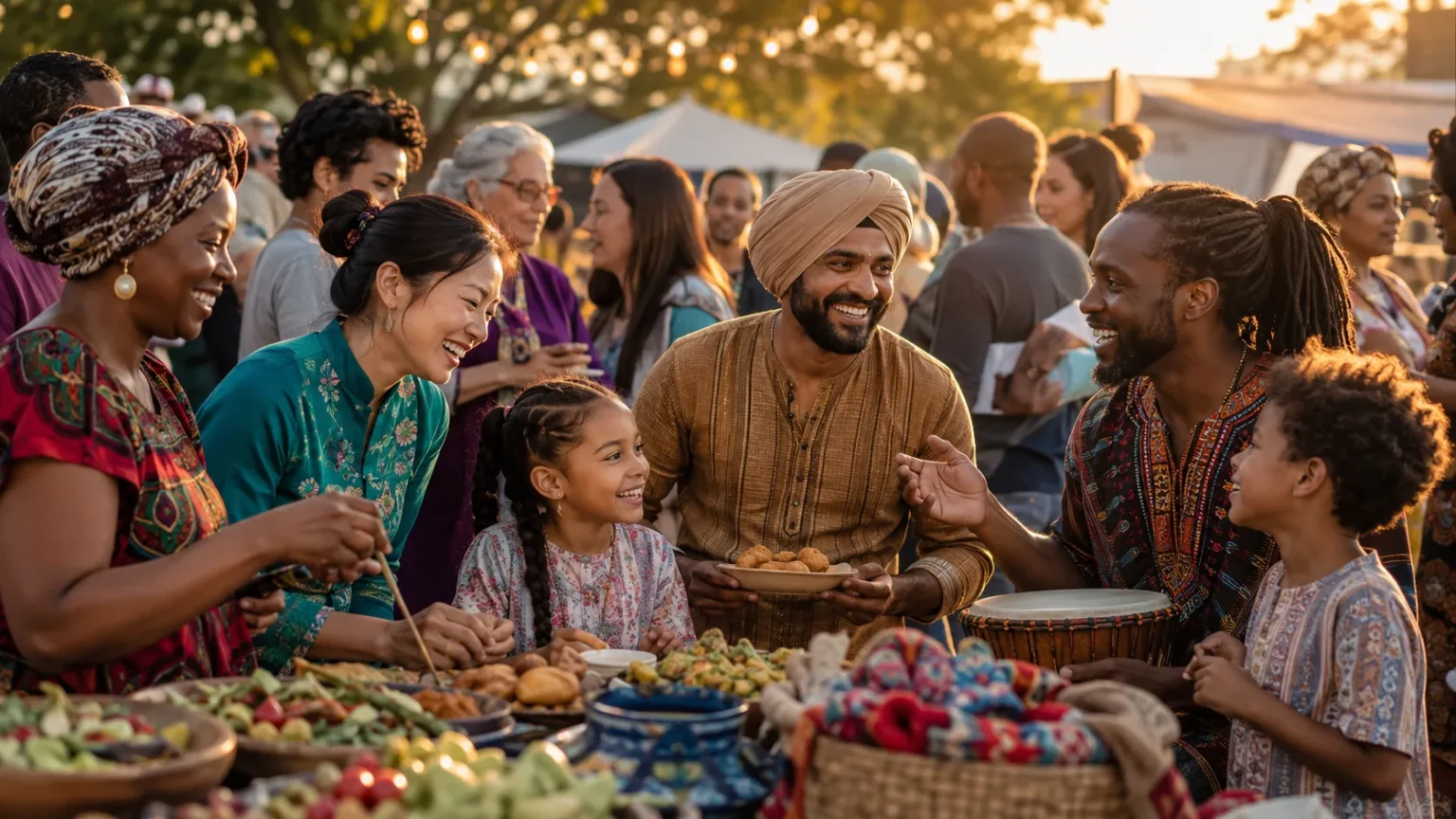
Intercultural activities can create natural opportunities for connection. Community meals, storytelling sessions, language exchanges, art exhibitions and local heritage projects allow people to learn together. These activities work best when members of the featured culture help design them and explain what should be shared.
Cultural dialogue is not only a social courtesy. The United Nations and UNESCO connect cultural diversity with inclusion, peaceful coexistence and sustainable development. Their work emphasises that culture can contribute to education, communication, community resilience and more inclusive public policies.
Local action can begin with something simple. Invite neighbours to share a meal, support a community-led celebration or attend an event outside your usual social circle. The United Nations also recommends personal actions that create opportunities for people from different cultures or religions to meet and learn from one another.
It Improves Learning and Creativity
Different cultural experiences bring different questions, ideas and methods of solving problems. When people exchange these perspectives, they can notice possibilities that a culturally similar group may overlook. Diversity becomes especially valuable when everyone has a genuine opportunity to contribute rather than merely being present.
In classrooms, multicultural learning can encourage students to examine an issue from several viewpoints. Literature, history, science and social studies become more engaging when lessons include contributors from different regions and communities. Students learn that knowledge has developed through cooperation across countries, languages and generations.
Diverse perspectives can also strengthen creativity in workplaces and community projects. A team containing people with different experiences may identify a wider range of audience needs, communication challenges and potential solutions. However, these benefits depend on psychological safety, respectful leadership and equal access to decision-making.
Create better discussions by inviting viewpoints before presenting a final answer. Use rotating facilitators, accessible meeting formats and clear rules against interruption or ridicule. Celebrating diversity should change how groups listen and make decisions, not simply add cultural decorations to an otherwise exclusive environment.
It Protects Cultural Heritage
Cultural heritage includes languages, oral histories, artistic practices, traditional knowledge, ceremonies and skills passed between generations. These traditions help communities understand where they came from and how previous generations responded to change. Celebrating them can encourage younger people to maintain meaningful connections with their history.
Some cultural practices may become less visible because of migration, discrimination, economic pressure or changing lifestyles. Respectful documentation, education and community support can help preserve valuable knowledge. The people connected to a tradition should decide how it is recorded, presented and shared with outsiders.
Preservation does not mean freezing culture in the past. Cultures naturally develop as people respond to technology, travel, new relationships and social change. A healthy cultural celebration respects historic meaning while allowing communities to reinterpret traditions according to their current experiences and priorities.
Support cultural heritage by visiting community-run museums, buying directly from traditional artists and learning from qualified cultural educators. Credit the creators of designs, music, recipes and stories instead of presenting them as anonymous trends. Financial support and accurate attribution help cultural knowledge remain connected to the people who developed it.
It Prepares People for a Connected World
People increasingly study, work and communicate with individuals from different cultural backgrounds. Strong cross-cultural communication skills can prevent misunderstandings and improve cooperation. Learning how culture influences language, feedback, decision-making and social expectations prepares people for these everyday interactions.
Cultural competence does not mean memorising rules about every country. It means developing the humility to recognise when your usual approach may not work. Culturally competent people observe carefully, ask appropriate questions and adapt their communication without treating cultural differences as inconvenient obstacles.
Digital communication makes this skill even more important. Social media can connect people across borders, but it can also spread stereotypes, disinformation and dehumanising language. UNESCO’s intercultural dialogue initiatives present empathy, ethical reasoning and cultural awareness as important abilities for navigating diverse digital spaces.
Practise by checking the cultural context behind unfamiliar content before reacting or sharing it. Avoid treating one viral video as proof of how an entire population behaves. Follow credible voices from different communities and compare several sources when learning about cultural events, conflicts or traditions.
Celebrate Cultures Respectfully
Cultural appreciation involves learning about another culture with respect, context and proper recognition. Cultural appropriation occurs when meaningful elements are removed from their original context, used carelessly or turned into entertainment without acknowledging the people connected to them. Understanding this difference makes celebrations more responsible.
Begin by learning what a tradition represents before copying it. A style of dress, religious symbol, hairstyle, dance or ceremony may carry historical or spiritual importance. Something that appears decorative to an outsider may communicate identity, status, remembrance or resistance within its original community.
Whenever possible, involve people from the culture being celebrated. Pay cultural educators, performers, cooks and artists fairly for their work. Purchase authentic items from community-owned businesses and name the source of ideas. Participation, credit and compensation turn cultural celebration into a more respectful exchange.
Avoid reducing a culture to food, costumes or a single annual event. Include its literature, history, contemporary voices and everyday experiences throughout the year. It is important to celebrate different cultures and experiences consistently because genuine inclusion is built through regular behaviour rather than occasional displays.
Turn Celebration Into Action
Begin with your immediate environment. Review the books, images, music and examples used in your home, classroom or workplace. Ask whose stories are visible, whose perspectives are missing and whether any group appears only through stereotypes. Then introduce materials created by people from underrepresented communities.
Make cultural events interactive rather than performative. Pair festivals with discussions, reading lists, workshops or community partnerships. Encourage participants to learn the meaning behind traditions instead of simply watching a performance. This approach transforms cultural celebration from passive entertainment into a lasting educational experience.
Create clear standards for respectful behaviour. Schools and workplaces should respond consistently to discriminatory jokes, exclusion and harassment. They should also provide safe ways for people to raise concerns. Celebrating diversity loses credibility when organisations promote cultural events but ignore harmful behaviour in everyday interactions.
Measure progress by asking whether people feel heard, represented and able to participate. Collect feedback from different groups and make visible improvements based on what they share. Inclusion is not a project that can be completed once; it requires ongoing listening, accountability and adjustment.
Celebrate Differences, Strengthen the Future
Understanding why it is important to celebrate different cultures and experiences begins with recognising the value of every person’s identity. Cultural celebrations can create belonging, protect heritage and make room for stories that have often been overlooked. They show people that differences do not need to become barriers.
Meaningful cultural inclusion also develops empathy and challenges stereotypes. It encourages people to replace assumptions with curiosity and direct learning. As understanding grows, individuals become better prepared to communicate respectfully, solve problems collaboratively and build relationships across cultural boundaries.
The most effective celebrations combine enjoyment with education and action. Sharing food or attending a festival can be a useful beginning, but lasting progress requires representation, fair participation and consistent opposition to discrimination. Communities must carry the values of respect and inclusion into their daily decisions.
Start with one practical step: read a story from another culture, support a community-led event or have a respectful conversation with someone whose experiences differ from yours. Small actions can expand awareness, strengthen human connection and help create a society where everyone has the freedom to belong.
Frequently Asked Questions
Why is it important to celebrate different cultures and experiences?
Celebrating different cultures builds understanding, empathy and mutual respect. It also helps people feel represented while encouraging communities to challenge stereotypes and create a stronger sense of belonging.
How does celebrating cultural diversity unite people?
Cultural activities create opportunities for people to share stories, traditions and common values. These interactions can reduce social distance and help neighbours, students or colleagues develop more trusting relationships.
What are some respectful ways to celebrate other cultures?
Learn about traditions from credible sources, attend community-led events and support cultural artists or businesses. Always provide credit, understand the context and avoid treating sacred practices as costumes or entertainment.
Why is cultural awareness important in schools?
Cultural awareness helps students feel included and introduces them to perspectives beyond their immediate surroundings. It can also improve respectful communication and prepare learners to participate in diverse communities.
What is the difference between cultural appreciation and appropriation?
Appreciation involves respectful learning, context, credit and meaningful participation from the original community. Appropriation removes cultural elements from their meaning or uses them for personal benefit without recognition or respect.