




15 Best Things to Do in San Sebastian, Spain
San Sebastian, or Donostia in Basque, is one of those destinations that feels sophisticated without being overwhelming. Set on Spain’s northern coast in the Basque Country, the city combines elegant Belle Époque architecture, dramatic green hills, golden beaches, world-famous food, and a strong local identity. Travelers often arrive because they have heard about pintxos and Michelin-starred restaurants, but the city offers far more than eating well. You can hike to panoramic viewpoints, surf Atlantic waves, explore historic neighborhoods, browse food markets, walk along one of Europe’s most beautiful urban bays, and take day trips along the Basque coast. Its compact layout also makes many of the best things to do in San Sebastian easy to combine within a short visit.
One of San Sebastian’s greatest strengths is how naturally different travel experiences fit together. A morning might begin with coffee near the Old Town before a walk along La Concha Beach, followed by lunch built around several pintxos bars instead of one restaurant. The afternoon could involve climbing Monte Urgull, visiting a museum, or taking the funicular toward Monte Igueldo for views over the bay. In the evening, locals and visitors return to lively streets for another round of food and drinks. Few cities make it so easy to combine beaches, culture, outdoor activities, and gastronomy without spending large portions of the day traveling between attractions. That convenience is especially valuable on a weekend trip.
Food is unquestionably central to the San Sebastian experience. The city has developed an international reputation for culinary creativity while preserving the informal tradition of eating pintxos at neighborhood bars. These small dishes range from simple combinations of anchovies and peppers to highly inventive miniature plates that resemble fine dining. However, eating pintxos is as much about movement and atmosphere as it is about the food itself. Instead of settling into one venue for an entire evening, many people order one or two specialties and then continue to another bar. This creates an energetic way to experience the streets, flavors, and social culture of the city.
The natural setting is equally memorable. San Sebastian wraps around beautiful bays and beaches, with forested hills rising at both ends of the coastline. La Concha is the city’s postcard view, but Zurriola offers a more energetic surfing atmosphere, while Ondarreta feels calmer and more residential. Walking paths connect large parts of the shoreline, so sightseeing often becomes part of an enjoyable coastal stroll. Even visitors who are not interested in swimming can spend hours watching the changing Atlantic light, fishing boats, surfers, and people walking along the promenade. The landscape gives San Sebastian a sense of space that many historic European cities lack.
Whether you are planning two days or an entire week, the best approach is to balance famous attractions with slower local experiences. San Sebastian rewards travelers who allow time for long walks, spontaneous food stops, and evenings without an overpacked schedule. The following guide covers 15 of the best things to do in San Sebastian, Spain, along with food experiences, beaches, cultural highlights, and practical planning advice. Rather than treating the city as a checklist, use these ideas to create a trip that matches your interests. Some travelers will prioritize restaurants, others will focus on surfing and hiking, while many will simply enjoy combining everything at a relaxed Basque pace.
Why San Sebastian Is Worth Visiting
San Sebastian stands out because it offers the attractions of a cultured European city while remaining small enough to feel approachable. You can move from an ornate city center to a sandy beach in minutes, then continue toward forested hills without leaving the urban area. This combination creates an unusual travel rhythm in which major attractions rarely feel isolated from everyday life. Locals walk the same waterfront promenades that tourists come to photograph, and neighborhood bars remain an important part of the city’s social culture. For travelers who dislike spending hours on public transportation between sights, the compact scale is a major advantage. Much of central San Sebastian is ideal for exploring on foot.
The city also offers one of Spain’s most distinctive food cultures. While tapas are associated with many regions of Spain, the Basque tradition of pintxos has its own personality and style. Counters can be filled with small bites featuring seafood, cured meats, mushrooms, cheese, vegetables, and sauces, while other dishes are prepared fresh to order. Visitors can experience both traditional bars and highly contemporary kitchens within a relatively small area. San Sebastian also has an exceptional reputation for ambitious restaurants and innovative chefs. This range means you can eat extremely well whether your budget allows for fine dining or is centered on casual bar hopping.
San Sebastian’s beaches are another major reason to visit. La Concha Bay curves gracefully through the center of the city and creates one of the most recognizable coastal views in Spain. Unlike beach resorts built mainly around tourism, San Sebastian feels like a genuine working city that happens to possess outstanding urban beaches. Residents use the waterfront for jogging, walking, swimming, socializing, and commuting between neighborhoods. This everyday connection with the sea gives the destination a relaxed quality even during busy periods. Visitors can enjoy the beaches without sacrificing access to architecture, museums, nightlife, and excellent restaurants.
The surrounding Basque landscape adds another dimension to the trip. Green mountains and rugged coastline distinguish northern Spain from the drier landscapes many travelers associate with the country. Weather can be more changeable, but the rainfall contributes to the lush scenery that makes the area so attractive. Coastal walking routes, nearby fishing villages, and towns across the French border create plenty of options for travelers staying longer than a weekend. San Sebastian therefore works well as both a city-break destination and a base for exploring the wider Basque Country. A four- or five-day stay can easily combine urban sightseeing with excursions beyond the city.
The cultural atmosphere also feels different from many other Spanish destinations. Basque language, food, traditions, sports, and local identity are visible throughout the city, while Spanish is also widely spoken. You may see signs written in both Euskara and Spanish, encounter traditional dishes with unfamiliar names, and notice architectural and cultural influences shaped by the city’s position near France. Rather than expecting San Sebastian to resemble Barcelona, Madrid, or Seville, travelers benefit from approaching it as a destination with its own regional character. That sense of place is one of the reasons many visitors remember the city so strongly after leaving.
15 Best Things to Do in San Sebastian
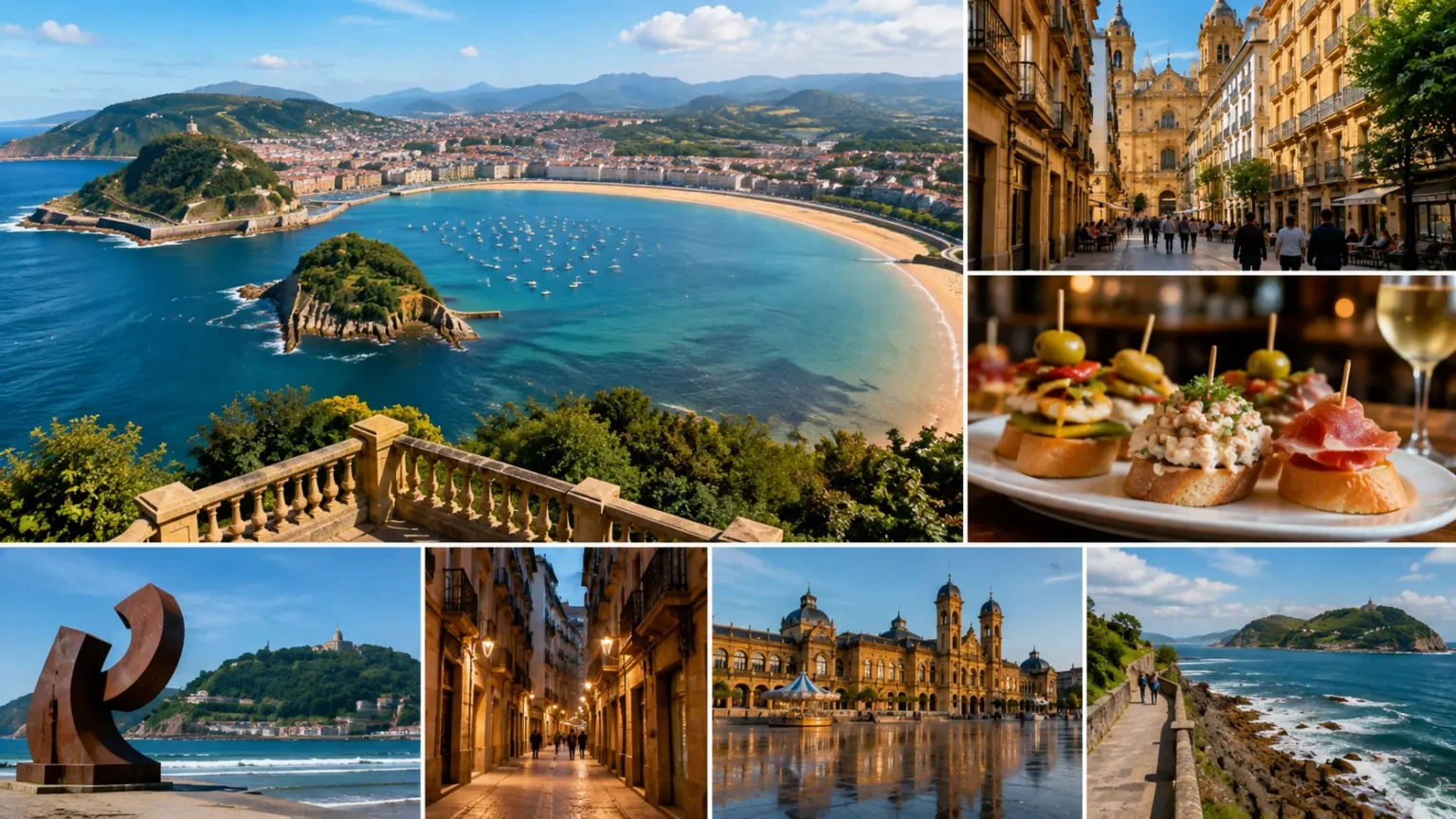
1. Walk along La Concha Beach, 2. explore the Parte Vieja, and 3. go pintxos hopping. La Concha is the natural starting point for many first-time visitors because the sweep of the bay immediately explains why San Sebastian is considered such a beautiful coastal city. After walking the promenade, head into Parte Vieja, the compact Old Town packed with narrow streets, churches, bars, and traditional shops. This is also the perfect place to begin a pintxos crawl. Rather than ordering a full meal at one bar, try one signature dish and a drink before moving to the next stop. The experience becomes part sightseeing, part dining, and part social ritual.
4. Climb Monte Urgull, 5. visit the Castillo de la Mota area, and 6. admire the bay from above. Monte Urgull rises directly behind the Old Town and offers one of the easiest ways to combine history, light hiking, and panoramic views. Several walking routes climb through wooded paths toward old defensive structures and viewpoints overlooking La Concha, Santa Clara Island, and the city. The hill was historically important because of its strategic position, and remnants of fortifications remain scattered across the slopes. You do not need specialized hiking equipment, although comfortable shoes are useful. The climb feels far removed from city streets despite being only a short walk from the center.
7. Ride toward Monte Igueldo, 8. enjoy its classic viewpoint, and 9. walk through Ondarreta. Monte Igueldo sits on the western side of La Concha Bay and provides the famous elevated perspective often seen in travel photographs of San Sebastian. The historic funicular is part of the experience, although walking routes are also possible for more energetic travelers. From the top, the shape of the bay, Santa Clara Island, and surrounding coastline become especially clear. After descending, spend time in the Ondarreta neighborhood and along Ondarreta Beach. This side of the city feels calmer than the Old Town and is excellent for an afternoon stroll away from the busiest streets.
10. Surf at Zurriola Beach, 11. explore the Gros neighborhood, and 12. visit the Kursaal area. Zurriola has a completely different atmosphere from La Concha and is especially popular with surfers. Beginners can find surf schools and rental options, while experienced surfers often head directly into the Atlantic when conditions are suitable. The surrounding Gros district has developed a lively reputation for cafes, bars, restaurants, and a younger local atmosphere. Nearby, the modern Kursaal complex provides a striking architectural contrast with San Sebastian’s older buildings. Even if you do not attend an event, the area is worth seeing during a walk along the coast. Sunset can be particularly atmospheric around the beachfront.
13. Visit a local food market, 14. see Peine del Viento, and 15. take a coastal walk. Traditional markets such as La Bretxa and San Martín offer a useful look at ingredients that shape Basque cooking, including seafood, vegetables, meats, cheeses, and seasonal produce. On the western edge of the city, Eduardo Chillida’s Peine del Viento, or Comb of the Wind, places large sculptures dramatically against the sea and rocky shoreline. Waves, wind, and changing weather are part of the artwork’s experience. From here, extend your outing into a longer coastal walk along the promenade. These three activities reveal San Sebastian through food, art, and landscape rather than conventional sightseeing alone.
Best Food Experiences in San Sebastian
Pintxos should be near the top of any San Sebastian food itinerary because they offer an accessible introduction to Basque flavors. Parte Vieja contains an extraordinary concentration of bars, but simply entering the busiest establishment is not always the best strategy. Look for places with a clear specialty and consider ordering what regular customers appear to be choosing. Some bars are famous for grilled mushrooms, others for anchovies, tortilla, seafood, slow-cooked meat, or elaborate modern creations. One or two dishes per stop usually creates a better experience than filling your plate immediately. Moving between several bars allows you to taste different cooking styles while exploring the Old Town on foot.
Understanding pintxos etiquette makes the evening feel much easier. In some places you can select cold items displayed on the counter, while hot specialties are ordered directly from staff. Many respected bars have signature dishes that may not be visibly displayed, so checking the menu or asking what the house is known for can be worthwhile. Crowded bars can appear chaotic to newcomers, especially during busy dinner periods, but the atmosphere is part of the experience. Be ready to stand rather than expecting a formal table. Keeping orders simple and moving on after a drink and a small dish also helps you enjoy more venues without becoming uncomfortably full.
Seafood deserves special attention because San Sebastian’s coastal location influences local cooking. Anchovies, hake, squid, shellfish, bonito tuna, and other seafood appear frequently in traditional and contemporary dishes. Some preparations are remarkably simple, allowing high-quality ingredients to carry most of the flavor. Others use sauces, grilling, pickling, or modern techniques to create more elaborate results. Travelers who normally avoid anchovies may be surprised by the quality of fresh or carefully preserved versions served in the Basque Country. Visiting a market earlier in the day can also make restaurant menus more interesting because you begin to recognize the ingredients displayed by local vendors.
Basque cheesecake has become internationally famous, but trying it in San Sebastian gives the dessert useful context. The local style is known for a deeply browned top, creamy interior, and relatively rustic appearance compared with traditional American cheesecake. It is rich, so sharing a portion after several pintxos can be a sensible strategy. Beyond cheesecake, bakeries and cafes offer pastries, breads, and sweets that make morning coffee stops worthwhile. Travelers focused entirely on dinner can overlook how enjoyable breakfast and afternoon snacks are in the city. Leaving some flexibility in the schedule creates room for discoveries that were not part of the original food plan.
San Sebastian is also famous for high-end dining, and serious food travelers may want to reserve at least one special restaurant experience. The broader region is known for culinary innovation, tasting menus, seasonal ingredients, and chefs who have influenced modern Spanish and international cooking. Fine dining can require planning, particularly during popular travel periods, so reservations are usually worth considering well before arrival. That said, expensive restaurants are not required to appreciate the city’s food culture. A traveler can build an unforgettable trip around markets, bakeries, neighborhood bars, and casual seafood meals. The coexistence of informal and highly refined dining is one of San Sebastian’s greatest strengths.
Beaches, Viewpoints and Outdoor Activities
La Concha is the city’s most famous beach and deserves time beyond a quick photograph. The long crescent of sand is ideal for walking, swimming when conditions are suitable, or simply sitting with a view of Santa Clara Island and the surrounding hills. Tides can change the amount of visible sand considerably, giving the bay a different appearance throughout the day. The promenade behind the beach is equally attractive and provides an easy route between the center and western neighborhoods. Early morning is particularly pleasant for travelers who prefer quieter walks. By evening, the waterfront becomes a popular place for residents and visitors to watch the changing light.
Zurriola Beach is the best choice for travelers interested in surfing or a more energetic beach atmosphere. The open position facing the Atlantic creates conditions that attract surfers throughout much of the year, although wave strength varies. Beginners should consider professional instruction rather than entering unfamiliar surf conditions alone. Even if you never touch a surfboard, watching experienced surfers is an enjoyable activity from the promenade. Gros, the neighborhood immediately behind the beach, is also filled with places to stop for food or coffee. This combination makes Zurriola easy to integrate into a half-day exploring eastern San Sebastian.
Monte Urgull offers one of the most convenient outdoor activities in the city because the trail begins close to Parte Vieja. As you climb, viewpoints appear through the trees, revealing different angles over the harbor, beaches, rooftops, and surrounding hills. The walk can be treated as a quick climb or a slower exploration of the fortifications and pathways across the hill. Carrying water is useful, especially in warmer weather, although conditions in northern Spain can change quickly. A light waterproof layer can also be valuable. The route is particularly rewarding for travelers who want good views without dedicating an entire day to hiking.
Monte Igueldo provides a broader panorama and one of the classic San Sebastian viewpoints. From the western hill, La Concha’s elegant curve becomes the dominant feature of the cityscape. Santa Clara Island sits in the middle of the bay, while Monte Urgull appears on the opposite side. Photographers may want to visit when the light is softer, although changing weather can create dramatic scenes at almost any time. The journey to the viewpoint is part of the attraction, especially if you use the traditional funicular. Combining Monte Igueldo with Ondarreta Beach and Peine del Viento creates an efficient afternoon route.
Long coastal walks are perhaps the simplest outdoor pleasure in San Sebastian. You can connect several beaches, neighborhoods, parks, sculptures, and viewpoints without needing a formal itinerary. Walking also provides a welcome balance after several rounds of pintxos and rich Basque meals. Travelers staying multiple days can gradually explore different sections rather than trying to complete the entire shoreline at once. Comfortable footwear matters because distances accumulate quickly when sightseeing on foot. The city’s combination of promenades and natural scenery makes walking feel like an attraction rather than merely transportation between sights.
Culture, Neighborhoods and Local Experiences
Parte Vieja is the historical and social heart of San Sebastian, but it deserves attention beyond its famous pintxos bars. During the daytime, the neighborhood feels different from the crowded evening dining scene. Churches, small squares, traditional shops, narrow streets, and glimpses toward Monte Urgull create a compact area that rewards wandering without a strict route. Early morning can be especially atmospheric before restaurants and bars become busy. Visitors interested in architecture and local history should slow down rather than treating the Old Town solely as a place to eat. The neighborhood’s layers of history become more visible when the streets are quieter.
Gros offers a useful contrast. Located across the river from the city center, it combines Zurriola Beach with a contemporary residential and social atmosphere. Cafes, bakeries, bars, independent shops, and surf culture give the district a different energy from Parte Vieja. Travelers who want nightlife without spending every evening in the Old Town may prefer exploring Gros after sunset. It is also an appealing area for morning coffee or brunch before visiting Zurriola. Staying in this neighborhood can work particularly well for travelers who prioritize surfing, beach access, or a slightly less tourist-focused environment.
The central area around elegant nineteenth- and early twentieth-century buildings reflects another chapter of San Sebastian’s development. Wide streets, attractive plazas, riverfront walks, and carefully designed facades create a more polished atmosphere than the medieval-feeling lanes of Parte Vieja. Walking between the Old Town and central neighborhoods reveals how dramatically the cityscape changes within a short distance. The area is excellent for shopping, cafes, and simply observing daily city life. Architecture enthusiasts may enjoy spending time around the bridges and river as well. The mix of historical styles contributes to San Sebastian’s refined visual identity.
Cultural venues add depth when the weather turns rainy, which is always possible in this green Atlantic region. Museums, exhibitions, performing arts, and cultural centers can provide a break from outdoor sightseeing while introducing Basque history and contemporary creativity. The Kursaal is one of the city’s most recognizable modern buildings and frequently hosts cultural events. Travelers visiting during a festival may find the city especially lively, though accommodation can also become more competitive. Checking cultural programming before your trip can reveal concerts, exhibitions, or events that would be difficult to discover spontaneously. A rainy afternoon can therefore become an opportunity rather than a disappointment.
Markets are another valuable cultural experience because food is deeply connected with Basque identity. Browsing fresh seafood, vegetables, meats, cheeses, and other local ingredients provides context for dishes you encounter in restaurants later. Markets are usually most interesting when treated as places of everyday commerce rather than staged attractions. Be considerate of shoppers and vendors, particularly during busy periods. Buying a small snack, cheese, fruit, or specialty product can also turn the visit into part of lunch. For food-focused travelers, markets often reveal as much about a destination as formal museums.
How to Plan the Perfect San Sebastian Itinerary
A two-day visit can cover many major attractions if you organize activities geographically. On the first day, concentrate on La Concha, Parte Vieja, Monte Urgull, and an evening pintxos crawl. This introduces the city’s most recognizable landscape, historical center, and food culture without excessive travel between neighborhoods. On the second day, explore Gros and Zurriola before heading west toward Ondarreta, Peine del Viento, and Monte Igueldo. You will see both sides of the city and experience contrasting beaches. Avoid scheduling every meal in advance unless you have specific restaurants you consider essential.
Three days allows for a more relaxed pace. You can dedicate extra time to markets, cultural attractions, shopping, or a longer beach session without sacrificing major sights. Food lovers may prefer spreading pintxos exploration across several evenings rather than attempting too many bars in a single night. Surfers can devote a morning to lessons at Zurriola, while hikers might spend longer on Monte Urgull or nearby coastal routes. A third day also gives you flexibility if rain interrupts outdoor plans. San Sebastian is a city where unstructured hours frequently become some of the most enjoyable parts of the trip.
With four or five days, consider using San Sebastian as a base for exploring the wider Basque region. Nearby coastal towns, fishing villages, vineyards, mountain landscapes, and larger cities can add variety. The French Basque coast is also relatively close, making cross-border excursions possible for travelers with sufficient time. Renting a car can increase flexibility for rural areas, but many regional destinations can also be reached using public transportation or organized tours. Before adding multiple day trips, however, make sure you have allowed enough time for San Sebastian itself. The city rewards repeat walks and leisurely meals more than rushed sightseeing.
Where you stay can influence the feel of the trip. Parte Vieja places you close to nightlife and pintxos bars but may feel busy during evenings. The central neighborhoods are convenient for La Concha, shopping, and transport connections, making them suitable for first-time visitors. Gros works well for surfing, Zurriola Beach, cafes, and a more contemporary neighborhood atmosphere. Areas farther west can feel calmer and may appeal to travelers prioritizing beaches and quieter evenings. Because central San Sebastian is walkable, choosing accommodation slightly outside the busiest streets does not necessarily make sightseeing difficult.
Weather should be part of your planning because northern Spain receives more rain than many classic Mediterranean destinations. Even during generally pleasant travel periods, cloudy or wet conditions can appear unexpectedly. Pack footwear suitable for walking on damp streets and consider carrying a compact rain layer. The advantage is that the surrounding landscape stays beautifully green, and cooler weather can make hiking and city walking comfortable. Avoid building an itinerary that depends completely on sunshine. Keeping museums, markets, cafes, and longer meals as flexible alternatives makes the trip enjoyable regardless of conditions.
When to Visit San Sebastian and Practical Travel Tips
Late spring through early autumn is particularly popular because temperatures are generally comfortable for walking, beaches, and outdoor dining. Summer provides the strongest beach atmosphere but also attracts larger crowds and higher accommodation demand. Travelers who prioritize swimming and lively evenings may consider this a worthwhile tradeoff. Booking rooms and important restaurants earlier becomes more useful during busy periods. Beaches and the Old Town can feel energetic rather than peaceful at peak times. Early mornings remain an effective way to experience famous places with fewer people.
Spring and autumn can provide an excellent balance for travelers focused on food, hiking, sightseeing, and cultural experiences. Temperatures may be cooler, but walking around the city can be especially comfortable. Rain remains possible, so flexibility matters. These seasons can also make the destination feel more local once the heaviest holiday crowds decrease. Food-focused visitors lose very little by traveling outside peak beach season because pintxos bars, markets, and restaurants remain central attractions. The changing weather can even make rich Basque dishes particularly satisfying.
Winter is quieter and can appeal to travelers who care more about food and atmosphere than sunbathing. Atlantic weather can be wet, windy, and cool, so outdoor activities require suitable clothing. Some travelers enjoy this mood because the city feels less like a beach destination and more like a sophisticated coastal food capital. Long meals, museums, cafes, and evening bar hopping become more important parts of the itinerary. The sea can also look dramatic during stormier weather. Travelers expecting guaranteed sunshine, however, may prefer another season.
Getting around central San Sebastian is straightforward because walking covers many major attractions. Local buses are useful when distances become tiring or when accommodation is farther from the center. Cycling can also work on suitable routes, although pedestrians should remain aware of designated lanes. A rental car is unnecessary for most city sightseeing and can create additional concerns involving parking and traffic. Consider renting one only if your wider itinerary includes rural destinations where public transportation is inconvenient. For a short city break, comfortable walking shoes will probably be used far more than any vehicle.
Finally, avoid trying to experience San Sebastian like a checklist. The city’s greatest pleasures include choosing another pintxos bar unexpectedly, sitting beside the sea, watching surfers, wandering through a market, or taking a longer route home along the promenade. Build several anchor activities into each day while leaving space around them. That approach is especially helpful because meals can naturally become longer than expected. San Sebastian is small enough that changing plans rarely creates a major logistical problem. Slow down, eat well, walk often, and let the city’s coastline and neighborhoods shape part of your itinerary.
Frequently Asked Questions About Things to Do in San Sebastian
How many days do you need in San Sebastian?
Two days are enough to see major highlights such as La Concha, Parte Vieja, Monte Urgull, Gros, and Monte Igueldo. Three to four days are better if you want slower meals, beach time, cultural attractions, surfing, or a nearby day trip.
What is San Sebastian most famous for?
San Sebastian is especially famous for its pintxos culture, outstanding restaurants, La Concha Beach, elegant architecture, and beautiful coastal setting. It is also known for its strong Basque identity and easy access to beaches, hills, and nearby coastal towns.
Is San Sebastian a walkable city?
Yes, central San Sebastian is highly walkable, and many major attractions are relatively close to one another. Comfortable shoes are useful because exploring the beaches, Old Town, hills, and waterfront promenades can add up to substantial daily walking.
Is San Sebastian good for a beach holiday?
Yes, particularly if you want to combine beach time with restaurants, sightseeing, and culture. La Concha and Ondarreta suit relaxed beach days, while Zurriola is especially popular with surfers.
What should you not miss in San Sebastian?
Do not miss walking La Concha Bay, exploring Parte Vieja, trying several pintxos bars, seeing the city from Monte Urgull or Monte Igueldo, and visiting Peine del Viento. These experiences capture the food, coastline, culture, and scenery that make San Sebastian distinctive.