



20 Best Solo Travel Destinations for Your Next Adventure
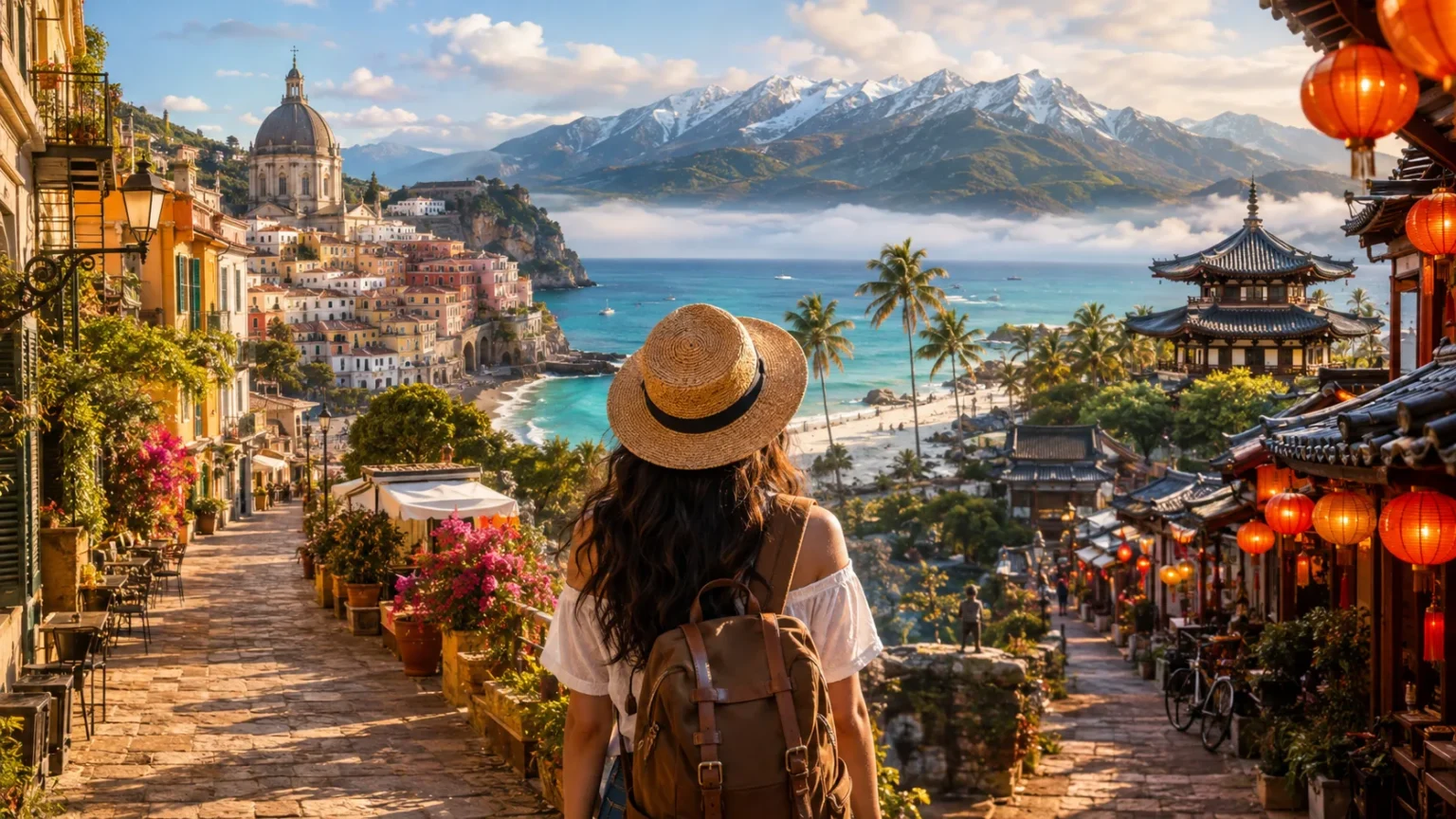
Traveling alone gives you something that is difficult to recreate on a group trip: complete control over your time. You can spend three hours inside a museum, change neighborhoods because a café looks interesting, take an early train without negotiating with anyone, or simply sit in a park and watch a city move around you. The best solo travel destinations make that independence easier by offering useful public transportation, plenty of activities suitable for one person, welcoming social spaces, and neighborhoods that are rewarding to explore slowly. Solo travel is not about avoiding people. It is about choosing when to be independent and when to connect with tours, hostels, classes, restaurants, or local experiences.
No destination is completely risk-free, and “solo-friendly” should never be interpreted as a guarantee that nothing can go wrong. Personal safety can vary by neighborhood, time of day, season, transportation choice, local events, and an individual traveler’s behavior or circumstances. A city with excellent transportation may still require greater awareness around nightlife, isolated trails, scams, or valuables. For that reason, these recommendations focus on practical factors such as walkability, public transportation, cultural activities, organized tours, accommodation variety, and how easy it is to build a satisfying itinerary without a companion. Travelers should still review current government advisories and destination-specific information before departure.
The following solo travel destinations range from compact European capitals and highly connected Asian cities to mountain towns, cultural hubs, and adventurous coastal destinations. Some are particularly suitable for first-time solo travelers, while others reward people comfortable making more independent transportation and safety decisions. The list also includes options for different budgets, interests, and trip lengths rather than assuming every solo traveler wants nightlife or backpacking. Whether your ideal adventure involves temples in Kyoto, mountain scenery in Queenstown, museums in Mexico City, food in Bangkok, or café culture in Buenos Aires, there is a destination here that can fit your travel style.
Easy European Destinations for a First Solo Trip
1. Lisbon, Portugal combines manageable city exploration with enough variety to fill several independent days. Alfama’s steep lanes, Belém’s monuments, riverfront walks, miradouros, food markets, and neighborhood cafés give solo travelers plenty to do without needing an organized group. Public transportation includes metro lines, buses, trains, and the famous trams, while the official tourism board describes the metro as one of the easiest ways to move around Lisbon. Stay somewhere central enough that you can walk to dinner, but bring comfortable shoes because Lisbon’s hills and stone pavements can be surprisingly tiring. A day trip to Sintra adds palaces and forested scenery without requiring you to change hotels.
2. Copenhagen, Denmark is especially appealing when you want an organized city that is comfortable to explore on foot, by bicycle, or through public transportation. Spend your days around Nyhavn, Christianshavn, museums, design districts, bakeries, food halls, parks, and waterfront neighborhoods without needing to build a complicated itinerary. Copenhagen’s official tourism site notes that its automated metro operates 24 hours a day and connects central neighborhoods with the airport, while the Copenhagen Card can include transportation and entry to more than 80 attractions. Solo dining also feels natural in casual cafés and markets. Costs can be high, so travelers on tighter budgets should prioritize free walks, supermarkets, bakeries, and carefully selected paid attractions.
3. Reykjavík, Iceland works well for independent travelers who want a small capital combined with easy access to dramatic landscapes through organized excursions. The central area is compact, allowing you to walk between Hallgrímskirkja, Harpa, the old harbor, museums, restaurants, and colorful streets without renting a car. From Reykjavík, solo travelers can join group trips to waterfalls, geothermal landscapes, glaciers, or the Golden Circle, creating built-in opportunities to meet other visitors. The city’s official tourism information says local buses cover nearly every part of Reykjavík, with many routes operating every 15 minutes during peak periods. Iceland can be expensive, but choosing a guesthouse with a kitchen and mixing independent sightseeing with one or two major excursions can control costs.
4. Edinburgh, Scotland rewards solo travelers who enjoy history, literature, dramatic architecture, atmospheric streets, and destinations where wandering is an activity in itself. You can spend a day exploring Edinburgh Castle, the Royal Mile, closes and wynds, museums, Dean Village, Stockbridge, and viewpoints around Arthur’s Seat or Calton Hill. Central Edinburgh is highly walkable, although steep streets and cobblestones make supportive footwear worthwhile. The city’s official tourism organization highlights its extensive bus system and notes that many central attractions can easily be reached on foot. One current 2026 consideration is temporary disruption around Princes Street following a major fire, so check transport updates before relying on a particular tram or bus route.
5. Ljubljana, Slovenia is a strong choice for travelers who feel overwhelmed by enormous capitals but still want European architecture, cafés, culture, and easy day trips. The historic center is compact and pleasant to explore slowly, with the Ljubljanica River, bridges, markets, castle, outdoor terraces, and pedestrian streets all relatively close together. The official tourism board emphasizes that Ljubljana is compact enough to navigate easily by walking or bicycle, with public buses available for longer journeys. Use the city as a base for excursions toward Lake Bled, caves, mountains, or other parts of Slovenia. Ljubljana is particularly good for a first independent European trip when you want a relaxed pace without sacrificing opportunities for nature and culture.
Culture-Rich Asian Cities for Independent Travelers
6. Tokyo, Japan might look intimidating on a map, but its transportation network makes it one of the most rewarding large cities to explore independently. Build each day around one or two neighborhoods rather than trying to cross the entire metropolis repeatedly, combining areas such as Asakusa, Shibuya, Shinjuku, Ueno, Ginza, and quieter residential districts. Solo dining is common in ramen shops, sushi counters, cafés, and casual restaurants, which removes one of the concerns many first-time solo travelers have. Tokyo’s official tourism site reports more than 280 subway stations and extensive multilingual signage across the network. An IC card can make trains and subways easier, while day trips to places such as Kamakura or Nikko add variety.
7. Kyoto, Japan offers a slower counterpart to Tokyo and is especially suitable for solo travelers who enjoy temples, gardens, traditional neighborhoods, walking, and early mornings. Begin popular areas such as Fushimi Inari or Kiyomizu-dera early, then spend quieter hours exploring smaller temples, Philosopher’s Path, markets, or neighborhood cafés. Kyoto’s official tourism guidance recommends combining trains and buses rather than depending entirely on buses, particularly because congestion affects major sightseeing areas. That advice is particularly useful for solo travelers because flexibility makes it easy to change routes when a bus is crowded. Stay several nights instead of treating Kyoto as a rushed day trip, allowing time for Arashiyama, Higashiyama, central Kyoto, and a slower evening in Gion.
8. Seoul, South Korea combines palaces, contemporary design, nightlife, mountain trails, markets, cafés, museums, and shopping within one extremely connected urban area. Solo travelers can move between Gyeongbokgung Palace, Bukchon, Insadong, Hongdae, Myeongdong, Dongdaemun, and riverside neighborhoods without needing a car. The official Seoul tourism site describes the subway as one of the city’s most efficient transportation options, with signs in Korean, English, and Chinese and service generally running from around 5:30 a.m. until midnight. Convenience stores and casual restaurants make solo meals simple, while walking tours and food experiences offer social opportunities. Seoul is especially appealing for travelers who want late-night energy without needing every activity to revolve around bars.
9. Singapore is a particularly approachable option for travelers making their first independent trip in Southeast Asia. The city combines hawker centers, modern architecture, historic districts, gardens, museums, waterfront attractions, and multicultural neighborhoods within a relatively compact island. The official tourism board describes Singapore’s MRT and bus systems as fast and efficient, with extensive routes and contactless payment options available for visitors. Spend time in Chinatown, Little India, Kampong Gelam, Marina Bay, and the Botanic Gardens rather than focusing only on skyscrapers. Accommodation can be expensive, but inexpensive hawker food and efficient transportation help balance the budget. The city also works well as a short stop before continuing elsewhere in Asia.
10. Bangkok, Thailand is ideal for solo travelers who enjoy energy, street food, temples, markets, nightlife, and a city that never seems to run out of neighborhoods to explore. Wat Pho, the Grand Palace area, Chinatown, riverside districts, modern malls, parks, and markets can fill several completely different days. Thailand’s official tourism organization highlights temples including Wat Pho and Wat Phra Kaew alongside markets and major shopping areas among Bangkok’s central attractions. Use rail transportation and river boats when they fit your route, and be cautious about unsolicited transport or attraction offers that seem unusually complicated or cheap. Bangkok is social enough for meeting travelers, yet large enough that spending an entire day alone never feels unusual.
Nature, Adventure, and Laid-Back Solo Escapes
11. Chiang Mai, Thailand gives solo travelers a softer introduction to Thailand than Bangkok while still providing abundant food, temples, markets, classes, and day trips. Stay around the Old City or another convenient neighborhood so you can walk to temples and cafés, then join organized excursions when you want mountains, villages, or outdoor experiences. The Tourism Authority of Thailand highlights Doi Suthep, walking streets, Nimmanhaemin Road, Doi Inthanon, gardens, handicrafts, and surrounding mountain landscapes among Chiang Mai’s major attractions. Cooking classes are particularly useful for solo travelers because they combine local culture with easy social interaction. Choose animal-related experiences carefully and avoid attractions that allow exploitative handling, riding, or performances involving wild animals.
12. Ubud, Bali suits solo travelers who want rice-field scenery, wellness, art, cafés, temples, cultural performances, and enough visitor infrastructure to meet other travelers without living inside a party district. Indonesia’s official tourism site describes Ubud as Bali’s cultural and artistic heart, surrounded by terraced rice landscapes and traditional performances. Yoga classes, cooking experiences, guided walks, workshops, and shared tours make socializing straightforward when you want company. Traffic can make apparently short road trips surprisingly slow, so avoid filling each day with attractions on opposite sides of Bali. Ubud works best when you stay long enough to slow down, walk locally, and choose only a few meaningful excursions rather than constantly moving between Instagram-famous stops.
13. Melbourne, Australia is excellent for independent urban travelers who prioritize food, coffee, museums, street art, sports, live music, and neighborhoods with distinct personalities. Spend time around the laneways, National Gallery of Victoria, Fitzroy, Carlton, Southbank, markets, gardens, and coastal suburbs before considering day trips along the Great Ocean Road or into nearby wine regions. Visit Victoria’s official 2026 visitor material includes detailed public transport information and highlights trains, trams, buses, walking routes, and inner-city attractions. Public transportation across Victoria is also temporarily half-price from June through December 2026. Melbourne is particularly easy to enjoy alone because cafés, markets, sporting events, and galleries naturally accommodate individual visitors.
14. Queenstown, New Zealand is one of the strongest solo destinations for travelers who want their independence combined with organized adventure activities. Lake Wakatipu, surrounding mountains, hiking trails, skiing, cycling, scenic cruises, bungy experiences, and day trips provide enough options for several active days. Group activities create instant social environments without requiring you to find travel companions beforehand. Queenstown’s official tourism organization notes that the compact downtown can be explored on foot and that local transportation includes buses, ferries, bicycles, rental vehicles, and transfers provided by many activity companies. The destination is not cheap, so choose several priority experiences instead of booking every adrenaline activity available. Walking trails provide exceptional scenery without requiring a large daily activity budget.
15. Vancouver, Canada works especially well for travelers who want a city vacation and outdoor adventure within the same itinerary. Stanley Park, Granville Island, waterfront paths, museums, neighborhoods, beaches, mountains, and North Shore excursions provide enough variety that several days never feel repetitive. Destination Vancouver’s 2026 transportation guidance notes that buses, SkyTrain, SeaBus, and other services make many major attractions accessible without a car. The SeaBus itself offers an easy scenic trip across Burrard Inlet, while small False Creek ferries connect several popular waterfront areas. Vancouver is a particularly appealing solo adventure travel destination when you want mornings on city streets and afternoons hiking, cycling, kayaking, or looking toward snow-covered mountains.
Big Cities and Bold Adventures for Confident Solo Travelers
16. Montréal, Canada combines European-influenced architecture with North American city convenience, creating a strong destination for travelers who enjoy food, arts, festivals, neighborhoods, and urban walking. Explore Old Montréal, Plateau-Mont-Royal, Mile End, downtown museums, markets, and Mount Royal without needing a companion or rental car. Tourisme Montréal describes its public transportation as easy to navigate, with four Métro lines connected to extensive bus routes. The city has additional energy in 2026 because Montréal is marking the 50th anniversary of the 1976 Summer Olympics and Mount Royal Park’s 150th anniversary. Summer brings festivals and patios, while autumn provides cooler temperatures and colorful neighborhood walks.
17. New York City, USA can feel intense, but it is unusually well suited to solo travel because almost every activity is normal to do alone. Museums, Broadway performances, parks, bookstores, neighborhood walks, food halls, observation decks, and famous landmarks can be arranged entirely according to your own interests. Public transportation operates throughout the city, and NYC Tourism’s 2026 information notes that subway and local bus fares are now $3, with OMNY replacing MetroCard and supporting contactless payment across the system. Focus on several neighborhoods each day rather than zigzagging constantly between boroughs. New York can be expensive, but free parks, walking routes, public ferries, and inexpensive food can keep a solo itinerary from becoming entirely luxury-priced.
18. Mexico City, Mexico is an outstanding solo destination for travelers who prioritize museums, food, history, architecture, parks, neighborhoods, and archaeological sites. The Historic Center, Chapultepec, Roma, Condesa, Coyoacán, and major museums can fill several days before you even consider excursions toward Teotihuacán or surrounding towns. Mexico’s official tourism site describes the capital as both an ancient cultural center and a contemporary global metropolis, with attractions ranging from Palacio de Bellas Artes to Chapultepec and numerous neighborhood cultural spaces. Solo travelers should research neighborhoods carefully and use reputable transportation, especially late at night. Food tours and museum tours are excellent ways to add social interaction while also gaining context that independent sightseeing can miss.
19. Buenos Aires, Argentina is particularly rewarding for solo travelers who enjoy staying long enough to develop daily routines rather than racing between major attractions. Spend mornings in cafés, afternoons walking Palermo or Recoleta, evenings around theaters or restaurants, and separate days exploring San Telmo, Puerto Madero, and local markets. The city’s official tourism site says Buenos Aires has an extensive public transport network including six Subte lines, buses, trains, taxis, and cycling infrastructure. Tango shows, group lessons, food tours, and walking tours provide easy social opportunities. Distances can be larger than they appear, so organize sightseeing by neighborhood and use registered transport when returning late from nightlife or performances.
20. Cape Town, South Africa is one of the most spectacular options on this list, but it suits travelers willing to plan transportation and personal safety more carefully than they might in compact European capitals. Table Mountain, the Cape Peninsula, beaches, museums, food, wine regions, hiking, and coastal scenery provide extraordinary variety. Cape Town Tourism’s 2026/27 visitor guide highlights nature, beaches, food, culture, museums, and extensive city and peninsula attractions. The tourism authority also advises visitors to remain vigilant, particularly in the evening, keep possessions secure, and plan how they will travel. Solo visitors can reduce uncertainty by using reputable tours and transfers for more isolated sights rather than treating every excursion as an independent walk.
How to Choose the Best Solo Destination for Your Travel Style
Start by deciding how independent you actually want the trip to feel. Some travelers love navigating complicated cities, eating alone, and changing plans spontaneously, while others enjoy solo travel mainly because organized day tours allow them to meet people without coordinating an entire vacation with friends. Tokyo, Copenhagen, Singapore, Montréal, and Edinburgh are particularly convenient when you value reliable urban transportation and structured sightseeing. Queenstown, Chiang Mai, and Ubud make social connection easier through activity tours, workshops, and classes. Cape Town can be exceptionally rewarding, but it requires more deliberate transportation planning. The best places to travel alone are therefore not necessarily the easiest destinations; they are the places whose challenges match your confidence and experience.
Consider what happens after sunset as carefully as what you plan during the day. A destination full of spectacular daytime attractions may feel less suitable if your accommodation is isolated and every evening requires a complicated journey. Staying in a central, active neighborhood can dramatically improve a solo trip because cafés, restaurants, convenience stores, and transportation remain nearby. Read recent accommodation reviews specifically for location, nighttime noise, transportation, front-desk availability, and how comfortable previous individual travelers felt returning in the evening. Paying slightly more for a better location can reduce transportation costs and make spontaneous plans easier. This is particularly valuable when visiting a destination for the first time and still learning how its neighborhoods connect.
Match destination scale with trip length. Singapore can work very well for three or four days, while Tokyo, New York, Mexico City, and Buenos Aires easily justify a week or longer. A rushed itinerary becomes especially tiring when you are personally responsible for every navigation decision, reservation, transfer, and meal choice. Solo travel feels much easier when you have enough time to make mistakes without losing half the trip. Build at least one relatively unscheduled period into every few days so you can rest, revisit a neighborhood, do laundry, or follow an unexpected recommendation. Slow solo travel often creates better memories than attempting to maximize the number of attractions visited per hour.
Climate should influence destination choice more than inspirational photographs suggest. Reykjavík in winter provides a completely different experience from Reykjavík in summer, while Bangkok’s heat and humidity can affect how much walking feels realistic. Queenstown changes from hiking and cycling toward snow sports as seasons shift, and Montréal can move from warm festival days to deeply cold winter conditions. Research daylight hours, rainfall, extreme heat, altitude, wildfire seasons, and regional weather patterns before buying nonrefundable flights. Solo travelers have nobody else monitoring their condition, which makes knowing when to shorten a hike or move an outdoor activity especially important. A destination that matches your preferred weather can substantially reduce physical and logistical stress.
Finally, think about how much social interaction you want. Hostels, small-group food tours, language classes, walking tours, cooking workshops, coworking spaces, and guided hikes can create temporary communities without requiring you to travel with someone constantly. If you prefer privacy, cities such as Tokyo, Seoul, Singapore, and New York make it easy to spend days anonymously without attracting attention for being alone. Travelers seeking both independence and connection can alternate private accommodation with group experiences. There is no correct way to travel solo. Some people return home with dozens of new contacts, while others value uninterrupted independence. Choosing a destination with enough options for both allows your social preferences to change naturally during the trip.
Plan a Solo Trip Without Overspending
Accommodation usually represents one of the biggest solo-travel expenses because there is nobody sharing the cost of a private room. Compare private hostel rooms, guesthouses, hotels, serviced apartments, and hostels with well-reviewed dormitories rather than assuming one category is always cheaper. A slightly more expensive property that includes breakfast, a kitchen, laundry, or convenient public transportation may ultimately cost less than a cheaper room requiring daily taxis and restaurant meals. In destinations such as Copenhagen, Reykjavík, Queenstown, and New York, accommodation can dominate the budget. Book earlier for festivals, holidays, peak summer periods, major sporting events, and destinations with limited central lodging.
Use public transportation when it is practical and understandable. Tokyo, Seoul, Singapore, Montréal, Vancouver, Copenhagen, Melbourne, Lisbon, and Buenos Aires all offer networks that allow solo visitors to cover substantial distances without paying repeatedly for private rides. New York’s 2026 OMNY system provides tap-and-go travel and weekly fare caps, while Copenhagen’s metro operates around the clock. However, spending money on a reputable taxi or ride-hailing service can be worthwhile when arriving late, carrying luggage, or navigating an unfamiliar area after dark. Budget travel should reduce waste rather than force you into uncomfortable situations.
Choose paid experiences selectively. Solo travelers can easily overspend by booking a tour every day because organized activities feel convenient and social. Reserve tours for experiences where they genuinely add value, such as understanding a complex historical site, reaching inaccessible nature, joining a guided mountain activity, or sampling food with useful cultural context. Explore museums, parks, neighborhoods, markets, and self-guided walking routes independently on other days. Queenstown may justify spending on one major adventure experience, while Lisbon or Edinburgh can provide full days of walking with relatively few ticket costs. A balanced solo travel budget combines a handful of memorable splurges with plenty of experiences that do not require constant admission fees.
Food can be both a challenge and an advantage when traveling alone. You cannot split expensive tasting menus or share multiple dishes easily, but you can eat exactly when and where you want without negotiating preferences. Markets, bakeries, street food, food halls, lunch specials, grocery stores, and casual counter-service restaurants can reduce costs while often providing some of the most authentic everyday eating experiences. Tokyo, Seoul, Bangkok, Chiang Mai, Singapore, Mexico City, and Montréal are especially enjoyable when the itinerary treats food as part of exploration rather than limiting every meal to formal restaurants. Book one or two special meals if they matter to you, then stay flexible for everything else.
Track daily spending rather than relying exclusively on one total trip budget. Small solo expenses such as coffee, baggage storage, local transportation, admission fees, snacks, data plans, and ride-hailing can accumulate without being noticeable individually. Divide your planned spending into accommodation, transportation, food, activities, and emergency reserves so you can see which category is growing unexpectedly. Always keep enough available money for an unplanned hotel night, medical visit, transportation change, or replacement ticket. Solo travel can occasionally require paying for convenience because there is nobody else available to solve the problem. A realistic emergency cushion gives you permission to make the safer or easier decision when plans change.
Stay Confident and Safe While Traveling Alone
Share your essential itinerary with someone you trust before leaving, particularly when the trip includes remote hiking, long-distance driving, or destinations where mobile coverage can disappear. You do not need to report every café visit, but another person should know your accommodation details, major transfers, and when you expect to return from significant outdoor activities. Keep digital copies of your passport, insurance information, bookings, and emergency contacts somewhere accessible even if your primary phone is lost. A small amount of preparation makes common travel disruptions significantly easier to solve. Independence works best when you have backup systems rather than assuming you will personally remember or control every detail.
Choose arrival times carefully. Landing at an unfamiliar airport after midnight can turn a simple transfer into one of the most stressful parts of the trip, particularly when public transportation has stopped or accommodation reception is limited. When possible, arrive during daylight or prearrange reputable transportation and confirm late check-in instructions. Save the hotel address offline and keep enough battery power to navigate even after a long flight. If a driver, stranger, or unofficial guide pressures you to change transportation plans unexpectedly, move toward an official desk or staffed area before deciding. Solo travel safety often depends on slowing down decisions when someone else is trying to make you act quickly.
Manage alcohol more conservatively than you might at home, especially when you are still learning a city. Meeting people in hostels or bars can be one of the pleasures of solo travel, but remaining aware of your surroundings and transportation options is more important when no trusted companion is monitoring the situation. Do not leave drinks unattended, and avoid revealing your exact accommodation details casually to strangers. Plan how you will return before nightlife begins rather than trying to solve transportation while tired or impaired. If a neighborhood feels uncomfortable, leaving is enough justification; you do not need proof that a situation is genuinely dangerous before changing plans.
Outdoor solo travel requires a different kind of caution. Trails around Queenstown, Vancouver, Iceland, Cape Town, and other nature-focused destinations can change quickly because of weather, snow, heat, terrain, or closures. Check current trail conditions, carry suitable clothing and water, understand daylight limitations, and use guided trips when the route exceeds your experience. Do not select difficult hikes purely because they produce spectacular social-media photographs. A solo traveler needs additional margin because a minor navigation mistake or injury becomes harder to solve without a companion. Turning around before reaching a summit is a successful safety decision, not a failed travel experience.
Trust planning more than stereotypes. A city described online as “safe” still contains situations requiring normal precautions, while destinations that receive exaggerated negative reputations can offer excellent experiences when travelers understand local conditions. Review current government travel advisories, official tourism safety information, accommodation advice, and recent reporting close to your departure date. Cape Town Tourism, for example, provides specific visitor guidance about evening vigilance and transportation rather than pretending no risks exist. Good solo travel is not about eliminating uncertainty. It is about reducing avoidable risks while retaining enough confidence to experience places independently.
Frequently Asked Questions
What is the best destination for a first solo trip?
Lisbon, Copenhagen, Tokyo, Singapore, Edinburgh, and Ljubljana are strong first-trip options because they combine substantial attractions with relatively straightforward transportation and walkable central areas. The best choice still depends on your budget, language comfort, flight distance, and how much activity you want.
Where is the best place to travel solo in Asia?
Tokyo is excellent for transportation and independent city exploration, while Chiang Mai is better for a slower pace and social activities such as cooking classes and day tours. Seoul, Singapore, Kyoto, Bangkok, and Ubud are also strong choices depending on whether you prioritize culture, food, nightlife, wellness, or convenience.
How long should a solo trip be?
Four to seven days works well for many first-time solo travelers because it provides enough time to develop confidence without committing to a very long journey. Larger destinations such as Tokyo, New York, Buenos Aires, or Mexico City can easily justify a week or longer.
Is solo travel more expensive than traveling with someone?
It can be, especially because private accommodation and taxis are not divided between two people. You can reduce the difference by using public transportation, hostels or guesthouses, casual dining, free attractions, and carefully chosen group tours rather than booking private experiences every day.
How do I meet people while traveling alone?
Join walking tours, cooking classes, food tours, guided hikes, hostel activities, language exchanges, workshops, or small-group day trips. Choose social activities when you genuinely want company while keeping enough independent time to enjoy the main advantage of solo travel: controlling your own schedule.