





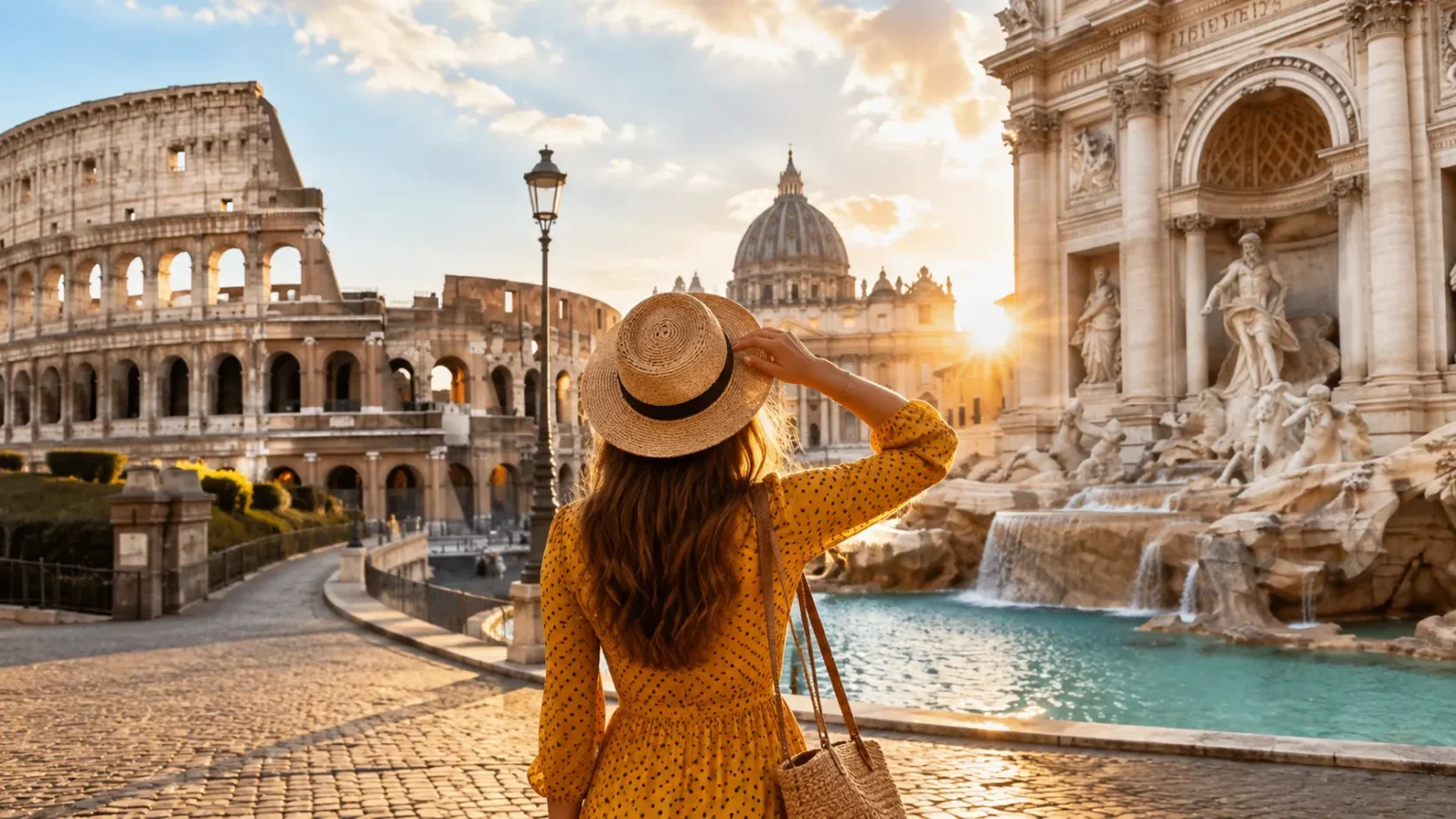
10 Best Things to Do in Rome for an Unforgettable Visit
Rome is the kind of city where history does not feel locked inside museums because ancient ruins, Renaissance palaces, Baroque fountains, churches, cafés, and lively neighborhoods appear around almost every corner. A first visit can therefore feel exciting and slightly overwhelming, especially when you have limited time and dozens of famous Rome attractions competing for attention. The best approach is to combine essential landmarks with experiences that let you slow down and understand the city’s atmosphere. Ancient Rome, Vatican City, local neighborhoods, public squares, art museums, and archaeological parks each reveal a different side of the Italian capital. This guide focuses on the best things to do in Rome while keeping practical planning, current visitor conditions, and real travel enjoyment in mind.
A good Rome itinerary should not simply involve rushing from one photo spot to another. Some attractions deserve several hours, while others become more enjoyable when paired with a walk, meal, neighborhood, or nearby landmark. Rome is highly walkable in its historic center, yet cobbled streets, summer heat, crowds, and long museum visits can make overly ambitious schedules exhausting. Comfortable shoes, early starts, advance reservations, and a little flexibility can transform the experience. Travelers should also check official attraction websites shortly before visiting because admission procedures, opening hours, restoration projects, transportation arrangements, and ticket systems can change. Building breathing room into your schedule often leads to better memories than trying to complete every landmark in a single day.
The ten experiences below cover iconic Rome sightseeing while also offering enough variety for first-time visitors, repeat travelers, couples, families, and solo explorers. You will walk through the world of emperors at the Colosseum, admire Michelangelo inside Vatican City, stand beneath the Pantheon’s extraordinary dome, and explore one of the world’s most famous Baroque fountains. You will also discover elegant piazzas, major artworks, atmospheric neighborhoods, and the ancient Appian Way beyond the busiest central streets. Many of these sights are close enough to combine naturally, but each deserves attention rather than a hurried photograph. If you want to understand why Rome continues to inspire travelers generation after generation, these are the experiences you should not miss.
1. Step Inside the Colosseum and Imagine Ancient Rome
The Colosseum is usually the first landmark people picture when they think about Rome, and seeing it in person still feels dramatically different from seeing it in photographs. Built during the Flavian dynasty, the enormous amphitheater once hosted public spectacles that attracted thousands of spectators from across ancient Rome. Its surviving arches, corridors, seating levels, and underground structures help visitors understand the scale and engineering ambition of the Roman Empire. Even travelers who are not normally interested in archaeology often find themselves fascinated once they begin walking through the building. The Colosseum is more than an Instagram backdrop because every level reveals clues about entertainment, politics, architecture, and social hierarchy. For a first trip, it remains one of the most essential things to do in Rome.
Give yourself enough time to observe the structure rather than walking through simply because another attraction is waiting. From the upper viewing areas, you can appreciate both the amphitheater’s interior and the surrounding archaeological landscape, including views toward the Roman Forum and Palatine Hill. A guided tour can be useful because many of the most interesting details are difficult to interpret without historical context. Audio guides are another practical option for independent travelers who prefer moving at their own pace. Some ticket types include different levels or restricted areas, so read the access description carefully before purchasing. Your experience can vary considerably depending on whether you book standard admission, an arena-focused option, or another expanded itinerary.
Advance planning is especially important in 2026 because official Colosseum tickets use timed admission. The Archaeological Park states that standard ticket sales with compulsory Colosseum time-slot reservations open 30 days before the intended visit, while some specialized ticket products follow different release schedules. Tickets are also issued in the visitor’s name, so carrying identification is important when entering. Buying directly through the official ticketing system helps you understand exactly what your ticket includes and reduces confusion caused by unofficial resellers. Popular morning and late-afternoon slots can disappear quickly during busy travel periods. If the Colosseum is one of your priorities, organize this reservation before planning less time-sensitive Rome activities.
The best time of day depends on the season, but early admission can help you experience the site before heat and crowd levels become more tiring. Rome’s summer sun can be intense, particularly around exposed archaeological areas where shade is limited. Bring water in an appropriate reusable bottle, wear comfortable walking shoes, and use sun protection when visiting during warmer months. Spring and autumn often provide more comfortable conditions for exploring outdoors, although popular weekends can still be busy. Winter brings shorter days but can offer a calmer atmosphere in some periods. Whatever season you choose, avoid scheduling another major museum immediately afterward because the Colosseum and surrounding ancient sites require more physical energy than many travelers expect.
A memorable Colosseum visit becomes even better when you pause outside afterward and view the monument from different angles. Walk toward nearby viewpoints rather than immediately entering the metro, because the exterior reveals architectural details that can be missed while concentrating on entry lines and internal routes. Early evening is particularly atmospheric when the surrounding stone begins to glow under softer light. Photographers may want to return later even if they visited the interior earlier in the day. The Colosseum remains powerful precisely because it connects modern Rome with a civilization that shaped much of European history. Among all Rome attractions, few provide such an immediate sense of standing inside a place that has witnessed nearly two thousand years of change.
2. Explore the Roman Forum and Climb Palatine Hill
The Roman Forum can initially look like a collection of broken columns and scattered foundations, but understanding what once stood there changes the experience completely. This valley was the political, religious, commercial, and ceremonial heart of ancient Rome, filled with temples, government buildings, monuments, and public gathering spaces. Walking through it means following routes used by senators, citizens, priests, soldiers, and emperors centuries ago. Important remains include triumphal arches, temple structures, basilicas, and the Curia associated with the Roman Senate. Unlike a traditional museum, the Forum requires imagination because the ruins are spread across a large outdoor landscape. A good guidebook, audio guide, or knowledgeable tour can make those fragments feel like a functioning city again.
Palatine Hill rises beside the Forum and offers another perspective on Roman history. According to ancient tradition, this hill was connected with Rome’s legendary origins, and it later became an elite residential area associated with imperial palaces. Today, visitors can wander among ruins, gardens, viewpoints, and archaeological remains while looking down across the Forum and toward other parts of central Rome. The elevated setting also provides welcome moments of quiet compared with heavily trafficked streets nearby. Give yourself time to explore instead of treating Palatine Hill merely as an add-on to the Colosseum. Some of the most memorable experiences come from standing at a viewpoint and mentally reconstructing the enormous ancient buildings that once dominated the surrounding landscape.
The Colosseum, Roman Forum, and Palatine Hill are often visited together because official ticket products connect these archaeological areas. The standard Colosseum ticket listed for 2026 includes one entrance to the Colosseum and one entrance to the Roman Forum-Palatine archaeological area within its stated validity conditions. However, visitors should read the exact rules attached to their chosen ticket because access periods and included areas can differ among products. Planning both areas on the same day works for many travelers, although spending too little time can make the visit feel rushed. If ancient history is a major reason for your Rome vacation, consider giving the entire archaeological zone most of a day rather than squeezing it between unrelated attractions.
Bring footwear suitable for uneven stone, slopes, stairs, gravel, and extended walking. The Forum and Palatine are physically different from flat museum galleries, and travelers sometimes underestimate how tiring the combination becomes after several hours. Shade can be limited in exposed sections, so summer visitors should begin early and take regular breaks. A refillable bottle is useful, and a light layer can help during cooler months when open archaeological sites feel windier than nearby streets. Avoid planning your visit around only the most famous ruins because smaller structures often become surprisingly interesting once you understand their original purpose. The experience is less about checking individual monuments and more about seeing how ancient Rome functioned as a connected urban center.
One of the best ways to end your visit is to find a panoramic point and look across the ruins without immediately reaching for your phone. From above, roads, columns, arches, temples, and distant churches overlap in a way that captures Rome’s defining characteristic: different historical periods existing together. The Forum becomes particularly atmospheric when late-afternoon light softens the stones and creates long shadows between monuments. Travelers interested in photography should leave enough time for changing light rather than rushing toward the exit. Visiting the Forum after learning a little Roman history also makes later walks through the city more meaningful because ancient fragments suddenly become easier to recognize. For travelers asking what to do in Rome beyond the Colosseum, this archaeological landscape is the natural next step.
3. Discover the Vatican Museums and Sistine Chapel
The Vatican Museums contain such an enormous concentration of art and history that trying to see everything in one visit is almost impossible. The collections developed over centuries and include classical sculpture, Renaissance masterpieces, decorative arts, maps, tapestries, archaeological objects, and elaborately decorated papal rooms. Even before reaching the Sistine Chapel, visitors move through corridors and galleries filled with works that could easily anchor entire museums elsewhere. The scale can become overwhelming, so decide what interests you most before entering. First-time visitors often prioritize the Raphael Rooms, classical sculptures, Gallery of Maps, and major Renaissance spaces. A focused visit is usually more rewarding than racing through every gallery simply because the museum route offers countless opportunities to stop.
The Sistine Chapel is naturally the emotional high point for many visitors. Michelangelo’s ceiling frescoes transform the room into one of the most recognizable artistic spaces in the world, while the monumental Last Judgment dominates the altar wall. Seeing these works at their original scale reveals details, figures, movement, and architectural illusion that reproductions cannot fully communicate. The chapel is also a functioning sacred space rather than simply an art gallery, so visitors should respect current rules regarding behavior and photography. Crowds can make the experience feel intense during busy periods, but slowing down and looking carefully is worthwhile. Understanding a little about the frescoes beforehand can help you appreciate what you are seeing without trying to absorb a full art-history lesson inside the room.
Booking through official Vatican Museum channels is strongly recommended because demand is consistently high and unofficial ticket offers can create unnecessary expense or confusion. The Vatican Museums publish an official 2026 calendar showing standard opening days as well as reduced-hour, free-admission, and closure dates throughout the year. Check the calendar when building your Rome itinerary because Vatican scheduling can differ around Sundays, religious holidays, and special dates. Morning entry often appeals to travelers hoping to begin before the busiest part of the day, although there is no guarantee of quiet conditions. Allow several hours and avoid combining the museums with too many physically demanding attractions. Museum fatigue is real when rooms contain this much visual information.
Dress requirements deserve attention because Vatican City includes religious sites where modest clothing is expected. Shoulders and knees should generally be covered when entering sacred spaces, so lightweight layers are particularly useful in warm weather. Comfortable footwear matters as well because visitors walk significant distances through galleries before reaching major highlights. Carry only what you need because security screening and bag restrictions can slow entry. A guided tour may be worthwhile for people who want interpretation and a structured route through the vast collection. Independent visitors can still have an excellent experience by researching a short list of must-see works before arriving and allowing themselves to ignore rooms that do not match their interests.
After leaving the museums, resist the temptation to judge your visit by how many famous works you managed to photograph. The Vatican Museums are more memorable when you focus on several exceptional spaces rather than mentally turning them into a checklist. Spend a few moments remembering the details that surprised you, whether that was a sculpture, ceiling, ancient map, painted room, or unexpected view. If art and history are central to your trip, this may become the most intellectually rewarding experience in Rome. If you normally find large museums exhausting, plan a shorter targeted visit and balance it with an outdoor activity afterward. Either way, the Vatican Museums and Sistine Chapel remain indispensable for understanding Rome’s extraordinary relationship with religion, power, patronage, and artistic achievement.
4. Experience St. Peter’s Basilica and St. Peter’s Square
St. Peter’s Basilica is one of the most extraordinary churches in the world, both because of its enormous scale and because of the artistic and religious history connected with it. The vast interior contains monumental architecture, elaborate chapels, sculptures, mosaics, tombs, and devotional spaces that make visitors instinctively slow down. Michelangelo’s Pietà is among the most famous works inside, yet concentrating only on one masterpiece means missing the overall design and sense of space. The basilica serves as an active place of worship, so its atmosphere differs from that of a conventional museum. Visitors of any religious background can appreciate the engineering, craftsmanship, symbolism, and artistic ambition found throughout the building. It is easily one of the top attractions in Rome and Vatican City.
St. Peter’s Square creates an equally memorable impression before you even enter the basilica. Bernini’s sweeping colonnades frame the open space in a way that feels theatrical when approached on foot, particularly from Via della Conciliazione. The central obelisk and fountains provide strong visual anchors while the basilica’s façade rises beyond them. Arriving early allows more time to appreciate the geometry before large tour groups fill the area. Evening visits are also beautiful because architectural lighting changes the appearance of the square without requiring admission to the basilica. Even travelers with limited interest in church interiors should spend time here because the square represents one of Rome’s most important ceremonial and architectural spaces.
Security screening can create long lines, so flexibility is important when planning your visit. Clothing should be appropriate for a major Catholic church, which usually means avoiding bare shoulders and very short clothing. Religious services, papal events, holidays, maintenance, and security arrangements can also affect access, making same-day checks useful. Avoid building a tightly timed itinerary that depends on entering the basilica at an exact minute unless you have confirmed arrangements. Visiting early in the day can reduce some delays, although busy periods remain unpredictable. Patience pays off because the interior deserves far more attention than a quick walk through after waiting outside.
Travelers looking for a panoramic experience can consider climbing or taking the available lift portion toward the dome, subject to current access conditions. The ascent eventually involves narrow passages and stairs, so it is not suitable for everyone, particularly people uncomfortable in confined spaces or with mobility limitations. Those who complete it are rewarded with striking views across St. Peter’s Square and the wider Roman skyline. Seeing the city from this height helps reveal how church domes, historic neighborhoods, monuments, and modern districts connect geographically. Allow extra time if the dome is important to you because queues and physical effort can extend the visit considerably. Water and comfortable footwear are valuable, particularly during warm weather.
A thoughtful Vatican City itinerary often combines St. Peter’s Basilica with the Vatican Museums, but doing both requires realistic pacing. The museums are mentally intense, while the basilica and dome can involve additional standing and walking, so an early start is helpful. Some travelers prefer separating them across different mornings when their Rome schedule allows. After your visit, explore the surrounding Borgo streets or cross toward Castel Sant’Angelo and the Tiber rather than immediately taking transportation away. This transition from monumental Vatican spaces back into ordinary Roman streets creates a pleasant change of pace. Whether you come for faith, architecture, art, history, or panoramic views, St. Peter’s remains one of the Rome experiences most likely to exceed expectations.
5. Stand Beneath the Extraordinary Dome of the Pantheon
The Pantheon is remarkable partly because it appears almost suddenly as you enter Piazza della Rotonda through surrounding streets. Its classical portico immediately communicates ancient grandeur, but the real surprise begins after stepping inside the circular interior. The vast concrete dome rises overhead with the famous open oculus at its center, creating a constantly changing beam of natural light. The building’s proportions feel balanced rather than overwhelming, despite its extraordinary scale and age. Originally constructed as a Roman temple and later transformed into a Christian church, the Pantheon survived in a condition that allows modern visitors to experience ancient architecture with unusual immediacy. Few structures communicate Roman engineering ability as powerfully or elegantly.
Spend time watching how light changes the interior instead of circling the building in only a few minutes. The oculus is not merely decorative because it is the only direct natural-light opening in the dome and plays a major role in the atmosphere of the space. When rain falls, water can enter through the opening, and the floor incorporates drainage arrangements designed for the building. The interior also contains important tombs, chapels, decorative elements, and later historical additions that demonstrate how the monument continued evolving after antiquity. Raphael is among the notable figures buried here, adding another layer of Renaissance significance. The Pantheon therefore connects ancient Rome with later religious, artistic, and national history in one remarkably compact site.
A useful 2026 update is that admission is no longer something travelers should assume is free. Italy’s Ministry of Culture states that the standard Pantheon admission price increased to €7 from July 1, 2026, while official tickets are available through Musei Italiani channels or on site. The official information also warns that there is no genuine “skip-the-line” admission option attached to the standard visit. Because ticket arrangements may continue evolving, check official information rather than relying on older blog posts that still describe different prices. The monument is also a functioning basilica, so religious activities can influence normal visiting arrangements.
The surrounding Piazza della Rotonda is worth enjoying before or after entering. Cafés and restaurants occupy the surrounding streets, while the fountain in the center creates a classic Roman scene beneath the Pantheon’s façade. Prices immediately beside major attractions can be higher than on nearby side streets, so travelers who want a meal should explore several blocks before deciding. Early morning offers a quieter view of the exterior, while evenings create a lively atmosphere when the square fills with visitors and locals. Photography enthusiasts may want to return at a different time of day because changing light dramatically alters the building’s appearance. The Pantheon works particularly well as part of a walking route through the historic center.
Combine the Pantheon with Piazza Navona, Trevi Fountain, Campo de’ Fiori, or other central Rome attractions rather than dedicating an entire travel day to one monument. These sights sit within an urban fabric best experienced on foot, where small churches, fountains, courtyards, shops, and cafés become part of the journey. The Pantheon itself may take less time than the Colosseum or Vatican Museums, but its impact is not measured by visit length. Standing beneath a dome built nearly two millennia ago remains one of those travel experiences that makes history feel unexpectedly immediate. For architecture lovers, it may become a highlight of the entire trip. For everyone else, it is still one of the essential things to see in Rome.
6. Toss a Coin and Admire the Trevi Fountain
The Trevi Fountain is one of Rome’s most recognizable landmarks and one of the finest examples of dramatic Baroque design in the city. Sculptures, rock formations, architectural elements, and moving water combine across the façade of Palazzo Poli to create something closer to a theatrical stage than a simple fountain. Neptune-like Oceanus occupies the central composition, surrounded by figures and horses that create constant visual movement. The confined piazza makes the fountain appear even larger because visitors approach through narrow surrounding streets before the space suddenly opens. Hearing the water before fully seeing the monument adds to the experience. Despite enormous popularity, the Trevi Fountain remains genuinely impressive when you finally stand in front of it.
The famous coin-tossing tradition adds a playful ritual to the visit. According to popular custom, tossing a coin over your shoulder into the fountain is associated with returning to Rome someday. Whether you believe the legend or simply enjoy participating in a classic travel tradition, it creates a memorable moment. Be considerate of other visitors and avoid blocking the same viewing position longer than necessary during busy periods. Early mornings traditionally provide a calmer experience, while evenings offer beautiful lighting and a more energetic atmosphere. The fountain can feel dramatically different between sunrise, afternoon, and late evening, so returning twice may be worthwhile if your accommodation is nearby.
Rome introduced an important access change in 2026 that many older travel guides do not mention. From February 2, 2026, tourists and non-residents need a €2 ticket to access the basin area closest to the Trevi Fountain during designated daytime and evening ticketing hours. Rome’s official tourism information states that the measure applies to the closest viewing area, with exemptions for specified groups, and directs visitors to the official Trevi Fountain site for updates. This means travelers should distinguish between seeing the wider monument and entering the controlled basin zone. Check current rules shortly before visiting because operational hours can occasionally change for maintenance or public-order requirements.
Crowd management makes timing more important here than at many outdoor Rome landmarks. The narrow streets surrounding Trevi Funnel visitors into a relatively small space, so midday and early evening can feel packed during busy travel seasons. Keep wallets, phones, and bags secure when moving through dense crowds and avoid concentrating entirely on photography while ignoring your belongings. Walking from the Spanish Steps or Pantheon is easy and allows you to connect several famous sights without additional transportation. Gelaterias and restaurants surround the area, but quality and prices vary significantly because of the intense tourist traffic. Walk a little farther into side streets if you want a more relaxed meal or dessert break.
Once you have taken the classic photographs, step back and appreciate how carefully the fountain is integrated into the surrounding architecture. The Trevi Fountain is not isolated inside a large park; it is embedded directly into a dense neighborhood where ordinary streets meet monumental Baroque design. That relationship helps explain why discovering it feels so dramatic. Visit after dark if possible because warm illumination and moving water create one of Rome’s most atmospheric nighttime scenes. Even travelers skeptical about extremely famous attractions often admit that Trevi deserves its reputation. If your Rome itinerary includes only a few hours in the historic center, the fountain should still appear near the top of your list.
7. Slow Down in Piazza Navona and the Historic Center
Piazza Navona demonstrates that some of the best things to do in Rome involve simply spending time in a public space rather than purchasing another museum ticket. The long oval-shaped square follows the footprint of an ancient stadium and is now surrounded by Baroque architecture, churches, cafés, fountains, artists, and constant pedestrian activity. Bernini’s Fountain of the Four Rivers forms the visual centerpiece, while the façade of Sant’Agnese in Agone adds architectural drama nearby. The square feels elegant during quiet morning hours and energetic later when visitors fill outdoor tables and performers appear. Sitting on a bench or walking slowly around the fountains gives you time to notice details that are easily missed when rushing.
Piazza Navona works especially well as part of a walking route through central Rome. The Pantheon is nearby, Campo de’ Fiori lies within easy walking distance, and numerous smaller streets connect toward the Tiber, Trevi Fountain, and other historic neighborhoods. Instead of following only the fastest route between landmarks, allow yourself to get slightly lost in the surrounding lanes. Small churches, artisan stores, cafés, courtyards, fountains, and fragments of ancient architecture appear unexpectedly. This unplanned wandering is one of Rome’s greatest pleasures because the city rewards curiosity almost everywhere in the center. A successful sightseeing day should leave room for discoveries that never appeared on your original itinerary.
Food and drink around Piazza Navona require a little judgment because restaurants directly facing major landmarks often charge for the premium location. There is nothing wrong with paying for a memorable view if that experience matters to you, but travelers focused on food quality or value may prefer streets a short walk away. Look for places where menus emphasize recognizable Roman dishes such as carbonara, amatriciana, cacio e pepe, or saltimbocca rather than enormous collections of unrelated international food. A coffee or aperitivo can also provide a less expensive reason to sit near a beautiful square. Rome becomes more enjoyable when meals feel integrated into sightseeing rather than treated as inconvenient pauses between monuments.
Photography changes throughout the day because the piazza’s fountains, façades, and street life respond differently to light. Early morning offers cleaner architectural compositions and fewer people, while late afternoon creates warmer tones across surrounding buildings. Evening brings a more romantic atmosphere when restaurants fill and lights reflect across wet stone around the fountains. Street performers and artists can add personality, although the exact atmosphere varies from one visit to another. If you travel with children or people who tire easily, Piazza Navona is also an excellent place for an unstructured break. There is enough visual activity to remain interesting without requiring another queue, security check, or lengthy historical explanation.
The deeper appeal of Piazza Navona is that it helps visitors understand Rome as a living city rather than a collection of monuments. Ancient urban planning, Baroque redesign, religious architecture, modern tourism, neighborhood life, food culture, and everyday social interaction all overlap within the same space. Spend time here after several demanding museum visits and you may appreciate the slower pace even more. Many travelers remember these relaxed moments more fondly than attractions they hurried through for a photograph. Piazza Navona is therefore not simply another sight to check off a Rome bucket list. It is an invitation to experience the rhythm of the city, observe people, enjoy architecture, and allow travel to feel pleasantly unscheduled for a while.
8. Walk from the Spanish Steps Through Elegant Rome
The Spanish Steps are among Rome’s most photographed landmarks, connecting Piazza di Spagna with the church of Trinità dei Monti above. The sweeping staircase creates an elegant urban composition that has attracted travelers, artists, writers, and photographers for generations. At the bottom, Bernini’s Barcaccia fountain adds another artistic element to the square, while nearby streets lead into one of Rome’s best-known shopping districts. The area can become extremely busy during the middle of the day, but its architecture remains worth seeing even when crowds are substantial. Climbing toward the top gradually changes your perspective over surrounding rooftops and streets. The Spanish Steps are especially enjoyable when incorporated into a longer walk rather than treated as an isolated destination.
Begin at Piazza di Spagna and take time to observe the staircase before climbing. Rome has rules intended to protect historic monuments, so travelers should follow posted guidance rather than assuming the steps function like ordinary public seating. Once you reach the upper level, the elevated perspective helps orient you within the historic center. Continue toward nearby Villa Borghese if you want green space, or walk toward Trevi Fountain to connect another major attraction. Via dei Condotti and neighboring streets attract visitors interested in luxury shopping and window displays. Even if designer shopping is not your priority, walking the surrounding district reveals polished façades, historic cafés, churches, and lively pedestrian streets.
Morning is an excellent time to visit if you care about photographs or simply want more space. Later in the day, tour groups and shoppers make the square considerably busier, particularly during high season and weekends. Sunrise can be especially atmospheric for photographers, although the exact quality of light changes by season. Evening is another attractive option because surrounding buildings and shops create a sophisticated urban atmosphere after dark. If you visit during warm weather, climbing the staircase around midday can feel surprisingly tiring, especially after several hours of sightseeing. Treat the Spanish Steps as a pleasant transition between neighborhoods rather than another challenge to complete as quickly as possible.
Several of Rome’s classic experiences are within comfortable walking distance, making this area useful when designing an efficient itinerary. Trevi Fountain can be paired with the Spanish Steps, while Piazza del Popolo and Villa Borghese provide alternative directions for continuing your walk. This is also a good neighborhood for taking a coffee break between major sights, although prices rise around particularly famous locations. Explore a few side streets rather than automatically choosing the first terrace beside the square. Travelers who enjoy fashion, architecture, street photography, and people-watching may spend far longer here than expected. Others may need only thirty minutes before moving onward, which makes the stop easy to adapt to different travel styles.
The Spanish Steps illustrate why walking remains one of the best ways to explore Rome. A metro journey can deliver you directly to famous landmarks, but walking between them reveals architectural details, fountains, courtyards, shops, churches, and ordinary Roman life that disappear underground. The journey from Piazza di Spagna toward Trevi, Piazza del Popolo, or Villa Borghese can become as enjoyable as the headline sights themselves. Do not worry if every street is not part of a carefully optimized route because Rome rewards detours. When your feet need a rest, stop for coffee or gelato rather than forcing another attraction into the schedule. Experiencing Rome well depends as much on pace as it does on the number of landmarks visited.
9. See Masterpieces at the Galleria Borghese
The Galleria Borghese offers a completely different museum experience from the enormous Vatican collections. Located inside Villa Borghese, the gallery occupies a beautiful former villa where paintings, sculptures, decorated ceilings, and architecture work together as a unified environment. The collection is particularly famous for Bernini sculptures and major works associated with artists such as Caravaggio, Raphael, Titian, and Canova. Because the museum is more compact than the Vatican Museums, visitors can focus deeply on individual works without walking through endless galleries. Bernini’s sculptures are especially powerful in person because movement, emotion, fabric, hair, and skin appear almost impossibly carved from marble. Art lovers should consider this one of the best places to visit in Rome.
The building itself deserves almost as much attention as the artworks. Elaborate ceilings, painted surfaces, marble, decorative details, and carefully arranged rooms create the feeling of entering an aristocratic collection rather than a modern white-walled gallery. This context helps visitors imagine how powerful Roman families used art to communicate wealth, education, taste, and social position. Spend time moving around sculptures instead of viewing them only from the front because many were designed to reveal changing narratives from different angles. Reading a little about Bernini or Caravaggio beforehand can make the experience even richer. However, the works are visually compelling enough that visitors do not need specialist art knowledge to enjoy them.
Advance booking matters here because access is controlled more tightly than at museums where visitors can simply arrive whenever they wish. The Galleria Borghese’s official information advises visitors to buy through authorized channels, and current museum materials state that prior reservation is required for admission. This makes the gallery one of the Rome attractions you should organize before arrival rather than leaving entirely to chance. Check current opening times, ticket conditions, temporary exhibitions, and arrival instructions when booking because policies can evolve. The limited-entry model is actually part of the appeal because rooms generally feel more manageable than museums that allow continuous unrestricted flow. Arrive with enough time for any required ticket collection or security process.
After the museum, spend time in Villa Borghese rather than returning immediately to crowded central streets. The surrounding park provides walking paths, greenery, viewpoints, gardens, recreational areas, and a refreshing change from dense stone architecture. You can continue toward the Pincian Terrace for broad views over Piazza del Popolo and the Roman skyline. Renting a bicycle or simply taking a slow walk can help reset your energy after several hours of concentrated art viewing. Families also appreciate the park because it allows children more freedom after museums and churches. Pairing the gallery with outdoor time creates one of Rome’s most balanced half-day experiences, combining world-class art with relaxed green space.
The Galleria Borghese is ideal for travelers who want to understand Rome beyond its ancient ruins and Vatican highlights. It demonstrates how Renaissance and Baroque patronage helped shape the city’s artistic identity centuries after the emperors had disappeared. Even visitors who think they have seen enough churches and museums may find the gallery surprisingly engaging because the collection feels focused and theatrical. If your itinerary is short, choose it when sculpture and painting are genuine interests rather than attending only because every guide recommends it. If you have four or more days in Rome, it becomes much easier to include without sacrificing essential ancient sites. For art lovers, however, Galleria Borghese can easily rank among the most memorable experiences in the entire city.
10. Walk or Cycle the Ancient Appian Way
The Appian Way provides an opportunity to escape central Rome’s busiest streets while remaining surrounded by extraordinary history. Originally developed in the fourth century BC, Via Appia became one of ancient Rome’s most important roads and eventually stretched south toward the Italian peninsula’s major ports. Today, sections of the route preserve ancient paving stones, tombs, villas, archaeological remains, churches, countryside scenery, and long stretches suitable for walking or cycling. Rome’s tourism authority describes the road as the “Regina Viarum,” or queen of roads, and highlights walking and cycling as excellent ways to explore its heritage. After several days of crowded monuments, the open landscape can feel wonderfully different.
Start by deciding whether you want a relaxed walk, bicycle ride, guided archaeological tour, or combined visit including catacombs. The Appian Way extends through a broad archaeological and regional park rather than one compact attraction with a single entrance. Important stops can include ancient tombs, villas, churches, the Mausoleum of Cecilia Metella, stretches of Roman paving, and nearby archaeological landscapes. The Regional Park covers thousands of hectares and also connects with areas such as the Caffarella Valley and Aqueducts Park. Because distances become substantial, cyclists can cover more ground, while walkers may prefer selecting one particular section. A little route planning prevents the experience from becoming unexpectedly exhausting.
Sunday has traditionally been an attractive day for the route because traffic restrictions improve the atmosphere along key sections. Rome’s official tourism information notes that the Appian Way is closed to traffic on Sundays and holidays and is particularly suitable for walking or cycling during those periods. Nevertheless, travelers should verify current access conditions because road management, temporary works, weather, or events can change practical arrangements. If cycling, choose equipment suitable for irregular surfaces because ancient stones can be challenging and uncomfortable on unsuitable bicycles. Bring water, sun protection, and appropriate footwear, particularly during warmer months when exposed stretches become hot. Guided cycling tours can be useful for travelers who want both navigation and historical explanation.
Catacomb visits can add another dimension to an Appian Way day, but individual sites operate according to their own schedules and access rules. Several historic underground burial complexes are located near the route, and guided visits help explain early Christian burial practices, symbols, and communities. These underground environments are naturally cooler than outdoor Rome, so a light layer can be useful even during summer. Visitors uncomfortable with enclosed spaces may prefer remaining above ground and focusing on archaeological monuments. Do not assume every ancient structure is freely accessible simply because the road itself is open. Check individual attraction websites when specific tombs, villas, museums, or catacombs are priorities, especially if your travel day depends on timed admission.
The greatest advantage of the Appian Way is the sense of distance it creates from modern city life. Walk beyond the busier starting sections and you may find stretches where umbrella pines, grasslands, ruins, stone walls, and ancient paving dominate the landscape. It becomes easier to imagine travelers, soldiers, merchants, and processions moving along the same route centuries ago. Sunset can be beautiful in the wider archaeological landscape, although transportation back to central Rome should be planned before staying late. This experience suits history enthusiasts, cyclists, photographers, families with older children, and anyone needing a break from indoor sightseeing. For travelers with at least three or four days in Rome, the Appian Way adds depth that the historic center alone cannot provide.
Frequently Asked Questions About Visiting Rome
How many days do you need in Rome?
Three days allow you to see major highlights such as the Colosseum, Vatican City, Trevi Fountain, Pantheon, and historic center, but four or five days create a much more comfortable pace. Extra time also makes room for Galleria Borghese, the Appian Way, Trastevere, slower meals, and spontaneous neighborhood walks.
What is the number one thing you should not miss in Rome?
For most first-time visitors, the Colosseum combined with the Roman Forum and Palatine Hill provides the strongest introduction to ancient Rome. Vatican City is equally essential if art, architecture, or religious history is a major interest.
Is Rome easy to explore on foot?
The historic center is highly walkable, and attractions such as the Pantheon, Trevi Fountain, Spanish Steps, and Piazza Navona can be linked naturally on foot. However, cobblestones, hills, summer temperatures, and long sightseeing days make comfortable shoes and realistic breaks essential.
Do I need to book Rome attractions in advance?
Advance reservations are strongly recommended for high-demand attractions such as the Colosseum, Vatican Museums, and Galleria Borghese, while other sites have their own ticket procedures. Current rules can change, so check official websites before your visit rather than relying entirely on older travel guides.
What is the best time of year to visit Rome?
Spring and autumn are popular because temperatures can be more comfortable for long walking days, although crowds remain substantial around major attractions. Winter can offer a quieter experience, while summer brings long daylight hours but also heat, strong sun, and heavier demand in popular areas.