




Why Europe Is a Dream Destination for Travelers
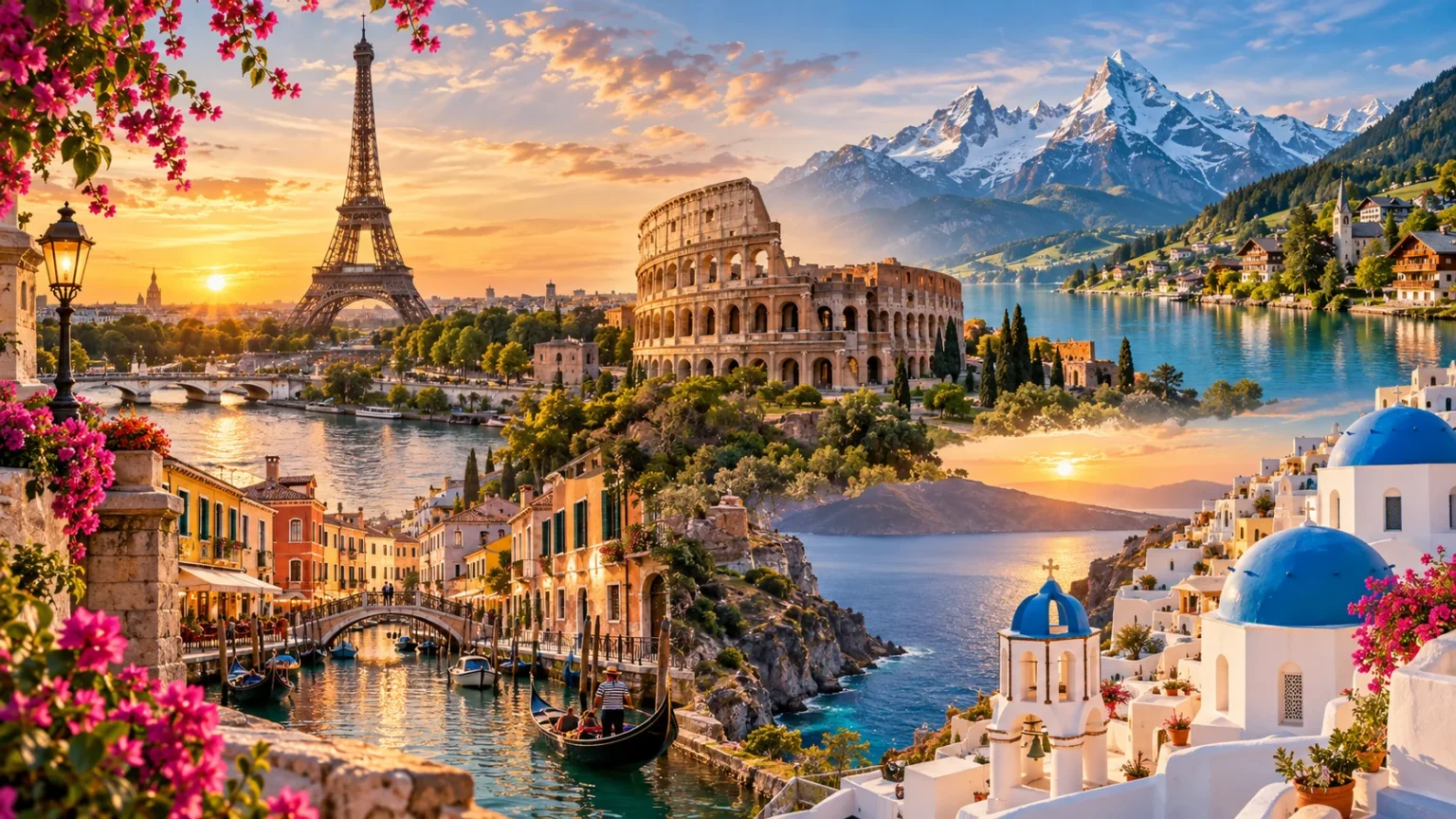
Europe brings an extraordinary variety of experiences into a relatively compact part of the world. One trip can include ancient ruins, medieval towns, world-class museums, dramatic mountains, Mediterranean beaches, and modern capital cities. The best places to visit in Europe appeal to history lovers, food enthusiasts, photographers, outdoor adventurers, couples, families, and travelers simply looking for something memorable.
Another advantage of European travel is the contrast between neighboring destinations. You can spend several days exploring famous landmarks in Paris, continue to alpine landscapes in Switzerland, and then relax beside the Mediterranean in Italy or Greece. Each country has its own architecture, cuisine, traditions, and atmosphere, giving even a multi-country itinerary plenty of variety.
Planning the right route depends on your interests, available time, budget, and preferred travel pace. Some travelers want famous European attractions, while others prefer scenic villages, nature, beaches, or cultural neighborhoods. Instead of attempting to see everything, choose destinations that complement one another and leave enough time to experience them without constantly rushing between airports and train stations.
Explore the Famous Landmarks of Paris, France
Paris remains one of the most recognizable European city destinations, combining grand architecture, art, food, history, and elegant streets. The Eiffel Tower is naturally a major attraction, but the city offers far more beyond its most photographed landmark. Walking beside the Seine, exploring historic neighborhoods, and sitting at a neighborhood café can be just as memorable as visiting famous monuments.
Art lovers can spend hours exploring the Louvre and other museums scattered throughout the French capital. Historic churches, landscaped gardens, bridges, boulevards, and architectural details make ordinary walks feel like sightseeing experiences. Areas such as Montmartre offer narrower streets and elevated viewpoints, creating a different atmosphere from the monumental avenues found in central Paris.
Give Paris several days rather than trying to see everything during a short stopover. Combining major attractions with slower neighborhood exploration makes the city feel less like a checklist. Leave time for bakeries, markets, riverside walks, gardens, and evening meals, because some of the best Paris experiences happen between the famous sights rather than inside them.
Discover Ancient History in Rome, Italy
Rome is one of the best places to visit in Europe for travelers fascinated by ancient history. The Colosseum, Roman Forum, Pantheon, archaeological remains, and historic streets provide visible connections to centuries of civilization. Walking through central Rome often feels like moving between different historical eras because ancient structures stand alongside churches, palaces, fountains, restaurants, and busy modern neighborhoods.
The city also rewards travelers who explore beyond the biggest archaeological attractions. Piazza Navona, the Trevi Fountain, charming side streets, local markets, and atmospheric neighborhoods create plenty of opportunities for relaxed sightseeing. Rome is particularly enjoyable in the evening, when many historic buildings are illuminated and outdoor restaurants bring energy to streets and public squares.
Food should also be part of your Rome itinerary rather than something squeezed between attractions. Traditional pasta dishes, pizza, gelato, espresso, and neighborhood trattorias add another layer to the experience. Avoid scheduling every hour of your day, because wandering through less crowded streets and discovering an unexpected square or restaurant can become a highlight of your visit.
Experience Art and Architecture in Barcelona, Spain
Barcelona offers a distinctive combination of Mediterranean energy, creative architecture, urban beaches, food, and nightlife. Antoni Gaudí’s architectural influence is visible throughout the city, with extraordinary buildings and colorful details creating a visual style unlike most other European destinations. Exploring these landmarks gives visitors a strong sense of Barcelona’s artistic identity and architectural imagination.
Beyond architecture, the city has lively neighborhoods that are rewarding to explore on foot. The Gothic Quarter features narrow streets, historic buildings, hidden squares, shops, and restaurants, while other districts offer more contemporary cafés and local experiences. Walking between neighborhoods allows travelers to see how Barcelona combines old European streets with a relaxed Mediterranean lifestyle.
The coastline adds another reason to include Barcelona in a European itinerary. You can spend the morning sightseeing, enjoy local food during the afternoon, and finish the day walking beside the sea. This balance makes Barcelona particularly appealing to travelers who want culture and architecture without giving up sunshine, beaches, outdoor dining, and a more relaxed holiday atmosphere.
Enjoy the Canals and Culture of Amsterdam, Netherlands
Amsterdam is instantly recognizable for its historic canals, narrow houses, bridges, bicycles, and compact city center. Much of the experience comes from simply walking beside the waterways and exploring different neighborhoods. Canal-side architecture changes throughout the day as light reflects from the water, making the city especially enjoyable for photographers and travelers who prefer exploring on foot.
Museums are another major reason to visit Amsterdam. Art, history, and cultural collections provide plenty of indoor activities when the weather changes, while parks and waterfront areas offer quieter alternatives to central streets. Renting a bicycle can also be appealing, although visitors unfamiliar with local cycling habits should pay close attention to dedicated bike lanes and traffic.
Consider spending at least a few nights rather than visiting Amsterdam only as a quick day trip. Early mornings and evenings can feel noticeably different from the busiest daytime periods. The city is also a useful base for exploring smaller Dutch towns, countryside landscapes, traditional windmills, flower-growing regions, and other destinations beyond the central canal district.
Walk Through the Historic Streets of Prague, Czechia
Prague combines impressive architecture, river views, historic squares, towers, and cobbled streets within a highly walkable central area. The Old Town provides a strong introduction to the city, while the Charles Bridge connects visitors with attractions on the opposite side of the Vltava River. Prague Castle and elevated viewpoints offer broader perspectives across the city’s distinctive rooftops and church spires.
One of Prague’s strengths is how much architectural variety can be discovered during a simple walk. Gothic structures, colorful façades, ornate interiors, historic courtyards, and later architectural styles appear throughout the center. Instead of moving directly from landmark to landmark, take quieter side streets where you can find smaller cafés, local restaurants, independent shops, and less crowded viewpoints.
Prague can work well for travelers interested in history without the higher costs associated with some western European capitals. Spending three or four days provides enough time for major sights while allowing slower exploration. Evening walks are especially enjoyable when historic buildings and bridges are illuminated, creating a completely different atmosphere from the busy sightseeing hours of the afternoon.
See Spectacular Scenery in the Swiss Alps
Travelers searching for natural beauty should consider the Swiss Alps among the best places to visit in Europe. Snow-covered peaks, green valleys, alpine lakes, mountain villages, cable cars, hiking trails, and scenic rail journeys create countless opportunities for outdoor exploration. The landscape changes dramatically with the seasons, offering everything from summer hiking to winter skiing and snow-covered village scenery.
Popular mountain regions provide easy access to viewpoints without requiring visitors to be experienced climbers. Trains, mountain railways, cable cars, and marked walking paths can take travelers into spectacular alpine environments. Those who enjoy hiking can choose routes suited to different fitness levels, while less active visitors can focus on panoramic journeys, lakeside walks, restaurants, and scenic villages.
Accommodation in major resort areas can be expensive, so planning early may help you manage the overall travel budget. Staying several nights in one region is often preferable to moving between mountain destinations every day. Weather can change quickly at elevation, making flexible schedules and suitable clothing useful even when the forecast appears favorable before you leave your hotel.
Watch the Sunset in Santorini, Greece
Santorini is famous for whitewashed buildings, blue-domed churches, volcanic landscapes, and dramatic views across the Aegean Sea. Villages positioned high above the water create striking scenery throughout the day, while sunsets attract travelers to terraces and viewpoints every evening. The island works especially well for couples, photographers, and anyone seeking a slower break after visiting busy European capitals.
Exploring beyond the most photographed streets reveals beaches, smaller villages, local food, vineyards, and coastal landscapes. Boat excursions provide another perspective of the island and surrounding volcanic scenery. Travelers who enjoy walking can also find routes connecting villages and viewpoints, allowing them to experience Santorini’s cliffs and countryside away from the most concentrated sightseeing areas.
Peak travel periods can bring large crowds, particularly around famous sunset locations. Visiting during quieter parts of the season may provide a more relaxed experience while still allowing you to enjoy outdoor activities. Staying for several nights also gives you time to explore different areas rather than visiting only one village and leaving immediately after sunset.
Explore Lakes, Mountains, and Villages in Slovenia
Slovenia is an excellent option for travelers who want European scenery in a relatively compact destination. Ljubljana offers a manageable capital-city experience, while lakes, forests, caves, mountain landscapes, and villages can be reached during a wider itinerary. This variety makes the country particularly attractive for road trips and outdoor-focused vacations that combine sightseeing with hiking and nature.
Lake Bled is one of Slovenia’s best-known sights because of its mountain setting, island church, surrounding forest, and picturesque viewpoints. Walking around the lake gives visitors several perspectives, while nearby landscapes provide opportunities for hiking and exploring. Travelers with more time can continue toward alpine valleys, mountain areas, or additional lakes instead of treating Bled as an isolated stop.
Slovenia can also complement nearby European countries within a longer journey. Italy, Austria, Croatia, and Hungary are all relatively close, making regional itineraries practical. Rather than visiting only the most famous European capitals, including smaller destinations such as Slovenia can introduce quieter scenery and provide welcome variety between crowded urban sightseeing stops.
Enjoy Coastal Beauty Along Croatia’s Adriatic Coast
Croatia combines clear coastal waters, historic towns, islands, national parks, and Mediterranean-style scenery. Dubrovnik attracts visitors with its fortified old town and sea views, while Split offers historic architecture alongside a busy waterfront atmosphere. Farther along the coast, smaller towns and islands provide quieter alternatives for travelers seeking swimming, boat trips, seafood, and relaxing evenings beside the Adriatic.
Island hopping can become one of the highlights of a Croatian vacation. Ferries and boat excursions connect various coastal destinations, allowing travelers to combine historic sightseeing with beaches and smaller communities. Some islands feel lively during summer, while others offer quieter villages, hiking routes, sheltered coves, and less developed landscapes for a more peaceful experience.
Do not overlook Croatia’s inland nature when planning your trip. Lakes, waterfalls, forests, mountains, and protected areas add variety beyond the coastline. Combining several days of historic city exploration with nature and island stays creates a more balanced itinerary and prevents a trip from feeling entirely focused on crowded waterfront attractions during peak travel periods.
Discover Fairytale Scenery in Austria
Austria combines elegant cities with impressive alpine landscapes, making it appealing to both culture lovers and outdoor travelers. Vienna provides grand architecture, historic cafés, museums, palaces, concert traditions, and beautifully maintained public spaces. Spending several days there gives visitors enough time to explore major cultural attractions while also enjoying quieter neighborhoods, markets, parks, and traditional restaurants.
Salzburg offers another atmosphere entirely, with mountains surrounding a compact historic center filled with churches, squares, gardens, and classical musical associations. The city can also serve as a starting point for exploring nearby alpine landscapes and lakes. Travelers interested in photography will find numerous viewpoints where historic rooftops sit beneath dramatic mountain scenery.
For a longer trip, continue into Austria’s mountain regions and smaller communities. Scenic drives, trains, hiking trails, ski resorts, lakes, and traditional villages show a side of the country that feels very different from Vienna. Combining urban culture with alpine nature is one of the strongest reasons Austria deserves a place on a broader European travel itinerary.
Experience the Natural Beauty of Iceland
Iceland appeals to travelers who want dramatic scenery rather than traditional European city sightseeing. Waterfalls, glaciers, volcanic landscapes, black-sand beaches, geothermal areas, mountains, and rugged coastlines create an environment that can feel almost otherworldly. Reykjavik provides a convenient starting point, but most visitors quickly head beyond the capital to explore the country’s natural attractions.
A road trip can be one of the most rewarding ways to experience Iceland when weather and driving conditions are suitable. Waterfalls and scenic viewpoints appear frequently along popular routes, while longer itineraries can reach more remote regions. Build extra time into your schedule because weather changes and extraordinary landscapes often encourage travelers to stop far more frequently than originally planned.
Season matters when deciding what kind of Iceland trip you want. Long summer days are useful for road trips and hiking, while darker periods create different possibilities for winter scenery. Regardless of timing, pack carefully and avoid underestimating rapidly changing conditions, particularly when visiting exposed coastlines, mountainous areas, or locations far from major towns.
Plan a European Itinerary That Matches Your Travel Style
The best European itinerary is not necessarily the one containing the highest number of countries. Constantly changing hotels, airports, or train stations can consume valuable vacation time and make memorable destinations feel rushed. For a one-week trip, focusing on one country or two nearby cities often creates a better experience than trying to cross several borders.
For two weeks, consider building an itinerary around geographically connected destinations. France, Switzerland, and northern Italy can work naturally together, while Spain and Portugal provide another logical combination. Central European routes connecting Prague, Vienna, and nearby cities can also reduce long travel days while still giving you distinctly different architectural, culinary, and cultural experiences.
Travelers continuing beyond Europe may also use their European trip as part of a larger international journey. If your plans eventually take you toward Africa or the Indian Ocean, a detailed Madagascar travel guide can help you compare wildlife, beaches, and outdoor adventures with Europe’s city-focused attractions. Keeping each region separate within the itinerary helps prevent exhausting connections.
Best Time to Visit Europe
The ideal time to visit Europe depends on where you are going and what you want to do. Summer offers long daylight hours and warm conditions across many regions, but famous destinations can also become crowded. Travelers focused on beaches, festivals, island trips, or mountain hiking may still find summer particularly appealing despite increased visitor numbers.
Spring and autumn can provide a comfortable balance between weather and crowds in many popular destinations. Cities remain lively, outdoor sightseeing is often pleasant, and temperatures may be easier for extended walking. These seasons can be especially attractive when your itinerary includes museums, historical attractions, city neighborhoods, countryside drives, and destinations where extreme summer heat could make sightseeing less comfortable.
Winter creates an entirely different travel experience. Alpine destinations become popular for skiing and snow activities, while many European cities develop festive seasonal atmospheres. Shorter daylight hours require more planning, but museums, restaurants, architecture, markets, and cultural attractions can still make winter city breaks rewarding for travelers prepared for colder and less predictable weather.
Conclusion
The best places to visit in Europe offer much more than famous landmarks. Paris, Rome, Barcelona, Amsterdam, Prague, Santorini, Iceland, Croatia, Austria, Slovenia, and the Swiss Alps each provide different combinations of history, nature, food, architecture, culture, and scenery. Choosing destinations based on your personal interests will usually create a more satisfying trip than following a generic checklist.
Avoid trying to experience the entire continent during one vacation. Select a manageable group of destinations, consider transportation time, and leave enough space for spontaneous exploration. A slower itinerary gives you more opportunities to enjoy neighborhood restaurants, scenic walks, local markets, unexpected viewpoints, and cultural experiences that can easily be missed when every day revolves around catching another train.
Whether your ideal European vacation involves ancient ruins, museums, Mediterranean beaches, mountain adventures, historic streets, or scenic road trips, there are countless routes worth exploring. Plan the essential logistics carefully but leave some flexibility once you arrive. Often, the moments between famous attractions become the memories that make a European journey truly special.
FAQs
What are the best places to visit in Europe for first-time travelers?
Paris, Rome, Barcelona, Amsterdam, Prague, and the Swiss Alps are popular starting points because they combine recognizable attractions, culture, scenery, food, and convenient opportunities to build multi-destination European itineraries.
How many days do you need for a Europe trip?
Around 10 to 14 days works well for exploring two or three nearby destinations without excessive rushing. Longer trips of three weeks or more make multi-country itineraries considerably easier and more enjoyable.
Which European destination is best for natural scenery?
The Swiss Alps, Iceland, Slovenia, Austria, and coastal Croatia offer exceptional outdoor scenery. Your ideal choice depends on whether you prefer mountains, waterfalls, lakes, volcanic landscapes, hiking, beaches, or scenic drives.
What is the best month to visit Europe?
May, June, September, and early October can be attractive for many destinations because they often combine comfortable sightseeing conditions with fewer peak-season crowds. Weather still varies considerably between northern, southern, and mountainous regions.
Is it better to visit one country or several countries in Europe?
Both approaches can work, but fewer destinations usually create a more relaxed trip. First-time visitors should consider combining geographically close cities or countries rather than losing several days to long transfers and repeated hotel changes.