




Why Visit Madagascar?
Madagascar is unlike almost anywhere else in the world. The island combines dramatic mountains, tropical rainforest, dry forests, unusual limestone formations, white-sand beaches, and wildlife found nowhere else. Travelers can move from watching lemurs in dense forest to hiking through rocky canyons or relaxing beside the Indian Ocean, making Madagascar especially rewarding for people who prefer nature-focused adventures.
Wildlife is one of the biggest reasons to plan a Madagascar trip. Lemurs are the island’s best-known animals, but travelers can also encounter colorful chameleons, unusual reptiles, endemic birds, and extraordinary plant life. Madagascar’s tourism authority highlights its remarkable concentration of endemic species, national parks, baobabs, orchids, and marine environments, giving nature lovers plenty to explore.
A trip here also feels more adventurous than a typical resort vacation. Distances can be long, road journeys can take time, and some attractions require guides or carefully planned transfers. That slower style of travel is part of Madagascar’s appeal because it encourages visitors to experience individual regions rather than rushing between a long checklist of attractions.
Best Time to Visit Madagascar
For many travelers, the drier months are the easiest time to explore Madagascar because hiking trails and road journeys are generally more manageable. Conditions vary considerably across the island, however, because the eastern rainforest, central highlands, western dry regions, and coastal areas experience different weather patterns. Your ideal travel period therefore depends heavily on where you want to go and what you want to experience.
Wildlife interests can also influence when you travel. Madagascar’s official tourism information notes that humpback whales migrate through surrounding waters from roughly June to November, with whale-watching opportunities along several coastal regions. Birdwatching is possible throughout the year, while different seasons can change forest conditions, vegetation, wildlife behavior, and the accessibility of remote areas.
If your itinerary includes several national parks, coastal destinations, and difficult overland routes, leave some flexibility in your schedule. Travel times may be longer than distances on a map suggest, particularly when roads are rough or seasonal conditions change. Building spare time into your Madagascar itinerary can make delays easier to handle while allowing you to enjoy each destination at a more comfortable pace.
Start Your Journey in Antananarivo
Antananarivo, commonly called Tana, is the capital and the starting point for many Madagascar adventures. Rather than treating the city only as a transport stop, spend some time exploring its hillside neighborhoods, markets, historic architecture, and everyday city life. The elevation gives parts of the capital wide views across surrounding hills, rice fields, and densely built urban districts.
The city can also help travelers adjust to Malagasy food, language, transport, and customs before heading into more remote regions. Local restaurants provide opportunities to try rice-based dishes, meat preparations, vegetables, tropical fruit, and regional flavors. Markets and artisan shops can introduce you to Malagasy crafts, textiles, woodwork, baskets, spices, and other locally produced goods.
Antananarivo is also an important transport hub when combining distant parts of the island. Madagascar is far larger than many first-time visitors expect, so traveling overland between every attraction may not be practical within a short holiday. Planning your route around regional clusters can reduce exhausting transfers and create more time for forests, wildlife, hiking, beaches, and cultural experiences.
See the Avenue of the Baobabs
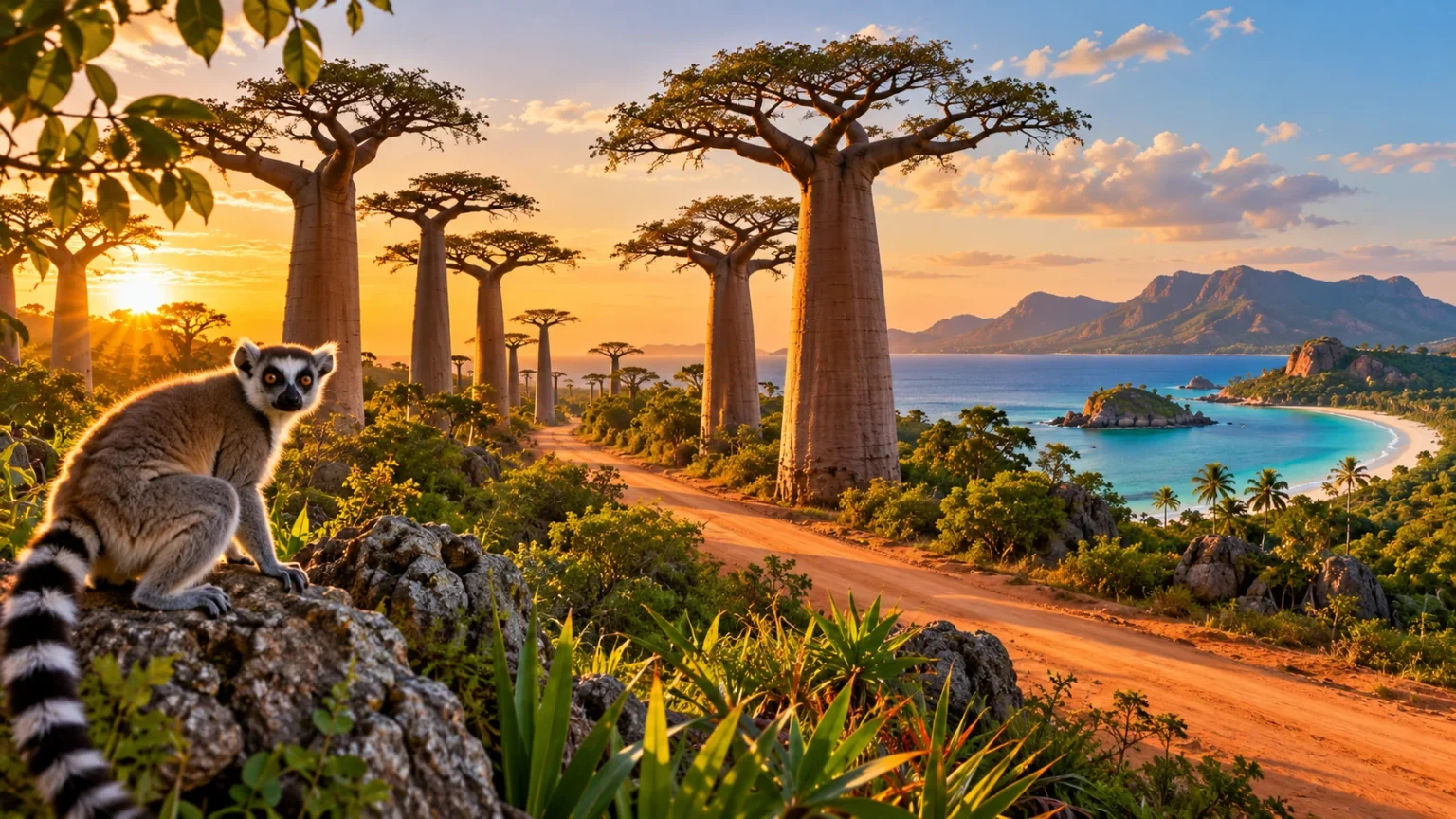
The Avenue of the Baobabs near Morondava is one of Madagascar’s most recognizable landscapes. Massive baobab trees line the road, creating an extraordinary natural corridor that looks especially dramatic during the softer light of early morning and late afternoon. Their huge trunks and unusual silhouettes make this location popular with photographers, nature lovers, and travelers exploring western Madagascar.
Sunset is particularly popular because the changing light creates strong silhouettes against the open landscape. Arriving earlier gives you time to walk around, choose viewpoints, and appreciate the trees before the busiest photography period begins. Visitors should remain respectful of local communities and avoid damaging vegetation or blocking paths while trying to capture the perfect photograph.
Morondava can also serve as a base for exploring additional natural attractions in western Madagascar. The official tourism map places Morondava within an important western travel circuit connected with baobabs, protected landscapes, and routes toward the Tsingy region. Combining these attractions can create a varied itinerary instead of traveling west only for one short photography stop.
Explore the Tsingy Landscapes
Madagascar’s Tsingy formations create some of the island’s most extraordinary scenery. These limestone landscapes contain sharp pinnacles, deep cracks, caves, narrow passages, and natural corridors shaped through long-term erosion. Exploring them can feel completely different from a conventional forest hike, with certain routes involving ladders, bridges, rocky sections, and viewpoints across vast fields of jagged stone.
Tsingy de Bemaraha in western Madagascar is among the best-known destinations for this type of landscape. A trip there usually deserves several days because reaching the region can itself be an adventure. Travelers who enjoy active exploration, geological scenery, wildlife, and remote landscapes often consider the journey worthwhile despite the additional planning and transport involved.
Northern Madagascar offers another striking option around the Ankarana massif. The national tourism organization describes Ankarana as a limestone region containing underground rivers, caves, wildlife, and unusual geological formations. It can fit especially well into a northern itinerary combining forests, wildlife experiences, Antsiranana, and the islands surrounding Nosy Be.
Hike Through Isalo National Park
Isalo National Park offers a dramatic change of scenery from Madagascar’s tropical forests. Sandstone formations, open grasslands, cliffs, valleys, canyons, and natural pools create an environment well suited to travelers who enjoy walking. Depending on your chosen route, hikes can range from relatively manageable excursions to longer adventures requiring more preparation and time on the trail.
A knowledgeable local guide can add considerable value to the experience by explaining wildlife, plants, geology, and local cultural connections. Carry enough drinking water, sun protection, comfortable footwear, and suitable clothing because exposed sections can feel hot. Starting early may also make longer hikes more comfortable and provide additional time to stop at viewpoints without rushing.
Isalo fits naturally into an overland journey through southern or central Madagascar. Travelers often combine national parks with highland towns, rural scenery, and other protected areas rather than visiting each attraction separately. This style of travel reveals how quickly Madagascar’s landscape can change, moving between cultivated highlands, dry countryside, unusual rock formations, and increasingly tropical or coastal environments.
Look for Lemurs in Madagascar’s Forests
Seeing lemurs in their natural environment is one of the most memorable things to do in Madagascar. Different parks protect different species and ecosystems, so wildlife experiences can vary considerably depending on your itinerary. Guided walks allow visitors to search for lemurs while also learning about birds, reptiles, insects, medicinal plants, forest ecology, and the conservation challenges affecting these habitats.
Andasibe is particularly convenient for travelers who want a forest experience without traveling to the far ends of the island. Its rainforest environment is famous for lemur encounters and lush vegetation, making it a popular addition to shorter Madagascar itineraries. Staying nearby also creates opportunities for early walks and evening experiences when different forest animals may become active.
Ranomafana offers another rewarding rainforest experience farther south. Trails pass through thick vegetation and varied terrain, creating opportunities for wildlife watching while experiencing the humid forest environment firsthand. Avoid treating lemur sightings as guaranteed performances because these are wild animals; slowing down, listening to your guide, and appreciating the wider ecosystem often creates a much richer experience.
Relax on Nosy Be and Nearby Islands
Nosy Be is one of Madagascar’s best-known island destinations and provides a relaxing contrast to long road journeys and national park trekking. Beaches, warm water, island excursions, diving, snorkeling, sunsets, and tropical scenery make the region attractive for travelers who want both adventure and downtime. It can work especially well at the end of a demanding wildlife-focused itinerary.
Nearby islands add even more variety. Madagascar’s tourism authority highlights Nosy Komba, Nosy Sakatia, and other islands around the archipelago for marine trips, traditional villages, mangroves, nature experiences, and coastal exploration. Lokobe also provides forest habitat where visitors may encounter lemurs, chameleons, birds, reptiles, and other wildlife without leaving the broader Nosy Be region.
Snorkeling is another reason to spend time along Madagascar’s coast. Beginners can find shallow-water opportunities around areas such as Nosy Be and the southwest, according to official tourism material. If underwater adventures are a major part of your travels, exploring other worldwide snorkeling destinations can also help you compare Madagascar’s marine experience with other tropical locations.
Go Whale Watching and Explore the Coast
Madagascar’s enormous coastline creates opportunities for travelers who want more than forests and hiking. Beaches, coral environments, fishing communities, offshore islands, sheltered bays, and marine wildlife can all become part of the journey. Instead of choosing only one coastal resort, consider which side of the island best complements the national parks and landscapes already included in your route.
Whale watching is particularly appealing during the humpback migration period. Official tourism information identifies destinations including Sainte-Marie, Nosy Be, Mahajanga, Anakao, Toliara, and Fort-Dauphin as areas where whale-related excursions may operate during the migration season. Conditions and sightings naturally vary, so choose responsible operators and check local circumstances when planning your trip.
Sainte-Marie is especially attractive for travelers looking for a slower island atmosphere alongside marine experiences. Beaches, vegetation, small communities, boat trips, and coastal scenery create a different mood from Madagascar’s busier travel hubs. Spending several nights rather than attempting a rushed visit gives you more freedom to respond to weather conditions and enjoy the relaxed rhythm of island life.
Experience Malagasy Culture and Local Food
Madagascar travel becomes much more meaningful when you look beyond wildlife and landscapes. Malagasy culture reflects centuries of regional traditions and historical influences, with customs differing across communities throughout the island. Respectful conversations with guides, drivers, hosts, craftspeople, and local residents can provide valuable insight into family life, agriculture, traditions, community relationships, and the connection between people and surrounding landscapes.
Food is another enjoyable way to experience the country. Rice plays a central role in many meals and may be served alongside vegetables, meat, fish, sauces, or regional specialties. Coastal areas naturally offer more seafood, while tropical fruits, vanilla, spices, coffee, and other locally grown products can add variety depending on where you are traveling.
When visiting villages or culturally important locations, follow your guide’s instructions regarding local customs and taboos. Certain places may have rules concerning clothing, behavior, photography, or access that are not immediately obvious to visitors. Asking permission before photographing people and purchasing locally made products responsibly are simple ways to travel with greater consideration for the communities you encounter.
Plan Transportation and Your Madagascar Itinerary Carefully
One of the biggest mistakes first-time visitors make is trying to fit too much into one Madagascar itinerary. The island is large, and travel between regions may involve long drives, domestic flights, boats, or rough roads. A route that looks straightforward on a map can consume a substantial part of the day, so prioritize experiences rather than simply counting destinations.
Choose two or three geographic regions when your trip is relatively short. For example, you might combine Antananarivo and Andasibe with a coastal stay, or focus on western Madagascar for Morondava, baobabs, and Tsingy adventures. Longer trips provide more freedom to add southern national parks, northern islands, rainforest reserves, or remote coastal destinations without spending every other day transferring.
Guides and local drivers can be particularly useful when visiting national parks and regions with difficult transport connections. Keep some flexibility around flights, road transfers, and weather-sensitive activities, especially when connecting remote places. Madagascar rewards slower travel, and leaving open space in the itinerary often creates better experiences than attempting to race between every famous landmark on the island.
Essential Madagascar Travel Tips
Pack according to the variety of environments you expect to visit. Comfortable walking shoes, breathable clothing, sun protection, insect protection, a reusable water bottle, rain protection, and a small daypack are useful for many itineraries. Cooler layers can also be worthwhile in higher-elevation areas or during early mornings, while coastal stays naturally require lightweight beach clothing and suitable footwear.
Keep cash available when traveling outside major urban or tourism centers because card acceptance and banking facilities may be limited in smaller communities. Allow extra time for transport and avoid planning important international connections immediately after complicated overland journeys. Confirm park opening conditions, transport arrangements, domestic flights, and seasonal accessibility close to your travel dates rather than relying entirely on an old itinerary.
Most importantly, approach Madagascar as a destination to experience slowly. Wildlife watching requires patience, hiking deserves time, and cultural experiences are more meaningful when conversations are not rushed. Instead of trying to see the entire island during one visit, focus on a thoughtful route that balances forests, landscapes, wildlife, local culture, and a few relaxing days by the coast.
Conclusion
Madagascar offers an unusual combination of wildlife, landscapes, culture, hiking, islands, and marine experiences. You can watch lemurs in rainforest, photograph enormous baobabs, walk among sharp limestone formations, explore dramatic canyons, and finish the journey beside tropical water. Few destinations provide so many completely different environments within one country.
The best Madagascar itinerary depends on how much time you have and which experiences matter most to you. Choosing a few well-connected regions is usually more enjoyable than trying to cross the entire island quickly. Allowing additional time for transportation also makes the journey less stressful and creates room for unexpected wildlife sightings, local recommendations, and slower cultural experiences.
Whether you visit for national parks, unusual animals, beaches, photography, hiking, or adventure, Madagascar is best approached with curiosity and flexibility. Plan the important logistics in advance while leaving enough space to enjoy what happens between scheduled attractions. That balance can turn a simple holiday into one of the most distinctive travel experiences you have had.
FAQs
How many days do you need in Madagascar?
Around 10 to 14 days allows travelers to explore a few major regions without rushing constantly. Three weeks or longer provides more flexibility for combining national parks, western landscapes, wildlife areas, and coastal destinations.
What is Madagascar most famous for?
Madagascar is especially famous for its endemic wildlife, including lemurs and chameleons, along with baobab trees, Tsingy limestone formations, rainforests, national parks, tropical islands, and diverse landscapes found across the country.
Is Madagascar good for a beach holiday?
Yes. Destinations such as Nosy Be, Sainte-Marie, Anakao, and nearby islands offer beaches, snorkeling, diving, boat trips, and tropical scenery, making it possible to combine a beach holiday with wildlife and adventure travel.
Where is the best place to see lemurs in Madagascar?
Andasibe and Ranomafana are popular choices, while several other national parks and reserves protect different lemur species. The best location depends on your itinerary, travel season, and the species you hope to encounter.
What should I not miss in Madagascar?
Major experiences include seeing lemurs, visiting the Avenue of the Baobabs, exploring a Tsingy landscape, hiking through a national park, experiencing Malagasy culture, and spending time along Madagascar’s coastline or offshore islands.