




Why Visit Lagos, Nigeria?
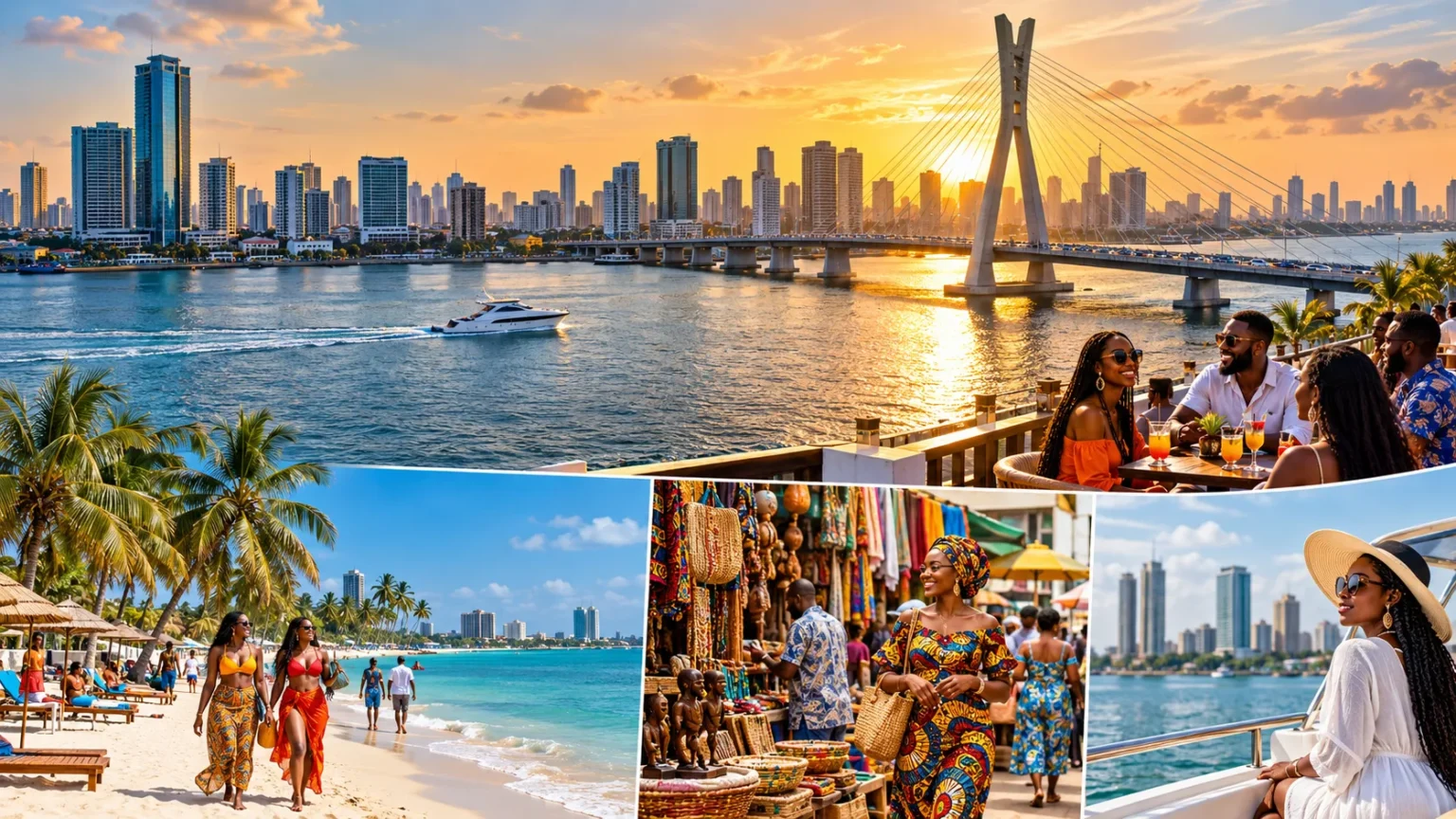
Lagos is one of Africa’s most energetic cities, combining coastal scenery, contemporary culture, historic neighborhoods, creative industries, and a constantly moving urban atmosphere. Visitors can spend one day exploring galleries and markets, then enjoy beaches, restaurants, live music, or waterfront views the next. It is a destination that rewards travelers who enjoy big cities with strong personalities.
Nigeria’s largest urban center stretches across islands, lagoons, mainland districts, and rapidly developing neighborhoods. Victoria Island, Ikoyi, Lekki, Lagos Island, and the mainland each offer a different experience. Understanding these areas before your trip can make planning easier because traffic and travel times often influence how much you can comfortably see in one day.
Lagos is particularly rewarding for travelers interested in Nigerian food, art, fashion, music, entrepreneurship, and everyday city life. Rather than approaching it only as a collection of traditional tourist attractions, allow time to experience its restaurants, social spaces, markets, and neighborhoods. That broader approach helps reveal why Lagos has such an influential cultural presence.
Explore Victoria Island and Ikoyi
Victoria Island is one of the most convenient areas for first-time visitors who want access to restaurants, hotels, nightlife, offices, and entertainment. Modern buildings sit alongside busy roads and waterfront areas, creating a more contemporary side of Lagos. Staying here can also make it easier to reach nearby Lekki and central attractions without crossing the entire city every day.
Ikoyi offers another polished urban experience nearby, with residential streets, restaurants, hotels, and lagoon views. The area can feel calmer than some busier commercial districts while still keeping you close to major parts of Lagos. Travelers interested in a comfortable base often compare Victoria Island, Ikoyi, and Lekki before choosing accommodation.
Both neighborhoods are useful for evenings because many restaurants and social venues are located nearby. Rather than planning long journeys after dinner, choose places reasonably close to your accommodation whenever possible. This approach can save time and make evenings more relaxed, especially after spending the day exploring different parts of the city.
Walk Through Lekki Conservation Centre
Lekki Conservation Centre provides a welcome break from Lagos’s dense urban environment. The protected green space contains forest, wetlands, walking areas, and opportunities to observe local wildlife. It is an excellent addition to a Lagos itinerary when you want several hours of nature without traveling far beyond the city.
One of the center’s best-known experiences is its elevated canopy walkway, which gives visitors a different perspective over the surrounding vegetation. Walking through the reserve can feel completely removed from the traffic and high-rise development found elsewhere in Lagos. Comfortable shoes and lightweight clothing are useful because the tropical conditions can feel warm and humid.
Visit earlier in the day if you prefer cooler conditions and more time to enjoy the trails. Follow staff guidance around wildlife and avoid feeding or disturbing animals. Combining the conservation center with other Lekki attractions can create an efficient full day without requiring repeated journeys across different parts of Lagos.
Discover Nigerian Art at Nike Art Gallery
Lagos has a strong contemporary art scene, and Nike Art Gallery is one of the most recognizable places for visitors interested in Nigerian creativity. Its large collection introduces travelers to paintings, textiles, sculpture, mixed-media works, and traditional influences interpreted by numerous artists. The experience can easily fill more time than expected if you enjoy browsing slowly.
The gallery is particularly useful for first-time visitors because it presents different artistic styles within one accessible location. You can see how Nigerian artists work with color, symbolism, social themes, cultural traditions, and contemporary ideas. Even travelers who do not regularly visit galleries may find the scale and variety of the collection engaging.
Give yourself time to look closely rather than treating the gallery as a quick photo stop. If you are interested in buying art, ask questions about individual pieces and artists before making a decision. Visiting galleries also provides a useful introduction to Lagos’s broader creative culture, which extends into fashion, design, music, and film.
Explore Lagos Island and Its Historic Character
Lagos Island offers a different atmosphere from the modern developments around Lekki and Victoria Island. This part of the city reflects older commercial, religious, and architectural layers alongside intensely active markets and streets. Exploring the area can help visitors understand how Lagos developed before expanding into the enormous metropolitan region seen today.
Historic buildings, churches, mosques, commercial streets, and traditional markets sit within a dense urban setting. The experience is often busy and visually overwhelming, particularly for travelers unfamiliar with Lagos. A knowledgeable local guide can make exploring more manageable while providing cultural and historical context that would be difficult to understand independently.
Allow plenty of time because moving even relatively short distances can take longer than expected. Avoid trying to combine too many widely separated attractions within one afternoon. Lagos becomes much easier to enjoy when your itinerary is organized geographically rather than treating every landmark as though it were only a few minutes away.
Spend Time at Lagos Beaches
Lagos’s Atlantic coastline gives visitors several opportunities to add beach time to a city itinerary. Beach experiences range from developed private beach clubs to more relaxed coastal areas reached by road or boat. A beach day can provide a refreshing contrast after several days of markets, museums, galleries, restaurants, and heavy city traffic.
Tarkwa Bay is well known for its coastal setting and is traditionally reached by boat, making the journey part of the experience. Other beach areas around the wider Lagos region provide different combinations of facilities, food, music, and water views. Conditions and accessibility can vary, so plan according to the type of experience you prefer.
Take swimming conditions seriously because open coastal water can have strong currents. Ask locally about water safety before entering the sea and avoid assuming every stretch of beach is suitable for swimming. Sun protection, drinking water, lightweight clothing, and secure storage for valuables are also useful additions to a Lagos beach day.
Visit Lagos Markets and Shop for Local Finds
Markets are an important part of the Lagos experience because they show the city at its most energetic. Depending on where you go, you can find fabrics, clothing, accessories, artwork, crafts, food, household goods, electronics, and countless everyday products. The atmosphere is often fast-moving, crowded, colorful, and very different from shopping inside modern malls.
Travelers interested in crafts and souvenirs may prefer organized arts and crafts markets where browsing feels easier. Traditional fabrics, carvings, beads, leather goods, jewelry, and decorative objects can make distinctive purchases. Take time to compare quality and prices rather than buying the first item you see, particularly when several sellers offer similar products.
Larger commercial markets can be fascinating but may feel overwhelming for first-time visitors. Going with someone familiar with the area can make navigation easier and reduce unnecessary confusion. Keep valuables secure, avoid displaying large amounts of cash, and remain aware of your surroundings when moving through crowded shopping districts.
Experience Lagos Food and Nigerian Cuisine
Food is one of the best ways to experience Lagos because the city brings together dishes and culinary traditions from across Nigeria. Travelers can try jollof rice, grilled meats, pepper soup, suya, seafood, plantain, rice dishes, soups, and numerous regional specialties. The range stretches from casual roadside food to sophisticated contemporary restaurants.
Do not limit yourself to familiar international meals simply because Lagos has plenty of them. Trying local dishes provides a stronger connection to the culture and can become one of the most memorable parts of your trip. Ask restaurant staff for recommendations if you are unfamiliar with ingredients, spice levels, or the best combinations of dishes.
Seafood is another natural choice in a coastal city, particularly at restaurants around Lekki, Victoria Island, and other waterfront areas. Travelers with food allergies should communicate clearly about ingredients before ordering. Choosing busy, established food venues and drinking safe water are sensible habits when adjusting to a new destination.
Enjoy Lagos Music, Nightlife, and Entertainment
Lagos becomes a different city after dark, with restaurants, lounges, live music venues, clubs, and social spaces creating an energetic nightlife scene. The city’s influence on Afrobeats and wider African entertainment makes music an especially important part of the experience. Even travelers who avoid nightclubs can find live performances and relaxed evening venues.
Victoria Island and Lekki contain many popular entertainment options, making these areas convenient for visitors who want dinner followed by music or drinks. Some venues become busiest relatively late, so the Lagos nightlife schedule may feel different from what you are accustomed to. Check local information about events instead of assuming every venue offers the same experience nightly.
Plan your return transportation before staying out late. Using trusted transport arranged through your hotel or another reliable source can make evenings easier to manage. Traveling with people familiar with Lagos can also be helpful, particularly when visiting neighborhoods or entertainment areas you have not explored during daylight hours.
Understand the Best Time to Visit Lagos
Lagos has a warm tropical climate, so visitors should expect relatively high temperatures throughout the year. The main seasonal difference is between wetter and drier periods rather than dramatic summer and winter temperature changes. Your preferred travel month may therefore depend on how much humidity and rainfall you are comfortable managing.
Drier conditions can make sightseeing, beach visits, and walking easier because heavy rain is less likely to disrupt daily plans. However, warm temperatures and humidity still make breathable clothing important. Starting outdoor activities earlier in the morning can provide a more comfortable experience before the strongest daytime heat builds.
Rainier periods can still be enjoyable, particularly if your itinerary includes galleries, restaurants, shopping, and indoor cultural experiences. Carry a lightweight rain layer or umbrella and allow extra travel time when weather affects roads. Lagos rewards flexible scheduling, so avoid building an itinerary where every activity depends on perfect weather.
Getting Around Lagos Efficiently
Transportation planning can significantly influence your experience because Lagos is large and traffic can be unpredictable. Two attractions that appear reasonably close on a map may take longer to reach than expected during busy periods. Building your day around one part of the city is usually more efficient than repeatedly traveling between the mainland, islands, and Lekki.
Visitors often use private drivers, hotel-arranged transportation, or app-based ride services depending on local conditions and personal preferences. Ask your accommodation about the most reliable options before your first day. If you have important reservations, airport transfers, or scheduled tours, leave significantly more travel time than you think you may need.
Walking can work inside certain contained areas, attractions, or developments, but Lagos is not a city where visitors should assume every destination is easily reachable on foot. Heat, traffic, road design, and distance can make walking impractical. Plan transportation in advance instead of deciding how to travel only after arriving at each attraction.
Where to Stay in Lagos
Victoria Island is a practical choice for many first-time visitors because it offers numerous hotels, restaurants, business facilities, and entertainment options. It provides relatively convenient access to Ikoyi and several other popular areas. Travelers who prefer modern city amenities and active evenings may find it particularly suitable.
Lekki is another popular option, especially for travelers interested in beaches, nightlife, restaurants, shopping, and attractions such as the conservation center and art galleries. The neighborhood stretches across a large area, however, so check your hotel’s exact location rather than assuming everything in Lekki will be immediately nearby.
Ikoyi can suit visitors seeking a quieter and more residential atmosphere while remaining close to central areas. Whichever neighborhood you choose, prioritize location alongside room quality and price. Saving money on accommodation far from your main activities may create additional transportation costs and hours of travel during a short trip.
Practical Tips for Visiting Lagos
Avoid creating an overly ambitious itinerary. Lagos offers plenty to see, but traffic, weather, and the city’s sheer size can make tightly scheduled days stressful. Choose two or three main activities in the same general area and leave enough flexibility for meals, transportation delays, and experiences you discover along the way.
Dress comfortably for tropical weather while considering the setting you are visiting. Lightweight clothing and comfortable shoes work well for most sightseeing, while some restaurants and nightlife venues may call for smarter outfits. Carry sun protection and drinking water, especially when spending significant time outdoors during the warmer part of the day.
Stay aware of your surroundings and use reliable local guidance for transportation and unfamiliar neighborhoods. Avoid carrying unnecessary valuables or displaying expensive items in crowded areas, and be particularly thoughtful about late-night movement. Good preparation allows you to focus more attention on the city’s culture, food, creativity, and attractions.
Conclusion
Lagos is an intense, creative, and rewarding destination that offers much more than a conventional sightseeing trip. Nature at Lekki Conservation Centre, Nigerian art, Atlantic beaches, historic districts, markets, restaurants, and music all contribute different sides of the city. The variety makes Lagos especially appealing to travelers interested in contemporary African urban culture.
The best Lagos itinerary balances major attractions with time to experience everyday city life. Spend an afternoon exploring art, enjoy Nigerian food, visit the coast, and leave room for music or an unplanned local recommendation. Organizing activities by neighborhood can also make the trip considerably smoother and more enjoyable.
Approach Lagos with realistic expectations about transportation, climate, and the pace of a huge city. Plan carefully without trying to control every hour, use reliable local knowledge, and remain open to experiences beyond famous landmarks. With thoughtful preparation, Lagos can become one of the most memorable stops on a West African journey.
FAQs
How many days do you need in Lagos?
Four to five days gives most first-time visitors enough time for major attractions, food, art, and a beach experience. A week allows a slower itinerary with more neighborhoods and cultural activities.
What is Lagos best known for?
Lagos is known for its energetic urban culture, Nigerian music, contemporary art, food, nightlife, markets, Atlantic coastline, and major role in the country’s entertainment, creative, and business industries.
What are the best areas to stay in Lagos?
Victoria Island, Ikoyi, and Lekki are popular options for many visitors. The best choice depends on your itinerary, accommodation budget, preferred nightlife, and which attractions you want to visit most often.
What should I wear when visiting Lagos?
Choose breathable, lightweight clothes suitable for warm and humid weather, along with comfortable walking shoes. Bring smarter clothing for upscale restaurants or nightlife and carry sun protection for daytime sightseeing.
Is Lagos suitable for a first trip to Nigeria?
Lagos can provide a fascinating introduction to contemporary Nigeria for well-prepared travelers. Planning transportation, choosing accommodation carefully, using reliable local guidance, and keeping your itinerary flexible can make the experience more manageable.