





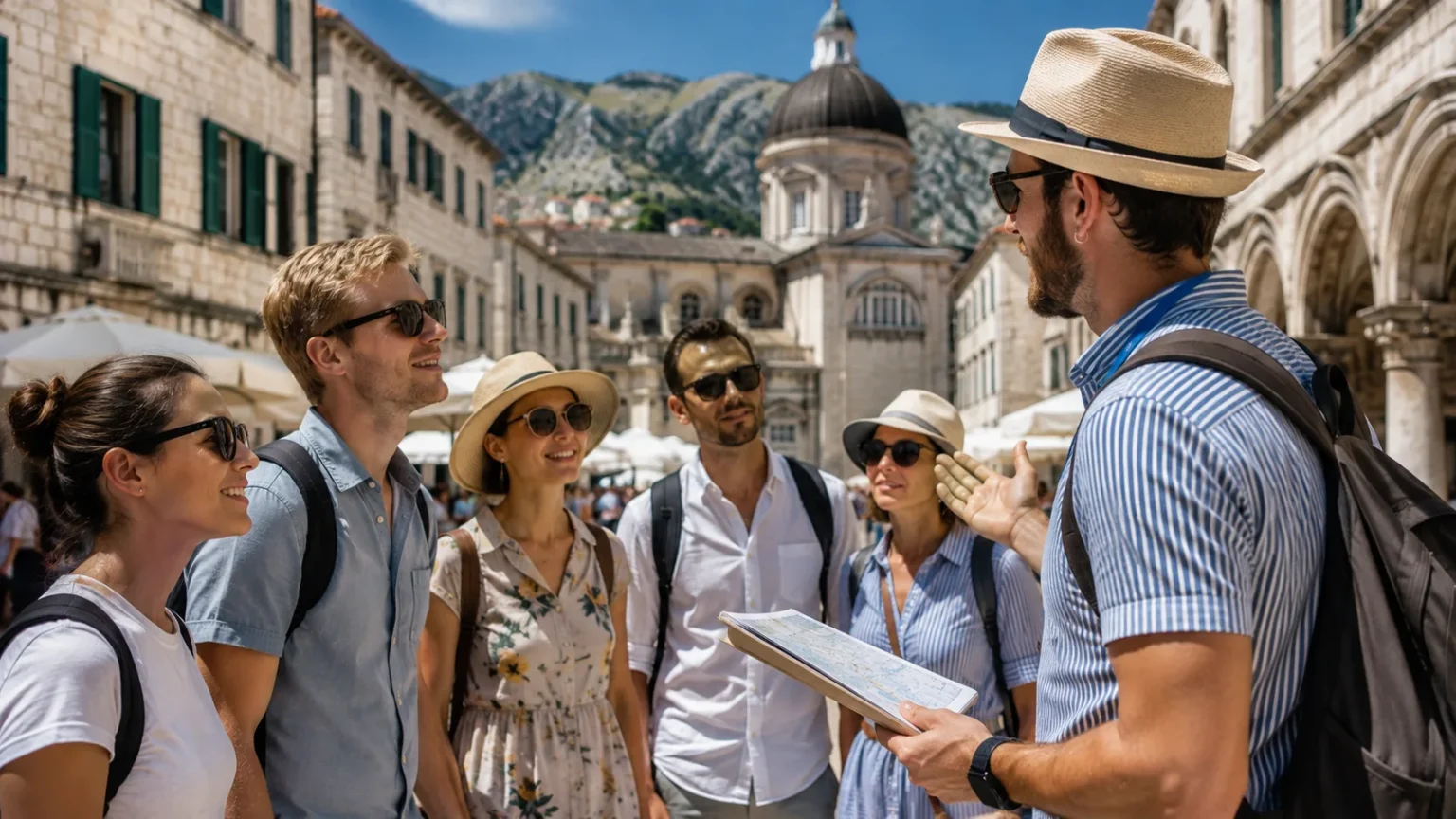
How to Choose the Right Guided Tour
Traveling somewhere new is exciting, but deciding how to explore a destination can quickly become overwhelming. Attractions, transportation, local customs, hidden landmarks, and limited vacation time can make even a simple itinerary difficult to organize. A well-chosen guided tour can remove much of that stress while helping you understand a place beyond what you might discover on your own. The key is choosing a tour that fits the way you actually like to travel rather than simply booking the first popular option you see.
Not every guided tour offers the same experience. Some are built around history and culture, while others focus on food, adventure, nature, photography, architecture, or entertainment. Group size, transportation style, tour duration, guide quality, activity level, and itinerary flexibility can also vary significantly. Understanding these differences before booking helps you avoid spending valuable vacation time on an experience that does not match your expectations or interests.
The best guided tours balance organization with enjoyment. They take care of complicated logistics while giving travelers meaningful access to destinations, attractions, and local knowledge. A knowledgeable local tour guide can explain traditions, historical events, neighborhoods, and cultural details that are easy to miss when exploring independently. The result should feel like discovering a destination with someone who understands it rather than simply being transported between tourist attractions.
Choosing wisely therefore requires more than comparing tour prices. You should consider your travel style, priorities, physical comfort, schedule, group preferences, and the reputation of the tour operator. Whether you are planning a city sightseeing tour, cultural excursion, walking tour, adventure trip, or multi-day guided vacation, the following practical considerations can help you select an experience that adds genuine value to your journey.
Start With the Experience You Actually Want
Before comparing tour companies, think carefully about what you want to gain from the experience. Some travelers want detailed historical explanations, while others simply want convenient transportation between major attractions. You might prefer discovering local food, exploring natural landscapes, visiting museums, meeting residents, or finding photography locations. Defining your main goal immediately narrows your choices and prevents you from being distracted by tours that look impressive but do not fit your interests.
Consider the pace you normally enjoy while traveling as well. A packed sightseeing itinerary may appeal to someone trying to experience as much as possible in one day, but it can feel exhausting to travelers who prefer leisurely exploration. Likewise, a relaxed neighborhood walking tour might disappoint someone hoping to see several famous landmarks quickly. Reading the itinerary carefully can reveal whether the tour experience matches your preferred pace before you make a reservation.
Your previous travel experiences can also provide useful clues. Think about tours you have enjoyed in the past and identify what made them memorable. Perhaps you appreciated having a knowledgeable guide who encouraged questions, enjoyed traveling with a small group, or liked having free time between scheduled activities. Understanding these preferences helps you evaluate guided tour packages based on personal value rather than simply popularity or price.
It is equally important to identify experiences you want to avoid. Long bus journeys, crowded groups, physically demanding activities, early departures, or heavily scheduled itineraries may reduce your enjoyment. Writing down a few must-have features and deal breakers can make the selection process much easier. Instead of asking which guided tour is universally best, focus on finding the tour that best matches your individual travel expectations.
Choose the Right Type of Guided Tour
Guided tours come in many formats, and selecting the right type can significantly affect your overall experience. Walking tours are ideal for travelers who want to explore historic centers, neighborhoods, markets, and architectural districts at street level. Bus or coach tours can cover larger areas conveniently, especially when attractions are spread across a city or region. Boat, bicycle, train, and private vehicle tours provide additional options depending on the destination.
Special-interest tours can provide a deeper experience when you have specific passions. Food tours may introduce travelers to local dishes, markets, restaurants, and culinary traditions, while history tours explore important events and landmarks in greater detail. Wildlife tours, photography tours, architecture tours, wine tours, and adventure excursions offer more focused experiences. Choosing a specialized guided tour often provides more memorable insights than selecting a general sightseeing package simply because it covers famous places.
You should also decide whether you want a private tour or a group tour. Private guided tours usually provide greater flexibility, personalized attention, and opportunities to ask questions without competing with a large group. However, they generally cost more. Shared tours are usually more affordable and can create opportunities to meet other travelers, making them attractive for solo travelers or anyone who enjoys the social side of tourism.
Multi-day guided tours are another option when exploring a large destination or several cities. These packages often combine transportation, accommodation, sightseeing, and sometimes meals into one organized itinerary. They can reduce planning considerably, but travelers should examine how much independent time is included. A carefully structured multi-day tour should provide guidance and convenience without making every hour of the trip feel overly controlled.
Check the Tour Itinerary Carefully
The itinerary is one of the most important things to examine before booking a guided tour. Tour descriptions often highlight impressive attractions, but the amount of time actually spent at each place can vary considerably. Look beyond the list of destinations and determine whether you will enter attractions, view them from outside, or simply pass them during transportation. Small wording differences can dramatically change what the experience includes.
Pay attention to how many stops are scheduled within the available time. An itinerary promising numerous attractions within only a few hours may involve rushed visits and significant travel between locations. While seeing more places sounds attractive, a slower itinerary often allows travelers to understand and enjoy each destination properly. Consider whether you prefer collecting photographs of many landmarks or spending meaningful time experiencing fewer locations.
Check whether the tour includes free time as well. Independent exploration can be valuable even when you choose guided sightseeing. A good itinerary might provide structured introductions to important attractions followed by time for shopping, photography, meals, or personal exploration. This balance allows you to benefit from expert guidance while still having moments to experience the destination at your own pace.
You should also examine the starting point, finishing location, departure time, and estimated duration. A tour that appears convenient may become difficult if it begins far from your hotel or ends somewhere unfamiliar late in the evening. Consider transportation before and after the tour as part of your overall planning. Small logistical details can make the difference between a smooth travel experience and an unnecessarily stressful day.
Consider the Group Size and Travel Style
Group size can dramatically influence the atmosphere of a guided tour. Large group tours are often less expensive and may provide comfortable transportation between attractions, making them suitable for travelers who value convenience and affordability. However, moving many people between stops can take additional time, and opportunities to interact personally with the guide may be limited. Understanding these trade-offs can help you choose a format that suits your personality.
Small group tours usually provide a more personal experience because guides can interact with individual travelers more easily. Questions, conversations, and spontaneous recommendations often feel more natural when fewer people are involved. Small groups may also move through busy attractions more efficiently and access locations that large coaches cannot reach. For travelers interested in local culture and deeper engagement, this format can offer considerable value.
Private guided tours provide the greatest level of personalization. Your guide may be able to adjust the pace, spend longer at places you find interesting, and provide recommendations based on your preferences. Families, couples, photographers, business travelers, and visitors with specific accessibility needs often benefit from this flexibility. Although private tours can cost considerably more, the additional control may justify the price for certain trips.
Think about your own social preferences before deciding. Some travelers genuinely enjoy meeting new people and sharing experiences with a larger international group, while others prefer quiet exploration with family or close companions. Neither option is automatically better. The right group size is simply the one that makes you feel comfortable, engaged, and able to experience the destination in the way you prefer.
Research the Tour Guide and Tour Operator
The quality of the guide can transform an ordinary itinerary into an unforgettable experience. A good local tour guide does more than memorize dates and facts. They explain stories in an engaging way, understand local culture, answer questions clearly, manage the group professionally, and adapt when unexpected situations occur. When reviews repeatedly mention specific guides positively, it can be a strong indication that the company invests in knowledgeable tour leaders.
Research the tour company as carefully as the itinerary itself. Established tour operators should provide clear information about meeting points, cancellation conditions, inclusions, exclusions, accessibility, and customer support. Their booking pages should explain what travelers can realistically expect rather than relying on vague promotional language. Transparency is particularly important when booking expensive excursions or multi-day guided travel packages.
Customer reviews can provide useful insight, but they should be evaluated thoughtfully. Rather than focusing only on the overall star rating, read recent detailed reviews describing guide quality, organization, transportation, pacing, and communication. Repeated praise or complaints about the same issue are more informative than one unusually positive or negative comment. Reviews from travelers with similar interests or travel styles can be particularly valuable.
Pay attention to how the operator handles problems as well. Weather changes, transportation delays, attraction closures, and unexpected disruptions are sometimes unavoidable in tourism. Professional companies communicate clearly and provide reasonable alternatives when plans change. A reliable guided tour company should demonstrate strong organization before the trip even begins, including straightforward booking confirmations and clear instructions about where and when to meet.
Compare What Is Included in the Tour Price
The cheapest guided tour is not always the best value, and the most expensive option is not automatically superior. Price comparisons only become meaningful when you understand exactly what each package includes. Entrance fees, meals, transportation, hotel pickup, equipment rental, attraction tickets, gratuities, and additional activities may or may not be included. Two tours with similar itineraries can therefore have very different final costs.
Look carefully for expenses that travelers must pay separately. A low advertised price may become less attractive when entrance tickets, transportation, meals, or mandatory fees are added later. Similarly, a more expensive tour that includes skip-the-line tickets, professional transportation, meals, and multiple admissions may actually provide better overall value. Calculate the approximate total cost rather than judging the package by its headline price.
Consider time savings as part of the value calculation too. Organized transportation, reserved attraction tickets, hotel pickup, and knowledgeable guides can eliminate hours of independent planning and waiting. This can be particularly valuable when you have only a few days at the destination. Paying slightly more for a well-organized guided excursion may allow you to experience considerably more without feeling rushed or confused.
At the same time, avoid paying for extras you do not actually want. Premium meals, luxury transportation, souvenir packages, or additional activities can raise prices without necessarily improving your personal experience. Focus on the elements that matter to you. A guided tour represents good value when its inclusions make your trip easier, richer, or more enjoyable rather than simply making the package appear more luxurious.
Look at the Pace and Physical Requirements
Travelers sometimes overlook activity levels when booking tours, only to discover that the experience involves more walking, climbing, or standing than expected. Tour descriptions should indicate approximate walking distances, terrain conditions, elevation changes, stairs, and other physical requirements. This information is especially important for older travelers, families with young children, people with mobility limitations, or anyone recovering from an injury.
Even relatively simple city tours can become tiring when they involve several hours of walking in hot, cold, humid, or rainy conditions. Consider the local climate and season alongside the tour’s stated activity level. A comfortable three-hour walking tour during mild weather may feel considerably more demanding during extreme heat. Appropriate footwear, hydration, clothing, and rest breaks can strongly influence your comfort.
Adventure tours require even more careful evaluation. Hiking, cycling, kayaking, snorkeling, climbing, and wildlife excursions may require specific fitness levels or previous experience. Reputable tour operators usually explain these requirements clearly and provide details about safety equipment. Never assume that an activity described as beginner-friendly will automatically match your abilities; examine the actual distances, duration, environment, and required movements.
Accessibility should also be confirmed directly when it matters to your trip. Historic buildings, archaeological sites, old neighborhoods, boats, and natural attractions may present physical barriers that tour operators cannot completely remove. Choosing a suitable tour beforehand allows everyone in your group to participate comfortably. The best travel experience is not necessarily the most adventurous one but the one you can genuinely enjoy from beginning to end.
Read Cancellation and Booking Policies Before Paying
Travel plans sometimes change unexpectedly, which makes cancellation policies more important than many travelers realize. Before completing your guided tour booking, check how far in advance you can cancel and whether you will receive a full refund, partial refund, credit, or no reimbursement. Flexible cancellation can be especially valuable when booking several weeks or months before your trip.
Weather policies deserve additional attention for outdoor excursions. Boat tours, mountain trips, wildlife experiences, helicopter tours, and adventure activities may depend heavily on suitable conditions. Find out what happens if the operator cancels because of weather and whether you receive a refund, alternative date, or replacement activity. A professional company should communicate these policies clearly before payment.
Check the rules around late arrivals and missed departures too. Many guided tours operate on strict schedules and cannot delay an entire group for one traveler. Understanding the required arrival time can help you plan transportation accordingly. When a tour involves a cruise port, airport arrival, or another tightly scheduled connection, leaving additional time between activities reduces the risk of losing your booking.
Finally, keep your reservation confirmation and important contact details easily accessible while traveling. Screenshots or offline copies can be useful when internet access is unreliable. Confirm the meeting location shortly before the tour, particularly in busy city centers where several companies may operate from nearby locations. A small amount of preparation can prevent avoidable confusion when the experience is about to begin.
Avoid Common Mistakes When Booking Guided Tours
One common mistake is choosing a tour solely because it appears at the top of a booking platform or search result. Popularity can be useful evidence, but it does not guarantee that an experience matches your preferences. Compare the itinerary, guide style, group size, duration, and included services before deciding. A less famous tour may suit your travel style significantly better than the most heavily promoted option.
Another mistake is trying to fit too many guided experiences into one trip. Tours can simplify travel, but scheduling every day from morning until evening may leave little room for spontaneous discoveries. Some of the best travel memories happen while exploring a neighborhood, visiting a café, browsing a market, or following an unexpected recommendation. Combining structured tours with independent travel often creates a more balanced vacation.
Travelers should also avoid booking without reading the practical details. Meeting points, clothing requirements, age restrictions, luggage policies, meals, transportation arrangements, accessibility, and admission fees may all affect your experience. Spending several minutes reviewing these details before payment is easier than solving problems after arriving. This is especially important when booking activities involving children, elderly travelers, or specialized equipment.
Finally, do not assume that a longer tour automatically delivers better value. Quality matters more than duration. A skilled guide can make a focused two-hour experience fascinating, while a poorly organized full-day tour can become exhausting. Select your tour based on meaningful experiences, reliable organization, suitable pacing, and knowledgeable guidance rather than simply calculating how many hours or attractions are included.
How to Choose the Right Guided Tour for Your Trip
The right guided tour should make travel easier while improving your understanding of the destination. Begin by identifying what you want to experience, whether that involves culture, history, food, adventure, sightseeing, nature, or local life. Once your priorities are clear, compare tour formats and itineraries that genuinely support those interests instead of selecting packages based only on popularity.
Next, examine practical factors such as group size, transportation, duration, activity level, accessibility, meeting location, and free time. These details strongly influence how comfortable and enjoyable the experience becomes. Travelers who prefer flexibility may enjoy small-group or private guided tours, while those prioritizing affordability and convenience may find larger organized tours perfectly suitable.
Price should then be considered alongside overall value. Check exactly what is included, identify additional costs, and determine whether services such as attraction tickets, transfers, meals, equipment, or priority entry justify the price. Reading recent traveler feedback can provide another layer of insight into the guide’s expertise, organization, communication, and ability to deliver the experience described.
Ultimately, the best guided tour is one that complements your travel style rather than controlling it. A thoughtfully selected tour can introduce stories, places, perspectives, and local knowledge you might otherwise miss while removing unnecessary logistical stress. Take the time to compare your options carefully, and your guided experience can become one of the most rewarding parts of your entire journey.
Final Thoughts
Guided tours can add structure and depth to a trip without removing the excitement of discovery. The strongest experiences combine knowledgeable local guidance with thoughtful itineraries, reliable organization, reasonable pacing, and opportunities to connect with the destination. Instead of viewing a tour simply as transportation between attractions, consider what knowledge, convenience, access, or experiences it adds to your journey.
Personal preferences should remain at the center of your decision. A highly rated adventure tour may be perfect for one traveler but completely unsuitable for someone who prefers relaxed cultural sightseeing. Likewise, a private experience may justify the additional expense for travelers seeking flexibility, while a shared group tour may provide exactly the social atmosphere and affordability another traveler wants.
Taking a few extra minutes to compare guided tour options can prevent many common travel disappointments. Read itineraries carefully, understand what is included, examine physical requirements, check cancellation terms, and look for reliable operators with strong recent feedback. These simple steps allow you to book with clearer expectations and reduce unpleasant surprises after reaching your destination.
Most importantly, choose a tour that helps you experience a destination rather than simply check places off a list. The right guide can reveal local stories, traditions, neighborhoods, landscapes, and perspectives that turn sightseeing into genuine understanding. When the itinerary, guide, pace, group size, and price all align with your needs, a guided tour can become one of the highlights of your trip.
Frequently Asked Questions
Are guided tours worth the money?
Guided tours can be worth the cost when they provide expert local knowledge, convenient transportation, attraction access, and efficient planning. Their value depends on how well the experience matches your interests and travel style.
Is a private tour better than a group tour?
Private tours offer more flexibility and personalized attention, while group tours are generally more affordable and social. The better choice depends on your budget, preferred group size, and desired level of customization.
How far in advance should I book a guided tour?
Popular tours are often worth reserving ahead of time, especially during busy travel seasons or when group sizes are limited. Less popular activities may offer more flexibility for last-minute bookings.
What should I look for in a good tour guide?
Look for strong communication skills, local knowledge, professionalism, engaging storytelling, and the ability to answer questions clearly. Recent traveler reviews can help reveal whether guides consistently deliver these qualities.
What should I bring on a guided tour?
Bring comfortable clothing, suitable footwear, water, identification, booking details, and weather-appropriate items. Check the tour description beforehand because adventure or specialized tours may require additional equipment.