




A great road trip combines memorable scenery, interesting stops, flexible travel plans, and enough time to enjoy the journey rather than simply reaching the destination. From dramatic coastal highways and mountain passes to historic roads and peaceful countryside routes, driving gives you the freedom to explore places that trains and flights often miss.
Planning matters just as much as choosing the destination. Weather, road conditions, accommodation, fuel stops, driving distances, and seasonal crowds can all change the experience. A route that looks short on a map may take much longer when scenic viewpoints, winding roads, hiking stops, and small towns are added to the itinerary.
This guide covers some of the best road trip ideas for travelers looking for beautiful scenery and memorable experiences. You will also find practical advice for choosing a route, preparing your vehicle, packing efficiently, controlling costs, staying comfortable, and creating a flexible road trip itinerary.
Pacific Coast Highway, California
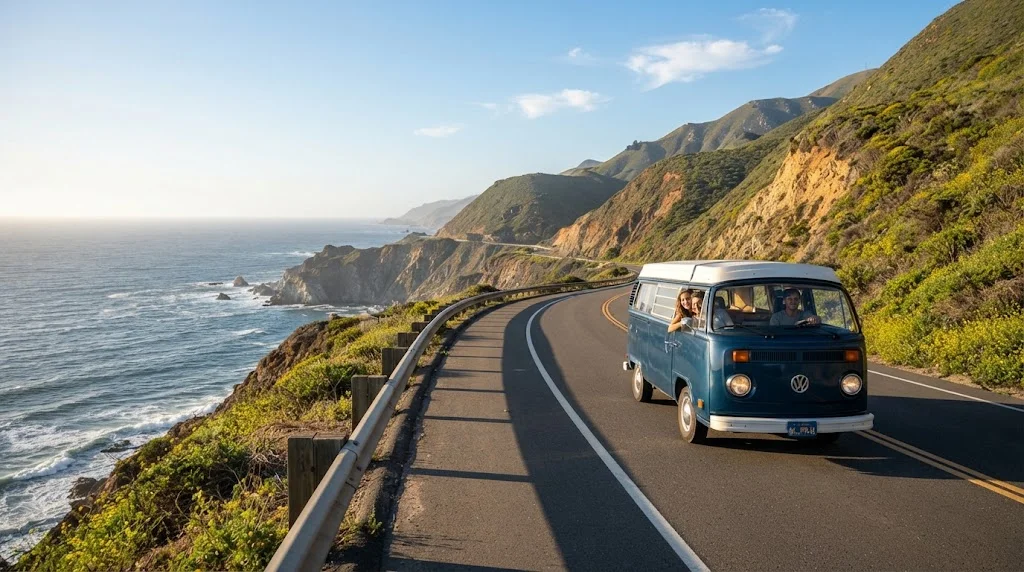
California’s Pacific Coast Highway is a classic road trip for travelers who enjoy ocean views, rugged cliffs, beaches, and coastal towns. Sections around Big Sur are especially dramatic, with winding roads running between steep hills and the Pacific Ocean. It is a route designed for slow travel rather than rushing from one major city to another.
Possible stops can include viewpoints, beaches, coastal hiking areas, small communities, and famous bridges. Travelers often build the journey around destinations such as Monterey, Big Sur, Santa Barbara, and other coastal locations. The exact itinerary can be adjusted depending on available time and current road access.
Allow plenty of extra time because coastal roads can be slower than major highways. Fog, traffic, construction, weather, and temporary closures may affect driving conditions, particularly around steep coastal sections. Checking current conditions shortly before traveling helps prevent unexpected route changes from disrupting the trip.
Blue Ridge Parkway, USA
The Blue Ridge Parkway offers mountain scenery, forested landscapes, overlooks, hiking opportunities, and access to sections of the Appalachian region. It can be especially attractive for travelers who prefer relaxed scenic driving rather than busy highways. The road encourages frequent stops, so distance should not be the only consideration when creating your schedule.
Autumn is particularly popular because changing leaves transform the surrounding mountains, although spring and summer can also offer beautiful views. Scenic overlooks are spread throughout the route, allowing travelers to stop without committing to long hikes. Nearby mountain towns can provide accommodation, food, and opportunities to explore beyond the roadway.
Weather can change quickly at higher elevations, and visibility may sometimes be limited by fog or clouds. Some facilities and sections can also operate differently depending on the season. Build flexibility into the itinerary so you can change stops or driving times if conditions are less favorable than expected.
Route 66 for a Classic American Road Trip
Route 66 is ideal for travelers interested in American road-trip history, roadside attractions, small towns, diners, neon signs, and changing landscapes. The historic route connects different regions and offers a very different experience from simply taking the fastest interstate highway. Much of the appeal comes from the stops rather than the road itself.
Because the original highway has changed over time, modern Route 66 trips often combine preserved sections with newer roads. Travelers can build an itinerary around museums, historic motels, vintage gas stations, desert landscapes, and communities connected to the route’s cultural history. Researching specific sections beforehand can make navigation considerably easier.
You do not necessarily need to drive the entire route to enjoy the experience. A shorter regional section can provide plenty of character without requiring several weeks of travel. Choose a portion that matches your time, budget, and interests rather than treating the full distance as a requirement.
Karakoram Highway for Mountain Scenery
The Karakoram Highway offers extraordinary mountain scenery through northern Pakistan, with sections passing near dramatic peaks, valleys, rivers, glaciers, and high-altitude landscapes. Travelers interested in mountain road trips can build a journey around areas such as Gilgit, Hunza, Passu, and nearby valleys.
Attabad Lake, mountain viewpoints, historic forts, suspension bridges, and side valleys can add variety to the drive. Because the region contains some demanding roads and high elevations, travelers should allow more time than normal driving distances suggest. A slow itinerary creates room for sightseeing, rest, and unexpected delays.
Conditions can change because of weather, landslides, construction, and seasonal accessibility. In unfamiliar or remote areas, using an experienced local driver may be more practical than self-driving. Travelers should also check current road and local safety information before departure rather than relying entirely on older itineraries.
Scenic Mountain and Countryside Road Trips
Mountain routes can offer dramatic views, cooler temperatures, hiking opportunities, waterfalls, forests, and peaceful overnight stops. They work particularly well for travelers who enjoy combining driving with outdoor activities. However, steep climbs and winding roads usually make average driving speeds much lower than expected.
Countryside routes offer a different atmosphere. Instead of dramatic peaks, you may travel through farmland, vineyards, historic villages, forests, and quiet regional roads. These trips can be ideal for couples or families who want a slower holiday without constantly moving between major tourist attractions.
When choosing between mountain and countryside routes, think about what you want to do outside the car. Hiking, photography, local food, sightseeing, swimming, and cultural attractions can all influence the best route. The strongest road-trip itineraries usually combine enjoyable driving with worthwhile reasons to stop regularly.
Coastal Road Trip Ideas
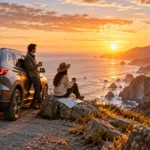
Coastal routes offer a combination of beaches, ocean viewpoints, fishing towns, cliffs, and opportunities for waterfront stops. They can work well for weekend drives as well as longer journeys covering several coastal regions. Sunrise or sunset drives can make certain sections especially memorable.
Plan enough time for spontaneous stops because beaches and viewpoints often become unexpected highlights. A driving schedule packed with fixed destinations can make you feel pressured to leave beautiful locations too quickly. Building one or two flexible hours into each day gives you more freedom.
Coastal travel can also involve changing conditions. Wind, fog, storms, summer traffic, and limited parking around popular beaches may affect the itinerary. Check weather and road information each morning and keep alternative stops available if your original plan becomes inconvenient.
How to Choose the Right Road Trip Route
Start with the amount of time you actually have rather than choosing a route first. A three-day trip should not involve the same daily driving distances as a two-week journey. Leaving enough time for meals, sightseeing, rest, and unexpected stops usually creates a much better experience.
Next, decide what type of scenery and activities interest you most. Mountains, beaches, deserts, forests, historic towns, national parks, and food destinations create very different trips. Selecting one main theme can make route planning easier and prevent the itinerary from becoming an exhausting collection of unrelated places.
You can also combine several shorter scenic sections rather than following one famous route from beginning to end. If you are collecting options before finalizing your itinerary, reviewing additional road trip ideas can help you compare scenic driving styles, stop types, and planning approaches that match your available time.
Plan a Realistic Daily Driving Schedule
Avoid planning every day around the maximum distance you could technically drive. Six hours on a motorway feels very different from six hours on a winding scenic road with viewpoints, towns, and hiking stops. Road trips become tiring when every day feels like a race against the clock.
For scenic routes, shorter driving days are often more enjoyable. A three- or four-hour route can easily become a full-day experience once you add breakfast, photography, sightseeing, lunch, short walks, and unexpected discoveries. The journey itself should remain part of the vacation.
Include at least a little flexibility around overnight destinations. Reservations may still be important in popular areas, but not every hour needs to be scheduled. A flexible structure gives you space to stay longer somewhere interesting without creating stress about everything planned afterward.
Prepare Your Vehicle Before Leaving
Check basic vehicle condition before a long journey. Tires, brakes, lights, engine fluids, windshield wipers, battery condition, and spare-tire equipment deserve attention, especially if your route passes through mountains or remote areas. Fixing a small mechanical issue before departure is usually easier than dealing with it far from home.
Keep essential vehicle documents, insurance information, emergency contacts, and roadside assistance details easily accessible. If you are using a rental car, understand its fuel policy, mileage restrictions, insurance terms, and what to do if the vehicle develops a problem.
Fuel planning becomes especially important in remote regions. Do not assume another station will appear shortly after the fuel warning light comes on. Filling up earlier than necessary can provide useful peace of mind when driving through mountains, deserts, or sparsely populated countryside.
What to Pack for a Road Trip
Pack drinking water, snacks, charging cables, a power bank, basic first-aid supplies, sunglasses, tissues, and clothing appropriate for changing weather. Keeping frequently used items within easy reach prevents repeated stops to search through luggage. A small day bag can make sightseeing stops more convenient.
Offline maps can be valuable when mobile service becomes weak. Download important routes and accommodation details before traveling through remote areas. Keep addresses or essential directions available separately rather than assuming an internet connection will always be available.
Avoid overpacking the vehicle. Excess luggage makes organization difficult and can reduce visibility when bags are stacked around the cabin. Pack around activities you genuinely expect to do and leave enough free space so everyone can sit comfortably during longer driving days.
How to Save Money on a Road Trip
Fuel, accommodation, food, parking, attractions, and vehicle costs can add up quickly. Estimate these expenses before leaving so you understand the approximate total rather than focusing only on fuel. A simple daily budget can help you control spending without monitoring every small purchase.
Accommodation is often one of the largest costs. Staying slightly outside popular tourist centers, traveling during shoulder seasons, or mixing hotels with simpler accommodation can reduce expenses. Booking ahead can sometimes help when a route passes through areas with limited lodging.
Food costs can also be managed without sacrificing the experience. Carry breakfast items, water, fruit, and snacks, then spend more selectively on restaurants you genuinely want to try. This approach can reduce unnecessary roadside purchases while leaving room in the budget for memorable local meals.
Road Trip Safety and Comfort Tips
Take regular breaks before you become extremely tired. Long periods behind the wheel reduce concentration and can make the journey uncomfortable for everyone. Stop periodically to walk, stretch, use restrooms, drink water, or switch drivers when another qualified person is available.
Avoid pushing through severe fatigue simply because you booked accommodation farther ahead. Driving while very sleepy can be dangerous, and reaching a destination later is preferable to taking unnecessary risks. Adjusting an itinerary is sometimes the safest travel decision.
Keep weather, daylight, and road type in mind when determining when to drive. Remote mountain roads may be much easier during daylight, while storms or heavy rain can change road conditions quickly. Local guidance can be especially useful in unfamiliar destinations.
Make Scenic Stops Part of the Journey
The best road trips are often remembered because of unexpected places between major destinations. Small cafés, viewpoints, short trails, local markets, lakes, beaches, and roadside attractions can become highlights even when they were not part of the original plan.
Research several optional stops before leaving but do not make every one mandatory. This creates a menu of possibilities you can choose from based on weather, energy, and timing. You will still have direction without feeling trapped by the itinerary.
Photography stops also deserve realistic planning. If scenery is a major reason for taking the trip, constantly viewing it through the windshield defeats the purpose. Pull over only in safe designated areas and give yourself enough time to appreciate the landscape outside the vehicle.
Conclusion
The best road trip ideas are not necessarily the longest or most famous routes. A memorable journey combines scenery you enjoy, manageable driving distances, interesting stops, comfortable accommodation, and enough flexibility to change plans when something unexpected catches your attention.
Whether you choose a coastal highway, mountain road, countryside route, or historic driving trail, plan around experiences rather than mileage alone. Give yourself time to explore viewpoints, towns, food stops, hiking areas, and attractions instead of treating every overnight destination as another deadline.
Prepare your vehicle, check current conditions, pack practical essentials, and keep the daily itinerary realistic. With thoughtful planning and room for spontaneous discoveries, even a relatively short drive can become a rewarding travel experience rather than simply transportation between two places.
FAQs
What is the best type of road trip for beginners?
A shorter route with good roads, regular fuel stops, reliable accommodation, and manageable daily driving distances is ideal for beginners. Avoid remote or highly demanding mountain routes until you are comfortable with road-trip planning.
How many hours should you drive each day on a road trip?
There is no single ideal number, but scenic trips often work better with shorter driving days. Consider stops, road conditions, sightseeing, meals, and driver fatigue instead of calculating the schedule from distance alone.
What should I pack for a long road trip?
Bring water, snacks, phone chargers, offline maps, basic first-aid supplies, weather-appropriate clothing, vehicle documents, sunglasses, and any necessary medications. Remote routes may require additional emergency and vehicle supplies.
How can I make a road trip more enjoyable?
Keep daily distances realistic, add scenic and food stops, create a flexible itinerary, share driving when possible, prepare music or entertainment, and leave room for unexpected attractions along the route.
How far in advance should I plan a road trip?
Popular routes during peak seasons may require accommodation bookings well in advance. For quieter trips, planning the main route and overnight stops first while keeping daytime activities flexible can provide a good balance.