




Why Croatia Deserves a Place on Your Travel List
Croatia combines historic cities, clear Adriatic water, dramatic national parks, islands, beaches, and charming coastal towns within a relatively compact country. Travelers can spend one day exploring medieval streets and another hiking beside waterfalls or sailing between islands. This variety makes Croatia suitable for sightseeing trips, beach holidays, road trips, and longer European adventures.
The best places to visit in Croatia are spread from the Istrian Peninsula in the north to Dubrovnik in the far south. Along the way, you can discover Roman architecture, fortified old towns, mountain landscapes, seaside promenades, and national parks. Each region has a slightly different atmosphere, so visiting several destinations can create a more complete experience.
When planning your itinerary, avoid trying to see the entire country in only a few days. Travel between islands, national parks, and coastal cities takes time, especially when ferries are involved. Choosing a smaller number of destinations and spending two or three nights in each place often creates a more enjoyable and less rushed Croatian holiday.
Dubrovnik: Explore Croatia’s Famous Walled City
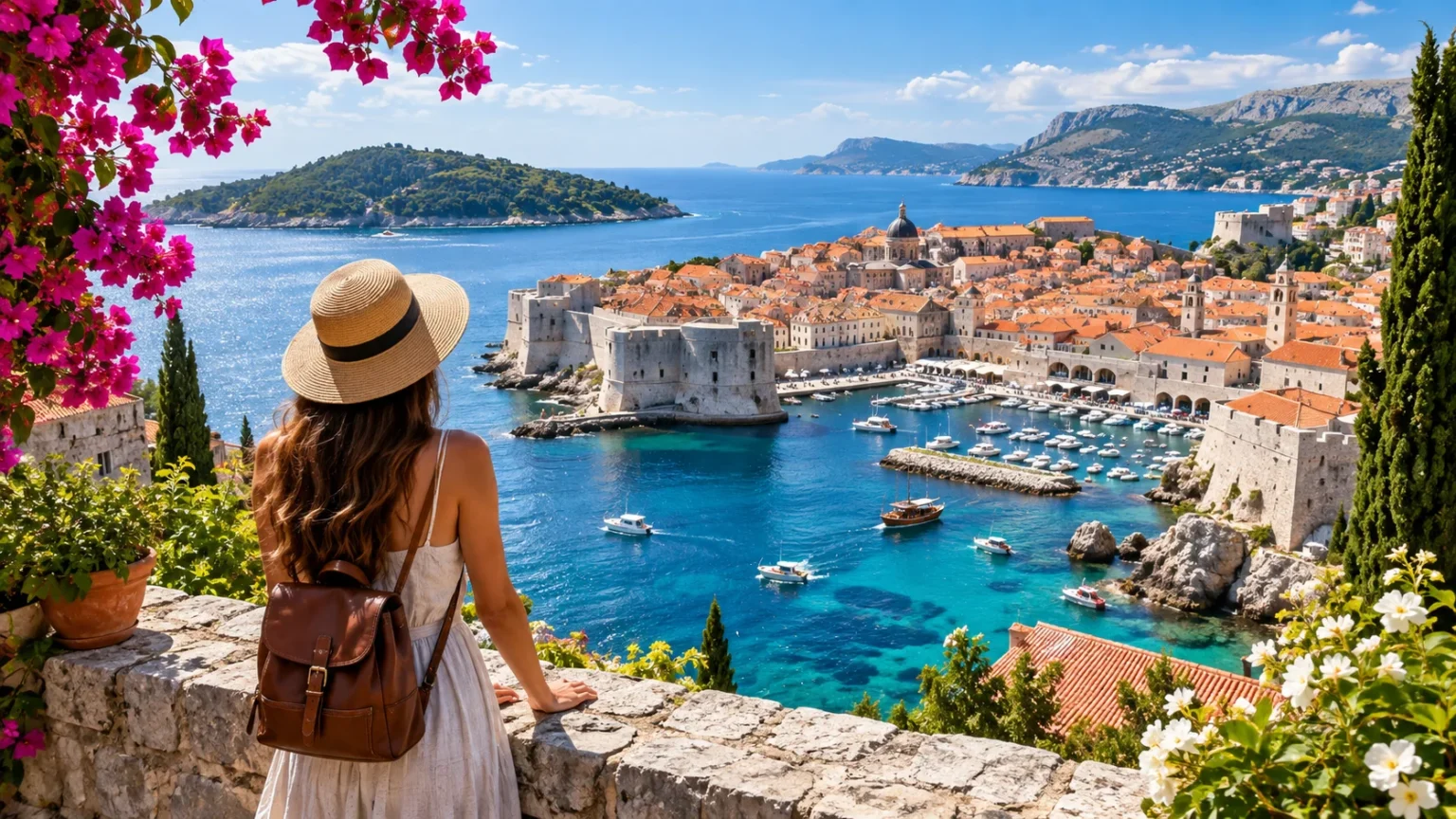
Dubrovnik is one of Croatia’s most recognizable destinations, known for its stone walls, red-tiled roofs, narrow streets, and views across the Adriatic Sea. The historic Old Town is compact enough to explore on foot, making it easy to spend several hours wandering through squares, churches, alleyways, and attractive waterfront areas.
Walking around the historic walls provides a different perspective over the city and coastline. You can also explore Stradun, Dubrovnik’s main pedestrian street, visit historic buildings, or take time to discover quieter side streets away from the busiest routes. Comfortable footwear is useful because stone streets and steps are common throughout the Old Town.
Dubrovnik becomes particularly busy during the main summer season, so visiting important sights earlier in the day can feel more comfortable. Staying for at least two nights also gives you time to enjoy the city after many daytime visitors have left. Nearby beaches and boat trips can add a relaxing coastal element to your stay.
Split: Roman History Meets Adriatic Life
Split offers a lively combination of ancient history and modern coastal culture. At its heart is Diocletian’s Palace, where historic stone structures now sit alongside cafés, shops, homes, restaurants, and narrow pedestrian streets. Rather than functioning only as a preserved monument, the historic center feels like an active part of everyday city life.
Take time to explore the palace area slowly instead of treating it as one single attraction. The Peristyle, underground spaces, old streets, and waterfront are all within easy walking distance. Later, stroll along the Riva promenade, where you can sit beside the harbor and enjoy one of the city’s most relaxed gathering places.
Split is also a practical base for exploring central Dalmatia. Ferries connect the city with popular islands, while day trips can take you toward nearby historic towns and natural attractions. Travelers who want both sightseeing and convenient transport connections may find Split one of the easiest destinations to include in a first Croatian itinerary.
Plitvice Lakes National Park: Croatia’s Natural Showpiece
Plitvice Lakes National Park is famous for a landscape of interconnected lakes, waterfalls, forests, and wooden walking paths. The water can appear in striking shades of blue and green depending on light and weather conditions. It offers a dramatic contrast to Croatia’s coastal towns and is one of the strongest reasons to include an inland stop.
Walking routes allow visitors to experience different parts of the lake system, from quieter forest sections to viewpoints overlooking waterfalls. Comfortable walking shoes are important because a visit involves substantial time outdoors. Giving yourself most of a day provides more freedom to explore without rushing from one viewpoint to another.
Staying near the park can be useful if you want to arrive early and enjoy a more relaxed visit. Plitvice fits particularly well into road trips between Zagreb and the Dalmatian coast. Travelers should also plan for changing weather, since conditions around the lakes and forests can feel different from those along the sunny coastline.
Hvar: Island Scenery, Beaches, and Historic Streets
Hvar is one of Croatia’s best-known islands, combining coastal scenery, historic architecture, beaches, nightlife, and smaller villages. Hvar Town attracts many visitors with its stone streets, waterfront, harbor, and elevated viewpoints. The surrounding sea and nearby Pakleni Islands give the destination a classic Adriatic holiday atmosphere.
You do not have to spend your entire visit in Hvar Town. Exploring quieter parts of the island can reveal traditional villages, scenic roads, hidden coves, and more peaceful stretches of coastline. Renting suitable transport or joining a local excursion can make it easier to see areas beyond the busiest harbor.
Hvar works well for travelers who want relaxation alongside sightseeing. Spend mornings exploring towns or viewpoints, afternoons swimming, and evenings enjoying the waterfront. Staying several nights gives you time to experience the island properly instead of arriving on a quick ferry trip and leaving before seeing anything beyond the main settlement.
Rovinj: Romantic Coastal Beauty in Istria
Rovinj is one of the most attractive towns on Croatia’s Istrian Peninsula. Its historic center rises above the Adriatic, with tightly packed colorful buildings, stone lanes, small squares, and a distinctive church dominating the skyline. The compact old town encourages slow exploration rather than moving quickly between major attractions.
Walk along the waterfront before heading into the narrow streets climbing toward the upper part of town. Small galleries, cafés, restaurants, and hidden passages make wandering part of the experience. Sunset can be particularly enjoyable along the coast, where the old town creates an attractive backdrop against the evening sky.
Rovinj is also a convenient base for exploring Istria. Travelers can combine it with hill towns, vineyards, coastal communities, and regional food experiences. If your ideal Croatian trip includes slower travel, good meals, sea views, and atmospheric streets rather than a packed sightseeing schedule, Rovinj deserves several nights.
Zadar: History, Sunsets, and a Creative Waterfront
Zadar combines historic architecture with a modern waterfront atmosphere. Its compact peninsula contains Roman remains, churches, stone streets, public squares, and coastal viewpoints. Compared with Croatia’s most internationally famous cities, Zadar can offer a different pace while still providing plenty to see during a short stay.
One of the most memorable areas is the seafront, where visitors gather near contemporary installations and watch the sun disappear over the Adriatic. Walking from the old streets toward the waterfront allows you to experience how Zadar mixes ancient history with modern public spaces. The city is especially pleasant to explore in the evening.
Zadar can also serve as a base for broader adventures in northern Dalmatia. Islands, beaches, and national parks can be reached from the surrounding region, making the city useful for travelers who want variety. Spending two or three nights gives you time for both relaxed city exploration and at least one excursion.
Krka National Park: Waterfalls and Green Landscapes
Krka National Park is another impressive natural destination, known for waterfalls, river landscapes, greenery, and walking areas. Its scenery provides a refreshing change from the stone architecture and beaches found along much of the Croatian coast. The park can be included easily in many central Dalmatian travel itineraries.
Plan enough time to walk, enjoy viewpoints, and explore rather than treating the park as a quick photo stop. Summer heat can make midday sightseeing tiring, so water, sun protection, and comfortable shoes are useful. Spring and early autumn can also be attractive times for travelers who prefer more comfortable walking temperatures.
Krka works particularly well as a day trip when staying around Split, Šibenik, or nearby areas. Pairing a national park visit with coastal towns creates a balanced itinerary that includes both culture and nature. It is a good choice for travelers who want waterfall scenery without building their entire holiday around inland destinations.
Zagreb: Discover Croatia Beyond the Coast
Croatia’s capital offers a very different experience from Dubrovnik, Split, and the islands. Zagreb has broad streets, historic neighborhoods, markets, museums, cafés, parks, and a lively everyday atmosphere. Including the city gives travelers a chance to see another side of Croatian culture beyond the country’s famous Adriatic coastline.
The central areas are easy to explore on foot, with the Upper Town and Lower Town providing different architectural and cultural experiences. Spend time in local cafés, wander through markets, and explore streets without creating an overly strict sightseeing schedule. Zagreb is a destination where everyday atmosphere can be as enjoyable as individual attractions.
The city is also a useful transport point for starting or ending a Croatian road trip. From Zagreb, travelers can continue toward Plitvice before reaching the coast, creating a natural north-to-south route. Two nights can provide enough time for a first visit while keeping room for coastal destinations later in the journey.
Korčula: Island Charm With a Historic Center
Korčula combines a beautiful old town with beaches, vineyards, villages, and island scenery. Korčula Town sits on a small peninsula and features stone streets arranged around a compact historic center. It can feel more intimate than Croatia’s larger coastal cities while still offering restaurants, accommodation, and plenty of atmosphere.
Beyond the old town, the island rewards slower exploration. Small coastal communities, swimming areas, countryside, and local food experiences provide reasons to stay longer than one afternoon. Travelers can explore by car, scooter, bicycle, boat, or organized tour depending on how much of the island they want to see.
Korčula fits nicely between other southern Croatian destinations and can add a quieter island experience to a busy itinerary. Instead of visiting multiple islands for only a few hours each, consider spending several nights here. Having extra time lets you enjoy beaches and villages without turning every day into a transport day.
Pula: Roman Sights and Istrian Coastline
Pula is known especially for its impressive Roman heritage, making it one of Croatia’s most interesting destinations for history lovers. The city’s ancient amphitheater is its standout landmark, but additional Roman remains and historic streets provide more to explore. These sights create a different experience from Croatia’s medieval coastal centers.
After exploring the historic areas, you can use Pula as a starting point for beaches and coastal scenery around southern Istria. This balance of culture and sea makes the city suitable for travelers who want something beyond purely urban sightseeing. Nearby destinations can also be visited conveniently as part of an Istrian road trip.
Pula pairs naturally with Rovinj and other locations across the peninsula. Rather than rushing directly south toward Dubrovnik, spending several days in Istria introduces another regional character to the journey. Food, architecture, landscapes, and coastal towns here can feel noticeably different from those farther down the Dalmatian coast.
How to Combine Croatia With Other Balkan Destinations
Croatia can easily become part of a wider Balkan itinerary because several neighboring countries offer very different landscapes and cultural experiences. Travelers may combine the Croatian coastline with Slovenia, Bosnia and Herzegovina, Montenegro, or continue farther south. The best route depends on your available time and whether you prefer road travel, buses, flights, or ferries.
Avoid adding another country simply to increase the number of destinations on your trip. Border crossings and long travel days can consume valuable holiday time, so additional stops should provide experiences you genuinely want. Allow several days in each region instead of moving to a different country every morning.
Travelers continuing south can also use an Albania travel guide to explore another Adriatic and Balkan destination with beaches, mountains, historic towns, and distinctive landscapes. Combining the two countries can work especially well on a longer trip where you have enough time to travel gradually rather than rushing.
Best Time to Visit Croatia
Summer is Croatia’s busiest coastal travel period, bringing hot weather, active island resorts, beach conditions, and frequent transport connections. July and August are especially popular, which also means famous destinations can feel crowded. Travelers visiting during these months should book important accommodation and transport well ahead when possible.
Late spring and early autumn can provide a comfortable balance between pleasant weather and a slightly calmer atmosphere. These periods are especially attractive if you want to combine city sightseeing, national parks, and coastal experiences. Water temperatures and ferry schedules vary by destination and month, so beach-focused travelers should plan accordingly.
Winter creates a completely different trip. Zagreb and larger cities remain appealing for cultural visits, while many island and seasonal coastal businesses operate more quietly. Your ideal time therefore depends on whether beaches, hiking, sightseeing, nightlife, or lower crowds matter most to the type of Croatian holiday you want.
Conclusion
The best places to visit in Croatia range from Dubrovnik’s famous walls and Split’s Roman center to Plitvice’s lakes and the island scenery of Hvar and Korčula. Rovinj, Pula, Zagreb, Zadar, and Krka add even more variety. Together, these destinations show why Croatia works for far more than a simple beach holiday.
Build your itinerary around experiences rather than trying to visit every famous location. Combine one or two historic cities with an island, national park, or quieter coastal town. Spending more time in fewer places usually gives you greater freedom to discover local streets, restaurants, viewpoints, beaches, and unexpected stops.
Whether you want ancient architecture, Adriatic swimming, waterfalls, road trips, islands, or relaxed waterfront evenings, Croatia provides plenty of options. Plan realistic travel times and leave some space between major attractions. A slower itinerary often turns Croatia from a collection of beautiful sights into a much more memorable travel experience.
FAQs
What is the most beautiful place to visit in Croatia?
It depends on the experience you prefer. Dubrovnik is famous for historic coastal scenery, Plitvice for lakes and waterfalls, while Hvar and Rovinj appeal to travelers seeking picturesque Adriatic towns.
How many days do you need in Croatia?
Around seven to ten days can provide a good introduction to several destinations without excessive rushing. Longer trips of two weeks allow more time for islands, national parks, and different Croatian regions.
Is Dubrovnik or Split better for first-time visitors?
Both offer excellent experiences. Dubrovnik has an especially dramatic fortified historic center, while Split combines Roman heritage with strong ferry connections and convenient access to several central Dalmatian islands.
What is the best Croatian island to visit?
Hvar is popular for its scenery, historic town, beaches, and lively atmosphere, while Korčula can feel quieter and more intimate. The best island depends on your preferred pace and activities.
Is Croatia easy to travel around?
Croatia is generally straightforward to explore using buses, ferries, flights, and rental vehicles. Island travel requires more scheduling, so checking connections and leaving enough time between destinations can make the journey easier.