




Road trips offer something that flights and fast transportation cannot: the freedom to enjoy the journey as much as the destination. You can stop at scenic viewpoints, explore small towns, discover unexpected restaurants, and change your plans whenever something interesting appears along the way. A well-planned road trip combines flexibility with enough preparation to keep the journey comfortable and enjoyable.
The best road trip ideas depend on what you enjoy most. Some travelers want dramatic coastal highways, while others prefer mountain roads, desert landscapes, national parks, historic towns, or peaceful countryside. Choosing a route around your interests makes it easier to create a trip that feels memorable rather than simply spending long hours behind the wheel.
Good planning also matters because driving distances, weather, accommodation, fuel, and road conditions can affect your experience. Instead of trying to cover the greatest possible distance, focus on realistic daily driving and worthwhile stops. The following scenic road trip ideas and travel tips can help you design an adventure that balances exploration, relaxation, and practical preparation.
Coastal Road Trips for Ocean Views
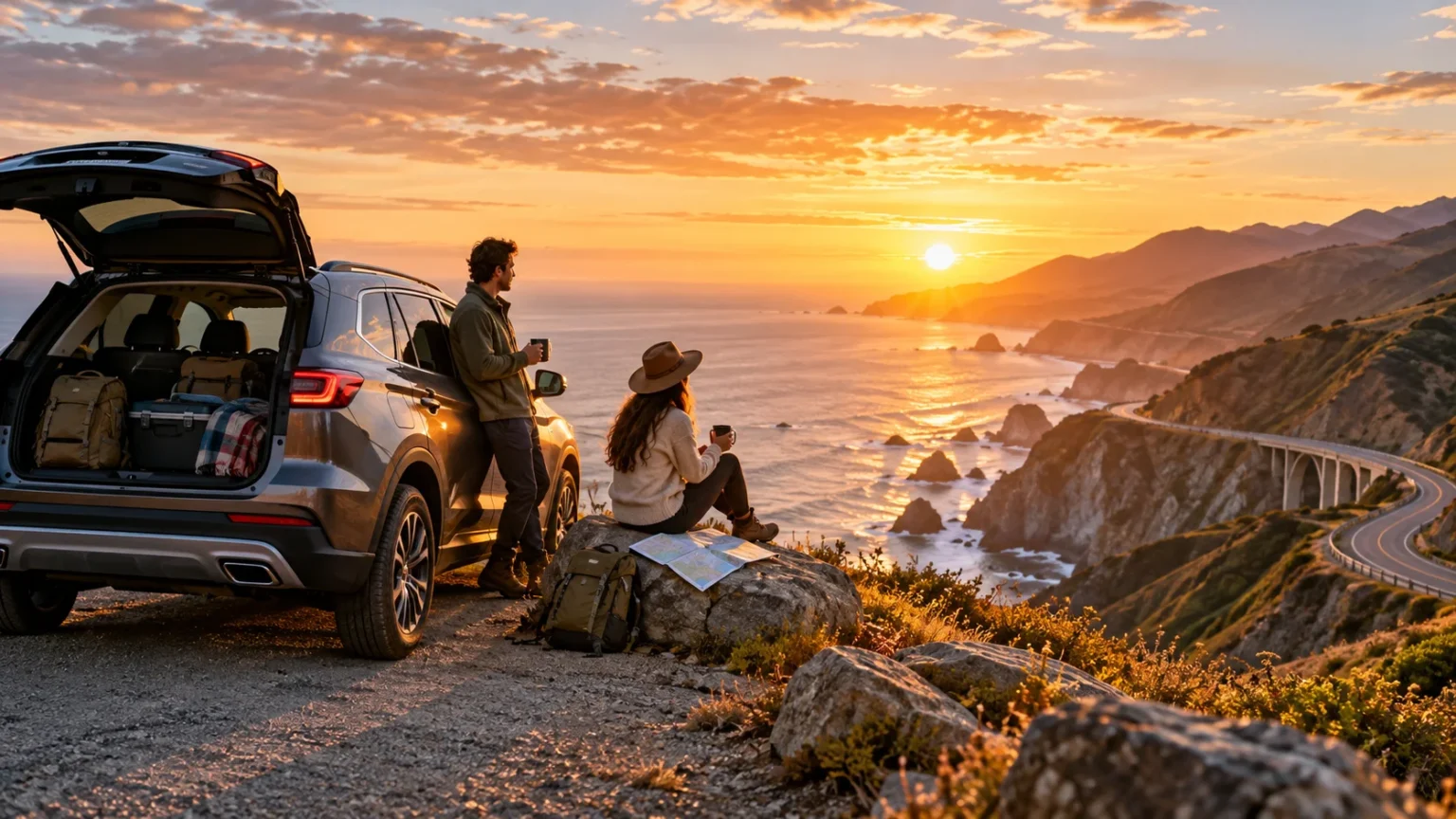
Coastal drives are among the most popular road trip experiences because the scenery changes constantly between cliffs, beaches, fishing communities, and seaside towns. Routes along California’s Pacific Coast, Oregon’s coastline, and parts of Florida provide opportunities to combine driving with beach stops, viewpoints, seafood restaurants, and short walks beside the ocean.
The best coastal road trips are usually enjoyed at a slower pace. Instead of driving hundreds of miles every day, leave enough time to stop when you find an interesting beach or scenic overlook. Travelers planning an American coastal journey can explore different US beaches when deciding which waterfront destinations deserve a place on their route.
Weather conditions are especially important on coastal roads. Fog, strong winds, storms, or seasonal closures can affect visibility and driving conditions, particularly on routes near cliffs or exposed shorelines. Check conditions before leaving each morning and avoid creating a schedule so strict that one unexpected delay disrupts the entire trip.
Mountain Road Trips for Dramatic Scenery
Mountain routes are ideal for travelers who enjoy high viewpoints, forests, lakes, hiking trails, and winding roads. Areas such as the Rocky Mountains, Blue Ridge Mountains, Alps, and other elevated regions can provide spectacular scenery. Many mountain drives also pass through small communities where travelers can stop for food, accommodation, or local attractions.
Driving in mountainous areas requires additional attention because roads may include steep gradients, sharp turns, narrow sections, and rapidly changing weather. Use lower speeds, avoid unnecessary overtaking, and give yourself more time than ordinary highway distance estimates suggest. If snow or ice is possible, understand local tire or chain requirements before beginning the route.
Altitude can also influence how comfortable some travelers feel, particularly when moving quickly from low elevations to high mountain passes. Stay hydrated, take regular breaks, and avoid overloading the itinerary with demanding activities immediately after arrival. A slower schedule allows you to appreciate the scenery without turning every mountain stop into a race against time.
National Park Road Trip Ideas
A national park road trip can combine scenic driving with hiking, wildlife viewing, photography, and outdoor exploration. Instead of visiting only one park, travelers can sometimes connect several parks within the same region. This approach works particularly well when parks are separated by manageable driving distances and offer different landscapes.
Popular park routes can become crowded during holidays and peak travel seasons, so accommodation and campground planning may be important. Some destinations also use timed entry systems, seasonal road closures, or shuttle services. Check current park requirements before traveling rather than assuming you can drive directly to every popular viewpoint whenever you arrive.
Do not spend the entire trip looking through the windshield. Build enough time into the itinerary for short walks, visitor centers, scenic overlooks, and relaxed meals. Even a simple one-hour trail can create a stronger memory than rushing through several attractions just to say you reached every destination on your original list.
Desert Road Trips for Wide-Open Landscapes
Desert road trips offer a completely different type of scenery, with open horizons, rock formations, canyons, unusual vegetation, and dramatic sunsets. Routes through areas of Arizona, Utah, Nevada, and similar dry regions can connect national parks, historic towns, roadside attractions, and remote landscapes that feel very different from crowded cities.
Preparation is especially important when traveling through remote desert areas. Fuel stations, restaurants, water, and mobile phone service may be separated by long distances. Keep your fuel level comfortably above empty, carry sufficient drinking water, and download offline maps before leaving larger towns so you are not completely dependent on mobile data.
Temperature changes can also be significant. Daytime conditions may be extremely hot while evenings become much cooler, especially outside summer. Protect yourself from strong sunlight, avoid unnecessary exposure during extreme heat, and make sure your vehicle is in reliable condition before driving long distances through isolated areas.
Countryside and Small-Town Road Trips
Not every great road trip needs dramatic mountains or famous national parks. Countryside routes can be equally enjoyable because they encourage slower travel through farms, villages, historic towns, local markets, and less crowded roads. These trips are particularly appealing for travelers who enjoy food, architecture, photography, and spontaneous discoveries.
Instead of planning only major tourist stops, identify a few smaller communities along the route. Local cafés, independent shops, historic centers, roadside produce stands, and regional restaurants can become some of the most memorable parts of the trip. Leaving room for unplanned stops is especially valuable on routes where the journey itself is the main attraction.
Countryside travel can also reduce the pressure to complete long driving days. Choosing accommodation in smaller towns allows you to divide a route into manageable sections while supporting local businesses. Before traveling, check fuel availability and opening hours because services may close earlier than they do in larger cities.
Historic Highway Road Trip Ideas
Historic highways can turn a road trip into a journey through transportation history, architecture, and changing local culture. Routes such as sections of Route 66 in the United States attract travelers with classic roadside motels, diners, old service stations, neon signs, and communities that developed around automobile travel.
These routes are often most enjoyable when you research a few meaningful stops in advance. Some original highway sections may no longer follow the fastest modern route, so relying entirely on ordinary navigation can cause you to miss historic segments. Combining modern mapping with destination research helps you stay close to the experience you actually want.
Avoid expecting every historic attraction to look exactly as it did decades ago. Some places have been restored, others have changed purpose, and certain landmarks may no longer exist. Treat the trip as a combination of history and present-day communities rather than expecting the entire highway to operate like a preserved museum.
How to Plan the Perfect Road Trip Route
Start by identifying the main places you want to see, then connect them in a logical order. Mapping too many destinations at once can create unrealistic driving schedules, so prioritize essential stops first. Once the route is clear, add optional viewpoints, restaurants, parks, or towns that you can visit if time and energy allow.
Estimate driving time realistically rather than using distance alone. Scenic roads, mountain routes, traffic, fuel stops, meals, and sightseeing can make a journey much longer than navigation estimates suggest. For leisure-focused road trips, four to six hours of actual driving per day is often more enjoyable than spending nearly the entire day in the vehicle.
Build flexibility into every itinerary. One attraction may take longer than expected, weather may change, or you may discover somewhere worth exploring that was not part of the original plan. A schedule with some open time makes these changes feel exciting rather than stressful and helps preserve the freedom that makes road travel appealing.
Essential Things to Pack for a Road Trip
Pack important documents and vehicle essentials before focusing on entertainment or snacks. Depending on where you travel, this may include your driver’s license, vehicle registration, insurance information, roadside assistance details, and any required travel documents. Keep digital copies where appropriate, but make sure important information is also accessible if your phone loses power.
A basic road trip kit should include drinking water, snacks, a phone charger, power bank, first-aid supplies, flashlight, basic tools, and appropriate clothing. Depending on the route, you may also want blankets, sun protection, insect repellent, rain gear, or emergency food. Remote journeys usually require more preparation than routes passing through major towns.
Avoid packing so much that the vehicle becomes uncomfortable or overloaded. Organize frequently used items where they can be reached easily rather than buried beneath luggage. Keeping the car tidy throughout the trip also makes longer journeys more pleasant and reduces the time spent searching for chargers, sunglasses, snacks, or other small essentials.
Road Trip Safety Tips
Check your vehicle before a long trip, especially tires, fluid levels, lights, brakes, and battery condition. If the vehicle has not been inspected recently and you are planning significant mileage, professional maintenance may be worthwhile. Mechanical problems are inconvenient anywhere, but they become particularly difficult on isolated scenic routes.
Driver fatigue is another major consideration. Take regular breaks, share driving responsibilities when possible, and stop if you become too tired to concentrate properly. Coffee and music may temporarily increase alertness, but they are not substitutes for adequate rest when fatigue begins affecting your ability to drive safely.
Weather and road conditions should be checked throughout the trip rather than only before departure. Heavy rain, snow, extreme heat, wildfires, flooding, or road construction can change travel plans quickly. Keeping an alternative route available makes it easier to respond to unexpected conditions without taking unnecessary risks simply to follow the original itinerary.
How to Save Money on a Road Trip
Fuel is often one of the largest road trip expenses, so efficient route planning can reduce unnecessary mileage. Avoid repeatedly driving back and forth between attractions in the same area. Group nearby activities together, maintain appropriate tire pressure, and drive smoothly rather than using aggressive acceleration when fuel efficiency matters.
Accommodation costs can also vary dramatically depending on location and travel dates. Booking earlier may provide more choice during busy seasons, while traveling outside peak periods can reduce prices significantly. Compare hotels, motels, cabins, campsites, and other suitable options based on your comfort preferences instead of automatically choosing the cheapest room available.
Food costs can rise quickly when every meal is purchased at restaurants. Carrying breakfast items, snacks, fruit, and drinks can reduce spending while also saving time on driving days. You can then reserve your dining budget for regional restaurants or special meals that actually contribute something memorable to the trip.
Make Long Driving Days More Enjoyable
Music, podcasts, audiobooks, and carefully prepared playlists can make long stretches of road more entertaining. Download content before traveling through areas where mobile reception may disappear. Passengers can also help by choosing upcoming stops, taking photographs, monitoring navigation, and finding suitable places for breaks.
Take advantage of roadside attractions rather than treating every stop as wasted time. Scenic overlooks, unusual landmarks, short walking trails, local cafés, and visitor centers can break long drives into enjoyable sections. These stops also provide opportunities to stretch your legs and reduce the fatigue associated with sitting for several uninterrupted hours.
Most importantly, avoid creating unnecessary pressure to reach the next destination as quickly as possible. The appeal of road travel comes partly from freedom and discovery. Slowing down enough to enjoy unexpected scenery, conversations, and places can turn an ordinary drive between destinations into one of the best experiences of the trip.
Conclusion
The best road trip ideas combine memorable scenery with a realistic and flexible plan. Coastal highways, mountain routes, national parks, deserts, countryside roads, and historic highways all offer different experiences. Choosing a route that matches your interests is more important than simply selecting the most famous drive available.
Prepare your vehicle, research important road conditions, and avoid scheduling excessively long driving days. Pack essential supplies, take regular breaks, and leave enough room in the itinerary for unexpected discoveries. Thoughtful preparation can reduce stress without removing the spontaneous feeling that makes road trips enjoyable.
A memorable road trip is not measured by how many miles you cover. It is created by the viewpoints you stop for, towns you explore, meals you discover, and experiences you share along the way. Plan the essentials carefully, then give yourself enough freedom to enjoy wherever the road takes you.
FAQs
What is the best road trip for beginners?
Beginners should choose a route with moderate daily driving, reliable accommodation, regular fuel stops, and plenty of attractions along the way. A coastal or countryside route near established towns can be a comfortable starting point.
How many hours should you drive each day on a road trip?
Around four to six hours of actual driving can provide a comfortable balance for many leisure trips. Longer days are possible, but regular breaks and enough time for sightseeing make the journey more enjoyable.
What should I check before taking a long road trip?
Check your tires, brakes, fluids, battery, lights, insurance documents, and roadside assistance information. You should also review weather forecasts, road conditions, fuel availability, and accommodation plans before leaving.
How can I make a road trip cheaper?
Reduce unnecessary mileage, travel outside peak seasons, compare accommodation options, and carry some meals and snacks. Planning fuel stops and grouping nearby attractions together can also help control transportation costs.
What should I always bring on a road trip?
Carry water, snacks, charging equipment, important documents, first-aid supplies, basic vehicle essentials, and suitable clothing. For remote routes, add offline maps and additional emergency supplies based on weather and distance from services.