





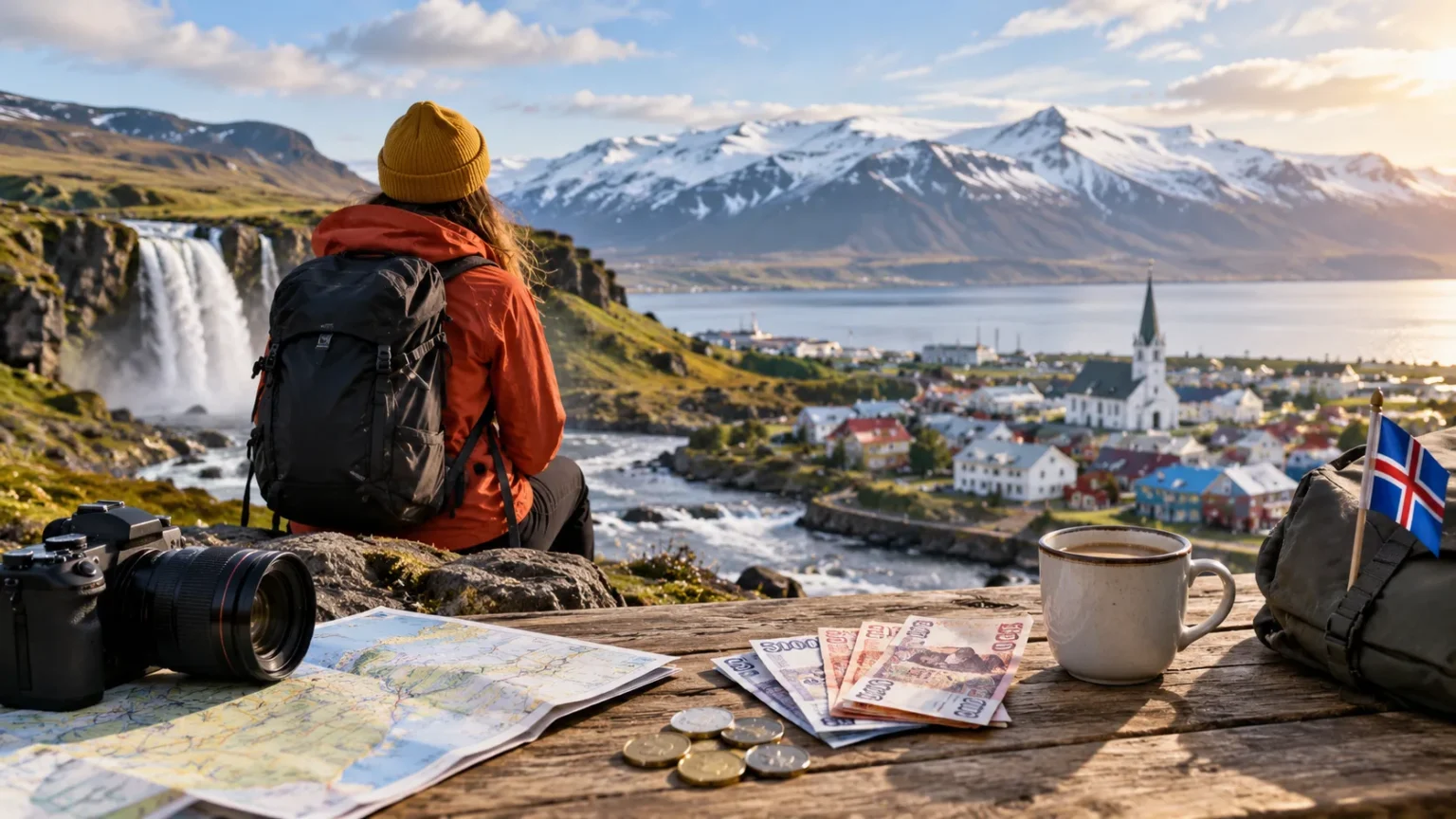
Iceland has a reputation for being one of Europe’s more expensive travel destinations, and that reputation is not entirely undeserved. Accommodation, restaurant meals, rental cars, fuel, tours, and geothermal spas can quickly push a vacation budget upward. However, the real cost of visiting Iceland depends heavily on when you travel, where you stay, and how you choose to explore.
A carefully planned Iceland trip can cost considerably less than the luxury itineraries often shown online. Many of the country’s greatest attractions, including waterfalls, beaches, volcanic landscapes, viewpoints, hiking areas, and dramatic coastal scenery, can be enjoyed for little or no admission cost. The biggest expenses usually come from accommodation, transportation, food, and optional organized experiences.
So, is Iceland expensive? For most travelers, yes, but it does not have to be financially overwhelming. Understanding realistic Iceland travel costs before booking allows you to decide where to save and where an upgrade genuinely improves your experience. This guide breaks down accommodation, food, transportation, attractions, road trips, and realistic daily budgets so you can plan confidently.
Is Iceland Really Expensive for Tourists?
Iceland is generally expensive compared with many popular destinations in Southern, Central, and Eastern Europe. A restaurant dinner, hotel room, rental vehicle, or alcoholic drink can cost noticeably more than travelers may expect elsewhere. However, travelers coming from other high-cost Nordic countries, Switzerland, major American cities, or expensive European capitals may find the difference less shocking.
What makes Iceland feel especially expensive is that several major trip costs often occur together. Visitors commonly need accommodation, a rental vehicle or tours, restaurant meals, airport transportation, and expensive activities within the same vacation. Unlike city breaks where public transportation connects nearly everything, exploring Iceland’s countryside often requires additional spending on mobility.
The good news is that Iceland also offers extraordinary experiences without entrance tickets. Waterfalls, scenic roads, black-sand beaches, volcanic landscapes, mountains, and many hiking routes can form the core of an itinerary without expensive attraction fees. Travelers who prioritize nature over premium spas and organized excursions can therefore control their overall spending surprisingly well.
Why Is Iceland So Expensive?
Iceland is a relatively isolated island nation with a small population, which affects the cost of goods and services. Many products need to be imported over significant distances, adding transportation and distribution costs before they reach supermarkets, restaurants, and shops. Wages and operating expenses are also relatively high, which contributes to higher prices across hospitality and tourism businesses.
Tourism services can become particularly expensive because visitors often require specialized vehicles, experienced guides, safety equipment, and transportation across long distances. A glacier hike or remote sightseeing tour involves much more than simply paying an entrance fee. These operational realities help explain why guided experiences frequently cost considerably more than visiting accessible natural attractions independently.
Seasonality also influences prices. Summer brings long daylight hours and excellent road-trip conditions, but accommodation and rental demand can become extremely strong. Winter can offer lower prices in some categories, although specialized tours, weather disruptions, and shorter daylight hours create different trade-offs that travelers should consider before choosing purely on price.
How Much Does an Iceland Trip Cost Per Day?
A very careful budget traveler may spend roughly 15,000–25,000 ISK per day after major international flights, particularly when using hostel dorms or campsites, cooking meals, and choosing mostly free attractions. Costs rise quickly when private accommodation, rental vehicles, restaurant meals, and paid excursions are added. Sharing rooms and transportation with another traveler can significantly reduce per-person expenses.
A mid-range traveler should generally prepare for something closer to 30,000–60,000 ISK per person per day depending on season and itinerary. That budget can cover comfortable accommodation shared between two people, groceries mixed with restaurant meals, transportation, and selected paid activities. Summer road trips may sit near the upper end because cars and accommodation become more expensive.
Travelers choosing premium hotels, frequent restaurant dining, private tours, high-end vehicles, and geothermal resorts can easily spend far beyond 70,000 ISK per person daily. Luxury accommodation alone can dramatically increase the budget. The most useful approach is therefore to calculate accommodation and transportation first, then add food and experiences rather than depending on one generic daily figure.
How Much Does Accommodation Cost in Iceland?
Accommodation is often the largest expense after transportation. Hostel dorm beds may provide the lowest-cost indoor option, while guesthouses and basic private rooms usually cost considerably more. Current 2026 Reykjavík hostel listings demonstrate how dramatically prices can vary depending on property, room type, booking conditions, and dates, particularly during the busiest travel periods.
Budget guesthouses outside Reykjavík can sometimes offer better value, particularly when bathrooms or kitchens are shared. Private hotel rooms in popular areas such as Reykjavík, the South Coast, and around major sightseeing routes can become expensive during summer. Booking several months ahead is often more valuable than waiting for a last-minute bargain when supply becomes limited.
Families and groups should compare apartments with traditional hotel rooms. An apartment may initially appear more expensive, but a kitchen allows you to prepare breakfast and dinner while sharing accommodation costs among several travelers. Location also matters because a cheaper remote room can become poor value if it requires significant extra driving or transportation expenses.
Is Camping a Cheap Way to Travel Iceland?
Camping remains one of the most practical ways to reduce Iceland accommodation costs. Many countryside campsites charge roughly 2,000–3,000 ISK per adult, although facilities, electricity, taxes, and location can increase the total. For example, 2026 rates at several Skagafjörður campsites begin around 2,200–2,500 ISK per person, plus applicable extras.
Reykjavík camping is more expensive than many rural options. The Reykjavík Eco-Campsite lists a 2026 online tent pitch including one adult at 3,555 ISK, with additional adults costing 3,150 ISK and a lodging tax charged separately. Those prices are still considerably below many private rooms during high season.
Camping works best for travelers who already own suitable equipment or are combining accommodation with a campervan. Remember that Icelandic weather can change rapidly, even during summer, so choosing the absolute cheapest gear is not always wise. You should also budget for showers, electricity, laundry, campground taxes, and occasional indoor accommodation if difficult weather affects your route.
How Expensive Is Food in Iceland?
Restaurant dining is one of the fastest ways to increase an Iceland travel budget. A straightforward main course can often cost several thousand Icelandic króna, while higher-end restaurants can become considerably more expensive. Current Reykjavík menus show casual mains such as burgers or traditional fish dishes around 3,600–4,600 ISK, with premium meat dishes costing more.
Lunch can be somewhat easier on the budget when you look for soups, daily specials, bakeries, food halls, or casual counters. Some places offer soup or lunch specials below typical evening restaurant prices. Choosing one restaurant meal per day rather than eating breakfast, lunch, and dinner out can make a major difference across a week-long trip.
Dining out is also part of the Iceland experience, so avoiding restaurants completely may not be necessary. Consider choosing a few meals you genuinely care about, such as Icelandic lamb, seafood, fish stew, or a memorable Reykjavík restaurant. Preparing simpler breakfasts and lunches yourself leaves more room in the budget for those worthwhile dining experiences.
Can You Save Money by Buying Groceries?
Cooking your own food is one of the most effective ways to reduce daily Iceland travel costs. Supermarket meals can cost substantially less than eating at restaurants three times per day, particularly for families or couples sharing groceries. Bread, yogurt, skyr, fruit, pasta, sandwiches, oats, eggs, and simple dinner ingredients can cover several inexpensive meals.
Budget supermarkets are especially useful before leaving Reykjavík or larger towns for remote areas. Shopping before a road-trip section means you are less dependent on small convenience stores, isolated restaurants, and fuel-station food. Having snacks available can also prevent unplanned purchases when sightseeing distances become longer than expected.
Accommodation with a kitchen can therefore be worth paying slightly more for. Preparing breakfast before leaving, packing sandwiches for lunch, and cooking several dinners can save a meaningful amount across seven or ten days. You do not need to cook elaborate meals; straightforward food often works best when most of your day is spent exploring outdoors.
Are Coffee, Alcohol, and Drinks Expensive?
Coffee prices in Reykjavík are noticeably higher than in many lower-cost European destinations. A café drink can easily approach the cost of a light meal elsewhere, especially when pastries or breakfast items are added. If you visit cafés several times every day, those small purchases can become a surprisingly significant part of your Iceland vacation budget.
Alcohol is another category where spending can rise quickly. Drinks in bars and restaurants are generally expensive, so several nights of nightlife can noticeably increase total costs. Travelers interested in Icelandic nightlife may want to budget for it separately instead of assuming drinks will fit comfortably within an ordinary food allowance.
Tap water, however, offers an easy saving. Iceland is known for excellent drinking water, so carrying a reusable bottle reduces the need to repeatedly buy bottled water. Refilling your bottle during the trip is both practical and inexpensive, leaving more of your daily budget available for food, transportation, or experiences that actually add value.
How Much Does Transportation Cost in Reykjavík?
Central Reykjavík is compact enough that visitors can explore much of it on foot. Walking between the downtown shopping streets, harbor, Hallgrímskirkja area, restaurants, and many attractions can eliminate transportation spending during city days. Staying centrally may therefore cost slightly more per night while reducing your need for taxis or frequent bus journeys.
When public transportation is needed, Reykjavík buses are considerably cheaper than taxis. As of 2026, an adult Strætó single fare in the capital area is 690 ISK, while fare capping limits how much adult passengers pay after multiple trips within defined periods.
Airport transportation is a separate expense because Keflavík International Airport sits well outside central Reykjavík. Travelers should include airport buses, rental-car pickup, private transfers, or other transportation in their arrival budget. If several people are traveling together, compare total group prices rather than automatically assuming the cheapest-looking individual ticket provides the best overall value.
How Expensive Is Renting a Car in Iceland?
A rental car is often the most convenient way to explore Iceland beyond Reykjavík, but it can become one of the trip’s biggest expenses. In 2026, small 2WD rentals may range roughly from 6,000–18,000 ISK per day depending on season, while SUVs and larger 4×4 vehicles can cost substantially more.
The advertised rental rate is only part of the true cost. Insurance options, additional drivers, airport fees, road charges, parking, fuel, and optional equipment can increase the final total considerably. Always compare the complete booking price rather than choosing the lowest headline rate and discovering several extra charges later.
Traveling with two to four people makes car rental much more economical because the cost can be divided among the group. Solo travelers may sometimes save money by staying in Reykjavík and joining selected tours instead. The best option depends on itinerary length, destinations, season, driving confidence, and how much independence matters to you.
How Much Should You Budget for Fuel and Road Costs?
Fuel remains an important road-trip expense, particularly on a Ring Road itinerary covering substantial distances. Iceland gasoline prices were approximately 245.81 ISK per liter on August 31, 2026, while diesel was higher at about 277.89 ISK per liter. Actual station prices can differ by location and change frequently.
Iceland also introduced a kilometer-based road tax in 2026. How rental companies pass the charge to customers can vary, and some companies may display it separately from the advertised vehicle price. One major rental provider, for example, was charging a fixed 1,550 ISK per rental day when last checked in August 2026.
Parking charges also deserve space in your budget, particularly around Reykjavík and heavily visited attractions. Individually, parking fees may not seem significant, but several paid stops across a long road trip add up. Before confirming your rental, check how road taxes, mileage policies, parking, and insurance affect the realistic transportation total.
How Much Do Iceland Tours Cost?
Organized tours can be expensive, but they sometimes provide better value than renting specialized equipment or attempting challenging activities independently. Northern lights tours, whale watching, glacier hikes, ice caves, snowmobile trips, volcano experiences, and guided Highlands adventures all involve different levels of transport, equipment, expertise, and safety support.
Travelers can save by choosing only experiences that genuinely require a guide. You do not necessarily need a paid tour to see major roadside waterfalls, beaches, scenic viewpoints, or much of the Golden Circle when you already have a suitable rental vehicle. Reserve guided spending for activities where local expertise clearly adds safety, access, or understanding.
Booking every exciting tour you find can double the price of an otherwise manageable vacation. Instead, choose one or two major paid experiences and balance them with free natural attractions. For many travelers, a glacier activity, whale-watching trip, or geothermal experience becomes more memorable when the itinerary is not overloaded with expensive scheduled excursions.
Is the Blue Lagoon Expensive?
The Blue Lagoon is one of Iceland’s best-known attractions, and visiting it represents a significant discretionary expense. In 2026, Comfort admission starts from 11,990 ISK per person, while Premium begins around 14,990 ISK and higher packages cost more. Prices can vary because individual admission uses dynamic pricing based on demand.
For couples or families, the cost becomes substantial once transportation and upgraded packages are included. The experience can still be worthwhile if soaking in the Blue Lagoon is a major personal priority, but it should be treated as a premium attraction rather than a basic necessity for experiencing Iceland.
Travelers wanting geothermal bathing at a lower price can investigate municipal swimming pools and other geothermal facilities. These may not provide exactly the same dramatic atmosphere, but they offer a more local and often much cheaper way to enjoy Iceland’s bathing culture. Choosing one premium lagoon rather than several can also protect your overall budget.
How Much Does the Golden Circle Cost?
The Golden Circle can be one of Iceland’s best-value sightseeing days because its major appeal comes from natural landscapes rather than expensive admission tickets. Travelers commonly visit Þingvellir, the Geysir geothermal area, and Gullfoss, with additional stops added according to time and interests. Many core viewpoints can be experienced without buying an organized attraction package.
Your primary cost when self-driving will normally be the vehicle, fuel, road-related charges, food, and any parking or optional attractions. When several people share a rental car, the per-person cost can compare favorably with purchasing individual guided-tour tickets. You also gain freedom to leave earlier, stop longer, and avoid rigid group schedules.
Guided Golden Circle tours remain useful for travelers who do not want to drive or are visiting Iceland during difficult winter conditions. The higher cost buys transportation and logistical simplicity rather than access to scenery unavailable elsewhere. Budget travelers with appropriate driving experience can generally reduce costs significantly by planning the route independently.
How Expensive Is a Ring Road Trip?
Driving Iceland’s Ring Road can be relatively expensive because accommodation, fuel, vehicle rental, and food costs accumulate across many days. Most travelers should allow at least a week, while slower itineraries may take ten days or longer. Longer journeys increase accommodation and rental costs even when most sightseeing stops themselves are free.
The road-trip style you choose makes an enormous difference. Camping, cooking, and using a small efficient vehicle can keep costs much lower than staying in hotels, eating restaurant meals daily, and renting a large SUV. Couples or groups also benefit because several major expenses can be shared instead of paid entirely by one traveler.
Trying to rush the Ring Road in too few days does not necessarily create good value. You may save accommodation nights but spend more time driving and less time enjoying the landscapes you traveled to see. A shorter South Coast or Golden Circle trip may provide better value when your total vacation budget or available time is limited.
Is Iceland More Expensive in Summer or Winter?
Summer is generally one of the most expensive periods because demand for accommodation and rental cars increases dramatically. Long daylight hours, easier road conditions, accessible hiking areas, and the possibility of exploring more remote regions make June through August extremely popular. Booking late can leave travelers with limited and costly accommodation options.
Winter may bring cheaper hotel or rental deals, particularly outside holiday periods, but lower prices do not automatically mean a cheaper overall trip. Short daylight hours and unpredictable weather may increase your reliance on organized tours or cause itinerary disruptions. Certain roads and Highland destinations also become inaccessible, changing what you can realistically see independently.
Shoulder seasons can provide a useful compromise between price and accessibility. Spring and autumn may offer better availability than peak summer while still allowing memorable landscapes and road trips. However, Icelandic weather remains unpredictable year-round, so choosing dates based purely on the lowest accommodation price is not always the smartest travel decision.
How Can You Visit Iceland on a Budget?
Start by booking flights, accommodation, and transportation early because these are usually the largest costs. Choose hostels, guesthouses with shared facilities, apartments with kitchens, or campsites where appropriate. Avoid changing hotels every night unless your itinerary requires it, since strategic bases can sometimes reduce both accommodation prices and unnecessary driving.
Shop at supermarkets, prepare breakfast, pack lunches, and select restaurant meals intentionally rather than eating out simply because you have no alternative. Carry snacks and refillable water when driving through rural areas. These small decisions can save thousands of Icelandic króna per day without reducing the amount of scenery or sightseeing you experience.
Build your itinerary around Iceland’s free landscapes and select paid activities carefully. Waterfalls, beaches, walking routes, scenic drives, viewpoints, geothermal areas, and Reykjavík neighborhoods can fill several days. Spending on one unforgettable guided adventure often provides better value than purchasing admission or tours at every stop just because they appear on popular itineraries.
Is Iceland Expensive Compared With Other European Destinations?
Compared with destinations such as Croatia, Portugal, Greece, Hungary, or parts of Spain, Iceland generally requires a larger budget for accommodation, food, and transportation. Travelers accustomed to inexpensive Mediterranean meals and affordable apartments can experience noticeable sticker shock. Iceland should therefore be planned more like a premium Northern European destination than a traditional low-cost European vacation.
The comparison becomes particularly clear when choosing between different types of European trips. Someone mainly interested in beaches, old towns, restaurant dining, and relaxed evenings can often spend less in destinations such as Croatia. Travelers exploring alternative European itineraries can use this Rovinj guide to see how a completely different coastal experience might fit their plans.
However, comparing prices alone misses why people choose Iceland. Few destinations combine glaciers, active geothermal landscapes, dramatic waterfalls, black beaches, volcanic terrain, northern lights, and extraordinary road trips within such a compact country. Iceland costs more, but many travelers consider the scenery and accessibility of its natural attractions worth the premium.
What Does a Realistic Seven-Day Iceland Budget Look Like?
A budget traveler camping or using dorm accommodation, cooking frequently, choosing mostly free attractions, and sharing transportation might aim for approximately 120,000–180,000 ISK for seven days excluding international flights. Summer prices can push that estimate higher, while excellent advance bookings or extensive camping may keep spending closer to the lower end.
A couple traveling mid-range could spend considerably more once private rooms, a rental vehicle, fuel, restaurant meals, and one or two paid experiences are included. A realistic seven-day total might reach several hundred thousand Icelandic króna for two people. Accommodation season and vehicle choice will usually determine whether the final figure sits toward the lower or higher end.
Luxury travelers can easily exceed these ranges through upscale hotels, premium geothermal spas, private excursions, fine dining, and larger rental vehicles. The important lesson is that there is no single Iceland vacation price. Build your budget line by line using your actual dates, then leave extra money available for weather changes and spontaneous experiences.
Is Iceland Worth the High Cost?
Whether Iceland feels worth the expense depends largely on what you value when traveling. If dramatic natural landscapes, road trips, hiking, waterfalls, glaciers, volcanic scenery, and unusual geothermal experiences are priorities, Iceland offers an exceptional concentration of memorable places. Many highlights require more transportation spending but little or no attraction admission once you arrive.
Travelers primarily interested in cheap nightlife, inexpensive restaurant meals, shopping, or luxurious accommodation at bargain prices may find better value elsewhere. Iceland is difficult to classify as a traditional budget destination, and fighting every expense can sometimes make the experience unnecessarily stressful. Planning a realistic budget before arrival allows you to enjoy the country without constantly recalculating every purchase.
The smartest approach is not to make Iceland cheap at all costs. Spend where it meaningfully improves the journey, save where the experience remains essentially unchanged, and prioritize the landscapes that attracted you in the first place. With early planning and sensible choices, Iceland can be expensive without becoming financially unreasonable.
Conclusion
So, is Iceland expensive? Yes, particularly when you compare accommodation, restaurant meals, rental vehicles, fuel, tours, and nightlife with many other European destinations. However, the final cost varies enormously depending on season, travel style, group size, transportation choices, and how frequently you purchase premium activities.
Budget travelers can reduce costs through camping, hostels, supermarkets, shared vehicles, early reservations, and free natural attractions. Mid-range travelers can balance comfortable accommodation and selected restaurant meals with self-guided sightseeing. Even visitors with larger budgets benefit from planning carefully because paying more does not automatically produce a better Iceland itinerary.
Instead of asking whether Iceland is simply cheap or expensive, decide which experiences matter most to you and build your spending around them. Its extraordinary scenery provides enormous value once transportation is organized. With a realistic budget and thoughtful itinerary, you can experience Iceland without allowing unnecessary expenses to dominate the trip.
Frequently Asked Questions
How much money do I need per day in Iceland?
A budget traveler may need roughly 15,000–25,000 ISK per day, while mid-range travelers can spend considerably more. Accommodation, car rental, restaurant meals, and paid tours create the biggest differences.
Is food expensive in Iceland?
Yes, restaurant food can be expensive compared with many European destinations. Cooking some meals, buying groceries, packing lunches, and choosing casual restaurants can reduce food costs substantially during a longer trip.
Is Iceland expensive without a rental car?
Not necessarily, particularly if you stay mainly in Reykjavík. However, reaching major natural attractions will usually require guided tours or buses, so compare tour prices carefully against the cost of sharing a rental vehicle.
What is the cheapest month to visit Iceland?
Winter and shoulder-season dates often provide lower accommodation and rental prices than peak summer. Exact costs vary by demand, holidays, weather, and booking timing, so there is no single guaranteed cheapest month.
Can you visit Iceland on a tight budget?
Yes, but careful planning is essential. Hostels or camping, supermarket meals, shared transportation, advance reservations, and free natural attractions can significantly reduce costs while still allowing you to experience Iceland’s major landscapes.