





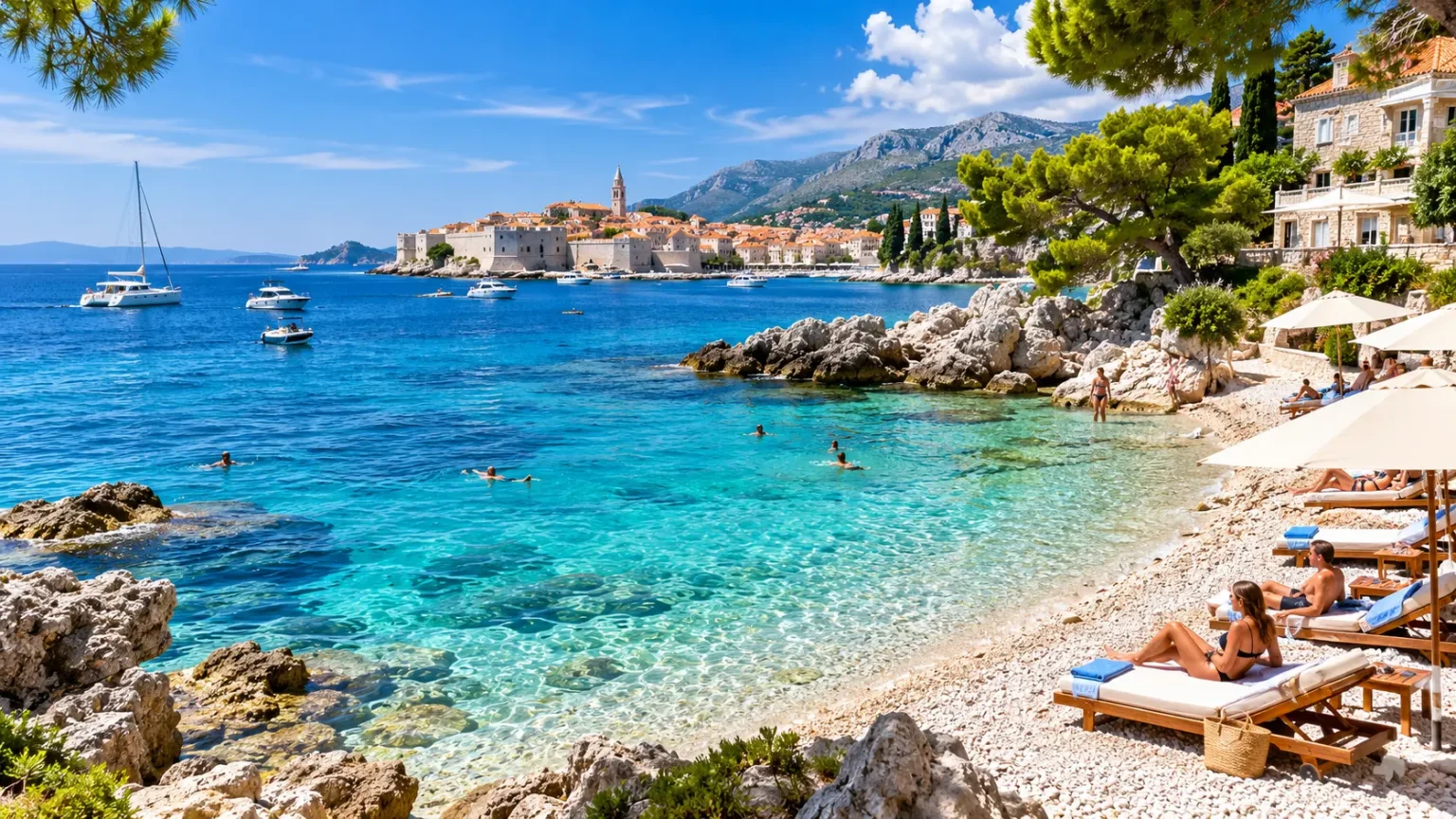
Croatia is one of Europe’s most beautiful coastal destinations, known for its crystal-clear Adriatic waters, picturesque islands, and dramatic limestone cliffs. From peaceful hidden coves to lively seaside resorts, the best beaches in Croatia offer something for every traveler. Whether you enjoy swimming, snorkeling, sunbathing, or simply admiring coastal scenery, Croatia has plenty of unforgettable places to explore.
Unlike many Mediterranean destinations, Croatia is particularly famous for its pebble beaches, rocky shorelines, and exceptionally clear water. However, you can also find sandy beaches, family-friendly swimming areas, and quiet island retreats. This guide explores Croatia’s top coastal spots, what makes each destination special, and practical tips for planning an enjoyable beach vacation.
Zlatni Rat Beach, Brač Island
Zlatni Rat Beach is one of the most famous beaches in Croatia, located near the charming town of Bol on Brač Island. Often called the Golden Horn, this remarkable beach extends into the Adriatic Sea in a distinctive pointed shape. Its pale pebbles, turquoise water, and surrounding pine trees create one of the country’s most recognizable coastal landscapes.
What makes Zlatni Rat particularly interesting is its changing shoreline. Winds, waves, and sea currents gradually reshape the tip of the beach, giving it a slightly different appearance over time. Visitors can enjoy swimming, sunbathing, and water sports, although wind and sea conditions vary throughout the day.
Reaching Zlatni Rat is relatively straightforward from Bol, with a scenic coastal walking route and seasonal transport options. The beach becomes busy during peak summer, especially in July and August. Arriving earlier in the morning can provide a more relaxed experience and better opportunities to appreciate its beautiful natural surroundings.
Stiniva Beach, Vis Island
Stiniva Beach is a spectacular hidden cove on Vis Island, famous for its towering limestone cliffs and narrow opening toward the sea. The small pebble shoreline sits between dramatic rock formations, creating an intimate and memorable coastal setting. Its clear blue water and unusual landscape make it one of Croatia’s most photographed beaches.
The surrounding cliffs give Stiniva a distinctive appearance that attracts nature lovers and adventurous travelers. Swimming in the sheltered cove can be enjoyable when sea conditions are calm. However, the beach has limited space, and its popularity means that even this seemingly secluded destination can become crowded during summer.
Visitors usually reach Stiniva by boat or by following a steep, rocky walking trail. The land route requires suitable footwear, careful footing, and reasonable mobility. Because facilities are limited, carrying drinking water and other essentials is sensible, while checking local conditions before visiting can help make the experience safer.
Punta Rata Beach, Brela
Punta Rata Beach is located in Brela along the beautiful Makarska Riviera. Known for its fine pebbles, transparent water, and surrounding Mediterranean pine trees, it offers a classic Croatian seaside experience. The nearby Brela Stone, a small rocky formation with vegetation growing from it, adds a recognizable natural landmark to the coastal scenery.
The beach is particularly appealing to visitors who enjoy combining swimming with relaxing in a scenic environment. Pine trees provide areas of natural shade, while the clear Adriatic water attracts swimmers and snorkeling enthusiasts. The surrounding coastline also offers attractive walking paths with views of the sea and nearby mountains.
Brela is a convenient destination for travelers exploring central Dalmatia, especially those visiting the Makarska region. Punta Rata is popular during the summer, so arriving earlier may help visitors find a comfortable spot. Its combination of coastal scenery, nearby amenities, and accessible swimming areas makes it a strong choice for a traditional beach holiday.
Sakarun Beach, Dugi Otok
Sakarun Beach, also known as Saharun, is located on Dugi Otok Island near Zadar. It stands out because of its pale sandy and fine-pebble shoreline, shallow turquoise water, and peaceful natural surroundings. Compared with Croatia’s many rocky beaches, Sakarun offers a different coastal experience that resembles a tropical lagoon.
The bay is particularly attractive to visitors who prefer calmer, shallower swimming areas. Pine trees surround parts of the beach, creating a pleasant backdrop for relaxing beside the Adriatic Sea. Although the water often looks inviting, visitors should still pay attention to changing weather, local swimming conditions, and designated safe areas.
Reaching Sakarun usually involves traveling to Dugi Otok by ferry or passenger boat and continuing by local transport. Planning transportation in advance is helpful because island connections can vary by season. The beach attracts day-trippers during summer, but its beautiful surroundings make it a worthwhile destination for travelers exploring the Zadar archipelago.
Pasjača Beach, Near Dubrovnik
Pasjača Beach is a dramatic coastal destination near the village of Popovići in the Konavle region, south of Dubrovnik. Hidden beneath tall cliffs, this small beach features pale sand and pebbles bordered by striking rock formations. Its unusual setting creates a beautiful contrast between the rugged landscape and clear blue Adriatic water.
The beach is especially popular among travelers looking for distinctive scenery rather than extensive resort facilities. Its narrow shoreline and impressive cliffs make it an excellent place to appreciate Croatia’s natural coastal beauty. However, the surrounding terrain can present hazards, and visitors should avoid unstable cliff areas or places where falling rocks may be possible.
Access involves descending a steep path and steps through the cliffs, making Pasjača unsuitable for some visitors with mobility difficulties. The return climb can also be demanding, particularly during hot weather. Bringing suitable shoes, drinking water, and sun protection is important because facilities and comfortable resting areas are limited.
Banje Beach, Dubrovnik
Banje Beach is one of the most recognizable beaches in Dubrovnik, located just outside the historic Old Town. It offers impressive views of the medieval city walls, Lokrum Island, and the surrounding Adriatic Sea. Its combination of coastal scenery and historic architecture makes it particularly appealing to travelers visiting Dubrovnik for the first time.
The beach has a mainly pebble shoreline and clear water suitable for swimming when conditions are favorable. Visitors can enjoy relaxing beside the sea while taking in the distinctive skyline of Dubrovnik. Its central location also makes it easy to combine a beach visit with sightseeing, restaurants, and other activities around the Old Town.
Because Banje is close to Dubrovnik’s major attractions, it can become crowded during the summer tourist season. Arriving early or visiting outside peak hours may offer a more comfortable experience. Beach facilities and commercial services can vary, so checking local availability is useful when planning a full day by the water.
Dubovica Beach, Hvar Island
Dubovica Beach is a picturesque pebble cove on the southern coast of Hvar Island. Surrounded by rocky hillsides and traditional stone buildings, it offers a beautiful setting away from the busiest streets of Hvar Town. Its clear water and natural surroundings make it especially attractive to swimmers, photographers, and visitors seeking a quieter coastal atmosphere.
The beach is known for its scenic bay and appealing underwater visibility when conditions are calm. Visitors often enjoy snorkeling near the rocky edges, where marine life may be visible. Although Dubovica can feel peaceful, its popularity has increased, and the available shoreline can fill quickly during the main summer months.
Access generally involves a walk down a rocky path from the road or arrival by boat. Suitable footwear is important because the trail can be uneven and steep in places. Travelers should bring essential supplies and check transport arrangements, especially when visiting without their own vehicle or staying outside nearby settlements.
Rajska Plaža, Rab Island
Rajska Plaža, commonly called Paradise Beach, is located in Lopar on Rab Island. It is one of Croatia’s best-known sandy beaches, offering an alternative to the pebble shorelines found across much of the country. The broad sandy area and shallow coastal water make it particularly popular with families and visitors who enjoy relaxed seaside activities.
The water extends gradually from the shore in many areas, making the beach attractive for paddling and recreational swimming. Families often appreciate the sandy surface and nearby visitor facilities. However, shallow water does not eliminate swimming risks, and children still require close supervision, especially when weather or sea conditions change.
Lopar provides accommodation, dining options, and other tourist services that make longer stays convenient. Paradise Beach can become extremely busy in July and August, particularly during the middle of the day. Visiting in June or September may offer a more relaxed atmosphere while still providing opportunities to enjoy Rab Island’s coastal scenery.
Šunj Beach, Lopud Island
Šunj Beach is a beautiful sandy bay on Lopud Island, one of the Elaphiti Islands near Dubrovnik. Its curved shoreline, shallow water, and green surroundings create a peaceful Mediterranean atmosphere. The beach is an appealing destination for travelers who want to explore a nearby island while enjoying a different experience from Dubrovnik’s busier city beaches.
The gently sloping sandy seabed makes Šunj popular with visitors who prefer walking into the water gradually. The surrounding natural landscape adds to its relaxed character, particularly outside peak visiting hours. Swimming, sunbathing, and spending time along the shore are among the main attractions, although facilities may vary seasonally.
Lopud can be reached by passenger boat from Dubrovnik, making Šunj a popular island day trip. Visitors usually continue from the village toward the beach on foot or using locally available transport. Checking return boat schedules before departure is important, especially during quieter travel periods when services may operate less frequently.
Bačvice Beach, Split
Bačvice Beach is one of the most popular urban beaches in Split, situated within convenient reach of the historic city center. Unlike many Croatian beaches, it features a sandy shoreline and relatively shallow water. Its lively atmosphere and accessible location make it a favorite among residents and visitors looking for a beach experience without leaving the city.
One distinctive feature of Bačvice is its connection to picigin, a traditional Croatian beach game played in shallow water. Visitors may see groups keeping a small ball in the air while moving through the sea. The surrounding area also offers cafes, restaurants, and other facilities that contribute to its energetic coastal character.
Bačvice is particularly convenient for travelers spending only a short time in Split. However, its popularity can lead to crowded conditions during warm summer days. Those seeking quieter surroundings may prefer exploring other nearby beaches, while visitors who enjoy a social atmosphere may appreciate the convenience and activity around Bačvice.
Sveti Ivan Beach, Cres Island
Sveti Ivan Beach lies beneath the historic hilltop village of Lubenice on Cres Island. This secluded pebble beach is surrounded by steep cliffs and striking natural scenery. Its relatively remote location creates an appealing sense of escape for travelers interested in quieter swimming spots and dramatic Mediterranean landscapes.
The beach is known for its transparent water and largely undeveloped surroundings. Visitors can enjoy views of the rugged coastline while relaxing beside the sea. Because the setting remains relatively natural, there are few facilities, making preparation especially important for anyone planning to spend several hours in this remote location.
Reaching Sveti Ivan requires a demanding descent from Lubenice or access by boat. The walking route is rocky and steep, and the uphill return can be physically challenging, particularly in summer heat. Visitors should assess their abilities carefully and consider boat transportation when a long, strenuous hike would be unsuitable.
Nugal Beach, Makarska Riviera
Nugal Beach is a secluded coastal spot located between Makarska and Tučepi along the Dalmatian coast. It sits beneath impressive cliffs and is surrounded by pine forests and rugged Mediterranean vegetation. Its beautiful natural setting makes it an appealing destination for visitors who enjoy peaceful landscapes and less-developed beaches.
The shoreline consists mainly of pebbles and rocks, with clear water that can be attractive for swimming and snorkeling. Nugal is also known as a clothing-optional beach, so visitors should be aware of its established atmosphere. The surrounding cliffs provide dramatic scenery, although caution is necessary near unstable rocks and exposed coastal areas.
Access typically involves walking along a forest trail from the surrounding area, followed by a descent toward the shore. Facilities are limited, and the beach is not as easily accessible as many town beaches. Comfortable footwear, sufficient drinking water, and respect for other visitors are important when planning a trip to Nugal.
Podrače Beach, Brela
Podrače Beach is another beautiful coastal destination in Brela, located along the famous Makarska Riviera. This small pebble beach is surrounded by rocky headlands and clear turquoise water, creating a sheltered and picturesque setting. Its natural appearance makes it especially appealing to travelers who enjoy scenic coves rather than long stretches of busy coastline.
The water around Podrače is often inviting for swimming when conditions are calm. The surrounding rocks and coastal vegetation add character to the landscape, while nearby walking routes provide attractive views of the Adriatic Sea. Because the beach is relatively small, its available space can become limited during peak tourist periods.
Podrače can be reached from the Brela coastal area, making it convenient to visit alongside nearby Punta Rata. Exploring both beaches allows travelers to experience different sections of the same attractive coastline. Arriving earlier in the day may provide better opportunities to enjoy the surroundings without the busiest summer crowds.
Best Time to Visit Beaches in Croatia
The best time to visit Croatia’s beaches generally depends on your preferences for weather, swimming conditions, and visitor numbers. June through September is the main period for beach holidays, with warm weather and many seasonal services operating. July and August usually attract the largest crowds, particularly around Dubrovnik, Split, Hvar, and other popular coastal destinations.
June and September can offer a pleasant balance between comfortable temperatures and fewer visitors. September is often especially appealing because the Adriatic Sea retains warmth from the summer months. However, weather conditions vary by location and year, so checking local forecasts remains important when planning swimming or island excursions.
Travelers who prefer sightseeing over swimming may also enjoy late spring and early autumn. Coastal towns can feel quieter, and walking or exploring historic attractions may be more comfortable outside peak summer heat. Some seasonal beach facilities, tours, and transport connections operate less frequently during these periods, making advance planning useful.
Essential Tips for Visiting Croatia’s Beaches
One of the most useful things to know before visiting Croatia is that many beaches have pebbles rather than soft sand. Comfortable water shoes can make walking over stones easier and help protect your feet around rocky areas. Sun protection, drinking water, and a suitable beach towel are also practical essentials for a coastal outing.
Transportation requires additional planning when visiting island beaches or remote coves. Ferry schedules, passenger boat services, and local transport availability may change depending on the season and weather conditions. Some scenic beaches involve steep walking trails, so checking accessibility in advance can prevent unexpected difficulties and help you choose destinations suited to your needs.
Respecting the coastal environment helps preserve Croatia’s natural beauty. Avoid leaving litter, disturbing marine animals, or damaging vegetation around protected areas. Pay attention to local swimming advice, changing sea conditions, and boat traffic, particularly when visiting isolated coves that may lack lifeguards or other beach safety facilities.
Conclusion
Croatia offers an extraordinary collection of beaches, ranging from famous pebble shores to secluded coves and beautiful sandy bays. Zlatni Rat, Stiniva, Punta Rata, and Sakarun are among the most memorable coastal destinations, each offering distinctive scenery and experiences. Whether you prefer lively seaside towns or quieter island settings, there are plenty of incredible places to discover.
Choosing the best beaches in Croatia depends on your travel style, accessibility needs, and preferred activities. Sandy beaches such as Rajska Plaža and Šunj are appealing for relaxed family outings, while dramatic destinations such as Pasjača and Sveti Ivan attract visitors interested in rugged coastal landscapes. Urban beaches offer convenient alternatives for travelers combining swimming with sightseeing.
For an enjoyable beach holiday, consider traveling during June or September, preparing for pebble shorelines, and researching transportation to more remote destinations. Croatia’s remarkable Adriatic coastline rewards travelers who explore beyond the busiest tourist spots. With thoughtful planning, you can experience some of Europe’s most beautiful beaches and unforgettable Mediterranean scenery.
Frequently Asked Questions
What is the most beautiful beach in Croatia?
Zlatni Rat on Brač Island is one of Croatia’s most iconic beaches, famous for its distinctive shape and turquoise water. Stiniva on Vis is another outstanding choice for dramatic scenery.
Does Croatia have sandy beaches?
Yes, although most Croatian beaches are rocky or pebbly. Popular sandy destinations include Rajska Plaža on Rab Island, Šunj on Lopud, and Bačvice in Split, along with other island bays.
What is the best month to visit Croatian beaches?
June and September are excellent choices for pleasant coastal weather and generally fewer crowds. July and August offer warmer summer conditions but are usually the busiest months at popular beaches.
Which Croatian beaches are best for families?
Rajska Plaža on Rab, Šunj on Lopud, and Sakarun on Dugi Otok are popular family choices because of their sandy or shallow-water areas. Children still require close supervision near water.
Are beaches in Croatia free to visit?
Many public beaches in Croatia offer free access, although parking, loungers, umbrellas, and other services may cost extra. Certain managed areas or associated attractions may have additional charges.