





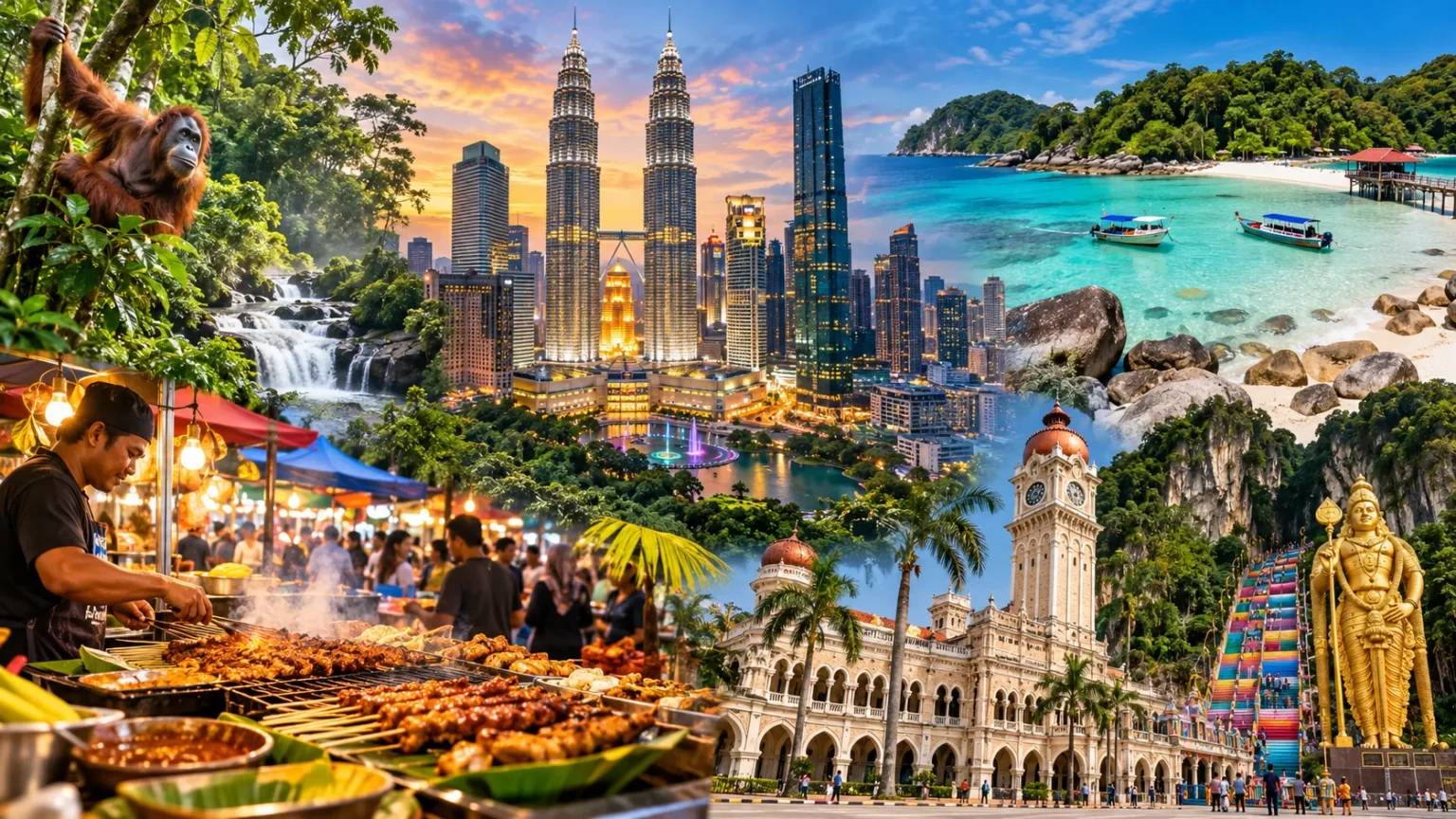
Located in the heart of Southeast Asia, Malaysia is known for its multicultural heritage, delicious street food, and remarkable natural landscapes. Travelers can explore vibrant Kuala Lumpur, wander through the historic streets of Penang, or enjoy peaceful island escapes surrounded by turquoise waters. Each region offers something different, making the country suitable for families, couples, and independent travelers.
Planning your Malaysian adventure becomes easier when you understand which attractions match your interests and travel preferences. This guide explores the most beautiful places to visit in Malaysia, exciting activities, cultural experiences, and practical tips for making your journey memorable.
Explore Kuala Lumpur and the Famous Petronas Twin Towers
Kuala Lumpur is Malaysia’s bustling capital and one of the country’s most popular tourist destinations. The city combines modern skyscrapers, historical buildings, shopping centers, and vibrant neighborhoods. Its most recognizable attraction is the Petronas Twin Towers, which dominate the skyline with their distinctive architecture. Visitors can enjoy impressive city views and explore nearby attractions in the Kuala Lumpur City Centre area.
The surrounding KLCC Park offers landscaped gardens, walking paths, and beautiful views of the towers. Travelers can also explore the nearby shopping mall, restaurants, and entertainment options. Another popular attraction is the KL Tower, which provides panoramic views of the surrounding city. Visiting these landmarks offers an exciting introduction to Malaysia’s modern urban lifestyle.
Beyond its famous buildings, Kuala Lumpur features lively markets and culturally diverse neighborhoods. Chinatown offers traditional shops and bustling streets, while Central Market is popular for handicrafts and souvenirs. Visitors can also explore Little India in Brickfields and discover colorful local traditions. Spending several days here provides a wonderful introduction to Malaysian culture, shopping, and cuisine.
Visit Batu Caves and Discover Malaysia’s Cultural Heritage
Batu Caves is one of Malaysia’s most famous religious and cultural attractions, located just outside Kuala Lumpur. This remarkable site features limestone caves, colorful stairways, and an impressive golden statue of Lord Murugan. The caves are home to an important Hindu temple complex that attracts visitors and worshippers throughout the year. Its dramatic natural setting makes it a memorable destination.
Visitors can admire the striking entrance before exploring the temple area inside the main cave. The surroundings feature towering limestone formations and religious artwork reflecting Hindu traditions. Because Batu Caves remains an active place of worship, respectful clothing and behavior are important. Traveling earlier in the day may also provide a more comfortable experience in Malaysia’s tropical weather.
The attraction offers an interesting combination of natural beauty and cultural significance. Photography enthusiasts can capture the colorful staircase and impressive architecture from several viewpoints. Visitors should also be mindful of monkeys around the complex and avoid feeding wildlife. Batu Caves makes an excellent addition to a Kuala Lumpur itinerary for anyone interested in culture and history.
Discover George Town and the Beauty of Penang Island
George Town, the capital of Penang, is famous for its colorful heritage buildings, creative street art, and multicultural atmosphere. Its historic center is recognized as a UNESCO World Heritage Site because of its distinctive architectural and cultural significance. Walking through its streets reveals traditional shophouses, temples, and historic landmarks. The city offers a fascinating glimpse into Malaysia’s diverse past.
One of the most enjoyable activities in George Town is exploring its famous street art. Murals and creative installations appear throughout the historic neighborhoods, giving visitors opportunities to discover charming streets. Other attractions include Khoo Kongsi, Cheong Fatt Tze Mansion, and traditional clan jetties. Each location offers a different perspective on Penang’s heritage and community life.
Penang also offers beautiful landscapes beyond the historic city center. Travelers can visit Penang Hill for panoramic scenery or explore the gardens and green spaces around the island. Batu Ferringhi is another popular area known for its coastline and relaxing atmosphere. Combining historical sightseeing with nature experiences makes Penang a rewarding destination for different travelers.
Experience the Historic Charm of Melaka
Melaka, also known as Malacca, is one of Malaysia’s most interesting historical cities. Its architecture reflects centuries of trade and cultural exchange involving Malay, Chinese, Indian, and European communities. The historic center shares UNESCO World Heritage recognition with George Town. Visitors can explore preserved buildings, colorful streets, and important landmarks that reveal the city’s fascinating multicultural history.
Dutch Square is among Melaka’s most recognizable attractions, featuring distinctive red buildings and surrounding historical structures. Nearby, visitors can discover Christ Church, the Stadthuys, and the remains of A Famosa. These landmarks reflect different periods of the city’s past. Walking through the historical district is an enjoyable way to appreciate Melaka’s architectural character.
Jonker Street is another highlight, known for its shops, local food, and lively atmosphere. Travelers can explore traditional businesses, discover souvenirs, and enjoy dishes influenced by Peranakan culture. A river cruise offers a different perspective on the city’s waterfront buildings and colorful surroundings. Melaka is particularly appealing to travelers who enjoy relaxed sightseeing and cultural experiences.
Relax on Langkawi’s Beautiful Beaches and Islands
Langkawi is a tropical island destination famous for sandy beaches, forested hills, and beautiful coastal scenery. Located off the northwestern coast of Peninsular Malaysia, the archipelago attracts travelers seeking relaxation and outdoor experiences. Pantai Cenang is one of its best-known beach areas, offering accommodation, restaurants, and seaside views. The island’s natural beauty makes it especially appealing.
One of Langkawi’s major attractions is the Langkawi SkyCab cable car, which provides spectacular views of surrounding mountains and rainforest. Visitors can also explore the SkyBridge when operating conditions allow. The elevated scenery offers opportunities to appreciate the island’s geography. Checking weather conditions and attraction availability before visiting helps make the experience more convenient.
Langkawi offers additional experiences through mangrove tours, scenic boat trips, and quieter coastal areas. Guided excursions around Kilim Karst Geoforest Park introduce visitors to distinctive limestone landscapes and mangrove ecosystems. Wildlife should always be observed respectfully without feeding or disturbing animals. Combining beach relaxation with nature exploration makes Langkawi a memorable Malaysian island getaway.
Enjoy Snorkeling and Island Escapes in the Perhentian Islands
The Perhentian Islands are popular Malaysian destinations for travelers who enjoy tropical beaches and clear coastal waters. Located off the northeastern coast of Peninsular Malaysia, these islands offer a more relaxed atmosphere than major urban destinations. Perhentian Besar and Perhentian Kecil feature beaches, coastal accommodation, and beautiful marine surroundings. Their landscapes attract visitors seeking peaceful island experiences.
Snorkeling is among the most popular activities because the surrounding waters contain coral reefs and colorful marine life. Visitors may encounter tropical fish and other sea creatures while exploring suitable snorkeling areas. Choosing responsible operators and following local safety guidance helps protect both visitors and marine habitats. Conditions vary according to weather, visibility, and seasonal changes.
Nearby Redang Island is another appealing destination for beach lovers and marine exploration. Both areas are strongly influenced by the northeast monsoon, which can disrupt transport and tourist services. The east-coast island travel season generally falls between spring and early autumn. Checking seasonal conditions before booking is essential for a comfortable and enjoyable visit.
Visit Cameron Highlands for Tea Plantations and Cool Weather
Cameron Highlands offers a refreshing contrast to Malaysia’s tropical cities and coastal destinations. Situated in the mountains of Pahang, the area is known for its cooler temperatures, rolling green landscapes, and scenic tea plantations. Visitors often travel here to enjoy peaceful surroundings and explore agricultural attractions. Its distinctive scenery makes it popular among nature lovers.
Tea plantations are among the region’s most recognizable attractions, with neatly arranged green fields covering hillsides. Visitors can enjoy scenic viewpoints and learn about tea production at facilities that welcome tourists. Strawberry farms, flower gardens, and local markets provide additional sightseeing opportunities. The combination of agriculture and mountain scenery creates a charming atmosphere for a relaxing getaway.
Nature enthusiasts may also enjoy visiting the area’s mossy forests and exploring designated walking routes. The region’s misty environment supports unusual vegetation and beautiful mountain landscapes. Because highland weather can change quickly, comfortable clothing and suitable footwear are useful. Cameron Highlands is an excellent destination for travelers seeking greenery, fresh air, and slower-paced exploration.
Explore Taman Negara and Malaysia’s Tropical Rainforests
Taman Negara is one of Malaysia’s best-known national parks, offering visitors an opportunity to experience tropical rainforest environments. The protected landscape contains dense vegetation, rivers, and a remarkable variety of plant and animal species. Travelers interested in nature and biodiversity often include this destination in their itineraries. Its peaceful surroundings provide a contrast to busy cities.
Guided nature walks are a popular way to learn about the rainforest’s ecosystems and distinctive vegetation. Visitors can discover forest landscapes, observe smaller wildlife, and gain insight into conservation efforts. Some areas also offer river-based sightseeing experiences. Choosing established visitor routes and experienced local guides helps make rainforest exploration more informative and appropriately managed.
Taman Negara is particularly appealing to travelers interested in Malaysia’s natural heritage. Wildlife sightings are never guaranteed, but observing the forest environment can still be rewarding. Visitors should bring suitable clothing and prepare for warm, humid conditions and possible rain. Responsible tourism practices help preserve the natural environment for future visitors and local communities.
Discover Mount Kinabalu and the Natural Wonders of Sabah
Sabah, located on the island of Borneo, is famous for its remarkable biodiversity and dramatic natural landscapes. One of its most recognizable landmarks is Mount Kinabalu, which rises above the surrounding mountain forests. Kinabalu Park is recognized as a UNESCO World Heritage Site because of its exceptional ecological significance. It attracts visitors interested in nature and mountain scenery.
The park offers opportunities to appreciate diverse vegetation, mountain views, and changing landscapes. Visitors can explore appropriate nature trails and botanical attractions while learning about the region’s distinctive plant life. Its cooler mountain environment provides a different experience from Malaysia’s coastal areas. Guided educational activities can make the visit especially interesting for nature enthusiasts.
Kota Kinabalu, Sabah’s capital, also offers coastal scenery, local markets, and cultural attractions. Visitors can enjoy waterfront views and explore nearby islands through organized excursions. Combining the city with Kinabalu Park creates a varied itinerary featuring urban experiences and natural beauty. Sabah is especially rewarding for travelers who want to explore Malaysian Borneo.
See Orangutans and Wildlife Around Sepilok
Sepilok, near Sandakan in Sabah, is known for its important orangutan conservation and rehabilitation activities. The Sepilok Orangutan Rehabilitation Centre provides an opportunity to learn about efforts to care for and rehabilitate orangutans. Visitors can observe designated viewing areas and educational displays. The experience highlights the importance of protecting wildlife and tropical rainforest habitats.
Orangutans are among Borneo’s most recognizable animals, and observing them responsibly can be a memorable experience. However, sightings depend on animal behavior and cannot be guaranteed. Visitors should follow conservation center rules, avoid feeding animals, and maintain appropriate distances. These practices help protect wildlife while supporting respectful educational tourism experiences.
The wider Sandakan region offers additional opportunities to appreciate Borneo’s natural environment. The nearby Bornean Sun Bear Conservation Centre introduces visitors to another important regional species. Wildlife-oriented travel can help people understand the challenges facing forest habitats and threatened animals. Sepilok is particularly worthwhile for travelers interested in conservation, ecology, and responsible nature experiences.
Explore Gunung Mulu National Park in Sarawak
Gunung Mulu National Park is one of Malaysia’s most extraordinary natural attractions, located in Sarawak on the island of Borneo. Recognized as a UNESCO World Heritage Site, the park is famous for its rainforest, limestone formations, and remarkable cave systems. Its dramatic landscapes attract nature enthusiasts from around the world. The area offers an unforgettable introduction to Borneo’s geological diversity.
The park features impressive caves, underground passages, and rainforest environments that can be explored through organized visitor activities. Deer Cave and Clearwater Cave are among its notable attractions. Guided visits provide opportunities to appreciate their unusual formations and understand the natural processes that shaped them. Access and activities depend on park conditions and visitor arrangements.
Another memorable experience is observing bats emerging from cave environments during suitable conditions. The surrounding rainforest also supports a rich variety of plants and animals. Because Mulu is relatively remote, travelers should arrange transportation and accommodation carefully. Exploring its accessible attractions offers a remarkable perspective on Malaysia’s lesser-known natural wonders.
Taste Malaysian Street Food and Experience Local Culture
Trying Malaysian food is one of the most enjoyable experiences for visitors exploring the country. Its cuisine reflects Malay, Chinese, Indian, and regional influences, creating a wide variety of flavors and cooking traditions. Street markets, family restaurants, and local food courts provide opportunities to discover these dishes. Food offers a delicious introduction to Malaysia’s multicultural identity.
Popular dishes include nasi lemak, a fragrant rice dish commonly served with flavorful accompaniments, and roti canai, a flaky flatbread often enjoyed with curry. Travelers can also try satay, char kway teow, and laksa in their regional variations. Different destinations specialize in different flavors. Exploring local food traditions adds depth to the travel experience.
Night markets and traditional food areas offer more than simply a place to eat. They provide opportunities to observe everyday community life and discover locally prepared specialties. Kuala Lumpur, Penang, and Melaka are particularly rewarding destinations for culinary exploration. Travelers with dietary restrictions should confirm ingredients and preparation methods before ordering unfamiliar dishes.
Conclusion
Malaysia offers an incredible variety of attractions, from Kuala Lumpur’s modern skyline to the historical streets of Melaka and George Town. Beautiful islands, mountain landscapes, and tropical rainforests provide additional opportunities for memorable adventures. Whether your interests include culture, photography, wildlife, or relaxation, the country offers experiences suited to many different travel preferences.
Planning a rewarding Malaysian vacation involves choosing destinations that match your interests, available time, and travel season. City sightseeing and cultural attractions can be enjoyed throughout the year, while island activities may depend more heavily on monsoon conditions. Allowing enough time in each destination makes the journey more enjoyable and reduces unnecessary travel between distant regions.
Ultimately, discovering the best things to do in Malaysia is about experiencing its remarkable combination of nature, heritage, and everyday culture. From tasting traditional dishes to exploring historic neighborhoods and scenic national parks, each experience reveals something different. With thoughtful planning and respect for local communities and natural environments, a Malaysian adventure can create lasting travel memories.
Frequently Asked Questions (FAQs)
What are the best things to do in Malaysia for first-time visitors?
First-time visitors can explore Kuala Lumpur, visit Batu Caves, discover George Town, relax on Langkawi’s beaches, and experience Malaysian cuisine. These destinations offer an enjoyable combination of culture, sightseeing, and natural beauty.
What is the most beautiful place to visit in Malaysia?
Malaysia has many beautiful destinations, including Langkawi, Cameron Highlands, Kinabalu Park, and the Perhentian Islands. The best choice depends on whether you prefer beaches, mountains, tropical rainforests, or scenic cultural attractions.
How many days are enough to explore Malaysia?
Seven to ten days can provide a rewarding introduction to several destinations in Peninsular Malaysia. Travelers hoping to explore Malaysian Borneo and additional islands may benefit from two weeks or longer.
What is the best time to visit Malaysia?
Malaysia is a year-round destination, but rainfall patterns vary by region. The east-coast islands are generally better suited to visits between April and October, while other destinations have different seasonal conditions.
Is Malaysia a good destination for family vacations?
Yes, Malaysia offers family-friendly attractions, cultural landmarks, beaches, parks, and educational wildlife experiences. Kuala Lumpur, Penang, Langkawi, and selected nature destinations provide varied activities suitable for different ages and interests.