





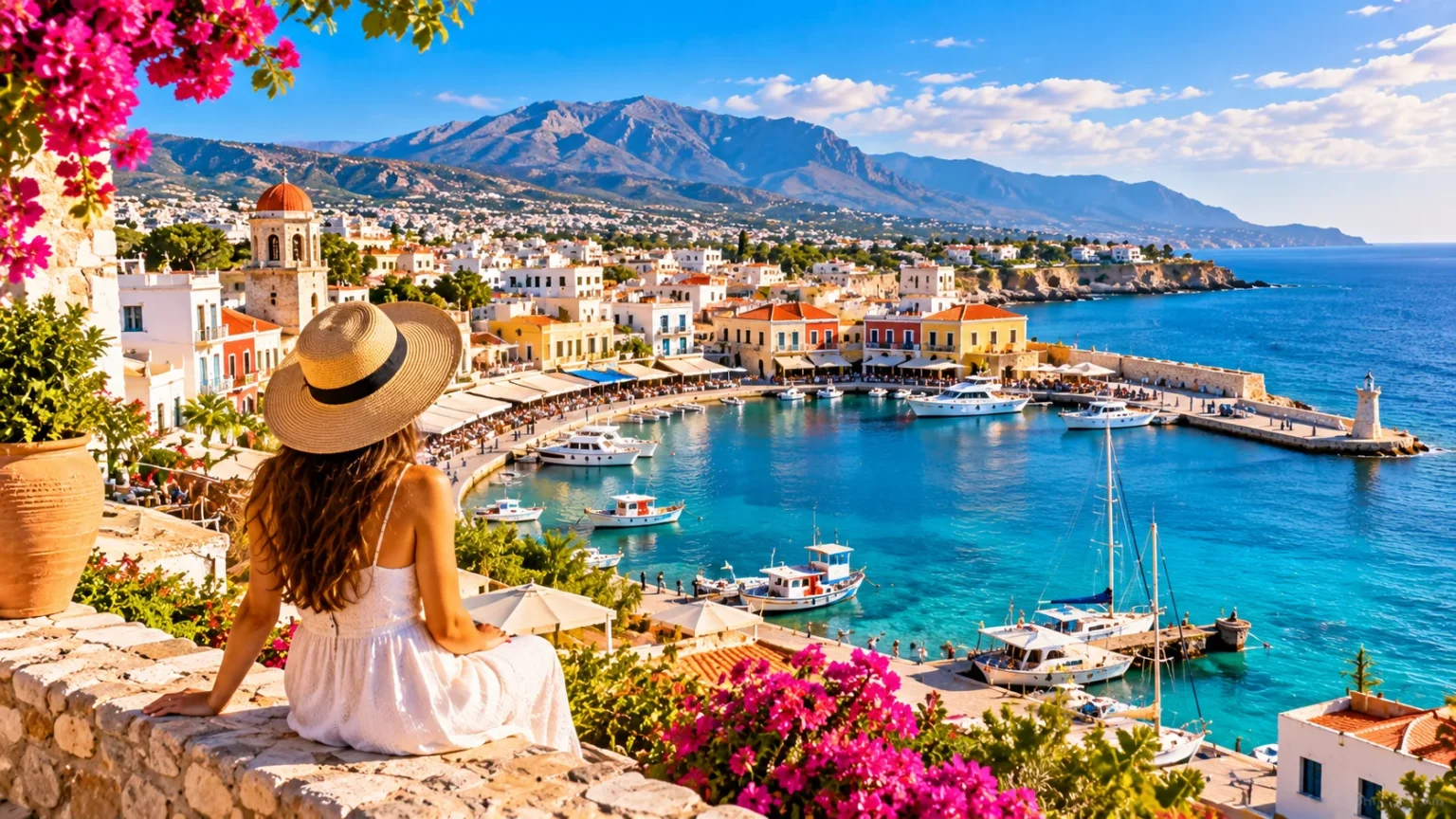
Crete is one of Greece’s most diverse islands, offering beautiful beaches, historic towns, mountain landscapes, traditional villages, archaeological sites, and Mediterranean food. Choosing the best time to visit Crete can make a significant difference to your experience because weather, crowds, accommodation prices, swimming conditions, and available activities change throughout the year.
For most travelers, late spring and early autumn provide an excellent balance of pleasant weather, warm sea temperatures, and fewer visitors than the busiest summer months. However, summer is ideal for travelers focused on beaches and nightlife, while spring and autumn are excellent for hiking and sightseeing. Understanding each season can help you choose the perfect time for your trip.
When Is the Best Time to Visit Crete?
The best overall time to visit Crete is generally from May through June and September through early October. These months usually provide warm temperatures, plenty of sunshine, and comfortable conditions for sightseeing. Beaches are enjoyable without the intense crowds commonly associated with the busiest part of summer.
May and June are particularly attractive if you enjoy outdoor activities and exploring towns, archaeological sites, and countryside. The island is green after the wetter winter months, wildflowers may still be visible, and daytime temperatures are generally comfortable. By June, the sea is becoming warmer and beach conditions are increasingly appealing.
September offers another excellent balance because the summer heat begins to ease while the Mediterranean Sea remains warm from previous months. Restaurants, hotels, and tourist attractions are generally still operating normally. Early October can also be rewarding for travelers who prioritize sightseeing and relaxation over consistently hot beach weather.
Crete Weather Throughout the Year
Crete has a Mediterranean climate characterized by hot, dry summers and milder, wetter winters. Coastal areas generally experience warmer and more moderate conditions than the mountains. Weather can also differ between northern and southern parts of the island because Crete’s geography creates noticeable regional variations.
Summer conditions are typically sunny and dry, particularly from June through August. Temperatures rise significantly during July and August, making beaches especially popular. Inland areas and cities can feel much hotter during midday, so sightseeing may be more comfortable early in the morning or later in the afternoon.
Winter brings cooler temperatures and more frequent rainfall, although coastal areas generally remain much milder than many northern European destinations. Mountainous areas can receive snow, creating a completely different landscape. Travelers visiting outside the main season should pack layers and prepare for occasional rain and changing conditions.
Visiting Crete in Spring
Spring is one of the most attractive seasons for exploring Crete. March begins relatively cool and changeable, but temperatures gradually become warmer through April and May. The landscape is often at its greenest, making countryside drives, hiking trails, and traditional villages particularly beautiful during this period.
April can be a good month for cultural sightseeing and active travel. Historic towns such as Chania and Rethymno are easier to explore when temperatures are moderate, and archaeological attractions can feel more comfortable without intense summer heat. Some seasonal beach businesses may still be preparing for the main visitor period.
May is often one of the best months for a well-rounded Crete vacation. Weather becomes warmer and more reliable, while visitor numbers remain lower than during peak summer. Swimming may feel comfortable for some travelers, although the sea is generally cooler than it will be later in the season.
Visiting Crete in Summer
Summer is Crete’s busiest travel season because hot weather and long sunny days create ideal conditions for classic Mediterranean beach vacations. June offers warm temperatures without always reaching the intense heat of July and August. It is an excellent month for combining swimming, sightseeing, restaurants, and outdoor activities.
July and August are the hottest and busiest months. Popular beaches, resorts, archaeological attractions, and old towns can become crowded, particularly during the middle of the day. Accommodation and transportation demand also increases, so booking hotels, rental cars, and certain activities well ahead is usually sensible.
Summer is especially suitable if your main priorities are swimming, boating, beach clubs, nightlife, and evening dining. Plan demanding sightseeing for earlier hours and use afternoons for swimming or relaxing in shaded areas. Carry water, sunscreen, sunglasses, and suitable sun protection whenever spending extended time outdoors.
Visiting Crete in Autumn
Autumn is another excellent season for visiting Crete, particularly during September and the first half of October. September still feels very much like summer, but temperatures gradually become more comfortable. The sea remains warm, making it a particularly attractive month for travelers interested in swimming and beaches.
October brings a quieter atmosphere as the main tourist season begins winding down. Warm, sunny days are still possible, particularly earlier in the month, but rainfall becomes more likely and evenings can feel cooler. It is a good period for couples, independent travelers, and visitors interested in food, culture, and scenic drives.
November is considerably quieter and more unpredictable. Some seasonal hotels, restaurants, and tourism services may close, especially in resort-focused areas. However, larger cities and communities remain active throughout the year, offering travelers a chance to experience a more local side of Crete away from peak-season tourism.
Visiting Crete in Winter
Winter is the quietest season in Crete and offers a completely different experience from the typical summer vacation. December through February brings cooler temperatures, more rain, shorter daylight hours, and occasional storms. Beaches become places for walking and scenery rather than swimming and sunbathing.
Cities such as Heraklion and Chania remain active because they are real year-round communities rather than purely seasonal resorts. Visitors can explore museums, restaurants, historic streets, and cafés without summer crowds. Accommodation may also be more affordable, although options in smaller resort areas can become limited.
Winter is best suited to travelers interested in local culture, peaceful sightseeing, food, and slower travel. It is not the ideal period if your priority is warm-water swimming or guaranteed sunshine. Mountain weather can also be much colder, and certain hiking routes may become unsuitable during poor conditions.
Best Time to Visit Crete for Beaches
For a traditional beach holiday, June through September is generally the best period. These months offer warm weather, abundant sunshine, and favorable conditions for enjoying famous beaches such as Elafonissi, Balos, Falassarna, Vai, and the many coves found along Crete’s extensive coastline.
July and August provide the hottest beach conditions but also attract the largest crowds. Popular destinations can become extremely busy, especially during late morning and afternoon. Arriving early can make it easier to find parking, choose a good spot on the beach, and enjoy the coastline before organized tours arrive.
June and September are excellent alternatives for travelers who want beach weather without maximum crowds. September has the additional advantage of particularly warm sea temperatures following the summer. These shoulder-season months often create a more relaxed atmosphere while still providing excellent swimming and sunbathing opportunities.
Best Time to Visit Crete for Sightseeing
Spring and autumn are generally the most comfortable seasons for sightseeing in Crete. Exploring archaeological sites, old towns, monasteries, villages, and museums involves considerable walking, which can become tiring during peak summer heat. Moderate temperatures allow visitors to spend longer outdoors without constantly seeking shade.
April, May, September, and October work particularly well for cultural trips. Places such as Knossos, Phaistos, Chania Old Town, Rethymno, and historic monasteries can be explored at a more comfortable pace. Visitor numbers may also be lower than during July and August.
If you visit during summer, start sightseeing early whenever possible. Archaeological attractions can feel significantly hotter around midday, particularly when there is limited shade. Combining morning sightseeing with an afternoon beach visit and evening exploration creates a more comfortable summer itinerary.
Best Time for Hiking and Outdoor Adventures
Crete offers excellent hiking opportunities, including mountain routes, coastal trails, and famous gorges. Spring and autumn generally provide the best conditions because temperatures are cooler than in midsummer. The countryside can also be particularly attractive in spring when vegetation is greener and flowers are blooming.
May and early June are popular periods for hiking because many routes become more accessible after winter while intense summer heat has not yet reached its peak. September and October can also provide comfortable conditions. Always check local trail conditions because weather and seasonal closures can affect accessibility.
Summer hiking requires additional preparation. Exposed trails can become extremely hot, and shade may be limited for long sections. Carry sufficient water, start early, wear suitable footwear, and avoid challenging routes during extreme heat or unsuitable weather conditions.
Best Time to Visit Crete With Fewer Crowds
Travel in April, May, late September, or October if avoiding crowds is an important priority. These shoulder-season months allow you to experience popular towns and attractions without the visitor numbers typically seen during midsummer. Roads and parking around major destinations may also feel less stressful.
May is particularly appealing because the tourism season is active without being at maximum capacity. Restaurants and accommodations are generally open, and the island has an energetic atmosphere without feeling overwhelmed. Weather is also increasingly suitable for spending long days outdoors.
October offers an even quieter experience, although conditions become less predictable as the month progresses. Some seasonal services may begin reducing hours or closing. Travelers willing to accept occasional rain can enjoy peaceful towns, uncrowded attractions, and a more relaxed pace.
Cheapest Time to Visit Crete
The lowest accommodation prices are generally available outside the main summer season. Late autumn, winter, and early spring can offer significant savings compared with July and August. However, reduced prices come with cooler weather and fewer tourism-focused services, particularly in beach resort areas.
For travelers seeking good value without giving up pleasant weather, May and October can offer a useful compromise. Accommodation prices may be more reasonable than during peak summer while many attractions and restaurants remain available. Flight costs can also be more competitive depending on your departure location and booking timing.
September may cost more than October because beach demand remains strong, but it can still provide better value than the busiest weeks of July and August. Booking early and remaining flexible with travel dates can help reduce expenses regardless of the season you choose.
Best Time for Couples and Romantic Trips
May, June, September, and early October are excellent months for couples visiting Crete. Warm weather creates opportunities for beach days, outdoor dinners, scenic drives, and sunset walks without always dealing with the largest summer crowds. These months are particularly appealing for honeymoons and anniversary trips.
Chania, Rethymno, and smaller coastal towns can feel especially romantic outside peak summer. Couples can explore historic streets in the morning, spend afternoons beside the sea, and enjoy traditional tavernas during cooler evenings. Renting a car also creates opportunities to discover quieter villages and secluded coastal areas.
September is particularly attractive for couples wanting a combination of beach conditions and a more relaxed atmosphere. The sea remains warm and evenings are pleasant. Travelers who prefer quieter cultural trips may enjoy October, especially if guaranteed swimming weather is not essential.
What to Pack for Crete in Different Seasons
Summer travelers should focus on lightweight, breathable clothing, comfortable sandals or walking shoes, swimwear, sunglasses, sunscreen, and a hat. A reusable water bottle is also useful during sightseeing and beach trips. A light layer can still be helpful for windy evenings or air-conditioned indoor spaces.
Spring and autumn require slightly more flexible packing. Bring lightweight daytime clothing along with a jacket, sweater, or long-sleeved layer for cooler evenings. Comfortable walking shoes are especially important if your plans involve hiking, archaeological sites, villages, or extensive old-town exploration.
Winter visitors should bring warmer layers, waterproof clothing, and sturdy footwear. Conditions can change quickly, particularly in mountainous areas. Packing according to planned activities rather than relying only on average coastal temperatures will make your trip considerably more comfortable.
Practical Tips for Planning a Crete Vacation
Crete is a large island, so avoid planning your trip as though every attraction is located nearby. Driving between major regions can take considerable time. Choosing one or two bases can make sightseeing more enjoyable and reduce the number of hours spent repeatedly moving between hotels.
A rental car can be extremely useful for reaching villages, beaches, hiking areas, and archaeological sites outside major towns. Public transport connects many important destinations, but schedules may be more limited in smaller communities. During peak summer, reserve vehicles early because demand can be high.
Consider your main travel priorities before choosing dates. Beach-focused visitors may prefer June through September, hikers may enjoy spring or autumn, and budget-conscious cultural travelers may appreciate the quieter months. Matching the season to your preferred activities is more useful than choosing dates based only on temperature.
Conclusion
The best time to visit Crete depends on the type of vacation you want. May, June, September, and early October provide an excellent overall combination of pleasant weather, manageable crowds, sightseeing opportunities, and access to the island’s beaches and outdoor attractions.
July and August are ideal for travelers seeking consistently hot summer conditions, lively resorts, warm sea temperatures, and active nightlife. However, higher prices, larger crowds, and intense midday heat can make these months less attractive for visitors primarily interested in hiking and cultural sightseeing.
Spring and autumn are particularly rewarding for exploring Crete at a slower pace. Whether you want beaches, historic towns, mountain adventures, traditional villages, or Mediterranean food, choosing the right season can make your trip more comfortable and enjoyable from beginning to end.
FAQs
What is the best month to visit Crete?
May, June, and September are among the best months because they combine warm weather with good conditions for beaches and sightseeing. They also generally avoid some of the largest crowds found in July and August.
What is the hottest month in Crete?
July and August are generally the hottest months in Crete. These months are excellent for beach holidays but can feel very hot during midday sightseeing, particularly in inland areas and exposed archaeological sites.
Is October a good time to visit Crete?
Yes. Early October can provide warm days, fewer crowds, and enjoyable sightseeing conditions. Swimming may still be possible, although weather becomes increasingly changeable and some seasonal businesses may begin closing later in the month.
When is Crete least crowded?
Crete is generally less crowded from late autumn through early spring. For pleasant weather with lower visitor numbers, April, May, late September, and October offer a better balance than the quietest winter months.
How many days should I spend in Crete?
A week provides enough time to explore one or two regions comfortably, while ten to fourteen days allows a broader island experience. Crete is large, so slower itineraries are usually more enjoyable than trying to see everything quickly.