




Here’s the complete article in the same structure and style:
Lake Tahoe, California and Nevada
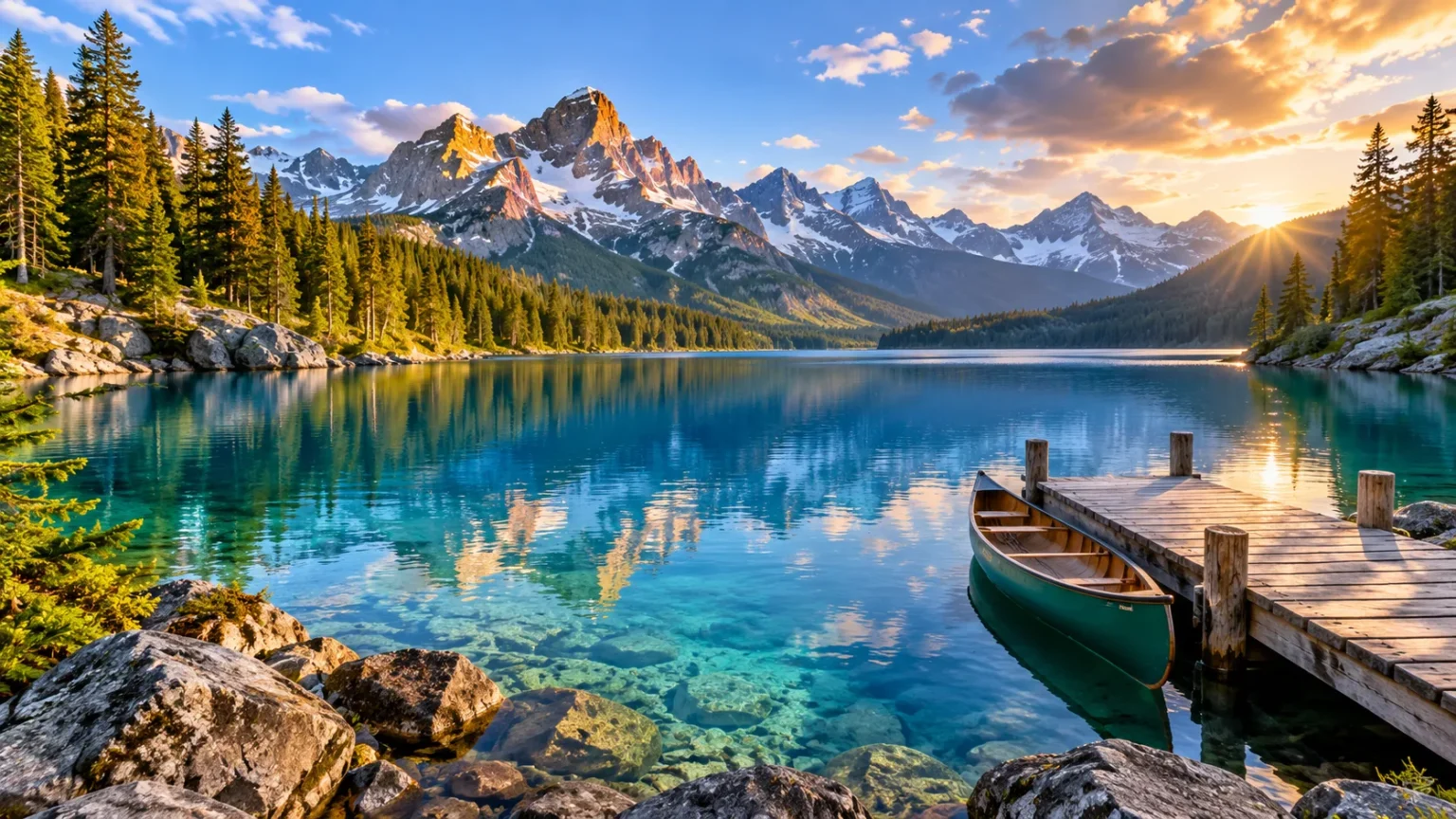
Lake Tahoe is one of the most recognizable mountain lakes in the United States, surrounded by the Sierra Nevada on the California-Nevada border. Its clear blue water, granite shoreline, pine forests, and mountain views create scenery that changes beautifully throughout the year. The lake is about 22 miles long and offers outdoor recreation in every season.
Summer is ideal for kayaking, paddleboarding, swimming, hiking, and exploring beaches around the shoreline. Emerald Bay is particularly popular because dramatic mountains and forested slopes surround its blue-green water. Scenic drives around the lake also provide plenty of viewpoints for travelers who prefer enjoying the landscape without spending an entire day hiking.
Winter transforms the surrounding mountains into a major skiing and snowboarding destination, while the lake remains an impressive backdrop. Spring and fall can provide quieter experiences with fewer summer crowds. Whether you want adventure, photography, relaxation, or a romantic mountain getaway, Lake Tahoe offers enough variety to justify spending several days exploring the region.
Crater Lake, Oregon
Crater Lake offers one of the most unusual lake landscapes in America. The lake occupies the caldera created after Mount Mazama collapsed following a massive volcanic eruption thousands of years ago. At approximately 1,943 feet deep, it is the deepest lake in the United States and is famous for remarkably clear, intensely blue water.
Most visitors experience the lake from viewpoints around its steep volcanic rim. Scenic overlooks reveal Wizard Island rising from the water, surrounding forests, and dramatic walls descending toward the lake. Hiking trails provide different perspectives, while Rim Drive is normally one of the most popular ways to explore the landscape when seasonal conditions allow access.
Weather has a major influence on visiting Crater Lake because heavy snowfall can affect roads and facilities for long periods. Even during warmer months, conditions around the rim can change quickly. Travelers should check current park information before visiting, especially because access to particular trails, roads, boat facilities, and other areas can change with seasonal conditions.
Jenny Lake, Wyoming
Jenny Lake sits directly beneath the dramatic Teton Range inside Grand Teton National Park. Its mountain setting makes it one of the park’s most popular destinations, with rugged peaks appearing to rise almost immediately behind the water. From different sections of the shoreline, visitors can enjoy views toward Cascade Canyon, Teewinot Mountain, Mount St. John, and the surrounding valley.
Hiking is one of the best ways to experience Jenny Lake. Popular routes lead toward Hidden Falls and Inspiration Point, while longer trails continue into Cascade Canyon and the surrounding backcountry. Visitors can also spend time along the lakeshore or use seasonal boat services to experience the scenery from a different perspective.
Summer can be extremely busy around Jenny Lake, and parking areas may fill early. Arriving earlier in the day can make the visit easier while also providing calmer conditions for photography and hiking. The combination of clear water, forests, accessible trails, and towering mountains makes Jenny Lake an excellent choice for first-time visitors to Grand Teton.
Lake McDonald, Montana
Lake McDonald is the largest lake inside Glacier National Park and one of the most scenic places in Montana. Stretching roughly ten miles, the lake occupies a glacially carved valley surrounded by forests and mountains. Its depth reaches about 464 feet, making it both the largest and deepest body of water within the park.
Calm mornings can be particularly beautiful because the surrounding mountains sometimes reflect across the surface. Visitors can explore shoreline viewpoints, stop near Lake McDonald Lodge, or enjoy opportunities for boating and scenic cruises when services are operating. Several hiking opportunities are also accessible around the Lake McDonald area.
Lake McDonald also works well as a starting point for exploring other areas of Glacier National Park. Travelers can combine lakeside time with mountain drives, hiking, wildlife viewing, and scenic overlooks. Because conditions, transportation rules, and seasonal access can change, checking current national park information before your trip can help you plan more efficiently.
Lake Superior, Michigan, Wisconsin, and Minnesota
Lake Superior feels more like an inland sea than a traditional lake. It is the largest freshwater lake in the world by surface area and stretches along parts of Michigan, Wisconsin, and Minnesota as well as Ontario in Canada. Its immense size, cold blue water, rocky shores, and forested landscapes create some of the most dramatic freshwater scenery in North America.
One particularly beautiful place to experience the lake is Pictured Rocks National Lakeshore in Michigan’s Upper Peninsula. Colorful sandstone cliffs rise above Lake Superior, while beaches, waterfalls, dunes, and forests create additional scenery. The National Park Service notes that some of the best views of the famous cliffs are from the water.
Travelers can also explore Lake Superior through hiking, camping, sightseeing, kayaking, and scenic shoreline drives. Conditions on such a large lake can change rapidly, particularly for people planning water activities. If you prefer dramatic cliffs and wild shorelines to resort-style lake vacations, Lake Superior offers an especially memorable American landscape.
Lake Powell, Arizona and Utah
Lake Powell combines blue water with the towering sandstone landscapes of the American Southwest. Located within Glen Canyon National Recreation Area in southern Utah and northern Arizona, the reservoir winds through a vast desert environment filled with canyons, cliffs, slickrock formations, and secluded sections of shoreline.
Boating is one of the most popular ways to appreciate the scale of the landscape because many dramatic areas are most easily experienced from the water. Travelers can also enjoy viewpoints, photography, camping, and nearby desert attractions. The contrast between red-orange rock and deep blue water makes Lake Powell particularly impressive around sunrise and sunset.
Water levels fluctuate and can affect ramps, boating access, and other visitor facilities. The National Park Service reported in September 2026 that Lake Powell remained open for water recreation while access improvements continued at several locations. Check current conditions before traveling, particularly if your plans depend on launching a boat or reaching a specific marina.
Yellowstone Lake, Wyoming
Yellowstone Lake provides a very different experience from the geothermal features for which Yellowstone National Park is best known. Surrounded by forests and mountains, the broad lake creates peaceful landscapes that can feel surprisingly quiet compared with popular attractions such as Old Faithful. Early mornings can be particularly scenic when calm conditions create reflections across the water.
The lake also has a deep cultural history. Archaeological evidence discovered along its shoreline shows that people were using the area thousands of years ago, and evidence has also been found on islands within the lake. This long history adds another dimension to a landscape that visitors might otherwise appreciate only for its natural beauty.
A drive around accessible portions of the lake can be combined with wildlife viewing, geothermal areas, hiking, and other Yellowstone attractions. Because Yellowstone is enormous, allow enough travel time between destinations rather than trying to see everything quickly. A slower itinerary makes it much easier to appreciate the lake and surrounding wilderness.
Flathead Lake, Montana
Flathead Lake is an excellent choice for travelers who want mountain scenery combined with relaxed water activities. Located in northwestern Montana, it provides expansive views of blue water surrounded by forests, communities, farmland, and distant mountains. Its large size gives different portions of the shoreline their own atmosphere, from active recreational areas to quieter stretches.
Visitors commonly come for boating, fishing, paddling, swimming, and relaxing beside the water during warmer months. Scenic drives around parts of the lake can also be rewarding, particularly when mountain visibility is good. Small communities around the shoreline provide convenient places to find accommodation, restaurants, supplies, and access to recreational activities.
Flathead Lake can also fit naturally into a longer Montana road trip. Glacier National Park lies to the north, making it possible to combine peaceful lake scenery with more dramatic alpine landscapes. Summer generally offers the broadest range of water activities, while late spring and early fall can appeal to travelers seeking a quieter atmosphere.
Lake George, New York
Lake George is surrounded by the forested mountains of New York’s Adirondacks and has long been one of the region’s best-known vacation destinations. Clear water, wooded shorelines, mountain views, and welcoming lakeside communities make it particularly appealing for family vacations and relaxed summer trips.
Lake George Village provides easy access to restaurants, attractions, accommodations, and waterfront activities, while areas such as Bolton Landing can offer a different atmosphere farther along the lake. Boating, swimming, sightseeing cruises, hiking, and scenic drives are among the many ways visitors can experience the surrounding landscape.
Autumn brings another reason to visit as Adirondack forests begin changing color. Mountain slopes filled with red, orange, and yellow foliage create a completely different backdrop from the green landscapes of summer. Travelers who prefer cooler weather and scenic drives may find fall particularly rewarding, while summer remains ideal for traditional lake activities.
Lake Clark, Alaska
Lake Clark is one of the best choices for travelers seeking true wilderness rather than a conventional lake resort. Located within Lake Clark National Park and Preserve in southwest Alaska, the region combines turquoise lakes, rugged mountains, glaciers, tundra, active volcanoes, forests, salmon habitats, and extraordinary wildlife.
The park’s namesake lake was shaped by ancient glaciers and is surrounded by mountain landscapes that make it exceptionally photogenic. Visitors may use Port Alsworth as a base for hiking and exploring parts of the region. Unlike many famous American lakes, however, Lake Clark requires considerably more planning because the park is not connected to the road system.
Access generally requires travel by small aircraft, which makes Lake Clark a more adventurous and expensive destination than easily accessible lakes. That remoteness is also a major part of its appeal. Travelers willing to plan carefully can experience an environment with relatively little development and a sense of wilderness that is increasingly difficult to find elsewhere.
How to Plan a Scenic Lake Vacation in the US
The best lake for your trip depends on the type of experience you want. Lake Tahoe and Lake George provide a combination of scenery, recreation, and developed visitor services, while Lake Clark appeals more to travelers seeking remote wilderness. Crater Lake and Jenny Lake are excellent choices when dramatic scenery and hiking are more important than traditional beach activities.
Season also matters considerably. Mountain destinations can experience snow well beyond winter, while desert lakes such as Lake Powell can become extremely hot during summer. Northern lakes may offer comfortable summer conditions and spectacular autumn scenery, but some services and water activities become limited outside their main visitor seasons.
Before traveling, check current road conditions, park alerts, boat access, weather, and seasonal facility schedules. This is especially important for national parks and reservoirs where conditions may change. A little preparation helps you spend more time enjoying mountain views, clear water, hiking trails, beaches, and scenic drives instead of dealing with unexpected closures.
Conclusion
The best lakes in the US offer far more than beautiful water. From Lake Tahoe’s Sierra Nevada scenery and Crater Lake’s volcanic landscape to Jenny Lake’s Teton backdrop and Lake Superior’s wild cliffs, each destination provides a different way to experience America’s natural beauty.
Travelers looking for desert scenery can explore Lake Powell, while those interested in mountain wilderness can consider Lake McDonald, Flathead Lake, or remote Lake Clark. Lake George provides a classic Adirondack getaway, and Yellowstone Lake adds peaceful waterfront scenery to one of America’s most famous national parks.
Choose a destination based on your preferred activities, season, budget, and level of adventure. Whether your ideal trip involves kayaking, hiking, scenic driving, photography, boating, or simply sitting beside the water, these beautiful American lakes provide plenty of memorable places to explore.
FAQs
What is the most scenic lake in the United States?
There is no single answer, but Lake Tahoe, Crater Lake, Jenny Lake, and Lake McDonald are frequently admired for dramatic mountain scenery, clear water, and excellent opportunities for outdoor exploration.
Which US lake is best for a summer vacation?
Lake Tahoe and Lake George are excellent summer choices because they combine swimming, boating, hiking, accommodations, restaurants, and other visitor services with beautiful natural scenery.
What is the deepest lake in the United States?
Crater Lake in Oregon is the deepest lake in the United States, reaching roughly 1,943 feet according to the National Park Service. It is also famous for its exceptional clarity and blue color.
Which US lake is best for mountain views?
Jenny Lake, Lake McDonald, Lake Tahoe, and Lake Clark all provide impressive mountain scenery. Jenny Lake is particularly striking because the peaks of the Teton Range rise dramatically behind the water.
What is the best time of year to visit scenic lakes in the US?
Summer provides the widest range of lake activities in many regions, while fall offers beautiful foliage in northern destinations. Mountain lakes may have seasonal road closures, so always check local conditions before traveling.