




Great Barrier Reef, Australia
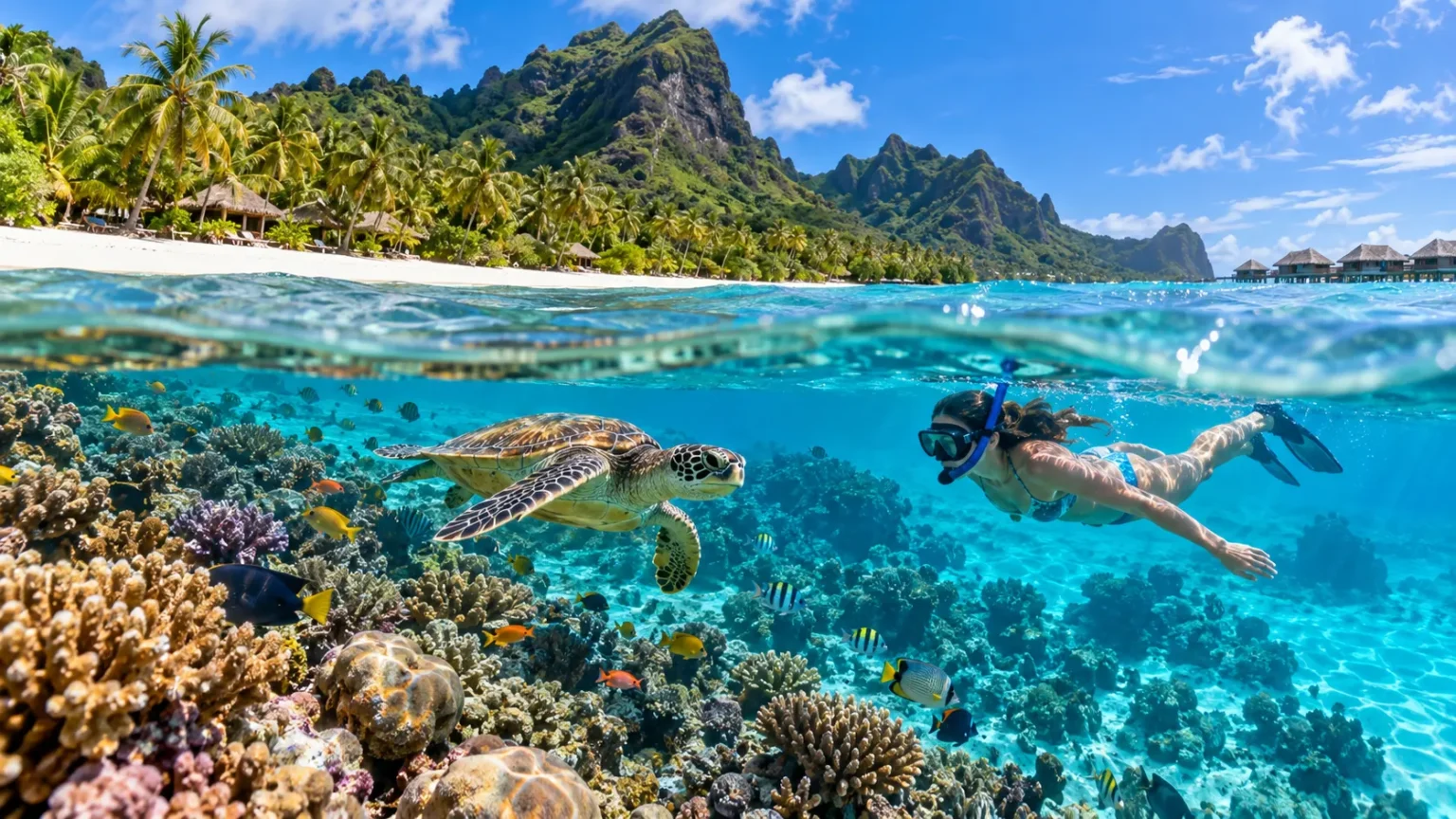
The Great Barrier Reef is one of the world’s most recognizable snorkeling destinations, offering enormous stretches of coral reef along Australia’s Queensland coast. Snorkelers can explore shallow coral gardens filled with colorful fish, giant clams, rays, and other marine life. Its huge size means experiences range from beginner-friendly pontoons to quieter reefs reached through organized boat excursions.
Cairns and Port Douglas are popular starting points because numerous operators run day trips to outer reef locations. Travelers can also explore islands and reef areas farther south, depending on their itinerary and comfort level. Visibility, currents, and sea conditions vary, so choosing a snorkeling trip suited to your swimming ability can make the experience safer and more enjoyable.
Responsible snorkeling is particularly important around delicate coral ecosystems. Avoid standing on coral, chasing wildlife, or collecting shells and marine organisms during your visit. Using reef-conscious sun protection, listening to local guides, and maintaining comfortable distances from animals allows you to enjoy the underwater scenery while minimizing unnecessary disturbance to the reef environment.
Maldives
The Maldives combines tropical islands, warm-looking lagoons, and extensive reef systems, making snorkeling one of the most accessible activities for many visitors. Numerous islands have house reefs that can be reached directly from the beach, while boat trips provide access to additional snorkeling areas. Tropical fish, sea turtles, rays, and reef sharks are among the marine animals travelers may encounter.
Choosing the right island can make a significant difference to the snorkeling experience. Some resorts and local islands have nearby coral reefs, while others are surrounded mainly by sandy lagoons and require boat excursions for stronger reef experiences. Travelers who prioritize snorkeling should therefore research house-reef accessibility rather than selecting accommodation based entirely on the beach or room style.
Conditions can change throughout the year because wind, rainfall, currents, and plankton levels affect underwater visibility. Certain areas are also known for seasonal gatherings of manta rays or whale sharks, although wildlife encounters can never be guaranteed. Following local guides is especially important around larger marine animals because responsible distances protect both swimmers and wildlife.
Raja Ampat, Indonesia
Raja Ampat is an extraordinary choice for travelers who want snorkeling surrounded by exceptional marine biodiversity. Located in eastern Indonesia, the archipelago features coral reefs, limestone islands, sheltered bays, and clear tropical waters. Even relatively shallow areas can contain impressive coral formations and large numbers of reef fish, making snorkeling rewarding without requiring scuba-diving certification.
Different islands and channels offer different underwater experiences, from calm coral gardens to areas influenced by stronger currents. Snorkelers may encounter schools of colorful fish, sea turtles, reef sharks, rays, and many smaller reef species. Because water movement can vary substantially between locations, local guides are valuable for matching each snorkeling site to weather, tides, and swimming ability.
Reaching Raja Ampat generally requires more planning than visiting a mainstream resort destination, but that remoteness is part of its appeal. Accommodation ranges from locally operated homestays to specialized dive resorts, while boat transfers connect many snorkeling locations. Travelers should prioritize responsible operators and avoid touching coral, feeding wildlife, or disturbing sensitive reef environments.
Bonaire, Caribbean Netherlands
Bonaire has earned a strong reputation among underwater travelers because reefs are accessible from numerous points around the island. Unlike destinations where nearly every snorkeling session requires an organized boat tour, Bonaire provides opportunities for independent shore-based exploration in suitable locations. This flexibility appeals to travelers who want to spend several days discovering different reefs at their own pace.
The island’s waters support tropical reef fish, coral formations, sea turtles, and many smaller marine species. Some snorkeling areas begin relatively close to shore, allowing confident swimmers to explore without spending hours traveling by boat. Entry conditions still vary, however, so rocky coastlines, waves, currents, and individual swimming ability should always be considered before entering the water.
Marine conservation plays an important role in Bonaire’s identity, and visitors should follow current local rules for protected waters. Good snorkeling habits include controlling your fins carefully, keeping equipment away from coral, and never removing anything from the reef. A relaxed pace often provides better wildlife encounters because marine animals behave more naturally when swimmers avoid chasing them.
Maui, Hawaii
Maui offers a combination of accessible beaches, volcanic coastlines, and varied marine habitats that make snorkeling popular with beginners and experienced swimmers. Many travelers look for sheltered bays where water conditions are calmer and marine life can be observed relatively close to shore. Sea turtles and numerous tropical reef fish are among the creatures commonly associated with Hawaiian snorkeling experiences.
Molokini is another well-known snorkeling option near Maui and is typically reached by boat. Its partially submerged volcanic crater creates a distinctive setting, although the quality of any excursion depends heavily on weather and ocean conditions. Shore locations can be equally rewarding on suitable days, making it worthwhile to balance famous excursions with carefully chosen beach snorkeling.
Ocean safety should remain a priority even when the water appears calm from the beach. Swells, currents, wind, and changing visibility can quickly alter snorkeling conditions around Hawaiian islands. Check local warnings before entering, avoid snorkeling alone, and choose protected areas appropriate for your experience rather than entering rough water simply because a location is popular online.
Cozumel, Mexico
Cozumel is one of Mexico’s classic destinations for snorkeling and diving, thanks to its clear Caribbean setting and extensive reef environment. Located off the Yucatán Peninsula, the island gives visitors access to coral formations, tropical fish, rays, sea turtles, and other marine life. Many snorkeling excursions explore reefs along the western side, where numerous marine activities are concentrated.
Boat tours allow visitors to reach offshore reefs, while selected coastal areas provide simpler snorkeling experiences closer to land. Currents are an important factor around Cozumel, so conditions may be better suited to guided drift snorkeling in certain locations. Beginners should communicate their experience level before excursions so guides can recommend appropriate flotation equipment and snorkeling sites.
Cozumel can also fit easily into a broader Mexican Caribbean vacation. Travelers can combine underwater activities with beaches, island sightseeing, local food, and nearby mainland destinations rather than building the entire trip around snorkeling. This variety makes the island particularly appealing to couples or families whose members have different interests and comfort levels in the water.
Belize Barrier Reef, Belize
Belize offers remarkable snorkeling opportunities along a vast Caribbean reef system filled with coral formations and diverse marine habitats. Popular excursions depart from island destinations such as Ambergris Caye and Caye Caulker, where travelers can quickly reach shallow reef areas. Tropical fish, rays, sea turtles, and sharks may be encountered depending on the location and conditions.
Hol Chan Marine Reserve is particularly popular because relatively shallow water allows snorkelers to observe marine life without needing advanced diving skills. Nearby areas can offer different wildlife experiences, creating convenient half-day or full-day snorkeling itineraries. Guided trips are valuable because boat operators understand local currents, protected zones, wildlife regulations, and the safest places to enter the water.
Belize works especially well for travelers who want to combine snorkeling with a relaxed island atmosphere. Days can alternate between reef excursions, beaches, kayaking, local dining, and mainland adventures. Because popular snorkeling areas receive many visitors, choosing responsible operators and following marine-reserve rules helps reduce the impact of tourism on sensitive underwater habitats.
Galápagos Islands, Ecuador
The Galápagos Islands provide a snorkeling experience that feels very different from a typical tropical reef vacation. Travelers visit primarily for extraordinary wildlife, and snorkeling creates opportunities to observe animals from an entirely new perspective. Depending on location and season, encounters may include sea turtles, rays, playful sea lions, reef fish, marine iguanas, and other distinctive species.
Water temperatures and conditions can vary considerably between islands and throughout the year. Some sites have stronger currents or cooler water than travelers expect from an equatorial destination, so wetsuits may be useful or provided during certain excursions. Guided itineraries help visitors reach appropriate locations while respecting the strict conservation measures associated with this sensitive island ecosystem.
The Galápagos suits travelers who value wildlife encounters more than postcard-style coral gardens. A typical trip combines snorkeling with hiking, wildlife observation, boat journeys, and visits to different islands or visitor sites. Because animals are protected and human interaction is carefully controlled, maintaining distance and following naturalist instructions are essential parts of the experience.
Red Sea, Egypt
Egypt’s Red Sea coast offers excellent snorkeling with warm-weather appeal, clear-looking water, and extensive coral reef environments. Resort areas around Sharm El Sheikh, Marsa Alam, and Hurghada provide access to numerous underwater excursions. Many locations contain colorful reef fish and dramatic coral structures, making the region attractive to travelers who want snorkeling alongside a traditional resort holiday.
Some hotels have reefs accessible from beaches, jetties, or designated entry points, while other locations are best explored through boat trips. Choosing accommodation with convenient reef access can be particularly useful for travelers who want to snorkel repeatedly rather than booking a separate excursion every day. Conditions should always be checked locally because wind and waves can change quickly.
The Red Sea is also a practical choice for mixed-interest trips because visitors can combine marine activities with beaches, desert experiences, and Egypt’s wider cultural attractions. When snorkeling, avoid standing on coral or entering restricted areas even if the reef appears shallow. Following marked access points helps protect coral while reducing the risk of accidental injuries.
Palawan, Philippines
Palawan combines dramatic limestone scenery, tropical islands, lagoons, and clear coastal waters, giving travelers plenty of opportunities to add snorkeling to an island-hopping trip. El Nido and Coron are two widely visited bases where organized boat tours include beaches, lagoons, and underwater stops. Reef fish, coral areas, and other marine life can be seen at suitable snorkeling locations.
The experience here is often about variety rather than spending an entire vacation at a single reef. A typical island-hopping day might involve swimming in a lagoon, snorkeling near coral, relaxing on a beach, and traveling between small islands by boat. This makes Palawan attractive to people who enjoy active sightseeing as much as exploring beneath the water.
Popular routes can become busy, so choosing smaller-group excursions or less crowded schedules may create a more relaxed experience. Travelers should also avoid walking on shallow coral or leaving waste on remote beaches. Dry bags, reusable water containers, sun protection, and properly fitted snorkeling equipment make longer island-hopping days more comfortable and practical.
How to Choose the Best Snorkeling Destination for Your Trip
Start by considering your swimming confidence and the kind of snorkeling experience you actually want. Beginners may prefer sheltered lagoons and easy shore access, while experienced swimmers might enjoy boat-based reefs or locations with stronger currents. Marine-life interests matter too, because a traveler hoping for colorful coral gardens may choose differently from someone primarily interested in turtles, rays, or larger animals.
Budget and travel time should also influence the decision. Remote locations such as Raja Ampat may require multiple transfers, while destinations such as Cozumel or major Red Sea resorts can be easier to incorporate into a conventional vacation. If your wider itinerary extends through Asia, this South Korea travel guide can also help you plan additional destinations and experiences beyond tropical islands.
Finally, research seasonal conditions before booking because visibility, rainfall, wind, water temperature, and wildlife activity can change during the year. Avoid choosing a destination based only on highly edited underwater photographs. Matching the destination to your travel dates, swimming ability, accommodation preferences, and other vacation interests gives you a much better chance of enjoying the overall trip.
Conclusion
The best places to snorkel worldwide offer far more than clear water and colorful fish. Destinations such as the Great Barrier Reef, Maldives, Raja Ampat, Bonaire, Maui, Cozumel, Belize, the Galápagos, Egypt’s Red Sea, and Palawan each provide a different combination of reefs, wildlife, landscapes, and travel experiences.
Choosing between them depends on what you value most. Easy shore snorkeling may matter more to some travelers, while others are willing to take boat trips or travel to remote islands for unusual marine encounters. Budget, season, swimming confidence, accessibility, and the activities available outside the water should all influence your final itinerary.
Wherever you travel, responsible snorkeling makes the experience better for both visitors and marine ecosystems. Keep your distance from wildlife, never stand on coral, follow local rules, and pay attention to ocean conditions. With thoughtful planning, snorkeling can become one of the most memorable ways to experience the natural beauty of a destination.
FAQs
What is the best place in the world for snorkeling?
There is no single best destination for everyone. The Great Barrier Reef, Maldives, Raja Ampat, Bonaire, and Belize are all outstanding choices, depending on your preferred marine life, budget, accessibility, and swimming experience.
Where is the clearest water for snorkeling?
Many tropical destinations can offer excellent underwater visibility, including the Maldives, Bonaire, Cozumel, and parts of the Red Sea. Actual clarity changes with weather, currents, rainfall, plankton, tides, and seasonal conditions.
What is the best snorkeling destination for beginners?
Sheltered lagoons, calm bays, and easily accessible house reefs are generally better for beginners. Parts of the Maldives, Bonaire, Maui, and resort areas around the Red Sea can provide beginner-friendly options when local conditions are suitable.
What should I bring on a snorkeling trip?
Bring a properly fitting mask, snorkel, comfortable fins, sun protection, drinking water, and a lightweight rash guard. A flotation vest can also provide additional confidence for less experienced swimmers or longer snorkeling sessions.
Is snorkeling safe for people who cannot swim well?
Weak swimmers should use appropriate flotation equipment and stay in calm, supervised areas with experienced guides. Snorkeling still involves open-water risks, so anyone uncomfortable in the water should avoid deep, rough, or current-exposed locations.