




South Korea combines futuristic cities, royal palaces, mountain landscapes, beautiful islands, lively markets, traditional neighborhoods, and a food culture that makes every trip feel different. Travelers can spend the morning exploring centuries-old architecture and the evening surrounded by skyscrapers, cafés, shopping districts, and neon-lit streets.
Whether you are visiting Seoul for the first time, relaxing beside the coast in Busan, hiking on Jeju Island, or discovering historic Gyeongju, the country offers plenty to explore. This South Korea travel guide covers the best things to do and see, along with practical tips for building an enjoyable and realistic itinerary.
Why South Korea Is Worth Visiting
South Korea is particularly appealing because modern life and traditional culture exist closely together. Major cities offer efficient public transport, contemporary architecture, shopping districts, entertainment, and endless dining options. At the same time, historic palaces, temples, traditional houses, markets, and seasonal festivals provide opportunities to experience parts of Korean history and heritage throughout the same journey.
The country’s relatively compact size also makes it possible to experience several different destinations without spending most of your holiday traveling. High-speed trains and extensive public transportation connect major urban areas, while domestic flights make island destinations accessible. You can comfortably combine busy city sightseeing, historical attractions, coastal scenery, hiking, and food experiences during one carefully planned trip.
Food is another reason many travelers fall in love with South Korea. Korean barbecue, bibimbap, fried chicken, tteokbokki, noodles, seafood, dumplings, and countless side dishes provide plenty of variety. Traditional markets and neighborhood restaurants can be just as memorable as famous tourist attractions, especially when you allow enough time to explore beyond the busiest shopping areas.
Explore Seoul’s Palaces and Traditional Neighborhoods
Seoul is an ideal starting point for first-time visitors because it combines many of South Korea’s most recognizable experiences. Historic royal palaces, traditional neighborhoods, modern business districts, shopping streets, parks, markets, and mountains all exist within one enormous city. Spending several days here allows you to explore without trying to squeeze every major attraction into a single exhausting schedule.
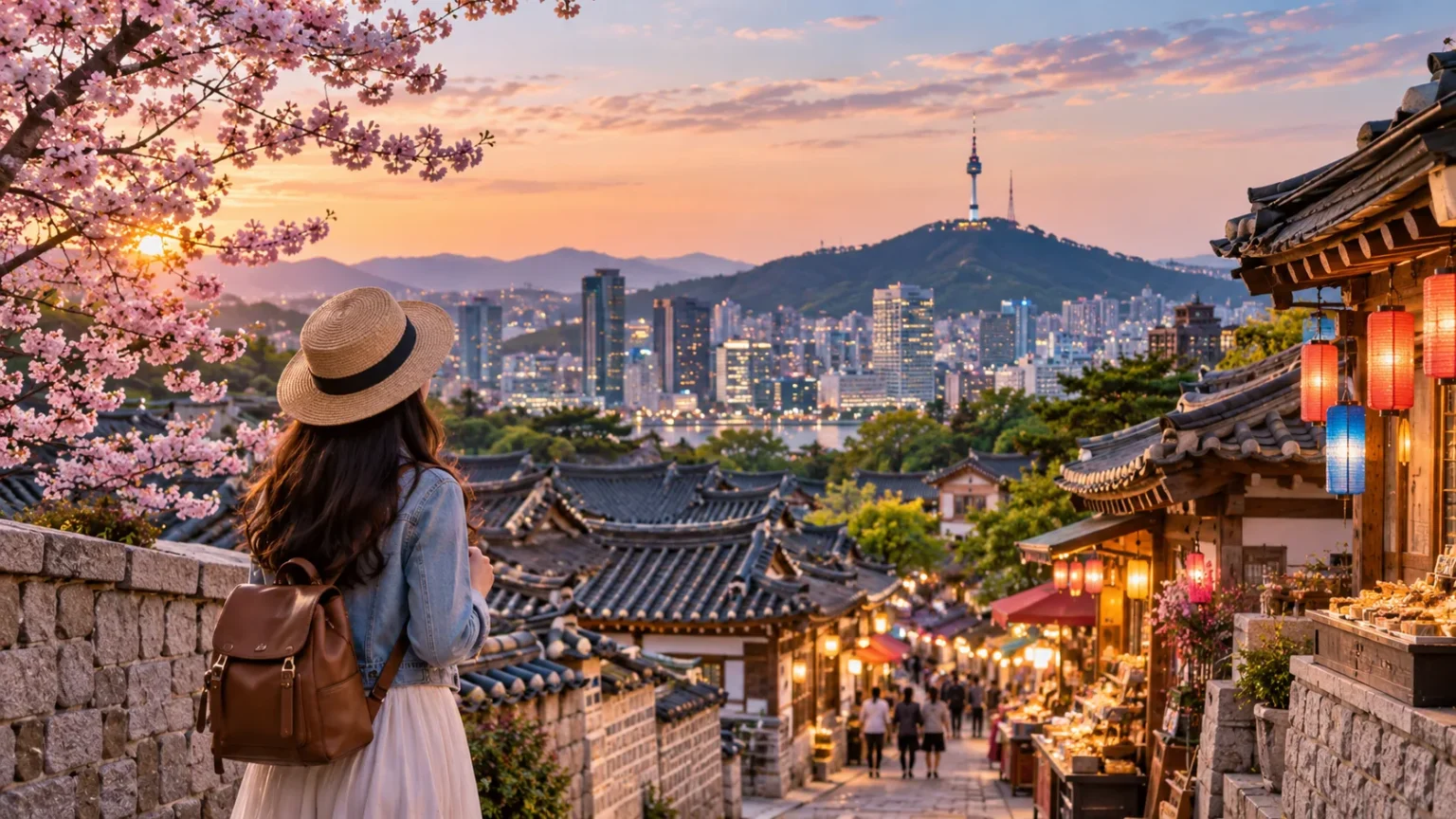
Gyeongbokgung Palace is one of Seoul’s most popular historic attractions and provides a memorable introduction to traditional Korean architecture. Nearby areas make it easy to continue exploring older parts of the city, including hanok neighborhoods where traditional-style houses line narrow streets. Visiting earlier in the day can provide a calmer atmosphere before the busiest sightseeing periods begin.
Areas such as Insadong offer traditional crafts, tea shops, souvenirs, galleries, and restaurants, while nearby districts provide a more contemporary café and shopping experience. Walking between different neighborhoods helps reveal how quickly Seoul’s atmosphere can change. One moment you may be surrounded by historic buildings, while shortly afterward you are standing beside modern towers and crowded commercial streets.
Experience Modern Seoul After Dark
Seoul becomes especially energetic after sunset, when shopping streets, restaurants, entertainment districts, and illuminated buildings come alive. Myeongdong is popular with visitors interested in shopping, cosmetics, cafés, and street food. Other neighborhoods provide nightlife, restaurants, music, creative spaces, and late-night dining that can continue well beyond the hours tourists might expect elsewhere.
For sweeping views of the capital, elevated viewpoints around Namsan provide a different perspective on Seoul’s size. Watching city lights stretch across the surrounding neighborhoods can be particularly memorable after a full day of sightseeing. Evening walks along urban waterways, plazas, or busy shopping streets are another enjoyable way to experience the city’s atmosphere without following a strict attraction checklist.
Seoul’s café culture is also worth exploring at a slower pace. Coffee shops range from simple neighborhood cafés to highly designed spaces with unusual themes, desserts, rooftops, and creative interiors. Building time for spontaneous café stops can make your itinerary more enjoyable, especially when you need a break from long days of walking between museums, markets, palaces, and shopping areas.
Visit Busan for Beaches, Seafood, and Coastal Views
Busan offers a noticeably different experience from Seoul, with mountains meeting the sea and neighborhoods spreading along an attractive coastline. Travelers come for beaches, seafood markets, temples, hillside communities, and a more relaxed coastal atmosphere. It works particularly well as a second major destination after spending several busy days exploring the capital.
Haeundae is one of Busan’s best-known beach areas and provides easy access to restaurants, cafés, walking routes, and ocean views. The city also has several other coastal areas that feel quieter or more scenic depending on your preferences. Walking beside the water around sunset can be one of the simplest and most enjoyable experiences during a Busan visit.
Food should also be part of your Busan itinerary. The city’s coastal location makes seafood especially prominent, while markets give visitors an opportunity to experience local ingredients and everyday dining culture. Instead of rushing between attractions, spend time exploring neighborhoods, waterfront areas, cafés, and restaurants to appreciate why Busan feels different from South Korea’s capital.
Discover the Natural Beauty of Jeju Island
Jeju Island is a popular choice for travelers who want to add volcanic landscapes, beaches, waterfalls, hiking, and countryside scenery to their South Korea itinerary. The island feels different from the major mainland cities and encourages a slower style of travel. Renting appropriate transportation or carefully planning local routes can help because attractions are spread across different areas.
Hiking is one of Jeju’s major attractions. Trails range from relatively gentle coastal walks to more demanding mountain routes, allowing travelers with different fitness levels to enjoy the landscape. Volcanic formations, cliffs, green countryside, and ocean viewpoints create plenty of opportunities for outdoor exploration, particularly when weather conditions are comfortable.
Jeju is also an excellent place to slow down after several busy sightseeing days. Beach areas, local cafés, seafood restaurants, gardens, and scenic roads make it easy to build an itinerary that includes both activities and relaxation. Spending at least a few days on the island is generally more satisfying than arriving for a rushed overnight visit.
Step Into Korean History in Gyeongju
Gyeongju is one of South Korea’s most rewarding destinations for travelers interested in history and cultural heritage. Instead of focusing on skyscrapers and nightlife, the city offers ancient sites, traditional architecture, temples, tomb areas, and peaceful landscapes. It provides a strong contrast with Seoul and Busan while adding historical depth to a wider South Korea itinerary.
Exploring Gyeongju is often most enjoyable at an unhurried pace. Historic areas, parks, ponds, and architectural landmarks can be combined into walking or cycling routes depending on the weather. Evening illumination around selected cultural sites can create a completely different atmosphere from daytime sightseeing, making it worth staying beyond a short day trip when your schedule allows.
The surrounding region also includes important Buddhist heritage and scenic areas that reward travelers who enjoy combining history with nature. Comfortable walking shoes are useful because exploring cultural sites can involve significant time outdoors. Gyeongju works particularly well for travelers who want to understand more about Korea beyond contemporary entertainment, technology, shopping, and modern city life.
Eat Your Way Through South Korea
Food is an essential part of traveling in South Korea, and every destination provides new dishes and dining experiences. Korean barbecue is an obvious starting point, but the cuisine extends far beyond grilled meat. Bibimbap, kimchi jjigae, noodles, dumplings, rice dishes, soups, fried chicken, pancakes, and countless regional specialties make it easy to try something different every day.
Traditional markets are excellent places to discover casual Korean food. Street stalls may serve tteokbokki, hotteok, fried snacks, seafood, dumplings, and other quick meals that are ideal between sightseeing stops. Markets also offer an interesting look at everyday ingredients, local shopping habits, and the busy social atmosphere surrounding food in many Korean cities.
Do not worry if you are unfamiliar with Korean dining customs before arriving. Observe what other diners are doing, ask politely when you need help, and remain open to unfamiliar flavors and shared dishes. Learning basic food-related Korean words can also make ordering easier, especially when visiting smaller restaurants where English menus or explanations may be limited.
Experience Korean Culture Beyond the Main Attractions
South Korea’s culture is experienced not only through famous landmarks but also through everyday neighborhoods, cafés, markets, music, fashion, and social customs. Spending time simply walking around residential and commercial districts can reveal a side of the country that structured sightseeing misses. Convenience stores, bakeries, public parks, and local restaurants can become surprisingly memorable parts of the trip.
Travelers interested in Korean entertainment may enjoy exploring districts connected with music, fashion, beauty, television, or contemporary art. However, it is worth balancing modern pop-culture attractions with museums, traditional performances, crafts, historical neighborhoods, and cultural sites. Experiencing different sides of Korean culture creates a more complete picture than focusing entirely on one globally famous trend.
Basic Korean phrases can make daily interactions easier and show courtesy toward local people. You do not need to speak the language fluently to learn simple greetings, thank-you expressions, or transportation phrases. Translation applications can help with menus and signs, while a patient and respectful approach usually makes communication challenges much easier to handle.
Choose the Best Time to Visit South Korea
Spring is popular because temperatures are generally comfortable and seasonal flowers bring color to parks, streets, and countryside areas. Cherry blossoms are especially famous, although exact blooming periods vary by region and year. Popular locations can become crowded during peak flowering periods, so travelers seeking quieter experiences may prefer exploring lesser-known parks or neighborhoods.
Autumn is another attractive season because cooler temperatures and changing foliage make walking, hiking, and outdoor sightseeing enjoyable. Mountains and parks can become particularly scenic as leaves change color. This period works well for travelers who want to combine city exploration with hiking or cultural destinations without dealing with the hottest summer conditions.
Summer can be hot and humid, while winter brings colder temperatures and opportunities for seasonal experiences. The best time therefore depends on what you want to do rather than one universally perfect month. Check expected conditions for each destination before packing because weather can influence hiking, island activities, sightseeing comfort, and the amount of time you want to spend outdoors.
Getting Around South Korea
Public transportation is one of the easiest ways to explore major South Korean cities. Seoul and Busan have extensive subway and bus systems that connect most areas travelers are likely to visit. Using navigation applications designed for local transportation can make routes easier to understand, especially when several transfers are required between sightseeing destinations.
Intercity trains make traveling between major mainland destinations relatively straightforward. High-speed services can reduce travel time significantly, making combinations such as Seoul and Busan practical even during shorter holidays. Booking ahead can be sensible during busy weekends, public holidays, or popular travel periods when more people are moving between cities.
Jeju Island requires slightly different planning because attractions are spread across a wider area and rail travel is not available there. Buses, taxis, guided tours, and rental vehicles are common options depending on your confidence and itinerary. Planning attractions geographically can reduce unnecessary travel and give you more time to enjoy each stop rather than spending hours moving back and forth.
How to Plan a South Korea Itinerary
For a first trip, seven to ten days can provide a useful introduction if you limit the number of destinations. Seoul deserves several days because the city contains enough neighborhoods, cultural attractions, markets, and food experiences to fill an entire holiday. Adding Busan or Gyeongju can then introduce a different landscape and atmosphere without making the itinerary excessively complicated.
Travelers with around two weeks can consider combining Seoul, Gyeongju, Busan, and Jeju Island. Avoid scheduling major transfers every day, because constantly checking out of hotels can quickly make an exciting trip feel tiring. Including slower mornings or open afternoons gives you flexibility for unexpected discoveries, bad weather, longer meals, or attractions you decide to revisit.
South Korea can also be part of a wider travel bucket list covering completely different landscapes and cultures. If you are planning another international adventure, this Brazil travel guide offers inspiration for beaches, rainforests, cities, and waterfalls. Comparing destinations can help you decide whether your next trip should focus on Asian culture, tropical nature, or a completely different style of experience.
Practical Tips for Your South Korea Trip
Comfortable shoes should be near the top of your packing list because sightseeing often involves considerably more walking than expected. Subway stations, palace grounds, traditional neighborhoods, markets, shopping areas, and hiking routes can quickly add thousands of steps to your day. Dressing in layers can also be useful during seasons when temperatures change noticeably between mornings, afternoons, and evenings.
Mobile connectivity can make navigation and translation much easier. Reliable internet access helps with public transportation, restaurant searches, digital maps, opening times, and communicating when language differences become difficult. Keeping a portable battery pack available is also useful because frequent navigation, photography, translation, and ticket applications can drain a phone surprisingly quickly.
Finally, leave room for unplanned experiences. Some of the best travel memories may come from discovering a neighborhood restaurant, finding an unexpected café, walking through a quiet park, or staying longer at a market you originally planned to visit briefly. A flexible itinerary allows South Korea to feel like somewhere you are experiencing rather than simply completing.
Conclusion
South Korea offers an appealing combination of modern cities, traditional culture, historic landmarks, mountains, beaches, islands, markets, and memorable food. Seoul provides an energetic introduction, while Busan adds coastal scenery, Gyeongju brings history, and Jeju Island offers a refreshing change of pace surrounded by nature.
The best South Korea itinerary does not need to include every famous attraction. Choosing a few destinations and spending enough time in each one often creates a more enjoyable trip than constantly moving around. Combine major sights with local neighborhoods, markets, restaurants, cafés, and slower periods where you can experience everyday Korean life.
Whether your interests include Korean cuisine, history, shopping, hiking, culture, entertainment, or photography, South Korea provides plenty of variety. Plan transportation carefully, prepare for seasonal weather, and remain flexible once you arrive. A thoughtful itinerary can help you experience both the famous highlights and the smaller moments that make a trip memorable.
FAQs
How many days are enough for South Korea?
Seven to ten days can provide a good first introduction to South Korea, particularly if you focus on Seoul and one or two additional destinations. Around two weeks allows for a more relaxed multi-city itinerary.
What are the best places to visit in South Korea?
Popular choices include Seoul, Busan, Jeju Island, and Gyeongju. Each offers something different, ranging from modern city life and historic attractions to beaches, coastal scenery, hiking, and cultural experiences.
Is South Korea easy for first-time travelers?
South Korea can be relatively straightforward to explore thanks to extensive public transportation and strong infrastructure. Navigation and translation apps can make transportation, restaurants, directions, and everyday communication considerably easier for international visitors.
What food should I try in South Korea?
Try Korean barbecue, bibimbap, tteokbokki, kimchi jjigae, dumplings, fried chicken, noodles, and regional specialties. Traditional markets are also excellent places to discover affordable street food and casual local dishes.
What is the best season to visit South Korea?
Spring and autumn are popular because temperatures are often comfortable for sightseeing and outdoor activities. Summer and winter provide different seasonal experiences, so the best period depends on your preferred activities and weather.