





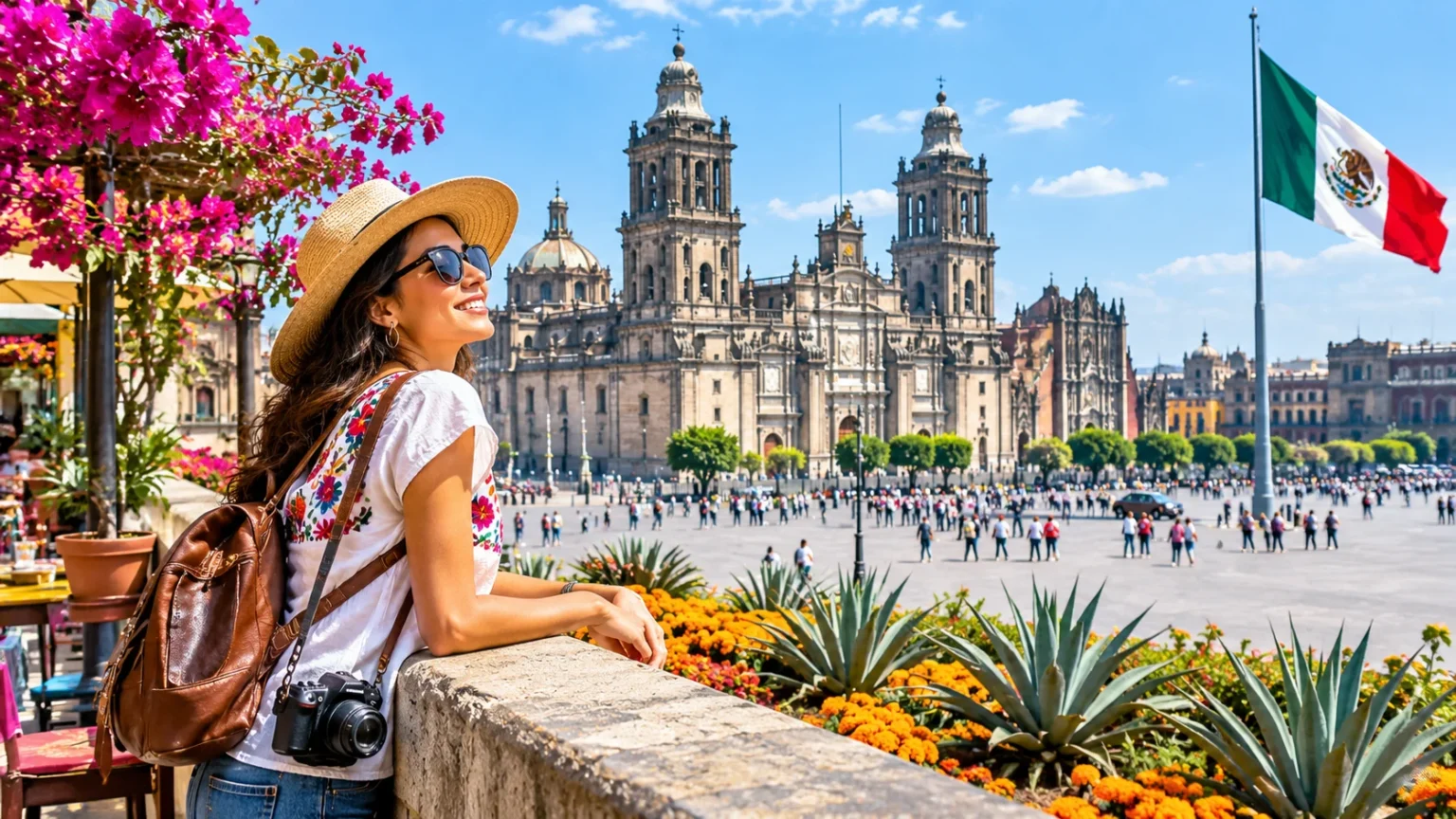
Mexico City is a vibrant destination filled with fascinating history, colorful neighborhoods, delicious food, and unforgettable cultural experiences. Whether you enjoy exploring ancient ruins, visiting museums, or discovering hidden local favorites, the Mexican capital offers something for every traveler. If you’re wondering what to do in Mexico City, this guide covers popular attractions, memorable activities, and practical travel tips to help you explore with confidence.
Explore the Historic Zócalo and Mexico City’s Famous Landmarks
The Zócalo, officially known as Plaza de la Constitución, is one of the best places to visit in Mexico City. This enormous public square sits at the heart of the Historic Center and connects several important landmarks. Visitors can admire impressive colonial architecture, watch street performers, and experience the lively atmosphere that makes this historic gathering place special.
The Metropolitan Cathedral stands beside the square and attracts visitors with its grand design and centuries of history. Nearby, the National Palace represents an important part of Mexico’s political and cultural heritage. Walking through the surrounding streets reveals traditional shops, historic buildings, and small restaurants where visitors can experience local flavors.
Another essential attraction is the Templo Mayor, an archaeological site containing remains of the ancient Mexica capital, Tenochtitlan. Its museum displays artifacts that explain the city’s fascinating pre-Hispanic history and cultural traditions. Exploring these landmarks together provides an excellent introduction to Mexico City’s past while keeping several major attractions within a convenient walking distance.
Discover Art and Architecture at Palacio de Bellas Artes
Palacio de Bellas Artes is among the most recognizable cultural attractions in Mexico City, thanks to its beautiful marble exterior and distinctive dome. The building serves as an important center for Mexican art, music, and performance. Visitors often stop outside to admire its architecture before exploring the impressive exhibitions and artistic treasures displayed inside.
The palace contains remarkable murals created by influential Mexican artists, including Diego Rivera and David Alfaro Siqueiros. These artworks explore important moments in the country’s history, society, and cultural identity. Depending on the schedule, visitors may also experience traditional dance performances, concerts, or other artistic events in the building’s magnificent theater.
Just outside the palace, Alameda Central provides a relaxing green space surrounded by historic monuments and pedestrian pathways. The park is ideal for taking photographs, enjoying a short walk, or resting between sightseeing activities. Combining Bellas Artes with Alameda Central creates an enjoyable cultural experience without requiring extensive travel across the city.
Relax in Chapultepec Park and Visit Its Historic Castle
Chapultepec Park is one of Mexico City’s most popular outdoor attractions and an excellent destination for travelers seeking nature and history. This enormous urban park features green spaces, museums, walking paths, and recreational areas. Visitors can spend several hours exploring its different sections while enjoying a peaceful break from the surrounding streets.
Chapultepec Castle stands on a hill overlooking the park and offers impressive views of Mexico City’s skyline. The historic building once served as an imperial residence and now houses the National Museum of History. Its elegant rooms, decorative interiors, and historical exhibitions provide insight into important events that shaped Mexico’s development.
Exploring Chapultepec is especially enjoyable for families, couples, and travelers who appreciate outdoor activities. Comfortable walking shoes are helpful because some pathways are long, and reaching the castle involves an uphill walk. Planning a relaxed visit allows enough time to appreciate the surrounding gardens, photograph the architecture, and enjoy the park’s atmosphere.
Visit the National Museum of Anthropology
The National Museum of Anthropology is one of the most important museums in Mexico City and a must-visit attraction for history enthusiasts. Located near Chapultepec Park, it presents the rich heritage of Mexico’s Indigenous civilizations. Its extensive collections feature sculptures, archaeological discoveries, traditional objects, and exhibits that explain the country’s ancient cultures.
One of the museum’s most famous displays is the Aztec Sun Stone, an extraordinary sculpture associated with Mexica cosmology. Other galleries explore civilizations such as the Maya, Olmec, and Teotihuacan cultures. Each exhibition offers a deeper understanding of the artistic achievements, beliefs, and social traditions that influenced Mexico’s history.
The museum’s spacious galleries and distinctive architecture make the experience rewarding even for visitors unfamiliar with archaeology. Spending several hours here allows travelers to explore the collections without feeling rushed. It is particularly useful to visit before exploring archaeological sites because the exhibits provide valuable historical context for the monuments and ruins.
Experience the Charm of Coyoacán and Frida Kahlo’s House
Coyoacán is a charming neighborhood known for its colorful streets, traditional buildings, and relaxed atmosphere. Located in southern Mexico City, the area feels different from the busy commercial districts. Visitors can explore attractive plazas, browse independent shops, and enjoy local snacks while discovering the neighborhood’s fascinating artistic and cultural history.
The Frida Kahlo Museum, commonly called Casa Azul, is one of Coyoacán’s most popular attractions. This famous blue house preserves personal belongings, artworks, and spaces associated with the celebrated Mexican painter. Visiting the museum offers an intimate look at her life and creative environment, although booking tickets ahead is strongly recommended.
After exploring Casa Azul, spend time around Jardín Centenario, a welcoming public square filled with local activity. Nearby streets feature cafés, restaurants, and small shops selling traditional crafts and souvenirs. Coyoacán is particularly enjoyable for travelers who prefer discovering Mexico City’s local character at a slower, more comfortable pace.
Walk Through Roma and Condesa Like a Local
Roma and Condesa are two of the best neighborhoods in Mexico City for travelers interested in food, architecture, and everyday local life. Their attractive streets feature historic buildings, independent boutiques, creative businesses, and welcoming cafés. Walking through these neighborhoods provides a different perspective on the city beyond its major museums and monuments.
Roma is especially popular for its artistic atmosphere, contemporary restaurants, and beautiful early twentieth-century architecture. Visitors can explore Plaza Río de Janeiro, browse bookstores, or discover small galleries displaying work by local artists. The neighborhood also offers inviting coffee shops where travelers can relax while enjoying the surrounding street life.
Condesa is known for its tree-lined avenues, comfortable walking areas, and charming green spaces such as Parque México. The park is a favorite gathering place for residents who enjoy outdoor activities and socializing. Exploring Roma and Condesa together creates an excellent afternoon of relaxed sightseeing, neighborhood photography, and discovering independent local businesses.
Take a Colorful Boat Ride Through Xochimilco
Xochimilco offers one of the most distinctive cultural experiences in Mexico City through its historic canal network and colorful wooden boats. These traditional vessels, called trajineras, carry visitors along waterways connected to the region’s ancient agricultural landscape. The experience combines beautiful scenery, local traditions, and a fascinating connection to Mexico City’s history.
Visitors can begin their journey at an established pier, such as Embarcadero Nativitas, and arrange a boat ride through the canals. During the trip, they may encounter traditional music, floating food vendors, and other decorated boats. The peaceful waterways create opportunities to appreciate the surrounding environment while learning about the region’s remarkable chinampa farming system.
Xochimilco is enjoyable for groups, families, and travelers searching for memorable activities outside the central tourist districts. Before boarding, confirm the official rental price, route, and duration to avoid misunderstandings. Choosing a daytime visit and respecting the delicate canal ecosystem helps create a comfortable and responsible experience for everyone.
Taste Authentic Mexican Food and Street Favorites
Exploring Mexico City’s food scene is one of the most rewarding activities for visitors who want to understand local culture. Traditional dishes appear everywhere, from neighborhood markets to small family-run restaurants. Tacos, tamales, quesadillas, and freshly prepared tortillas showcase the variety of ingredients and cooking methods that make Mexican cuisine so distinctive.
Street food is especially popular because it offers affordable meals and opportunities to experience everyday dining traditions. Travelers can try tacos al pastor, filled with seasoned pork, or sample tlacoyos made from thick corn masa. Freshly prepared salsas, vegetables, and traditional toppings add different flavors, allowing visitors to discover their favorite combinations.
For a more relaxed experience, visit a neighborhood café or traditional restaurant and explore regional specialties. Pozole, chilaquiles, and mole dishes introduce different aspects of Mexican cooking beyond familiar street foods. Choosing busy, clean-looking stalls and freshly cooked meals can make the culinary experience more comfortable, especially for first-time international visitors.
Shop at Traditional Markets and Discover Local Crafts
Mexico City’s traditional markets are excellent places to explore local shopping culture and discover handmade products. Mercado de la Ciudadela is particularly popular for Mexican handicrafts, colorful textiles, ceramics, and decorative objects. Visitors can browse stalls featuring regional designs while finding meaningful souvenirs that reflect the country’s creative traditions.
Mercado de Coyoacán provides another enjoyable shopping experience, combining food vendors with traditional products and everyday market activity. Travelers can explore the different sections, sample local dishes, and discover small items made by regional artisans. Visiting during less crowded periods makes it easier to browse comfortably and appreciate the market’s atmosphere.
Markets offer more than shopping because they provide opportunities to observe the city’s daily routines and cultural traditions. Asking about the origin of handmade products can make purchases more meaningful and help support local craftsmanship. Carrying smaller cash denominations is convenient, although payment options vary between vendors and individual market stalls.
Explore Polanco’s Modern Museums and Stylish Streets
Polanco presents a modern side of Mexico City through its attractive avenues, contemporary architecture, and impressive cultural institutions. The neighborhood is known for stylish shops, landscaped streets, and a diverse restaurant scene. Visitors interested in modern art, design, or architecture can spend an enjoyable afternoon exploring its museums and nearby attractions.
Museo Soumaya is one of the area’s most recognizable landmarks because of its striking curved exterior and extensive art collection. The museum displays works from different historical periods, including European and Mexican artistic traditions. Its unusual architecture makes the building a memorable attraction even before visitors enter the exhibition spaces.
The nearby Museo Jumex focuses on modern and contemporary art, offering another interesting experience for culture enthusiasts. Exploring these museums together allows visitors to appreciate different artistic styles within a relatively compact district. Polanco also provides comfortable spaces for walking, dining, and enjoying the sophisticated atmosphere of this distinctive Mexico City neighborhood.
Take a Day Trip to the Ancient Pyramids of Teotihuacan
Teotihuacan is one of the most impressive archaeological destinations near Mexico City and an excellent choice for a day trip. Located northeast of the capital, the ancient city contains enormous pyramids, ceremonial structures, and historic avenues. Exploring the site provides an unforgettable opportunity to appreciate the achievements of an influential Mesoamerican civilization.
The Pyramid of the Sun and Pyramid of the Moon are among the site’s most recognizable monuments. Visitors can walk along the Avenue of the Dead and observe the scale of the surrounding archaeological complex. The impressive structures reveal aspects of ancient urban planning, religious traditions, and architectural techniques that continue to interest historians.
Travelers should plan enough time for transportation and exploration because the archaeological zone covers a substantial area. Visiting earlier in the day can make outdoor walking more comfortable, particularly during warmer weather. Bringing drinking water, wearing sun protection, and following site restrictions are important steps for enjoying this remarkable destination responsibly.
Enjoy Mexico City’s Music, Entertainment, and Evening Atmosphere
Mexico City offers exciting cultural activities after a day of sightseeing, including traditional music and live entertainment. Plaza Garibaldi is famous for its connection to mariachi music, an important part of Mexican cultural identity. Visitors may hear musicians performing traditional songs while experiencing the square’s lively atmosphere and long-standing musical traditions.
Another memorable experience is attending a lucha libre event at Arena México, where professional wrestlers entertain audiences with colorful costumes and theatrical athletic performances. These events provide a distinctive introduction to Mexican popular culture and local sporting traditions. Checking event schedules and purchasing tickets through authorized sellers helps visitors plan a convenient experience.
For travelers who prefer quieter evenings, the illuminated Historic Center and central neighborhood restaurants provide enjoyable alternatives. Popular public areas can become crowded, so remaining aware of personal belongings is important. Using reliable transportation after dark and choosing well-traveled locations allows visitors to experience more of Mexico City’s evening atmosphere comfortably.
Conclusion
Mexico City offers an incredible combination of history, culture, food, and memorable activities for visitors with different interests. From exploring the Zócalo and Chapultepec Castle to discovering Coyoacán and Roma, every neighborhood reveals another side of the capital. Its museums, public spaces, and historic landmarks provide countless opportunities for enjoyable sightseeing and cultural exploration.
Travelers looking for unique experiences can enjoy traditional street food, shop at colorful markets, or cruise through the canals of Xochimilco. Those interested in ancient civilizations can explore Teotihuacan, while art enthusiasts will appreciate the city’s remarkable museums. Planning attractions by neighborhood helps reduce unnecessary travel and makes each sightseeing day more enjoyable.
Understanding what to do in Mexico City makes it easier to create a trip that balances popular landmarks with authentic local experiences. Whether visiting for a weekend or an extended vacation, leave time for relaxed exploration and unexpected discoveries. With thoughtful planning and an adventurous mindset, Mexico City can become one of your most memorable travel destinations.
Frequently Asked Questions (FAQs)
What Are the Best Things to Do in Mexico City?
The best activities include exploring the Zócalo, visiting Chapultepec Castle, discovering the National Museum of Anthropology, walking through Coyoacán, enjoying Mexican street food, and taking a traditional boat ride in Xochimilco.
How Many Days Do You Need in Mexico City?
Three to five days is a good starting point for exploring Mexico City’s main attractions. A longer visit allows time for museums, neighborhood experiences, food tours, and day trips to nearby archaeological sites.
Is Mexico City Expensive for Tourists?
Mexico City offers options for different travel budgets. Street food, public transportation, and free attractions can help control expenses, while accommodation, guided tours, upscale restaurants, and private transportation may cost considerably more.
What Is the Best Time to Visit Mexico City?
March through May often brings pleasant daytime weather, although conditions can vary. November through February is another popular period, while summer months generally experience more rainfall, particularly during afternoons and evenings.
Is Mexico City Safe for First-Time Visitors?
Many travelers enjoy Mexico City safely by taking normal urban precautions. Choose reputable transportation, protect valuables in crowded places, research neighborhoods before visiting, and remain aware of your surroundings, especially after dark.