





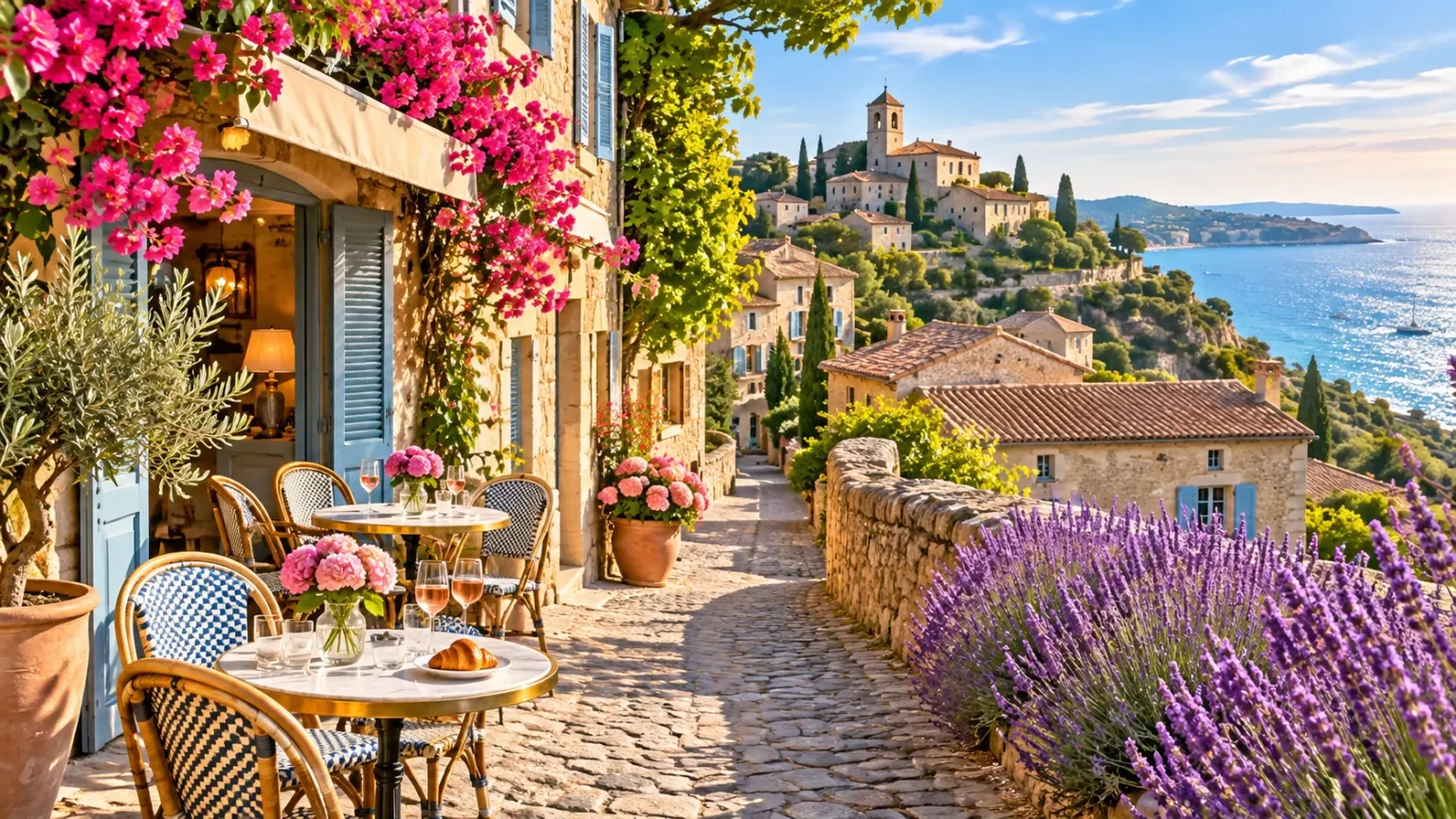
The South of France is famous for its beautiful Mediterranean beaches, colorful villages, scenic countryside, and relaxed lifestyle. From the glamorous French Riviera to the lavender fields of Provence, this region offers unforgettable experiences for travelers. Whether you love historic towns, coastal adventures, or peaceful countryside escapes, southern France has something special to explore.
Planning a trip to the South of France can feel overwhelming because there are so many wonderful destinations. You can wander through medieval streets, enjoy fresh local food, visit traditional markets, or relax beside turquoise waters. This guide explores dream towns, famous attractions, hidden gems, and practical travel tips to help you plan a memorable French getaway.
Why the South of France Is a Dream Travel Destination
The South of France attracts visitors with its beautiful combination of Mediterranean coastline, historic architecture, and countryside landscapes. Travelers can experience lively seaside cities and peaceful hilltop villages within the same region. The pleasant climate makes outdoor activities enjoyable during much of the year. Each destination offers its own atmosphere, giving visitors plenty of reasons to explore beyond popular tourist attractions.
One of the region’s greatest attractions is its variety of experiences. The French Riviera offers sparkling beaches, elegant promenades, and colorful coastal towns, while Provence features vineyards, olive groves, and traditional stone villages. Further west, Occitanie is known for medieval landmarks and picturesque countryside. These different landscapes make southern France appealing to travelers with many interests.
The region also celebrates a lifestyle centered around local food, outdoor markets, and relaxed gatherings. Visitors can enjoy fresh pastries, regional specialties, and charming cafés overlooking historic squares. Art galleries, traditional festivals, and centuries-old buildings add cultural depth to every journey. Exploring these everyday experiences often creates some of the most memorable moments of a South of France vacation.
Nice: The Perfect Starting Point on the French Riviera
Nice is one of the most popular destinations in the South of France and an excellent base for exploring the French Riviera. This lively coastal city combines Mediterranean scenery with beautiful architecture and a welcoming atmosphere. Visitors can walk along the famous Promenade des Anglais while enjoying sweeping sea views. Its convenient transport connections also make nearby towns easy to explore.
The Old Town of Nice, known as Vieux Nice, features narrow streets, colorful buildings, traditional shops, and inviting restaurants. Walking through this historic neighborhood reveals lively markets and charming public squares. Castle Hill offers impressive views over the coastline and city rooftops. Travelers interested in culture can also explore local museums, churches, and art collections throughout the city.
Nice offers a wide range of accommodation choices, from smaller guesthouses to luxury waterfront hotels. Its beaches are mainly pebbly, so comfortable beach footwear can make swimming more enjoyable. The city is also ideal for travelers who prefer exploring without renting a car. Regional trains connect Nice with several beautiful French Riviera destinations, including Antibes, Monaco, and Menton.
Menton: A Colorful Coastal Town Near Italy
Menton is a charming seaside destination located near the French-Italian border. Known for its pastel-colored buildings, lush gardens, and citrus-growing heritage, the town offers a distinctive Mediterranean atmosphere. Its beautiful waterfront provides wonderful views of the surrounding mountains and sea. Travelers seeking a quieter alternative to larger Riviera cities often appreciate Menton’s relaxed character.
The historic center features winding streets, attractive stairways, and colorful buildings overlooking the coastline. Visitors can explore local shops, admire traditional architecture, and enjoy peaceful walks through the town. Menton is also known for its gardens and annual lemon-themed celebrations. These attractions make it especially appealing to travelers interested in photography, culture, and scenic surroundings.
Menton is easy to reach by regional train from Nice, making it a convenient day-trip destination. However, spending a night allows visitors to enjoy the waterfront after the busiest daytime hours. Small restaurants and cafés provide opportunities to experience regional cuisine. For travelers who enjoy charming coastal settings, Menton deserves a place on their South of France itinerary.
Èze and Villefranche-sur-Mer: Beautiful Riviera Villages
Èze is a picturesque medieval village perched high above the Mediterranean Sea. Its narrow stone streets, historic buildings, and dramatic coastal views create an unforgettable atmosphere. Visitors can explore small artisan shops and admire the famous exotic garden overlooking the coastline. Because the village sits on a hillside, comfortable walking shoes are particularly useful when exploring its steep streets.
Nearby Villefranche-sur-Mer offers a different experience with its colorful waterfront and sheltered bay. This traditional seaside town is known for its historic center, attractive harbor, and beautiful Mediterranean scenery. Visitors can spend time walking along the waterfront or relaxing near the beach. The town’s slower atmosphere makes it particularly appealing for a peaceful coastal escape.
Both destinations are excellent additions to a French Riviera trip, especially when staying in Nice. Villefranche-sur-Mer has convenient regional train connections, while reaching the hilltop village of Èze generally requires additional road transport or a steep walk from the coastal station. Planning transport carefully helps avoid unnecessary delays. Visiting these villages provides a memorable contrast between hillside scenery and waterfront relaxation.
Antibes and Cannes: Coastal Beauty and Riviera Elegance
Antibes combines historic charm with beautiful beaches and a lively Mediterranean atmosphere. Its old town features cobbled streets, traditional markets, and impressive sea-facing walls. Visitors can explore the Picasso Museum or enjoy coastal views around the surrounding peninsula. Compared with some larger Riviera destinations, Antibes often feels more relaxed while still offering plenty of interesting attractions.
Cannes is internationally recognized for its famous film festival and elegant waterfront setting. Visitors can stroll along La Croisette, admire luxury hotels, and explore the historic Le Suquet neighborhood. Sandy beaches and waterfront restaurants contribute to the city’s appeal. Although Cannes has a glamorous reputation, travelers can still enjoy scenic walks and local neighborhoods without planning an expensive vacation.
Both Antibes and Cannes are accessible by train, making them convenient stops along the French Riviera. Antibes is particularly attractive for travelers who enjoy historic streets and traditional coastal scenery. Cannes appeals to visitors interested in famous landmarks, shopping, and elegant seaside surroundings. Exploring both destinations offers a broader understanding of the Riviera’s diverse character and atmosphere.
Cassis and Saint-Tropez: Scenic Coastal Escapes
Cassis is a beautiful fishing town near Marseille, known for its colorful harbor and dramatic coastal scenery. Traditional buildings surround the waterfront, creating an inviting setting for relaxed walks and outdoor dining. The nearby Calanques are famous for their limestone cliffs and clear Mediterranean waters. Visitors can admire these landscapes through suitable boat excursions or designated walking routes.
Saint-Tropez offers a different coastal experience with its famous harbor, attractive streets, and surrounding beaches. Although the town is associated with luxury tourism, its historic center retains traditional Mediterranean charm. Visitors can explore local markets, admire waterfront buildings, and discover quieter streets away from the busiest areas. Its combination of history and seaside scenery makes it a memorable destination.
Travel planning is important because these coastal towns can become crowded during the summer season. Parking and road traffic may also create delays, particularly around Saint-Tropez. Staying nearby or visiting outside peak holiday periods can make the experience more comfortable. Travelers exploring Cassis should check current access conditions for the Calanques, as seasonal fire risks may restrict certain routes.
Aix-en-Provence and Arles: Historic Towns Full of Culture
Aix-en-Provence is an elegant town celebrated for its fountains, tree-lined streets, and traditional Provençal atmosphere. Its historic center contains beautiful buildings, inviting cafés, and lively markets. Visitors can wander through charming squares while discovering local shops and cultural attractions. The town is also associated with painter Paul Cézanne, adding artistic significance to its beautiful surroundings.
Arles offers a fascinating combination of Roman history and artistic heritage. Its impressive Roman amphitheatre remains one of the city’s most recognizable landmarks. Visitors can explore ancient streets, admire historic buildings, and discover locations associated with Vincent van Gogh. The town’s cultural character makes it especially interesting for travelers who enjoy architecture, history, and traditional French communities.
Both towns provide an appealing alternative to the busy Mediterranean coastline. Aix-en-Provence is ideal for relaxed café visits and exploring traditional markets, while Arles offers remarkable historic attractions. Travelers can include either destination in a broader Provence itinerary. Spending time in these towns reveals the region’s cultural traditions beyond its famous beaches and countryside landscapes.
Gordes and Roussillon: Dream Villages in Provence
Gordes is one of the most picturesque hilltop villages in Provence, known for its beautiful stone houses and sweeping countryside views. Its narrow lanes wind between historic buildings, creating a memorable setting for sightseeing. Visitors can explore local shops and admire the surrounding Luberon landscape. The village is particularly attractive during the softer morning and evening light.
Roussillon offers a striking contrast with its warm-colored buildings and famous ochre landscapes. The village features narrow streets, attractive squares, and views across the surrounding countryside. Its red and orange tones create a unique atmosphere that appeals to photographers and nature lovers. Nearby walking routes allow visitors to appreciate the colorful geological formations from designated paths.
Both villages are wonderful choices for travelers seeking the traditional beauty of Provence. A rental car is often helpful because public transport connections between smaller countryside destinations can be limited. Visiting outside peak midday hours may also provide a more relaxed experience. Combining Gordes and Roussillon in one trip offers beautiful scenery, historic architecture, and authentic village charm.
Collioure and Carcassonne: Hidden Treasures of Southern France
Collioure is a colorful Mediterranean town in the Occitanie region, close to the Spanish border. Its waterfront features attractive buildings, historic landmarks, and beautiful views of the surrounding hills. The town has a strong artistic heritage and inspired several famous painters. Visitors can explore narrow streets, discover small galleries, and enjoy the peaceful atmosphere beside the sea.
Carcassonne is one of southern France’s most remarkable historic destinations because of its famous medieval fortified city. Massive defensive walls, towers, and winding streets create an unforgettable setting. Visitors can explore the historic citadel and learn about the region’s medieval past. The destination is especially appealing to travelers interested in castles, architecture, and European history.
Although Collioure and Carcassonne offer different experiences, both highlight the diversity of the South of France. Collioure is ideal for a scenic coastal escape, while Carcassonne provides an immersive historic atmosphere. Exploring destinations beyond the French Riviera also introduces travelers to different regional traditions. These towns are worthwhile additions to a longer southern France journey.
Best Time to Visit the South of France
The best time to visit the South of France depends on your preferred activities and travel style. Spring, particularly April through June, often offers comfortable temperatures and attractive landscapes. Flowers begin blooming, outdoor markets become lively, and sightseeing can feel more pleasant than during the hottest summer weeks. However, weather conditions vary between coastal and inland areas.
Summer, from July through August, is popular for beach holidays and Mediterranean swimming. Long daylight hours make it possible to enjoy outdoor activities and waterfront dining. However, popular destinations can become crowded, and accommodation prices often increase. Inland Provence may also experience intense heat, making early-morning sightseeing and regular hydration particularly important.
September and October can be excellent months for exploring southern France with generally fewer crowds than midsummer. Coastal areas may remain pleasant for swimming during early autumn, depending on conditions. Winter offers quieter towns and opportunities to explore cultural attractions, although some seasonal businesses reduce their opening hours. Choosing suitable travel dates can improve both comfort and overall vacation costs.
Getting Around the South of France
Traveling around the South of France is relatively convenient when exploring major cities and coastal destinations. Regional trains connect many towns along the French Riviera, including Nice, Antibes, Cannes, and Menton. Larger cities also have connections to France’s high-speed rail network. Travelers can often explore popular coastal routes without needing a rental car.
A car can be more practical when visiting smaller Provence villages, rural landscapes, and destinations with limited public transport. However, driving in historic town centers can be challenging because streets are often narrow and parking may be limited. During peak tourist periods, coastal roads can become congested. Planning routes in advance helps make countryside exploration more manageable.
Public buses provide another way to reach some villages and attractions that are not directly served by trains. Service frequency may vary by destination, day, and season, so checking schedules before traveling is important. Travelers should also allow extra time for connections between different regions. Combining trains with occasional buses or organized excursions can provide a practical alternative to driving.
Budget and Itinerary Tips for a South of France Trip
The cost of visiting the South of France depends on accommodation choices, destination popularity, transport, and travel season. Luxury coastal resorts can be expensive, particularly during summer holidays and major events. However, smaller towns, guesthouses, and apartments may provide more affordable alternatives. Booking accommodation in advance can improve your options when traveling during busy periods.
Visitors can also manage expenses by using public transport, exploring free attractions, and choosing casual local restaurants. Walking through historic neighborhoods, visiting public beaches, and enjoying scenic viewpoints often cost little or nothing. Local markets are useful places to discover regional foods and everyday culture. Balancing paid attractions with simple outdoor experiences helps create a rewarding trip.
For a one-week South of France itinerary, consider spending several days around Nice before visiting nearby Riviera towns. Travelers with more time can continue toward Provence to explore Aix-en-Provence, Gordes, and surrounding villages. Longer trips may include Cassis, Arles, or destinations in Occitanie. Focusing on a few connected areas rather than rushing across the entire region creates a more enjoyable journey.
Conclusion
The South of France is an unforgettable destination filled with beautiful coastal towns, historic villages, and stunning Mediterranean landscapes. From the lively streets of Nice to the peaceful countryside of Provence, every destination offers something different. Travelers can enjoy beaches, traditional markets, cultural attractions, and scenic landscapes. This variety makes southern France suitable for many travel interests.
Planning a successful trip involves choosing destinations that match your interests, budget, and available time. Spring and early autumn are often excellent periods for comfortable sightseeing, while summer is popular for beach holidays. Public transport makes many coastal destinations accessible, although rural villages may require additional planning. Thoughtful preparation helps you enjoy the region without unnecessary stress.
Whether you dream of visiting colorful Mediterranean towns or exploring charming French villages, the South of France offers countless memorable experiences. Take time to enjoy local food, peaceful streets, and beautiful views rather than rushing between attractions. Even a short visit can reveal the region’s distinctive character. With a flexible itinerary, your southern France adventure can become a truly rewarding travel experience.
Frequently Asked Questions
What Is the Most Beautiful Town in the South of France?
Èze, Menton, Gordes, and Collioure are among the most beautiful towns in southern France. Each offers distinctive scenery, including dramatic coastal views, colorful architecture, or charming historic streets.
What Is the Best Month to Visit the South of France?
May, June, and September are excellent months for many travelers because temperatures are often comfortable and attractions may be less crowded than during peak summer. Conditions vary by destination and year.
Is the South of France Expensive to Visit?
The South of France can be expensive in popular coastal resorts during summer. However, traveling outside peak season, choosing affordable accommodation, and using public transport can help reduce vacation costs.
Can You Explore the South of France Without a Car?
Yes, regional trains connect many popular coastal destinations, including Nice, Cannes, Antibes, and Menton. However, smaller Provence villages may require buses, organized excursions, or a rental car.
How Many Days Do You Need in the South of France?
Five to seven days can provide a good introduction to the French Riviera or Provence. For a more relaxed trip covering both coastal towns and countryside villages, ten to fourteen days is preferable.