





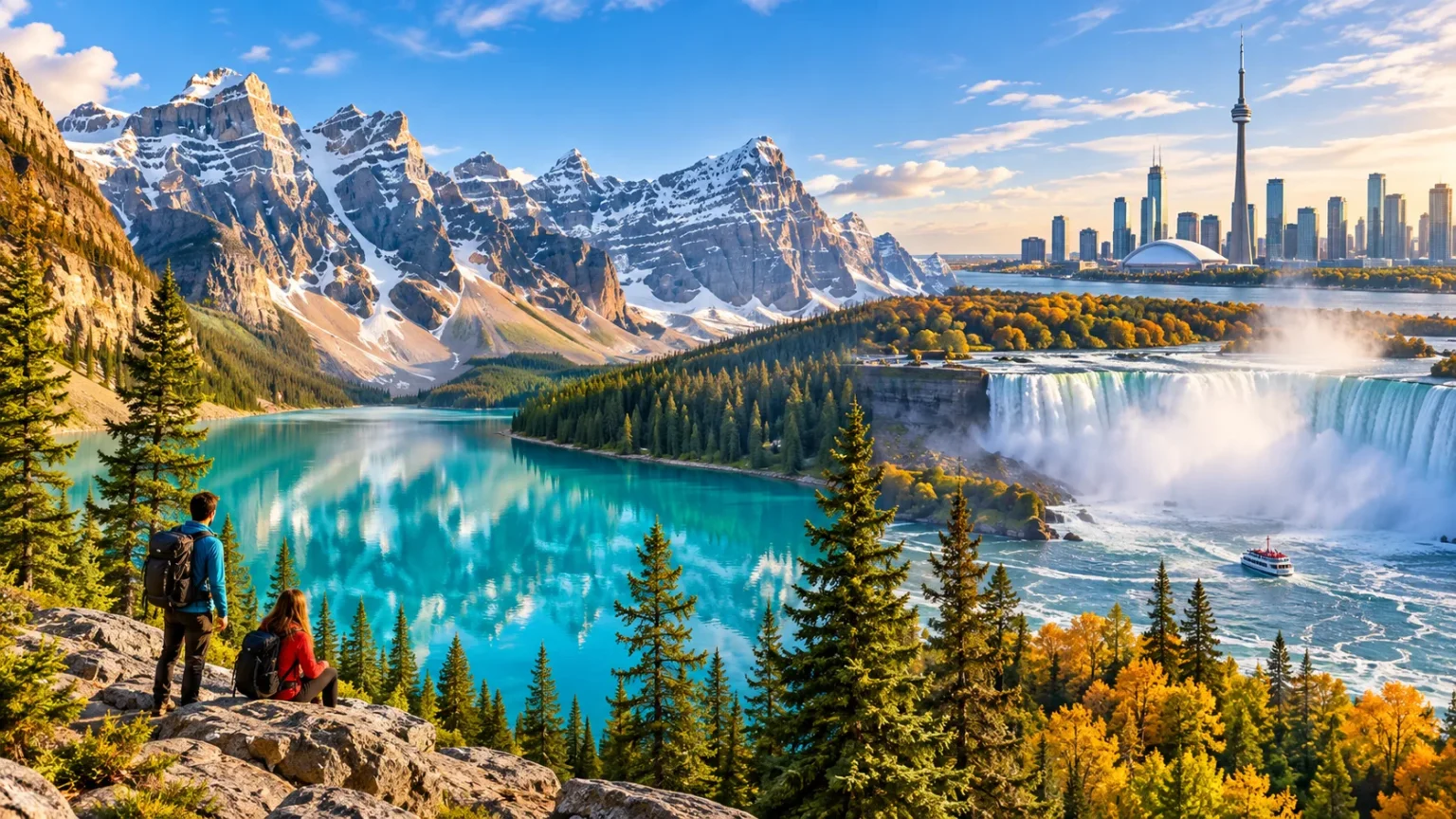
Canada is a destination where dramatic landscapes, lively cities, historic neighborhoods, and outdoor adventures come together in one enormous country. From turquoise mountain lakes in Alberta to powerful waterfalls in Ontario and charming streets in Québec, travelers can build completely different experiences depending on where they go. The variety makes Canada attractive for families, couples, solo travelers, photographers, and outdoor enthusiasts.
Choosing the best places to visit in Canada depends on your interests, travel season, and available time. Some visitors come for national parks and wildlife, while others prefer food, culture, architecture, beaches, or winter sports. The destinations below highlight many of Canada’s top attractions and can help you plan a memorable Canadian vacation.
Why Canada Should Be on Your Travel List
Canada offers an unusual combination of huge wilderness areas and modern cities that are comfortable to explore. You can spend one day walking through a downtown neighborhood filled with restaurants and museums, then travel into mountains, forests, or lakes the following day. This balance makes it possible to combine sightseeing, relaxation, culture, and outdoor adventure within one vacation.
Nature is one of the biggest reasons people explore Canada. The country is known for the Canadian Rockies, scenic coastlines, waterfalls, forests, glacial lakes, islands, and wildlife-rich national parks. Hiking, kayaking, skiing, road trips, camping, and scenic photography are popular ways to experience these landscapes during different times of the year.
Canadian cities add another layer to the experience. Toronto offers multicultural energy, Montréal blends historic architecture with a creative food scene, Vancouver combines urban life with mountains and ocean, and Québec City feels noticeably different from many other North American destinations. Together, these experiences make Canada suitable for both first-time visitors and repeat travelers.
Banff National Park, Alberta
Banff National Park is one of the most famous places to visit in Canada for travelers who love mountains and spectacular scenery. Located within the Canadian Rockies, the area is filled with alpine peaks, forests, lakes, hiking routes, and scenic viewpoints. The town of Banff also provides accommodation, restaurants, shops, and convenient access to nearby outdoor attractions.
Lake Louise is among the most recognizable attractions in the region, thanks to its striking mountain surroundings and naturally beautiful water. Visitors can walk along the lakeshore, explore hiking trails, or simply enjoy the scenery from different viewpoints. Moraine Lake, Peyto Lake, and other alpine landscapes around the park also make Banff especially rewarding for photographers and nature lovers.
Banff changes dramatically with the seasons, which means there is no single way to experience it. Summer is popular for hiking, sightseeing, cycling, and lake activities, while winter attracts travelers interested in skiing, snowboarding, and snowy mountain scenery. Spring and autumn can offer quieter surroundings, although weather and accessibility can vary in mountainous areas.
Niagara Falls, Ontario
Niagara Falls remains one of Canada’s most recognizable natural attractions and is especially popular with first-time international visitors. The immense volume of rushing water creates a powerful sight that becomes even more impressive when viewed from locations close to the falls. Mist, sound, observation areas, and evening illumination all contribute to the experience.
Travelers can view the falls from several perspectives rather than simply standing at one viewpoint. Boat experiences bring visitors closer to the water, while observation areas provide wider panoramic views. Walking around the Niagara Parkway also gives travelers opportunities to slow down and enjoy different sections of the landscape without making the trip feel rushed.
The wider Niagara region offers more than the waterfall itself. Visitors can explore Niagara-on-the-Lake, scenic countryside, local dining, wineries, historic sites, and riverside attractions. Because the destination is relatively easy to combine with Toronto, many travelers include Niagara Falls as either a day trip or an overnight stop during a longer Ontario itinerary.
Vancouver, British Columbia
Vancouver is an excellent choice for travelers who want both urban attractions and easy access to nature. The city sits between mountains and the Pacific Ocean, creating impressive scenery from many neighborhoods and waterfront areas. Restaurants, shopping districts, parks, cultural attractions, and outdoor activities make it possible to create a varied itinerary without traveling far.
Stanley Park is one of Vancouver’s most popular places to explore and provides a relaxing contrast to the downtown environment. Walking or cycling around the waterfront offers beautiful views of the city, mountains, and surrounding water. Granville Island is another popular stop, particularly for travelers interested in food markets, local products, arts, and a lively waterfront atmosphere.
Outdoor opportunities continue beyond the city center. Travelers can explore nearby mountains, beaches, forests, and scenic viewpoints depending on the season. Vancouver is also a useful starting point for discovering more of British Columbia, including Whistler, Vancouver Island, and several coastal destinations that can easily be incorporated into a longer road trip.
Québec City, Québec
Québec City is one of the most distinctive places to visit in Canada for history, architecture, and atmosphere. The historic center features stone buildings, narrow streets, old fortifications, cafés, boutiques, and attractive public spaces. Walking through Old Québec can feel noticeably different from exploring Canada’s larger modern cities, making it a memorable stop on an eastern Canada itinerary.
The Château Frontenac dominates many famous views of the city and provides an instantly recognizable landmark above the St. Lawrence River. Visitors can walk around Dufferin Terrace, explore Petit-Champlain, and spend time discovering historic streets on foot. Restaurants and cafés also provide opportunities to experience local flavors while enjoying the city’s relaxed European-influenced character.
Natural attractions are available close to the urban area as well. Montmorency Falls is a popular side trip, while Île d’Orléans offers countryside scenery and a slower pace outside the historic center. Québec City is attractive throughout the year, although winter creates an especially atmospheric setting for travelers comfortable with cold temperatures and snow.
Toronto, Ontario
Toronto is Canada’s largest urban destination and a strong choice for travelers interested in food, entertainment, neighborhoods, museums, and modern attractions. Its multicultural population is reflected in restaurants, festivals, shopping areas, and everyday street life. Visitors can move between sleek downtown buildings and character-filled neighborhoods within a relatively compact sightseeing itinerary.
The CN Tower is one of Toronto’s best-known landmarks and provides expansive views across the city and Lake Ontario. Nearby attractions include the waterfront, major sports venues, museums, and entertainment areas. Travelers who enjoy exploring neighborhoods can also visit areas such as Kensington Market, the Distillery District, Chinatown, and Queen Street for different cultural and architectural experiences.
Toronto works particularly well as part of a broader Ontario trip because of its transportation connections and proximity to other attractions. Niagara Falls is a popular addition, while surrounding communities and natural areas offer alternatives to downtown sightseeing. Travelers interested in city experiences may want several days here rather than treating Toronto simply as an arrival point.
Jasper National Park, Alberta
Jasper National Park appeals to travelers looking for dramatic Canadian Rockies scenery and extensive opportunities to spend time outdoors. Mountains, forests, lakes, wildlife habitats, and scenic drives define much of the landscape. Compared with a city-focused vacation, visiting Jasper encourages a slower itinerary built around viewpoints, hiking routes, and natural surroundings.
Popular experiences include exploring the Athabasca Falls area, visiting mountain lakes, driving through scenic sections of the national park, and walking trails suited to different fitness levels. The journey between Banff and Jasper is itself a major part of many Canadian Rockies itineraries. Roadside viewpoints allow travelers to appreciate glaciers, valleys, mountain formations, and changing scenery along the route.
Visitors should leave flexibility in their schedule because mountain weather can change and some outdoor plans depend on seasonal conditions. Wildlife may also appear around roads and trails, so responsible viewing from a safe distance is important. For travelers planning a Rockies road trip, combining Jasper with Banff creates one of Canada’s most memorable nature-focused journeys.
Montréal, Québec
Montréal combines historic architecture, creative culture, entertainment, and an internationally influenced food scene. The city has a strong French-speaking identity while also feeling multicultural and contemporary. Visitors who enjoy exploring cities on foot can discover attractive neighborhoods, cafés, public squares, museums, markets, nightlife, and local restaurants across several distinct areas.
Old Montréal is a natural starting point for sightseeing. Cobblestone streets, historic buildings, waterfront spaces, and landmarks create an atmospheric environment for walking and photography. Elsewhere, areas around Plateau Mont-Royal and Mile End provide a different experience, with independent businesses, restaurants, bakeries, street art, and residential streets contributing to the city’s character.
Food is an important part of many Montréal trips, so leaving space in the schedule for casual dining is worthwhile. Local favorites, international cuisines, bakeries, markets, and innovative restaurants provide plenty of variety. Montréal can also be paired naturally with Québec City, allowing visitors to experience two very different urban destinations during one trip through Québec.
Prince Edward Island
Prince Edward Island is a quieter Canadian destination known for coastal scenery, small communities, beaches, farmland, and a relaxed island atmosphere. It suits travelers who prefer slow road trips rather than packed city sightseeing. Scenic roads reveal red cliffs, lighthouses, fishing communities, countryside views, and stretches of coastline that encourage frequent stops along the way.
Charlottetown provides a convenient base for exploring the island and offers restaurants, historic areas, cultural attractions, and a walkable center. Beyond the city, travelers can visit coastal parks, beaches, small towns, and countryside landscapes. The island is also strongly associated with Anne of Green Gables, making it particularly interesting for visitors familiar with the famous Canadian literary story.
Summer is especially popular because warmer weather makes beaches, cycling, hiking, and coastal drives easier to enjoy. Seafood is another highlight, with local menus often emphasizing products connected to the surrounding Atlantic waters. Prince Edward Island is a good choice for travelers seeking peaceful scenery and local experiences rather than large-scale tourist attractions.
Whistler, British Columbia
Whistler is widely known as a winter sports destination, but it offers outdoor activities during warmer months as well. Surrounded by mountains and forests, the resort community provides a comfortable base for skiing, hiking, mountain biking, sightseeing, and relaxation. Its pedestrian-friendly village contains restaurants, accommodations, shops, and entertainment within a compact area.
Winter attracts skiers and snowboarders who want access to extensive mountain terrain and a lively resort atmosphere. Travelers who are not interested in skiing can still enjoy snowy scenery, village walks, dining, and other seasonal experiences. The mountain environment gives Whistler an energetic feel while still offering opportunities for quiet moments away from the busiest areas.
During summer, hiking and mountain biking become major attractions, while scenic viewpoints and nearby lakes provide additional choices. The drive from Vancouver to Whistler also adds to the trip because it passes beautiful coastal and mountain scenery. This makes Whistler relatively easy to include when building a British Columbia itinerary around Vancouver.
Ottawa, Ontario
Ottawa deserves a place on a Canadian travel itinerary for visitors interested in national history, museums, architecture, and cultural attractions. As Canada’s capital, the city contains important government buildings and several nationally significant institutions. Parliament Hill forms the visual center of many sightseeing trips and sits close to additional attractions within the downtown area.
The Rideau Canal is another important part of the city’s landscape and can be enjoyed differently depending on the season. Paths along the water are popular for walking and cycling during warmer months, while winter can transform parts of the city’s outdoor experience. Ottawa’s museums cover subjects ranging from history and art to aviation, nature, and Canadian culture.
Visitors can also explore ByWard Market for restaurants, cafés, shops, and a livelier urban atmosphere. Ottawa works particularly well for travelers combining several eastern Canadian cities because Montréal and Toronto can be incorporated into broader routes. It provides a calmer alternative to Canada’s biggest cities while still offering enough attractions for several days of sightseeing.
Best Time to Visit Canada
The best time to visit Canada depends heavily on what you want to experience because conditions vary significantly across such a large country. Summer is generally popular for national parks, city sightseeing, road trips, hiking, and coastal travel. Longer daylight hours can make it easier to fit outdoor activities into a busy itinerary, although popular destinations may also be more crowded.
Autumn is attractive for travelers who enjoy cooler weather and colorful landscapes. Forested regions in eastern Canada can become particularly beautiful as leaves change, while cities often remain comfortable for walking. Spring can offer fewer crowds in some destinations, but changing weather and lingering mountain conditions mean travelers should check local accessibility before planning outdoor activities.
Winter creates completely different travel possibilities. Ski destinations such as Whistler and the Canadian Rockies attract snow-sport enthusiasts, while cities such as Québec City can feel especially atmospheric under snow. However, temperatures can become extremely cold in some regions, so proper clothing and realistic travel planning are essential for a comfortable Canadian winter vacation.
How to Plan a Canada Travel Itinerary
Canada’s size makes realistic planning extremely important. Trying to visit Vancouver, Banff, Toronto, Montréal, and the Atlantic provinces within a short vacation can result in too much time spent traveling. Choosing one region and exploring it properly often produces a more enjoyable trip than attempting to cover several distant parts of the country at once.
For western Canada, travelers might combine Vancouver, Whistler, Banff, and Jasper depending on available time and transportation. An eastern itinerary could focus on Toronto, Niagara Falls, Ottawa, Montréal, and Québec City. Atlantic Canada is better treated as its own journey, particularly for travelers who want coastal roads, small communities, seafood, and scenic countryside.
Transportation should also be considered early in the planning process. Major cities can usually be explored without renting a car, while national parks and rural areas may be easier to experience with personal transportation. Accommodation in popular locations can fill quickly during peak periods, so arranging major parts of the trip early can make the overall itinerary smoother.
Conclusion
The best places to visit in Canada range from energetic cities to some of North America’s most impressive natural landscapes. Banff and Jasper deliver dramatic mountain scenery, Niagara Falls provides an unforgettable natural spectacle, and destinations such as Vancouver, Toronto, Montréal, and Québec City offer completely different urban experiences.
Your ideal destination depends on the type of vacation you want. Outdoor travelers may prefer Alberta or British Columbia, history and culture lovers can focus on Québec and Ontario, while visitors seeking peaceful coastal landscapes may enjoy Prince Edward Island and other Atlantic destinations. Canada’s diversity means one trip rarely shows everything the country has to offer.
Instead of trying to see Canada all at once, choose a region and give yourself enough time to experience it properly. Combine famous Canadian attractions with scenic drives, neighborhood walks, local food, and quieter natural areas. A well-paced itinerary can turn a simple sightseeing trip into a much more memorable experience.
FAQs About Places to Visit in Canada
What are the best places to visit in Canada for first-time travelers?
Banff National Park, Niagara Falls, Vancouver, Toronto, Montréal, and Québec City are excellent starting points. They provide a balanced introduction to Canada’s natural scenery, cities, culture, and famous attractions.
What is the most beautiful place to visit in Canada?
Beauty is subjective, but the Canadian Rockies around Banff and Jasper are especially famous for mountain peaks, forests, glaciers, and turquoise lakes. Coastal British Columbia and Atlantic Canada also offer spectacular landscapes.
How many days do you need for a Canada trip?
A 7–10 day trip works well for exploring one region without rushing. Travelers hoping to combine several distant provinces should allow two weeks or longer because travel distances across Canada can be substantial.
Is Canada better to visit in summer or winter?
Summer is ideal for road trips, hiking, national parks, and general sightseeing. Winter is better for skiing, snow activities, and seasonal city experiences, so the right season depends mainly on your preferred activities.
Which Canadian cities are best for tourists?
Vancouver, Toronto, Montréal, Québec City, and Ottawa all offer strong sightseeing options. Each has a different atmosphere, ranging from Vancouver’s nature-focused setting to Québec City’s historic streets and Montréal’s food and cultural scene.