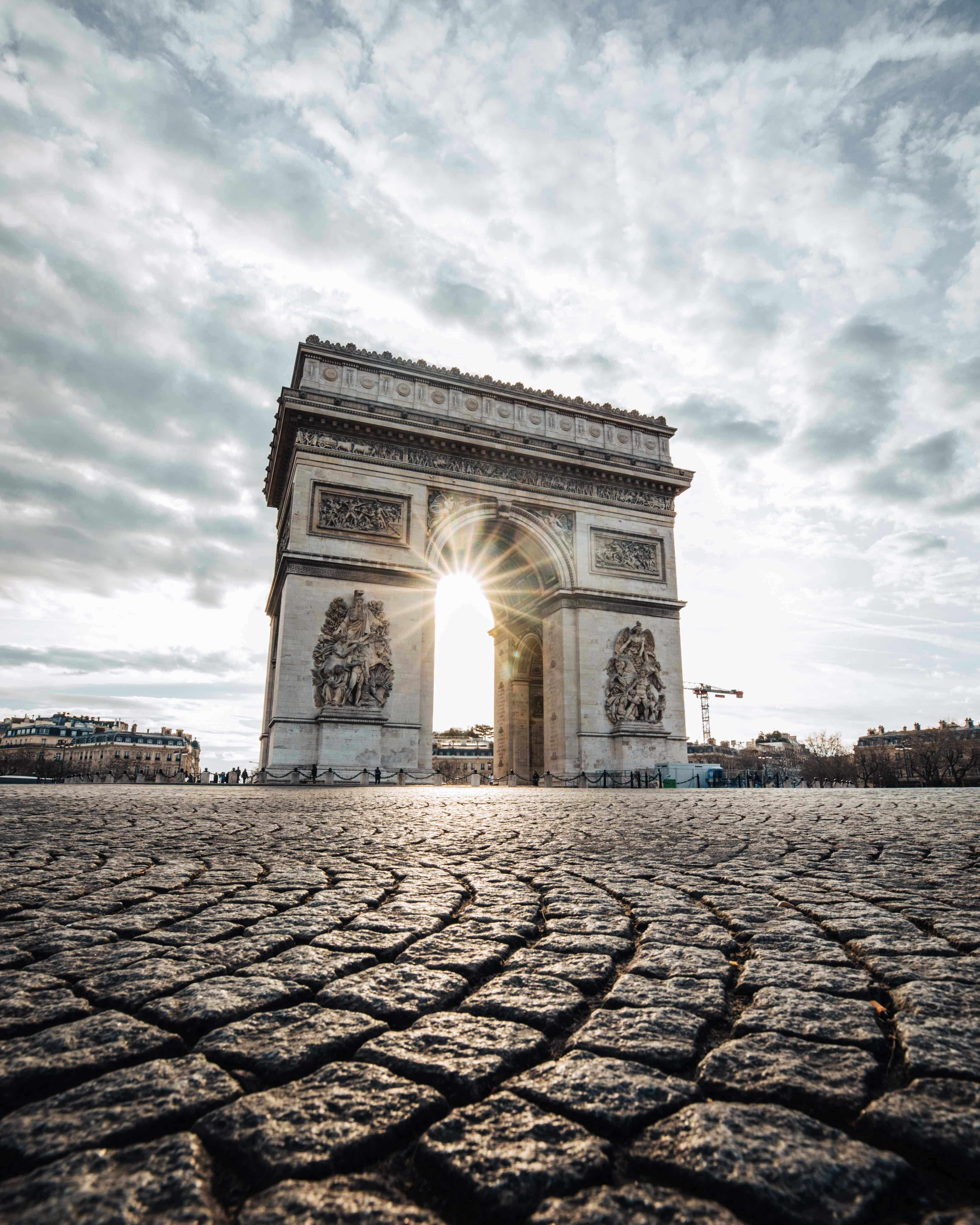
Introduction to World Landmarks
Landmarks are not merely physical structures; they represent the historical, cultural, and architectural soul of a location. These iconic sites often serve multiple purposes, including being symbols of pride for nations, preserving heritage, and functioning as significant attractions for tourists from around the globe. They stand as a testament to human creativity, ingenuity, and resilience, having withstood the test of time and witnessed numerous events that have shaped our world.
Historic landmarks, such as the Pyramids of Giza or the Great Wall of China, are vital in understanding the civilizations that created them. They offer insights into the social, political, and economic conditions of the time, helping to foster a deeper appreciation of our shared history. Each landmark carries stories of the people who built them, which can forge connections to the past and resonate with visitors, ensuring that they remain relevant in contemporary society.
Moreover, landmarks play a pivotal role in attracting millions of visitors each year, acting as critical components of the tourism industry. Travelers often seek these famed sites for their aesthetic beauty and cultural significance. This influx of visitors not only boosts local economies but also raises awareness about the preservation of historic structures. Effective tourism management involves balancing the need for accessibility with the preservation of these culturally significant sites, ensuring they can be appreciated by future generations.
In summation, the significance of world landmarks extends beyond their physical attributes. They serve as cultural icons, vessels of historical knowledge, and major contributors to tourism, ultimately enriching our understanding of the diverse tapestry of human civilization.
The Great Pyramids of Giza
The Great Pyramids of Giza, situated on the Giza Plateau near Cairo, Egypt, stand as monumental testaments to ancient architectural prowess and engineering skill. Constructed during the Fourth Dynasty of the Old Kingdom, these pyramids were initially built as tombs for pharaohs, with the most prominent being the Pyramid of Khufu, also known as the Great Pyramid. This iconic structure rises to a height of approximately 138.8 meters, making it the tallest man-made structure in the world for over 3,800 years.
These incredible edifices serve not only as tombs but also symbolize the grandeur of ancient Egyptian civilization, which was deeply rooted in a belief in the afterlife. The construction techniques employed in building the pyramids have intrigued historians and archaeologists alike. Numerous theories have been proposed regarding the labor force that assembled these structures, with estimates ranging from thousands to tens of thousands of skilled workers. Recent studies suggest that a combination of well-organized labor and innovative engineering allowed these ancient Egyptians to transport and position massive limestone and granite blocks with astonishing precision.
Among the many mysteries surrounding the Pyramids of Giza, their alignment with the cardinal points and the mathematical sophistication implied within their design stand out. The Great Pyramid, for instance, is positioned with a remarkable degree of accuracy to the true north. This architectural alignment raises questions about the advanced knowledge of astronomy possessed by the ancient Egyptians. Furthermore, the pyramids’ status as one of the Seven Wonders of the Ancient World continues to captivate tourists and scholars, making them a focal point for those exploring the remarkable legacy of ancient Egypt.
The Eiffel Tower: A Symbol of Romance
The Eiffel Tower, an iconic structure located in Paris, France, stands as one of the most recognizable landmarks in the world. Designed by the engineer Gustave Eiffel and completed in 1889, this wrought-iron lattice tower was initially constructed as the entrance arch for the 1889 Exposition Universelle, held to celebrate the 100th anniversary of the French Revolution. Rising to a height of 300 meters, the Eiffel Tower dominated the Paris skyline and showcased an innovative approach to architecture during its time.
Upon its grand opening, the Eiffel Tower faced significant criticism from several contemporary artists and intellectuals who claimed that it obstructed the beauty of Paris. However, public opinion swiftly shifted, and it eventually gained admiration as a masterpiece of engineering and design. Over the years, it became a quintessential symbol of Paris, often associated with themes of love and romance. This transformation from a subject of disdain to a beloved landmark reflects not only the evolution of societal attitudes towards modern architecture but also the growing appreciation of the Eiffel Tower as a cultural icon.
Throughout its history, the Eiffel Tower has served as a backdrop for countless romantic moments, whether it be proposals, wedding celebrations, or simply intimate gatherings for couples. It has encapsulated the spirit of romance, inviting millions of visitors each year to bask in its enchanting view of the City of Light. Today, the tower is not just a representation of France’s architectural ingenuity but also a global symbol of love, making it a must-visit for individuals seeking to experience a piece of Parisian magic. Its enduring legacy as the epitome of romance continues to thrive as couples travel from across the world to witness this emblematic edifice in person.
Machu Picchu: The Lost City
Machu Picchu, often referred to as the “Lost City of the Incas,” is a 15th-century citadel located high in the Andes Mountains of Peru. Hidden from the western world for centuries, it was brought to international attention in 1911 by American historian Hiram Bingham. The site is a remarkable testament to Incan engineering and artistry, showcasing their ability to harmoniously integrate architecture with the surrounding natural landscape.
The citadel is believed to have been built by Pachacuti, the ninth Sapa Inca, and served as a royal estate or religious site. Machu Picchu was constructed with a sophisticated understanding of stone masonry, utilizing precisely cut stones that fit together without the use of mortar. This technique not only provided structural integrity but also allowed the site to withstand the seismic activity common in the region. Visitors to Machu Picchu can marvel at the intricate temples, terraces, and agricultural fields that reveal the complexities of Incan society.
A defining feature of Machu Picchu is its breathtaking scenery. Set against the backdrop of the towering Huayna Picchu peak, the site’s stunning views provide a perfect blend of cultural and natural heritage. The surrounding biodiversity includes numerous endemic species of flora and fauna, highlighting the ecological importance of the area. Consequently, Machu Picchu has been designated a UNESCO World Heritage Site, recognizing its value not only as a symbol of Incan history but also for its environmental significance.
Today, Machu Picchu remains one of the most visited landmarks globally, attracting thousands of tourists eager to experience its historical and scenic grandeur. The journey to this remarkable citadel involves a trek along the Inca Trail, offering travelers a glimpse into the rich cultural tapestry of the Incan civilization, along with the unparalleled natural beauty that defines this enigmatic site.
The Great Wall of China: An Engineering Marvel
The Great Wall of China stands as a testament to human ingenuity and architectural prowess. Stretching over 13,000 miles, this monumental structure is not only one of the most recognizable symbols of China but also one of the most extensive architectural feats in human history. Originally constructed for defense against invasions and raids, the wall reflects the political and military strategies of numerous dynasties that ruled China over the centuries.
Construction of the Great Wall began as early as the 7th century BC, with various segments added by different dynasties, most notably the Qin, Han, and Ming dynasties. Each dynasty’s section of the wall was built with unique techniques and materials, reflecting the evolving architectural practices of the time. While the initial purpose of the wall was primarily military, it also served to regulate trade and immigration, showcasing its multifaceted significance in Chinese society.
The engineering methods employed in the construction of the Great Wall are particularly impressive. The wall was built using local materials, including earth, wood, bricks, and stone, adapted to the geographical features of the regions it traversed. In some areas, a unique technique known as “rammed earth” was utilized, creating a sturdy barrier that has withstood the test of time. The wall’s height and width vary significantly, with certain sections designed to include watchtowers, signal fires, and other military features.
Historically, the Great Wall symbolizes unity and strength, serving not only as a physical barrier but also as an emblem of the Chinese civilization. Today, it attracts millions of visitors annually, eager to explore this UNESCO World Heritage site, reflecting its enduring legacy and significance in the cultural landscape of China.
The Taj Mahal: A Testament to Love
The Taj Mahal, located in Agra, India, stands as one of the most iconic landmarks in the world, emblematic of both architectural brilliance and enduring love. Commissioned by Mughal Emperor Shah Jahan in loving memory of his wife, Mumtaz Mahal, the Taj Mahal is a mausoleum that combines elements from Persian, Islamic, and Indian architectural styles. This remarkable structure was completed in 1653 and has since become an enduring symbol of Shah Jahan’s love and devotion, garnering it the designation of a UNESCO World Heritage Site.
The intricate design of the Taj Mahal is a testament to the craftsmanship of the era, showcasing details that reveal an exceptional fusion of art and emotion. The pristine white marble facade, adorned with semi-precious stones, captures the play of light throughout the day—becoming a canvas that shifts from bright white during the day to a soft, glowing hue at sunset. Noteworthy features include its symmetrical gardens, reflecting pools, and the grand dome, which rises majestically above the landscape, embodying a sense of tranquility and beauty.
Symbolically, the Taj Mahal represents an eternal bond and enduring love. The serene environment surrounding the mausoleum enhances its profound narrative, inviting millions of visitors to reflect on the story behind its creation. This emotional connection contributes significantly to its allure and status as a must-visit destination. As a UNESCO World Heritage Site, it is recognized not only for its breathtaking aesthetic appeal but also for its historical significance, drawing attention to the rich cultural heritage of India and the Mughal Empire. The Taj Mahal serves as a reminder of the lengths to which love can inspire the creation of timeless beauty, captivating hearts and minds across the globe.
Statue of Liberty: A Beacon of Freedom
The Statue of Liberty stands proudly on Liberty Island in New York Harbor, serving as an enduring symbol of freedom and democracy. Gifted to the United States by France in 1886, the statue was designed by French sculptor Frédéric Auguste Bartholdi and represents a universal symbol of liberty. Standing at 305 feet from the ground to the tip of the flame, it has become a prominent landmark and an ingrained part of the American identity.
The statue was a commemoration of the centennial of American independence and a gesture of friendship from France, highlighting the shared values between the two nations. The statue’s copper exterior is now coated in a distinct green patina, a result of oxidation, which adds to its character and historical significance. The seven spikes of its crown symbolize the seven continents and seas, denoting the universal nature of liberty. Moreover, the statue’s torch represents enlightenment, guiding the way for those who seek freedom.
For millions of immigrants arriving in America, the Statue of Liberty was the first sight of their new home, embodying hope and new beginnings. It welcomed newcomers during an era when the United States was seen as a land of opportunity. The words engraved on the pedestal, “Give me your tired, your poor, your huddled masses yearning to breathe free,” resonate with countless individuals, reinforcing the statue’s role as a beacon of hope and a democratic ideal.
The continuing relevance of the Statue of Liberty is evident today as it evokes a strong emotional response and serves as a reminder of the ideals of freedom and equality. It stands not only as an iconic American landmark but also as a global symbol of democracy, inspiring future generations to pursue liberty and justice for all.
Conclusion: The Impact of Landmarks on Global Culture
Landmarks around the globe serve as profound symbols of cultural identity, history, and significant achievements of human civilization. They encompass a wide array of structures, from ancient ruins to modern architectural marvels, each telling their unique story through the ages. These sites, such as the Great Wall of China, the Eiffel Tower, and Machu Picchu, not only attract millions of visitors each year but also exemplify the diverse cultural narratives that shape our understanding of the world.
The influence of these renowned landmarks extends beyond mere tourism. They foster a sense of pride and connection among locals, while simultaneously educating visitors about the historical context and cultural traditions of their respective regions. Each landmark offers insights into the people’s heritage and serves as a reflection of the socio-political climates of their times. Consequently, they become vital components of national identities and collective memories.
Moreover, the growing impact of tourism driven by these landmarks contributes significantly to local economies, providing jobs and stimulating various sectors, including hospitality, retail, and transportation. However, with increased visitor numbers comes the responsibility of preserving these monumental sites for future generations. Sustainable tourism practices are essential to ensure that these treasures endure and continue to educate and inspire.
As we reflect on these iconic wonders, it is crucial to recognize their lasting impact on global culture, shaping not only our understanding of history and identity but also influencing the way we perceive our shared human experience. The preservation of such landmarks remains paramount, as they are not just relics of the past, but integral to cultural continuity and diversity in the modern world.
Call to Action: Exploring Landmarks in Your Own Way
As we reflect on the awe-inspiring landmarks that draw millions of visitors each year, it becomes clear that these sites offer more than just historical significance and architectural beauty. They present a profound opportunity for personal exploration and discovery. Each landmark holds its distinct story and charm, waiting to be uncovered by those who visit. Therefore, we encourage you to embark on your own journey to experience these wonders of the world firsthand.
Visiting famous landmarks such as the Eiffel Tower, the Great Wall of China, or Machu Picchu can be seen as more than just a tourism experience. As a traveler, it allows you to delve into the rich cultures and histories that these places encompass. To truly appreciate these iconic sites, consider planning a trip that incorporates local traditions and customs. Engaging with local people and savoring native cuisines can significantly enrich your visit.
Moreover, when you travel to these landmarks, share your unique perspectives and experiences with others. Document your journey through photography, journaling, or social media posts. By doing so, you contribute to a broader dialogue about travel and cultural understanding. Encouraging others to visit these remarkable locations fosters a sense of community and appreciation for global heritage.
Exploration goes beyond simply visiting; it involves deepening your understanding of the world. Therefore, whether it’s your first time or a return visit, approach each landmark with an open heart and mind. Let yourself be captivated by the stories they tell. With every new adventure, you not only discover humanity’s achievements but also part of yourself. So, gear up to explore, learn, and create memories that will last a lifetime, as you venture out to discover these landmarks in your own unique way.