





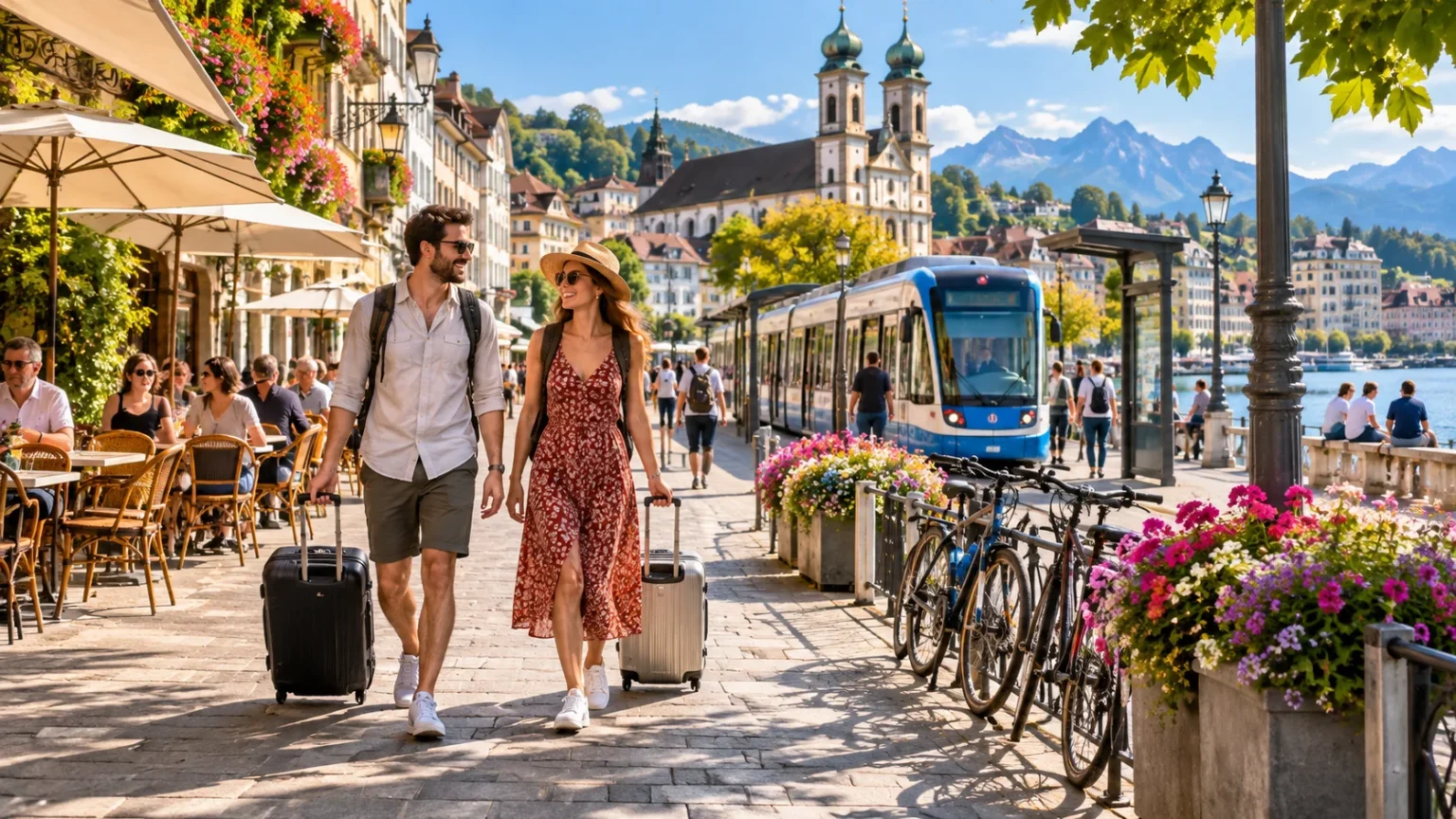
Traveling without a car can make a trip simpler, cheaper, and often more enjoyable. Instead of worrying about rental fees, parking, traffic, fuel, or unfamiliar driving rules, you can spend more time walking through neighborhoods and using trains, metros, trams, buses, and ferries. The right destination makes getting around without a vehicle feel natural rather than restrictive.
Some cities are particularly well suited to car-free travelers because attractions are concentrated in walkable areas and public transportation connects the places that are farther apart. From Tokyo’s extensive rail network to Venice’s pedestrian streets and water transport, there are destinations where renting a car adds little value. The best choice depends on your budget, interests, mobility, and preferred style of travel.
Why Choose a Destination Where You Do Not Need a Car?
Traveling without a rental car can remove several expenses from your vacation budget. Vehicle rental, insurance, parking, tolls, and fuel can add up quickly, particularly in major cities. Public transportation passes and occasional taxis may cost considerably less while allowing you to explore central neighborhoods without spending part of each day searching for a parking space.
Car-free travel can also make sightseeing more immersive. Walking between attractions allows you to notice local cafés, parks, markets, architecture, and smaller streets that are easy to miss when driving. Trains, trams, and buses can also provide a better sense of how different neighborhoods connect while reducing the need to concentrate on navigation through unfamiliar traffic.
The key is choosing a destination with reliable transportation and accommodation near useful transit connections. Large cities with extensive rail systems are obvious choices, but compact historic destinations can be equally convenient. Before booking, consider airport connections, the location of your hotel, day-trip possibilities, and how much walking will realistically be comfortable for everyone traveling with you.
Tokyo, Japan
Tokyo may look overwhelming on a map, but its extensive train and subway systems make it highly practical without a rental car. Rail services connect major sightseeing districts, shopping areas, entertainment neighborhoods, and business centers throughout the metropolitan area. The official Tokyo tourism guide also highlights multilingual signage and IC cards as useful tools for navigating trains, subways, and buses.
Neighborhoods such as Shibuya, Shinjuku, Asakusa, Ginza, and Ueno are enjoyable to explore on foot once you arrive at the nearest station. Instead of trying to walk across the entire city, use trains for longer distances and explore individual districts at street level. This approach keeps daily travel manageable while allowing you to experience Tokyo’s restaurants, shops, temples, parks, and quieter side streets.
Tokyo is also a useful base for travelers who want to explore more of Japan without driving. Rail connections extend far beyond the capital, including Shinkansen services linking Tokyo with many other major destinations. This makes it possible to combine a Tokyo city stay with additional destinations while relying largely on trains rather than arranging a rental vehicle.
London, United Kingdom
London is another strong destination for travelers who prefer not to drive. The city has the Underground, buses, local trains, the Elizabeth line, river services, and additional transit options connecting central attractions with surrounding neighborhoods. Visitors commonly combine the Tube with walking, particularly when moving between sights located relatively close together in central London.
Areas such as Westminster, Covent Garden, Soho, South Bank, and parts of the West End can be enjoyable to explore on foot. For longer journeys, the Underground can quickly reduce the distance between neighborhoods. Buses are also useful when you want to see more of the streets while traveling instead of spending the entire journey below ground.
Contactless payment and Oyster options can simplify travel because you do not necessarily need to purchase a separate ticket before every journey. London is large, so choosing accommodation reasonably close to a Tube or rail station makes a major difference. Staying well connected allows you to explore multiple parts of the city without dealing with central London traffic or parking.
Paris, France
Paris combines dense public transportation with neighborhoods that reward walking. The city is served by metro, RER, buses, trams, and other transport services, allowing visitors to move between major districts without renting a car. The current Paris tourism guidance describes the network as a convenient way to travel throughout the capital and surrounding region.
Many classic Paris experiences are best enjoyed slowly on foot. You might walk along the Seine, explore streets around the Latin Quarter, wander through Le Marais, or move between cafés and museums before using the metro for a longer journey. Planning each day around one or two nearby neighborhoods can reduce unnecessary transit time and make the trip feel more relaxed.
Public transportation also makes some attractions beyond the central sightseeing areas accessible without driving. RER and regional rail connections extend beyond the city, while visitor passes can cover multiple forms of transport depending on the option selected. Checking your planned journeys before buying a pass helps determine whether individual fares or unlimited travel provides better value.
Amsterdam, Netherlands
Amsterdam’s compact center makes it particularly appealing for visitors traveling without a car. Walking is practical for many central journeys, while trams, metro services, buses, trains, and ferries connect areas that are farther apart. The city’s official tourism information describes its public transportation network as an extensive system linking neighborhoods across Amsterdam.
Cycling is another option, although visitors should understand local cycling rules before joining busy bike lanes. Amsterdam has extensive cycling infrastructure, but experienced local riders often travel quickly, especially during commuting periods. If you are uncomfortable cycling in urban traffic, there is no need to rent a bicycle because walking and public transit remain practical alternatives.
Staying near Central Station or a useful tram or metro line can make sightseeing particularly convenient. You can explore canals and historic neighborhoods on foot, then use transportation when visiting locations farther from the center. Ferries across the IJ also provide useful connections for pedestrians, with several services linking Central Station and Amsterdam Noord.
Copenhagen, Denmark
Copenhagen works well for travelers who enjoy combining walking, cycling, and public transportation. Its metro, trains, buses, bike infrastructure, and harbor buses connect central neighborhoods with attractions and waterfront areas. The official tourism guide specifically recommends cycling or public transportation for many journeys while noting that popular central areas are also easy to explore on foot.
The city’s relatively compact layout means you can spend much of a sightseeing day walking between cafés, canals, shopping streets, parks, and cultural attractions. A bicycle can extend your range when you are comfortable with local cycling conditions. Otherwise, the metro provides a straightforward alternative for covering longer distances while avoiding the responsibilities associated with a rental car.
Copenhagen’s metro operates around the clock and connects the city with the airport, making arrival without a vehicle straightforward. Trains and buses provide additional coverage, while harbor buses offer another way to travel along the waterfront. Combining walking with public transit allows visitors to experience different neighborhoods without committing to one form of transportation for the entire trip.
Barcelona, Spain
Barcelona’s combination of compact sightseeing areas and public transportation makes a car unnecessary for many city breaks. The metro is particularly useful for crossing between neighborhoods, while buses, trams, and walking cover many additional journeys. Official Barcelona tourism guidance encourages visitors to walk or use public transportation when moving around busy parts of the city.
Several areas are enjoyable to explore on foot once you arrive. The Gothic Quarter and nearby central districts reward slow walking because narrow streets, plazas, markets, shops, and historic buildings are concentrated relatively close together. When your itinerary includes attractions spread across different parts of Barcelona, using the metro between areas can save energy and sightseeing time.
Choosing centrally located accommodation or a hotel close to a metro station makes car-free travel much easier. You can organize each day around a neighborhood, walk between nearby sights, then take public transportation to your next area. This strategy is particularly useful during warmer weather when repeatedly walking long distances across the entire city may become tiring.
Lisbon, Portugal
Lisbon is a rewarding destination for car-free travelers, although its hills mean walking can occasionally be more demanding than the map suggests. Fortunately, the city combines metro services, buses, historic trams, and trains, giving visitors alternatives when they do not want to climb every hill on foot. Official tourism information highlights these transportation options as important ways of moving around Lisbon.
Central neighborhoods can still be explored extensively on foot, particularly when you plan routes carefully rather than repeatedly walking uphill and downhill. Using public transportation for steeper or longer stretches can conserve energy for sightseeing. Comfortable shoes are especially useful because historic streets, slopes, and long days of walking can make fashionable but unsupportive footwear inconvenient.
Lisbon can also work well as a base for nearby excursions without requiring a rental vehicle. Rail services and transportation passes can connect visitors with destinations beyond the immediate center, depending on the ticket selected. Planning these excursions before choosing accommodation can help you stay near a station that simplifies both city sightseeing and regional travel.
Venice, Italy
Venice is one of the clearest examples of a destination where a traditional rental car is unnecessary for sightseeing in the historic city. Exploring Venice revolves around walking and water transportation rather than driving between attractions. Public transport includes ACTV water services, while additional connections are available for airport and surrounding-area journeys.
Walking through Venice is part of the travel experience itself. Small bridges, canals, narrow lanes, squares, churches, shops, and cafés encourage slow exploration rather than point-to-point transportation. It is easy to cover substantial distance without noticing, so planning geographically grouped attractions can help prevent unnecessary backtracking through the maze of pedestrian streets.
Water buses become useful when your destination is farther away or when you want to reach islands and other areas connected by water. Time-based public transport tickets are available for travelers expecting to use ACTV services frequently. Checking current routes and ticket conditions before traveling is worthwhile because transportation choices depend heavily on where your accommodation and planned attractions are located.
How to Choose the Best Car-Free Destination for Your Trip
Start by thinking about what you actually want from the trip. Museum lovers may prefer cities with dense cultural districts, while travelers focused on food and neighborhood exploration may prioritize compact walkable areas. Someone working while traveling may have different needs again, and researching travel destinations for digital nomads can help when reliable infrastructure and longer stays matter alongside sightseeing.
Next, consider your realistic walking ability rather than assuming every walkable city will feel effortless. Hills, cobblestones, summer heat, winter weather, luggage, and mobility limitations can change how practical walking becomes. A destination with excellent metro or tram coverage may ultimately be more comfortable than a smaller city where most attractions technically sit within walking distance.
Accommodation location can be just as important as the destination itself. A hotel beside a useful transit station can save considerable time, while cheaper accommodation far outside the center may create long daily journeys. Before booking, map the airport, hotel, main attractions, and likely day trips so you can see how easily the entire itinerary works without a vehicle.
Tips for Traveling Without a Car
Download or bookmark official transportation information before your trip and learn the basic ticket system. Some cities support contactless bank cards, while others use transport cards, mobile tickets, or passes designed for visitors. Understanding how to enter, transfer, and validate journeys before arriving can make your first day much less confusing, particularly after a long flight.
Pack for walking even if the destination has excellent public transportation. Comfortable shoes, a manageable day bag, weather-appropriate clothing, and portable charging for your phone can make long sightseeing days easier. Avoid filling every hour with attractions across opposite sides of a city because constant transit can make a supposedly convenient car-free trip feel rushed.
Finally, combine transportation methods instead of trying to use only one. Walk when attractions are close, take the metro when distances become longer, use trains for regional trips, and choose occasional taxis when luggage or late-night travel makes them worthwhile. Car-free travel works best when flexibility matters more than proving that every single journey can be completed on foot.
Conclusion
Some of the best places to travel without a car are cities where public transportation and walking are already central to everyday movement. Tokyo, London, Paris, Amsterdam, Copenhagen, Barcelona, Lisbon, and Venice all provide different versions of a car-free travel experience, ranging from extensive rail networks to compact pedestrian-oriented historic districts.
The right destination depends on more than the number of metro lines. Consider your preferred activities, accommodation location, walking tolerance, budget, weather, airport connection, and any day trips you want to take. A little planning before booking can turn traveling without a vehicle from a compromise into one of the easiest parts of the trip.
Instead of paying for a rental car that spends much of the vacation parked, choose destinations where walking and public transportation bring you directly into the places you came to experience. Plan each sightseeing day geographically, learn the local transit system, and leave enough flexibility to explore. In the right city, traveling without a car can make the journey simpler and more immersive.
FAQs
What is the best city to visit without renting a car?
Tokyo, London, Paris, Amsterdam, Copenhagen, Barcelona, Lisbon, and Venice are all practical options. The right choice depends on your interests, budget, walking ability, and preference for trains, metros, trams, or walking.
Is Europe easy to travel without a car?
Many European cities are well connected by urban public transportation and intercity rail. Car-free travel is particularly convenient when you choose centrally located accommodation and plan day trips around destinations served by trains or buses.
Can I travel internationally without knowing how to drive?
Yes. Many major destinations can be explored entirely through walking, public transportation, trains, and occasional taxis. Research airport transfers and local transportation before booking so you know your itinerary will work without driving.
Is traveling without a car cheaper?
It can be, particularly in cities where rental fees, parking, tolls, and fuel are expensive. However, the total cost depends on local transit fares, accommodation location, airport transfers, and how often you use taxis.
What should I look for when booking a car-free vacation?
Look for walkable neighborhoods, reliable public transport, convenient airport connections, centrally located accommodation, and easy rail or bus access to planned day trips. These factors usually matter more than the physical size of the destination.