




Why Greece Is Perfect for a Beach Holiday
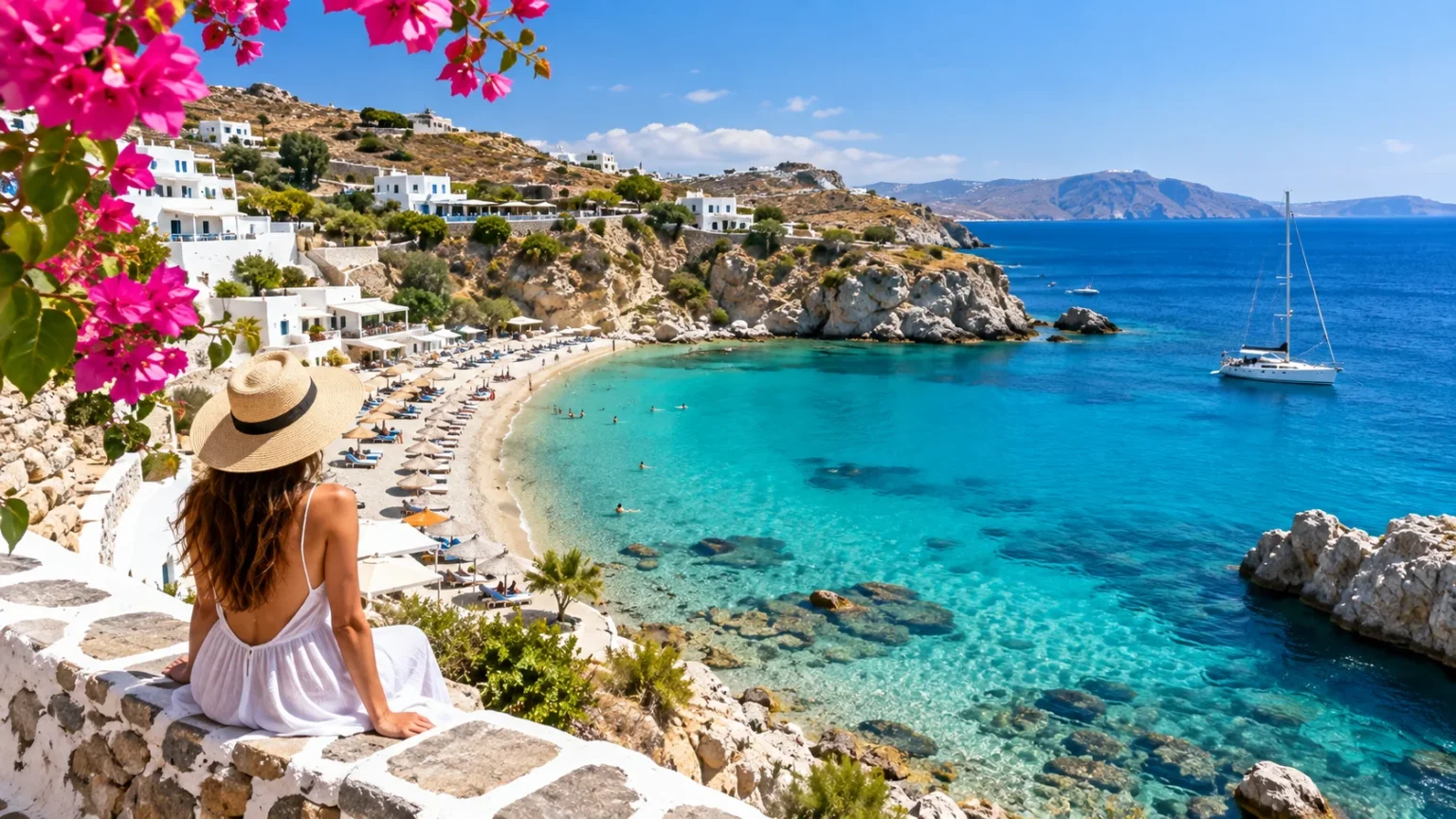
Greece is famous for clear blue water, dramatic coastlines, sheltered coves, and long stretches of sand. Its islands and mainland offer very different beach experiences, from shallow lagoons in Crete to white volcanic landscapes in Milos. This variety makes it easy to choose a coastal destination that matches your preferred style of holiday.
Some of the best beaches in Greece are surrounded by cliffs and rugged landscapes, while others sit beside lively resorts with restaurants and water activities. Families can find calm, shallow water, while couples may prefer quieter coves or sunset beaches. Adventure-focused travelers can also discover remote shores reached by hiking, boat trips, or scenic drives.
Choosing the right Greek beach involves more than finding the most beautiful photograph. Think about accessibility, swimming conditions, shade, facilities, nearby accommodation, and how crowded an area may become during peak season. A little planning can turn an attractive beach into a much more enjoyable day beside the Aegean or Ionian Sea.
Elafonissi Beach, Crete
Elafonissi is one of Crete’s most recognizable coastal destinations, known for pale sand, turquoise water, and areas with a distinctive pink tint. The shallow lagoon-like water creates a relaxing environment for swimming and wading. Its combination of unusual colors and open coastal scenery makes it especially appealing to photographers and first-time visitors.
Because sections of the water remain relatively shallow, Elafonissi can work well for travelers who prefer gentle swimming conditions. The wide coastal area also provides opportunities to explore beyond the busiest central section. Bringing sun protection is important because exposed sections of the beach offer limited natural shade during the hottest hours.
Visiting earlier in the day can provide a calmer experience, especially during the popular summer travel period. Comfortable footwear is helpful if you plan to explore sandy paths and surrounding coastal areas. Elafonissi works particularly well as part of a western Crete itinerary combined with villages, mountain scenery, and other beaches around the Chania region.
Balos Lagoon, Crete
Balos Lagoon delivers one of the most dramatic coastal views in Greece. Bright turquoise water spreads between pale sandbars and rugged hills, creating a landscape that looks very different from a conventional resort beach. The contrast between the lagoon, surrounding mountains, and open sea is one reason travelers often make Balos a priority when visiting Crete.
Reaching Balos can require more planning than visiting a typical roadside beach. Travelers commonly approach through a combination of driving, walking, or organized boat excursions depending on their itinerary. Because the journey itself can take time, it is better to treat Balos as a major day trip rather than squeezing it between several other attractions.
Bring drinking water, sun protection, suitable footwear, and anything else you may need for several hours outdoors. The scenic viewpoint above the lagoon is also part of the experience, so avoid rushing directly toward the water. Balos is especially rewarding for travelers who value memorable scenery and do not mind making extra effort to reach it.
Myrtos Beach, Kefalonia
Myrtos Beach is surrounded by steep green and rocky slopes that drop toward brilliant blue water. Its broad shoreline and dramatic mountain backdrop create one of the most recognizable coastal scenes in the Ionian Islands. The viewpoint above the beach is worth stopping at before descending, particularly when the light highlights the different shades of blue.
The beach itself is generally more about dramatic natural scenery than resort-style entertainment. Visitors should bring what they need for a comfortable beach day and remain aware that open water conditions can change. Pebbles and coarse shoreline material may also make water shoes useful for travelers who prefer additional comfort while walking.
Kefalonia has enough beaches, villages, viewpoints, and countryside to make Myrtos part of a longer island trip rather than a single destination. Renting a vehicle can make exploring more convenient because many beautiful coastal areas are spread across the island. Myrtos combines especially well with scenic drives through northern and central Kefalonia.
Sarakiniko Beach, Milos
Sarakiniko is unlike most traditional Greek beaches because smooth white volcanic rock dominates the landscape. The pale formations curve around intensely blue water, giving the coast an almost moonlike appearance. Visitors often come as much for exploring and photography as for swimming, making Sarakiniko one of the most visually distinctive coastal spots in the Cyclades.
There is relatively little natural shade across the exposed white rock, so strong sun can become uncomfortable during the middle of the day. Bringing sunscreen, water, a hat, and suitable footwear is sensible. Arriving earlier can also make it easier to explore the rock formations before the brightest heat and larger daytime crowds.
Milos contains many other coves and beaches shaped by its unusual geology, so Sarakiniko should ideally be part of a wider island itinerary. Boat trips can reveal coastal formations that are difficult to reach from land. Travelers who enjoy landscapes, swimming, photography, and exploring unusual shorelines may find Milos particularly rewarding.
Porto Katsiki, Lefkada
Porto Katsiki sits below towering pale cliffs on the island of Lefkada, creating a striking contrast between white rock and deep blue Ionian water. The beach has a dramatic, almost enclosed feeling because of the steep landscape behind it. It is a strong choice for travelers who want scenery as much as a traditional swimming experience.
Access involves descending toward the shoreline, so visitors should plan accordingly and carry only what they comfortably need. Shade can be limited depending on the time of day, making sun protection important. As with other exposed Ionian beaches, sea conditions can vary, so swimmers should pay attention to the water rather than assuming it will always remain calm.
Lefkada offers the advantage of being connected to mainland Greece, making it relatively convenient for travelers planning a road trip. Porto Katsiki can be combined with other beaches and mountain villages across the island. Exploring several areas allows you to experience both its famous cliff-lined western coastline and quieter communities away from the busiest shore.
Voidokilia Beach, Peloponnese
Voidokilia Beach is known for its distinctive curved shape, with a broad sandy shoreline forming an almost perfect semicircle around clear water. Unlike the dramatic cliff beaches found on several Greek islands, Voidokilia has a softer, more natural character. The surrounding landscape gives it an open and relatively undeveloped appearance that appeals to travelers seeking scenery without a resort backdrop.
The sandy beach and gently shaped bay make it attractive for a relaxed beach day. Because the area retains a natural feel, visitors should arrive prepared rather than expecting extensive commercial facilities directly beside the sand. Bringing sufficient water, sun protection, and snacks can make the visit much more comfortable.
Voidokilia is located in the Peloponnese, making it useful for travelers who want outstanding Greek beaches without building their entire holiday around island hopping. The wider region also offers historic sites, countryside, and traditional towns. Combining cultural sightseeing with coastal days can create a varied itinerary without requiring multiple ferry journeys.
Agios Prokopios and Plaka Beach, Naxos
Naxos is an excellent choice for travelers who prefer long sandy beaches rather than isolated rocky coves. Agios Prokopios offers clear water and a developed holiday atmosphere, while nearby stretches such as Plaka provide plenty of coastline for swimming and relaxing. These beaches can be particularly convenient for visitors who want accommodation, food, and beach time close together.
Longer sandy shorelines also give visitors more freedom to choose between lively and quieter areas. You can stay near organized sections with convenient facilities or walk farther along the coast for additional space. This flexibility makes Naxos attractive for couples, families, and travelers planning several consecutive beach days rather than one quick sightseeing stop.
The island offers more than its coastline. Traditional villages, mountain landscapes, ancient sites, and local food provide plenty to explore between beach visits. Travelers who want a balanced Greek island holiday with straightforward swimming, sandy shores, and cultural experiences may find Naxos easier to enjoy for a full week than smaller beach-focused islands.
Paleokastritsa, Corfu
Paleokastritsa combines green hills, rocky bays, and clear Ionian water on Corfu’s western coastline. Instead of one enormous beach, the area includes several smaller bays and swimming spots surrounded by dramatic natural scenery. Boats moving between nearby coves add to the atmosphere and make the destination feel more varied than a single stretch of sand.
Boat excursions are a popular way to explore caves and small coastal areas that are difficult to reach by road. Travelers who enjoy snorkeling may also appreciate the clear water around rocky sections. Because different bays offer slightly different conditions and facilities, spending several hours exploring can be more rewarding than remaining at the first beach you encounter.
Corfu is particularly suitable for visitors who want beaches alongside historic towns, villages, restaurants, and lush inland scenery. A trip can combine coastal days with exploring Corfu Town and driving through the countryside. Paleokastritsa works especially well as one of several stops rather than the only beach included in a Corfu itinerary.
Best Time to Visit the Beaches in Greece
Summer provides the warmest and busiest beach conditions across much of Greece. July and August are particularly popular because of high temperatures, long daylight hours, and active resort areas. These months can be excellent for travelers who enjoy a lively atmosphere, although popular beaches and accommodation can feel considerably busier.
Late spring and early autumn can provide a more relaxed balance for many visitors. Weather is often suitable for exploring coastal areas while famous destinations may feel less intense than at the height of summer. Sea temperature and local conditions vary between regions, so travelers focused heavily on swimming should consider the specific island and month when planning.
Timing your beach day also matters. Early morning can provide softer temperatures, easier parking, and a quieter shoreline, while late afternoon creates attractive light and a more relaxed atmosphere. Avoiding the strongest midday sun can make exploration more comfortable, particularly at beaches with exposed rock, limited trees, or little natural shade.
Planning a Greek Beach Trip as Part of a Europe Holiday
A Greece beach holiday can work as a standalone trip or as one part of a longer European itinerary. Athens provides convenient connections to many islands and mainland destinations, while ferries and domestic flights make it possible to combine several regions. Avoid trying to visit too many islands quickly, because travel days can consume more time than expected.
Choose destinations that offer genuinely different experiences rather than collecting beaches simply to increase the number of stops. For example, combining the volcanic landscape of Milos with the long sandy coast of Naxos creates more variety than repeatedly visiting similar resort beaches. Staying several nights in each location also gives you flexibility when weather or sea conditions change.
If your journey continues beyond Greece, you can mix Mediterranean relaxation with European city sightseeing. Travelers building a wider itinerary might pair Greek island time with northern destinations and explore Edinburgh attractions on another leg of the journey. Building contrasting destinations into one trip can make each stop feel more distinctive.
Conclusion
The best beaches in Greece offer far more variety than a single postcard image suggests. Elafonissi and Balos provide striking lagoon scenery, Myrtos and Porto Katsiki deliver dramatic cliffs, while Sarakiniko creates an entirely different experience with its white volcanic landscape. Naxos, Corfu, and the Peloponnese add sandy coastlines and more relaxed alternatives.
Choose your destination according to the type of beach holiday you actually want. Families may prioritize sandy shores and easy facilities, photographers may prefer dramatic landscapes, and adventurous travelers may enjoy remote coves or boat-access beaches. Considering access, shade, swimming conditions, accommodation, and nearby attractions can help you make a better choice.
Most importantly, allow enough time to enjoy each destination instead of turning a Greek beach holiday into a rushed checklist. Spend time swimming, exploring coastal paths, eating locally, and discovering nearby villages. Greece’s coastline is at its best when the journey between beaches becomes part of the experience rather than simply transportation between photographs.
FAQs
Which part of Greece has the best beaches?
Crete, the Cyclades, Ionian Islands, Naxos, and parts of the Peloponnese all offer exceptional beaches. The best region depends on whether you prefer sandy shores, lagoons, dramatic cliffs, or unusual rocky landscapes.
What is the best Greek island for sandy beaches?
Naxos is particularly well known for long sandy beaches such as Agios Prokopios and Plaka. It also combines beach access with villages, historic sights, restaurants, and enough variety for a longer stay.
When is the best month for a Greek beach holiday?
June and September can provide a good balance of warm weather and fewer peak-season crowds. July and August are hotter and livelier but are also among the busiest periods at famous beaches.
Are Greece’s beaches suitable for families?
Many Greek beaches are family-friendly, particularly those with sandy shores and shallow water. Conditions differ between locations, so check local swimming conditions, access, shade, and available facilities before visiting with children.
Do you need a car to explore Greek beaches?
It depends on the destination. Some resort beaches are easily reached by bus or on foot, while remote beaches can be much easier to visit with a rental vehicle or organized boat excursion.