





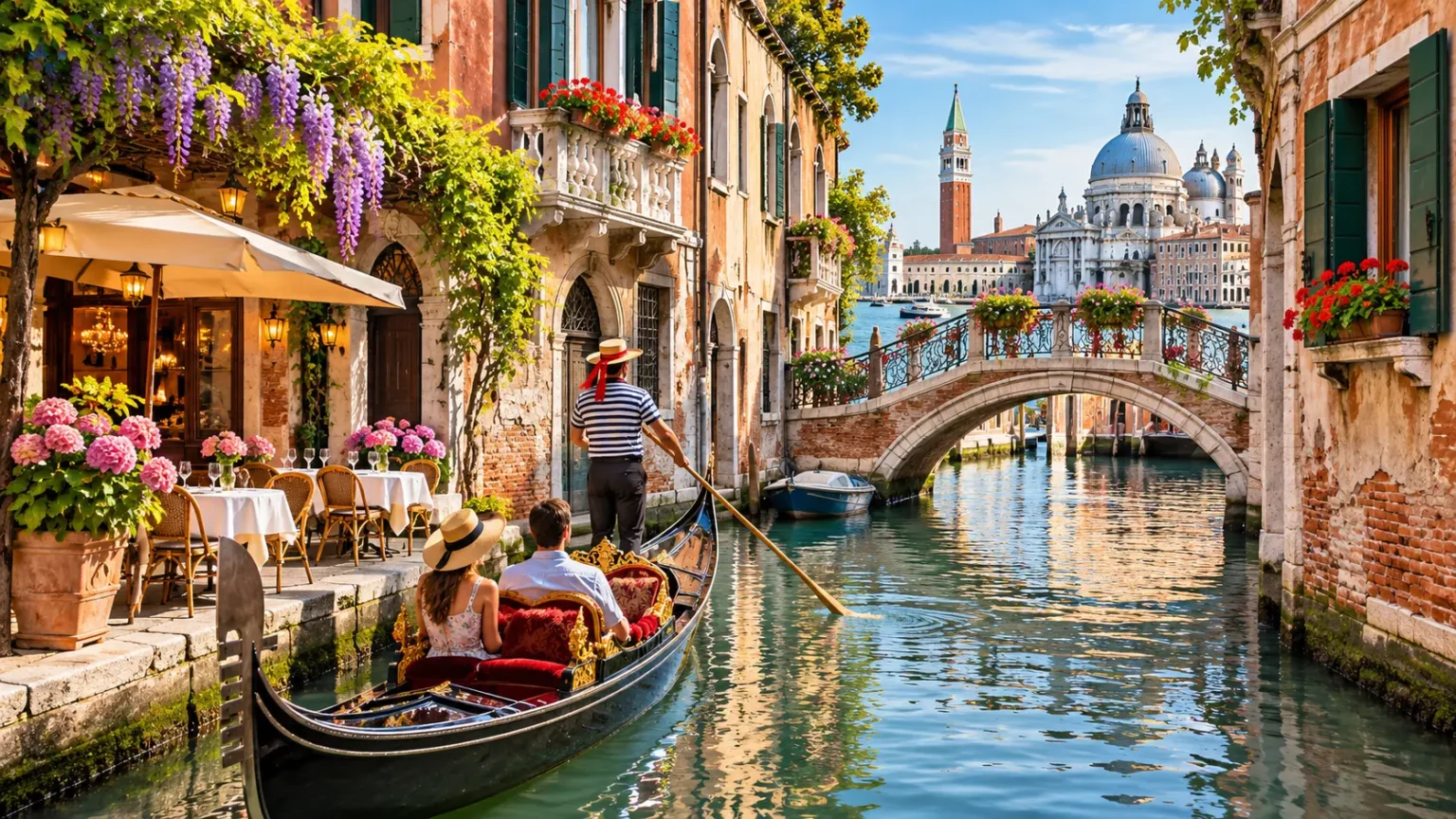
Why Venice Is One of Italy’s Most Beautiful Cities
Venice is one of Italy’s most fascinating destinations, known for its beautiful canals, historic buildings, and romantic waterways. Built across numerous islands in the Venetian Lagoon, the city offers experiences unlike those found in most European destinations. From famous landmarks to peaceful neighborhoods, there are countless things to do in Venice Italy for first-time visitors and returning travelers.
The city is famous for attractions such as St. Mark’s Basilica, the Rialto Bridge, and the Grand Canal. However, Venice also has quiet streets, hidden courtyards, traditional markets, and smaller islands worth exploring. Walking away from the busiest tourist routes often reveals a different side of local life. These discoveries can make a Venice vacation feel more personal and memorable.
Whether you enjoy history, architecture, photography, or Italian food, Venice offers something interesting around almost every corner. Visitors can explore historic palaces, admire Renaissance artwork, or take boat trips across the lagoon. Planning a balanced itinerary helps you experience famous attractions without missing lesser-known treasures. The following guide covers essential sights, hidden gems, and practical travel tips.
Visit St. Mark’s Square and St. Mark’s Basilica
St. Mark’s Square, known locally as Piazza San Marco, is one of the most famous places to visit in Venice. Surrounded by elegant historic buildings, the square has served as an important gathering place for centuries. Visitors can admire beautiful architecture, explore nearby attractions, and enjoy the lively atmosphere. Arriving early in the morning often provides a quieter experience.
St. Mark’s Basilica is the main architectural highlight of the square and an important symbol of Venetian history. Its impressive domes, detailed mosaics, and richly decorated interior reflect centuries of artistic influence. The basilica combines elements of Byzantine architecture with other historic styles. Visitors should check current admission arrangements and dress requirements before entering this important religious landmark.
Another attraction in the square is St. Mark’s Campanile, the tall bell tower offering panoramic views over Venice. From an elevated viewpoint, visitors can admire rooftops, waterways, and surrounding islands. The nearby Clock Tower is another remarkable historic structure worth observing. Spending time around these landmarks provides a memorable introduction to Venice’s architecture and cultural heritage.
Explore Doge’s Palace and the Bridge of Sighs
Doge’s Palace is among the most important historic attractions in Venice, offering insight into the city’s political past. The palace once served as the residence of the Doge and a center of government. Its Gothic exterior features elegant arches, decorative stonework, and impressive architectural details. Inside, visitors can explore magnificent chambers that reveal the influence of the Venetian Republic.
The palace contains richly decorated rooms, historic artwork, and spaces associated with government administration and justice. Walking through these interiors helps visitors understand how Venice developed into a powerful maritime republic. Paintings and architectural details reflect the city’s wealth and cultural influence. Visitors interested in European history should consider allowing enough time to explore the exhibitions carefully.
The nearby Bridge of Sighs connects the palace complex with the historic prison buildings. This enclosed limestone bridge is one of Venice’s most photographed landmarks. Visitors can admire its exterior from nearby bridges or experience the interior through the palace’s visitor route. Its distinctive appearance and historical connection make it an essential stop for architecture lovers.
Take a Scenic Ride Along the Grand Canal
The Grand Canal is Venice’s main waterway and one of the city’s most recognizable attractions. It winds through the historic center, passing grand palaces, churches, and beautiful waterfront buildings. Traveling along the canal provides a different perspective from exploring the city on foot. The changing views make the journey especially enjoyable for photographers and first-time visitors.
One practical way to experience the Grand Canal is by taking a vaporetto, Venice’s public water bus. These boats connect important stops throughout the city and offer views of historic buildings along the route. A journey along the canal can be an attraction in itself. Visitors should check route information because different services follow different paths and stopping patterns.
The Grand Canal becomes particularly beautiful when the light changes during the late afternoon and early evening. Reflections on the water highlight the colorful buildings and passing boats. Major landmarks, including the Rialto Bridge and Santa Maria della Salute, create memorable views. Taking time to appreciate this famous waterway is one of the best Venice travel experiences.
Walk Across the Rialto Bridge and Explore the Market
The Rialto Bridge is one of the most popular tourist attractions in Venice and an important crossing over the Grand Canal. Its distinctive stone arch and historic design make it instantly recognizable. Visitors can walk across the bridge while admiring boats moving below. The surrounding area is lively, with narrow streets, shops, restaurants, and historic buildings.
The nearby Rialto Market offers a different experience from the city’s major monuments and tourist attractions. Traditionally known for selling fresh produce and seafood, the market reflects Venice’s connection with food and trade. Visiting during active market hours provides an opportunity to observe everyday commercial life. Market schedules and individual stalls can vary by day.
Exploring the smaller streets around Rialto can also lead to interesting discoveries away from the busiest walkway. Historic passageways, quiet canals, and small neighborhood squares create a more relaxed atmosphere. Visitors may find traditional shops and attractive viewpoints along the way. Allowing extra time for wandering makes the Rialto area more rewarding than a quick photograph stop.
Experience a Traditional Venetian Gondola Ride
A gondola ride is one of the most recognizable experiences associated with Venice. These traditional narrow boats have been part of the city’s transportation history for centuries. Today, gondolas mainly provide sightseeing experiences along canals and waterways. Riding through quieter canals allows visitors to appreciate historic buildings, small bridges, and peaceful corners that are difficult to see from larger boats.
The experience varies depending on the route, location, and level of boat traffic. Some journeys include sections of the Grand Canal, while others focus on narrow residential waterways. Travelers should confirm the official fare, duration, and any additional services before boarding. Planning the ride carefully can help prevent confusion and ensure expectations match the experience.
For visitors seeking a simpler alternative, a traghetto offers a short gondola-style crossing at selected points along the Grand Canal. These traditional ferry services are primarily designed to transport passengers between opposite banks. Availability and operating hours can vary. Although the journey is much shorter than a sightseeing gondola ride, it offers another connection to Venetian transportation traditions.
Discover Dorsoduro’s Art Museums and Peaceful Canals
Dorsoduro is one of the best neighborhoods in Venice for travelers interested in art, architecture, and quieter streets. The district contains historic churches, attractive waterfront paths, and several important cultural attractions. Its atmosphere is often more relaxed than the busy area around St. Mark’s Square. Visitors can spend hours exploring canals, bridges, and small squares.
The Gallerie dell’Accademia is a major attraction for anyone interested in Venetian painting and art history. Its collection includes important works created across several centuries. Nearby, the Peggy Guggenheim Collection introduces visitors to modern art in a distinctive canal-side setting. Together, these museums offer contrasting perspectives on the city’s artistic heritage and international cultural connections.
Another beautiful landmark in Dorsoduro is the Basilica di Santa Maria della Salute, located near the entrance to the Grand Canal. Its impressive dome is a defining feature of Venice’s skyline. The nearby waterfront offers attractive views across the water toward historic buildings. Walking through Dorsoduro combines cultural discovery with some of Venice’s most memorable scenery.
Explore Cannaregio and the Historic Jewish Ghetto
Cannaregio is an excellent neighborhood for travelers looking to discover a quieter side of Venice. Located in the northern part of the historic city, it features residential canals, traditional shops, and atmospheric walking routes. While some areas remain busy, many smaller streets feel more relaxed. Exploring this district reveals everyday Venetian life beyond the major tourist landmarks.
One important historical attraction is the Venetian Jewish Ghetto, established in 1516. The area contains historic buildings, synagogues, and places connected with centuries of Jewish cultural heritage. Visitors can explore its public spaces and learn about the community’s history through appropriate cultural visits. Respectful behavior is important because the neighborhood remains a living community.
Cannaregio also features attractive canal-side pathways and lesser-known churches, including Santa Maria dei Miracoli. This small Renaissance church is admired for its elegant marble exterior and beautiful architectural proportions. Wandering through nearby streets provides opportunities to discover quiet bridges and interesting details. The district is particularly enjoyable for travelers who prefer slower exploration.
Escape the Crowds in Castello’s Hidden Streets
Castello is one of Venice’s largest districts and offers a combination of famous attractions and peaceful residential areas. Although the western side connects with busy tourist routes, eastern Castello feels noticeably different. Narrow streets, neighborhood squares, and local shops give visitors a glimpse of daily life. Exploring the district on foot can reveal charming places that many short itineraries overlook.
One interesting landmark is the Basilica di San Pietro di Castello, located away from the busiest central attractions. The church played an important role in Venice’s religious history before St. Mark’s became the city’s cathedral. Its surroundings offer a quieter atmosphere than the main tourist squares. Visitors interested in historic architecture may find this area especially rewarding.
The eastern end of Castello also includes the peaceful surroundings of Sant’Elena and nearby green spaces. These areas provide an opportunity to enjoy a slower pace after exploring crowded landmarks. Walking along the waterfront offers views toward the lagoon and surrounding islands. Castello is ideal for discovering Venice beyond its most familiar postcard scenes.
Find Hidden Gems Beyond the Famous Venice Attractions
One of Venice’s most distinctive hidden attractions is the Scala Contarini del Bovolo, a remarkable spiral staircase tucked between historic buildings. Its unusual architectural design makes it different from the city’s larger monuments. Visitors can admire the elegant structure and, when access is available, enjoy an elevated viewpoint. The attraction is especially appealing to travelers interested in architecture and photography.
Another unusual stop is Libreria Acqua Alta, an independent bookstore known for its imaginative interior. Books are displayed in unconventional arrangements, including boats and other containers associated with the city’s watery environment. The shop has become popular with visitors searching for memorable photographs and unusual bookshops. Respecting the space and allowing customers to browse helps preserve its character.
Venice also rewards visitors who explore smaller squares, known as campi, without following a rigid sightseeing schedule. Places such as Campo Santa Margherita and Campo San Giacomo dell’Orio offer attractive surroundings and neighborhood character. Quiet canals often appear only a short distance from crowded routes. These unexpected discoveries are among the most enjoyable hidden gems in Venice.
Visit Murano, Burano, and Torcello Islands
Murano is a popular island destination known for its long tradition of Venetian glassmaking. Visitors can explore glass workshops, browse locally made decorative pieces, and learn about traditional craftsmanship. The island also contains historic churches and attractive canals. Watching skilled artisans demonstrate their work can provide useful insight into an important part of Venice’s cultural heritage.
Burano is famous for its brightly colored houses, peaceful canals, and traditional lace-making history. Walking around the island feels different from exploring central Venice because of its vibrant streets and smaller village atmosphere. Visitors can photograph colorful buildings and discover local craft shops. Burano is especially appealing to travelers interested in photography, architecture, and scenic island experiences.
Torcello offers a quieter experience and a deeper connection to the lagoon’s early history. The island is known for the Basilica di Santa Maria Assunta and its remarkable Byzantine mosaics. Unlike the busier islands, Torcello has a peaceful landscape and relatively few buildings. Visiting these three islands gives travelers a broader understanding of Venetian culture beyond the historic city center.
Explore San Giorgio Maggiore, Giudecca, and the Lido
San Giorgio Maggiore is a small island located across the water from St. Mark’s Square. It is known for its beautiful church, designed by Andrea Palladio, and its impressive architectural setting. The island provides striking views toward central Venice. Visitors can appreciate the contrast between its quieter surroundings and the busy waterfront across the lagoon.
Giudecca is another interesting destination for travelers who want to explore beyond the most crowded tourist routes. The island features residential areas, waterfront walkways, and views toward Dorsoduro. Its atmosphere offers a different perspective on daily life in Venice. Walking along the waterfront provides an enjoyable way to appreciate the lagoon and historic skyline.
For something completely different, visitors can travel to the Lido, a barrier island known for its beaches and seaside atmosphere. The Lido offers opportunities for relaxing walks and exploring an area unlike Venice’s narrow historic streets. Its wider roads and coastal setting create a distinctive experience. The island can be especially enjoyable during warmer months.
Enjoy Venetian Food and Plan Your Visit Wisely
Exploring local food is another enjoyable activity when visiting Venice. Traditional Venetian cuisine includes seafood dishes, risotto, polenta, and small snacks known as cicchetti. These snacks are commonly served in informal local establishments called bacari. Trying regional specialties allows travelers to experience another part of the city’s history and everyday culture.
Planning your sightseeing route can make a significant difference when exploring Venice’s narrow streets and canals. Comfortable walking shoes are important because many routes involve bridges and uneven surfaces. Public water buses can help connect distant neighborhoods and lagoon islands. Allowing additional time between attractions reduces unnecessary rushing and creates more opportunities for spontaneous discoveries.
Visitors should also check seasonal conditions, attraction opening hours, and current local entry requirements before traveling. Venice can experience high tides, known as acqua alta, which may temporarily affect certain walking areas. Some attractions require advance reservations, particularly during busy travel periods. A flexible itinerary makes it easier to enjoy the city while accommodating changing conditions.
Conclusion
The best things to do in Venice Italy combine famous landmarks with experiences that reveal the city’s quieter character. St. Mark’s Square, the Grand Canal, Doge’s Palace, and the Rialto Bridge remain essential attractions for first-time visitors. However, exploring neighborhoods such as Cannaregio, Castello, and Dorsoduro adds more variety to the trip. These areas reveal beautiful architecture and authentic neighborhood surroundings.
Venice’s surrounding islands also provide memorable opportunities to discover traditional crafts, colorful buildings, and peaceful landscapes. Murano offers glassmaking heritage, while Burano is famous for its bright houses and lace traditions. Torcello, Giudecca, and San Giorgio Maggiore introduce different perspectives on the lagoon. Each destination contributes something distinctive to a well-planned Venice itinerary.
The most rewarding Venice experience often comes from balancing planned sightseeing with unhurried exploration. Walking through unfamiliar streets, crossing quiet bridges, and enjoying local food can be just as memorable as visiting major monuments. Travelers should allow enough time to appreciate the city’s unique atmosphere. With thoughtful planning, Venice offers an unforgettable combination of history, culture, scenery, and hidden treasures.
FAQs
What Are the Best Things to Do in Venice, Italy?
The best things to do include visiting St. Mark’s Basilica, exploring Doge’s Palace, walking across the Rialto Bridge, and riding along the Grand Canal. Murano and Burano are also popular island destinations.
How Many Days Do You Need in Venice?
Two to three days are ideal for exploring Venice’s main attractions and several neighborhoods. Staying longer allows time for lagoon islands, museums, hidden gems, and a more relaxed sightseeing experience.
What Are Some Hidden Gems in Venice?
Popular hidden gems include Scala Contarini del Bovolo, Santa Maria dei Miracoli, and quieter streets in Cannaregio and Castello. Torcello and parts of eastern Venice also offer peaceful alternatives to crowded attractions.
Is Venice Worth Visiting for First-Time Travelers?
Yes, Venice is worth visiting for its historic architecture, distinctive canals, remarkable artwork, and beautiful lagoon scenery. Its combination of famous landmarks and quieter neighborhoods creates a memorable experience for first-time travelers.
Can You Explore Venice Without Taking a Gondola Ride?
Yes, Venice is easy to explore on foot and by public water bus. Visitors can enjoy canals, bridges, historic neighborhoods, and famous landmarks without booking a gondola ride.