





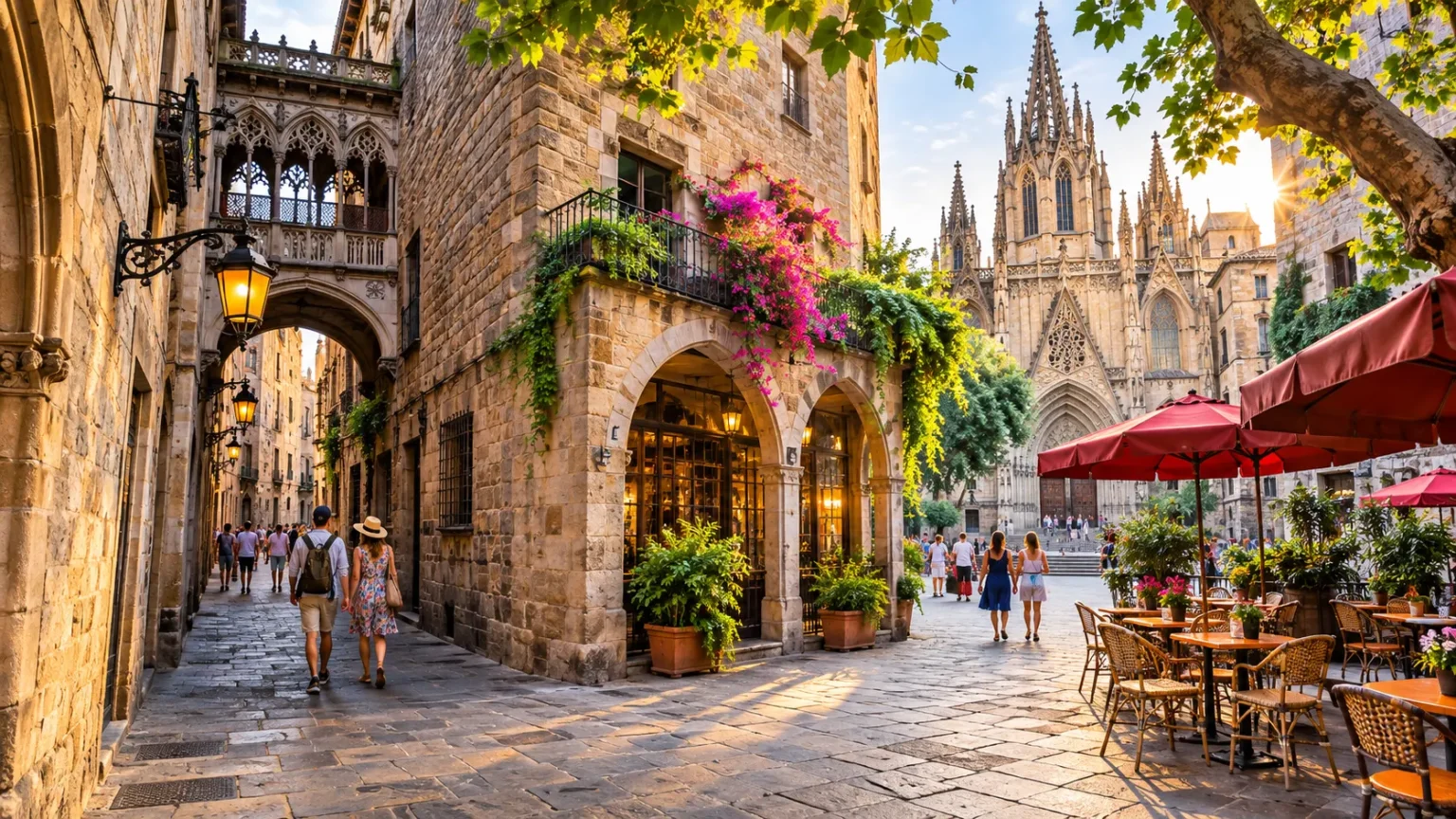
Barcelona is one of Spain’s most exciting cities, known for its beautiful architecture, vibrant streets, Mediterranean atmosphere, and rich cultural history. Among its many neighborhoods, the Gothic Quarter stands out as a fascinating place to explore. Its narrow medieval streets, historic churches, peaceful squares, and hidden courtyards offer visitors a memorable experience. Walking through this neighborhood feels like discovering different chapters of Barcelona’s past.
The Gothic Quarter Barcelona, locally known as Barri Gòtic, is located in the heart of the This guide covers the best things to see in Barcelona’s Gothic Quarter, including famous attractions, hidden corners, local food, and practical travel tips.city’s historic center. It features centuries-old buildings, Roman remains, traditional shops, and some of Barcelona’s most recognizable landmarks. Visitors can explore the area on foot while discovering its unique combination of history and everyday city life.
This guide covers the best things to see in Barcelona’s Gothic Quarter, including famous attractions, hidden corners, local food, and practical travel tips. You will also learn how to plan a walking route, when to visit, and what first-time travelers should know. With thoughtful planning, this historic neighborhood can become one of the highlights of your Barcelona vacation.
What Is the Gothic Quarter in Barcelona?
The Gothic Quarter is a historic neighborhood within Barcelona’s Ciutat Vella district, also called the Old City. It is famous for its winding streets, impressive architecture, and lively public squares. Many buildings reflect Barcelona’s medieval history, while others include Roman foundations or later architectural additions. The neighborhood combines important historical landmarks with restaurants, shops, homes, and everyday activities.
The area sits near La Rambla, one of Barcelona’s most famous pedestrian streets. Its location makes it convenient for visitors exploring the central part of the city. The Gothic Quarter also connects easily with neighboring districts such as El Born and El Raval. Travelers can discover several attractions within a relatively small walking area.
Although the neighborhood is associated with Gothic architecture, not every building dates from the medieval period. Some architectural features were restored or created during later centuries. This mixture gives the area its distinctive appearance and historical character. Exploring the streets reveals how Barcelona developed through Roman, medieval, and more modern periods.
History of Barcelona’s Gothic Quarter
The history of the Gothic Quarter begins with the ancient Roman settlement of Barcino. Romans established the town around two thousand years ago, creating defensive walls and an organized street layout. Parts of these original structures remain visible today. Visitors can discover traces of Roman Barcelona among the neighborhood’s later buildings and public spaces.
During the Middle Ages, Barcelona developed into an important commercial and political center. Churches, government buildings, and merchant residences became prominent features of the growing city. Many surviving structures reflect the architectural traditions of this period. The neighborhood’s narrow streets also preserve elements of its historic urban arrangement.
The Gothic Quarter continued changing during later centuries as buildings were modified, restored, and adapted to new uses. Some of its recognizable Gothic-style details were introduced during modern restoration projects. These changes make the neighborhood historically layered rather than entirely medieval. Understanding this background helps visitors appreciate the different influences visible throughout its streets.
Barcelona Cathedral: A Must-See Landmark
Barcelona Cathedral is one of the most impressive attractions in the Gothic Quarter. Officially known as the Cathedral of the Holy Cross and Saint Eulalia, it features beautiful Gothic architecture and detailed stonework. Its prominent location makes it a natural starting point for exploring the neighborhood. The surrounding square also provides excellent views of the cathedral’s exterior.
Inside, visitors can admire historic chapels, religious artwork, and the cathedral’s peaceful cloister. The cloister is particularly memorable because it traditionally houses a group of white geese. Depending on available access, visitors may also explore additional areas of the building. The cathedral’s interior provides an interesting contrast to the busy streets outside.
The cathedral remains an active religious site, so visitors should respect worshippers and follow appropriate clothing requirements. Tourist access, ticket arrangements, and opening hours may vary according to services or special events. Checking current visitor information before arriving is helpful. Early visits may provide a more comfortable experience when the surrounding streets are less crowded.
Explore the Roman Walls and Ancient Barcelona
One of the most interesting things about Barcelona’s Gothic Quarter is its connection to the Roman city of Barcino. Sections of ancient defensive walls remain visible in several locations. These structures reveal how the city was protected during Roman times. Exploring them provides a different perspective from the neighborhood’s more familiar medieval appearance.
Plaça Nova, near Barcelona Cathedral, is a convenient place to see surviving sections of the Roman walls and towers. Visitors can examine the contrast between ancient stonework and surrounding buildings. The area also connects several important pedestrian routes. It is an excellent location for beginning a historical walking tour.
Another fascinating attraction is the Temple of Augustus, represented by surviving Roman columns on Carrer del Paradís. These remains are tucked inside a building courtyard rather than displayed in a large outdoor monument. Finding them feels like discovering a hidden piece of ancient history. They demonstrate how Roman structures remain integrated into modern Barcelona.
Plaça del Rei: A Beautiful Medieval Square
Plaça del Rei is one of the most atmospheric historic squares in the Gothic Quarter. Surrounded by impressive medieval buildings, it provides a quieter setting for appreciating Barcelona’s architectural heritage. The square is closely connected with the city’s former royal and administrative history. Its stone surroundings create an unforgettable impression for first-time visitors.
Important buildings around the square include parts of the Palau Reial Major complex. Visitors can admire historic facades and architectural details while exploring the surrounding area. The square is also associated with the Barcelona History Museum, known as MUHBA. Its exhibitions and archaeological sites help explain how the city developed across different historical periods.
Plaça del Rei is particularly enjoyable for travelers interested in history and photography. The surrounding buildings create beautiful perspectives, especially when the square is relatively quiet. Visitors can spend time observing architectural details before continuing through nearby streets. Its central location makes it easy to include in a self-guided walking route.
Pont del Bisbe: Barcelona’s Famous Gothic Bridge
Pont del Bisbe, commonly called the Bishop’s Bridge, is one of the most photographed landmarks in Barcelona’s Gothic Quarter. It crosses Carrer del Bisbe, connecting two historic-looking buildings above the narrow street. The bridge features intricate stone details and pointed Gothic-style elements. Its appearance makes it a memorable stop during a neighborhood walk.
Despite its medieval appearance, the bridge was constructed in 1928. It is an example of the Gothic-inspired architecture added during the neighborhood’s later development. Understanding this detail makes the landmark even more interesting. It demonstrates how Barcelona’s historic appearance includes both genuinely medieval structures and carefully designed modern additions.
The bridge is especially popular with photographers because of its decorative design and narrow street setting. Visitors often stop beneath it while walking between the cathedral area and Plaça de Sant Jaume. Crowds can gather throughout the day, particularly during busy travel seasons. Visiting earlier may provide more opportunities to appreciate its architectural details.
Plaça de Sant Felip Neri: A Peaceful Hidden Square
Plaça de Sant Felip Neri is one of the most memorable hidden spaces in the Gothic Quarter. The small square features a central fountain, surrounding buildings, and a historic Baroque church. Its enclosed setting offers a noticeably quieter atmosphere than nearby busy streets. Visitors often discover it while exploring the neighborhood’s narrow passageways.
The square also carries an important and difficult history connected with the Spanish Civil War. Marks on the church facade remain associated with bombing damage from that period. These visible traces make the location a place of historical reflection. Visitors should approach the site respectfully and recognize its significance beyond its attractive architecture.
Finding Plaça de Sant Felip Neri is part of the experience because it lies away from the neighborhood’s main routes. The surrounding streets create a sense of discovery as visitors approach the square. It is a suitable place for a short, quiet stop. Respecting local residents and maintaining a peaceful atmosphere helps preserve its character.
El Call: Discover Barcelona’s Jewish Quarter
El Call is the historic Jewish Quarter located within Barcelona’s Gothic Quarter. Its narrow streets preserve part of the setting where a Jewish community lived during the medieval period. The area provides insight into an important chapter of Barcelona’s cultural history. Walking through these streets reveals another layer of the city’s diverse heritage.
The neighborhood contains historic locations connected with Jewish life in medieval Barcelona. Visitors interested in this history can explore the surrounding lanes and learn about the former community. The area’s past also includes persecution and the devastating violence of 1391. Understanding these events provides important context for the neighborhood’s surviving historical traces.
El Call is best explored slowly, with attention to its street layout and historical significance. Some passages are narrow and easy to miss when following major tourist routes. Guided historical tours may provide additional context about the community and its legacy. This part of the Gothic Quarter offers an educational experience beyond the neighborhood’s famous landmarks.
Beautiful Squares and Streets Worth Exploring
The Gothic Quarter contains several charming squares that reveal different sides of Barcelona’s historic center. Plaça de Sant Jaume is particularly important because it houses major government buildings. The square has long been associated with civic and political life. Visitors can admire its architecture while observing the movement of everyday city activity.
Plaça Reial offers a different atmosphere with its arcaded buildings, palm trees, and central fountain. Located close to La Rambla, it is a popular place for walking and relaxing. Cafes and restaurants surround the square, creating a lively setting. Visitors should remember that its appearance and activity levels change throughout the day.
Smaller streets such as Carrer de Petritxol also deserve attention during a neighborhood walk. This pedestrian street is known for traditional shops and places serving sweet treats. Nearby lanes reveal balconies, decorative doors, and interesting architectural details. Exploring these quieter routes can be just as enjoyable as visiting the most famous attractions.
Where to Eat and Shop in the Gothic Quarter
The Gothic Quarter offers numerous opportunities to experience Barcelona’s food culture. Visitors can find traditional Catalan dishes, tapas, pastries, and casual meals throughout the neighborhood. Some restaurants occupy historic buildings or small pedestrian streets. Exploring beyond the busiest tourist areas may reveal different dining experiences and price options.
Popular local foods include pa amb tomàquet, a simple dish made with bread, tomato, and olive oil. Travelers may also enjoy patatas bravas, seasonal Catalan specialties, and traditional desserts. Cafes provide comfortable places to rest between attractions. Checking menus and displayed prices before ordering helps avoid unexpected expenses.
Shopping is another enjoyable activity in the Gothic Quarter. Small boutiques, independent stores, and artisan shops sell clothing, accessories, stationery, and handmade items. Some businesses offer locally inspired products suitable for souvenirs. Comparing shops and choosing items you genuinely like can make the experience more rewarding than rushing through crowded commercial streets.
Best Walking Route Through the Gothic Quarter
Walking is one of the best ways to explore the Gothic Quarter because many attractions are located close together. A convenient route begins at Plaça Nova, where visitors can admire the Roman walls and Barcelona Cathedral. From there, continue toward Plaça del Rei and the surrounding medieval streets. This creates a natural introduction to the neighborhood’s history.
After exploring the cathedral area, walk toward Carrer del Bisbe to admire the famous bridge. Continue to Plaça de Sant Jaume before exploring the narrow streets of El Call. A short detour can lead to Plaça de Sant Felip Neri. These attractions provide a memorable combination of architecture, history, and quieter spaces.
Finish your walk by exploring Plaça del Pi and heading toward Plaça Reial near La Rambla. A straightforward sightseeing route may take around two hours, but museum visits and relaxed breaks require additional time. Comfortable shoes are useful because many streets have older paving. Allowing flexibility makes the experience more enjoyable than following a strict schedule.
Best Time to Visit the Gothic Quarter
The Gothic Quarter can be visited throughout the year, although weather and crowd levels influence the experience. Spring and autumn often provide comfortable temperatures for exploring Barcelona on foot. Summer brings longer days and a lively atmosphere but can also be hot and crowded. Winter may offer quieter sightseeing conditions during certain periods.
Early morning is an excellent time to explore the neighborhood’s most popular streets. Visitors may find quieter surroundings near Barcelona Cathedral, Pont del Bisbe, and other famous landmarks. Later in the day, restaurants and public squares become increasingly active. Each period offers a different atmosphere depending on personal travel preferences.
Attractions may operate according to seasonal schedules, religious services, or special events. Visitors should check current opening arrangements before planning indoor sightseeing. Weather forecasts can also help determine suitable clothing and walking times. Building some flexibility into the schedule makes it easier to enjoy the neighborhood without unnecessary pressure.
Getting Around and Staying Safe in the Gothic Quarter
The Gothic Quarter is primarily explored on foot because many of its historic streets are narrow or pedestrianized. Public transportation provides convenient access from other parts of Barcelona. Jaume I and Liceu are useful nearby metro stations, depending on the attractions you want to visit. Walking between landmarks is generally straightforward with basic navigation.
Like other busy tourist areas, the Gothic Quarter requires awareness of personal belongings. Pickpocketing can occur in crowded streets, public transportation, and popular sightseeing locations. Keep valuables secure and avoid leaving phones or bags unattended at outdoor tables. Simple precautions can help visitors enjoy the area with greater confidence.
The neighborhood’s uneven surfaces and narrow streets may also affect visitors with mobility needs. Some historic attractions have stairs or limited accessibility because of their architectural design. Checking accessibility information before visiting individual sites can help with planning. Comfortable footwear, appropriate hydration, and regular breaks support an enjoyable walking experience.
Conclusion
The Gothic Quarter Barcelona is one of the city’s most fascinating neighborhoods for travelers interested in history, architecture, and local culture. Its Roman remains, Gothic churches, medieval squares, and hidden streets provide memorable sightseeing opportunities. Famous attractions such as Barcelona Cathedral, Pont del Bisbe, and Plaça del Rei reveal different chapters of the city’s development.
Exploring the Gothic Quarter is about more than visiting major landmarks. Quiet courtyards, traditional shops, historic streets, and local cafes contribute to its distinctive atmosphere. A self-guided walking route allows visitors to experience these details at a comfortable pace. Taking time to explore smaller streets can reveal some of the neighborhood’s most rewarding corners.
For first-time visitors, planning a few essential stops while leaving room for discovery is the best approach. Visit popular landmarks when crowds are manageable, wear comfortable shoes, and respect the neighborhood’s historical significance. With its rich heritage and lively surroundings, Barcelona’s Gothic Quarter offers an unforgettable introduction to the city’s historic heart.
Frequently Asked Questions
Is the Gothic Quarter in Barcelona worth visiting?
Yes, the Gothic Quarter is worth visiting for its historic architecture, Roman remains, medieval streets, and charming squares. It offers an excellent opportunity to explore Barcelona’s history while enjoying local shops and cafes.
How long does it take to explore Barcelona’s Gothic Quarter?
Around two to three hours is enough for a relaxed walking tour of major landmarks. Allow additional time if you plan to visit museums, enter Barcelona Cathedral, or enjoy meals along the way.
Is the Gothic Quarter free to visit?
Yes, walking through the Gothic Quarter’s public streets and squares is free. However, certain attractions, guided tours, museums, and parts of Barcelona Cathedral may require paid admission.
What is the best time of day to visit the Gothic Quarter?
Early morning is often ideal for quieter streets and sightseeing. Late afternoon offers a lively atmosphere, while evening brings activity around restaurants and squares. Conditions vary by season and day.
What are the main attractions in Barcelona’s Gothic Quarter?
Popular attractions include Barcelona Cathedral, Pont del Bisbe, Plaça del Rei, Plaça de Sant Jaume, Plaça de Sant Felip Neri, the Roman walls, and the historic Jewish Quarter known as El Call.