




Milwaukee, Wisconsin, is a Great Lakes city where historic neighborhoods, lakefront scenery, museums, breweries, sports, food markets, and cultural attractions come together in an easy-to-explore destination. Sitting along the western shore of Lake Michigan, the city blends its industrial and brewing heritage with modern restaurants, public spaces, architecture, and a growing creative scene.
Visitors can spend the morning admiring art beside the lake, walk through the Historic Third Ward in the afternoon, and finish the day with local food or a brewery experience. Milwaukee is particularly enjoyable for travelers who like destinations that provide major-city attractions without requiring constant long-distance travel between neighborhoods.
Whether you are planning a weekend getaway, family vacation, food-focused trip, or longer Midwest itinerary, there are plenty of memorable things to do in Milwaukee. This Milwaukee USA travel guide covers the city’s essential sights, cultural experiences, outdoor spaces, food, neighborhoods, and practical ideas for making the most of your visit.
Why Milwaukee Is Worth Visiting
Milwaukee combines urban attractions with an unusually strong connection to Lake Michigan. Its waterfront, museums, parks, walking areas, historic buildings, and neighborhoods create plenty of variety within a relatively compact destination. Travelers can experience art and architecture one hour and then move toward beaches, riverside paths, restaurants, or historic districts without leaving the city.
The city’s identity has been shaped by generations of immigrants, industrial development, manufacturing, and beer brewing. Those influences remain visible in architecture, food, festivals, breweries, churches, and neighborhood traditions. At the same time, Milwaukee has developed a contemporary dining and arts scene that gives visitors far more to explore than its traditional beer-and-bratwurst reputation might suggest.
Milwaukee also works well for several different travel styles. Couples can build a relaxed weekend around restaurants and museums, families have interactive attractions and outdoor spaces, while sports fans can plan visits around professional games. Travelers interested in architecture, motorcycles, local history, craft beverages, or Great Lakes scenery will also find experiences that suit their interests.
Explore Milwaukee’s Historic Third Ward
The Historic Third Ward is one of the best areas to begin exploring Milwaukee. Former warehouses and industrial buildings have been transformed into restaurants, shops, galleries, apartments, and creative spaces while preserving much of the district’s historic character. Walking its streets gives visitors a sense of how Milwaukee has successfully blended its commercial past with a lively modern neighborhood.
The district is home to the Milwaukee Public Market, one of the city’s most recognizable food destinations. Inside, visitors can browse vendors selling seafood, Wisconsin cheese, baked goods, coffee, specialty foods, and prepared meals. It is an easy place for groups because everyone can choose something different before sitting down together for a casual meal.
The Third Ward also works well as an afternoon or evening destination. Boutique shopping, art galleries, restaurants, theaters, and nearby riverfront areas provide enough variety to spend several hours exploring without following a strict itinerary. Comfortable walking shoes are useful because wandering between side streets and converted buildings is part of the neighborhood’s appeal.
Visit the Milwaukee Art Museum and Lakefront
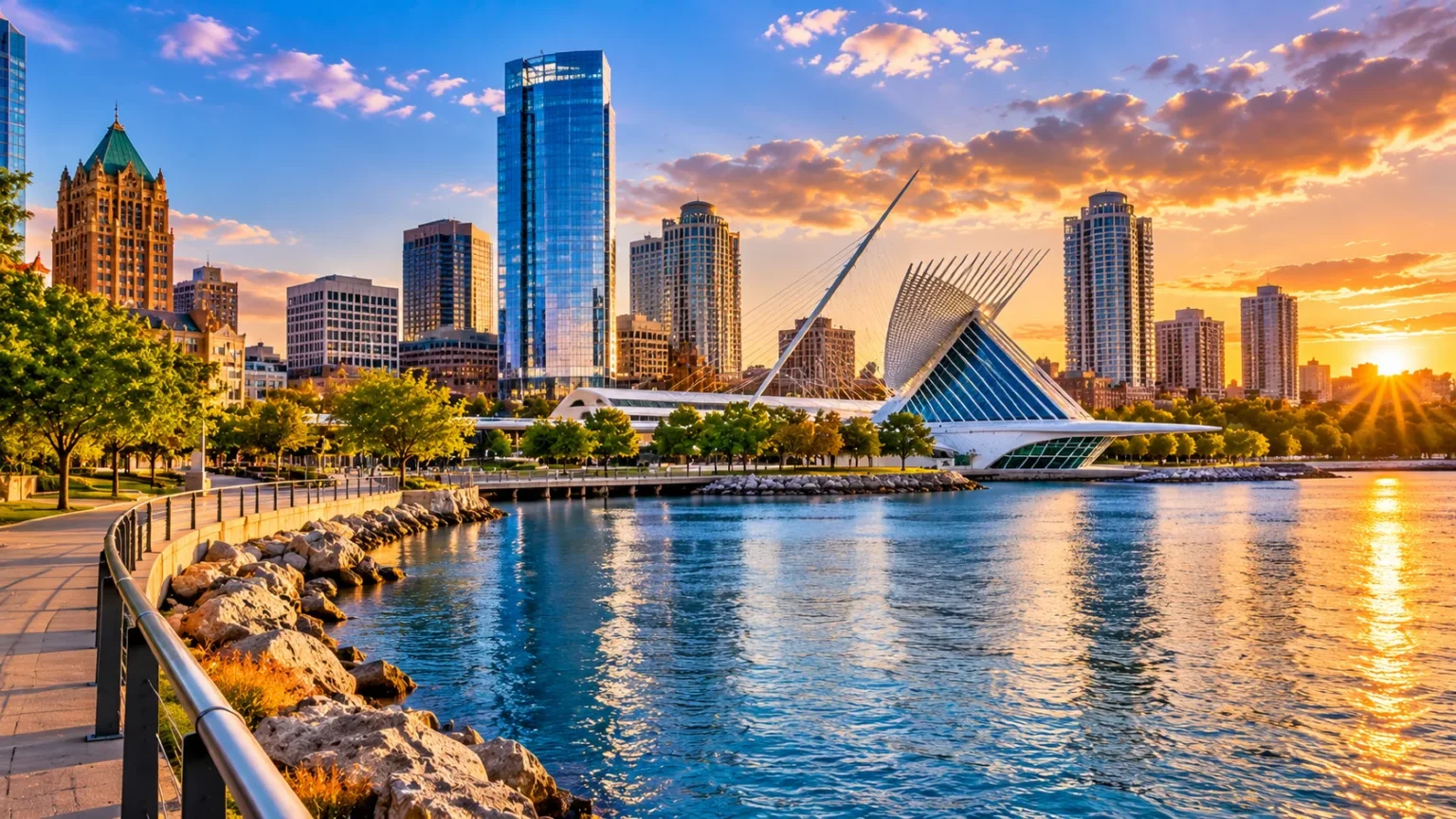
The Milwaukee Art Museum is one of the city’s signature cultural attractions and a major feature of the Lake Michigan waterfront. Its dramatic modern architecture is almost as memorable as the artwork displayed inside. The building’s distinctive wing-like structure has become an instantly recognizable part of Milwaukee’s skyline and adds architectural interest even for visitors who are not dedicated museum enthusiasts.
Inside, visitors can explore collections spanning different periods, artistic styles, and cultures. Temporary exhibitions add variety throughout the year, while large windows and waterfront views connect the museum experience with its setting beside Lake Michigan. Allowing at least a couple of hours provides enough time to enjoy the galleries without rushing from room to room.
After visiting the museum, continue exploring the surrounding lakefront instead of immediately returning downtown. Walking paths, open green spaces, waterfront views, and nearby attractions make this one of Milwaukee’s most photogenic areas. On clear days, the immense scale of Lake Michigan can feel almost ocean-like, creating a very different atmosphere from the city’s inland neighborhoods.
Discover the Harley-Davidson Museum
Milwaukee is closely connected with Harley-Davidson, making the company’s museum one of the city’s most distinctive attractions. The museum traces more than a century of motorcycle design, engineering, culture, and brand history through historic motorcycles, memorabilia, photographs, interactive displays, and special exhibits. Visitors do not need to be motorcycle riders to appreciate the craftsmanship and cultural stories presented throughout the collection.
Historic models demonstrate how motorcycle technology and visual design changed across generations. Exhibits also explore racing, customization, manufacturing, travel culture, and the people who helped shape the Harley-Davidson community. The combination of engineering and social history makes the museum interesting for visitors who enjoy transportation, industrial design, American culture, or mechanical innovation.
Plan enough time to explore the museum at a comfortable pace rather than treating it as a quick photo stop. The surrounding campus also provides spaces for dining, shopping, and special activities depending on the day. Because exhibits and programs can change, checking current operating details before your visit is useful when building a Milwaukee itinerary.
Walk Along the Milwaukee RiverWalk
The Milwaukee RiverWalk offers a pleasant way to experience downtown from a different perspective. Running alongside sections of the Milwaukee River, the route connects entertainment districts, restaurants, historic buildings, public art, and lively waterfront spaces. Walking even part of the route provides a good introduction to the city’s geography while allowing plenty of opportunities to stop for food or photographs.
One of the RiverWalk’s best-known sights is the Bronze Fonz statue, celebrating the character Arthur Fonzarelli from the television series Happy Days. The statue has become a popular photo stop and adds some playful local pop-culture history to the walk. Other sculptures and public art pieces appear along different sections of the riverside route.
The RiverWalk is particularly enjoyable in comfortable weather when restaurant patios and outdoor spaces become more active. Visitors can combine it with downtown sightseeing, the Historic Third Ward, or an evening meal rather than treating it as a separate attraction. Taking time to wander also reveals bridges, architecture, boats, and smaller details that are easy to miss when traveling exclusively by car.
Experience Milwaukee’s Food Scene
Milwaukee’s food culture includes much more than the classic combination of beer, cheese, and bratwurst, although those traditions remain an enjoyable part of the experience. Visitors can find modern American restaurants, international cuisines, bakeries, neighborhood cafés, supper clubs, markets, and chef-driven dining. Trying both traditional Wisconsin specialties and newer restaurants provides the most complete introduction to local food culture.
A classic Wisconsin fish fry is worth considering, particularly on a Friday when the tradition becomes especially visible across the region. Cheese curds are another familiar local favorite and can appear in different styles throughout Milwaukee restaurants and pubs. German-inspired dishes and sausages also reflect the city’s strong historical connections with European immigrant communities.
For travelers who prefer casual exploration, food halls and neighborhood restaurants make it easy to try several flavors without booking formal meals every day. The Milwaukee Public Market works particularly well for lunch, while areas such as Walker’s Point and the East Side offer varied dining options. Building meals around neighborhoods can make your sightseeing itinerary feel more relaxed and naturally organized.
Explore Milwaukee’s Brewing Heritage
Beer has played a major role in Milwaukee’s history, economy, and international reputation. Famous brewing companies helped shape the city’s identity, while historic brewery buildings and neighborhood names continue to reflect that legacy. Today, visitors can explore both long-established brewing traditions and a modern craft beer scene spread across different parts of the city.
Brewery tours can provide insight into brewing processes, local history, ingredients, production methods, and the stories behind individual brands. Some locations emphasize large-scale historical brewing, while smaller breweries focus on experimental styles and neighborhood taproom experiences. Even travelers who are more interested in history than beverages may find the industrial and cultural background surprisingly engaging.
When planning brewery visits, avoid trying to fit too many into one short period. Choosing one historical experience and perhaps one modern craft brewery can provide a more enjoyable introduction without dominating the entire trip. Visitors who do not drink can still appreciate brewery architecture, food, history, and neighborhood atmosphere while selecting non-alcoholic options where available.
Enjoy Milwaukee’s Parks and Lake Michigan Beaches
Milwaukee’s position on Lake Michigan gives travelers access to waterfront parks and beaches within the urban area. Bradford Beach is one of the best-known spots for enjoying the shoreline during warmer months. Visitors come for lake views, walking, relaxing on the sand, and experiencing a different side of Milwaukee away from museums and downtown streets.
The city’s park system also offers green spaces suitable for walking, cycling, picnics, and quiet breaks between attractions. Lakefront areas can be especially refreshing during summer when breezes off Lake Michigan provide relief from warmer temperatures. Sunrise can be particularly beautiful because Milwaukee’s shoreline faces east across the lake.
Outdoor conditions vary substantially by season, so activities should match the weather. Summer suits beach visits and longer waterfront walks, while spring and fall can provide excellent conditions for parks and cycling. Winter transforms the landscape into a colder environment, making indoor museums and restaurants more appealing unless you specifically enjoy snowy outdoor activities.
Find Family-Friendly Things to Do in Milwaukee
Families visiting Milwaukee can choose from several attractions that combine entertainment with interactive learning. Discovery World, located near the lakefront, focuses on science, technology, freshwater environments, and hands-on experiences. Its location also makes it convenient to combine with other waterfront attractions rather than spending large portions of the day traveling across the city.
The Milwaukee County Zoo is another popular option for families who want a longer outdoor activity. A broad collection of animals and family-oriented exhibits can easily fill several hours, particularly when children prefer a slower schedule. Checking seasonal programming and daily activities in advance can help families decide how much time to reserve for the visit.
Children may also enjoy the Public Market, lakefront parks, boat experiences, sporting events, and selected museum exhibits depending on their ages and interests. Instead of filling each day with structured attractions, mixing indoor activities with open outdoor time can keep a family itinerary comfortable. Milwaukee’s compact central areas make that balance relatively easy to achieve.
Explore Milwaukee’s Best Neighborhoods
Milwaukee becomes more interesting once you explore beyond the central downtown attractions. The Historic Third Ward offers converted warehouses and galleries, while the East Side has restaurants, cafés, entertainment, and a younger neighborhood atmosphere. Walker’s Point combines industrial architecture with an evolving dining and nightlife scene that attracts visitors looking for local character.
Bay View is another area worth considering for travelers who enjoy independent businesses, neighborhood restaurants, bars, and a more residential feel. Exploring these districts provides a clearer sense of everyday Milwaukee beyond its major tourist landmarks. Each area has a slightly different personality, making neighborhood hopping an enjoyable way to structure an afternoon or evening.
Avoid trying to visit every neighborhood during a short weekend. Selecting two or three districts based on your interests generally creates a more enjoyable experience than rushing between locations. Travelers focused on food might prioritize Walker’s Point and the Third Ward, while those interested in nightlife and cafés could spend additional time around the East Side.
Attend Sports, Festivals, and Local Events
Sports fans can add professional games to a Milwaukee itinerary depending on the season. Basketball and baseball are especially prominent, while other sporting events take place throughout the year. Attending a game can provide an energetic local experience even for travelers who are not dedicated supporters of Milwaukee teams.
The city is also well known for festivals and seasonal events. Summer brings particularly active programming around the lakefront and throughout Milwaukee’s neighborhoods, with celebrations focusing on music, food, ethnic heritage, art, and community traditions. Event dates vary each year, so checking the calendar for your exact travel dates can reveal experiences that may significantly shape your itinerary.
Large festivals and major games can also affect hotel prices, traffic, parking, and restaurant demand. Booking accommodation early is sensible when traveling during a popular event weekend. Visitors who prefer quieter sightseeing may instead choose dates outside the biggest festivals, when museums, markets, and neighborhoods can feel easier to explore at a slower pace.
Best Time to Visit Milwaukee and Travel Tips
Late spring through early fall provides some of the easiest weather for walking, waterfront activities, festivals, and neighborhood exploration. Summer is particularly active, although popular events can bring larger crowds and stronger accommodation demand. Fall can offer cooler temperatures and attractive seasonal scenery, while winter suits travelers comfortable with cold weather and interested in indoor attractions.
Downtown Milwaukee is relatively manageable for visitors, especially when several attractions are grouped into the same day. Walking works well in central districts, while public transportation, rideshares, bikes, and local transit can help connect areas farther apart. Planning each day around one or two nearby neighborhoods reduces unnecessary travel and leaves more time for spontaneous stops.
Pack according to the season and remember that weather near Lake Michigan can change quickly. Comfortable walking shoes are useful year-round, while layers help during spring and fall when morning and afternoon temperatures may differ. Before visiting specific museums, tours, sporting venues, or seasonal attractions, confirm current hours and ticket requirements because schedules can change.
Conclusion
Milwaukee offers an appealing mix of Great Lakes scenery, cultural attractions, historic neighborhoods, local food, brewing traditions, sports, and outdoor recreation. Major highlights such as the lakefront, Milwaukee Art Museum, Harley-Davidson Museum, RiverWalk, and Historic Third Ward can easily form the foundation of a first-time visitor’s itinerary.
The best Milwaukee trips also leave space for smaller experiences. Eating at a neighborhood restaurant, walking beside the river, exploring a local market, or spending an unplanned hour near Lake Michigan can reveal just as much about the city’s character as its famous attractions. Combining landmark sightseeing with neighborhood exploration creates a more balanced visit.
Whether you spend a weekend or several days in Milwaukee, organizing activities geographically can help you see more without making the trip feel rushed. Choose attractions that match your interests, leave room for local food and waterfront time, and explore beyond downtown when possible. Milwaukee rewards travelers who experience both its well-known traditions and its evolving modern personality.
FAQs
How many days do you need in Milwaukee?
Two to three days is enough for many first-time visitors to see major museums, the lakefront, Historic Third Ward, RiverWalk, and local food spots. An extra day allows more neighborhood exploration.
What is Milwaukee best known for?
Milwaukee is widely associated with brewing history, Harley-Davidson, Lake Michigan, Wisconsin food traditions, professional sports, and cultural attractions. Its historic neighborhoods and active festival scene also contribute strongly to the city’s identity.
Is Milwaukee good for a weekend trip?
Yes. Many major attractions are relatively close together, making Milwaukee suitable for a two- or three-day getaway. A weekend can comfortably combine museums, food, waterfront sightseeing, and neighborhood exploration.
What is the best time of year to visit Milwaukee?
Late spring through early fall is ideal for travelers interested in walking, lakefront activities, and outdoor events. Summer has the busiest festival atmosphere, while fall often provides cooler sightseeing weather.
What should first-time visitors do in Milwaukee?
First-time visitors can explore the Milwaukee Art Museum, Historic Third Ward, Public Market, RiverWalk, Harley-Davidson Museum, and Lake Michigan waterfront. Adding a neighborhood restaurant or brewery experience provides more local flavor.