




Brazil is a destination of remarkable contrasts, combining energetic cities, tropical beaches, immense rainforests, dramatic waterfalls, colonial neighborhoods, and distinctive regional cultures. Whether you want to relax beside the Atlantic Ocean, explore the Amazon, experience Brazilian music, or discover famous landmarks, the country offers enough variety for many different styles of travel.
Because Brazil is so large, planning your trip around a few carefully chosen destinations is usually more enjoyable than trying to see everything at once. Rio de Janeiro, Iguaçu Falls, the Amazon, Salvador, São Paulo, and the northeastern coastline all provide very different experiences. This Brazil travel guide covers the best things to do and see while helping you plan a practical and rewarding journey.
Why Brazil Is Worth Visiting
Brazil attracts travelers with a combination of natural beauty, cultural energy, and enormous geographic variety. Within one country, you can walk along famous city beaches, explore rainforest waterways, see enormous waterfalls, visit historic colonial districts, and experience modern urban life. Every region has its own character, making Brazil feel like several destinations combined into one unforgettable trip.
Nature is one of Brazil’s greatest attractions. The country contains the Amazon rainforest, the Pantanal wetlands, long stretches of Atlantic coastline, tropical islands, mountains, and spectacular waterfalls. Wildlife enthusiasts can look for colorful birds, monkeys, caimans, and other native species, while outdoor travelers can enjoy hiking, boating, snorkeling, surfing, and scenic viewpoints.
Brazilian culture provides another compelling reason to visit. Music, dance, football, festivals, regional cuisine, and social life contribute to the country’s lively atmosphere. Experiences can vary dramatically between Rio de Janeiro, Bahia, the Amazon region, and southern Brazil, so traveling between regions reveals how diverse Brazilian traditions, landscapes, and everyday life can be.
Explore the Highlights of Rio de Janeiro
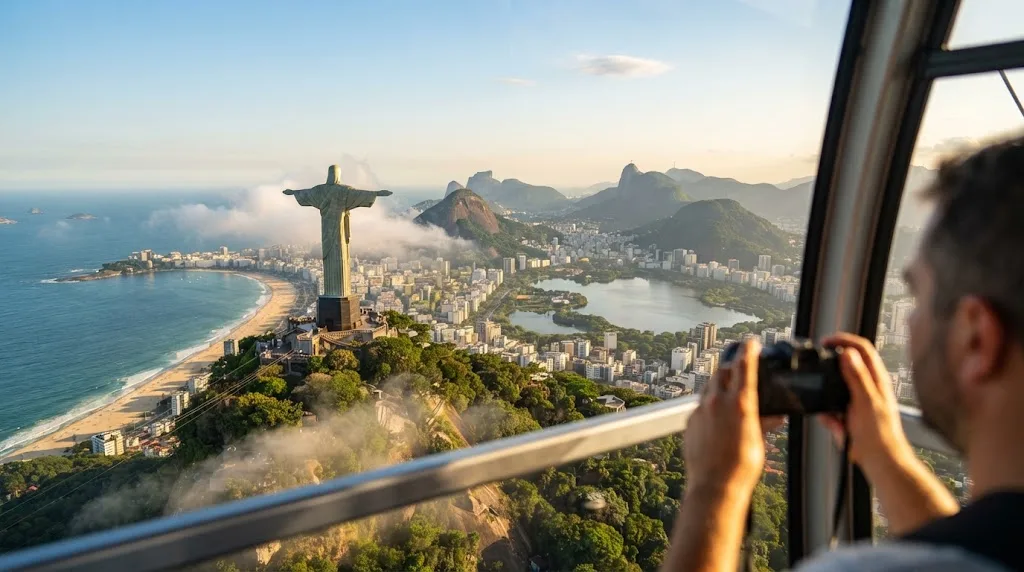
Rio de Janeiro is often the first destination travelers imagine when planning a trip to Brazil. Mountains rise beside beaches and densely populated neighborhoods, creating one of the world’s most recognizable city landscapes. Major attractions include Christ the Redeemer, Sugarloaf Mountain, Copacabana Beach, Ipanema Beach, and viewpoints that reveal the dramatic relationship between the city and surrounding nature.
A visit to Christ the Redeemer provides panoramic views across Rio, while Sugarloaf Mountain offers another spectacular perspective over Guanabara Bay and the coastline. Beach neighborhoods such as Copacabana and Ipanema are ideal for walking, people-watching, enjoying local snacks, or simply relaxing by the ocean. Exploring early in the day can make popular attractions feel more comfortable.
Rio also rewards travelers who look beyond its most famous landmarks. Santa Teresa offers hillside streets, historic architecture, art, and a different atmosphere from the beachfront districts. Visitors can also explore botanical gardens, museums, parks, and local food scenes, giving the city enough variety to comfortably fill several days of a Brazil itinerary.
Experience the Power of Iguaçu Falls
Iguaçu Falls, also commonly written as Iguazu Falls, is one of South America’s most impressive natural attractions. Located along the border between Brazil and Argentina, the waterfall system creates an enormous landscape of rushing water surrounded by subtropical forest. Mist rising above the falls and the sound of the water make the experience feel dramatic even before reaching the closest viewpoints.
The Brazilian side is known for broad panoramic views that allow visitors to appreciate the scale of the waterfall system. Walking routes and viewpoints provide different perspectives as you move closer to powerful sections of the falls. Waterproof clothing or quick-drying clothes can be useful because spray can become surprisingly strong around some observation areas.
Travelers with enough time may choose to experience both the Brazilian and Argentine sides because they provide different perspectives. The surrounding forest also creates opportunities to observe butterflies, birds, and other wildlife. Allowing more than a rushed stop gives you time to appreciate the waterfalls rather than treating them simply as another item on a sightseeing checklist.
Discover the Amazon Rainforest
The Brazilian Amazon offers a completely different experience from the country’s coastal cities. Manaus is a common gateway for travelers continuing toward rainforest lodges, rivers, and guided nature experiences. Trips into the region may involve boat travel, forest walks, wildlife observation, and opportunities to learn about the enormous ecosystem surrounding the Amazon River and its tributaries.
Traveling with knowledgeable local guides can make an Amazon experience considerably more meaningful. Guides can point out plants, birds, insects, and wildlife that visitors would otherwise easily miss. They can also explain how seasonal water levels influence transportation, habitats, forest trails, and daily life within communities connected to the river environment.
The Amazon should be approached as an ecosystem to experience rather than simply a location to photograph. Pack lightweight clothing suitable for humid conditions, insect protection, comfortable footwear, and appropriate rain protection. Travelers should also choose responsible operators that demonstrate respect for wildlife, local communities, and the natural environment instead of activities that unnecessarily disturb animals.
Discover São Paulo’s Food, Art, and City Life
São Paulo offers a different side of Brazil, replacing beaches and rainforest scenery with skyscrapers, museums, restaurants, cultural institutions, and energetic neighborhoods. As a major urban center, the city is particularly appealing to travelers interested in contemporary Brazilian life. Its size can feel overwhelming initially, so focusing on a few neighborhoods makes exploring considerably easier.
Food is one of São Paulo’s strongest attractions. The city’s diverse communities have influenced its restaurant scene, creating everything from traditional Brazilian meals to Japanese, Italian, Middle Eastern, and contemporary cuisine. Markets, bakeries, coffee shops, casual restaurants, and fine dining options make São Paulo an excellent destination for travelers who organize their sightseeing around memorable meals.
Art and culture are equally important parts of the experience. Visitors can explore museums, galleries, public spaces, architecture, and neighborhoods known for creative street art. São Paulo may lack Rio’s instantly recognizable natural scenery, but travelers who enjoy large cities often appreciate its cultural depth, nightlife, food variety, and constantly changing urban atmosphere.
Experience Salvador and the Culture of Bahia
Salvador is one of Brazil’s most culturally distinctive cities, known for colorful colonial architecture, music, Afro-Brazilian traditions, historic streets, and coastal scenery. The Pelourinho historic district is particularly memorable, with brightly painted buildings, churches, plazas, and cobbled streets. Walking through the area reveals layers of Brazilian history alongside contemporary music, restaurants, shops, and cultural performances.
Bahian cuisine is another major reason to visit. Dishes often feature seafood, coconut milk, beans, spices, and dendê palm oil, creating flavors that differ significantly from food found elsewhere in Brazil. Street foods such as acarajé provide an accessible introduction to local culinary traditions, while restaurants offer opportunities to explore the region’s broader cooking heritage.
Beyond Salvador itself, Bahia offers beaches, islands, and smaller coastal destinations for travelers wanting to combine culture with relaxation. Spending several days in the region allows you to balance historic sightseeing with slower seaside experiences. It can also provide a valuable contrast to Rio, São Paulo, or the Amazon within a longer Brazil itinerary.
Relax on Brazil’s Best Beaches and Coastlines
Brazil’s extensive coastline includes everything from busy urban beaches to quieter stretches of tropical sand. Rio’s Copacabana and Ipanema are famous for their energetic atmosphere, while destinations elsewhere offer clearer water, dramatic cliffs, dunes, reefs, or palm-lined shorelines. Choosing the best beach depends on whether you prefer nightlife, swimming, surfing, nature, or peaceful relaxation.
The northeastern coast is particularly popular with travelers seeking warm weather and scenic beaches. Areas around Bahia, Pernambuco, Ceará, and other coastal states offer varied landscapes and beach communities. Some destinations are lively and developed, while others provide a quieter experience where the main activities involve swimming, walking, eating seafood, and watching sunsets.
Do not assume every Brazilian beach offers identical swimming conditions. Currents, waves, weather, and tides can vary widely between locations and throughout the day. Pay attention to local safety information and observe where residents are swimming. Combining beach time with sightseeing creates a balanced itinerary without spending your entire visit moving constantly between major attractions.
Try Brazilian Food and Experience Local Culture
Brazilian food changes from region to region, making meals an important part of traveling through the country. Feijoada, grilled meats, pão de queijo, fresh tropical fruit, seafood, and regional stews are among the many foods travelers may encounter. Rather than searching only for famous dishes, try local restaurants and everyday meals that reflect the area you are visiting.
Brazil is equally famous for music and social culture. Samba is internationally recognized, but the country’s musical traditions extend far beyond a single genre. Live music venues, neighborhood events, festivals, dance, and informal gatherings can provide some of the most memorable travel experiences, especially when visitors explore respectfully rather than treating local culture purely as entertainment.
Learning a few basic Portuguese phrases can also improve everyday interactions. English is not guaranteed everywhere, particularly outside major tourist areas, so simple greetings and practical travel expressions can be useful. Showing patience and making an effort with the language can make ordering food, asking directions, and communicating with local residents noticeably easier.
Choose the Best Time to Visit Brazil
There is no single perfect month to visit Brazil because weather patterns vary significantly across such a large country. Beach destinations, the Amazon, southern regions, and inland areas can experience very different conditions at the same time. Your ideal travel period should therefore depend on the destinations and activities included in your specific itinerary.
Travelers interested in major festivals and lively beach cities may prefer a different period from visitors seeking quieter sightseeing and lower crowd levels. Rainfall and temperature also influence rainforest activities, wildlife experiences, hiking, and coastal conditions. Research each region separately rather than assuming a national weather forecast accurately represents your entire trip.
It is also worth considering your preferred travel style. Peak periods can bring exciting atmospheres but may also mean busier attractions and more expensive accommodation. Flexible travelers can often enjoy Brazil during quieter periods by accepting occasional weather changes and planning indoor or alternative activities when conditions do not suit outdoor sightseeing.
Plan Transportation and Your Brazil Itinerary Carefully
Distances are one of the most important considerations when planning travel in Brazil. Destinations that look manageable on a map may require lengthy overland journeys, so domestic flights are often practical when combining distant regions. Instead of trying to visit five or six areas quickly, choose fewer destinations and leave enough time to actually experience each one.
For a first trip, you might combine Rio de Janeiro with Iguaçu Falls and one additional region such as Salvador or the Amazon. Travelers with more time can include São Paulo, the Pantanal, or northeastern beaches without making the schedule feel rushed. Building occasional slower days into your itinerary also makes long-distance travel much less exhausting.
Brazil can also inspire a broader interest in destinations built around dramatic landscapes and outdoor adventures. Travelers comparing future nature-focused trips may enjoy this Kyrgyzstan guide for a contrasting experience centered on mountains, lakes, and Central Asian scenery. Wherever you travel, focusing on fewer meaningful experiences usually creates a better journey.
Practical Tips for Traveling Around Brazil
Keep your daily schedule realistic, especially in large cities. Traffic, distances between attractions, weather, and travel time can make an overloaded itinerary frustrating. Group nearby attractions together and allow flexibility rather than planning every hour. Leaving open time also makes it easier to follow local recommendations or spend longer somewhere you unexpectedly enjoy.
Normal travel awareness is important when exploring unfamiliar areas. Keep valuable items discreet, use dependable transportation, pay attention to local guidance, and research neighborhoods before wandering somewhere unfamiliar, particularly after dark. Hotels and reputable local guides can often provide useful advice about transportation and areas that visitors commonly use.
Before traveling, check current passport, visa, health, insurance, and entry requirements that apply specifically to your nationality and destinations. Requirements can change, so confirm important details through appropriate official sources close to departure. Keeping digital and physical copies of essential travel documents can also make unexpected problems easier to manage during a longer international trip.
Conclusion
Brazil offers an extraordinary mix of cities, beaches, rainforest, waterfalls, wildlife, food, history, and cultural experiences. Rio de Janeiro delivers famous scenery, Iguaçu Falls showcases natural power, the Amazon provides immersive wilderness, and destinations such as Salvador and São Paulo reveal very different sides of Brazilian life.
The key to a successful Brazil trip is resisting the temptation to see everything at once. The country is enormous, and choosing a few regions gives you more time to enjoy individual places without constantly packing bags or sitting in transit. Build your itinerary around the landscapes, activities, and cultural experiences that matter most to you.
Whether you want beaches, outdoor adventure, urban sightseeing, wildlife, food, or history, Brazil can support many different travel styles. Plan distances carefully, stay flexible, respect local communities and environments, and allow yourself enough time to experience each destination. Those simple choices can turn a rushed sightseeing trip into a much more memorable Brazilian journey.
FAQs
How many days do you need for a trip to Brazil?
Around 10 to 14 days can provide a useful first introduction while limiting the number of regions you visit. Longer trips make it easier to combine distant destinations without rushing.
What are the best places to visit in Brazil for first-time travelers?
Rio de Janeiro, Iguaçu Falls, Salvador, the Amazon, São Paulo, and selected coastal destinations are popular starting points. Your ideal combination depends on whether you prefer culture, nature, beaches, wildlife, or cities.
Is Brazil easy to travel around?
Travel between major cities is manageable, but distances can be enormous. Domestic flights are often practical for distant regions, while buses and local transportation can work well for shorter routes.
What language is spoken in Brazil?
Portuguese is Brazil’s official and dominant language. Learning a few basic Portuguese phrases can make everyday travel easier, particularly when visiting places where English is not widely spoken.
What should I pack for Brazil?
Pack according to the regions you plan to visit. Lightweight clothing, comfortable walking shoes, sun protection, rain gear, insect protection, and practical travel essentials are useful for many Brazilian destinations.