





Europe is one of the easiest regions to explore when you want history, architecture, food, culture, and famous landmarks within relatively short distances. For first-time travelers, choosing the right cities can make the trip smoother and more enjoyable. Some destinations are especially beginner-friendly because they offer reliable transport, walkable neighborhoods, well-known attractions, and plenty of accommodation choices.
The best European cities for first-time visitors also provide a strong sense of place without requiring complicated planning. You can spend mornings exploring historic streets, afternoons visiting museums or cafés, and evenings enjoying local neighborhoods. From Paris and Rome to Prague and Amsterdam, these cities offer memorable experiences that introduce travelers to Europe’s diversity.
Paris, France
Paris is one of the most popular European cities for first-time travelers because many of its attractions are instantly recognizable. The Eiffel Tower, Louvre Museum, Notre-Dame area, Seine River, and elegant boulevards create a classic European experience. Walking through different neighborhoods also reveals quiet cafés, markets, gardens, historic buildings, and everyday Parisian life beyond the major landmarks.
The city’s public transportation system makes it relatively easy to move between neighborhoods, although walking is often the best way to experience central Paris. Areas such as Le Marais, Saint-Germain-des-Prés, and Montmartre each offer a different atmosphere. First-time visitors should avoid trying to see everything and instead focus on a few major sights while leaving time for relaxed exploration.
Paris is particularly rewarding for travelers interested in art, architecture, food, and history. Sitting at a café, walking beside the Seine, or exploring a local bakery can feel just as memorable as visiting a famous monument. Spending at least three or four days gives first-time visitors enough time to experience the city’s highlights without making the itinerary feel overly rushed.
Rome, Italy
Rome combines ancient history with lively modern neighborhoods, making it one of Europe’s most memorable destinations. Famous attractions such as the Colosseum, Roman Forum, Pantheon, Trevi Fountain, and Vatican City provide an impressive introduction to European history. Many important sights are surrounded by atmospheric streets, piazzas, restaurants, and cafés that encourage travelers to explore on foot.
Walking is especially useful in Rome because many historic areas are relatively close together. Comfortable shoes are essential, since cobblestone streets and long sightseeing days can quickly become tiring. Visitors should also plan major attractions in advance where possible, particularly popular sites where entrance lines can become long during busy travel periods.
Food is another major reason first-time travelers enjoy Rome. Simple dishes such as pasta, pizza, gelato, and espresso are widely available, but exploring quieter streets can lead to more relaxed dining experiences. Travelers who combine famous landmarks with slower neighborhood walks often leave with a better understanding of the city’s personality and its connection between ancient history and daily life.
London, England
London is an excellent starting point for travelers who want a city packed with major attractions, museums, shopping districts, parks, and diverse neighborhoods. Buckingham Palace, Tower Bridge, Westminster, the Tower of London, and the British Museum are among its best-known sights. The city’s scale can initially feel overwhelming, but its transportation network makes getting around relatively straightforward.
The London Underground connects most areas visitors are likely to explore, while buses provide an easy way to see more of the streets above ground. Neighborhoods such as Covent Garden, Notting Hill, Soho, and South Bank each offer something different. First-time travelers can save time by grouping nearby attractions together instead of repeatedly traveling across the city.
London also works well for visitors with varied interests because one day can include royal history while the next focuses on markets, theater, museums, or food. Many major museums are free to enter, helping travelers balance their sightseeing budget. Allowing four or five days provides enough flexibility to see the essential attractions while still enjoying parks and local neighborhoods.
Barcelona, Spain
Barcelona is ideal for first-time European travelers who want architecture, beaches, food, and lively streets in one destination. Antoni Gaudí’s buildings, including the Sagrada Família and Park Güell, give the city a distinctive appearance. The Gothic Quarter adds narrow historic streets and plazas, while the waterfront provides a more relaxed side of the city.
Public transportation is easy to use, but several central areas are enjoyable to explore on foot. Visitors can spend mornings seeing architectural landmarks, afternoons walking through markets or parks, and evenings enjoying tapas and neighborhood restaurants. Booking major attractions ahead is useful because popular Gaudí sites can become crowded, especially during peak travel months.
Barcelona also works well for travelers who want to combine urban sightseeing with time outdoors. Beaches, hills, public parks, and coastal views provide breaks from museums and historic streets. The city’s mix of culture and recreation makes it especially suitable for travelers who worry that a traditional European city break may involve too many indoor attractions.
Amsterdam, Netherlands
Amsterdam offers a compact city center, beautiful canals, historic houses, museums, and a relaxed atmosphere that suits many first-time travelers. The canal belt is especially enjoyable on foot or by boat, allowing visitors to see the city’s distinctive architecture from different perspectives. Major attractions include the Rijksmuseum, Van Gogh Museum, Anne Frank House, and several scenic neighborhoods.
Cycling is closely associated with Amsterdam, but inexperienced visitors should understand local cycling rules before renting a bicycle. Walking and public transportation are often easier for a first trip. The city center is relatively manageable, making it possible to combine museums, canal walks, cafés, markets, and historic streets without spending much time traveling between attractions.
Amsterdam can become busy, so visitors may enjoy staying slightly outside the most crowded central streets while remaining close to public transport. Early mornings are particularly pleasant for photographing canals and bridges before major visitor areas fill up. Three days is often enough for the main sights, although additional time makes it easier to explore surrounding towns or countryside.
Prague, Czech Republic
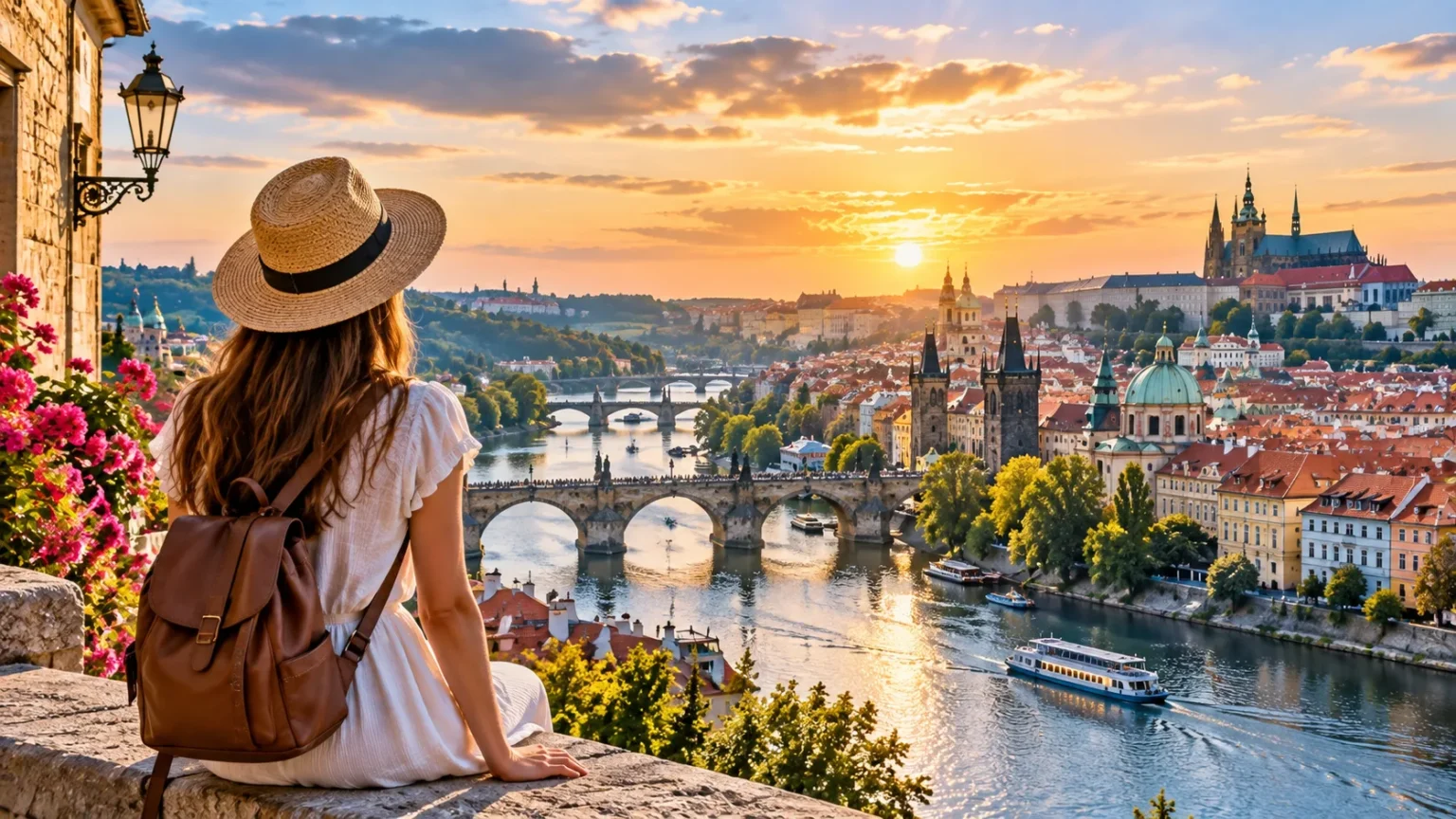
Prague is one of Europe’s most visually impressive cities, with medieval streets, Gothic churches, colorful buildings, bridges, and hilltop views. Prague Castle, Charles Bridge, Old Town Square, and the Astronomical Clock form the core of many first-time itineraries. The historic center is relatively compact, making the city easy to experience through walking.
One of Prague’s strongest advantages is that visitors can enjoy memorable architecture without constantly moving between distant attractions. Crossing Charles Bridge early in the morning, walking through Malá Strana, or climbing toward the castle reveals different views of the city’s rooftops and river. Public transport is also efficient when your accommodation or destination is outside the center.
Prague is particularly attractive to travelers who enjoy history and atmosphere but want an alternative to larger Western European capitals. Cafés, riverside walks, traditional food, and evening views add variety to sightseeing days. Spending three days allows enough time for the major landmarks while leaving room to explore quieter streets away from the busiest tourist areas.
Vienna, Austria
Vienna is a refined and comfortable city for first-time visitors, especially those interested in imperial history, music, architecture, and café culture. Palaces such as Schönbrunn and Hofburg reflect the city’s royal past, while elegant streets and historic buildings give central Vienna a distinctive character. Museums, concert halls, gardens, and traditional cafés provide plenty of variety.
The city’s public transportation is efficient and relatively easy to understand, which reduces stress for visitors unfamiliar with European transit systems. Much of the historic center can also be explored comfortably on foot. Travelers can combine major attractions with relaxed stops for coffee and cake, creating a slower pace than some busier European capitals encourage.
Vienna is also a good choice for travelers who appreciate order, cleanliness, and convenient transport. Its location makes it practical to combine with other Central European cities during a longer itinerary. Visitors interested in nature can also extend their trip beyond urban sightseeing and explore nearby countryside or European mountain destinations.
Lisbon, Portugal
Lisbon offers colorful streets, historic trams, hillside viewpoints, traditional neighborhoods, and easy access to the coast. Areas such as Alfama, Baixa, and Chiado provide different perspectives on the city, while viewpoints known as miradouros offer excellent panoramas. The combination of old buildings, tiled facades, waterfront areas, and steep streets gives Lisbon a distinctive character.
First-time visitors should be prepared for hills, since walking through Lisbon often involves steep climbs and uneven pavements. Comfortable footwear makes exploring much easier. Historic trams and public transportation can reduce some of the walking, although popular routes may become crowded during busy periods, making quieter streets and neighborhoods especially appealing.
Lisbon works particularly well for travelers who want a relaxed European city break with good food and opportunities for nearby day trips. Sintra is a popular addition because of its palaces and surrounding landscapes. Three or four days in Lisbon allows time for major neighborhoods, viewpoints, local food, and a slower rhythm than many larger capitals.
Budapest, Hungary
Budapest combines grand architecture, river views, historic districts, thermal baths, and lively neighborhoods. The Danube River separates Buda and Pest, with landmarks such as Buda Castle, Fisherman’s Bastion, Parliament, and Chain Bridge creating some of the city’s best-known views. The mix of historic buildings and broad riverside spaces makes Budapest particularly appealing for photography.
Walking along the Danube is one of the easiest ways to understand the layout of the city. Public transportation also connects major areas efficiently, including metro, tram, and bus routes. First-time visitors can spend one day exploring Buda’s elevated historic areas and another discovering central Pest, markets, cafés, museums, and architectural landmarks.
Thermal baths provide an experience that feels different from traditional sightseeing and can be especially welcome after several days of walking. Budapest can also offer strong value compared with some Western European capitals, depending on travel style and season. A three-day visit provides a solid introduction, while four days allows a more relaxed pace and additional neighborhood exploration.
Copenhagen, Denmark
Copenhagen is a welcoming city for first-time travelers who appreciate clean streets, attractive waterfronts, modern design, historic architecture, and a relaxed urban atmosphere. Nyhavn is its most recognizable waterfront area, but neighborhoods beyond the center reveal cafés, parks, markets, and local life. The city’s manageable size makes independent exploration relatively straightforward.
Walking and cycling are popular ways to get around, while public transportation connects major attractions effectively. Visitors can explore royal palaces, gardens, museums, harbors, and pedestrian shopping streets without building an overly complicated itinerary. The city is especially enjoyable during warmer months when outdoor spaces, waterfront areas, and parks become a central part of daily life.
Copenhagen can be more expensive than some other European destinations, so budgeting for accommodation and meals is helpful. Free activities such as walking along canals, exploring public spaces, and relaxing in parks can balance paid attractions. Travelers who enjoy organized cities, contemporary culture, and a slower sightseeing pace often find Copenhagen easy to navigate and rewarding.
How to Plan Your First European City Trip
First-time travelers should resist the temptation to visit too many cities in one trip. Moving every day or two can turn a vacation into a constant cycle of packing, transportation, and hotel check-ins. Spending three or four nights in each major city usually provides a better balance between sightseeing and actually experiencing the destination.
Choosing cities that connect easily by train or short flights can also simplify the itinerary. Paris and London can work well together, while Vienna, Prague, and Budapest create a convenient Central European route. Rome can be paired with other Italian destinations, and Lisbon can be combined with nearby coastal areas or additional Portuguese cities.
It is also useful to book important attractions, accommodation, and major transportation in advance when traveling during popular seasons. Leave some unscheduled time each day for cafés, neighborhoods, markets, or unexpected discoveries. First-time European travel becomes much more enjoyable when the itinerary provides direction without controlling every hour of the trip.
Conclusion
The top European cities for first-time travelers offer a combination of famous attractions, convenient transportation, strong cultural experiences, and plenty of opportunities for independent exploration. Paris, Rome, London, Barcelona, Amsterdam, and Prague are classics for good reason. Each introduces visitors to a different side of European architecture, history, food, and everyday life.
Cities such as Vienna, Lisbon, Budapest, and Copenhagen provide equally rewarding experiences while offering different travel styles. Some feel elegant and organized, while others are colorful, relaxed, or especially rich in historic atmosphere. Choosing destinations based on your interests will usually produce a better trip than simply trying to visit the largest number of famous cities.
For your first European journey, give each destination enough time to feel memorable rather than rushed. Walk through local neighborhoods, use public transportation, try regional food, and leave space for unexpected discoveries between major attractions. Europe rewards slower exploration, and a well-planned first trip can easily become the beginning of many future visits.
FAQs
Which European city is best for first-time travelers?
Paris, Rome, and London are excellent choices because they combine famous landmarks, extensive transportation networks, and plenty of visitor services. The best option depends on whether you prefer history, food, art, or modern city experiences.
How many European cities should I visit on my first trip?
For a one- to two-week trip, two to four cities is usually comfortable. Spending at least three nights in major destinations helps reduce travel fatigue and gives you enough time to explore properly.
What is the easiest European city to get around?
Amsterdam, Vienna, Copenhagen, and Prague are relatively easy for first-time visitors thanks to compact central areas and efficient transportation. Paris and London are larger but also have extensive public transit networks.
What is the best time for a first trip to Europe?
Spring and early autumn are excellent for many European cities because temperatures are usually comfortable and major attractions may be less crowded than during peak summer. Weather conditions still vary significantly by destination.
Is Europe easy to travel around without a car?
Yes. Many European cities have excellent trains, metros, trams, and buses, making a car unnecessary for most city-based trips. Trains are particularly convenient when visiting several destinations located relatively close together.