




Island travel has a special way of making a vacation feel different from everyday life. Surrounded by water, dramatic coastlines, beaches, mountains, or tropical forests, islands often combine beautiful scenery with a slower pace. Some are perfect for relaxing beside the sea, while others reward travelers with hiking, culture, wildlife, food, and unforgettable road trips.
The best islands to visit are not limited to luxury honeymoon destinations. Around the world, you can find volcanic landscapes, historic towns, coral reefs, Mediterranean villages, and remote wilderness on islands suited to many travel styles. These 20 destinations deserve consideration if you are building a once-in-a-lifetime island travel bucket list.
1. Maldives and 2. Bora Bora
The Maldives is one of the world’s most famous island escapes, known for turquoise lagoons, white-sand beaches, coral reefs, and resorts built around privacy. Travelers can stay in overwater villas, snorkel directly from the beach, enjoy sunset cruises, or spend days doing almost nothing. It is especially appealing for honeymoons, anniversaries, and relaxing luxury vacations.
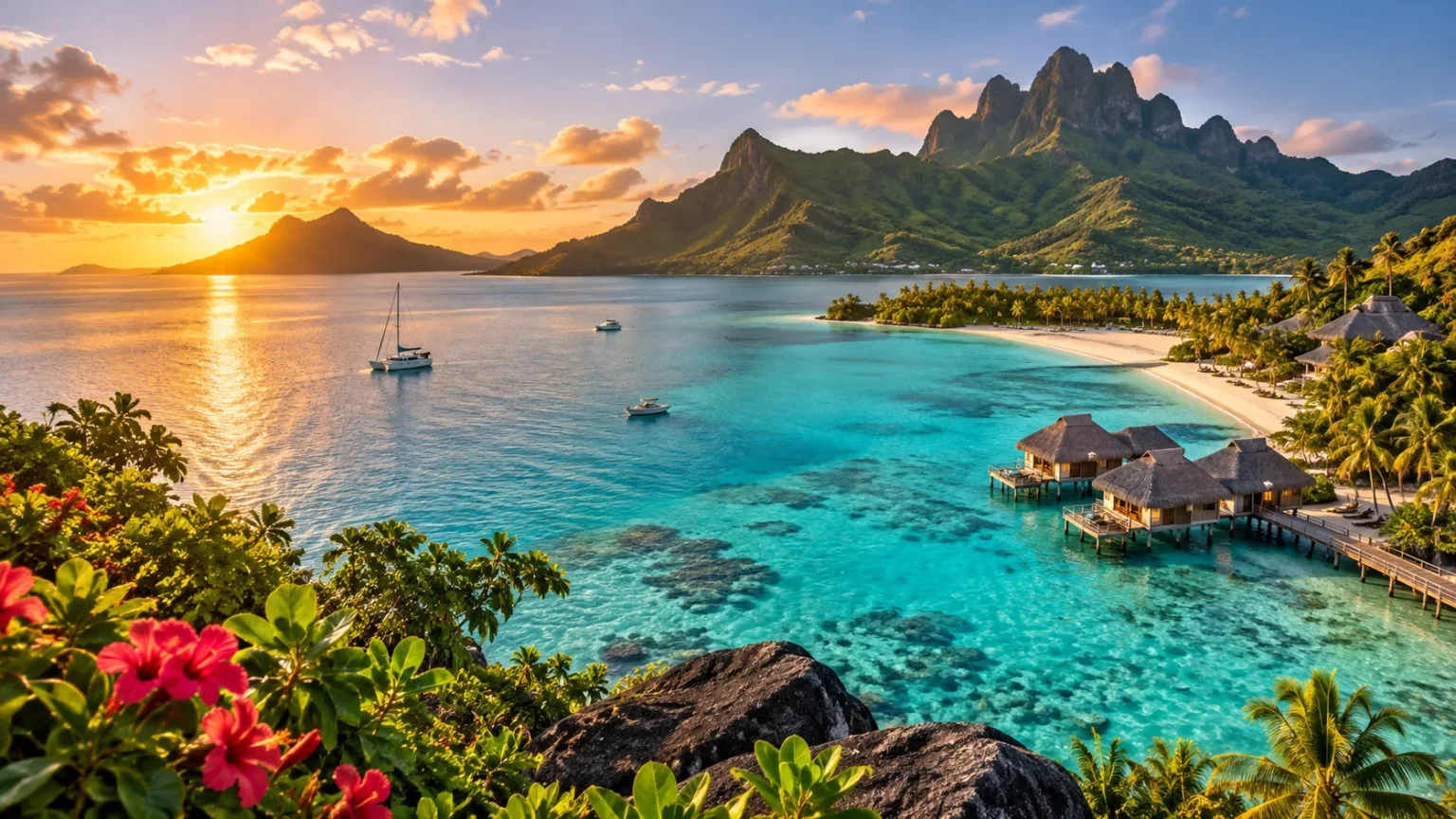
Bora Bora in French Polynesia offers equally dramatic tropical scenery with the added backdrop of Mount Otemanu. Its lagoon is ideal for swimming, snorkeling, paddleboarding, and boat excursions, while many resorts provide overwater accommodation. Couples often choose Bora Bora when they want privacy, striking scenery, and a destination that feels genuinely removed from ordinary city life.
Both islands are relatively expensive, so they work best for travelers prepared to budget for flights, transfers, accommodation, and resort dining. The Maldives offers more individual resort islands, while Bora Bora feels more centered around one spectacular lagoon. Either can deliver an unforgettable tropical vacation when relaxation and water-based experiences are the main priorities.
3. Santorini, Greece and 4. Sicily, Italy
Santorini combines volcanic cliffs, whitewashed villages, blue-domed churches, and panoramic Aegean views. Couples can explore Oia, enjoy cliffside restaurants, take boat trips, and spend evenings watching the sunset over the caldera. The island is highly popular, but its distinctive architecture and dramatic setting make it one of the Mediterranean’s most memorable destinations.
Sicily offers a much larger and more varied island experience. Historic cities, ancient ruins, beaches, mountain landscapes, small villages, and distinctive regional cuisine provide enough variety for a longer trip. Travelers can build an itinerary around cultural sightseeing, coastal drives, food experiences, and outdoor adventures instead of spending the entire vacation in one resort area.
Santorini suits shorter romantic escapes, while Sicily rewards travelers with more time and a desire to explore. Renting a car can make Sicily easier to experience beyond its major cities, whereas Santorini can be managed with shorter journeys. Both islands show how Mediterranean travel can combine beaches with architecture, history, and excellent food.
5. Bali, Indonesia and 6. Palawan, Philippines
Bali is one of Asia’s most versatile island destinations because it offers much more than beaches. Travelers can explore rice terraces, temples, waterfalls, wellness retreats, surf areas, and lively coastal communities. Ubud provides a calmer inland experience, while different beach towns allow visitors to choose between nightlife, luxury, surfing, or quieter seaside stays.
Palawan attracts travelers with limestone cliffs, turquoise lagoons, hidden beaches, and remarkable marine scenery. Areas around El Nido and Coron are particularly popular for island-hopping and snorkeling excursions. Boat trips reveal remote coves and clear water that make Palawan one of the strongest choices for travelers who prioritize nature over large urban attractions.
Bali generally provides more restaurants, hotels, wellness experiences, and cultural activities, while Palawan focuses more heavily on outdoor adventure and water. Travelers comparing beach destinations may find both appealing for different reasons. Choose Bali for variety and Palawan for dramatic island-hopping scenery.
7. Maui, Hawaii and 8. Kauai, Hawaii
Maui combines beautiful beaches with scenic drives, volcanic landscapes, hiking, and excellent opportunities for exploring beyond the coast. Travelers can spend one day snorkeling or relaxing beside the ocean and the next discovering waterfalls, viewpoints, or mountain scenery. This variety makes Maui especially suitable for couples and families who want a flexible island vacation.
Kauai feels greener, quieter, and more rugged. Dramatic cliffs, lush valleys, waterfalls, beaches, and hiking trails give the island a strong nature-focused identity. Travelers who prefer scenic landscapes and outdoor adventures over nightlife and resort entertainment may find Kauai particularly rewarding, especially when they are comfortable with a slower pace.
Both islands provide classic Hawaiian beauty, but the experiences are noticeably different. Maui offers a broader mix of resort convenience and sightseeing, while Kauai feels more peaceful and untamed. Visiting either can create a memorable trip, and travelers with additional time may even combine more than one Hawaiian island.
9. Madeira, Portugal and 10. São Miguel, Azores
Madeira rises dramatically from the Atlantic Ocean with mountains, cliffs, forests, gardens, and scenic coastal roads. Hiking routes are a major attraction, but travelers can also explore towns, viewpoints, natural pools, and local food. The island works well for active visitors who still appreciate comfortable hotels and easy access to restaurants and services.
São Miguel is the largest island in Portugal’s Azores archipelago and feels greener and more volcanic. Crater lakes, geothermal areas, hot springs, ocean viewpoints, and countryside roads make driving one of the best ways to explore. Its landscapes can change quickly, giving travelers something different to see throughout a relatively compact island.
Madeira generally feels more developed for tourism, while São Miguel offers a quieter and more remote atmosphere. Both are excellent alternatives to traditional tropical islands because their strongest attractions are mountains, volcanic landscapes, and outdoor exploration rather than long sandy beaches. They are especially appealing for hikers, photographers, and road-trip enthusiasts.
11. Zanzibar, Tanzania and 12. Mauritius
Zanzibar combines tropical beaches with a strong cultural identity. Travelers can relax along white-sand coastlines, explore historic Stone Town, enjoy local cuisine, and take boat or snorkeling trips. The mixture of beach relaxation and cultural sightseeing makes the island especially appealing to visitors who want more than a resort-centered holiday.
Mauritius offers beautiful beaches, mountain landscapes, waterfalls, botanical attractions, and a wide range of resorts. The island is relatively easy to explore by road, allowing travelers to combine coastal relaxation with inland sightseeing. Couples and families can both find suitable accommodation, from luxury beachfront properties to more practical hotels and guesthouses.
Both islands sit in the Indian Ocean but create different experiences. Zanzibar feels especially rich in history and local atmosphere, while Mauritius provides a more polished mix of beaches and organized sightseeing. Choosing between them depends on whether you prioritize cultural immersion, resort comfort, outdoor activities, or a combination of several experiences.
13. Seychelles and 14. Fiji
The Seychelles is known for white beaches, clear water, granite rock formations, and lush tropical vegetation. Rather than staying on only one island, travelers can combine several destinations to experience different beaches and landscapes. The atmosphere suits couples particularly well, although independent travelers can also enjoy hiking, snorkeling, and exploring local communities.
Fiji offers a much larger collection of islands with experiences ranging from luxury private resorts to family-friendly stays and adventure-focused trips. Snorkeling, diving, kayaking, village visits, and beach relaxation can all fit into one vacation. Choosing the right island or resort matters because some locations feel social and active while others emphasize privacy.
Both destinations offer classic South Pacific and Indian Ocean beauty, but Fiji provides greater variety in accommodation and island style. Seychelles often feels particularly picturesque and romantic, while Fiji works well for couples, families, and adventure travelers. Either destination rewards visitors who allow enough time to slow down rather than constantly changing locations.
15. Iceland and 16. Faroe Islands
Iceland proves that an island vacation does not need tropical weather to be extraordinary. Waterfalls, glaciers, volcanic landscapes, geothermal areas, black-sand beaches, and dramatic roads create endless opportunities for sightseeing. A road trip allows travelers to experience changing scenery throughout the country, making the journey itself one of the main attractions.
The Faroe Islands offer an even quieter North Atlantic escape. Cliffs, green mountains, waterfalls, small villages, and winding coastal roads create landscapes that feel both dramatic and peaceful. Weather can change quickly, so flexible planning is important, but shifting clouds and light often make the islands especially rewarding for photographers.
Iceland has stronger tourism infrastructure and a wider selection of major attractions, while the Faroe Islands feel smaller and more remote. Both suit travelers who prefer hiking, scenic drives, and wild landscapes over beaches or nightlife. Packing correctly for wind and rain is essential no matter which North Atlantic destination you choose.
17. Capri, Italy and 18. Mallorca, Spain
Capri delivers classic Italian island glamour through dramatic cliffs, blue water, elegant streets, and beautiful coastal views. Boat trips around the island provide some of the best perspectives, while walking through Capri Town and Anacapri reveals restaurants, shops, gardens, and scenic viewpoints. Staying overnight can create a calmer experience after many day visitors leave.
Mallorca offers much more space and variety, including beaches, mountain roads, historic towns, countryside, and lively urban areas. Palma provides architecture and restaurants, while smaller coastal communities offer a more peaceful pace. Travelers who rent a car can easily combine scenic drives, swimming, hiking, and village exploration during the same trip.
Capri is ideal for a shorter luxury escape, whereas Mallorca can comfortably fill a longer vacation. Both combine Mediterranean scenery with excellent food and easy opportunities for coastal relaxation. Couples may appreciate Capri’s intimate atmosphere, while families and road-trip travelers may prefer Mallorca’s broader range of landscapes and activities.
19. Galápagos Islands, Ecuador and 20. Tasmania, Australia
The Galápagos Islands are unlike most island destinations because wildlife is the main attraction. Travelers can encounter giant tortoises, marine iguanas, sea lions, birds, and marine life in environments shaped by volcanic activity. Guided excursions, snorkeling, and boat journeys make the trip especially rewarding for visitors interested in nature, conservation, and photography.
Tasmania offers a larger land-based adventure filled with mountains, forests, beaches, wildlife, historic towns, and excellent road-trip routes. Hiking is a major draw, but travelers can also build itineraries around food, scenic drives, national parks, and coastal landscapes. Its cooler climate and wilderness make it feel completely different from traditional tropical island vacations.
Both destinations deserve a place on a nature lover’s bucket list. The Galápagos provides rare wildlife encounters, while Tasmania offers extensive landscapes and more independent exploration. Neither is primarily about lying beside a resort pool, making them ideal for travelers who want their island vacation to involve discovery, movement, and memorable encounters with nature.
How to Choose the Best Island for Your Trip
Start with the experience you want rather than choosing an island simply because it is famous. The Maldives, Seychelles, and Bora Bora are excellent for beaches and relaxation, while Iceland, Tasmania, and São Miguel suit travelers who prefer road trips and outdoor adventures. Santorini, Sicily, and Zanzibar provide stronger combinations of culture and scenery.
Travel season is equally important because island weather varies considerably throughout the year. Tropical destinations may experience wet seasons, while North Atlantic islands can bring cold, wind, and rapidly changing conditions. Researching your specific travel month can help you avoid arriving with expectations that do not match the climate or activities available.
Finally, consider the total journey and budget. Remote islands may require extra flights, ferries, or boat transfers that add both time and cost. A closer island that offers the activities you enjoy can sometimes create a better vacation than an expensive destination that requires several exhausting travel days to reach.
Conclusion
The world’s best islands offer far more than beautiful beaches. From the turquoise lagoons of the Maldives and Bora Bora to the volcanic landscapes of Iceland and the Azores, each destination provides a different reason to travel. Some islands invite complete relaxation, while others reward hiking, road trips, wildlife encounters, culture, and exploration.
Travelers seeking tropical scenery can consider Bali, Palawan, Seychelles, Fiji, Mauritius, or Zanzibar. Those wanting Mediterranean charm may prefer Santorini, Sicily, Capri, or Mallorca, while adventurous travelers can look toward Tasmania, Kauai, Madeira, or the Galápagos. There is an island for nearly every travel style and budget.
You do not need to visit all 20 to experience what makes island travel special. Choose the destinations that match your interests, season, and available time, then avoid overcrowding the itinerary. Giving yourself enough time to explore slowly often turns a beautiful island into a place you remember long after the vacation ends.
FAQs
What is the best island to visit for the first time?
Bali, Maui, Mallorca, and Mauritius are excellent first-time island choices because they combine attractive scenery with good tourism infrastructure, varied accommodation, restaurants, and plenty of activities beyond the beach.
Which island has the most beautiful beaches?
The Maldives, Seychelles, Bora Bora, Fiji, and Palawan are all famous for exceptional beaches and clear water. The best choice depends on your budget, preferred activities, and desired level of privacy.
What are the best islands for couples?
Santorini, Maldives, Bora Bora, Seychelles, Capri, and Bali are particularly popular with couples. They offer combinations of romantic accommodation, beautiful scenery, intimate restaurants, beaches, and memorable sunset experiences.
Which islands are best for adventure travelers?
Iceland, Tasmania, Madeira, Kauai, the Galápagos Islands, and São Miguel are excellent for adventure-focused trips. Hiking, wildlife, scenic drives, volcanic landscapes, and water activities provide plenty to explore.
How long should an island vacation be?
Seven to ten days works well for many island vacations, although larger destinations may justify two weeks. Smaller islands can sometimes be enjoyed in several days, especially when they form part of a longer trip.