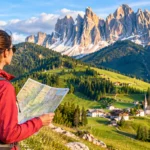






Exploring Peru is an unforgettable experience for travelers who enjoy ancient history, beautiful mountain scenery, and outdoor adventures. From impressive Inca ruins to turquoise alpine lakes and colorful mountain landscapes, the Cusco region offers countless opportunities to discover the country’s natural and cultural treasures. Choosing the right hiking experience can make your journey even more rewarding.
The best Machu Picchu hiking tours offer more than a visit to an archaeological wonder. They combine scenic trekking routes, traditional Andean communities, fascinating historical sites, and breathtaking views. Whether you are an experienced hiker or an active traveler looking for a memorable adventure, Peru offers several exciting destinations worth exploring.
Short Inca Trail: A Memorable Route to Machu Picchu
The Short Inca Trail is one of the most rewarding hiking experiences in Peru. This famous route allows travelers to walk along ancient pathways while discovering archaeological sites surrounded by spectacular mountain scenery. It is an excellent option for visitors who want to experience the historic Inca Trail without committing to a longer trek.
The journey includes a visit to Chachabamba and the impressive Wiñay Wayna archaeological complex. Along the way, hikers encounter agricultural terraces, stone structures, and beautiful natural surroundings. The gradual climb provides opportunities to appreciate the region’s history and landscapes.
One of the most exciting moments is reaching Inti Punku, also known as the Sun Gate. From this viewpoint, travelers can enjoy their first panoramic view of Machu Picchu. The experience creates a memorable introduction to the ancient citadel and makes the hiking journey particularly special.
Machu Picchu: Discover Ancient Inca Architecture
Machu Picchu is one of the world’s most remarkable archaeological destinations. Located high in the Peruvian Andes, this historic citadel attracts travelers interested in ancient civilizations, architecture, and extraordinary mountain scenery.
Visitors can explore impressive stone buildings, agricultural terraces, ceremonial spaces, and ancient pathways. A knowledgeable local guide helps explain the historical importance of the site and the remarkable engineering techniques used by the Incas.
Walking through the archaeological complex provides a deeper understanding of Inca culture and daily life. Travelers can also enjoy breathtaking viewpoints and capture photographs of the surrounding mountains. A guided visit makes the experience more meaningful because visitors learn about the stories and traditions connected to this extraordinary destination.
Humantay Lagoon: Turquoise Waters and Mountain Views
Humantay Lagoon is another beautiful destination for travelers seeking outdoor adventures near Cusco. Surrounded by towering mountains and impressive glacial scenery, this turquoise lake creates a peaceful environment for nature enthusiasts and photography lovers.
The hike involves an uphill trail through high-altitude landscapes. Although the route is not technically difficult, the elevation makes it physically demanding for some visitors. Walking slowly, taking regular breaks, and staying hydrated can help make the experience more comfortable.
The spectacular lake is the highlight of the journey. Its vibrant turquoise water contrasts beautifully with the surrounding mountain peaks, creating an unforgettable natural landscape. Visitors can enjoy the peaceful atmosphere, appreciate the scenery, and learn about the area’s cultural significance.
Rainbow Mountain: Explore Peru’s Colorful Landscapes
Rainbow Mountain, also known as Vinicunca, is one of the most recognizable natural attractions in the Peruvian Andes. Its colorful mineral formations create striking patterns across the mountain slopes, making it a popular destination for adventurous travelers.
The journey usually begins with transportation from Cusco toward the trailhead. From there, visitors follow an uphill walking route through high-altitude terrain. Along the way, they may encounter grazing alpacas, snow-covered peaks, and traditional Andean landscapes.
Reaching the viewpoint is a rewarding experience. Travelers can admire the mountain’s distinctive colors and take photographs of the surrounding scenery. Because of the high elevation, proper acclimatization and a steady walking pace are important for enjoying the excursion safely.
Red Valley: A Unique Andean Hiking Experience
Red Valley offers another spectacular landscape near Rainbow Mountain. Its deep red slopes and dramatic mountain formations create a different visual experience from the colorful mineral patterns of Vinicunca.
The area is especially attractive to travelers who enjoy quieter natural viewpoints and photography. Walking through the valley reveals impressive geological formations and wide-open mountain scenery.
Combining Rainbow Mountain and Red Valley creates a memorable outdoor adventure. Visitors can experience two distinctive landscapes during the same excursion while learning more about the natural beauty of the Peruvian Andes.
Sacred Valley: Culture, History, and Natural Beauty
The Sacred Valley of the Incas is an essential destination for travelers exploring the Cusco region. Surrounded by mountains and fertile agricultural land, the valley offers an excellent combination of historical attractions and traditional Andean culture.
Visitors can explore archaeological sites such as Pisac and Ollantaytambo, where ancient stone structures and agricultural terraces demonstrate the remarkable abilities of Inca builders. Local communities also provide opportunities to discover traditional crafts, food, and everyday cultural practices.
The Maras Salt Mines are another fascinating attraction. Thousands of salt pools cover the mountainside, creating an unusual landscape that has supported local salt production for generations. Exploring these destinations adds cultural depth to an adventure-focused Peru vacation.
Cusco: Begin Your Andean Adventure
Cusco is the main starting point for many hiking adventures in Peru. Once the capital of the Inca Empire, the city combines historic architecture, traditional markets, archaeological attractions, and lively local culture.
Travelers can visit the impressive Cusco Cathedral, Qoricancha, and nearby archaeological sites such as Sacsayhuamán, Qenqo, Puca Pucara, and Tambomachay. These attractions provide valuable insight into the history and achievements of the Inca civilization.
Spending time in Cusco before beginning high-altitude excursions is also useful for acclimatization. Visitors should allow themselves enough time to adjust to the elevation before attempting demanding hikes.
How to Choose the Best Hiking Experience in Peru
Choosing a suitable hiking experience depends on your fitness level, available travel time, interests, and preferred activities. Some travelers prefer walking ancient Inca pathways, while others enjoy exploring mountain lakes, colorful landscapes, and archaeological attractions.
Consider the following factors before planning your journey:
- Fitness Level: Select routes that match your physical ability and hiking experience.
- Travel Season: April to October generally offers favorable dry-season conditions for hiking.
- Acclimatization: Spend time in Cusco before attempting high-altitude excursions.
- Local Guides: Experienced guides provide historical information and useful assistance throughout the journey.
- Permits: Inca Trail permits are limited, so booking early is important.
- Preparation: Carry comfortable hiking shoes, layered clothing, sunscreen, water, and rain protection.
Planning these details in advance can help create a comfortable and enjoyable adventure.
Best Practices for an Enjoyable Machu Picchu Adventure
Preparation plays an important role in making your hiking experience successful. Start by allowing enough time to adjust to the altitude before participating in challenging excursions. Drink sufficient water, eat balanced meals, and follow your guide’s recommendations throughout the journey.
Pack lightweight clothing suitable for changing mountain weather. Comfortable hiking footwear, a waterproof jacket, sunglasses, insect repellent, and a small backpack are useful essentials. Weather conditions can change quickly in the Andes, so carrying appropriate protection is important.
Travelers should also respect local communities, archaeological sites, and natural environments. Following designated trails and listening to professional guides helps protect these important destinations for future generations.
Conclusion
Peru offers an incredible combination of ancient history, beautiful landscapes, and unforgettable outdoor adventures. From the legendary Short Inca Trail and historic Machu Picchu citadel to Humantay Lagoon, Rainbow Mountain, Red Valley, and the Sacred Valley, every destination provides a different perspective on the country’s natural and cultural heritage.
The best Machu Picchu hiking tours allow travelers to experience these attractions through guided exploration, scenic walks, and meaningful cultural encounters. With proper preparation and a well-organized itinerary, visitors can enjoy a rewarding journey through the Peruvian Andes.
Champions Peru Travel helps travelers discover the highlights of Cusco and its surrounding destinations through guided hiking experiences and cultural tours. Choosing an experienced local travel team can make exploring Peru more comfortable, informative, and memorable.
FAQs
What are the best Machu Picchu hiking tours?
The Short Inca Trail is one of the most popular options for reaching Machu Picchu on foot. Other rewarding experiences include hiking to Humantay Lagoon, Rainbow Mountain, and Red Valley.
What is the best time to visit Machu Picchu?
April to October is generally considered the dry season and offers favorable conditions for hiking and sightseeing. April, May, September, and October can be particularly attractive months for visitors.
How difficult is hiking to Machu Picchu?
The difficulty depends on the selected route. The Short Inca Trail is generally considered moderate, while high-altitude hikes such as Rainbow Mountain and Humantay Lagoon can be more physically demanding.
Do I need a guide for Machu Picchu hiking?
A professional guide is highly recommended for understanding Inca history, navigating the hiking experience, and receiving assistance throughout the journey. Inca Trail access also requires the appropriate permits and authorized arrangements.
How many days should I spend exploring Cusco and Machu Picchu?
A seven-day itinerary can provide a rewarding introduction to Cusco, the Sacred Valley, Machu Picchu, and several famous hiking destinations. The ideal duration depends on your interests, fitness level, and available travel time.
What should I pack for hiking in Peru?
Bring comfortable hiking shoes, layered clothing, a waterproof jacket, sunscreen, sunglasses, insect repellent, a reusable water bottle, and a small daypack. Trekking poles can also be helpful on certain routes.